Wear the Change Archives - Europe House

“Who Codes the Future?”: Panel Discussion on Girls and Women in STEM

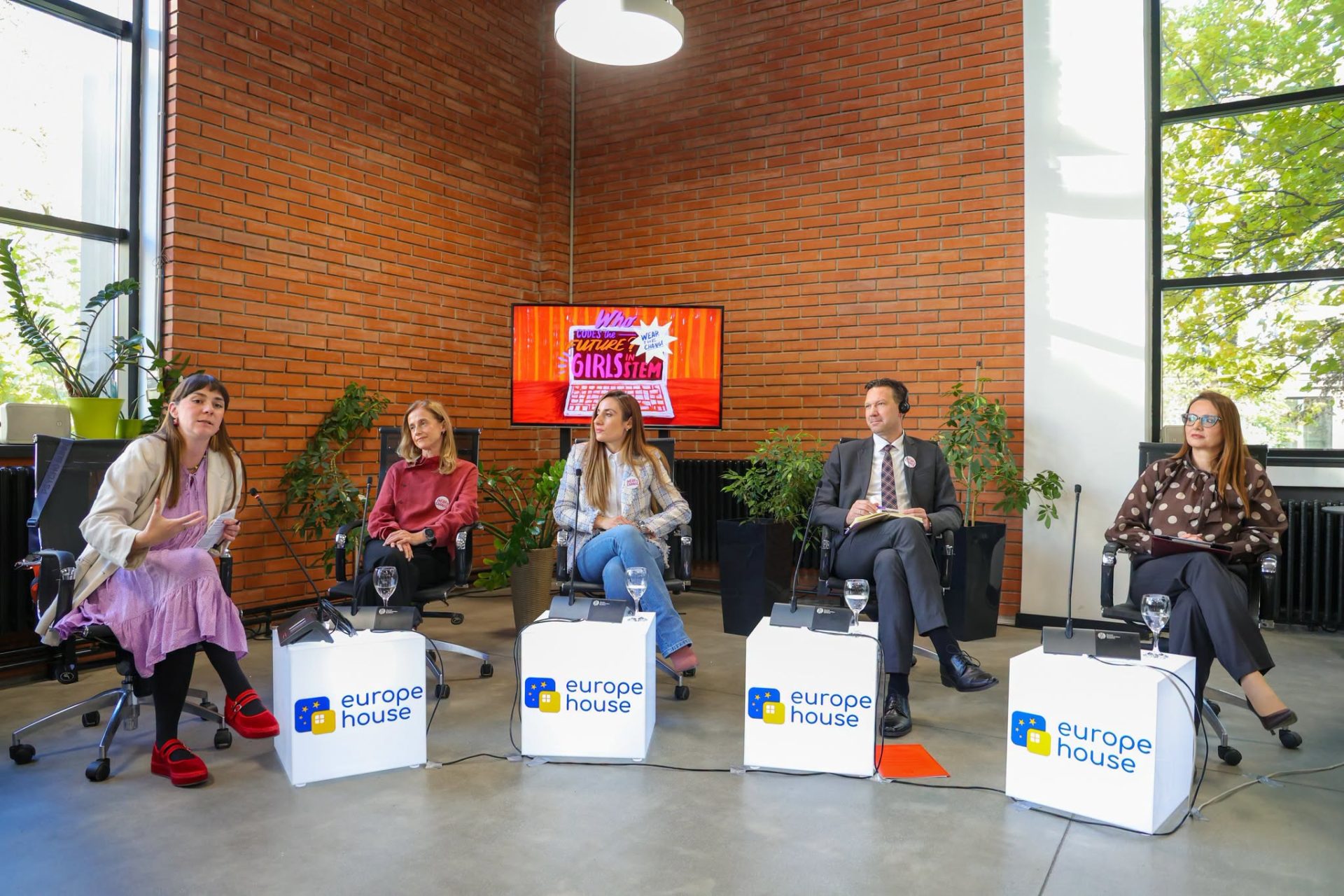
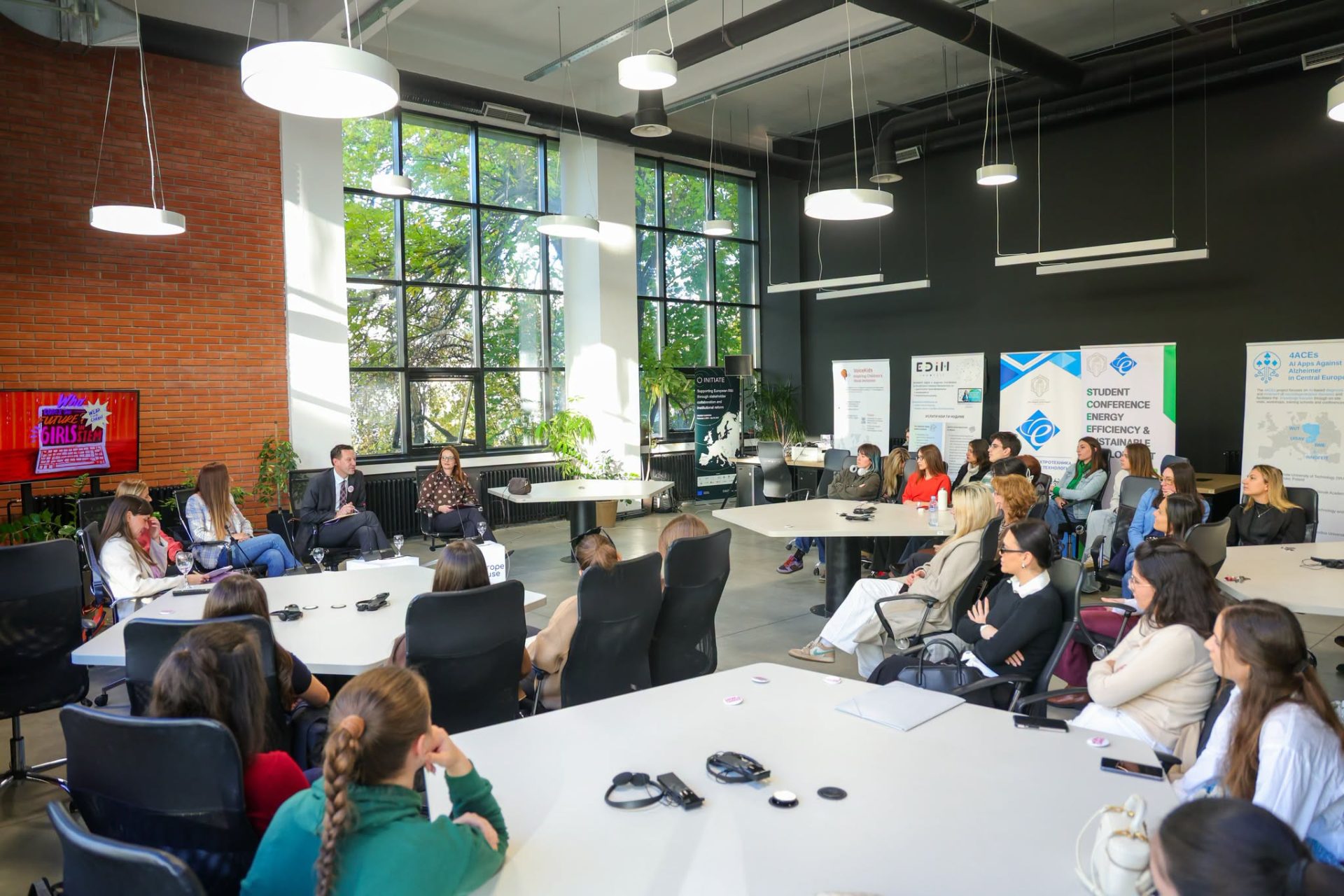
How can we break down gender barriers in science, technology, engineering and mathematics (STEM) and create more opportunities for girls and women in the digital world? These were the key questions explored at the panel discussion “Who Codes the Future? Girls in STEM” – part of the Wear the Change campaign and national caravan, launched by Europe House and the Delegation of the European Union.

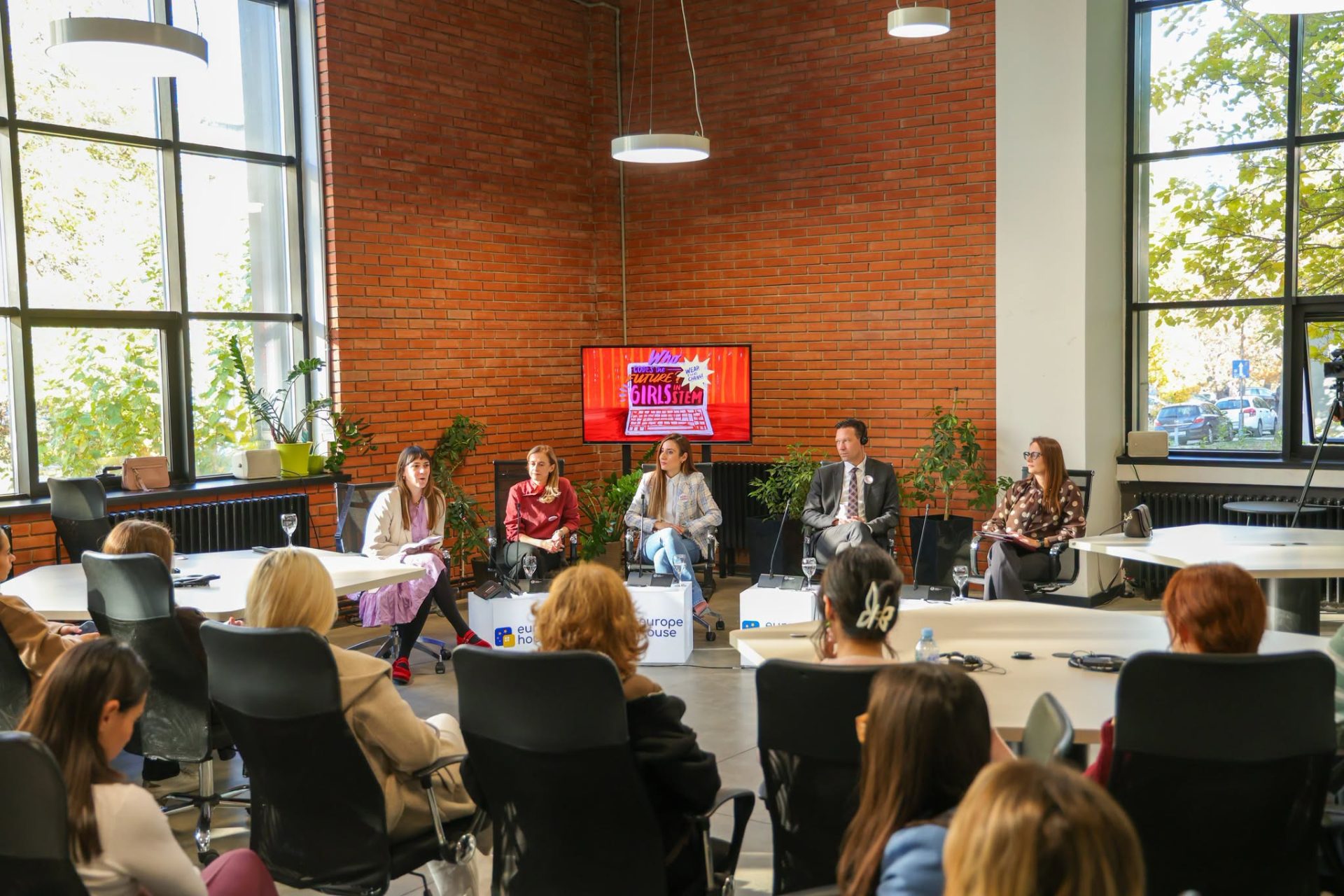
Held at the UKIM’s Tech Campus in Skopje, the discussion addressed the gender gap, stereotypes and institutional barriers, as well as the need to ensure equal access to education, professional development and leadership positions in the technology sector.

Despite women accounting for around 70% of graduates in natural sciences and mathematics and making up more than half of the country’s researchers, their representation in technology-related professions remains significantly lower. And while women make up 33% of ICT graduates, they represent less than a quarter of the sector’s workforce. A lack of support and visible female role models, coupled with a sense of not belonging, continues to influence girls’ educational and career choices.
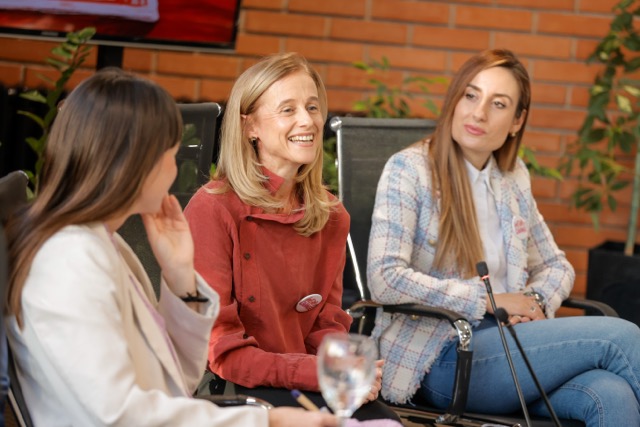
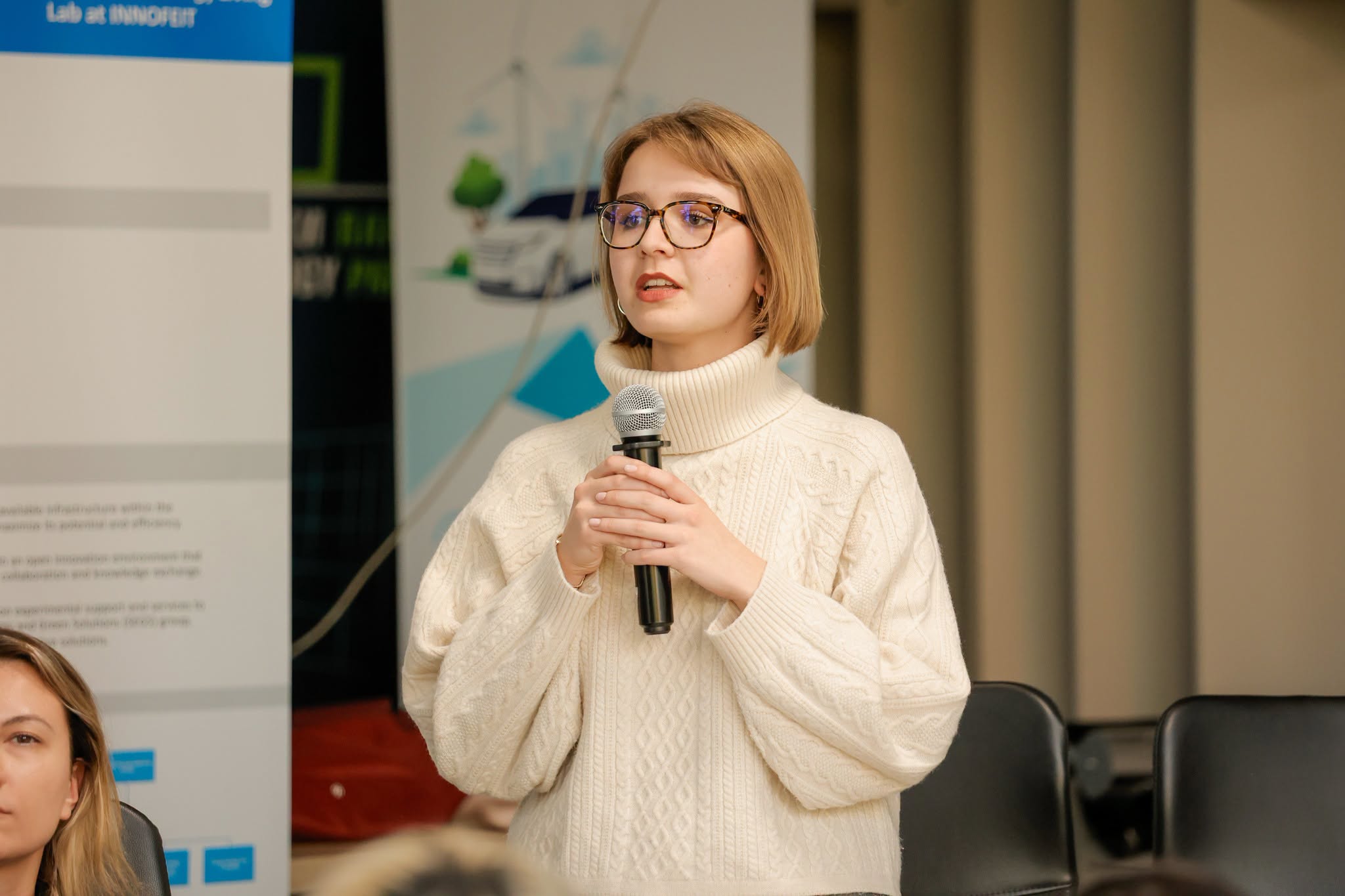
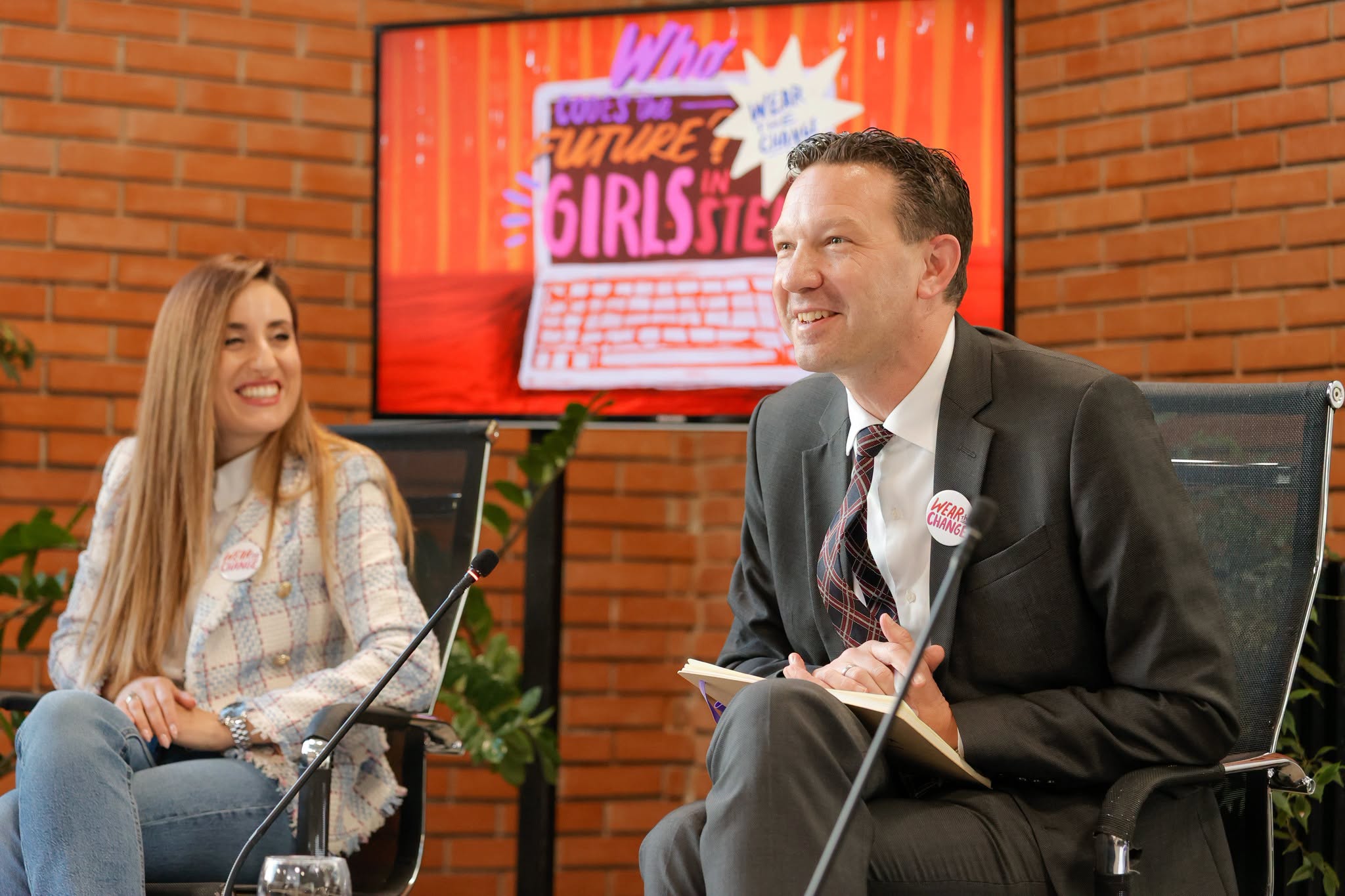
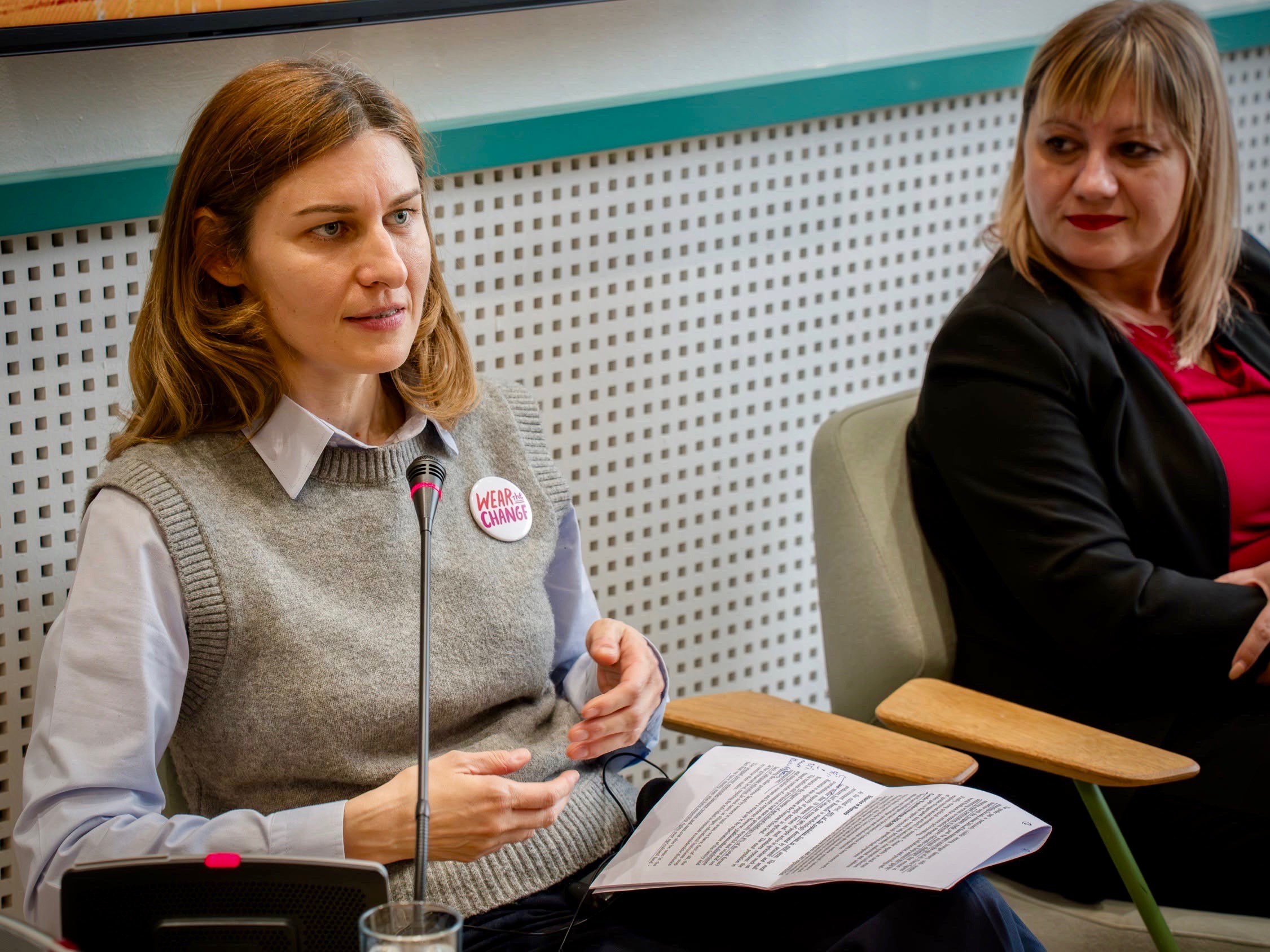
The panel brought together Swedish Ambassador Ola Sohlström; Marijana Ilovska Zlatanovski, Executive Director for Digital Innovation at Intertec.co and Partnerships Director at Women in Tech North Macedonia; Prof. Ana Poceva Panovska, PhD, from the Faculty of Pharmacy at Ss. Cyril and Methodius University in Skopje (UKIM); and Prof. Nevenka Kiteva Rogleva, PhD, from the Faculty of Electrical Engineering and Information Technologies (FEEIT) at UKIM. The discussion was moderated by Andrea Ugrinovska from “Tiiiit! Inc.” – Skopje.

Prof. Ana Poceva Panovska, PhD, the researcher behind UKIM’s first patent in the field of medicinal chemistry, involving hybrid molecules with potential applications in the treatment of Alzheimer’s disease, spoke about the transformation of pharmacy and the growing participation of women in the field.

“Today, more than 90% of the students at our faculty are women. This change shows what can happen when women are given opportunities for education and professional development,” said Prof. Poceva Panovska.

Marijana Ilovska Zlatanovski, representing Women in Tech North Macedonia, highlighted the growing number of women in technology, while also addressing the challenges they face in reaching leadership positions. Although women’s representation in the technology sector is increasing, barriers that limit their career progression and access to leadership roles still need to be addressed. “I am glad that today we are working to overcome these barriers and encourage girls to take greater initiative. There has definitely been progress, but there is still a lot of work to be done,” she stressed.
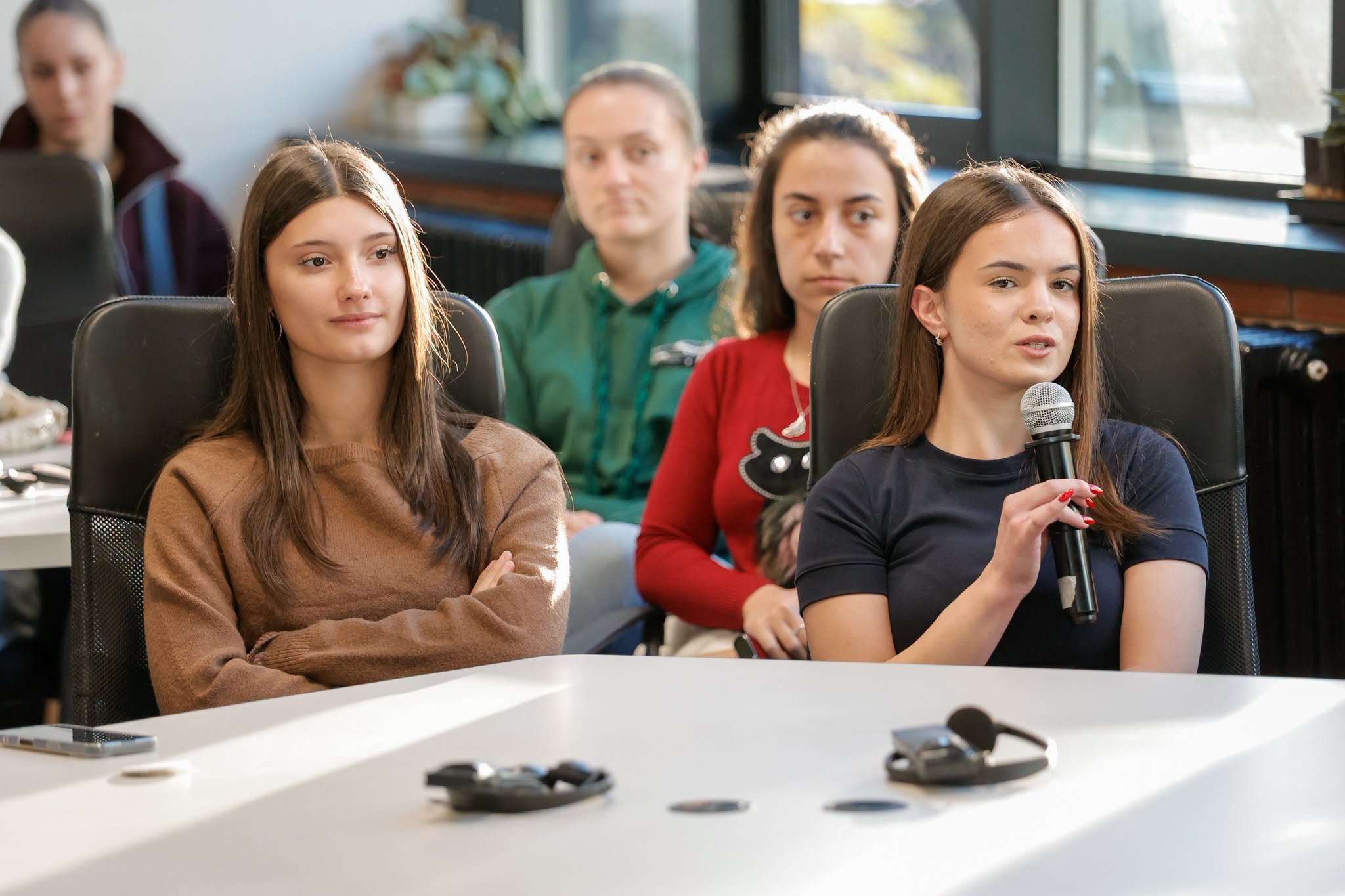
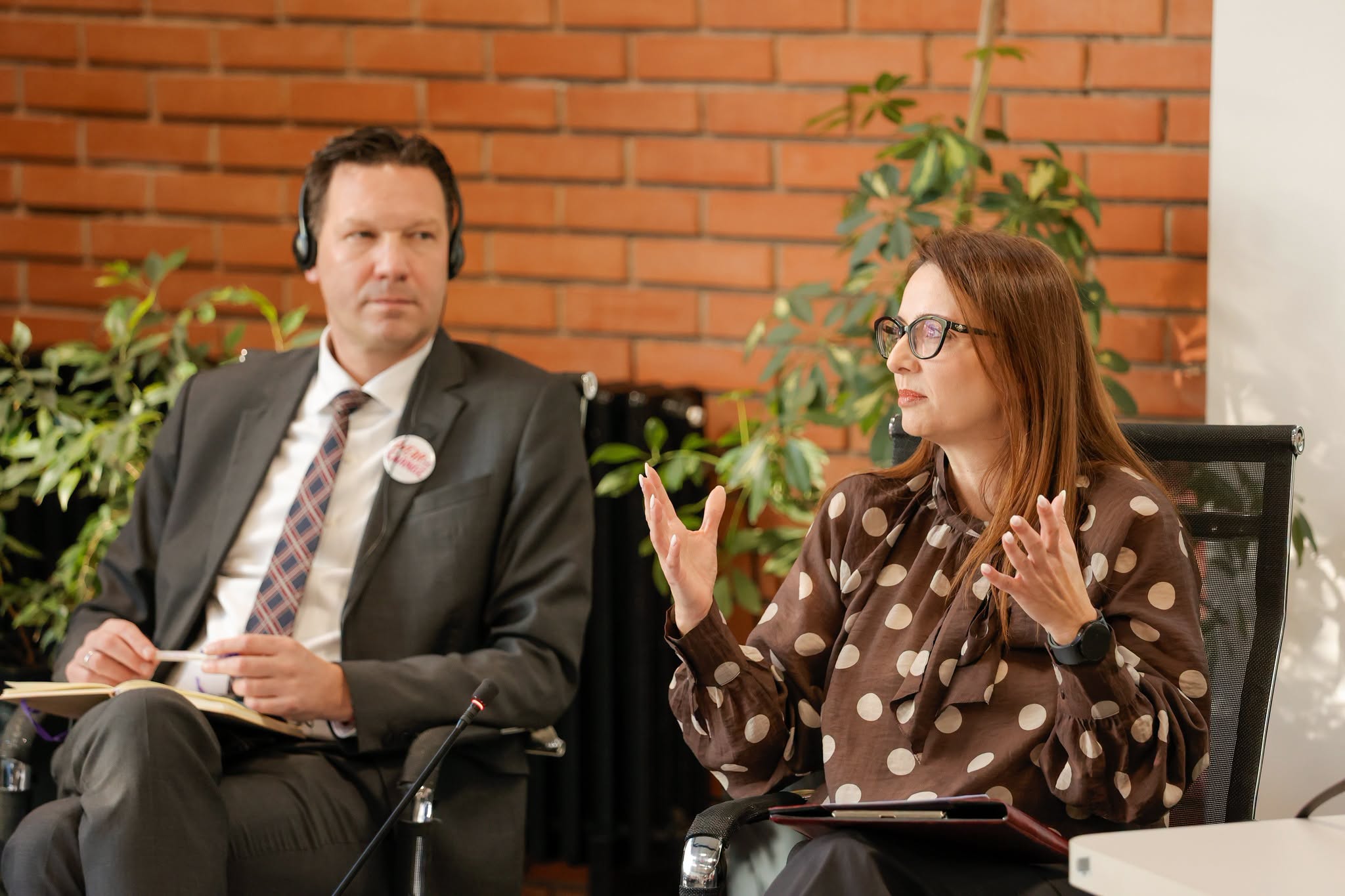
Swedish Ambassador Ola Sohlström noted that Sweden’s progress in STEM is the result of long-term investment in education, research and innovation.

“Sweden’s success in STEM did not happen overnight. It is the result of generations of investment in education, research, innovation and people. My message to decision-makers in North Macedonia is to do the same: invest more in education, in STEM and, above all, in young people. I believe that the future of this country, the region and the world depends to a great extent on the young woman who is 20 today, wondering what comes next and deciding which path to take,” Ambassador Sohlström said.

Prof. Nevenka Kiteva Rogleva, PhD, shared her professional experience in the energy sector, a field traditionally dominated by men. She emphasised that knowledge, interest and quality education matter more than gender stereotypes, and that support from family members and teachers can be decisive in encouraging girls to pursue their interests in science and technology.

When girls and women do not have equal opportunities to fulfil their potential, society loses talent, ideas, opportunities for innovation and more effective solutions. Closing the gender gap in STEM requires more than conversations: it calls for sustained support, visible role models and equal opportunities in education, career advancement and leadership.
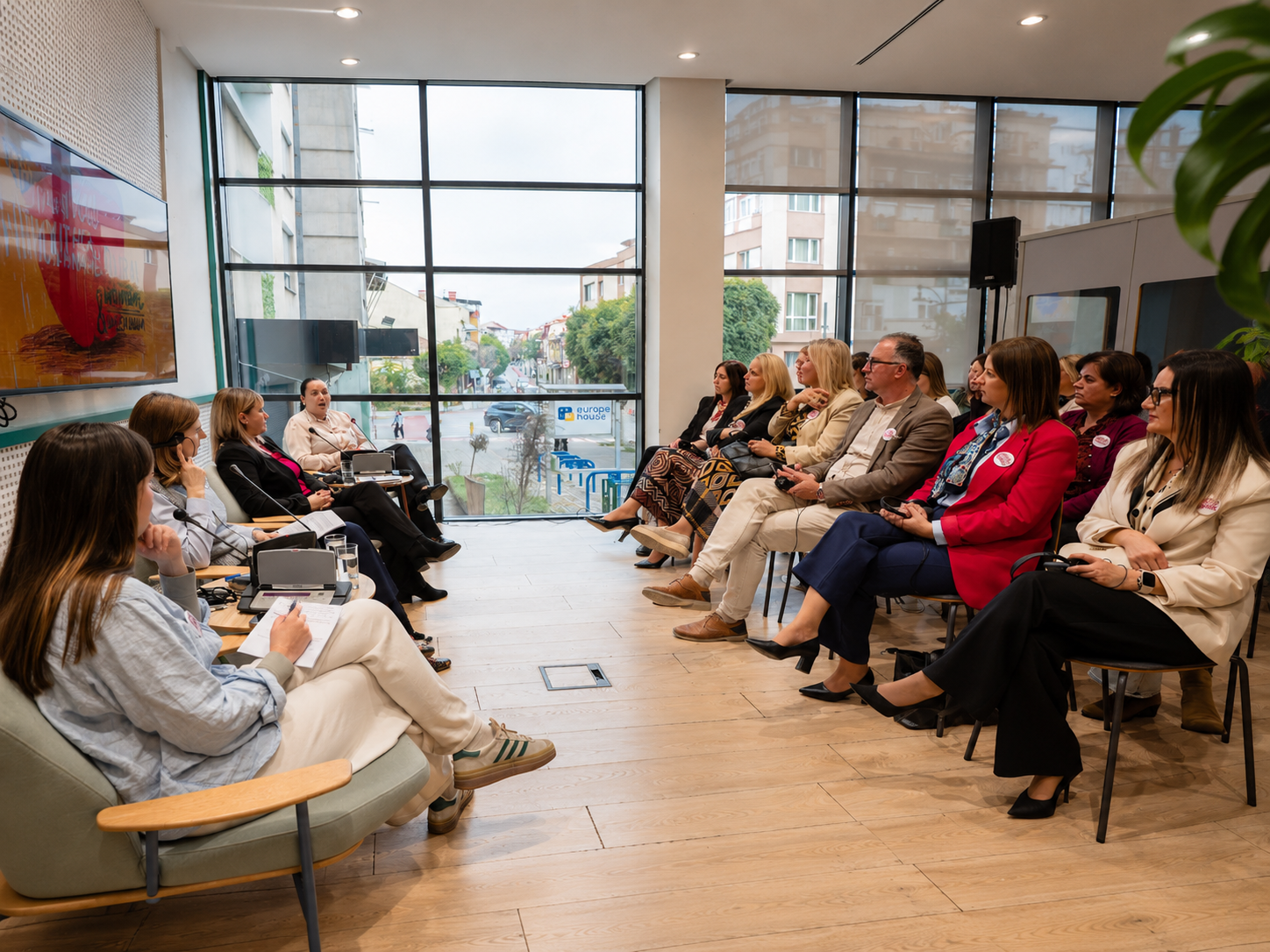
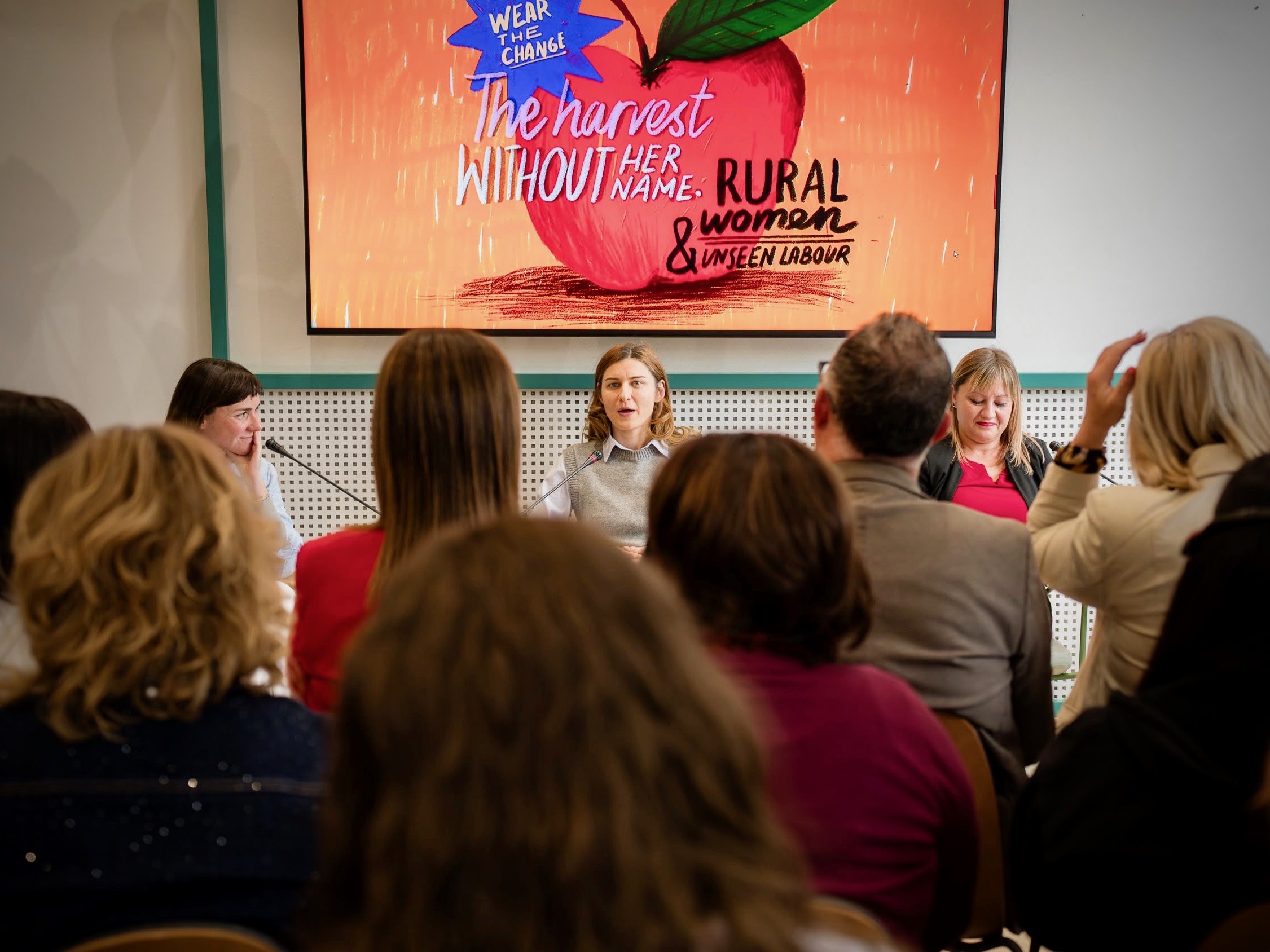
“The Harvest Without Her Name” at Europe House Strumica: A Discussion on Rural Women and Their Unseen Labour

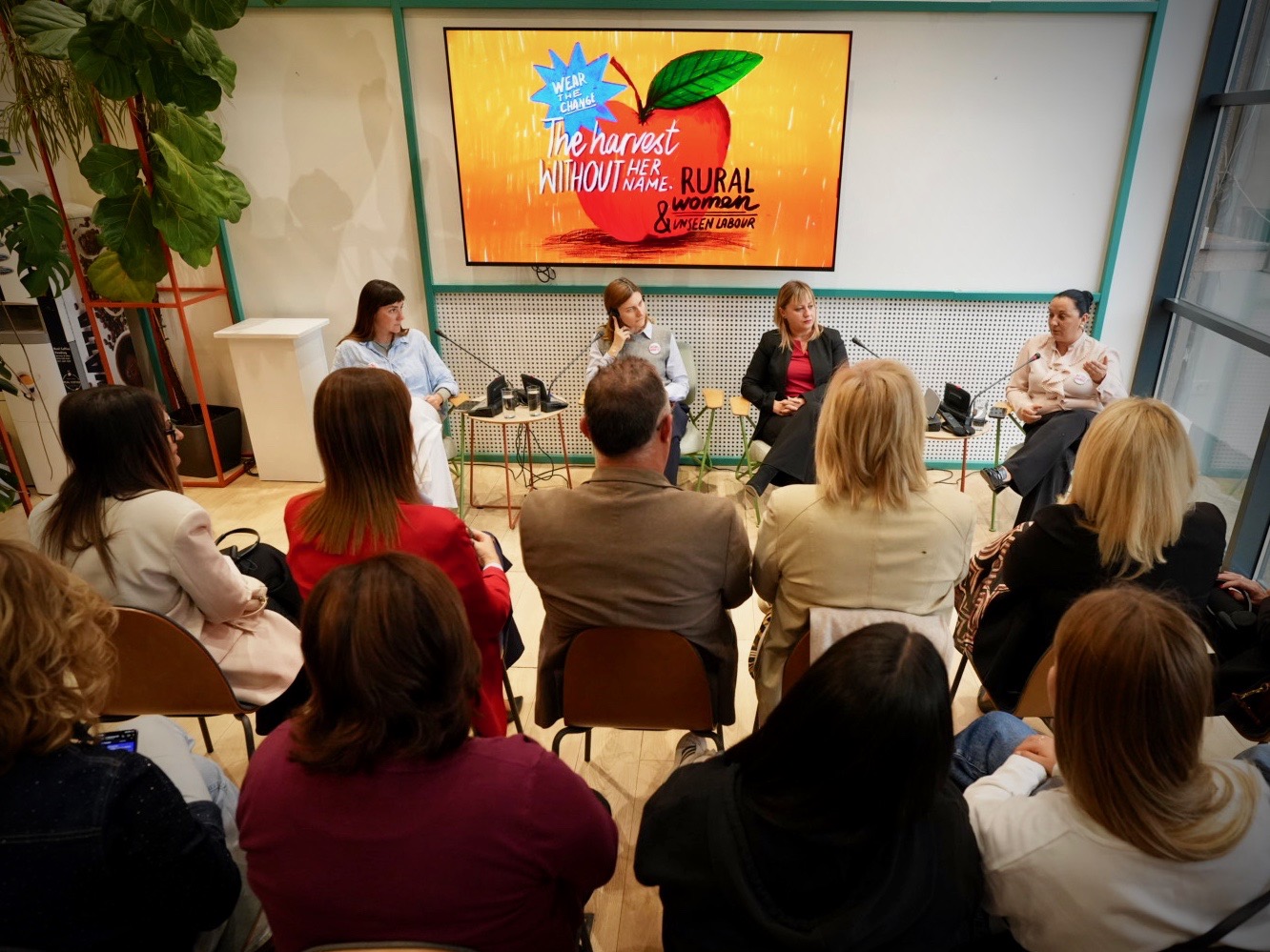
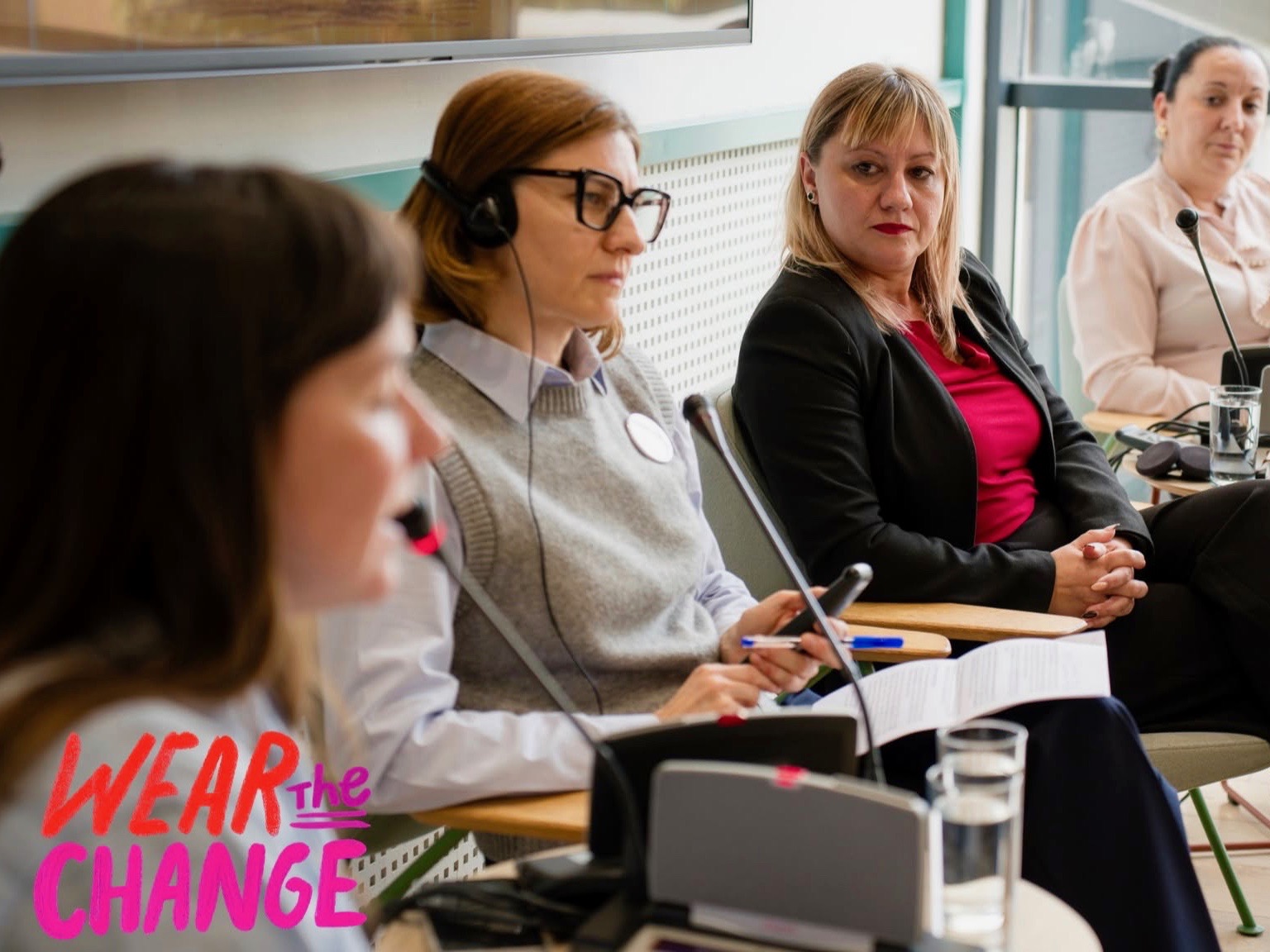
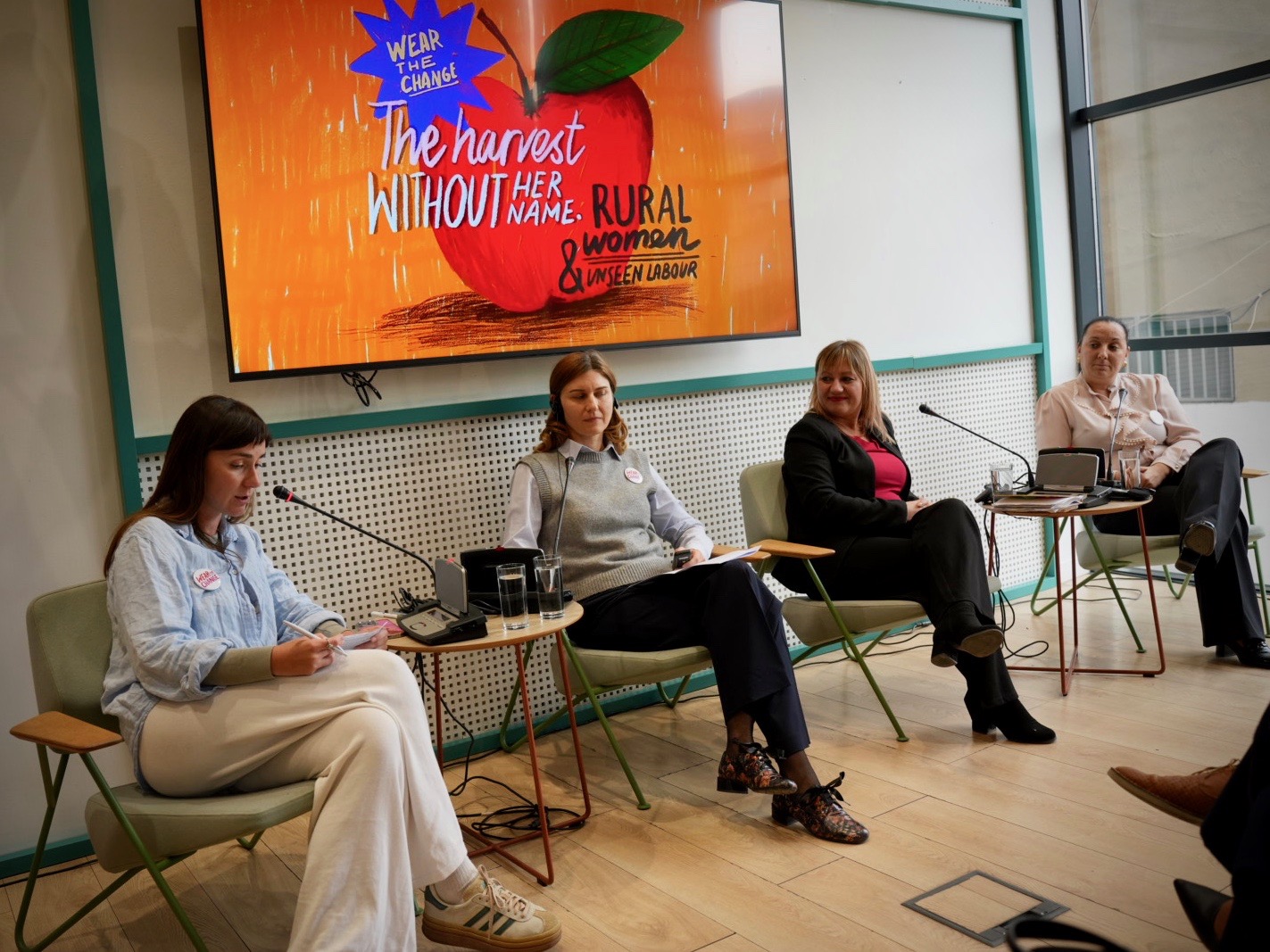
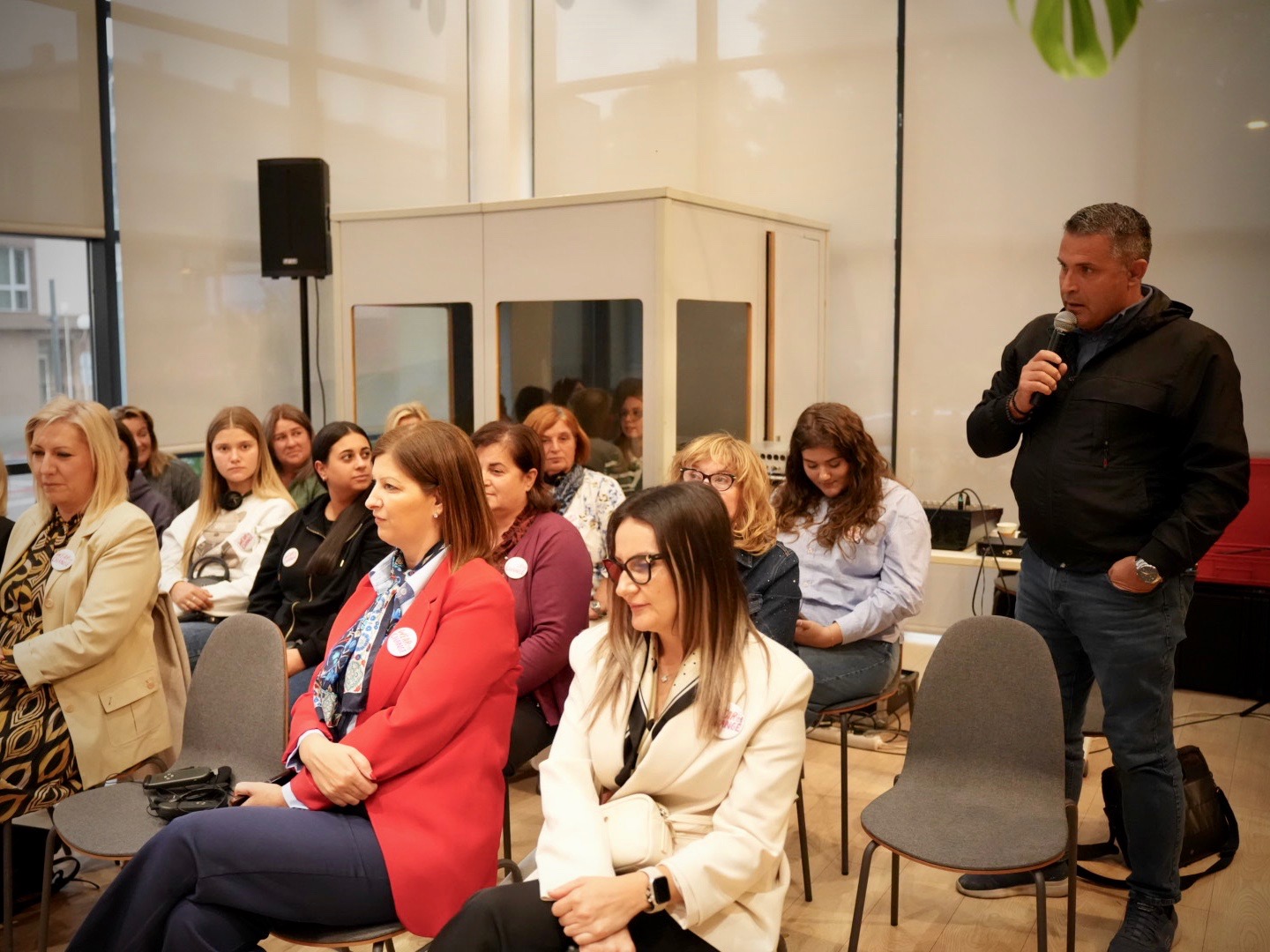
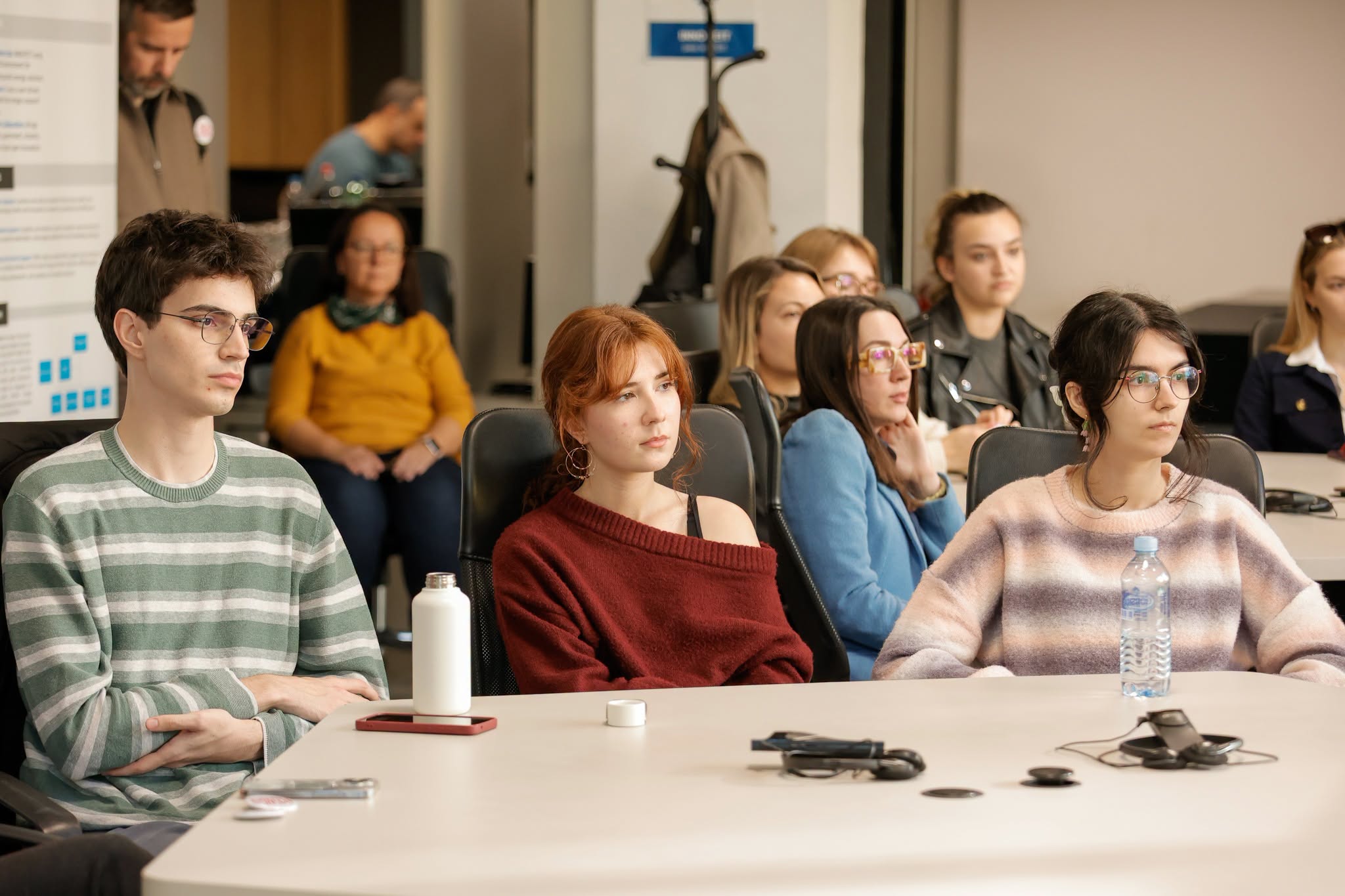
More than 38,000 women in North Macedonia are registered as farmers, yet many lack equal access to financial security, maternity leave, health insurance and social security protection. These challenges were at the heart of yesterday’s panel discussion, “The Harvest Without Her Name: Rural Women and Unseen Labour,” held at Europe House Strumica.

The event was organised as part of the “Wear the Change” campaign, launched by the Delegation of the European Union and EU Member State embassies united under #TeamEurope. The discussion provided a space to address systemic and institutional barriers, as well as the prejudices and inequalities that prevent rural women from fully exercising their rights.

Women farmers play a vital role in food production and the rural economy, while also bearing much of the responsibility for household and care work. Yet their labour and contributions often remain unrecognised within formal economic and institutional frameworks. Access to property and land is a particular concern: in 2021, only 4.1% of women in rural areas were registered as property owners, while women account for just 12% of landowners nationwide.

The discussion explored the reasons behind these inequalities, including inheritance practices. Although daughters have a legal right to inherit, they often give up their share in favour of their brothers. This is influenced by long-standing traditions and the expectation that, after marriage, a daughter will “belong to another family.”

The panel featured Veronica Ioana Ciolca, Deputy Head of Mission at the Embassy of Romania; Lejla Rajkova, an advocate for rural women’s rights and local agriculture; and Liljana Jonovski, an associate professor at the Faculty of Law in Kičevo and an expert on women’s participation in public life, with a focus on rural areas. The discussion was moderated by Andrea Ugrinovska of Tiiiit! Inc., Skopje.

The panellists examined the challenges faced by women living and working in rural areas, the implementation of existing laws and the support mechanisms available to them. They also discussed Romania’s experience as a country with a significant share of its workforce employed in agriculture, as well as the European Union’s role in advancing the rights of rural women.

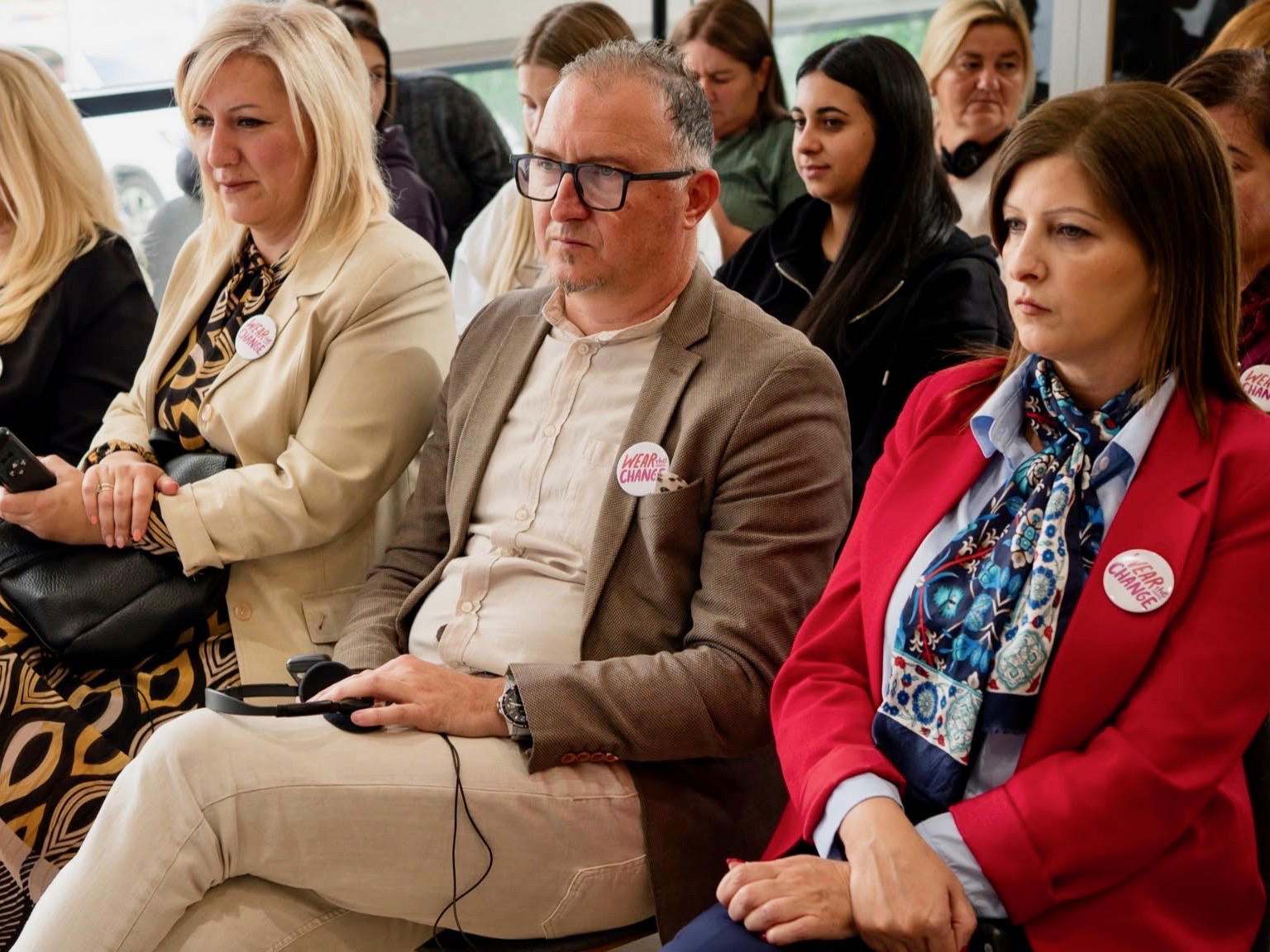
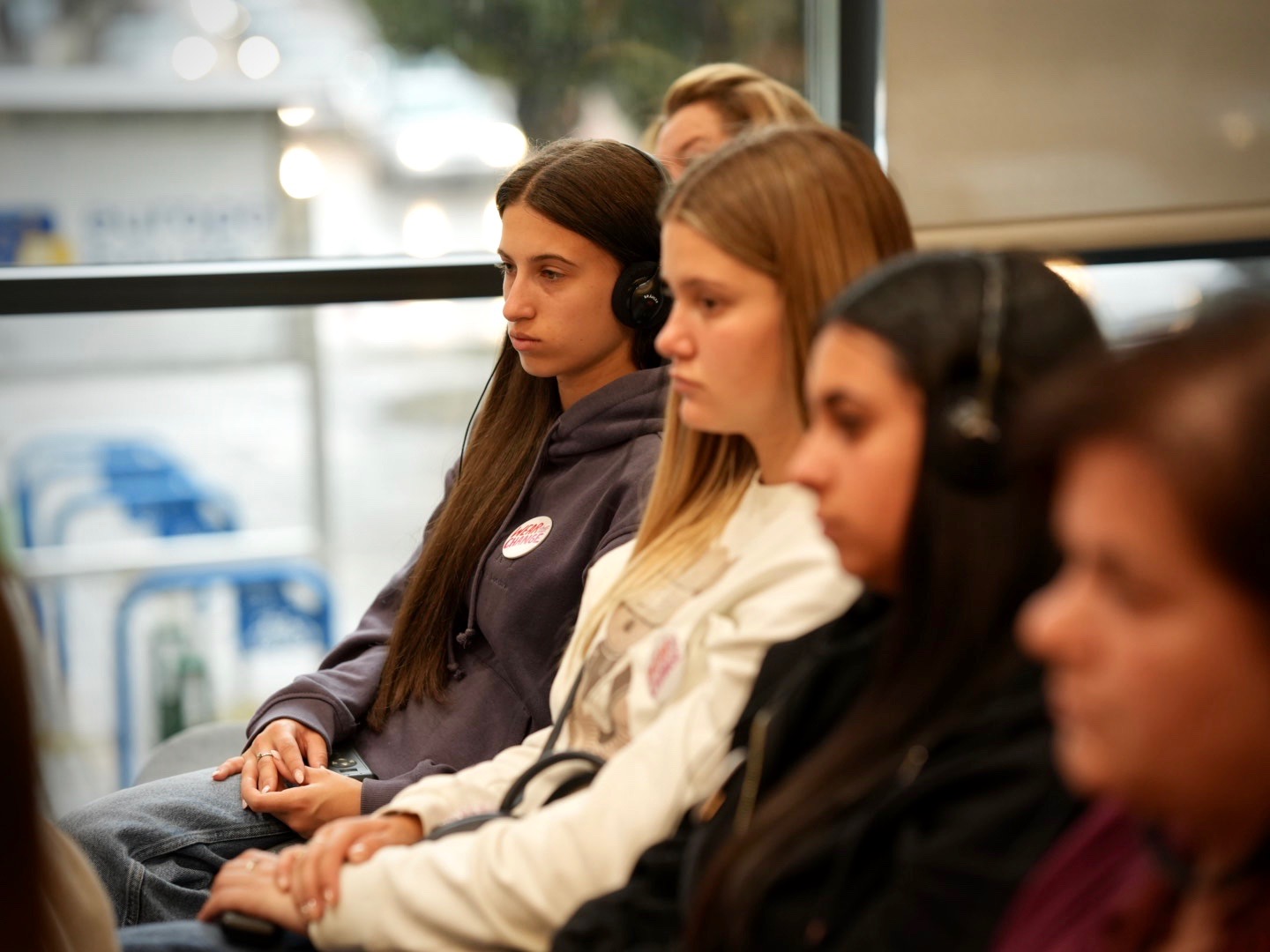
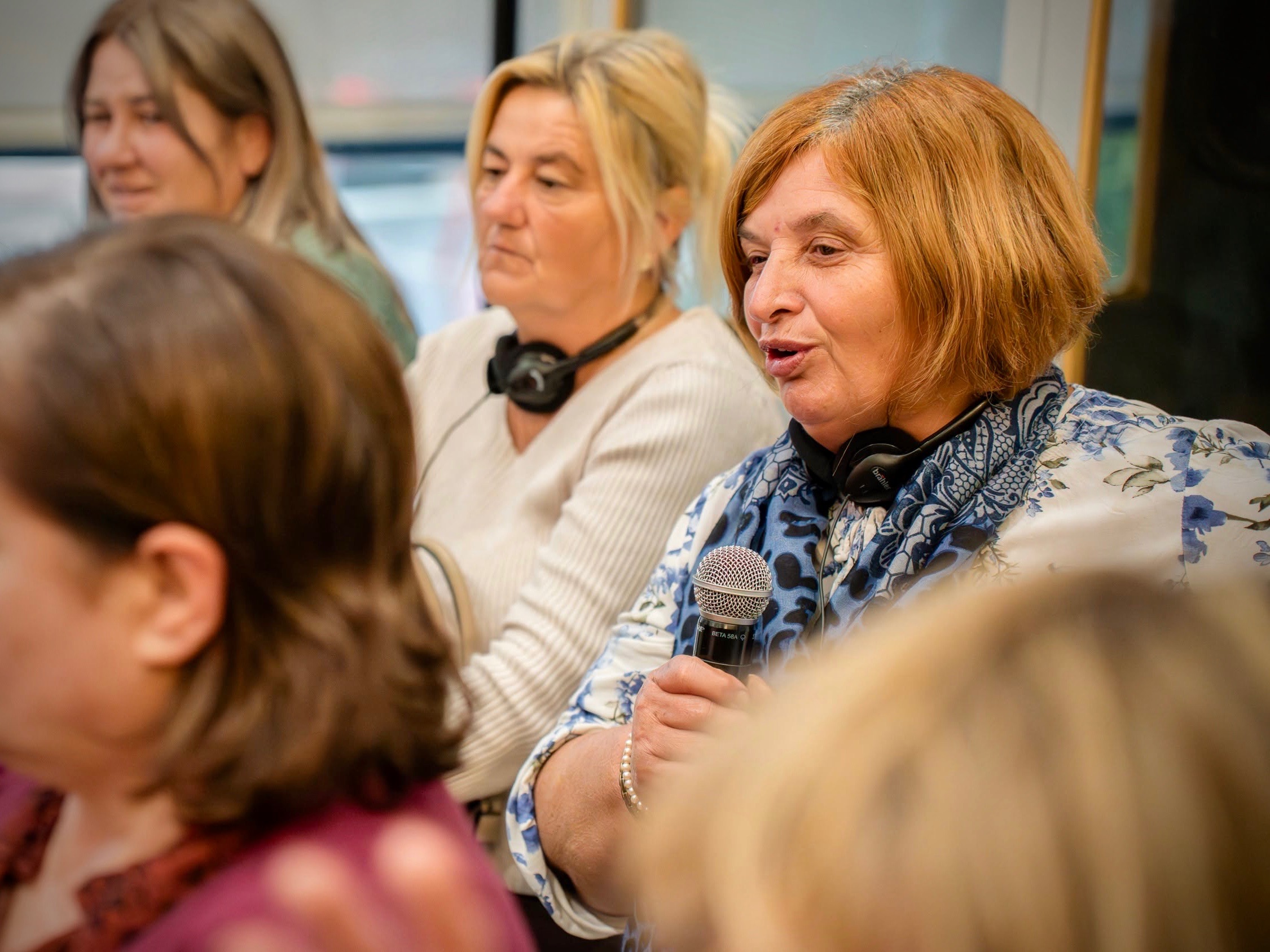
The conversation also addressed the social and cultural barriers that persist despite existing legal protections, and explored how institutions and communities can help create equal opportunities. The audience joined the discussion during a question-and-answer session following the panel.

The central message was clear: the contributions of women farmers must be recognised and matched by equal rights and greater security. Ensuring access to property, health and social insurance, and employment-related rights is an important step towards a fairer and more sustainable society.

Through the “Wear the Change” campaign caravan, the Delegation of the European Union, EU Member State embassies and the Europe House network continue to encourage public conversations about gender equality and women’s rights across the country.

Running for Equality: Europe House and Women Power Cup at the Skopje Marathon

Sport is not only about competition. It is also a space for equal opportunities, confidence and inclusion.

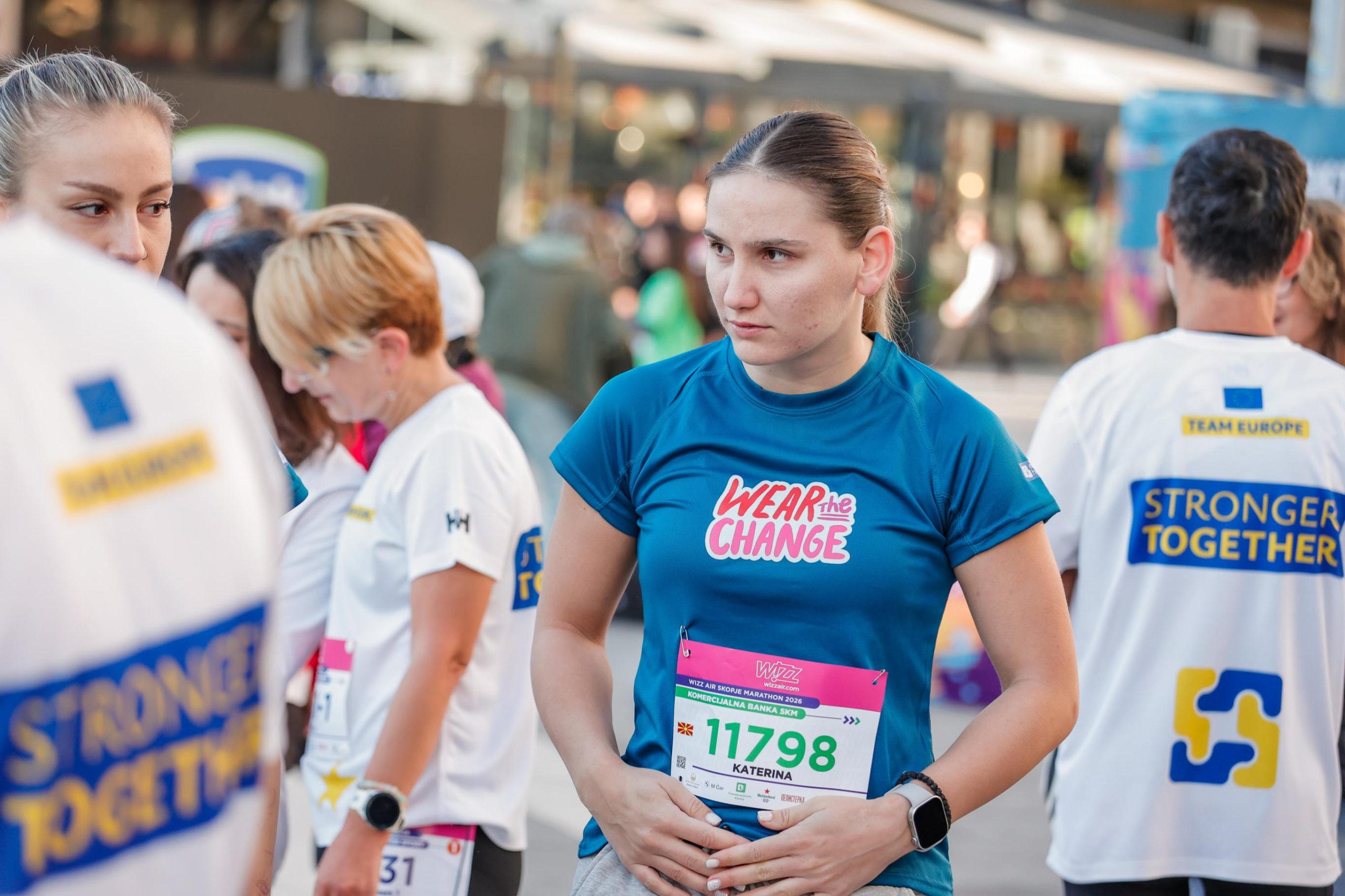
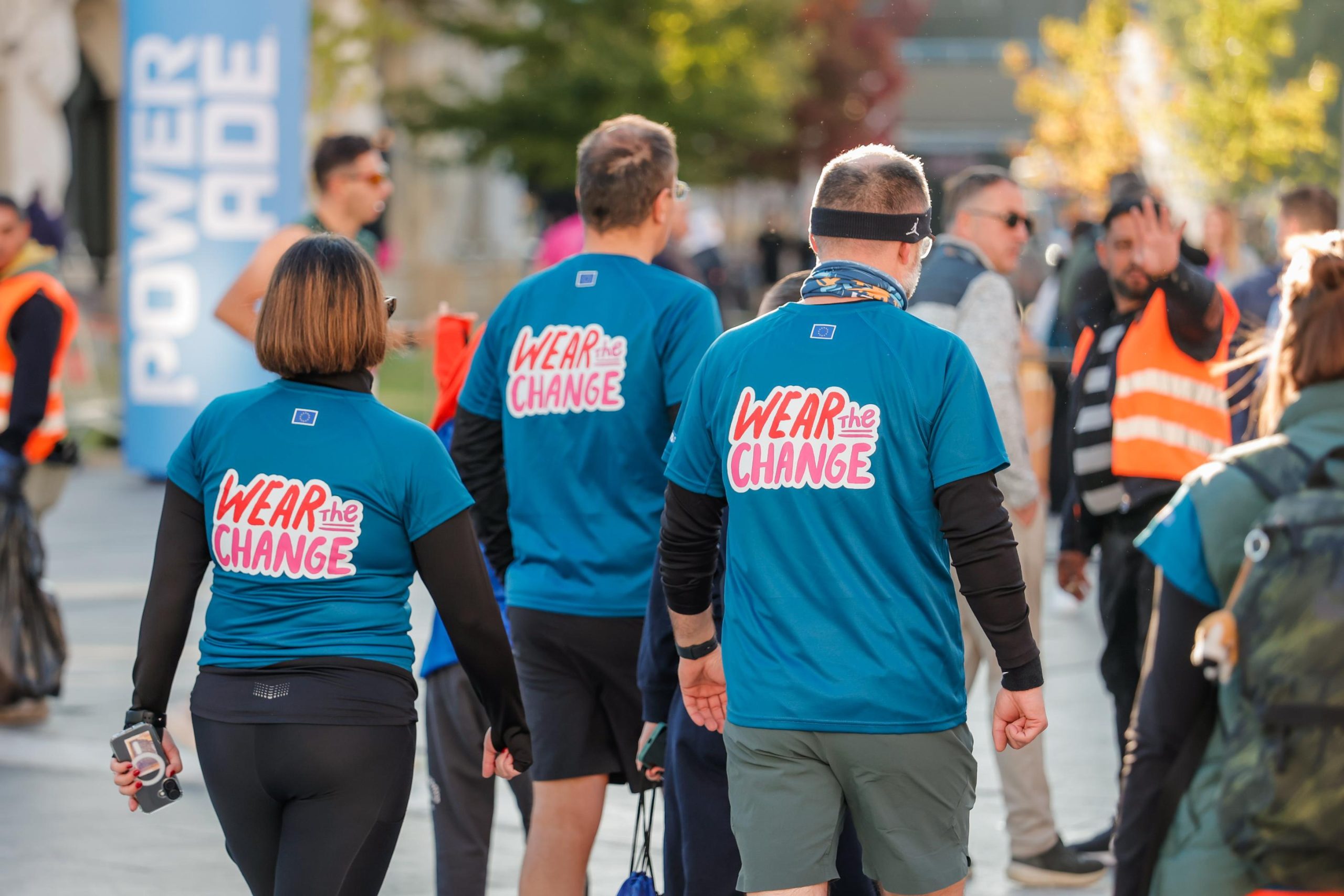
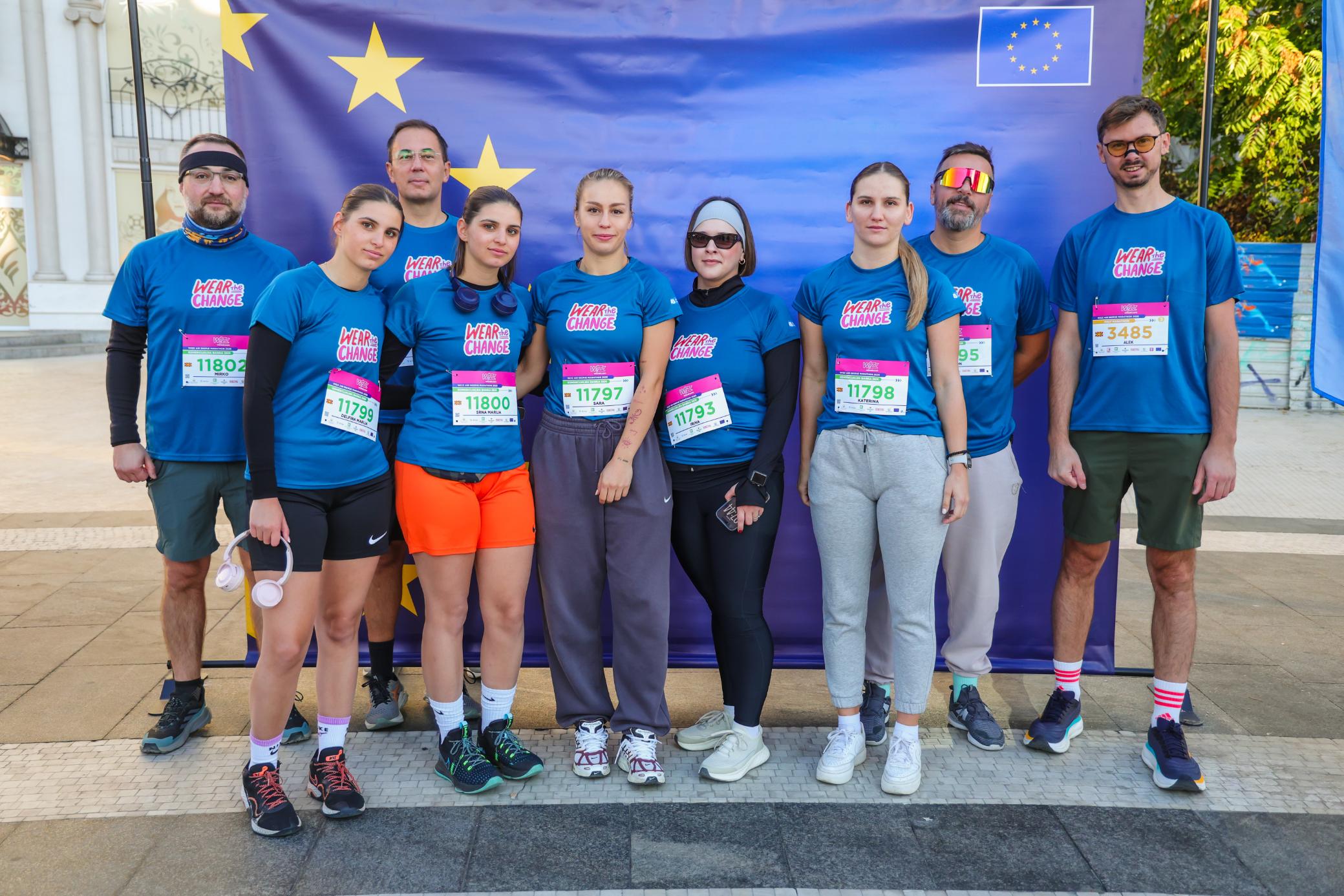
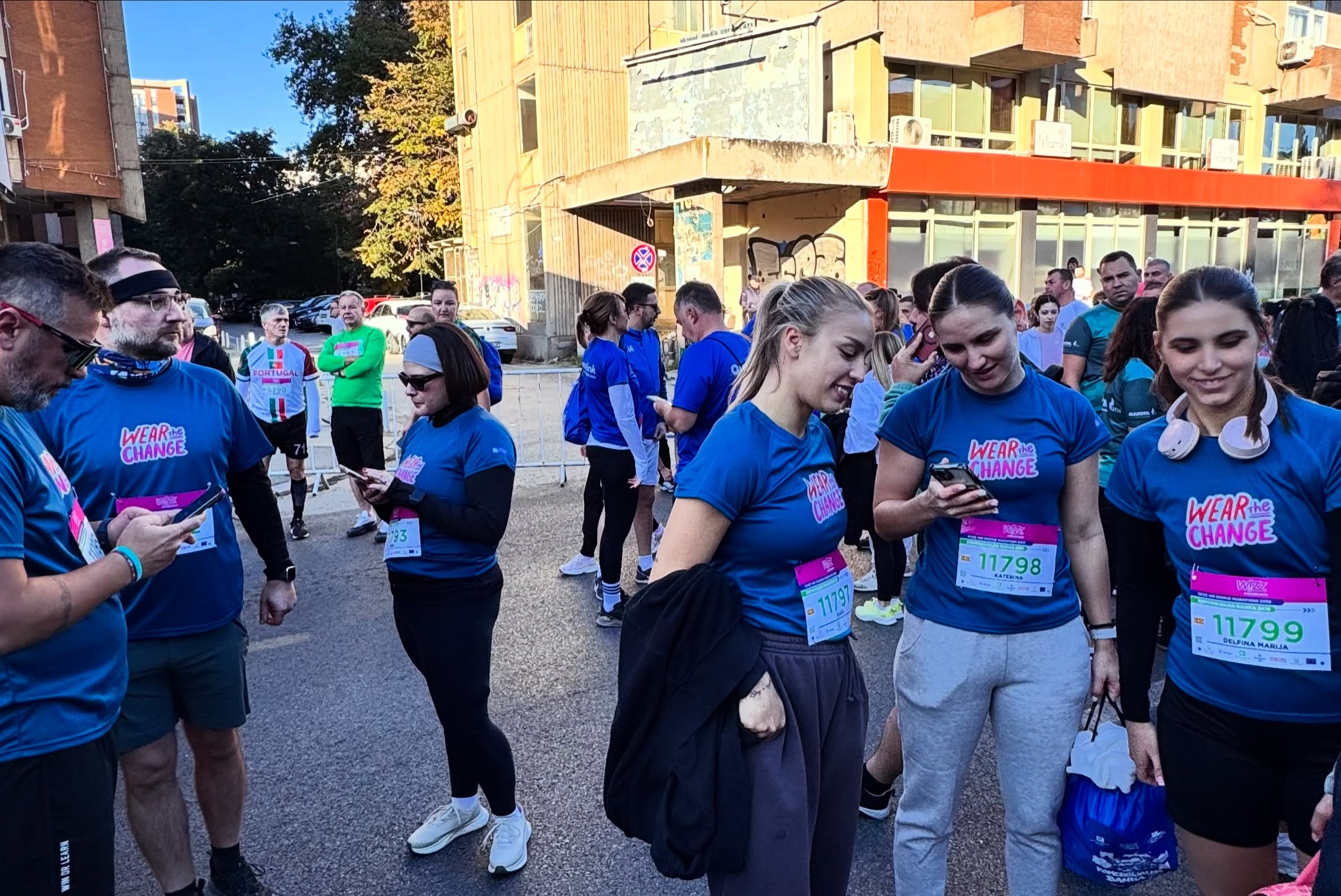
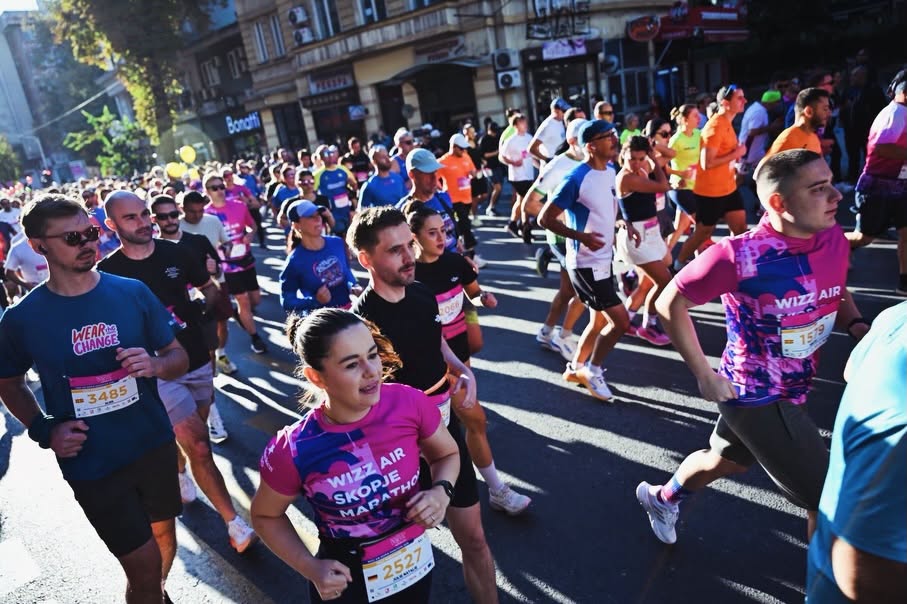
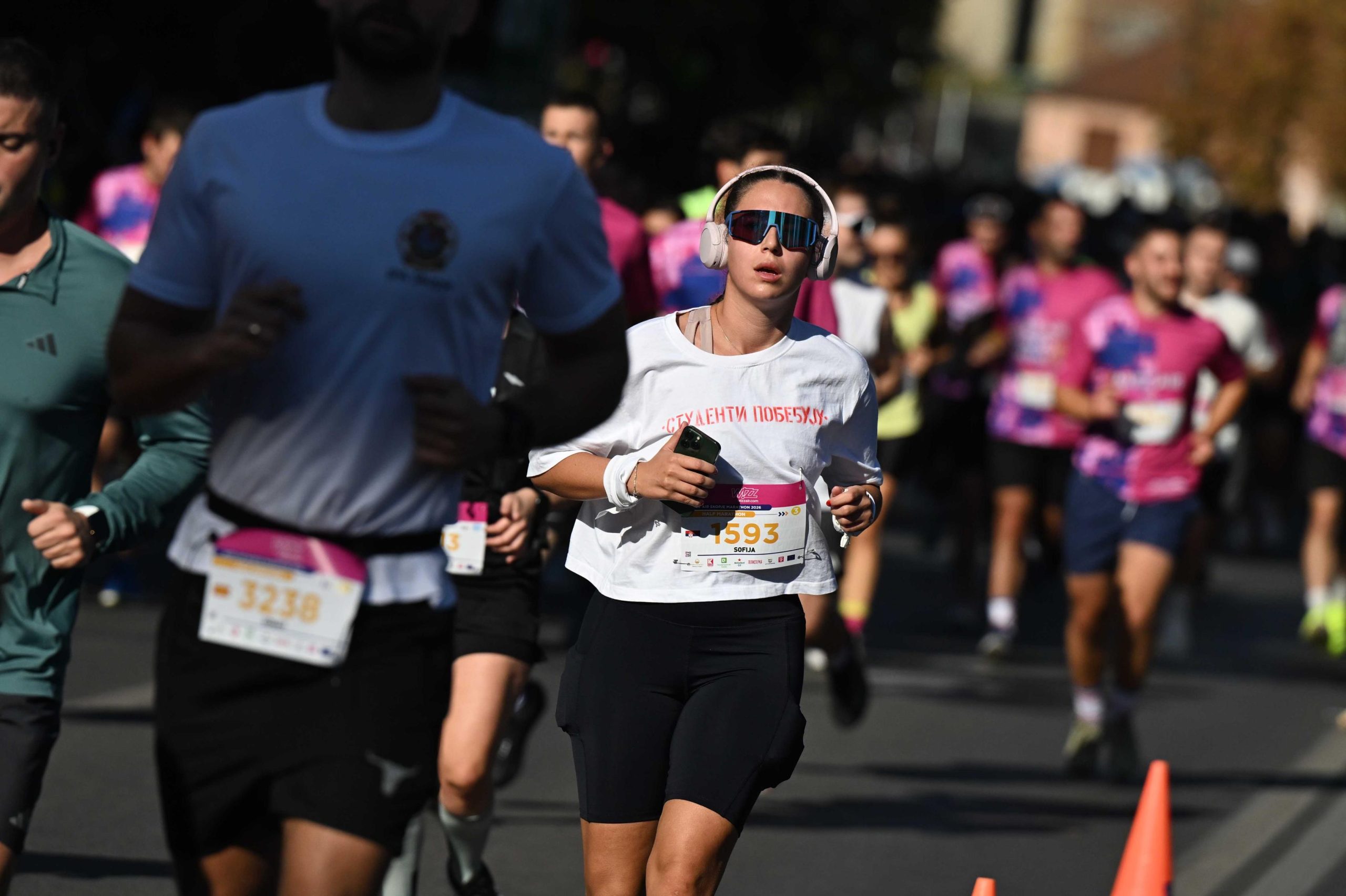
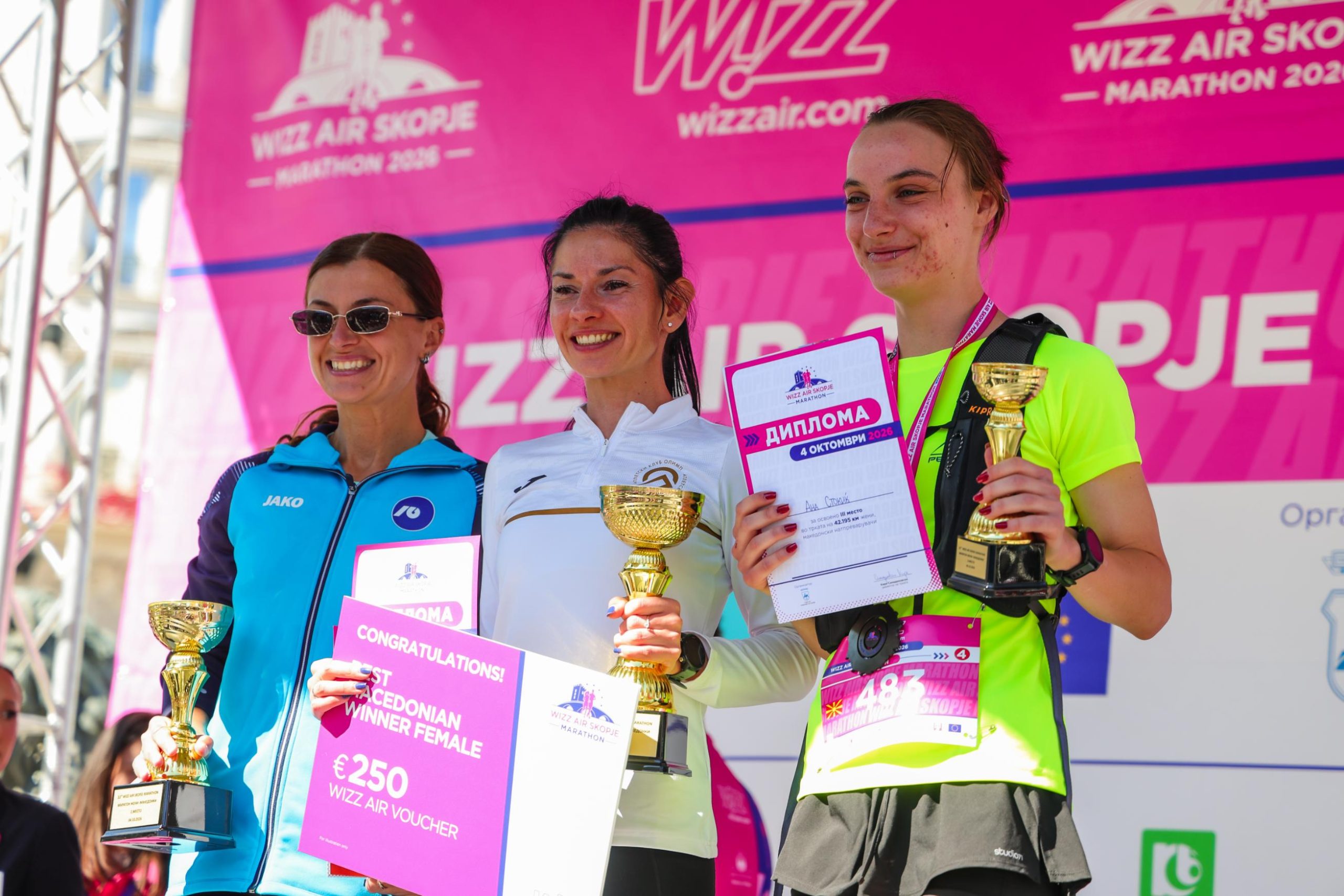
With this in mind, Europe House joined forces with Women Power Cup to take part in the 22nd edition of the Wizz Air Skopje Marathon through the “Wear the Change” initiative – standing alongside women and girls who take part in sport, compete, inspire others and constantly push their limits.

The joint marathon participation was part of the activities with which Europe House marked the European Week of Sport, which began on 23 September and brought a range of sports activities and initiatives across the country, highlighting that sport is for everyone – regardless of age, gender or ability.

More Than a Race

Running a marathon takes endurance, discipline and determination. But sport is about more than what happens at the starting or finishing line. It is about building healthy habits, making a commitment, establishing a routine and choosing to make sport part of everyday life.

The Europe House team and athletes from Women Power Cup in Kochani came together at the Skopje Marathon to highlight the importance of greater inclusion and gender equality in sport. We want to encourage more girls and women to discover sport as a space for personal growth, connection and new achievements.

Women Power Cup brought the energy of women’s sport, movement and female strength – both on the field and in society. And through “Wear the Change” – an initiative of the Delegation of the European Union and the Europe House network – we create space for dialogue, new ideas and progress towards greater gender equality.

Equality Through Sport

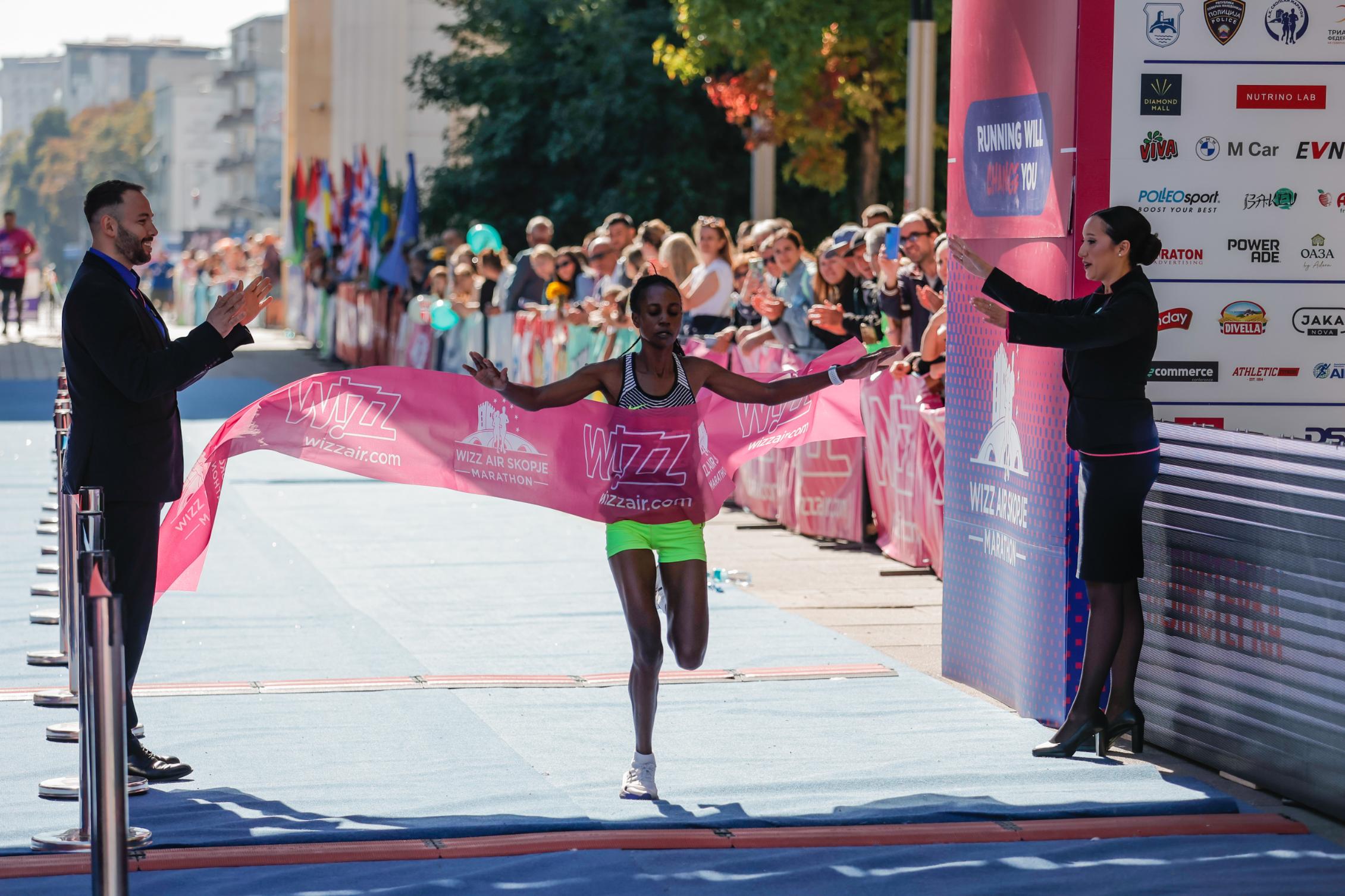
At the country’s largest sporting event, a record 15,050 participants from 63 countries took part this year across the marathon, half-marathon and “EU for Sport” relay race. Among those who completed the marathon, 77 were women, compared with 518 men.

These figures show that women are still underrepresented in sport, but greater participation can help make women’s presence more visible and encourage others to follow.

Because in a marathon, as in any other sport, every step matters. And progress happens when we choose to keep moving forward.

Through its year-round “Wear the Change” initiative and its participation in the Skopje Marathon, Europe House once again underlined the importance of staying active, supporting women in sport and creating a space where everyone has the chance to participate, compete and grow.

Join in. Take the next step forward. Wear the Change.

WEAR THE CHANGE — A Year-Long Platform for Gender Equality

Every third woman in North Macedonia over the age of fifteen has experienced harassment or violence. The country has some of the highest femicide rates in Europe. Women earn 12% less than men and do 72.5% of the unpaid care work.

Behind these numbers is a reality we live with every day and barely react to. A woman who left a job she was good at because the care at home was hers by default. A report on threats that was filed and went nowhere. A room where decisions are made with no woman in it. None of it should pass. Not once.

This is why Team Europe and the EU Delegation launched Wear the Change. Not a single commemoration of International Women’s Day, but a campaign that runs throughout the year, across the country, from March until the 16 Days of Activism in November.

Anchored by thought-provoking art from popular local illustrator Ruki Chuki, the campaign travels city by city: Skopje, Veles, Tetovo, Struga, Bitola, Strumica. In each city, ambassadors of EU Member States sit at the table with civil society organisations, municipal representatives and law enforcement to open difficult conversations around seven localised topics:

Who Pays the Bill

The Broken Shield

The Empty Chair

The Invisible Patient

The Endless Shift

The Harvest Without Her Name

Who Codes the Future

Equality is not decided only in institutions. It is decided in who gets hired and who gets promoted, in whether a woman is asked at a job interview if she plans to have children, in which parent stays home when the child is sick. In who speaks at a meeting and who gets interrupted. And in what happens when a woman says someone is threatening her, and whether anyone takes it seriously.

The law covers part of that. The rest depends on us.

When the law is not applied, ask the institution why and report it. Do not treat violence in a family as a private matter.

Wear the change where you are. At home, at work, in the room where the decision is made.

Links:

Skopje, March – Who Pays the Bill: The Cost of Inequality

Veles, April – The Broken Shield: Gender-Based Violence and Institutional Protection

Tetovo, July – The Empty Chair: Women in Politics

Struga, July – Who pays the Bill: The Cost of Inequality

Strumica, October – The Harvest Without Her Name: Rural Women and Their Unseen Labor

Skopje, November – Who Codes the Future? Girls in STEM


Subscribe To our newsletter!