News from Europe House Skopje Archives - Europe House

Who Wakes Up When We Fall Asleep? – A Night-time Adventure at the Natural History Museum in Skopje

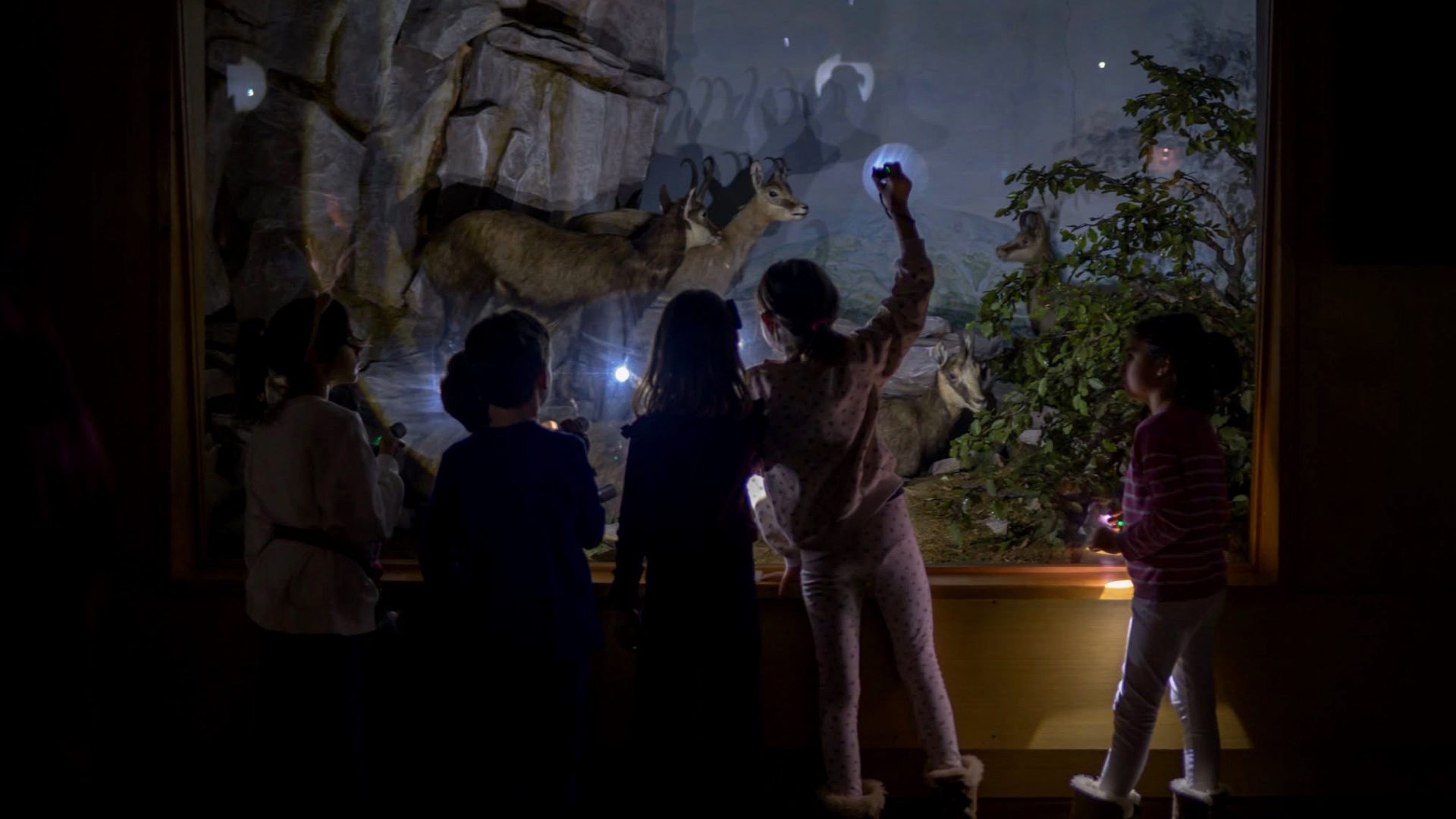
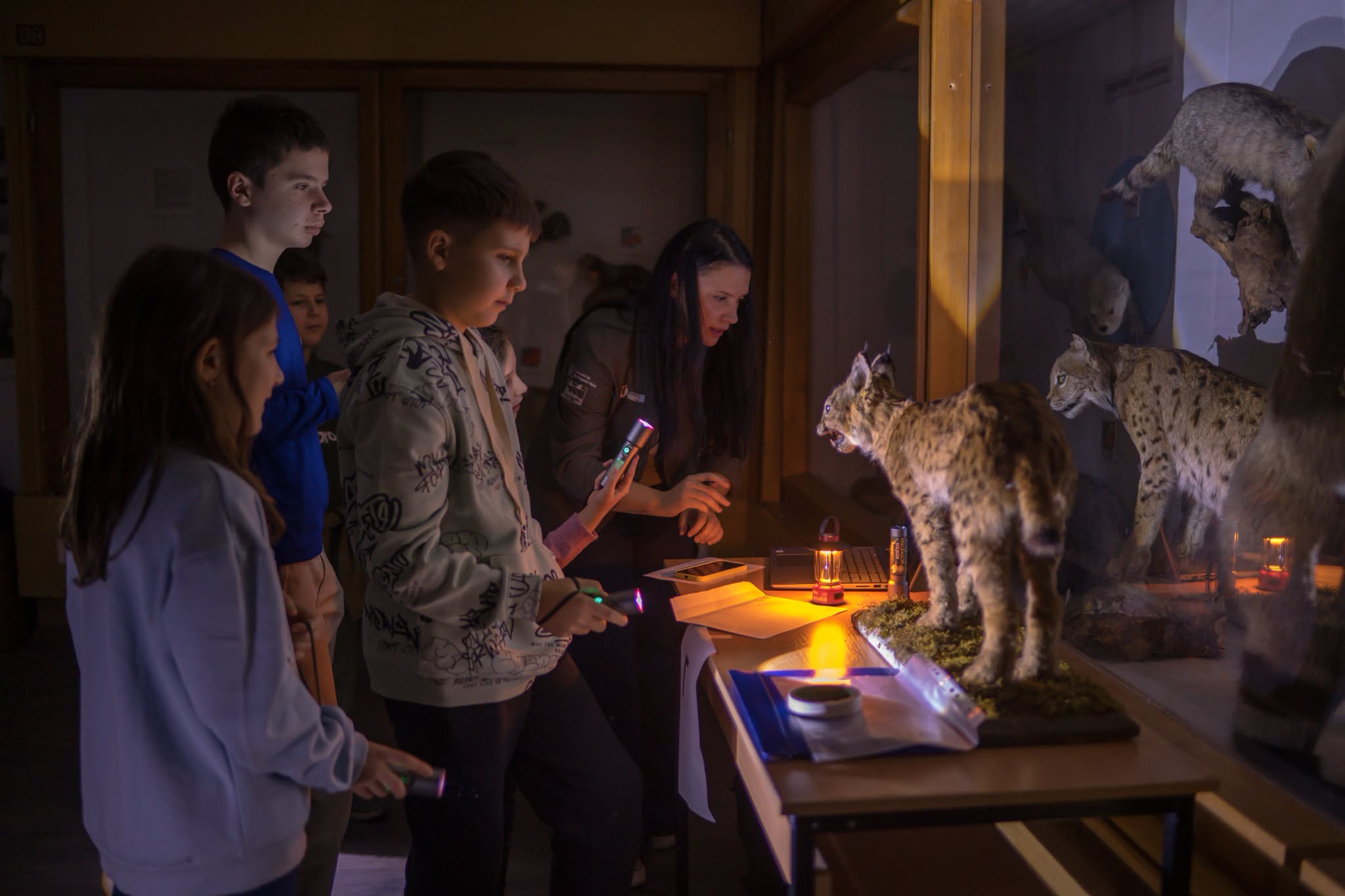
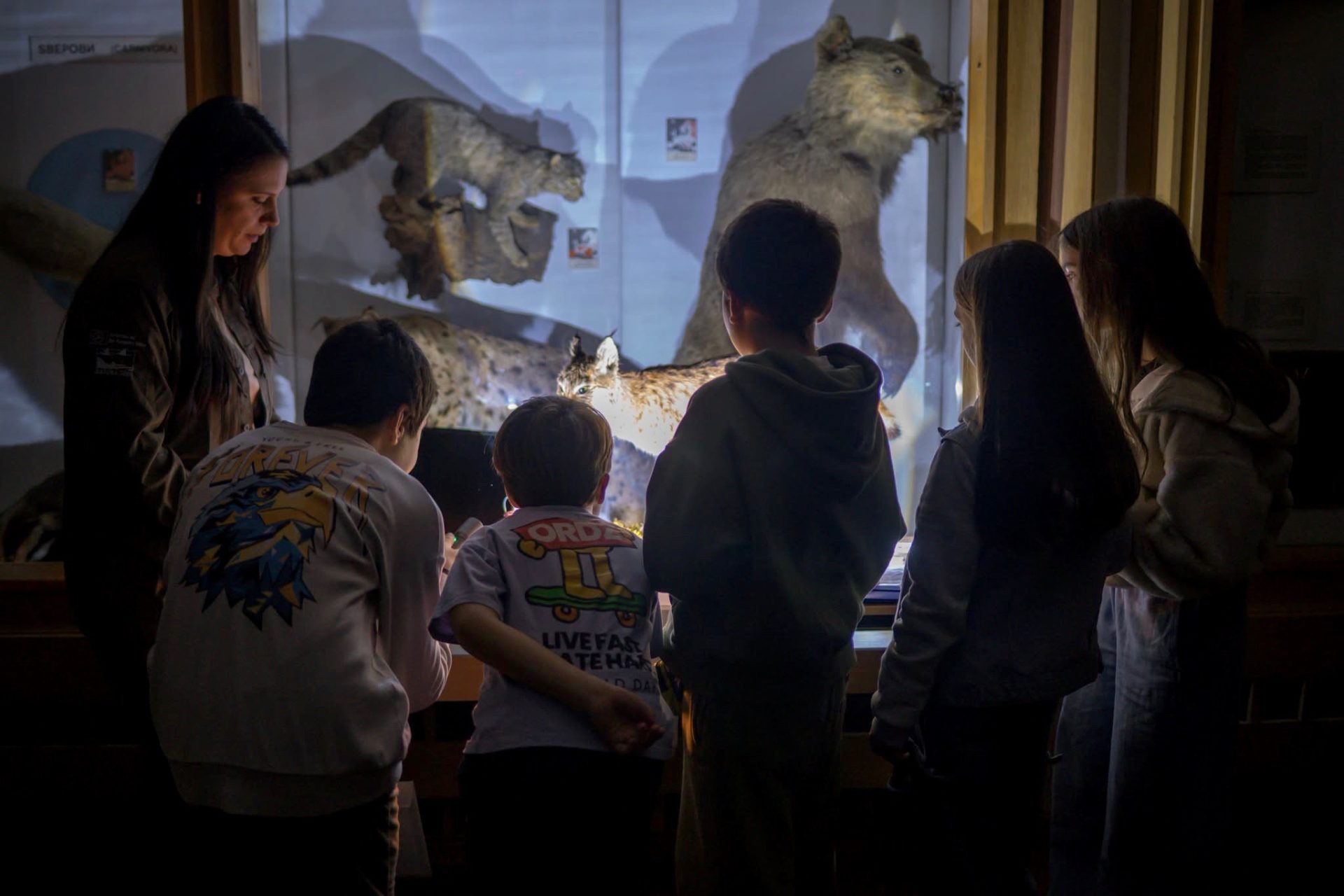
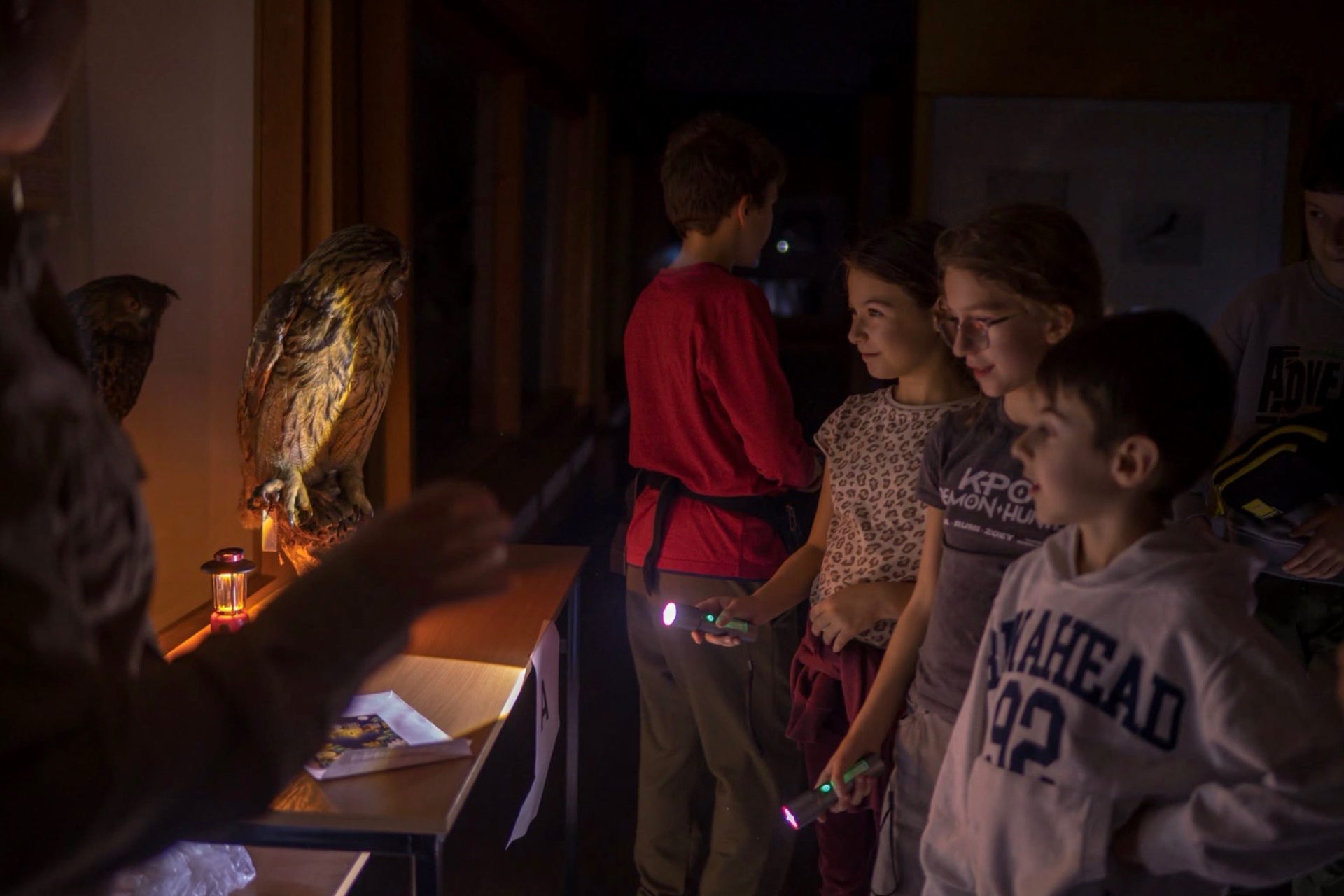
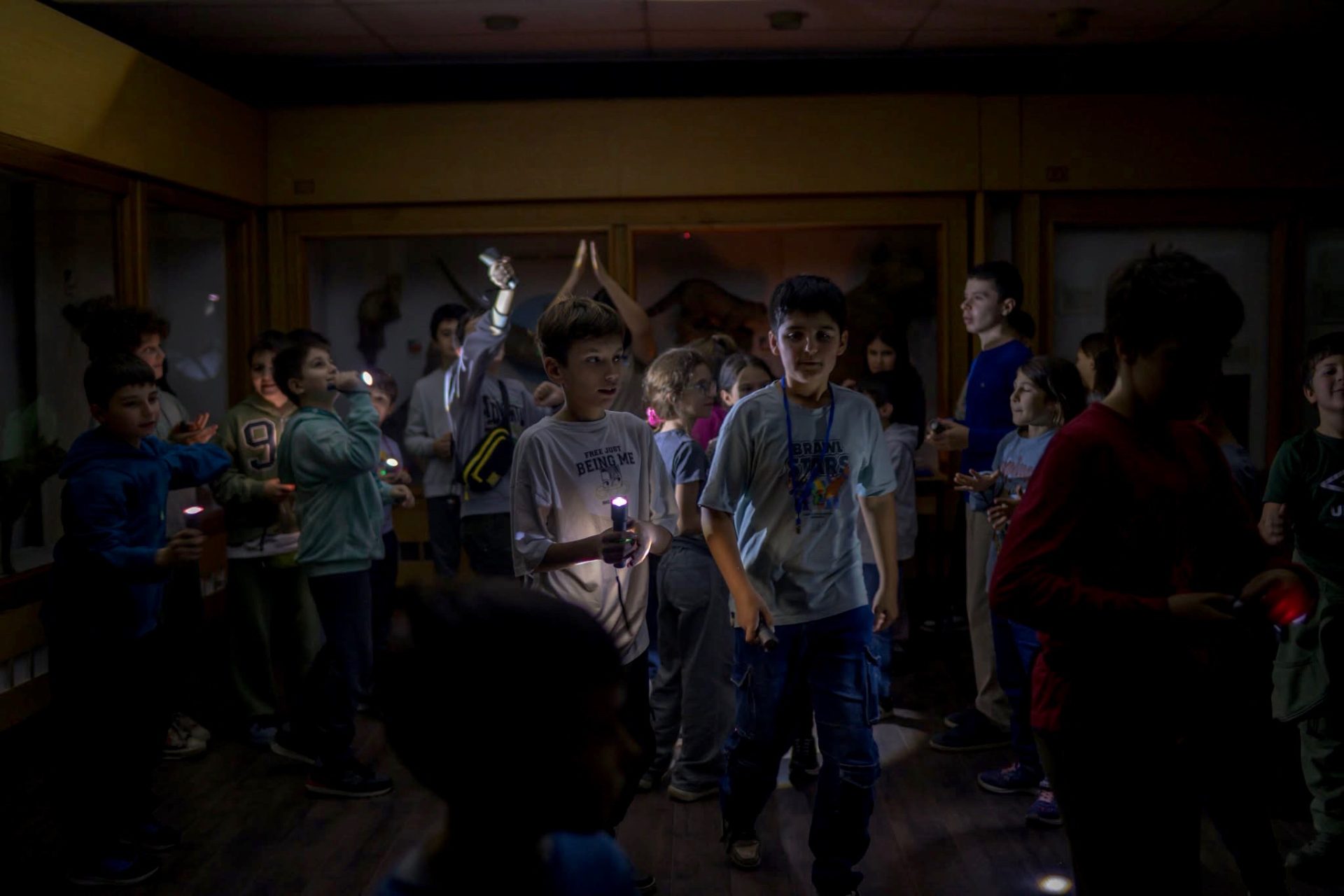
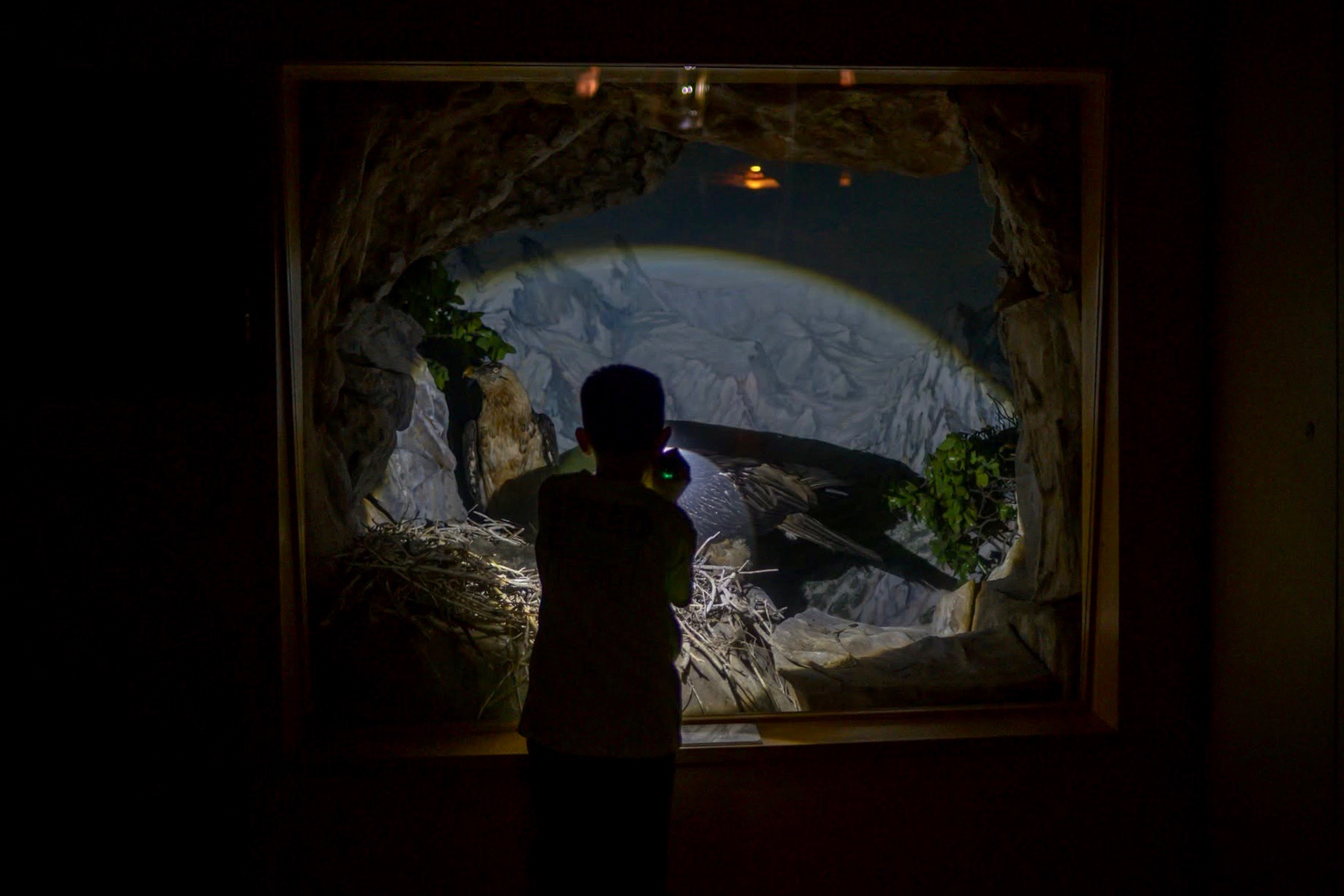
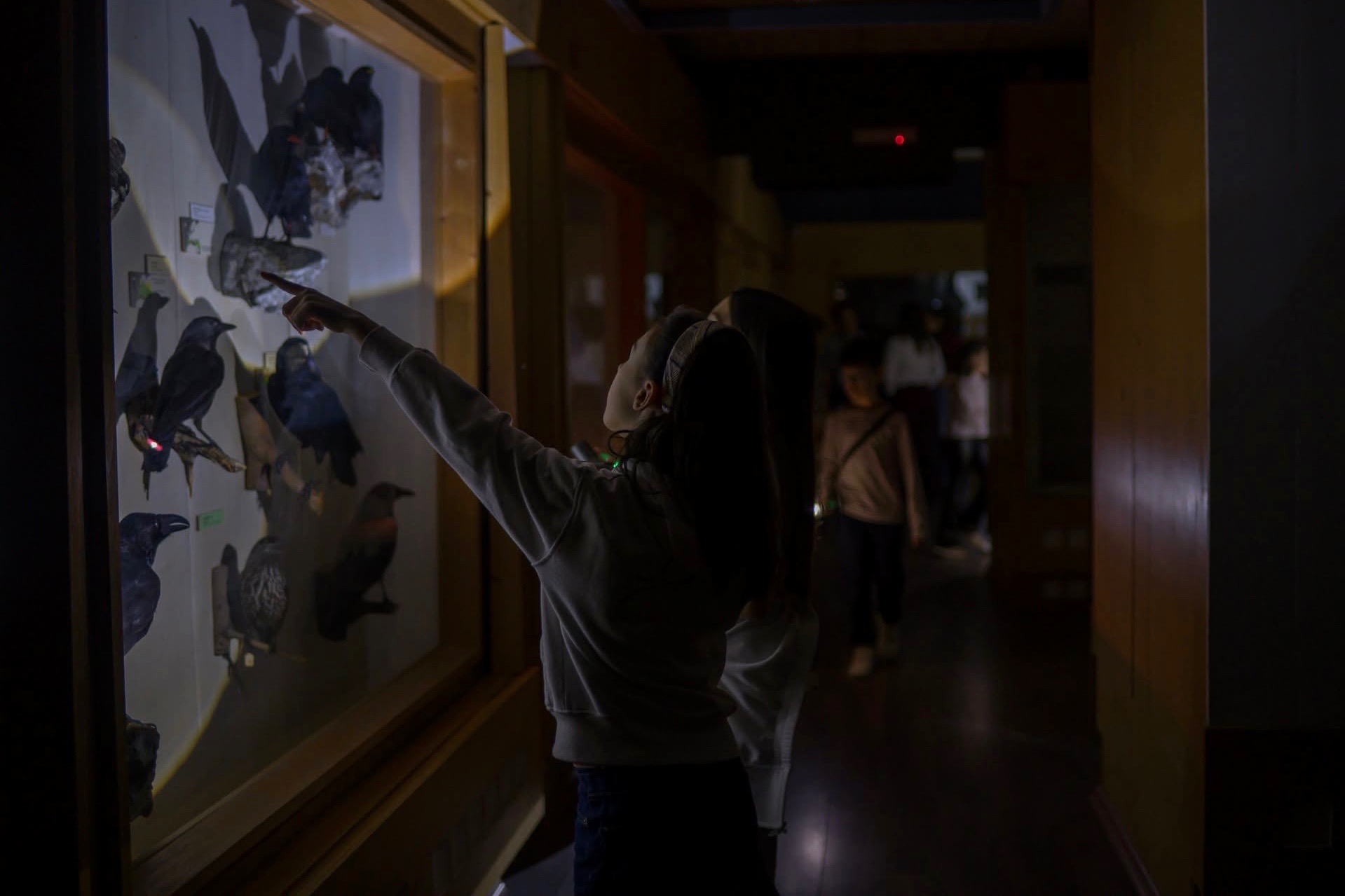
Who wakes up when night falls and the lights go out? What goes on in nature while we sleep? What mysteries lie in the darkness? These were the questions young explorers set out to answer during two workshops titled “Who Wakes Up When We Fall Asleep?”, which turned the Natural History Museum into a true exploration destination.

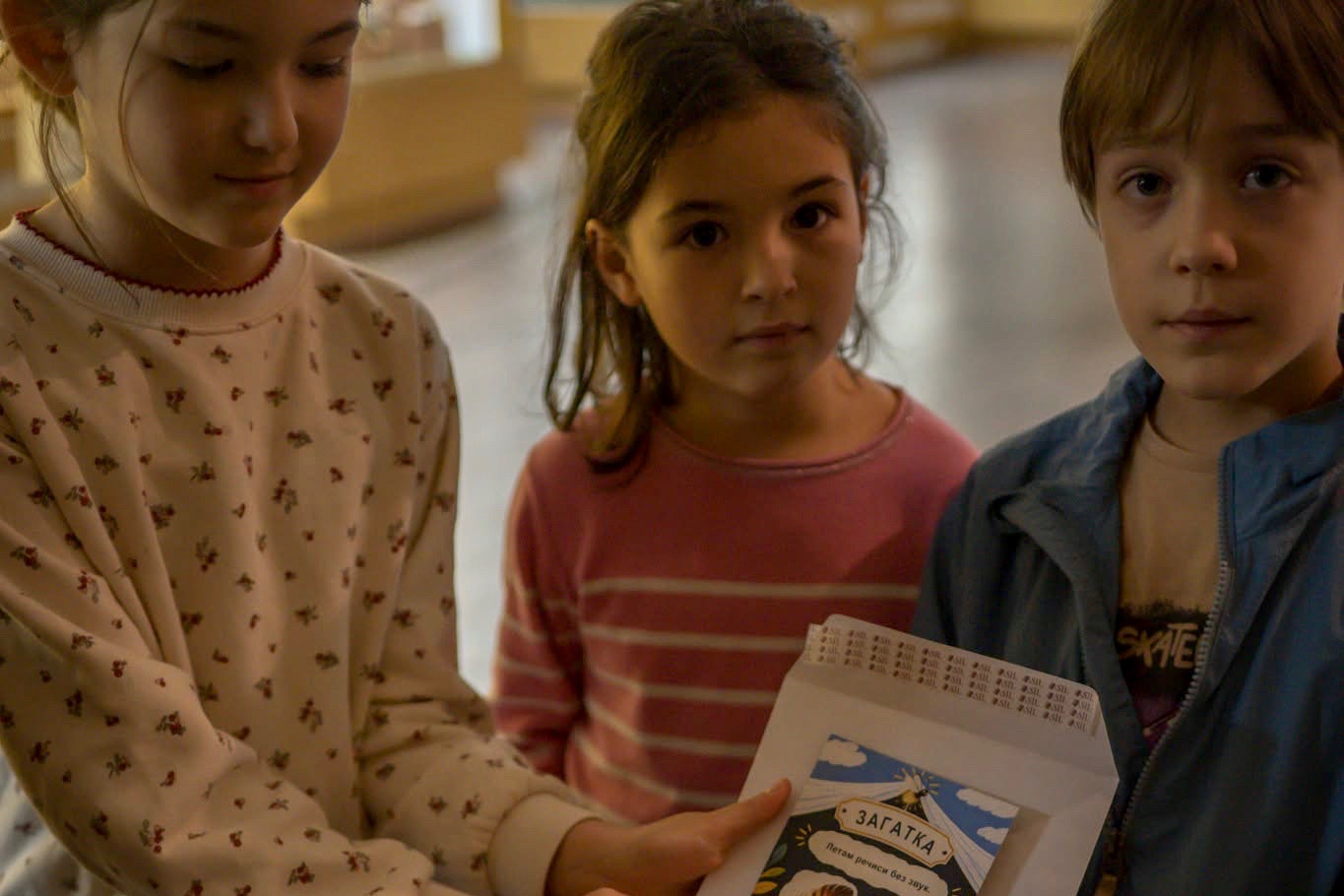
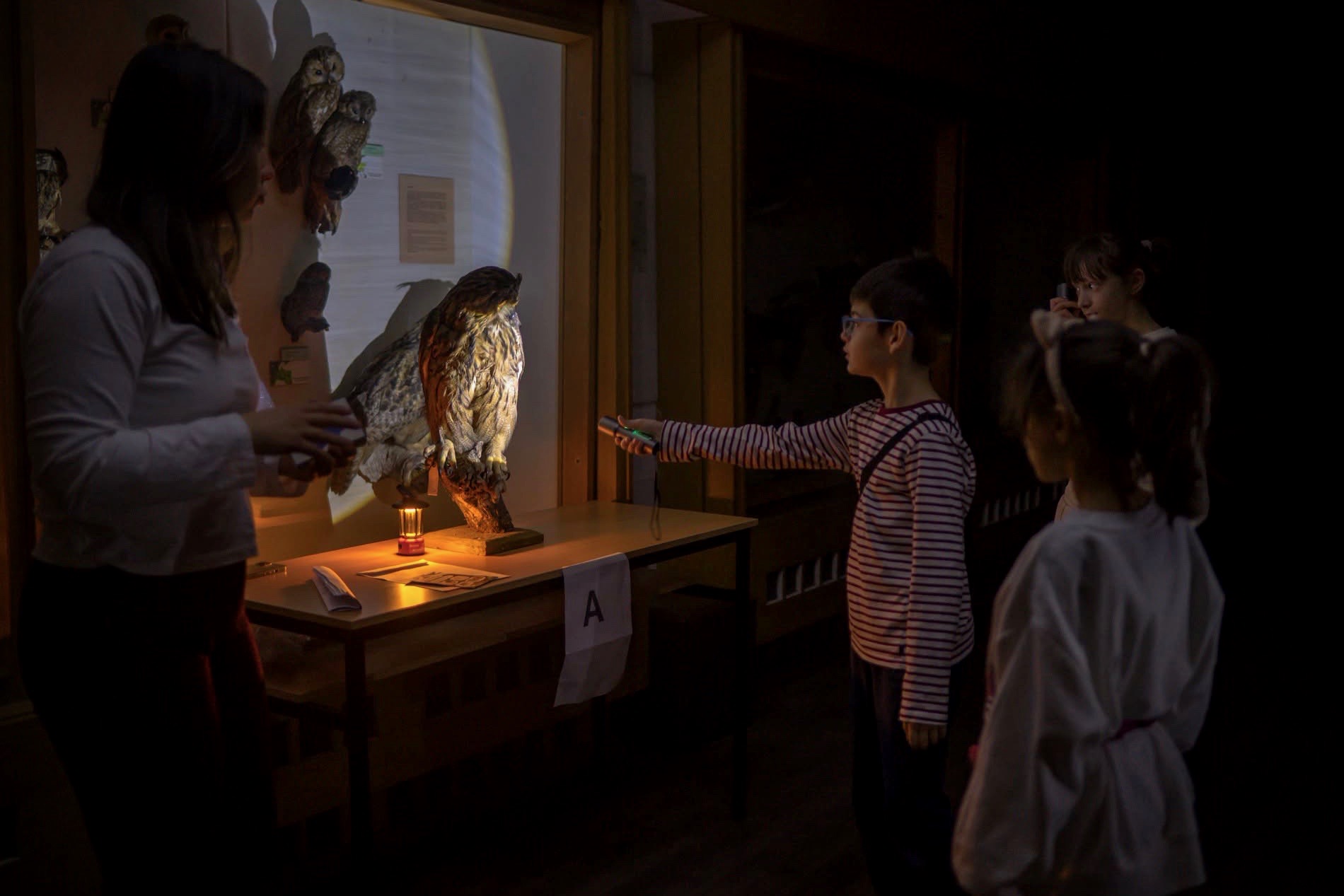
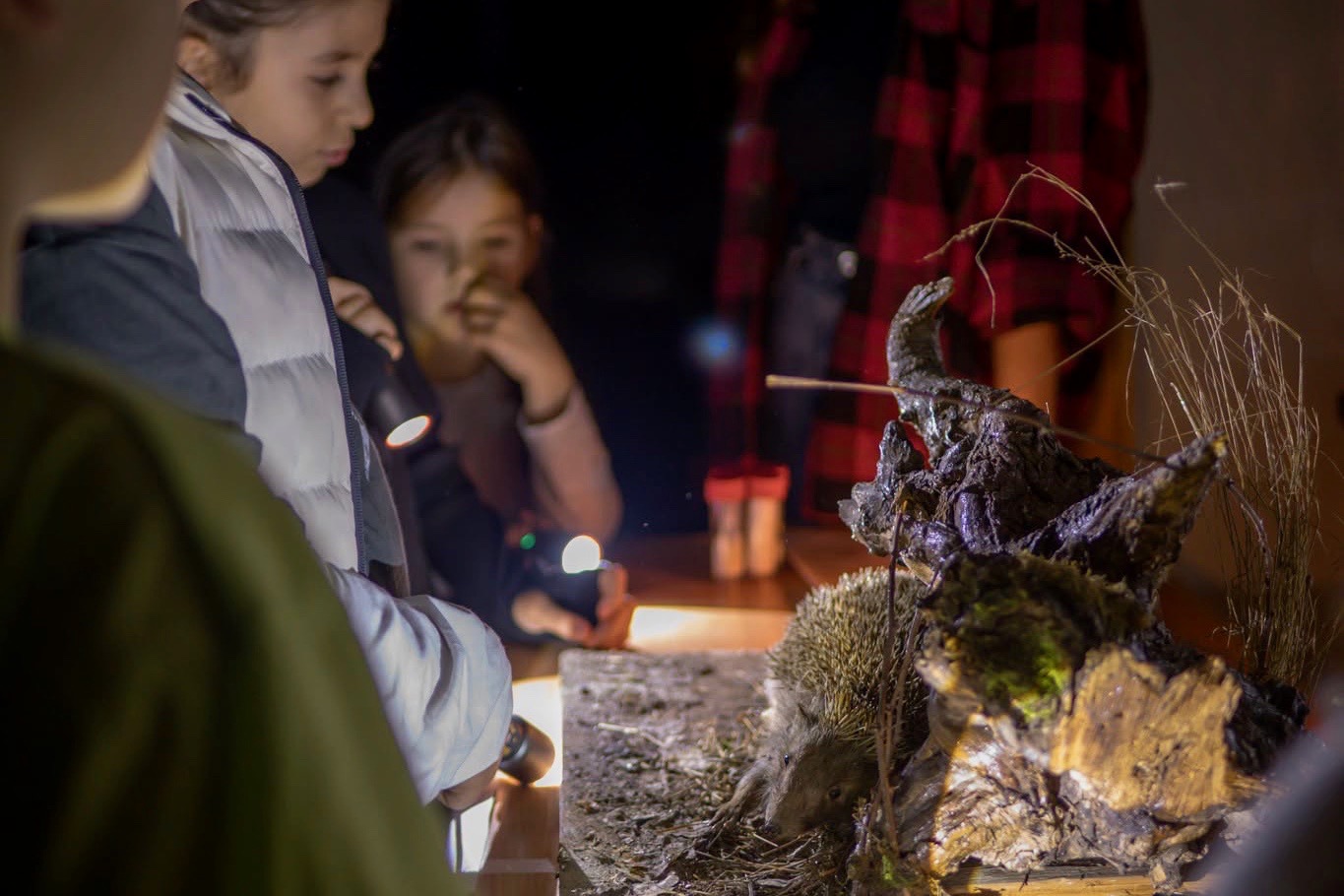
In the dimly lit museum halls, equipped with flashlights and explorer’s journals, the children embarked on a quest to uncover the secrets of nocturnal animals. Through mysterious missions, light and sound experiments, and detective challenges, they put their senses to the test and discovered how animals adapt to life in the dark.

Guided by the Macedonian Ecological Society, the young participants learned through play, exploration and hands-on experiences, discovering that nature has its own special rhythm even when the world around us is asleep.

The series of night-time exploration workshops, organised by Europe House Skopje, is part of the activities marking a major milestone for the Natural History Museum, which celebrates 100 years of existence this year.

These uncommon evening events once again confirmed that museums are places where curiosity, knowledge and discovery constantly come to life.

And the night-time adventures won’t stop here! More workshops in the “Who Wakes Up When We Fall Asleep?” series are coming soon, bringing new explorations and many more secrets to uncover.

Study Abroad Fair Skopje 2026: Exploring Opportunities to Study in Europe

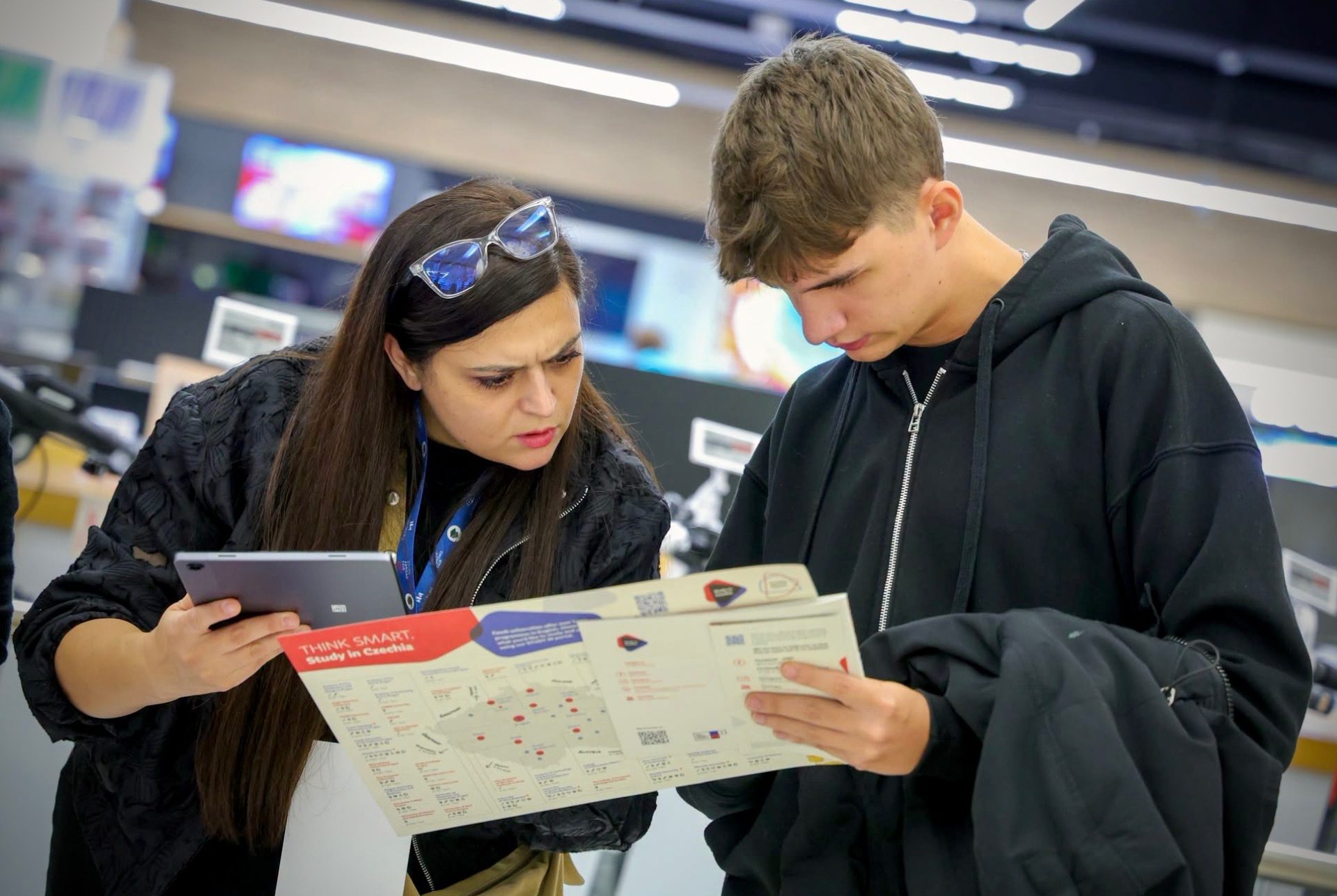
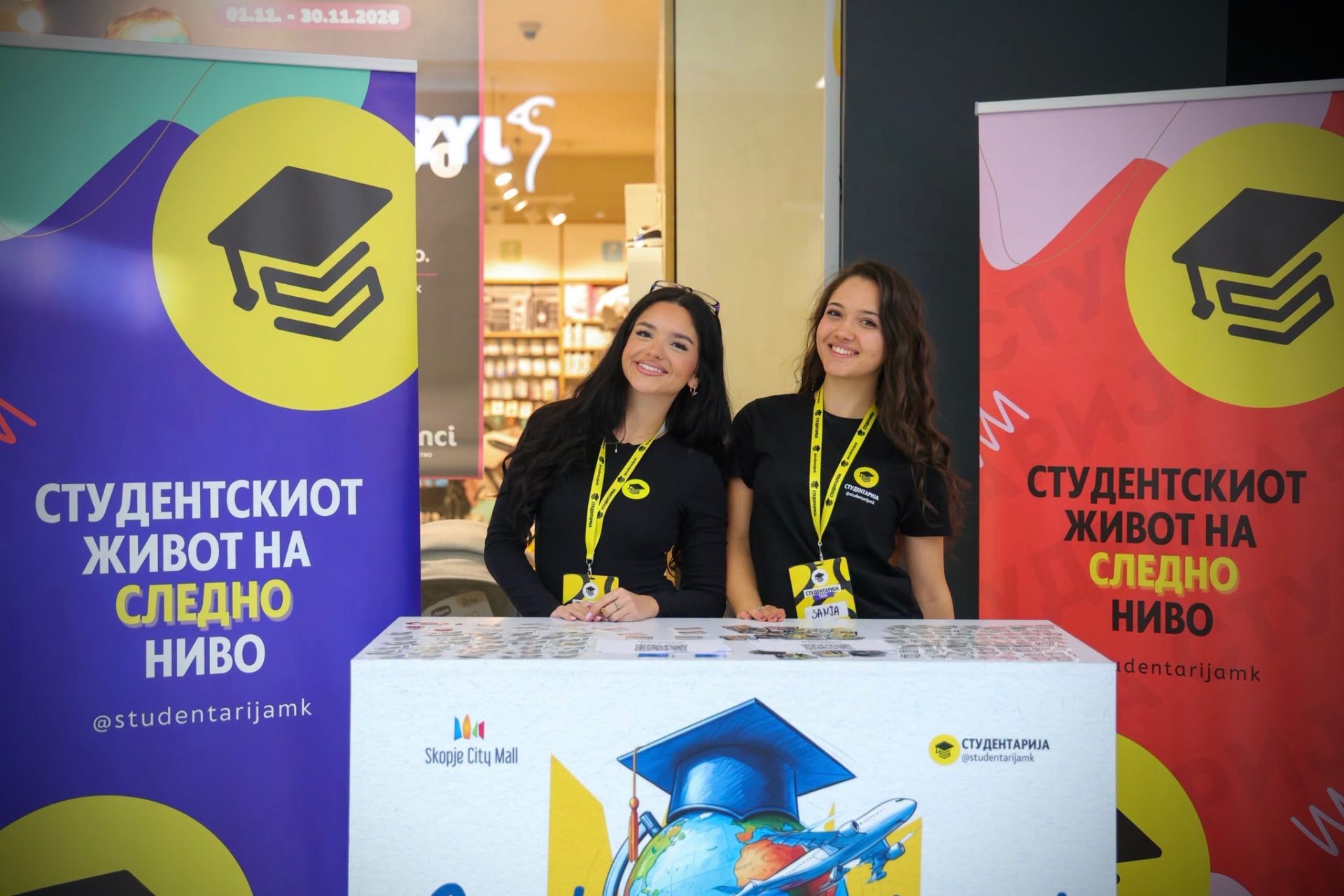
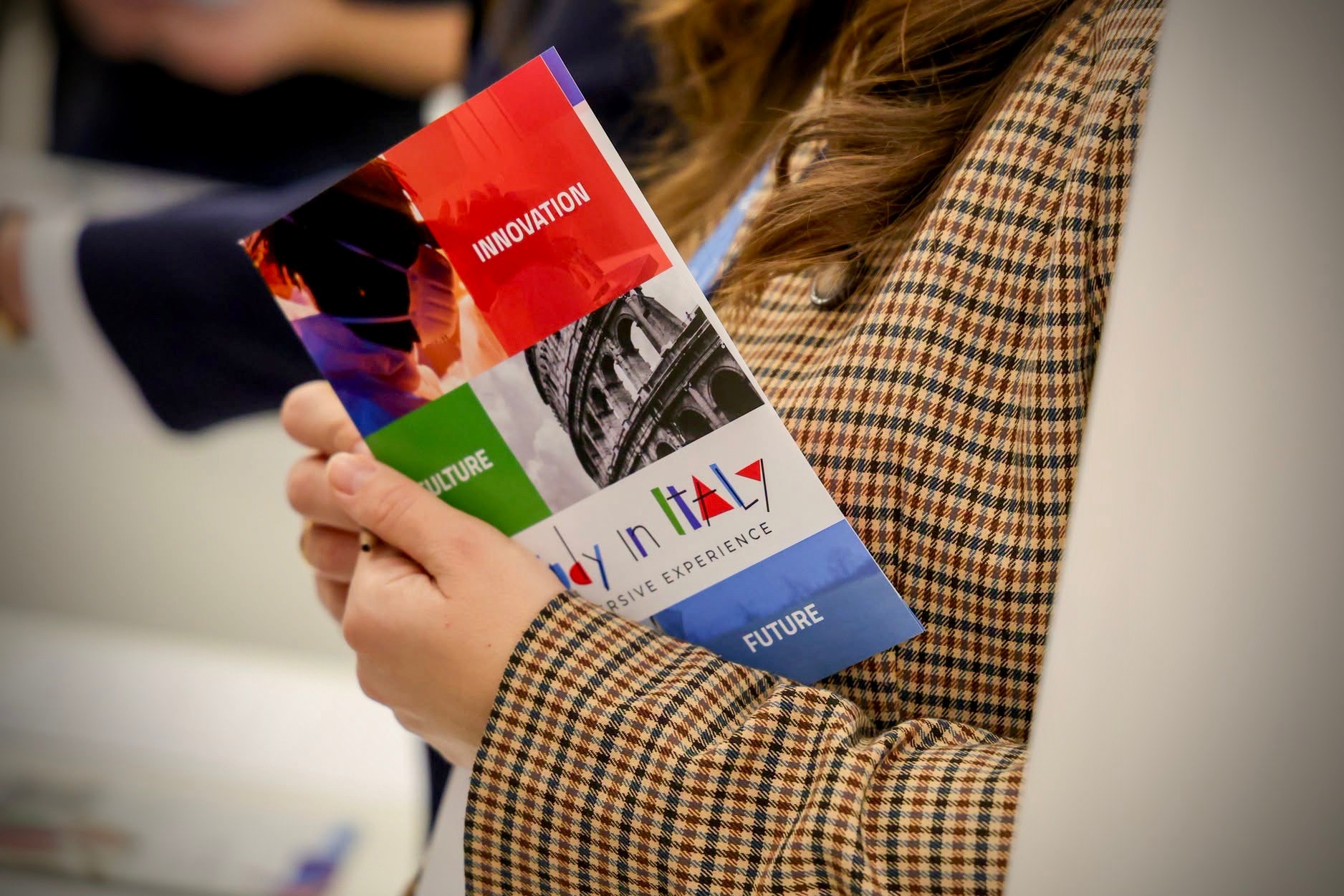
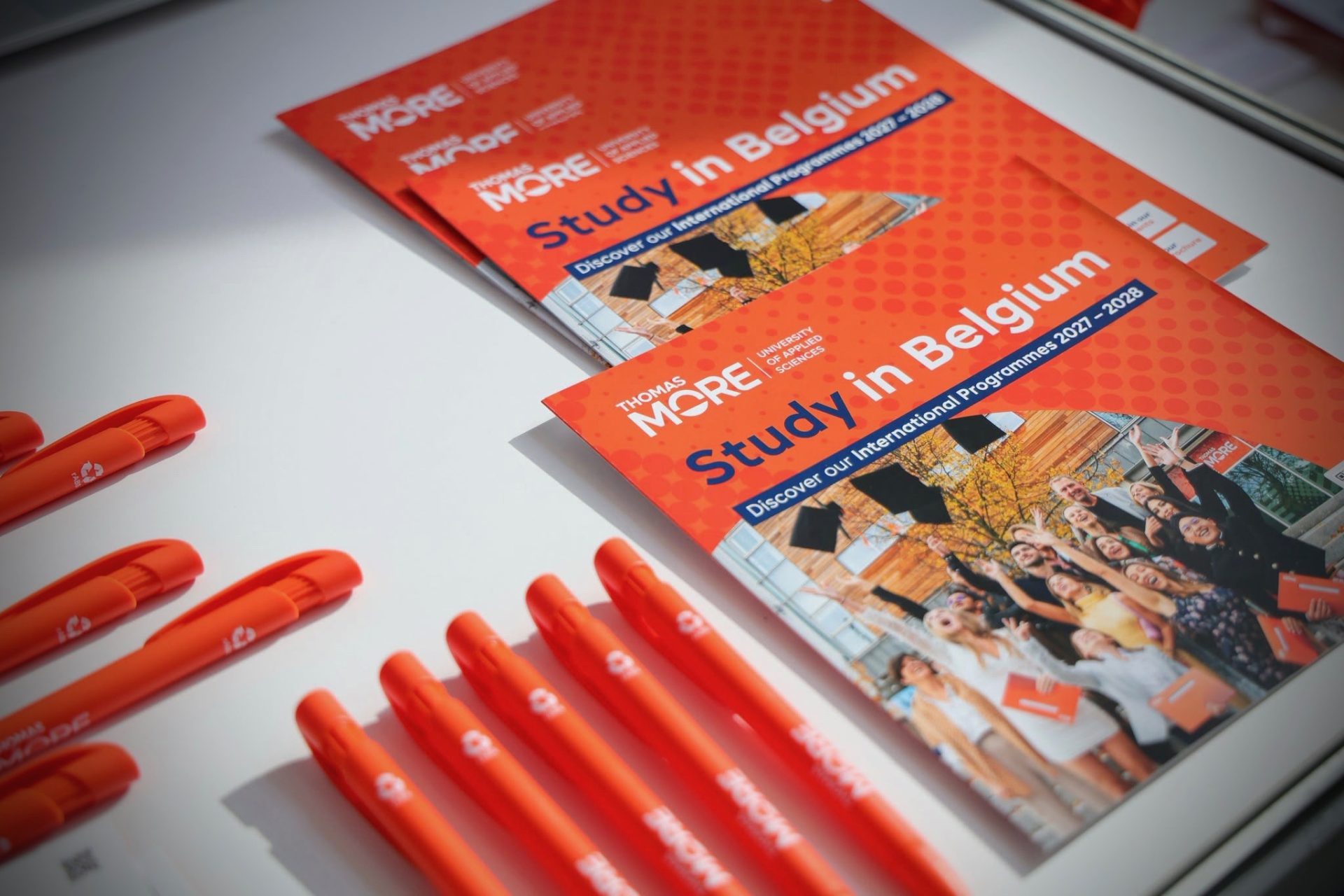
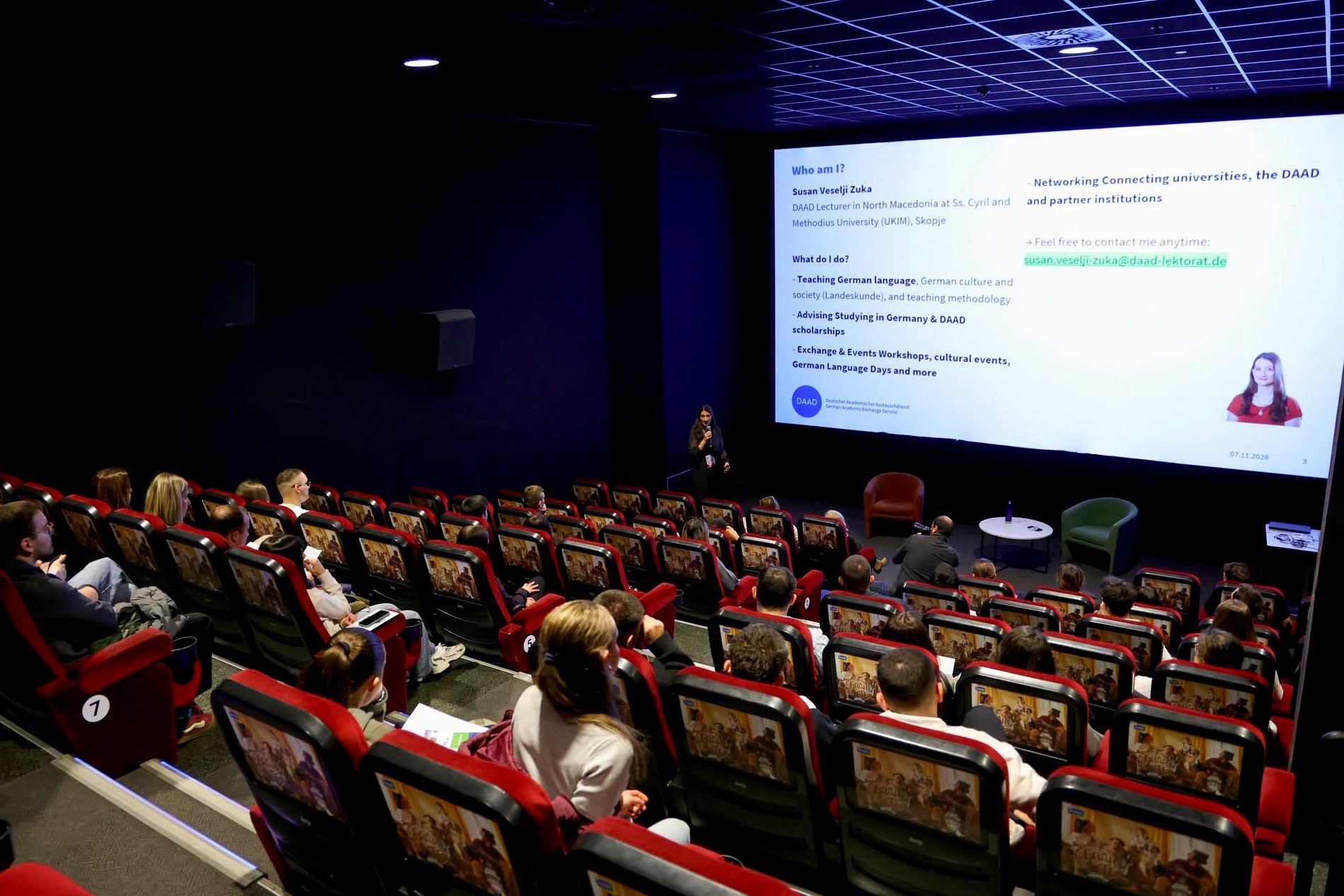
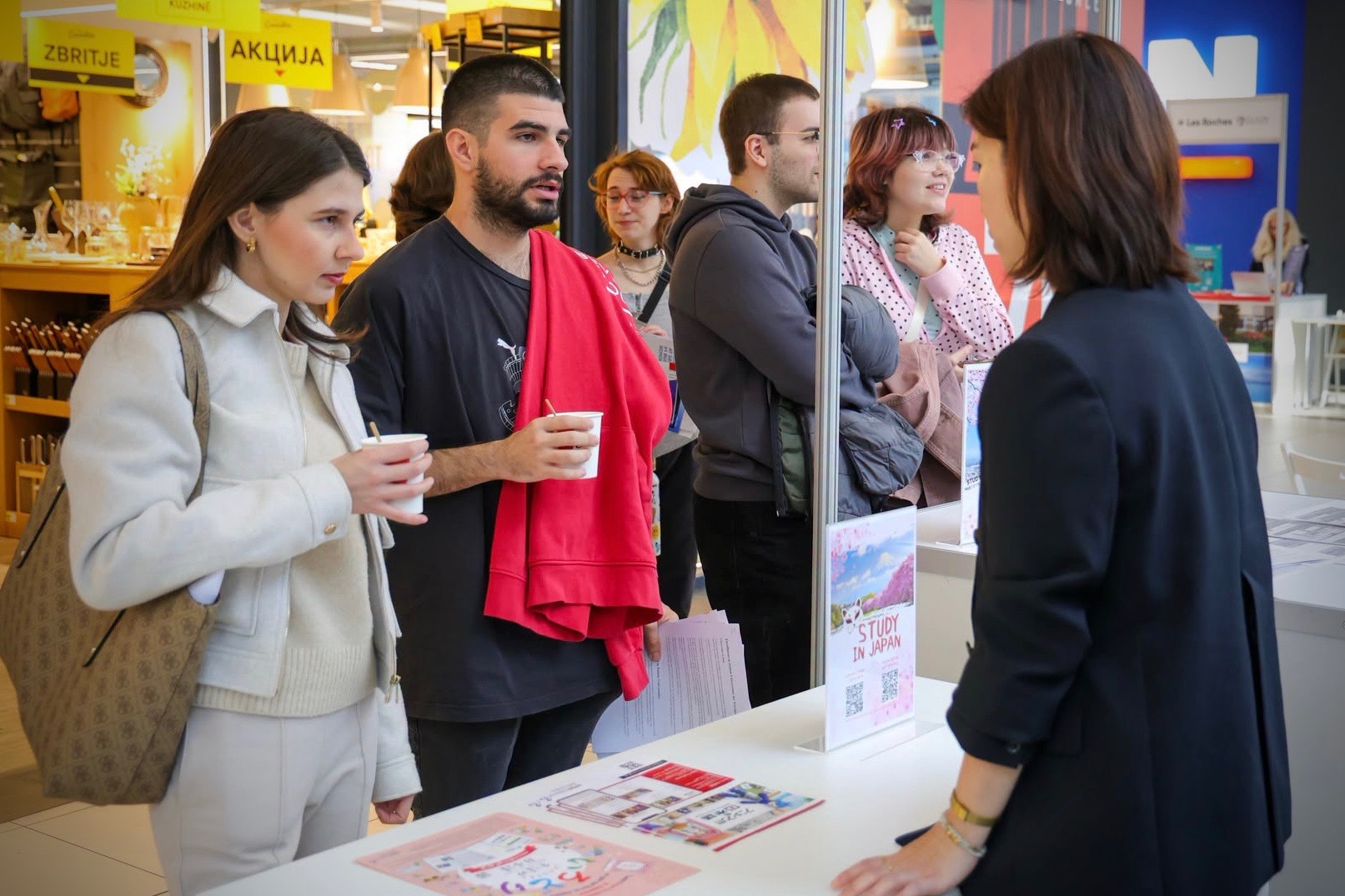
Where in Europe can you study? How do you apply for a scholarship? What are the admission requirements, and what does student life abroad actually cost? These were among the questions young people sought answers to at the Study Abroad Fair Skopje 2026, held on 7 and 8 November at Skopje City Mall.

Following the Study Opportunities in the EU fairs held in October at Europe House Bitola and Europe House Tetovo, the Skopje event attracted a large number of high school and university students, as well as parents interested in exploring opportunities for further education abroad.

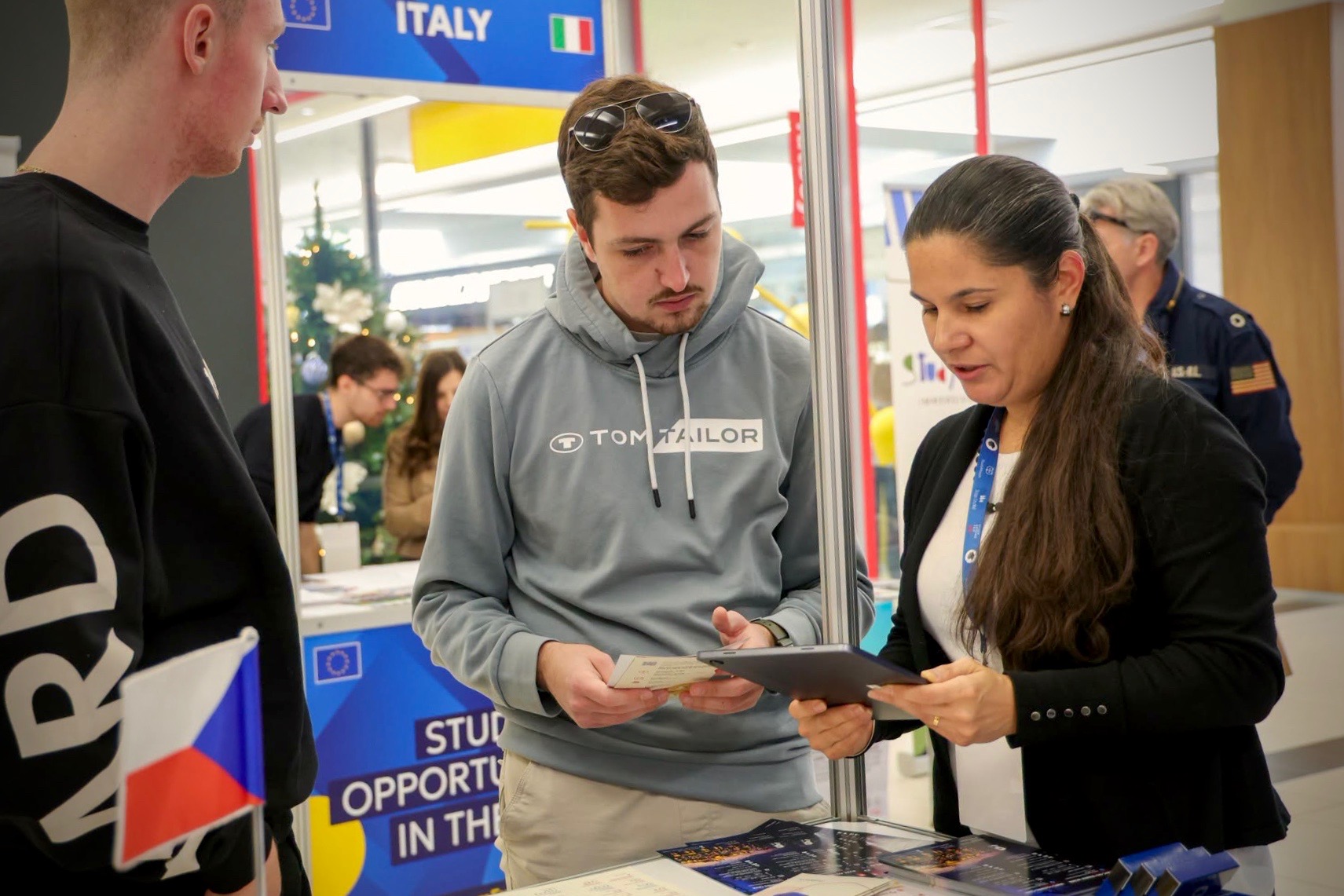
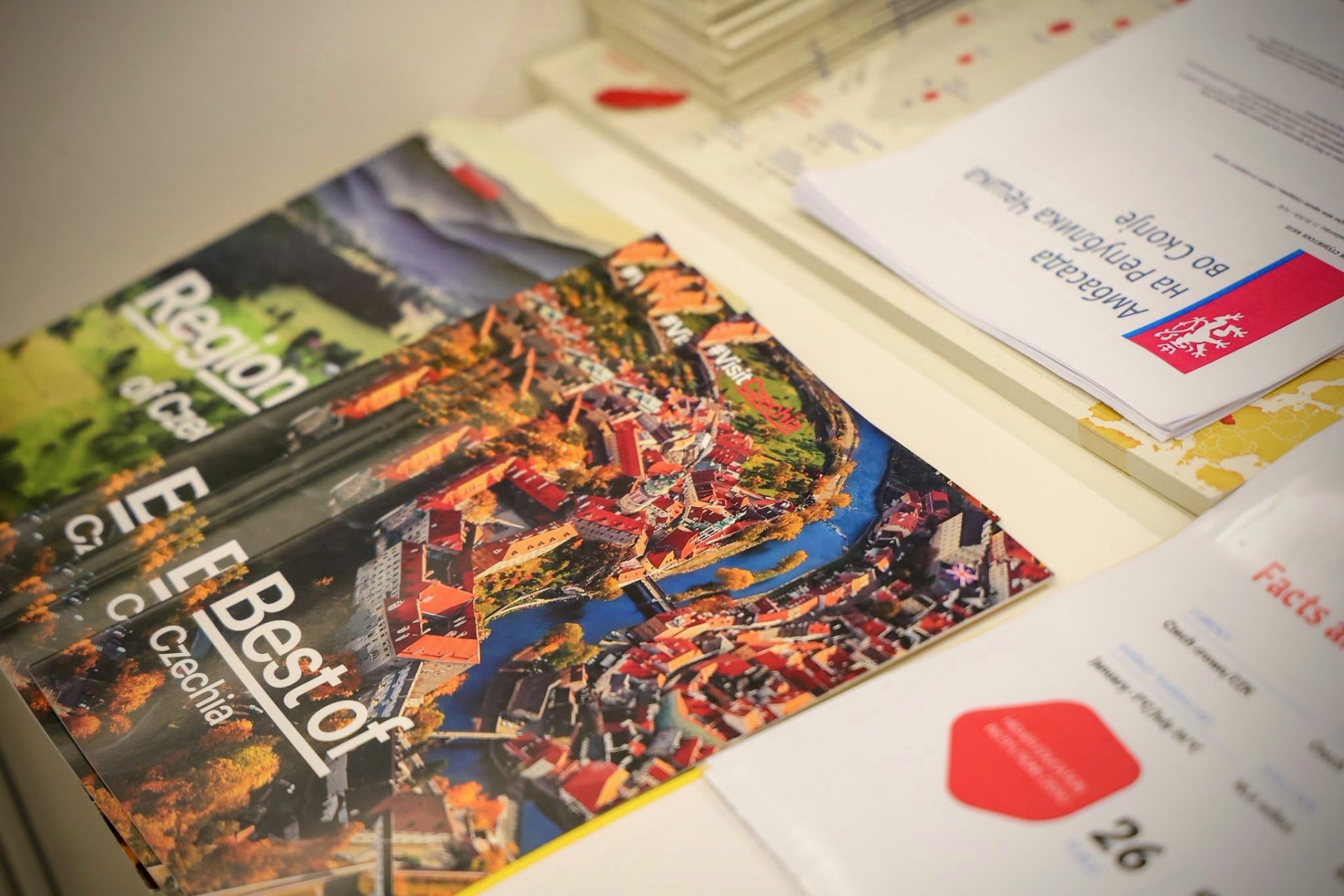
Organised in cooperation with Studentarija and supported by Europe House Skopje, the fair brought together study opportunities from several European countries – Greece, Bulgaria, Hungary, Czechia, Italy, France and Germany.

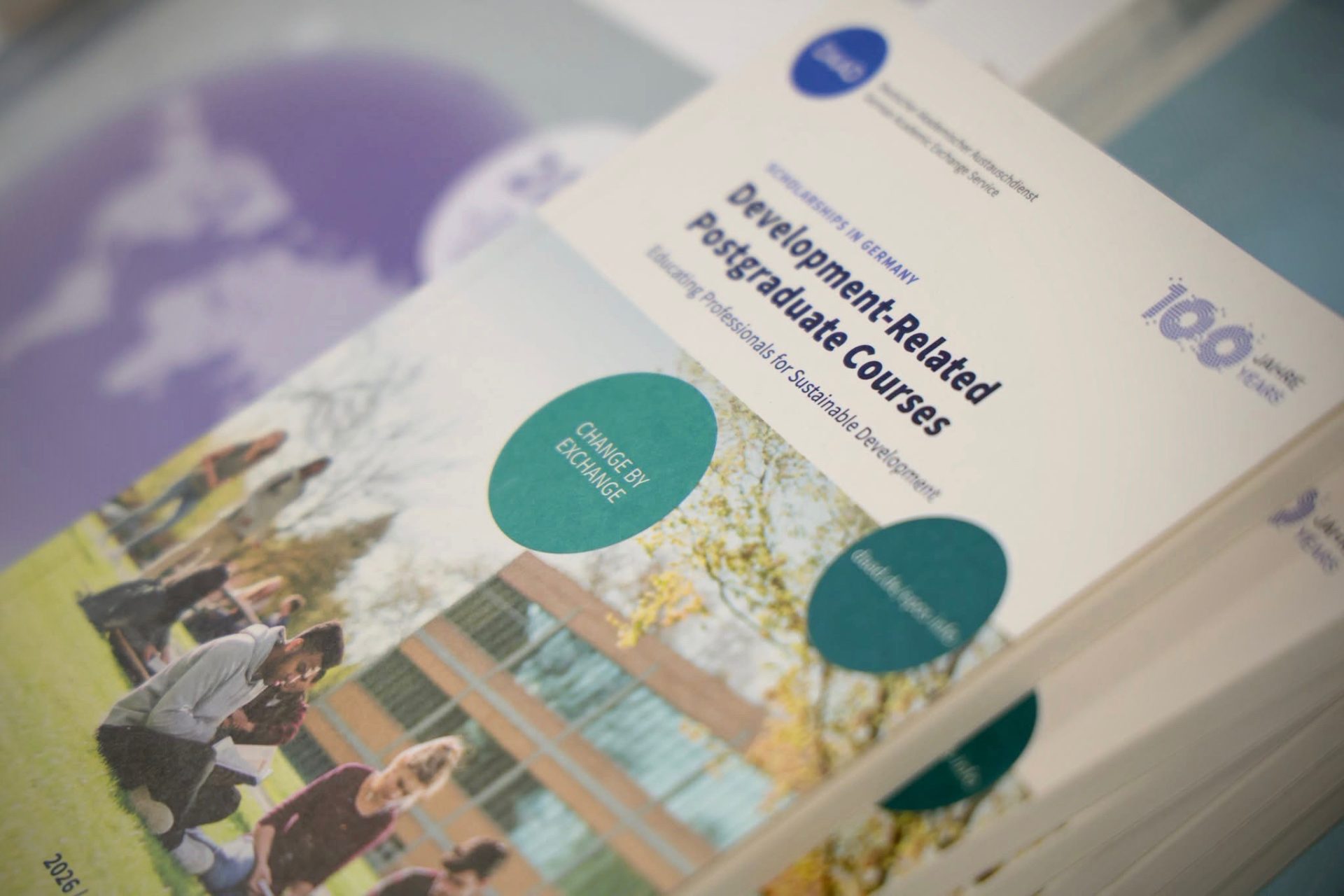
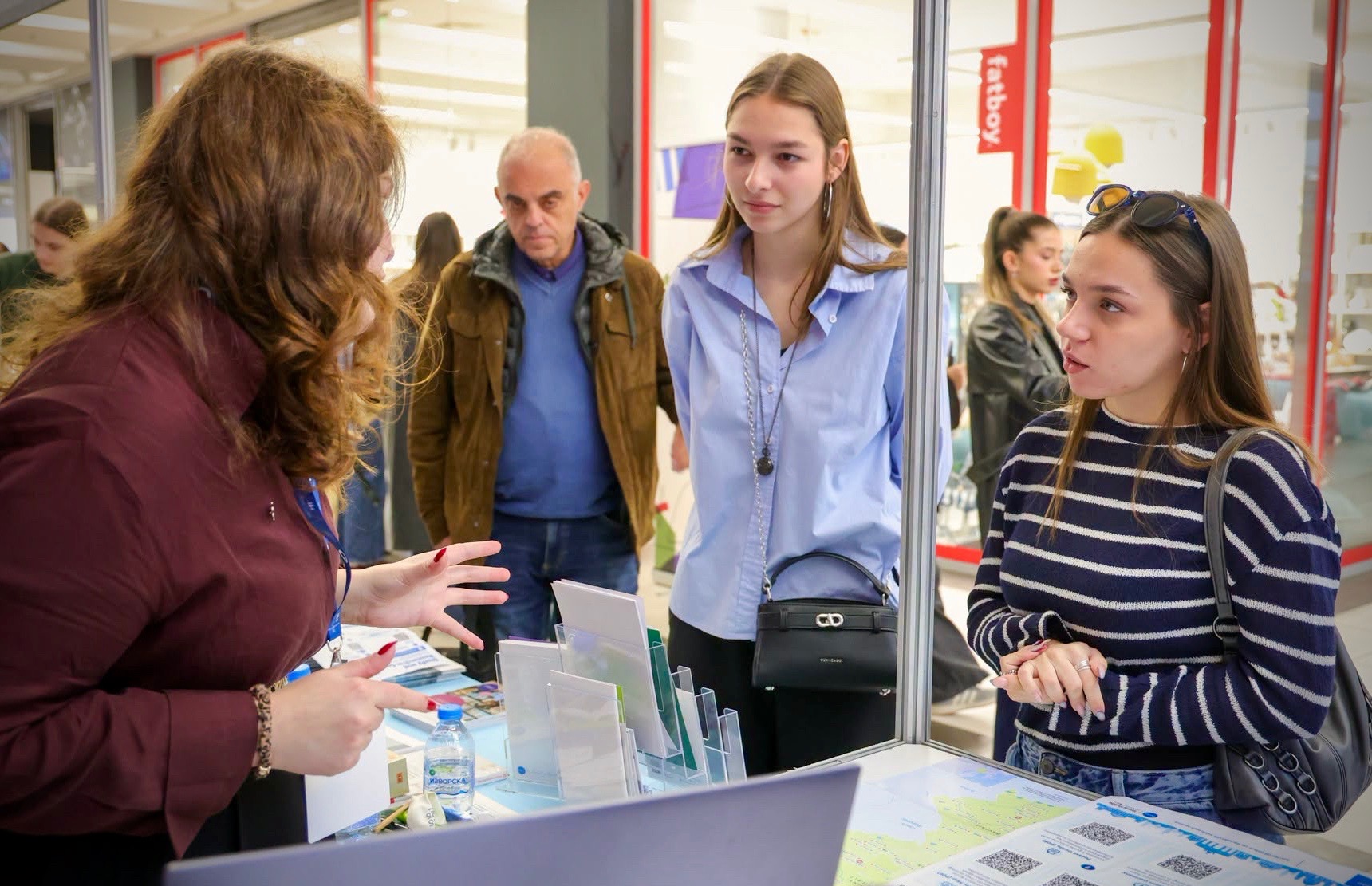
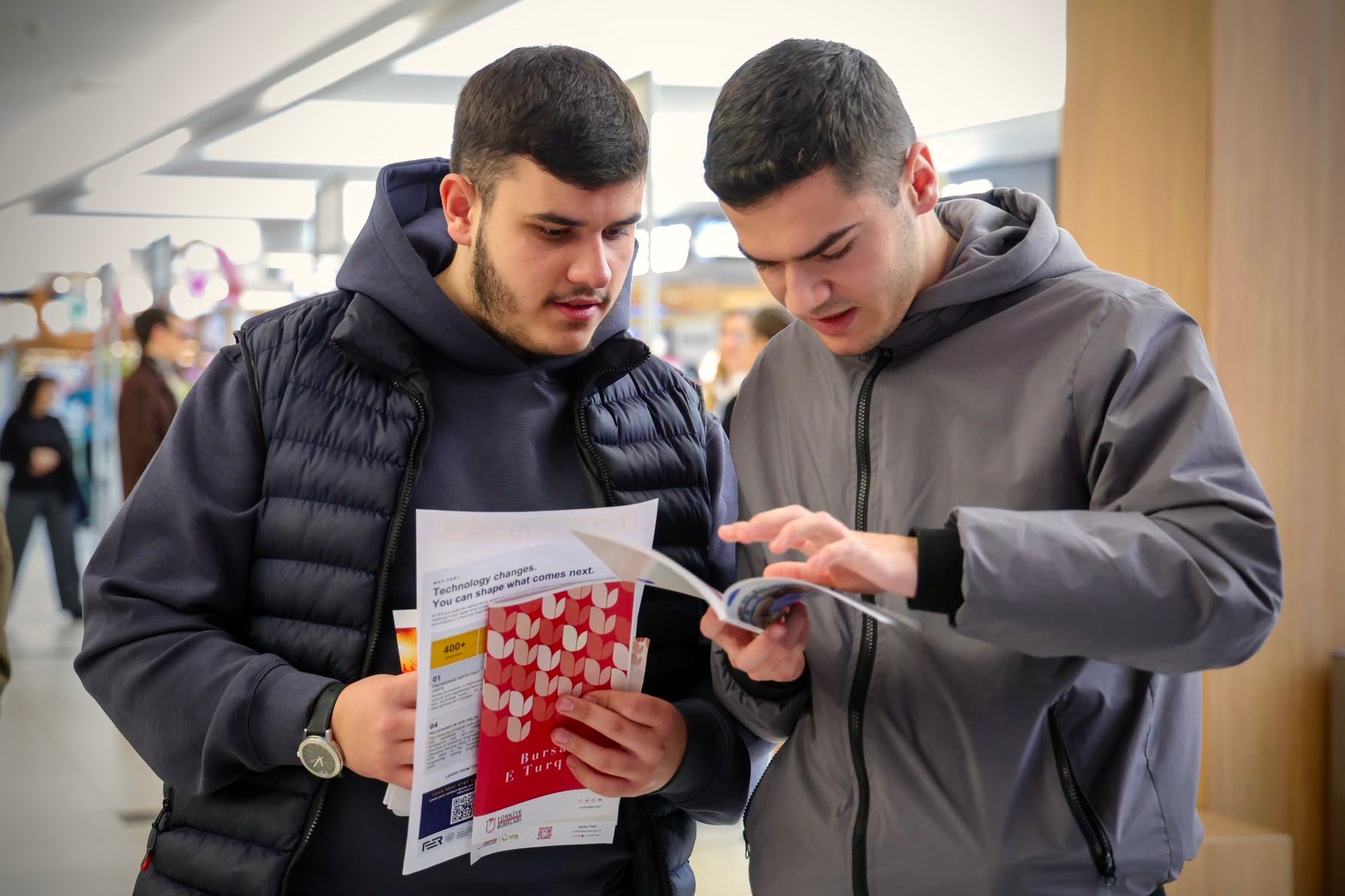
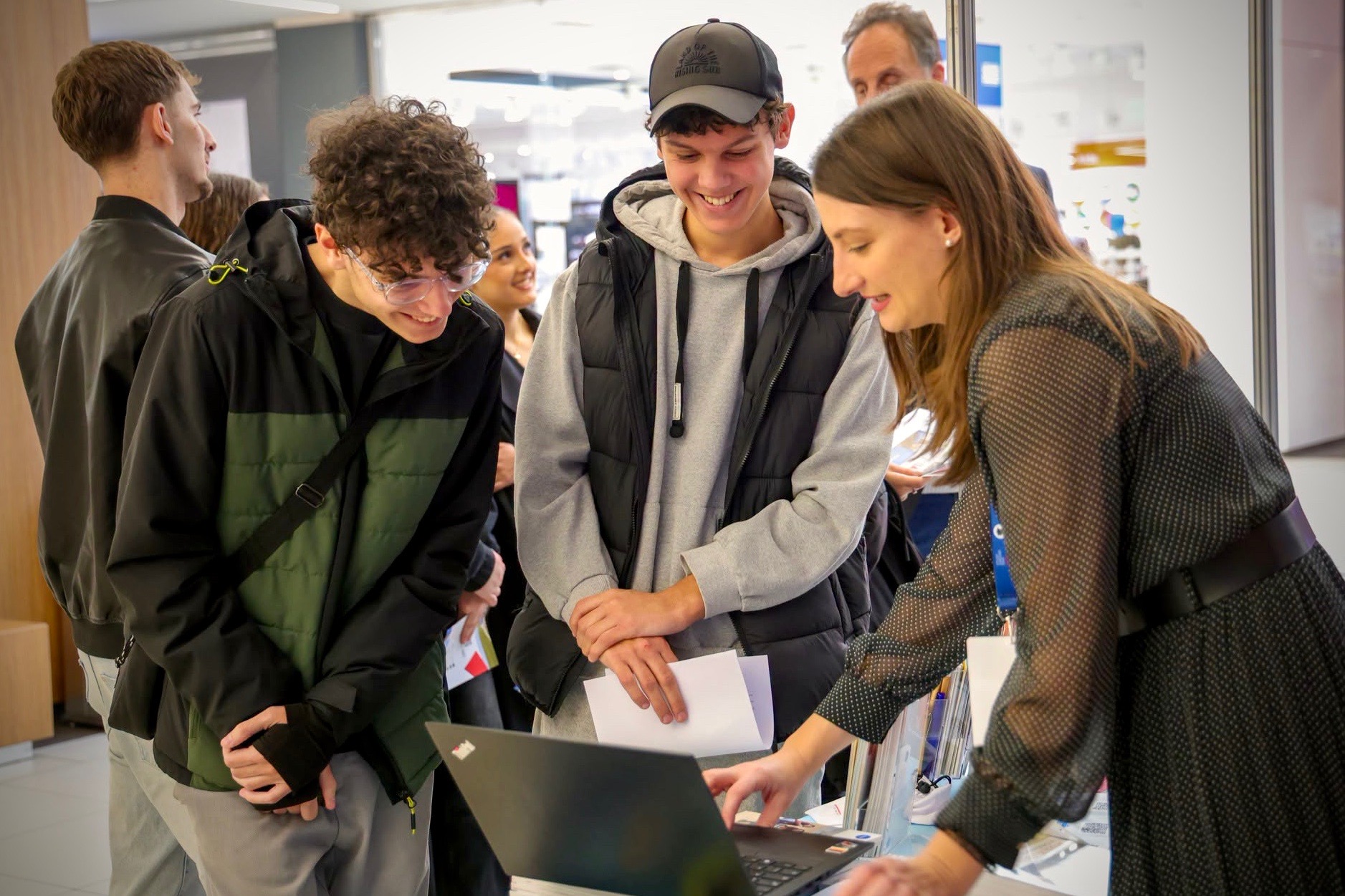
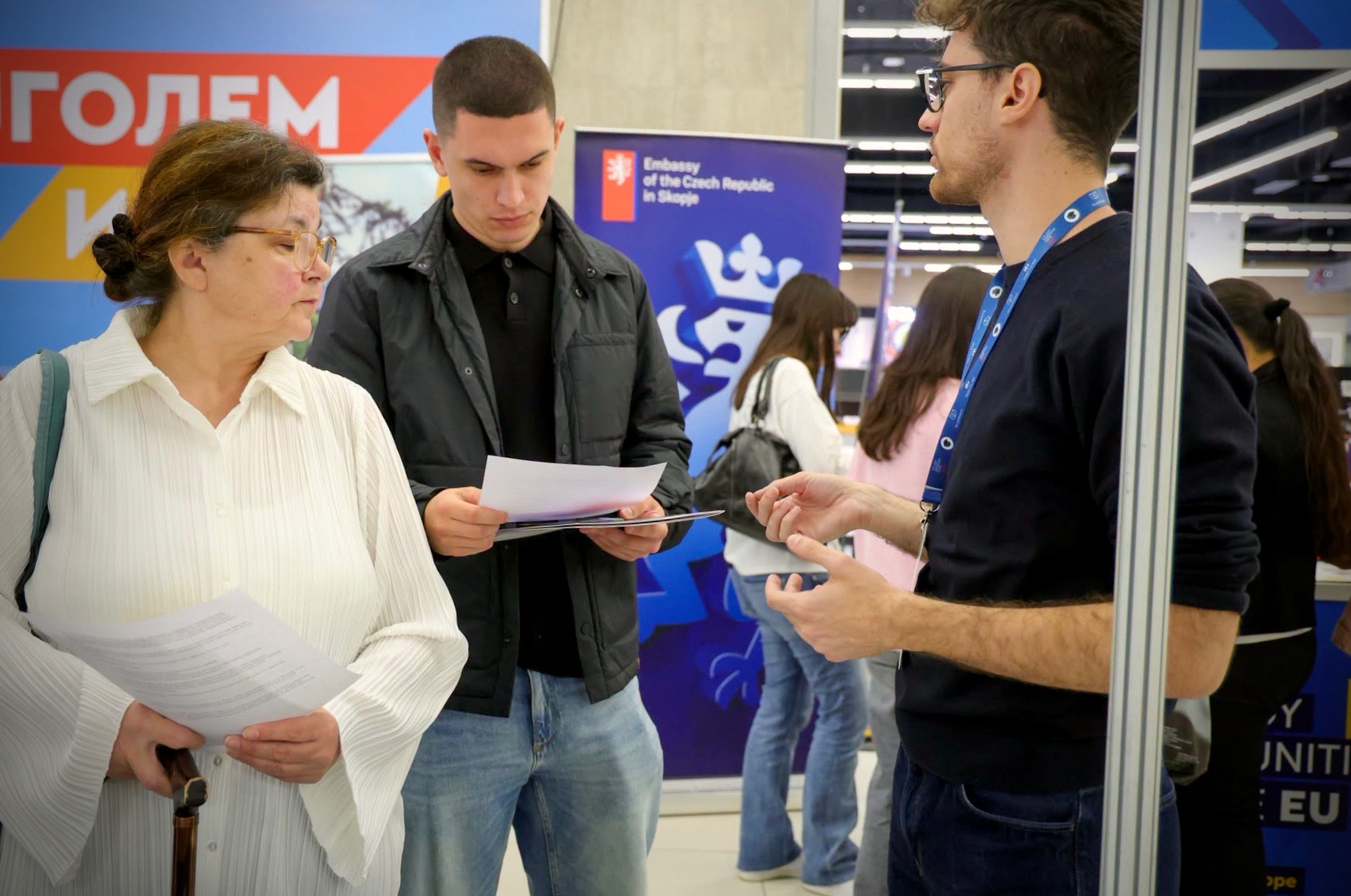
Visitors had the opportunity to speak directly with representatives of foreign universities and faculties, attend information sessions and presentations, and learn more about study programmes, admission requirements, scholarship opportunities and the costs of studying abroad.

Study Abroad Fair Skopje 2026 gave young people the opportunity to get first-hand information, ask questions and receive practical guidance, compare available study programmes and make informed decisions about their future.

Studying abroad is about more than earning a degree. It is also an experience that brings new knowledge, connections, independence and broader perspectives. And every big decision is easier to make when you have access to the right information.

Through initiatives like this, Europe House continues to connect young people with educational opportunities across the European Union and beyond, encouraging them to explore their academic interests and turn their ambitions into concrete plans.

“Who Codes the Future?”: Panel Discussion on Girls and Women in STEM

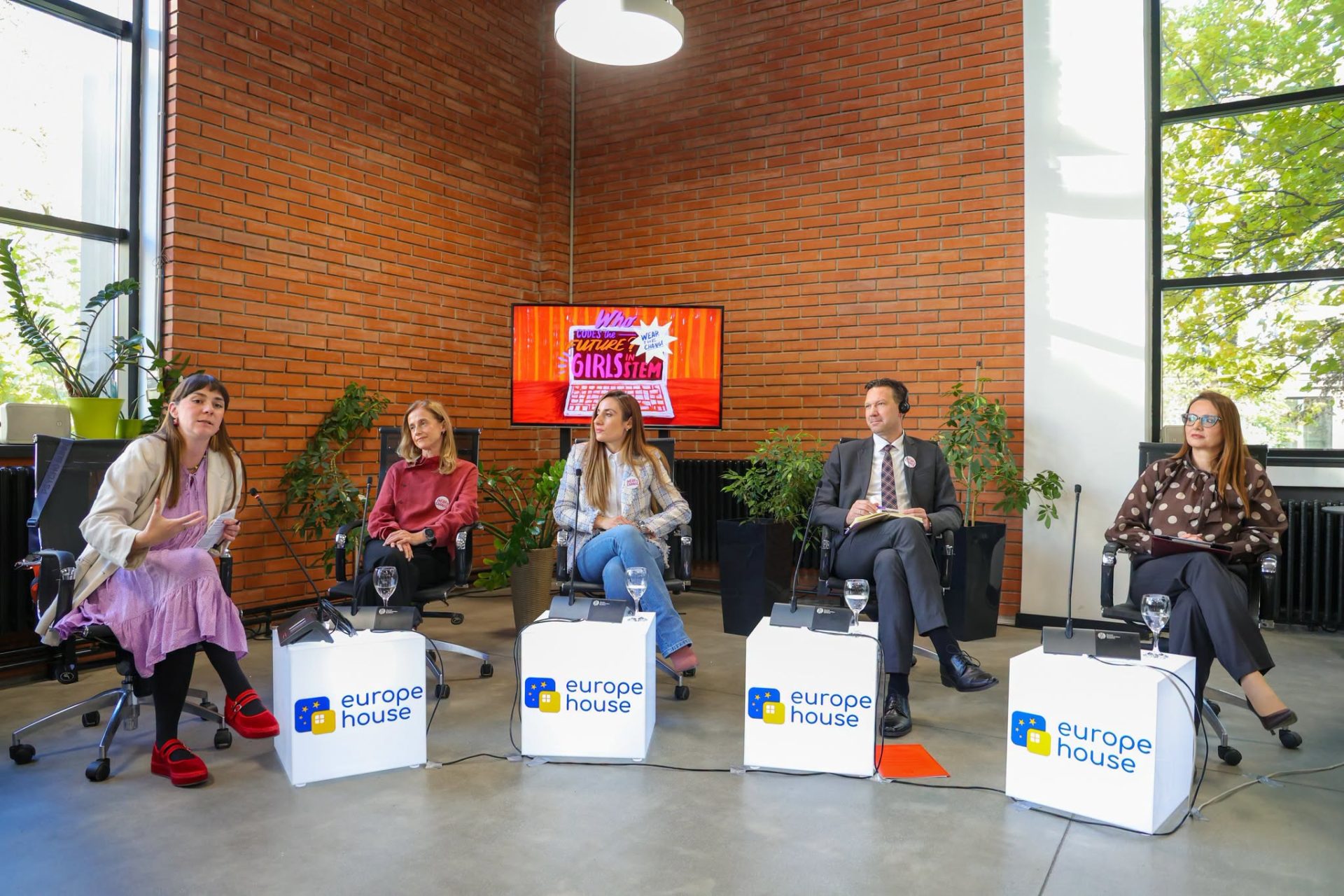
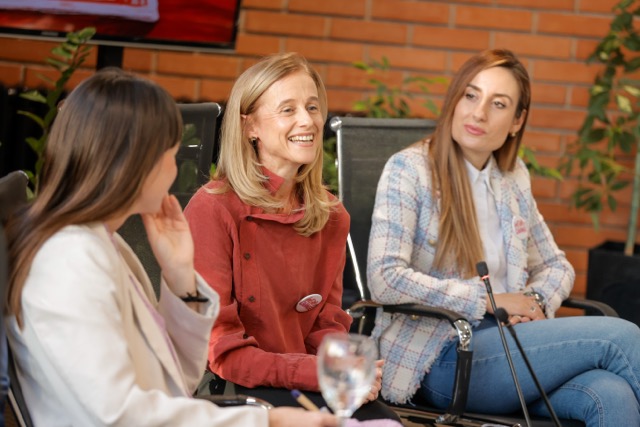
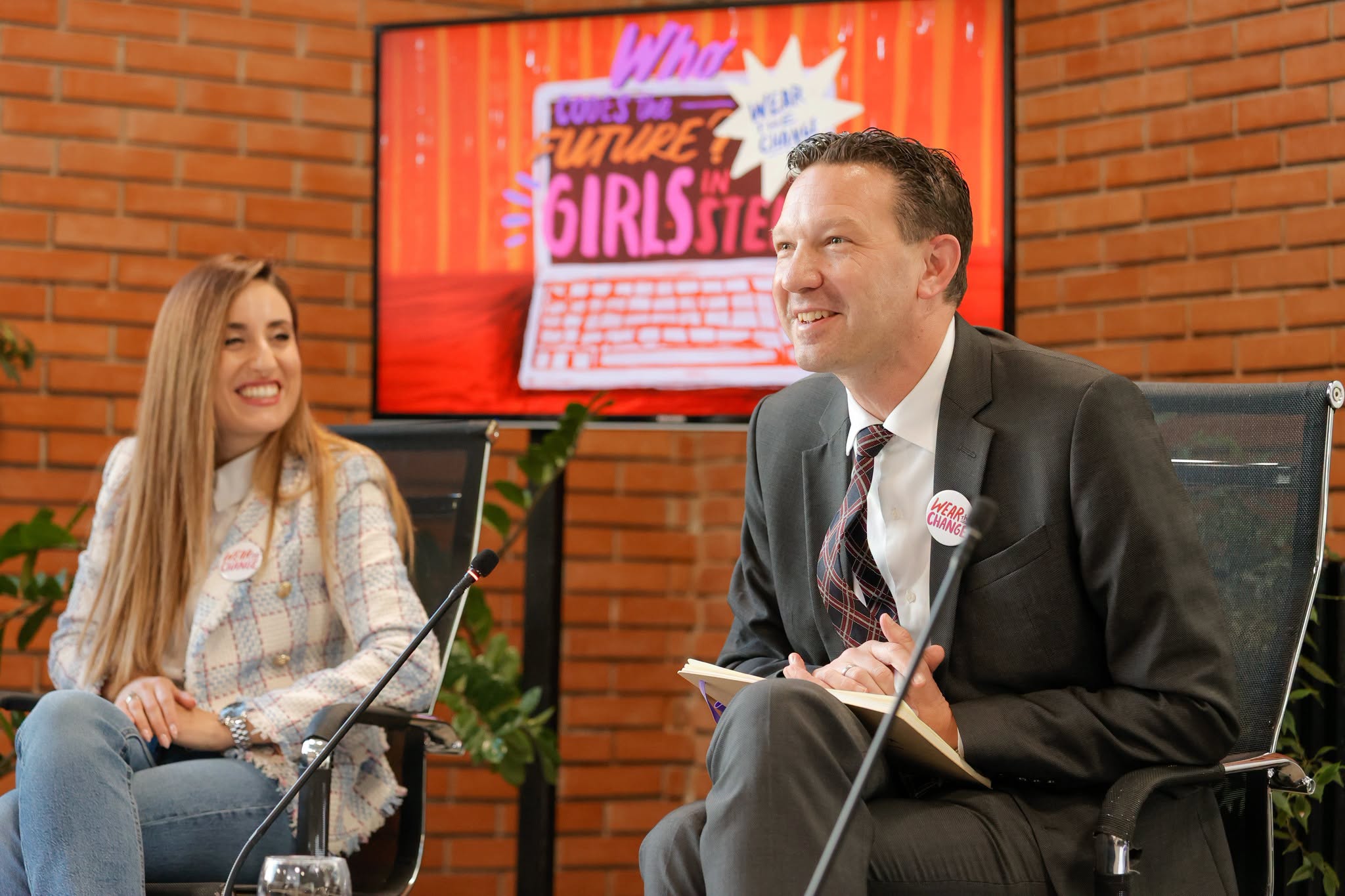
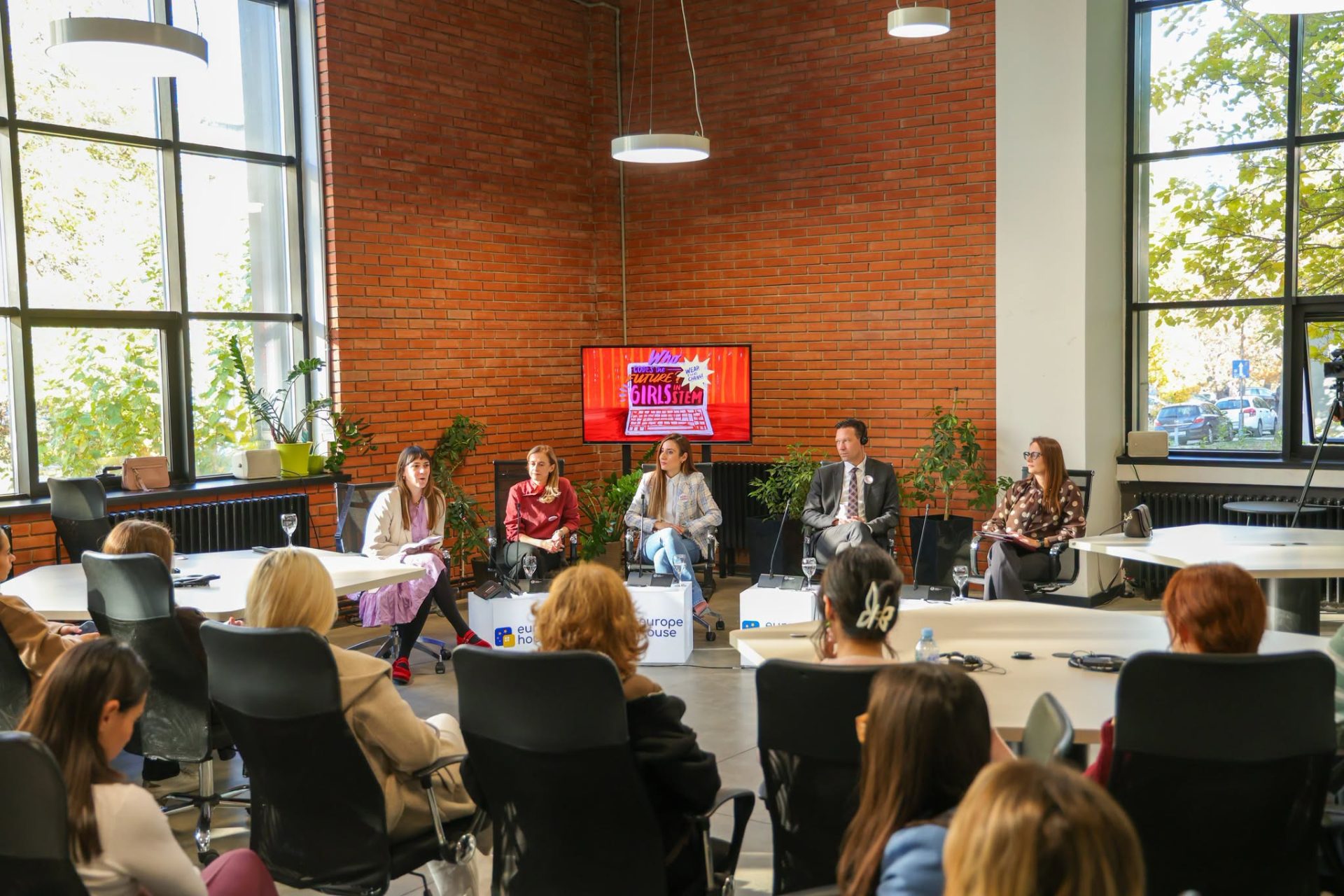
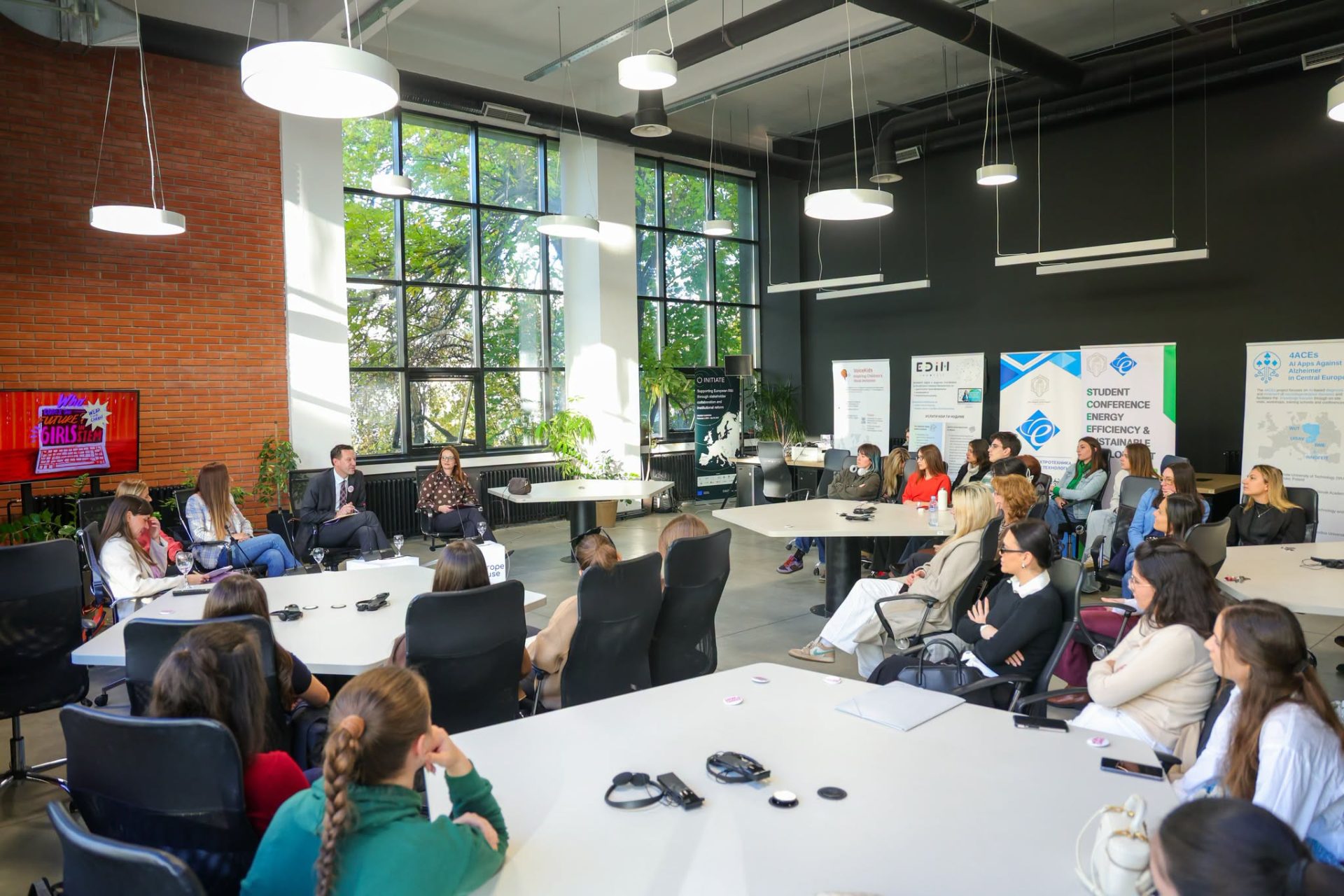
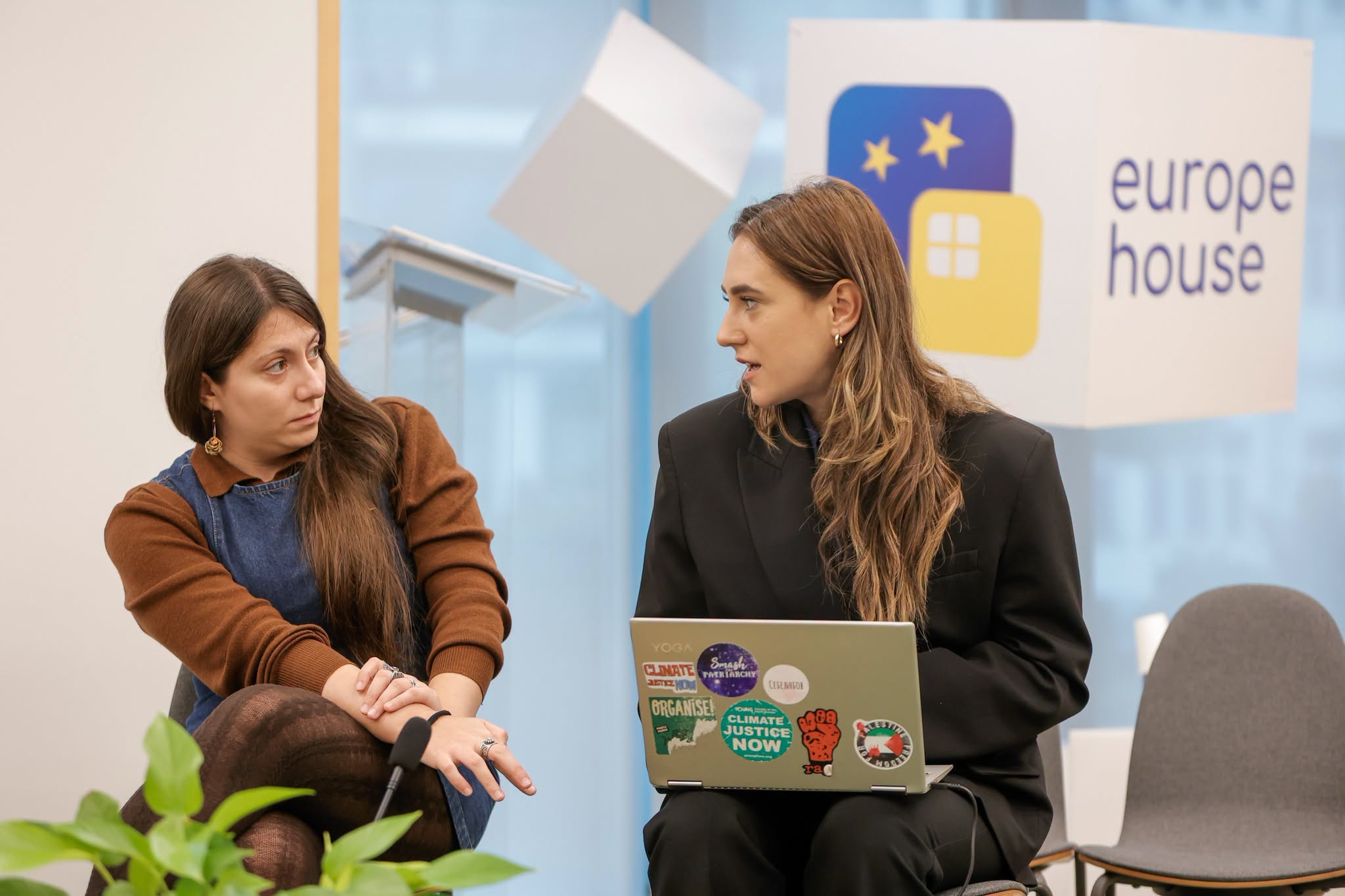
How can we break down gender barriers in science, technology, engineering and mathematics (STEM) and create more opportunities for girls and women in the digital world? These were the key questions explored at the panel discussion “Who Codes the Future? Girls in STEM” – part of the Wear the Change campaign and national caravan, launched by Europe House and the Delegation of the European Union.

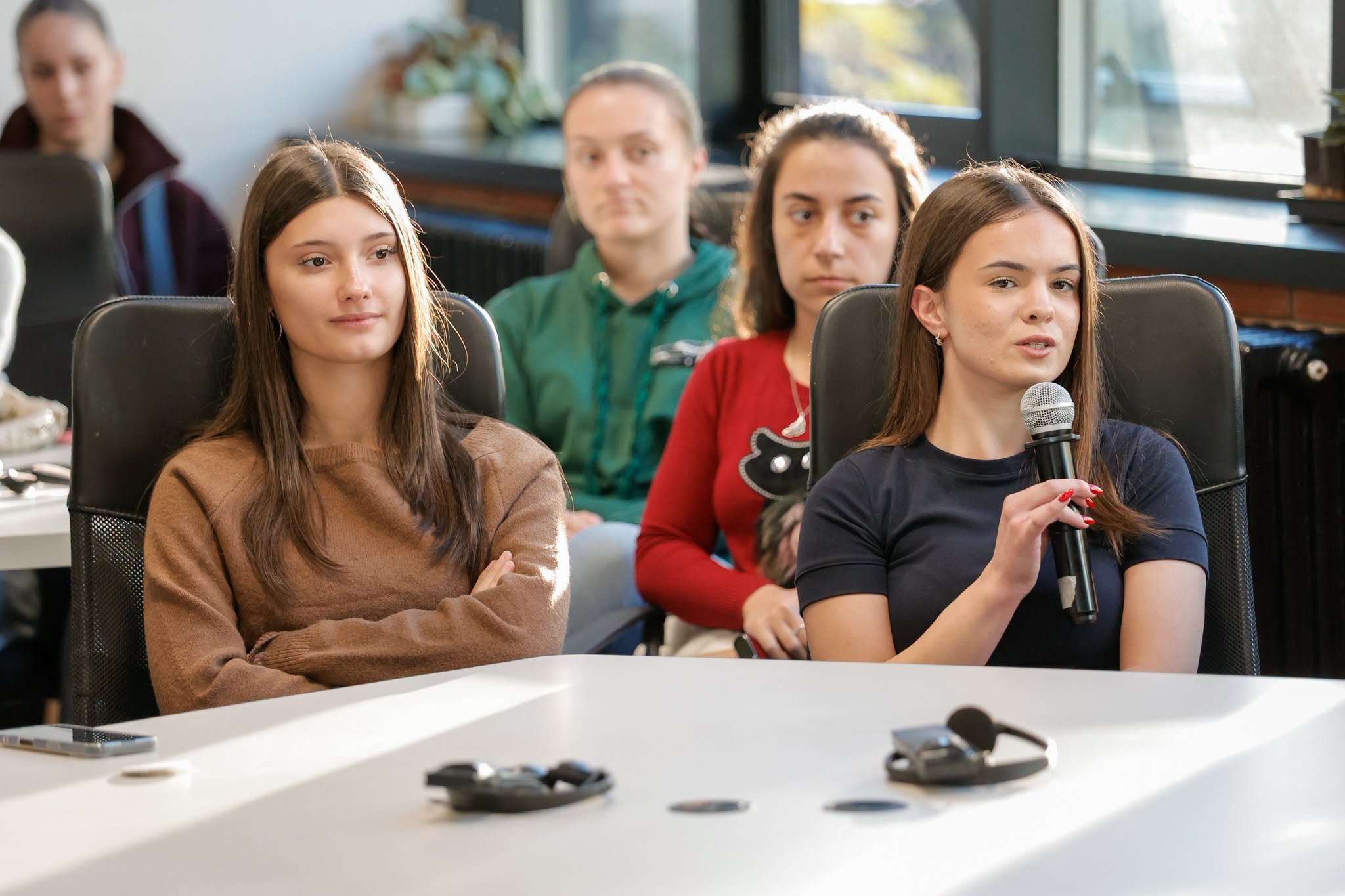
Held at the UKIM’s Tech Campus in Skopje, the discussion addressed the gender gap, stereotypes and institutional barriers, as well as the need to ensure equal access to education, professional development and leadership positions in the technology sector.

Despite women accounting for around 70% of graduates in natural sciences and mathematics and making up more than half of the country’s researchers, their representation in technology-related professions remains significantly lower. And while women make up 33% of ICT graduates, they represent less than a quarter of the sector’s workforce. A lack of support and visible female role models, coupled with a sense of not belonging, continues to influence girls’ educational and career choices.

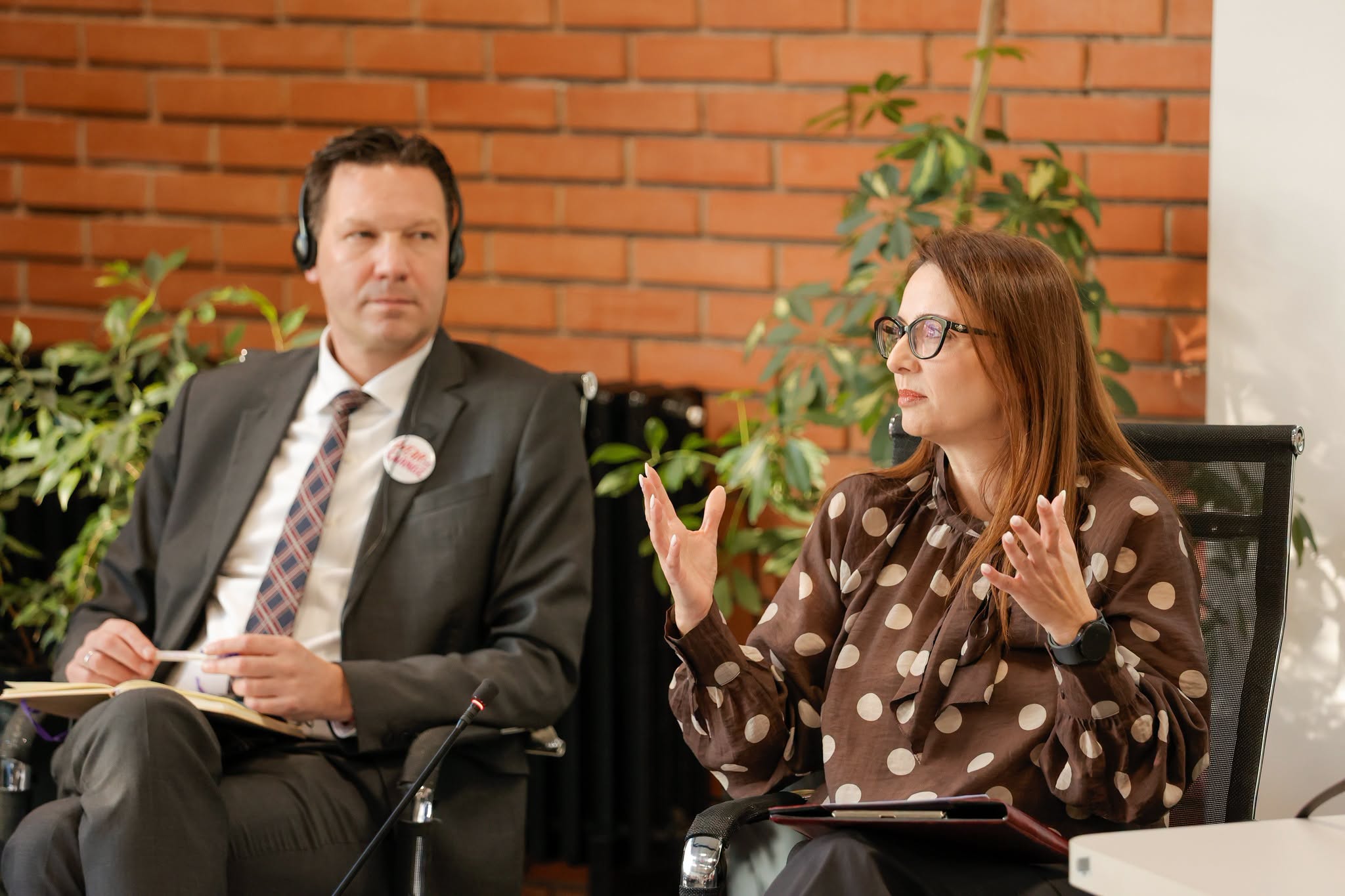
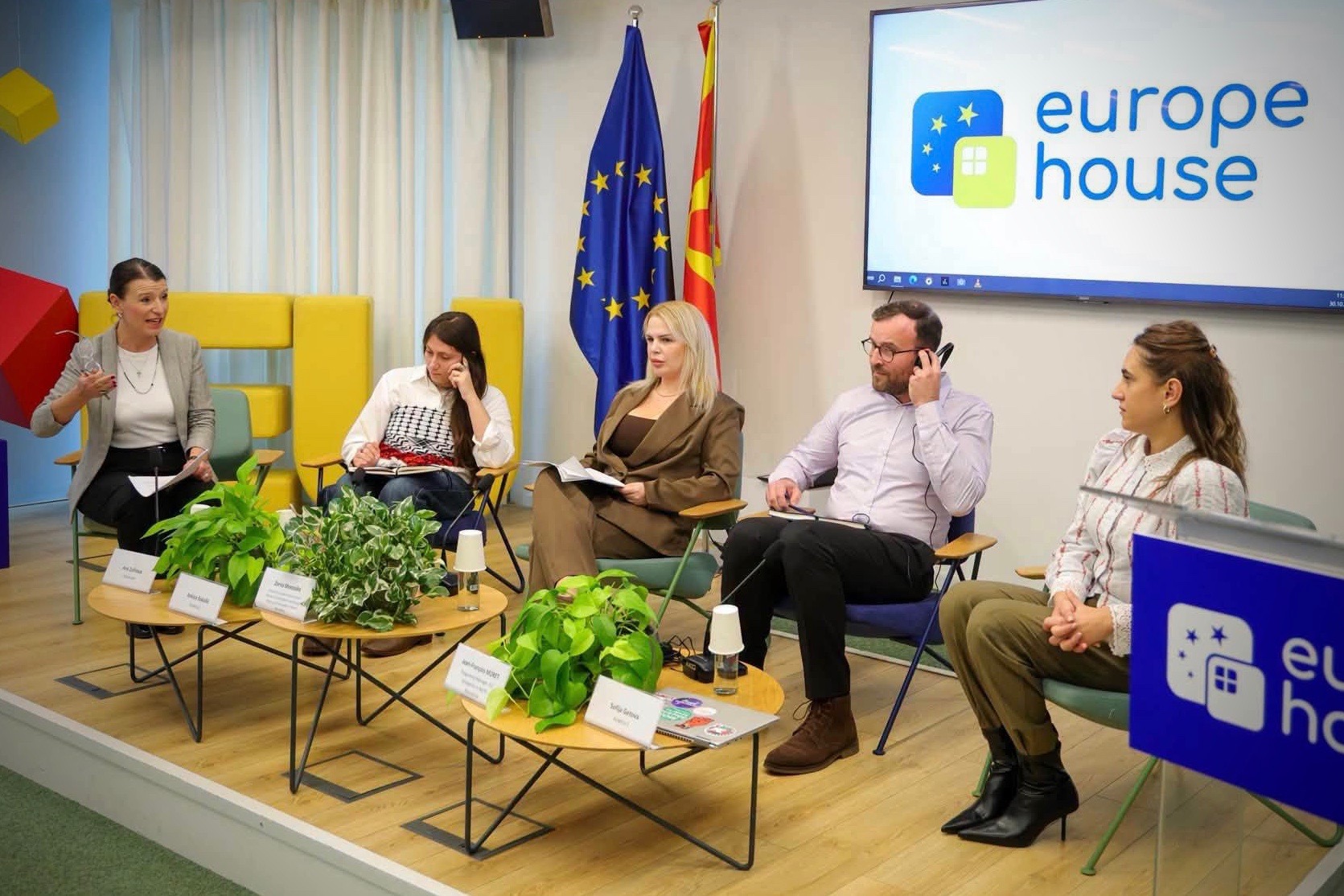
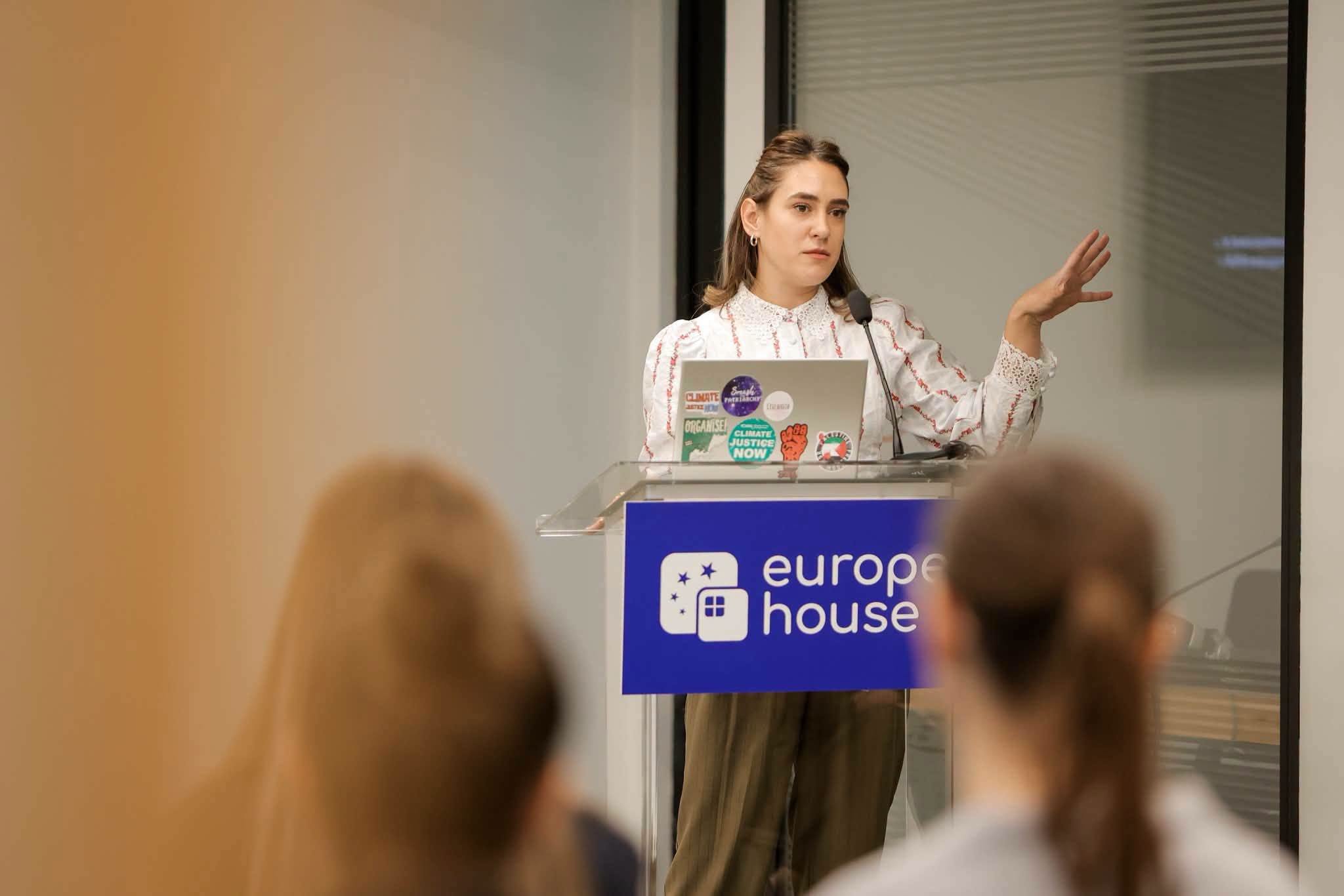
The panel brought together Swedish Ambassador Ola Sohlström; Marijana Ilovska Zlatanovski, Executive Director for Digital Innovation at Intertec.co and Partnerships Director at Women in Tech North Macedonia; Prof. Ana Poceva Panovska, PhD, from the Faculty of Pharmacy at Ss. Cyril and Methodius University in Skopje (UKIM); and Prof. Nevenka Kiteva Rogleva, PhD, from the Faculty of Electrical Engineering and Information Technologies (FEEIT) at UKIM. The discussion was moderated by Andrea Ugrinovska from “Tiiiit! Inc.” – Skopje.

Prof. Ana Poceva Panovska, PhD, the researcher behind UKIM’s first patent in the field of medicinal chemistry, involving hybrid molecules with potential applications in the treatment of Alzheimer’s disease, spoke about the transformation of pharmacy and the growing participation of women in the field.

“Today, more than 90% of the students at our faculty are women. This change shows what can happen when women are given opportunities for education and professional development,” said Prof. Poceva Panovska.

Marijana Ilovska Zlatanovski, representing Women in Tech North Macedonia, highlighted the growing number of women in technology, while also addressing the challenges they face in reaching leadership positions. Although women’s representation in the technology sector is increasing, barriers that limit their career progression and access to leadership roles still need to be addressed. “I am glad that today we are working to overcome these barriers and encourage girls to take greater initiative. There has definitely been progress, but there is still a lot of work to be done,” she stressed.

Swedish Ambassador Ola Sohlström noted that Sweden’s progress in STEM is the result of long-term investment in education, research and innovation.

“Sweden’s success in STEM did not happen overnight. It is the result of generations of investment in education, research, innovation and people. My message to decision-makers in North Macedonia is to do the same: invest more in education, in STEM and, above all, in young people. I believe that the future of this country, the region and the world depends to a great extent on the young woman who is 20 today, wondering what comes next and deciding which path to take,” Ambassador Sohlström said.

Prof. Nevenka Kiteva Rogleva, PhD, shared her professional experience in the energy sector, a field traditionally dominated by men. She emphasised that knowledge, interest and quality education matter more than gender stereotypes, and that support from family members and teachers can be decisive in encouraging girls to pursue their interests in science and technology.

When girls and women do not have equal opportunities to fulfil their potential, society loses talent, ideas, opportunities for innovation and more effective solutions. Closing the gender gap in STEM requires more than conversations: it calls for sustained support, visible role models and equal opportunities in education, career advancement and leadership.

Young People Call for a Greater Role in Climate Decision-Making at LCOY2026

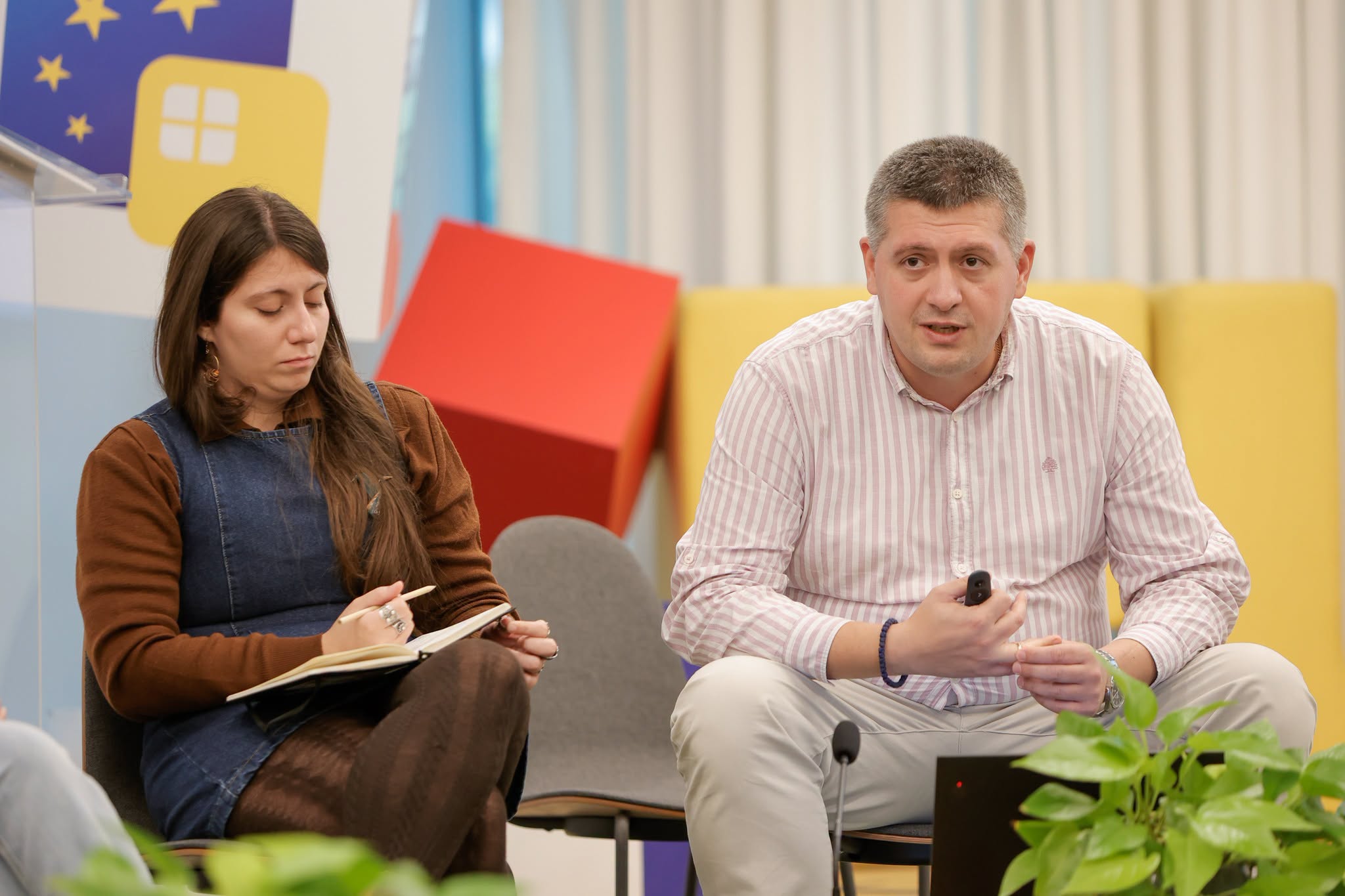
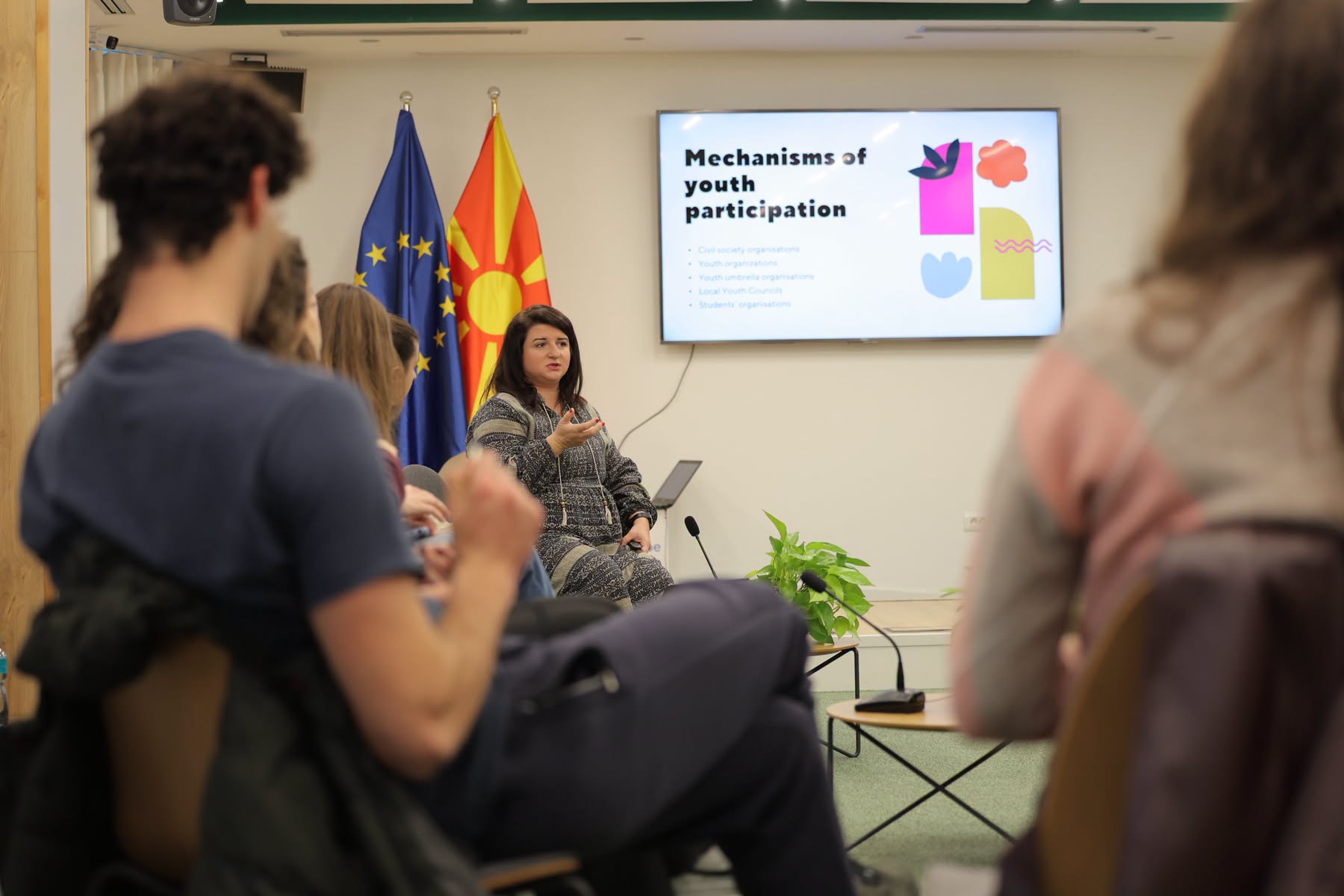
Young people should not simply be consulted – they must have an active role in shaping climate policies and decisions that affect their future. This was the central message of the two-day Local Conference of Youth– LCOY2026, held at Europe House Skopje.

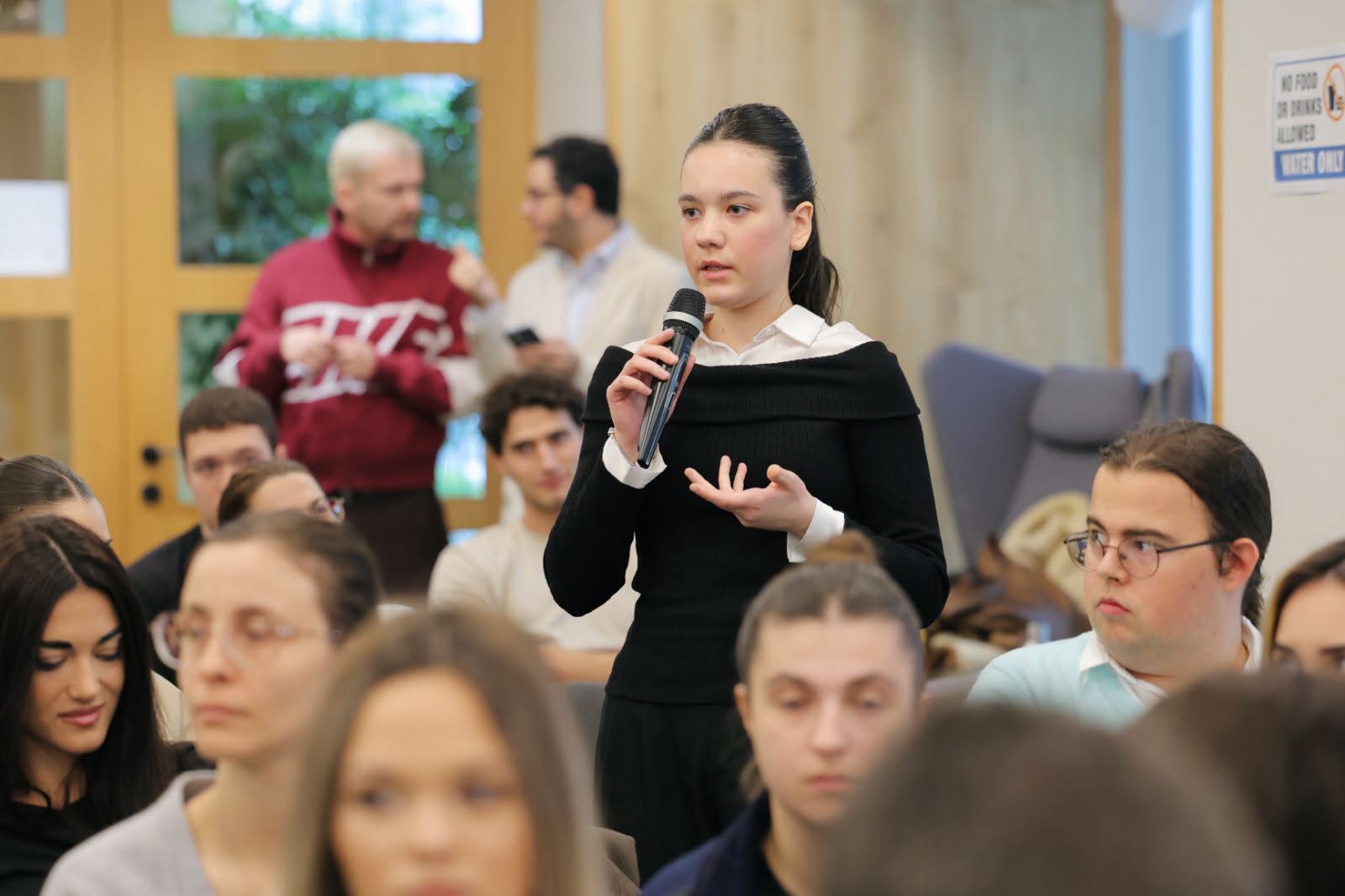
Organised by the youth organisation Kolektiv Z, LCOY2026 brought together more than 50 young people – students, activists and emerging leaders – alongside experts and representatives of institutions and civil society. Their shared goal was to explore ways to ensure meaningful, continuous and structured youth participation in climate policy decision-making.

Through discussions, presentations and exchanges with representatives of the Delegation of the European Union, UNDP, UNICEF, the Ministry of Environment and Physical Planning, and the organisation Eco-svest, participants discussed current climate challenges and the need to involve young people in shaping solutions. Particular attention was given to establishing mechanisms that would ensure youth participation goes beyond occasional contributions and becomes an integral part of decision-making processes.

The conference concluded with a powerful Youth Statement, expressing the determination, expectations and demands of a generation refusing to have its voice pushed to the margins:

“Our future is not up for negotiation. Our country is not for sale. Our voices will continue to organise, resist and rebuild the just society that we and future generations deserve.”

We believe that young people’s active participation in shaping climate policies is more than essential, as it is the younger generations who will live with the consequences of today’s decisions. Their perspectives, ideas and demands must be heard and reflected in the solutions that will help create a more sustainable future.

LCOY2026 is part of an international network of youth climate conferences held in different countries under the auspices of YOUNGO, the official youth constituency of the United Nations Framework Convention on Climate Change (UNFCCC). These conferences connect young activists and students with scientific, government and business leaders, giving them opportunities to expand their knowledge and strengthen their capacities, and prepare national youth declarations. Their messages and recommendations are then brought into broader international climate processes and negotiations, including the global UN Climate Change Conference (COP).

Running for Equality: Europe House and Women Power Cup at the Skopje Marathon

Sport is not only about competition. It is also a space for equal opportunities, confidence and inclusion.

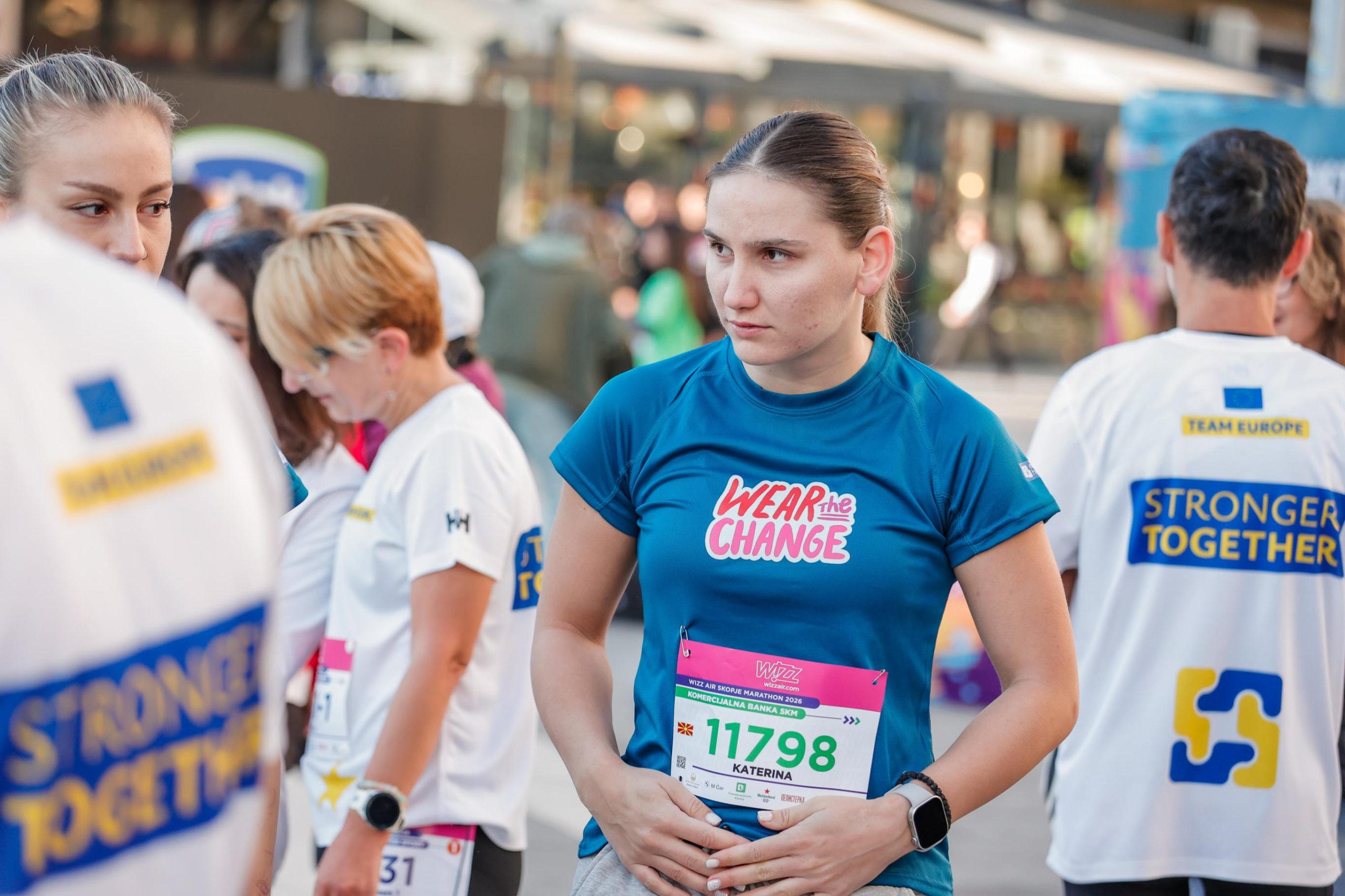
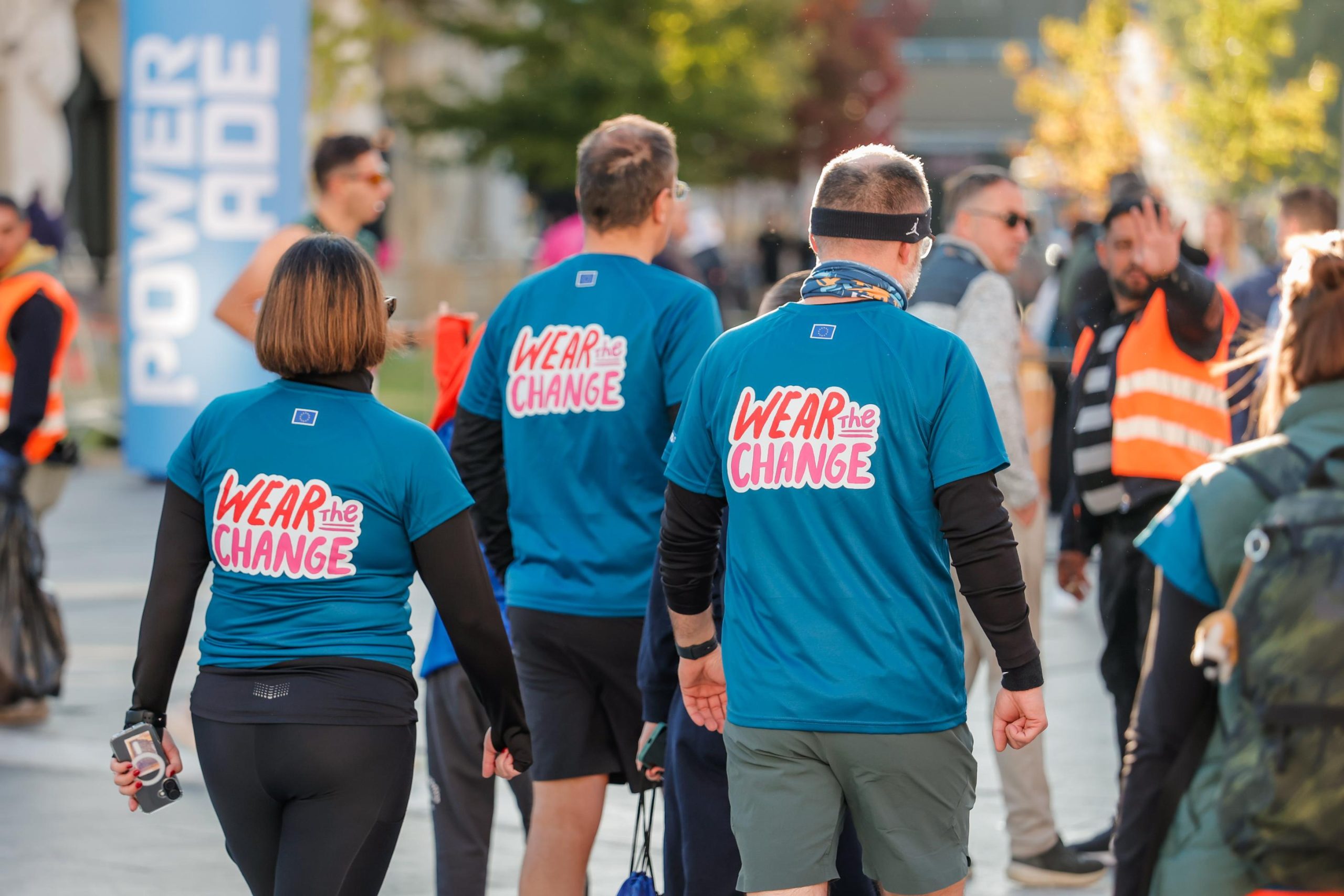
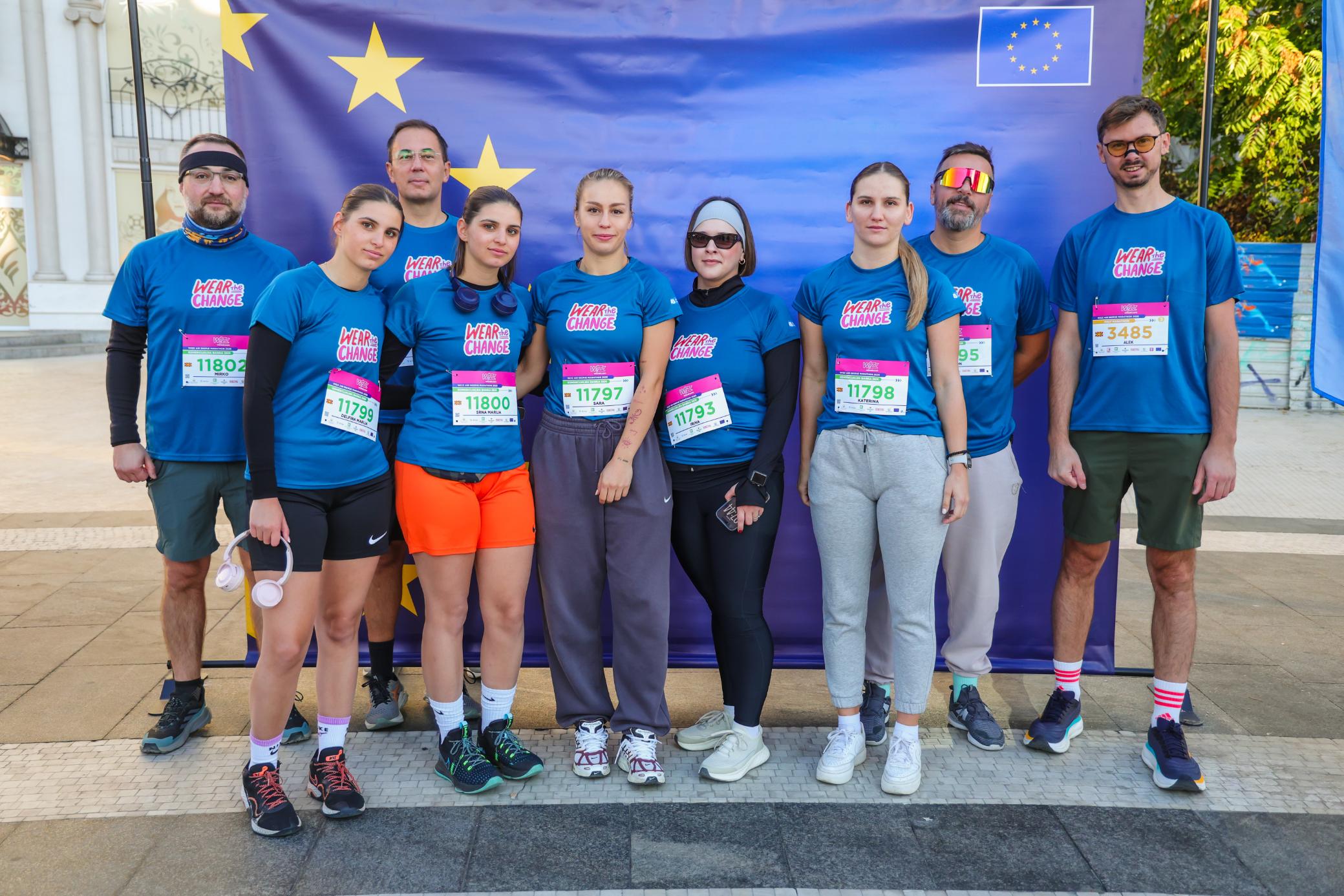
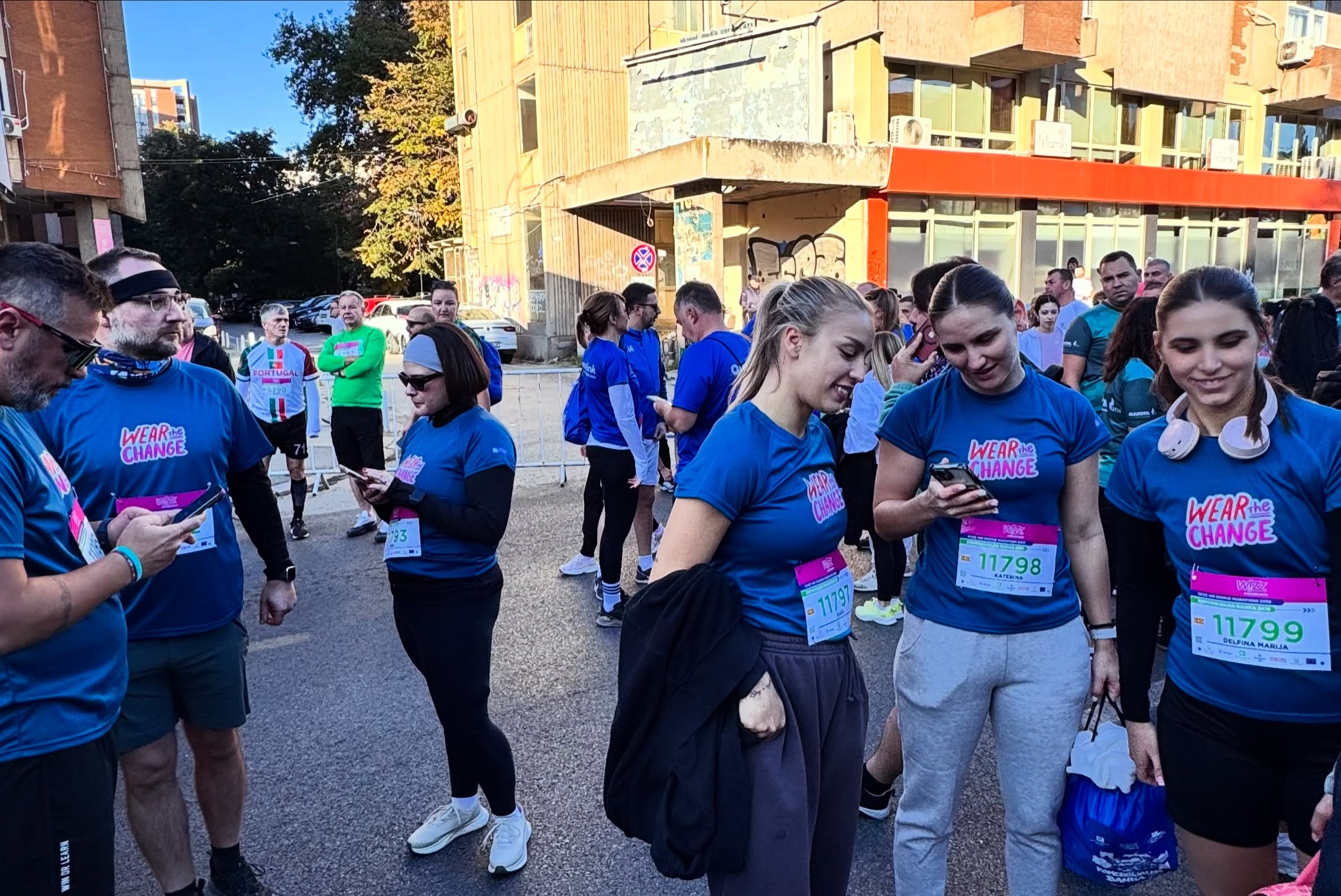
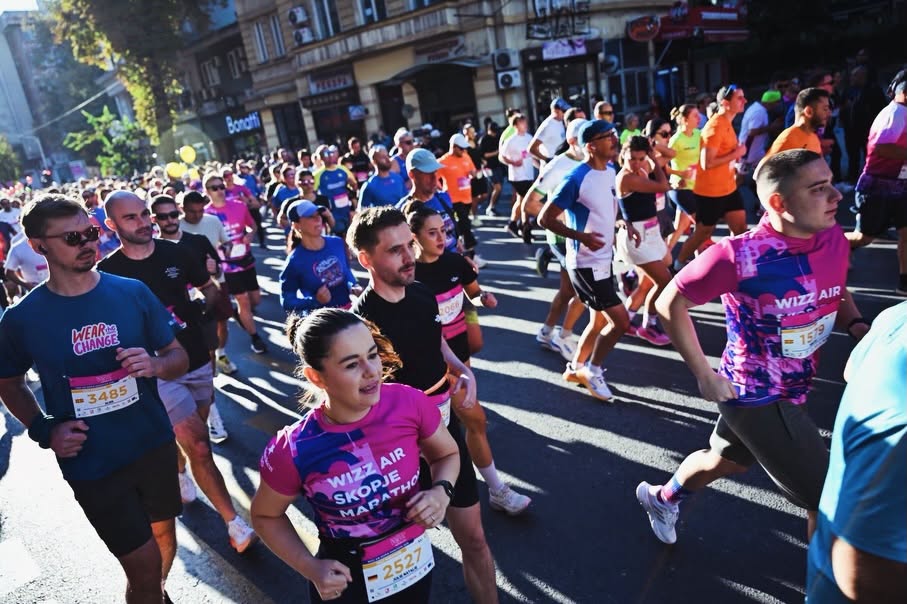
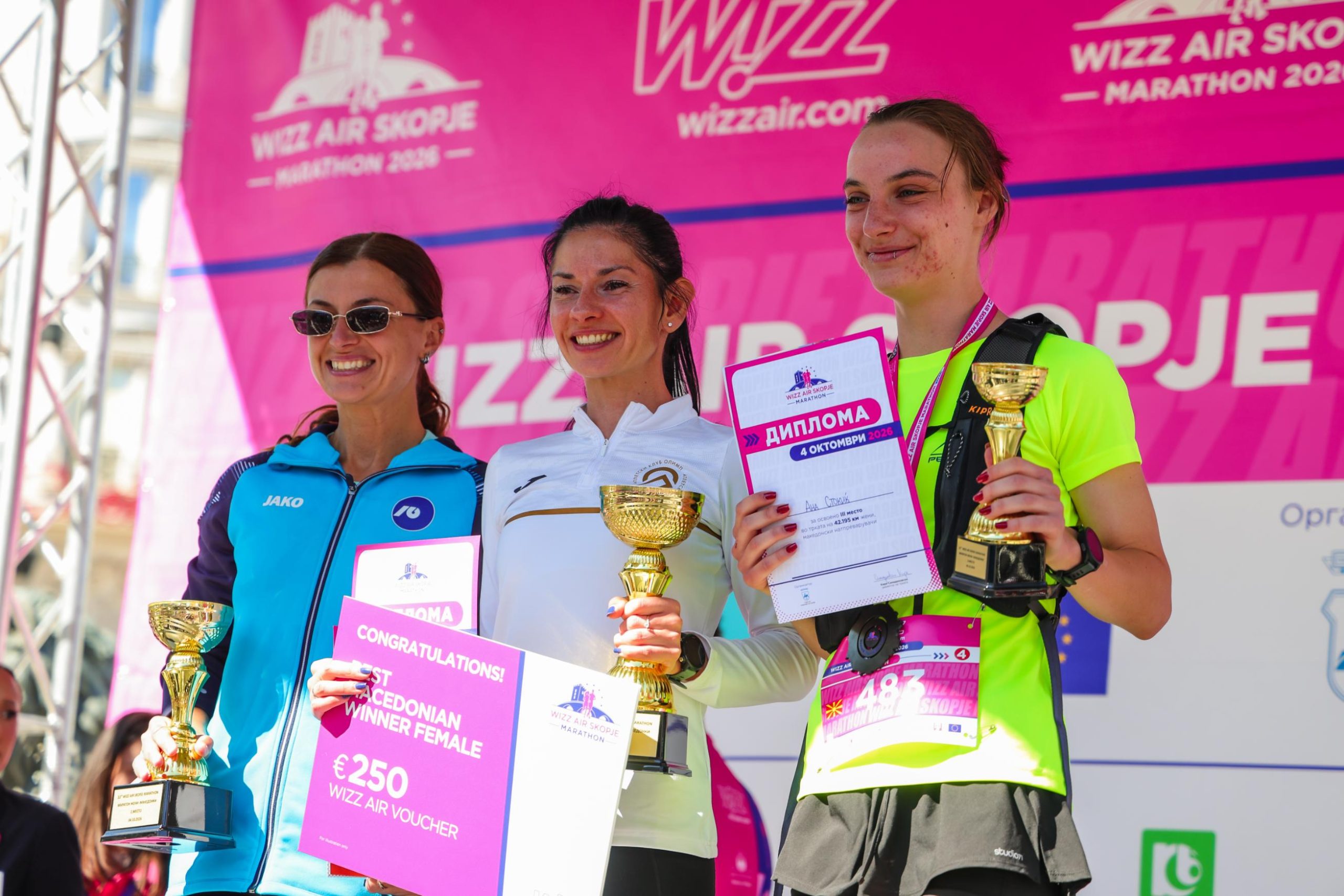
With this in mind, Europe House joined forces with Women Power Cup to take part in the 22nd edition of the Wizz Air Skopje Marathon through the “Wear the Change” initiative – standing alongside women and girls who take part in sport, compete, inspire others and constantly push their limits.

The joint marathon participation was part of the activities with which Europe House marked the European Week of Sport, which began on 23 September and brought a range of sports activities and initiatives across the country, highlighting that sport is for everyone – regardless of age, gender or ability.

More Than a Race

Running a marathon takes endurance, discipline and determination. But sport is about more than what happens at the starting or finishing line. It is about building healthy habits, making a commitment, establishing a routine and choosing to make sport part of everyday life.

The Europe House team and athletes from Women Power Cup in Kochani came together at the Skopje Marathon to highlight the importance of greater inclusion and gender equality in sport. We want to encourage more girls and women to discover sport as a space for personal growth, connection and new achievements.

Women Power Cup brought the energy of women’s sport, movement and female strength – both on the field and in society. And through “Wear the Change” – an initiative of the Delegation of the European Union and the Europe House network – we create space for dialogue, new ideas and progress towards greater gender equality.

Equality Through Sport

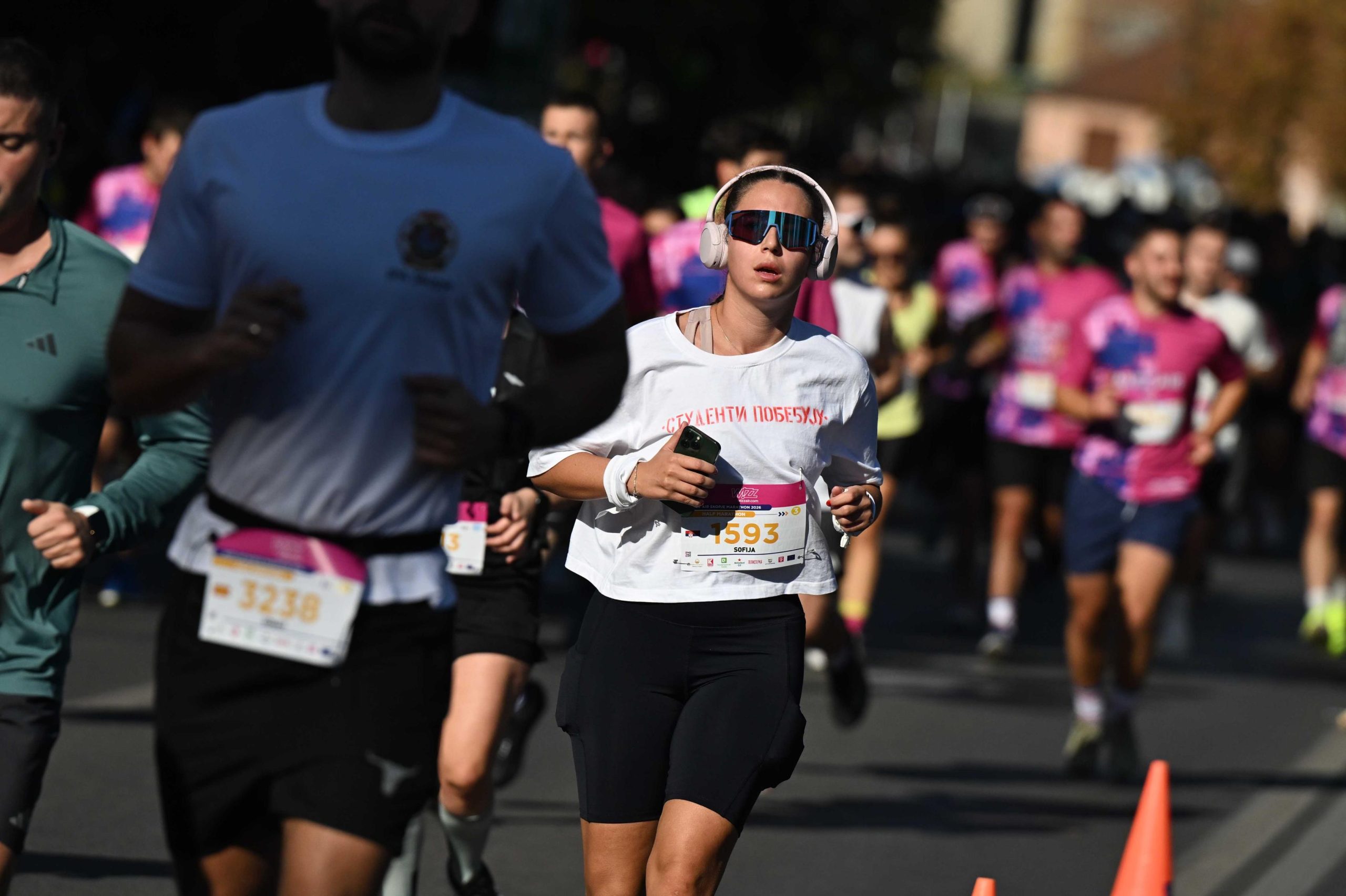
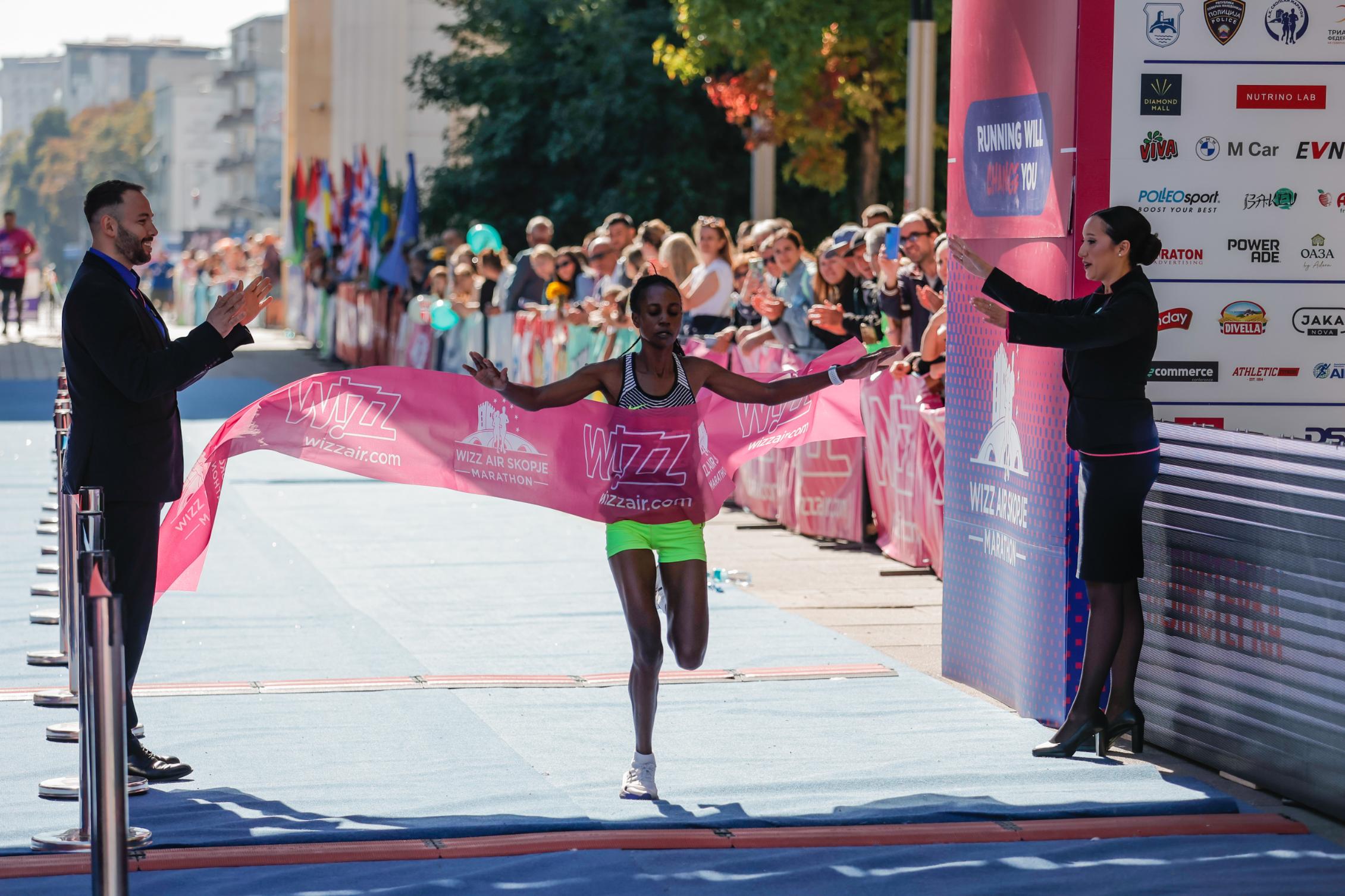
At the country’s largest sporting event, a record 15,050 participants from 63 countries took part this year across the marathon, half-marathon and “EU for Sport” relay race. Among those who completed the marathon, 77 were women, compared with 518 men.

These figures show that women are still underrepresented in sport, but greater participation can help make women’s presence more visible and encourage others to follow.

Because in a marathon, as in any other sport, every step matters. And progress happens when we choose to keep moving forward.

Through its year-round “Wear the Change” initiative and its participation in the Skopje Marathon, Europe House once again underlined the importance of staying active, supporting women in sport and creating a space where everyone has the chance to participate, compete and grow.

Join in. Take the next step forward. Wear the Change.

GEN Z SPEAKS: How Young People Are Shaping Language in the Digital Age

Language is constantly evolving. Each new generation brings its own words, expressions and ways of communicating. From slang and memes to voice messages, abbreviations and mixing languages in a single sentence – does this signal a “decline” in language, or simply show that language is alive and always changing?

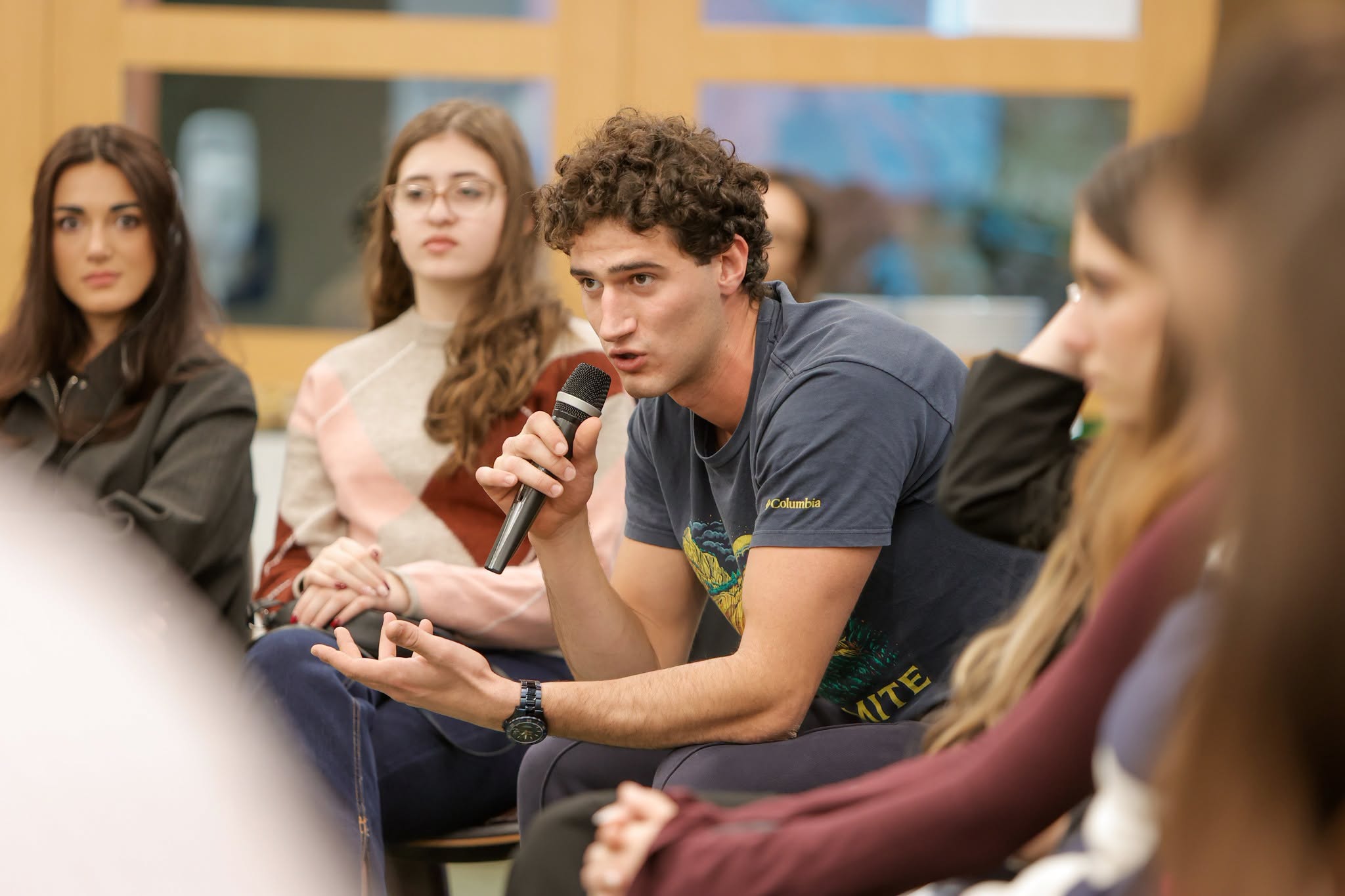
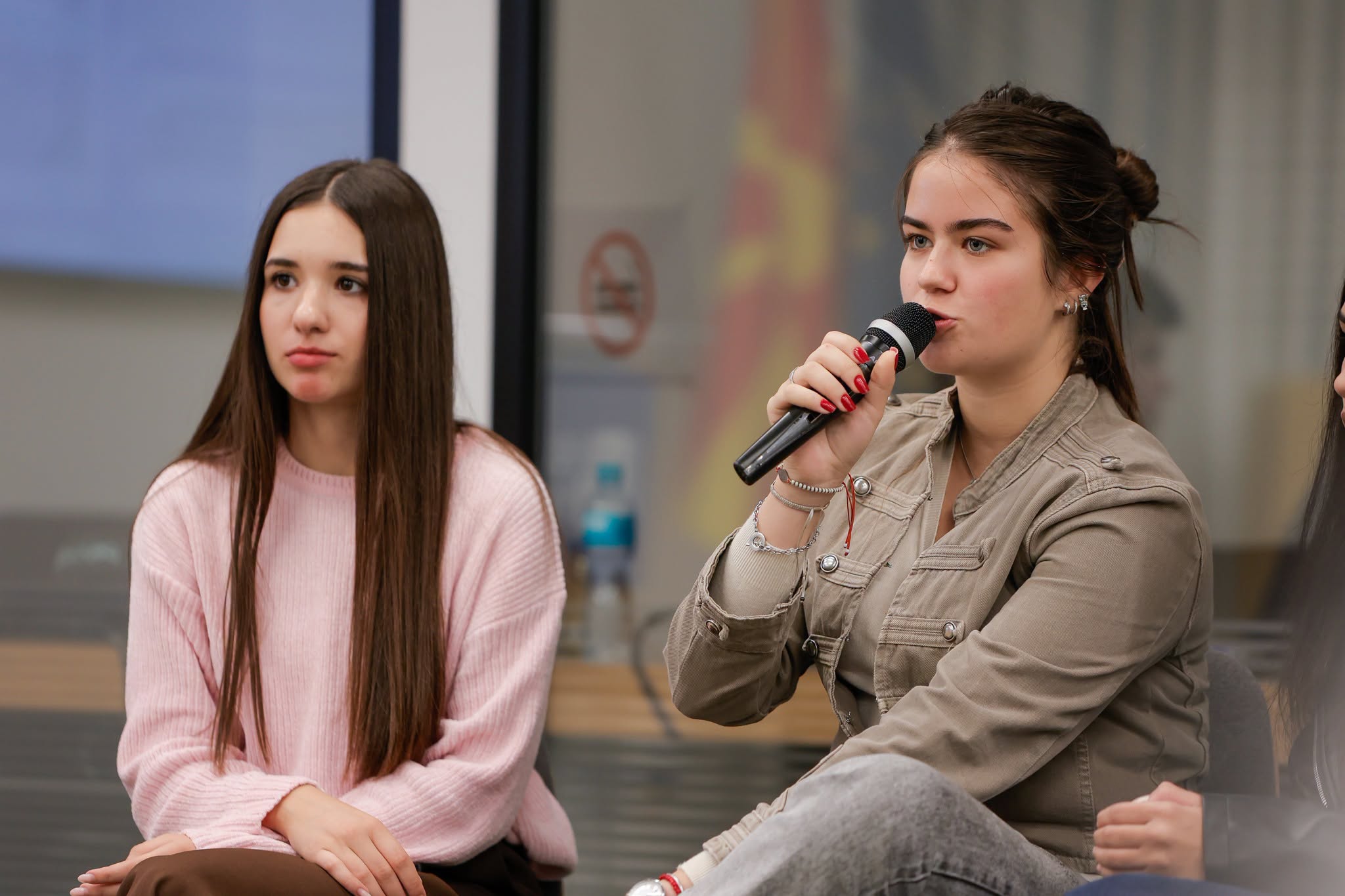
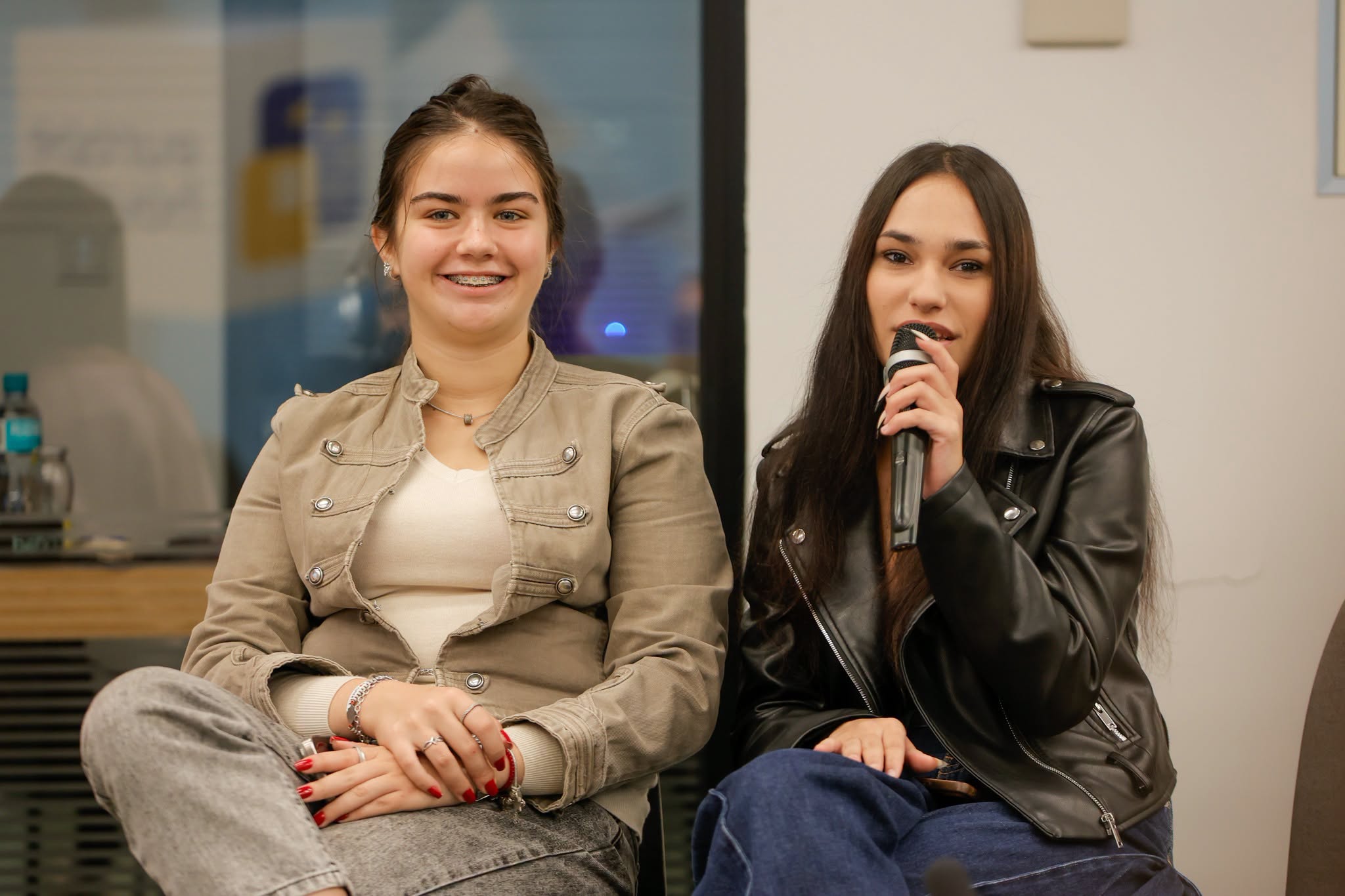
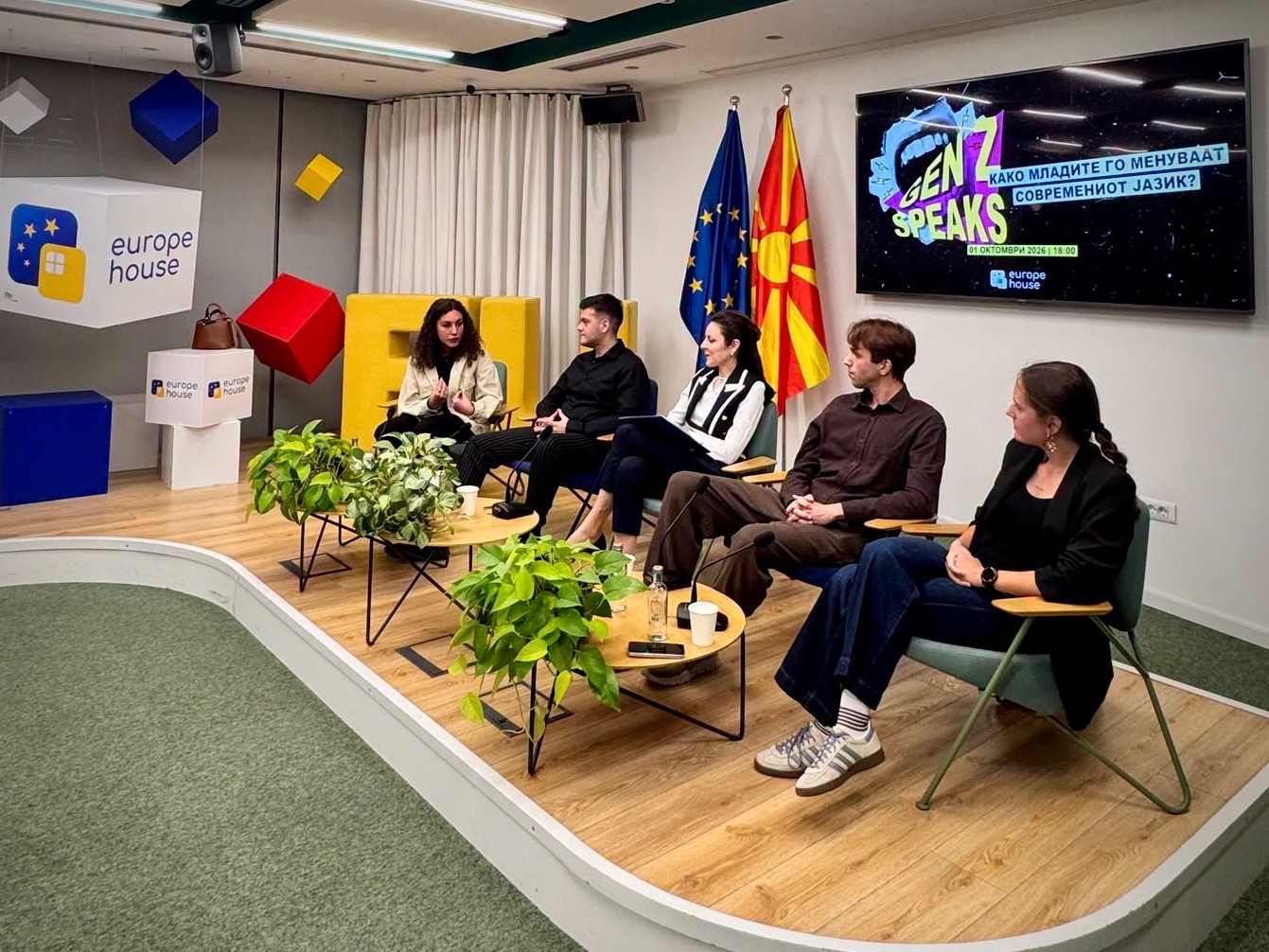
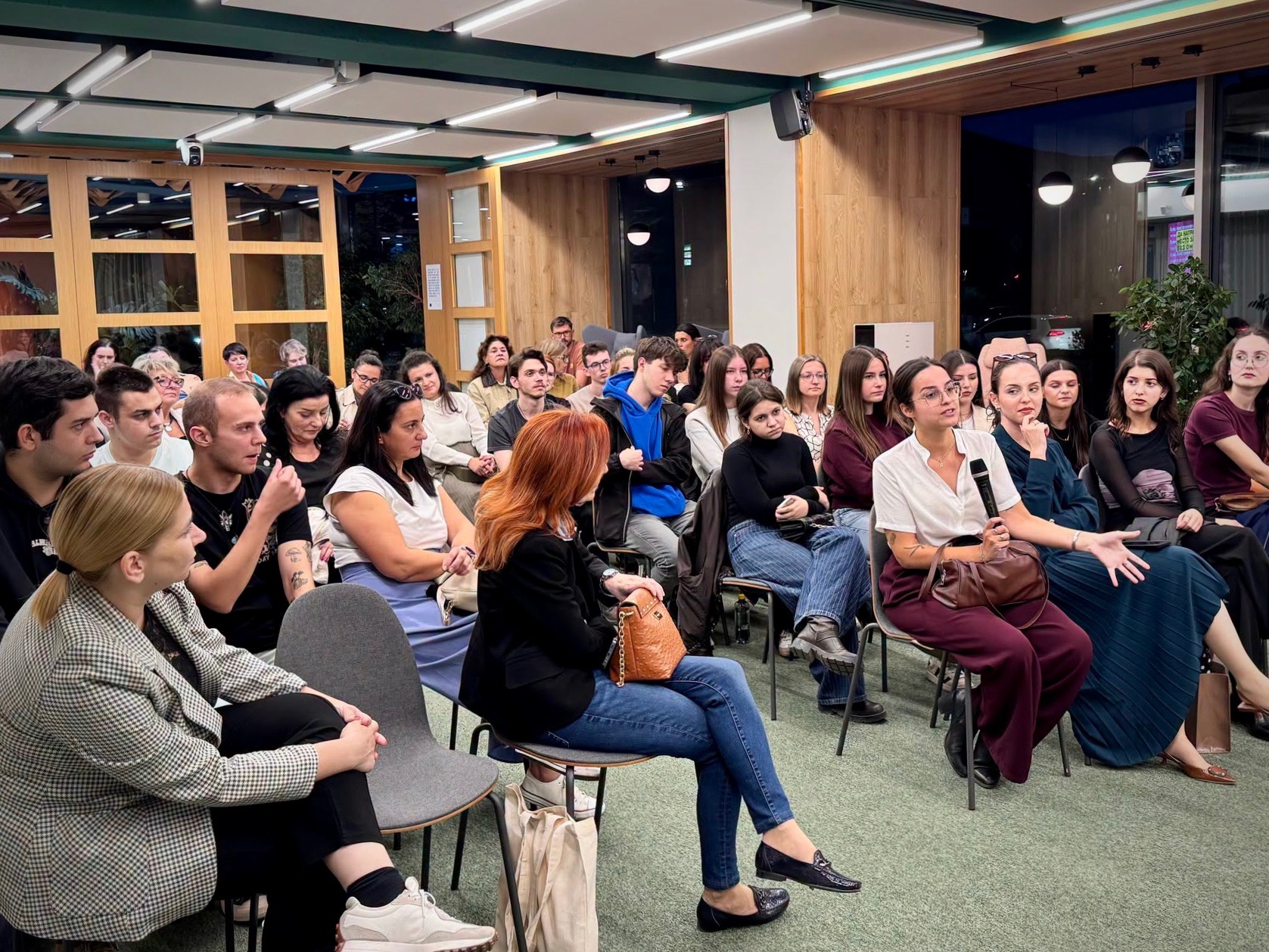
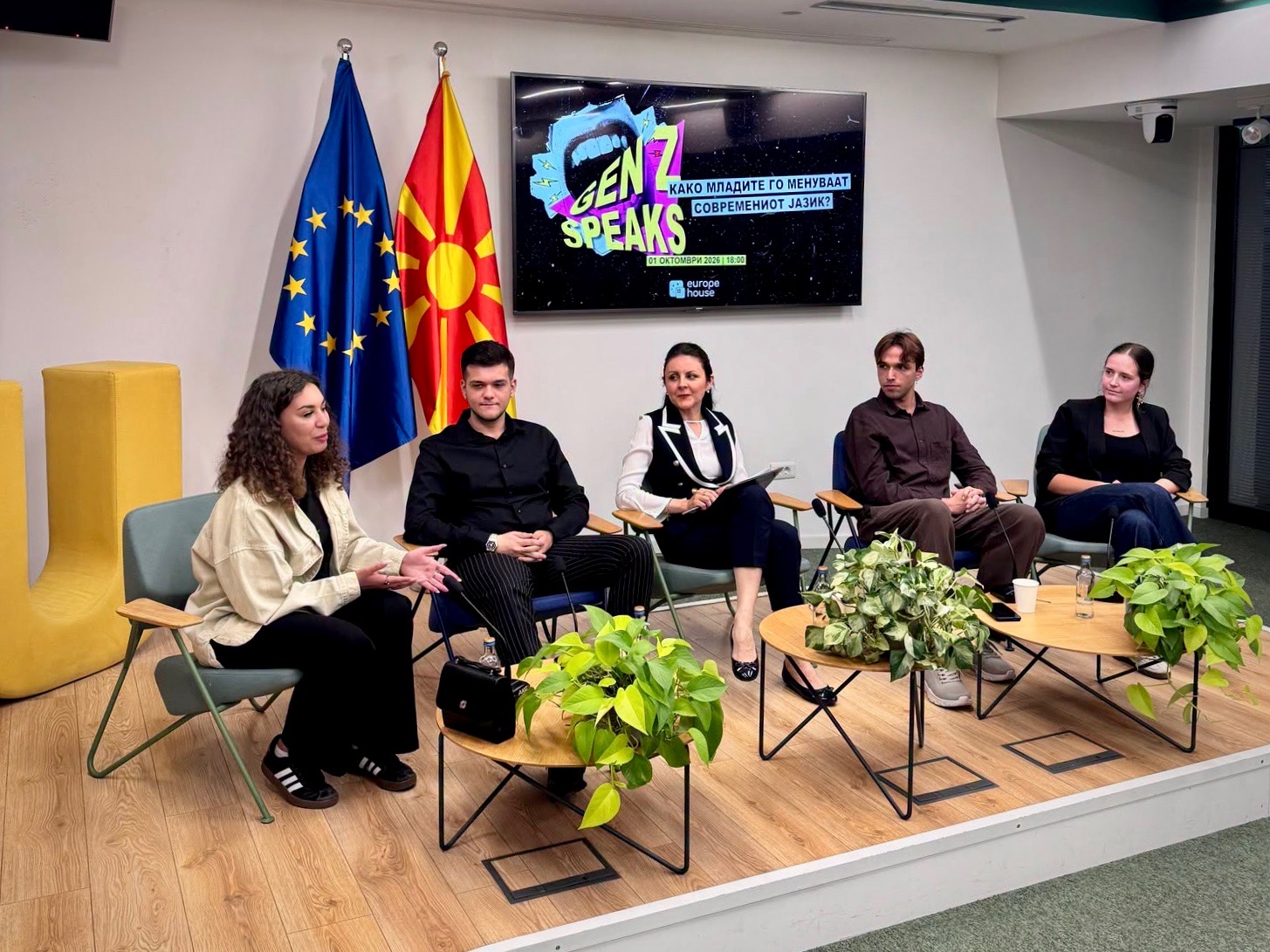
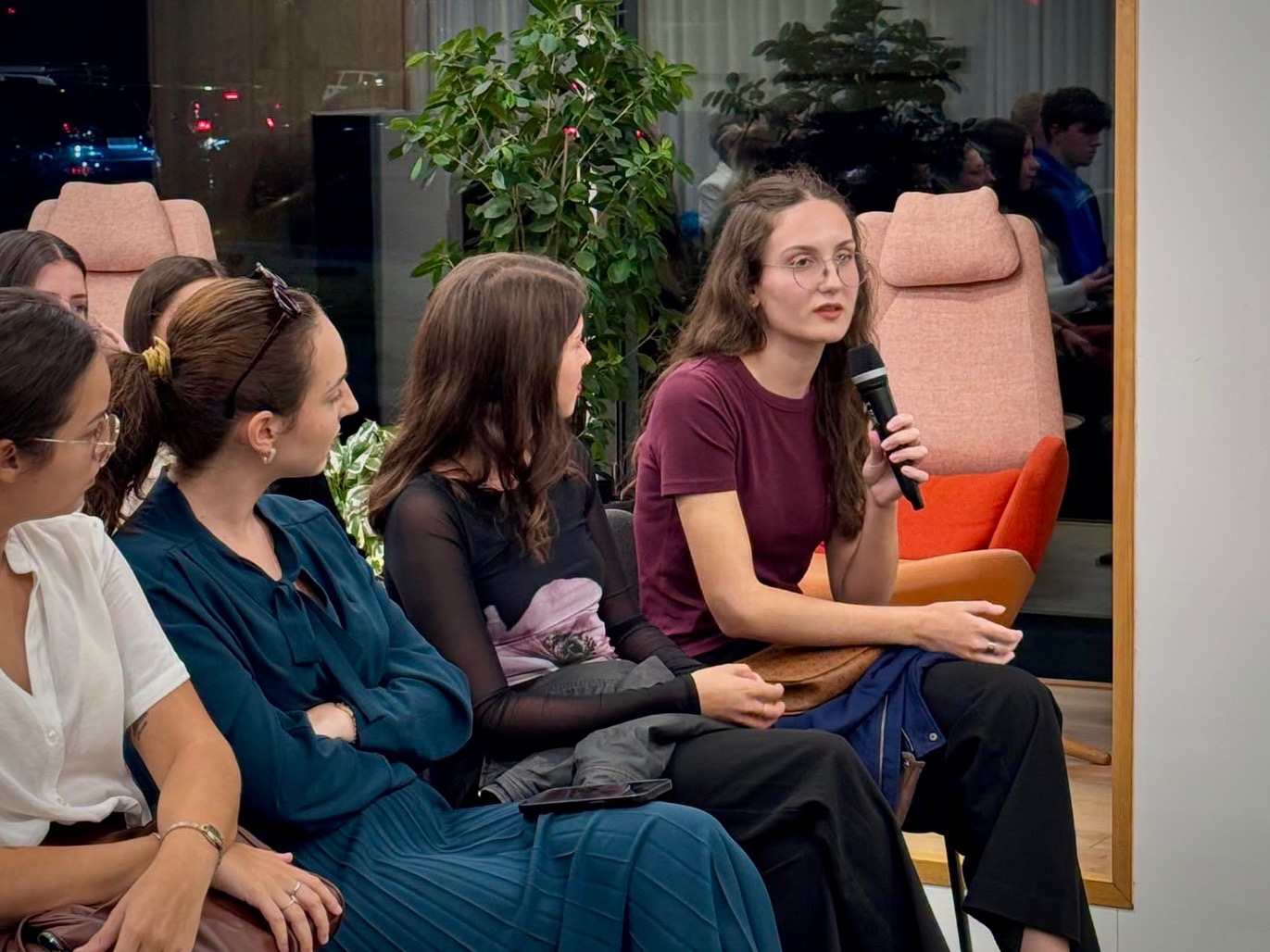
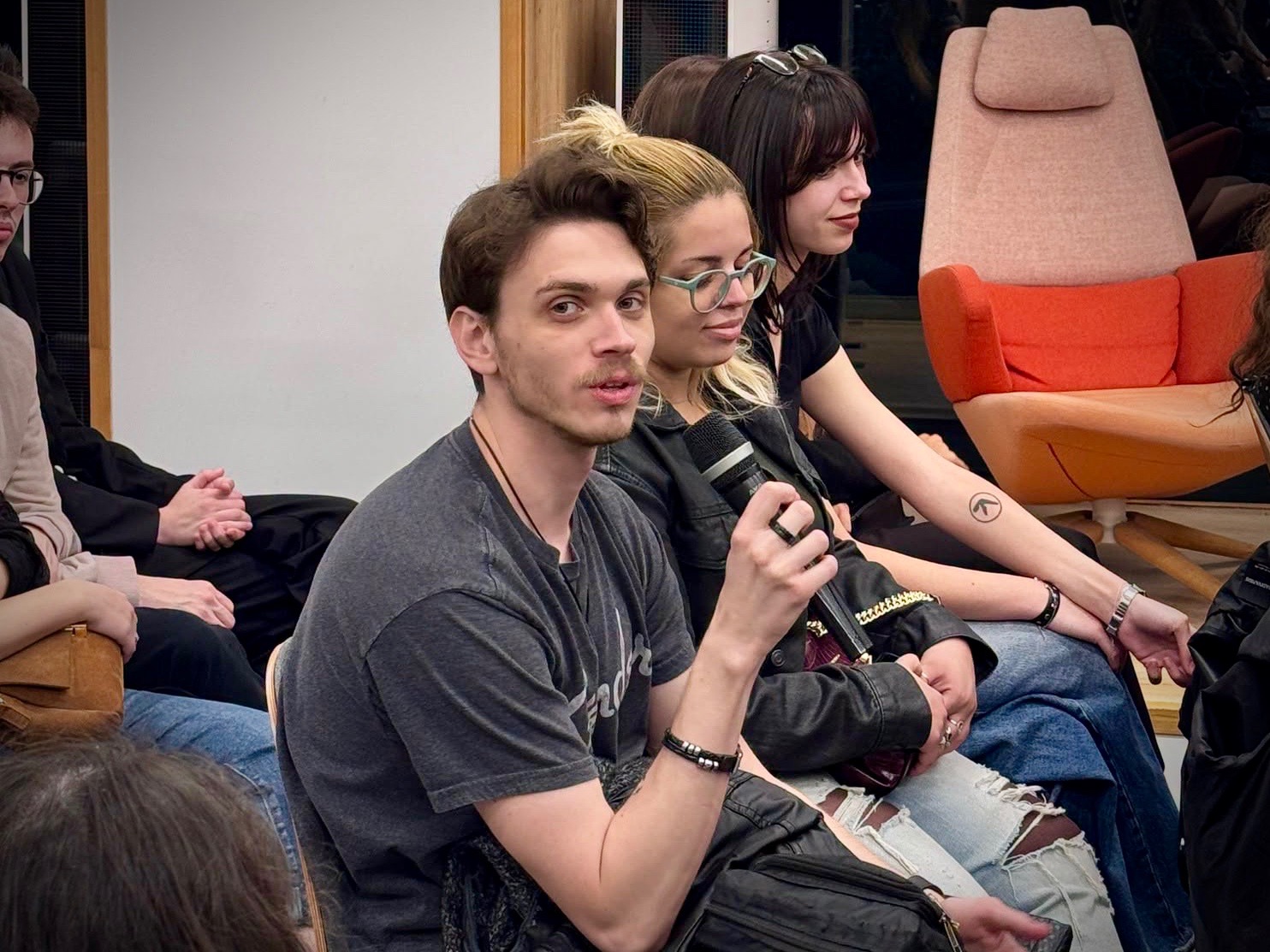
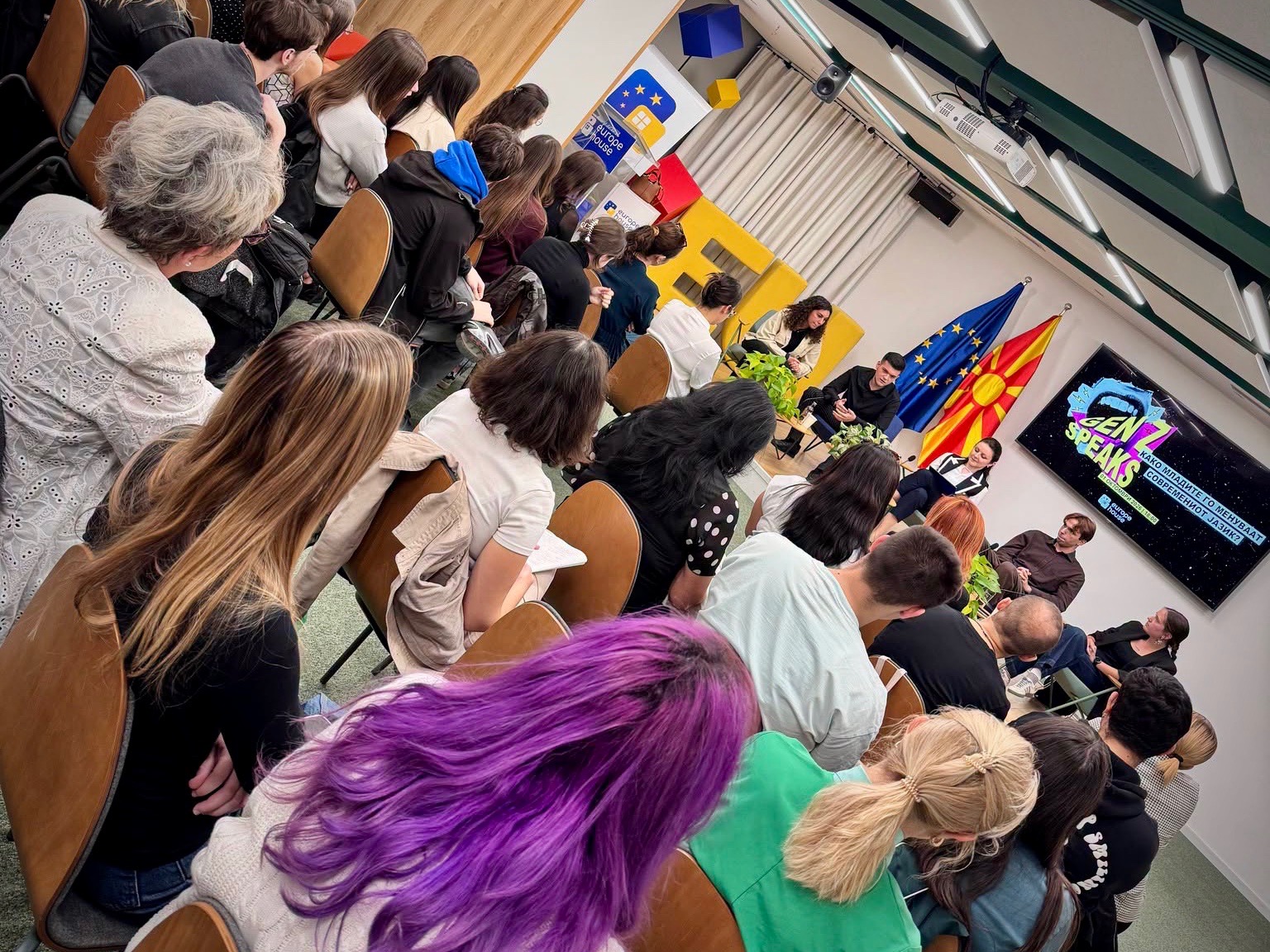
We explored this question at GEN Z SPEAKS, a student panel discussion held at Europe House Skopje as part of the activities marking the European Day of Languages. The discussion looked at how social media and digital communication are shaping the way young people speak, write and connect with one another.

We talked about language as we use it today: dynamic, constantly evolving and shaped by each new generation.

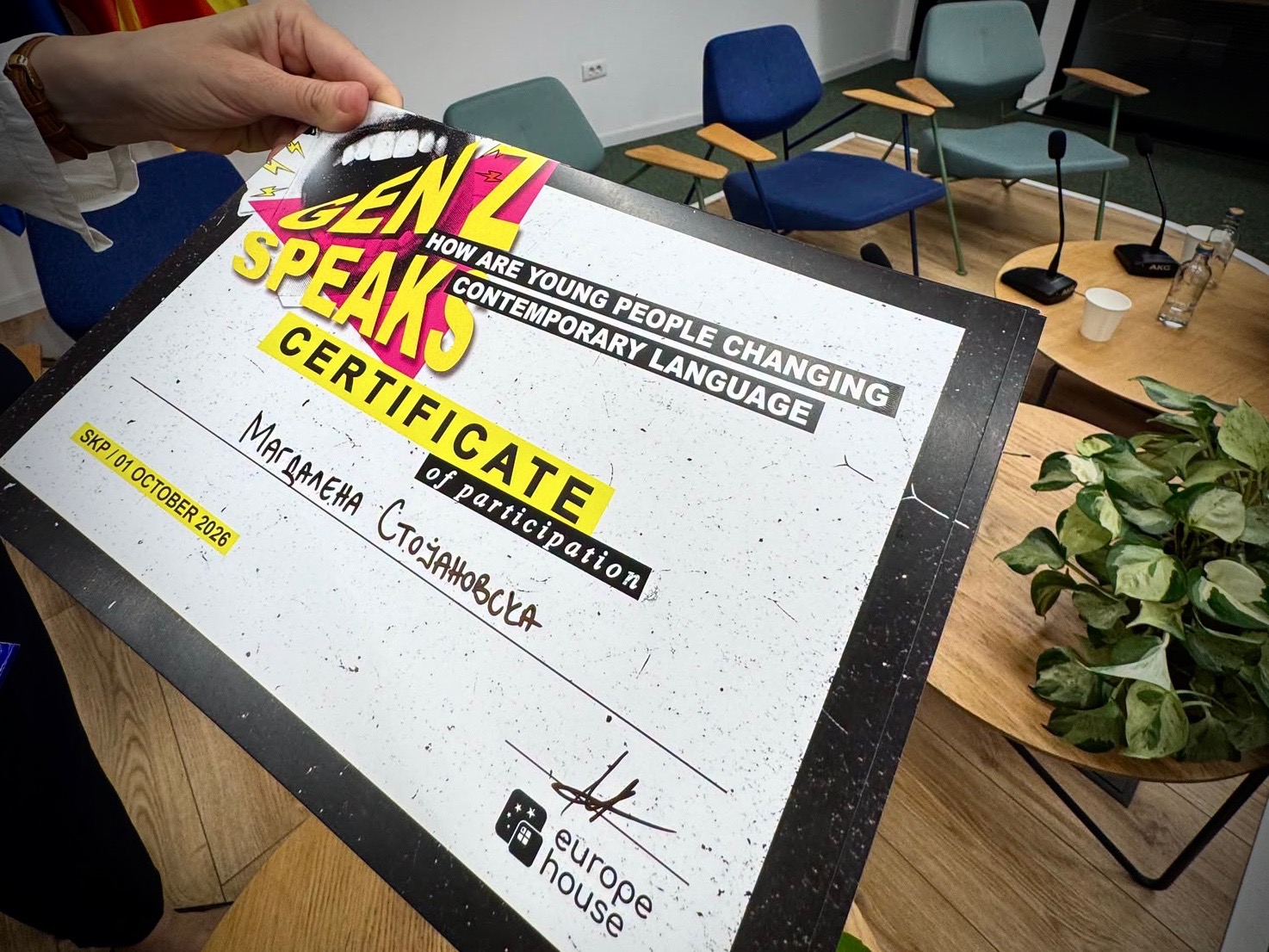
Moderated by Dr Aneta Naumoska from the “Blaze Koneski” Faculty of Philology in Skopje, the panel brought together four students, each representing a different language: Luka Gjosevski (English), Georgij Vuchikikj (Italian), Angela Naumovska (German) and Magdalena Stojanovska (French). The conversation took place in Macedonian, with authentic examples from all four languages shared and compared.

From expressions rooted in internet culture to words and phrases that move from online spaces into everyday speech, the discussion showed how digital communication is changing both the way we express ourselves and the languages we use.

Rather than seeing new language habits as a sign of carelessness, we can also view them as an expression of creativity and young people’s desire to communicate in their own way. One of the key messages of GEN Z SPEAKS was that good communication is not just about knowing the rules. It is also about understanding the context: knowing when to follow the rules, when to adapt our style and when to deliberately break them.

After all, language is not static. It lives, changes and evolves alongside the people who speak it.

Babylon – New Generation 2026: Winners of the Best Student Translation Award Announced

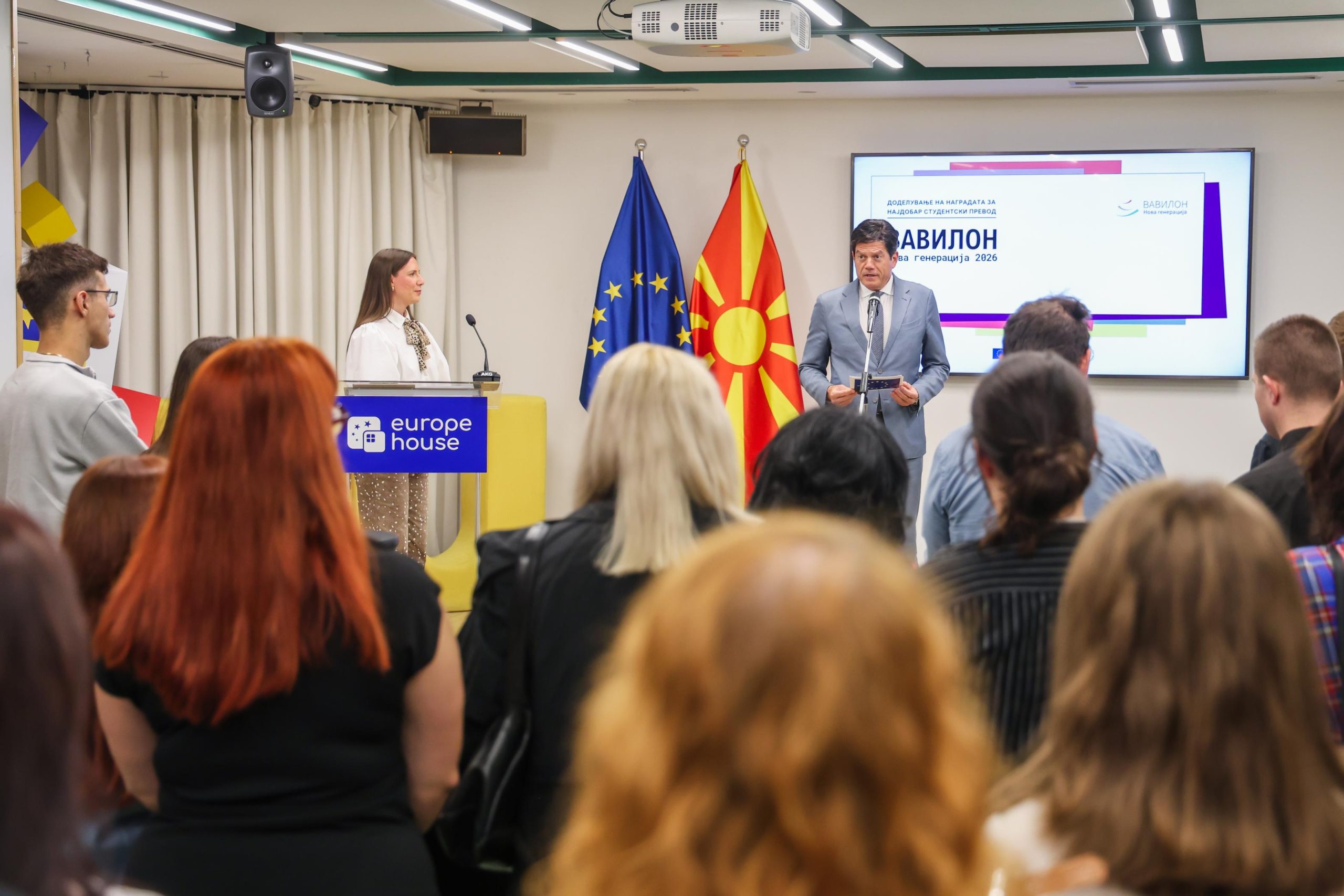
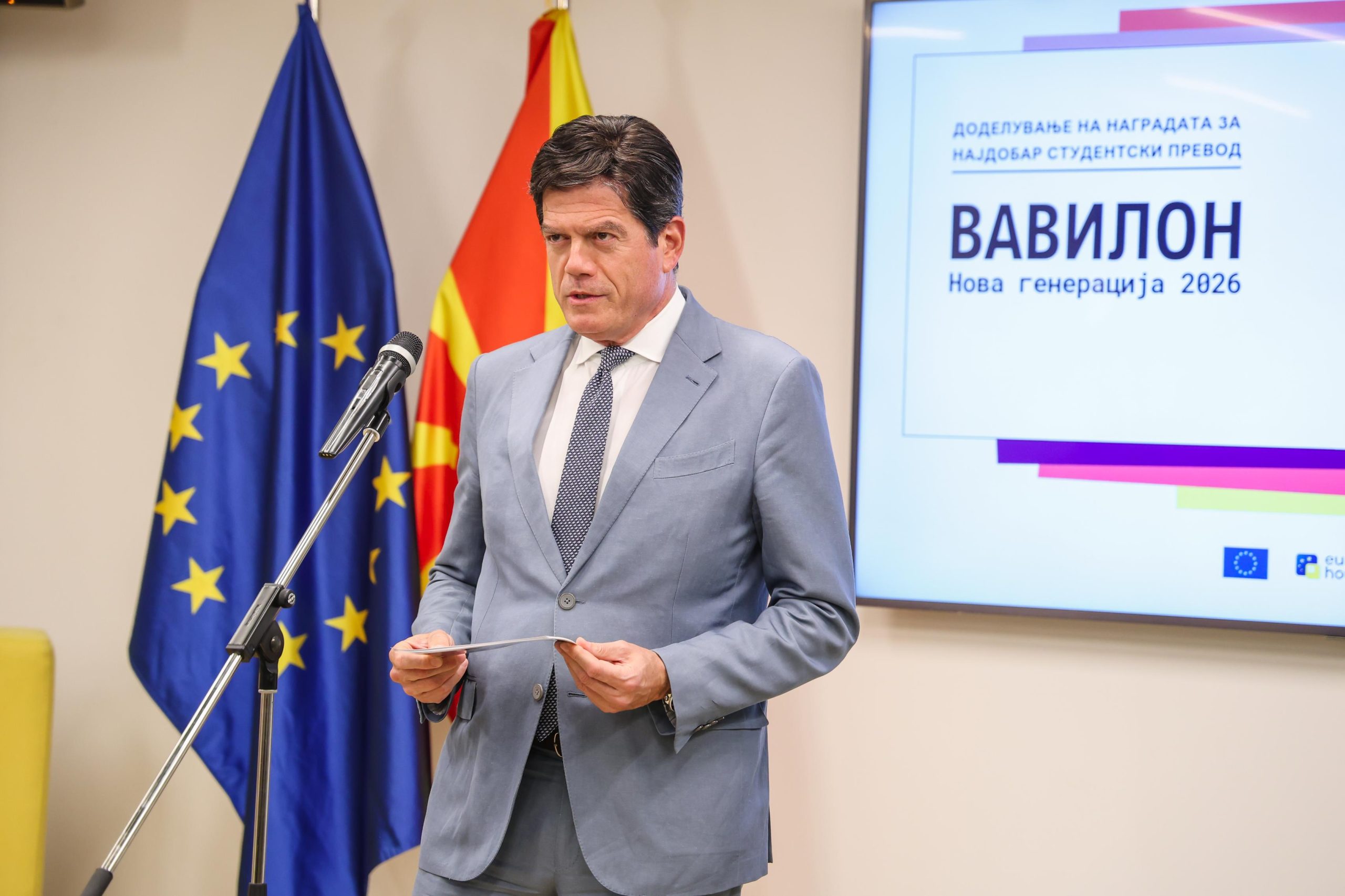
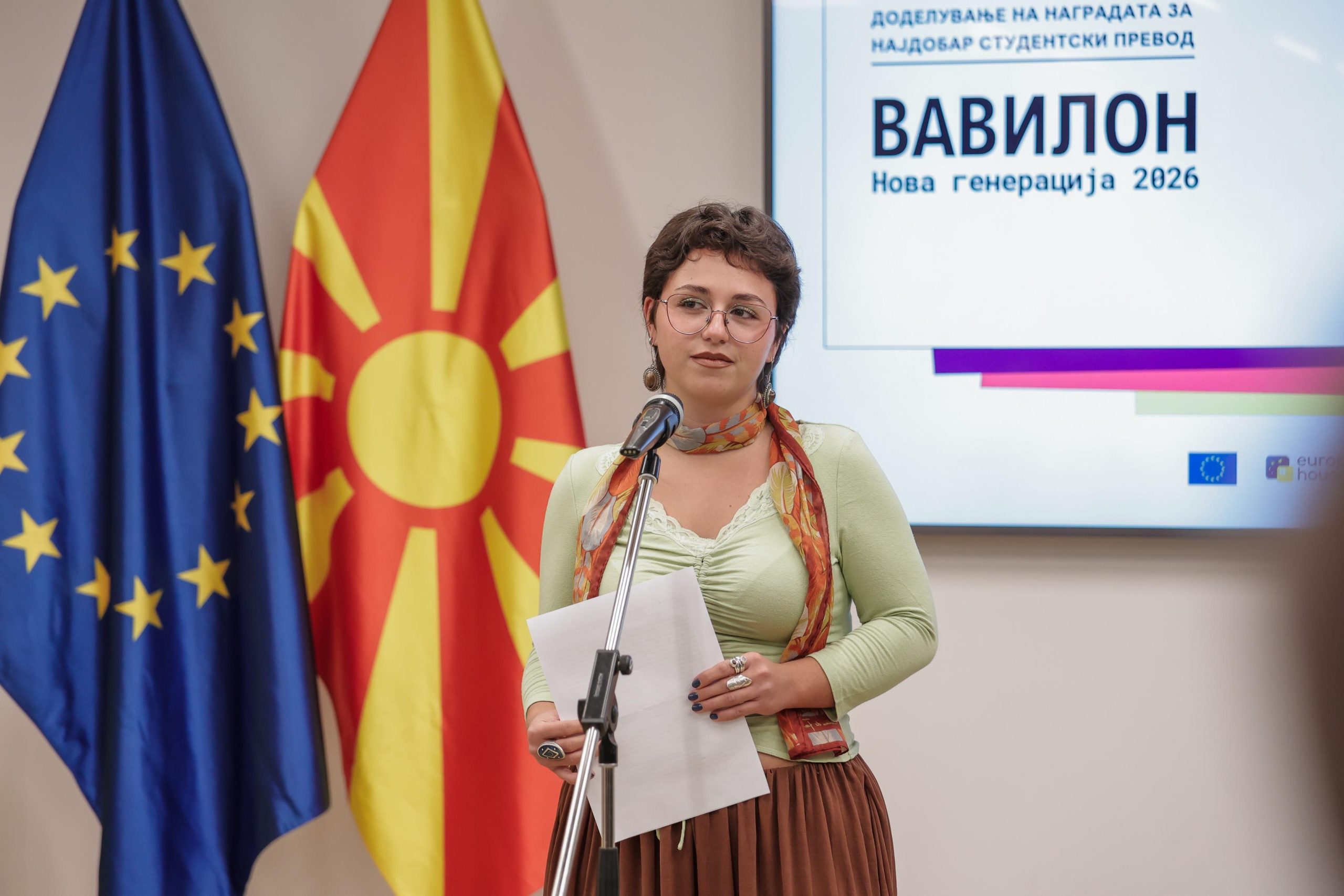
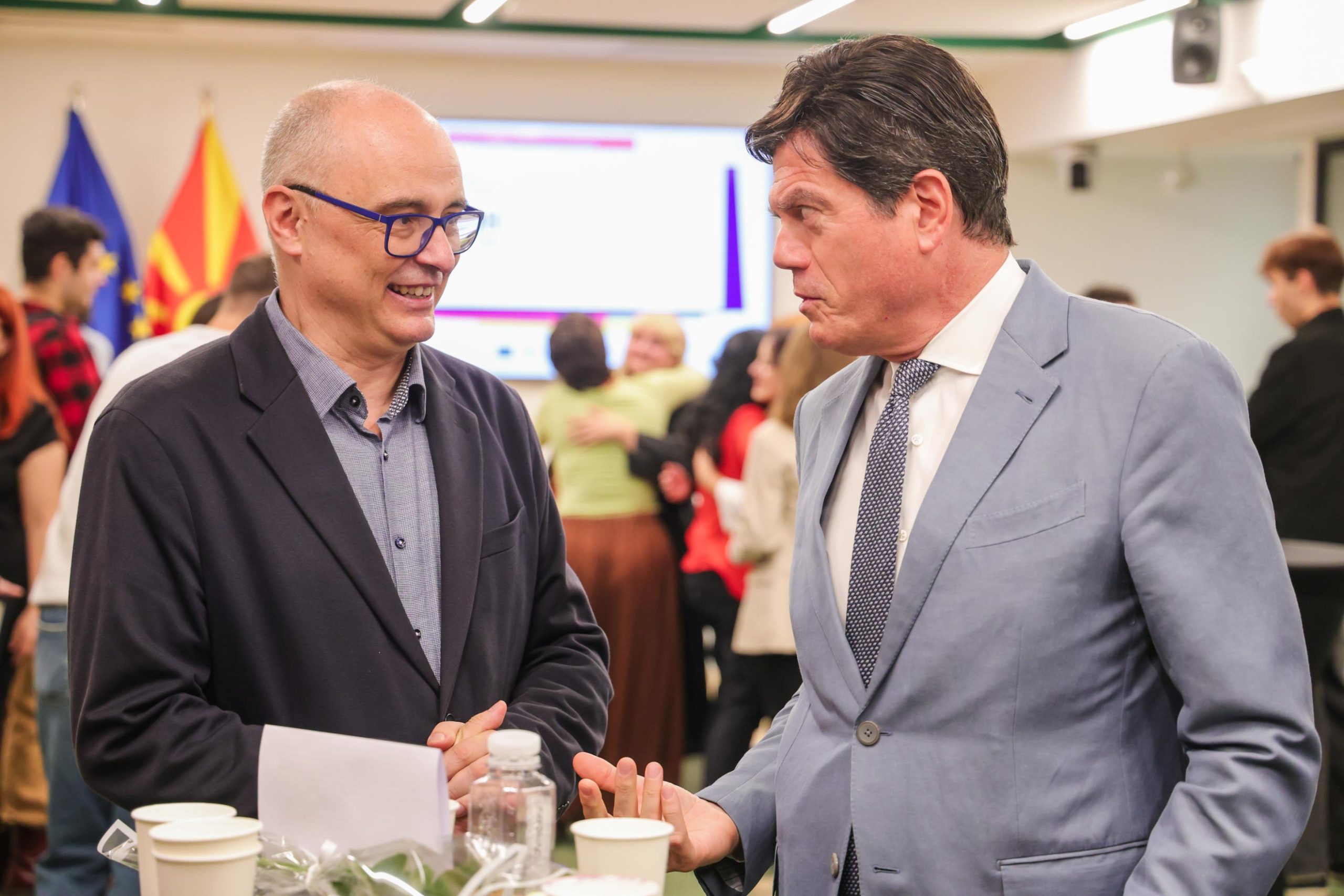
On the occasion of the European Day of Languages, the Babylon – New Generation Award for Best Student Translation 2026 was presented yesterday at Europe House Skopje. The competition is organised by the Delegation of the European Union to North Macedonia in partnership with the “Blaze Koneski” Faculty of Philology in Skopje.

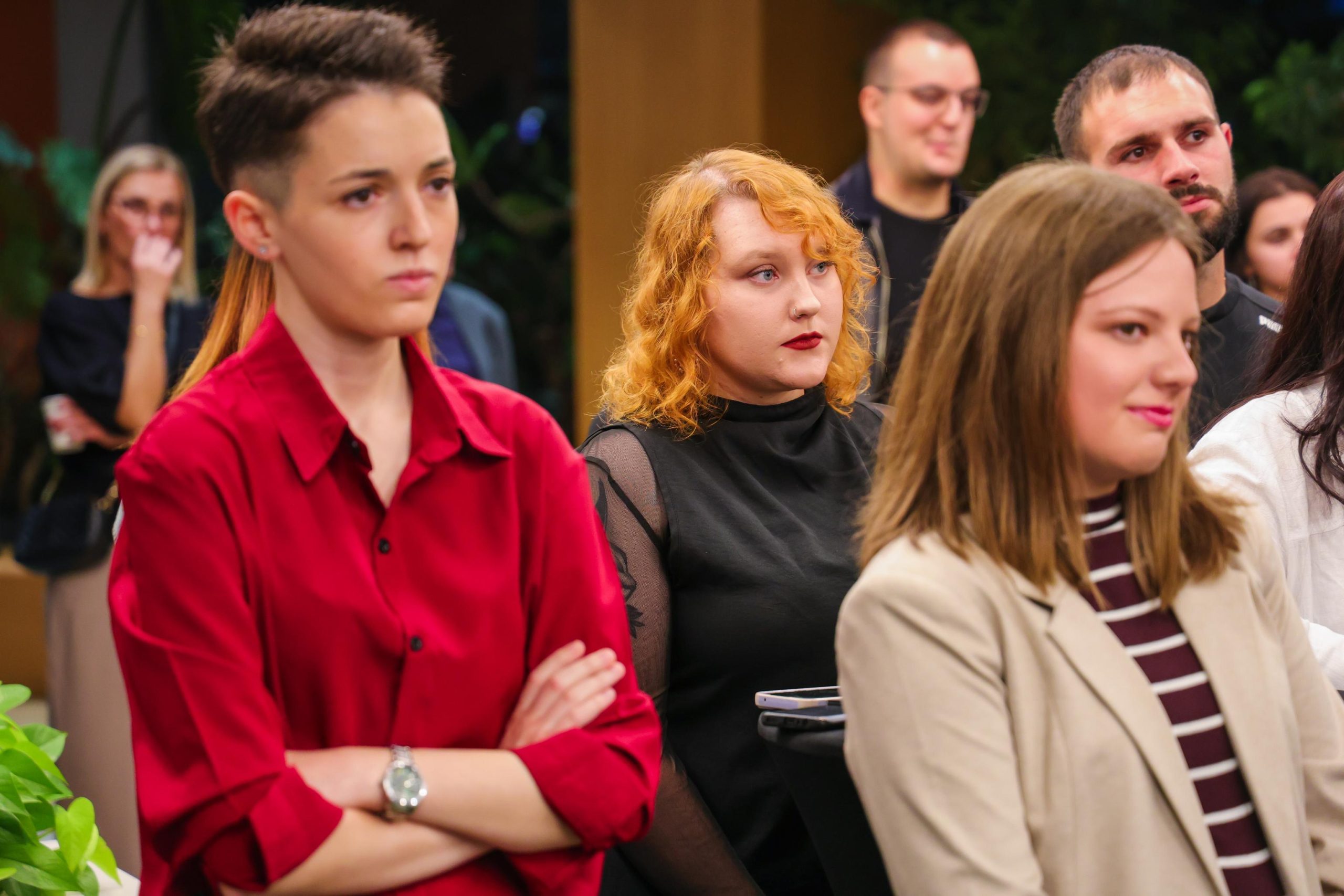
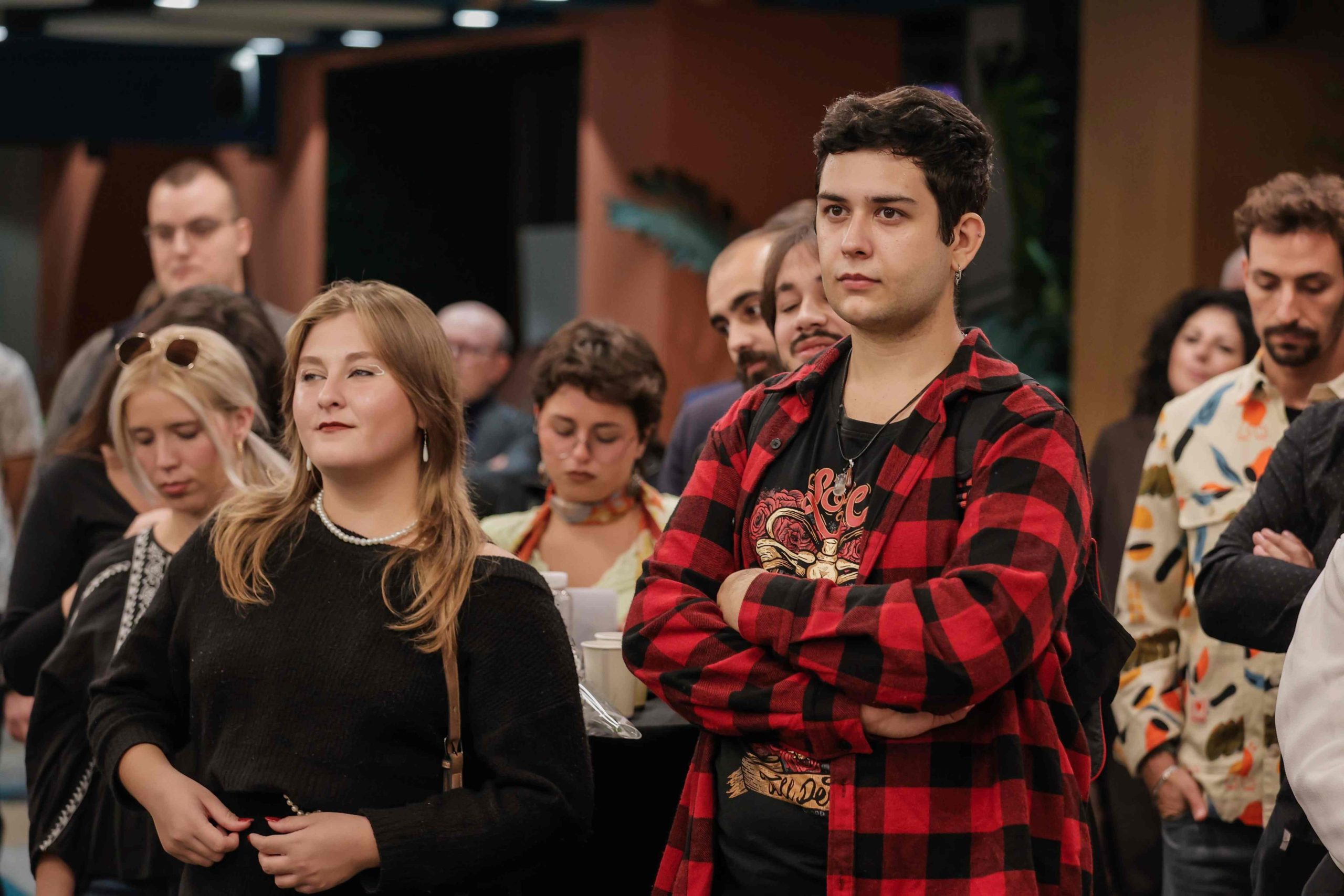
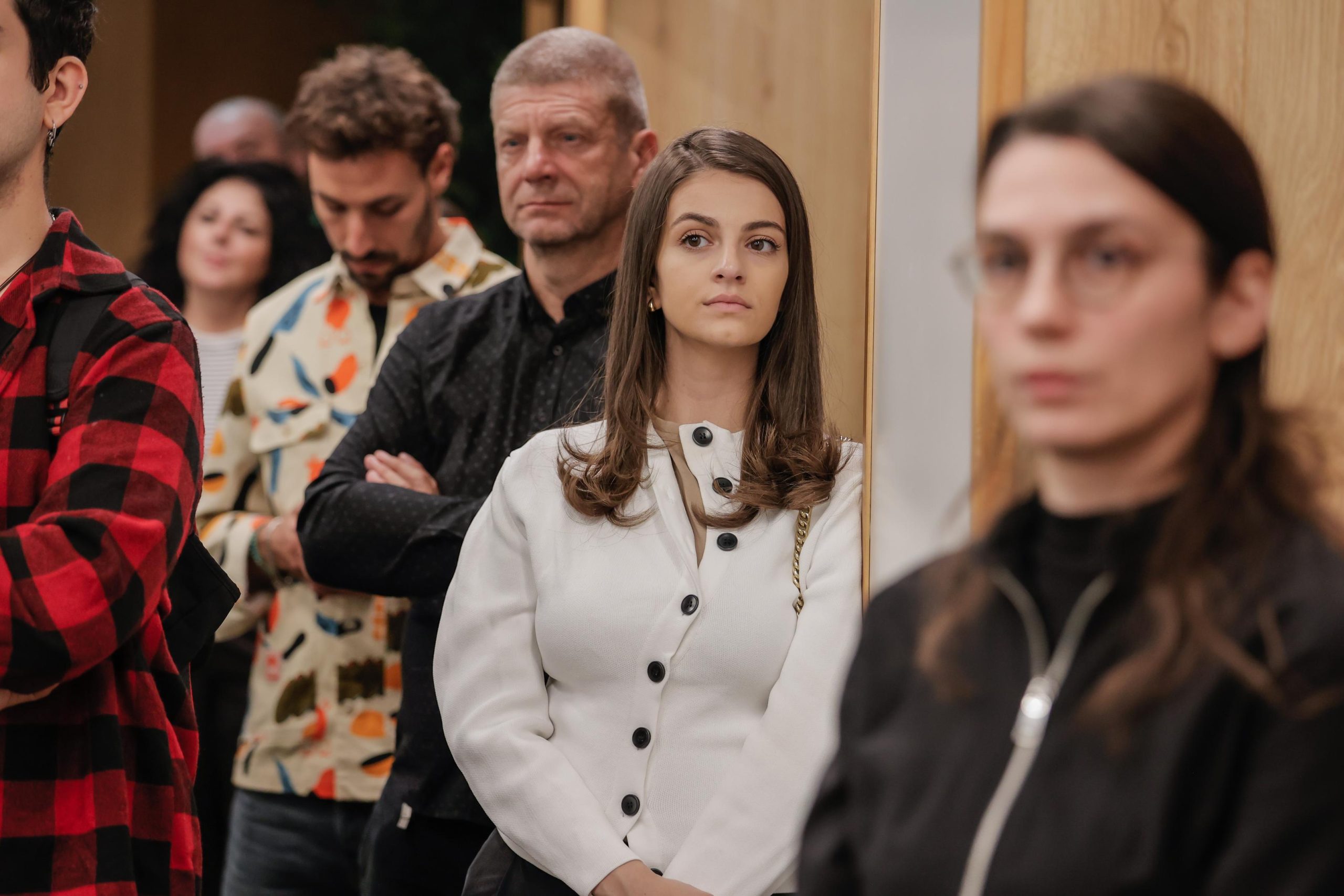
The ceremony brought together emerging translators and leading voices from the literary and academic communities to mark the finale of this year’s competition and celebrate the role of literary translation in promoting linguistic diversity.

And the Best Young Translator of 2026 is…

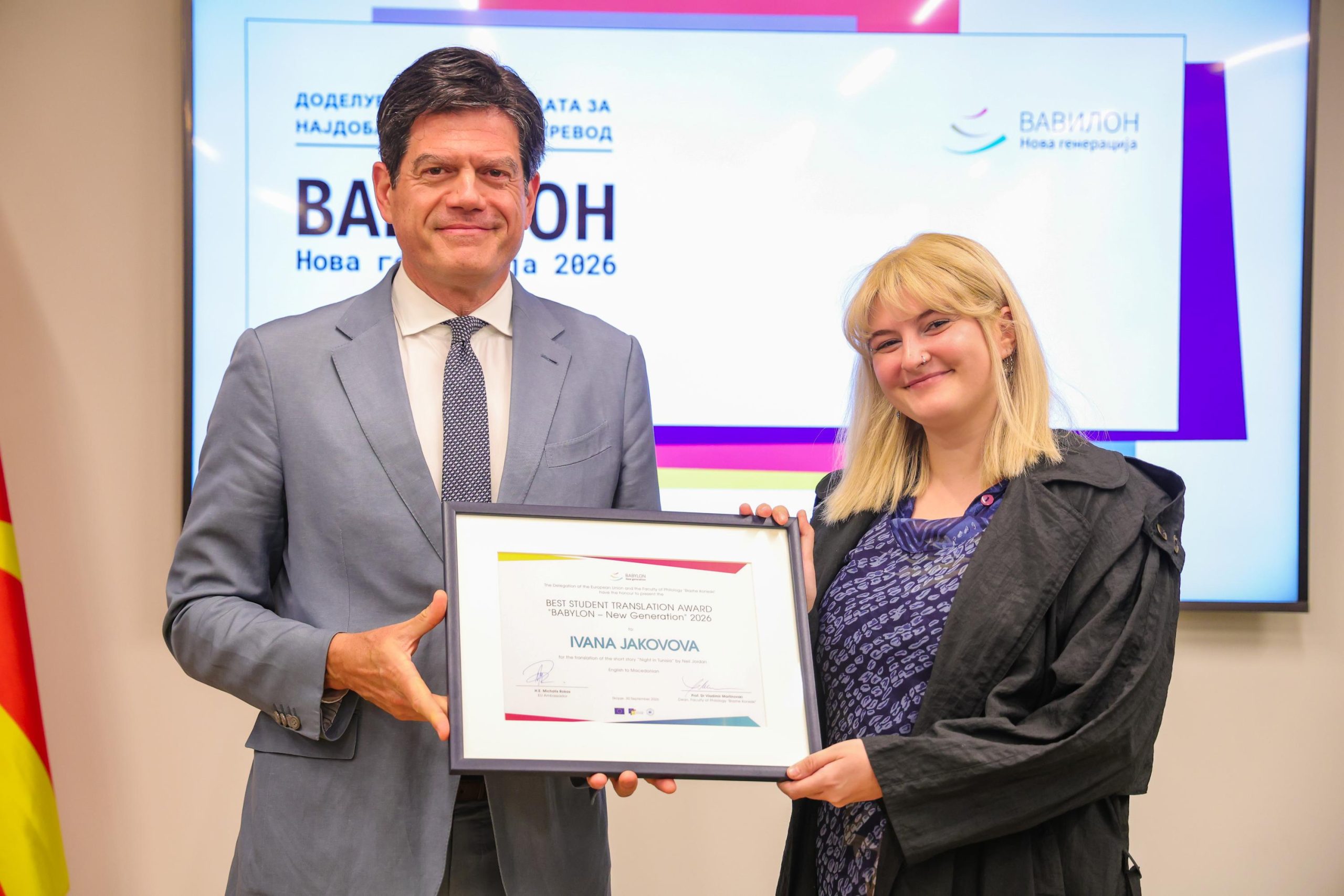
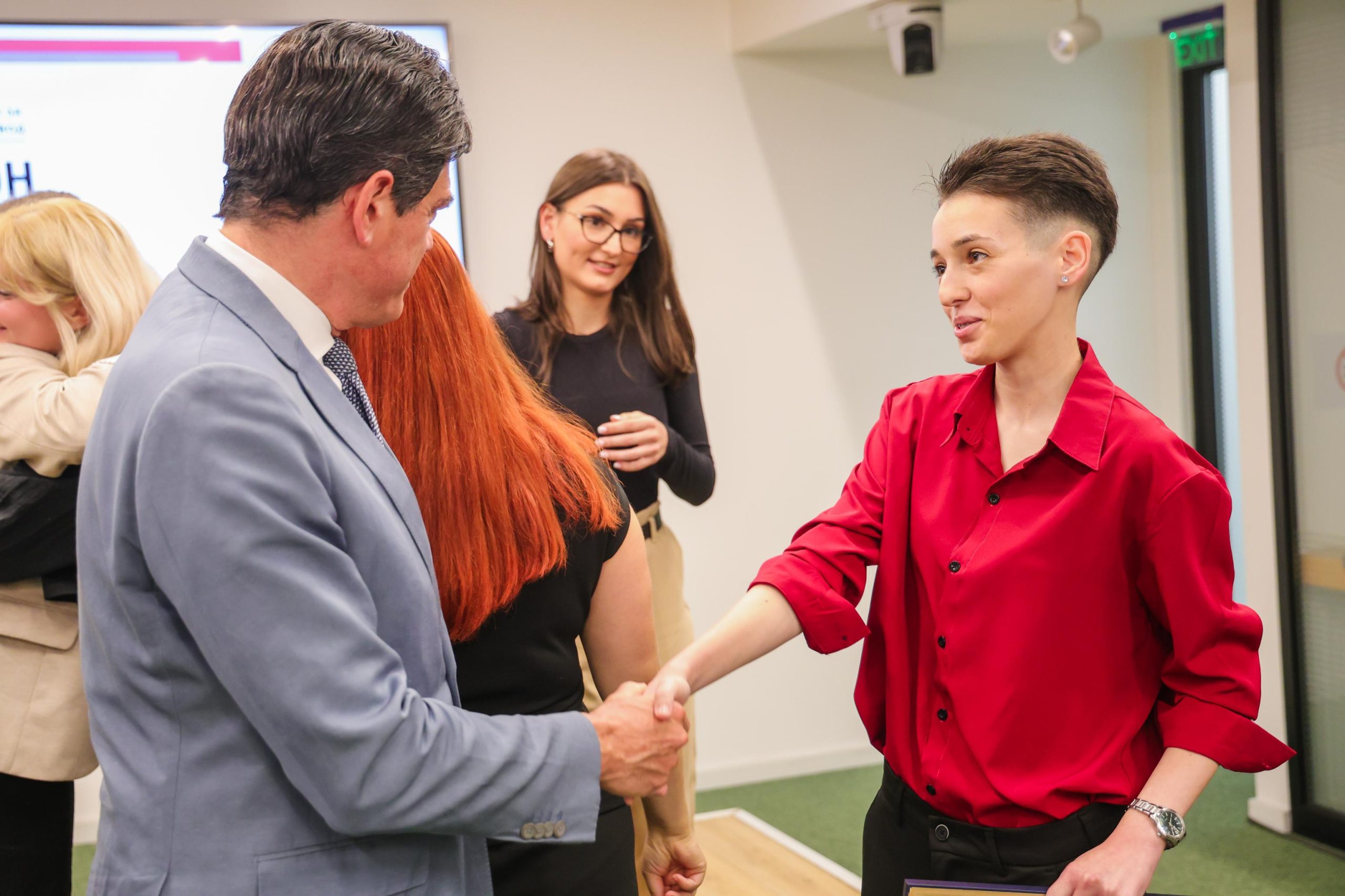
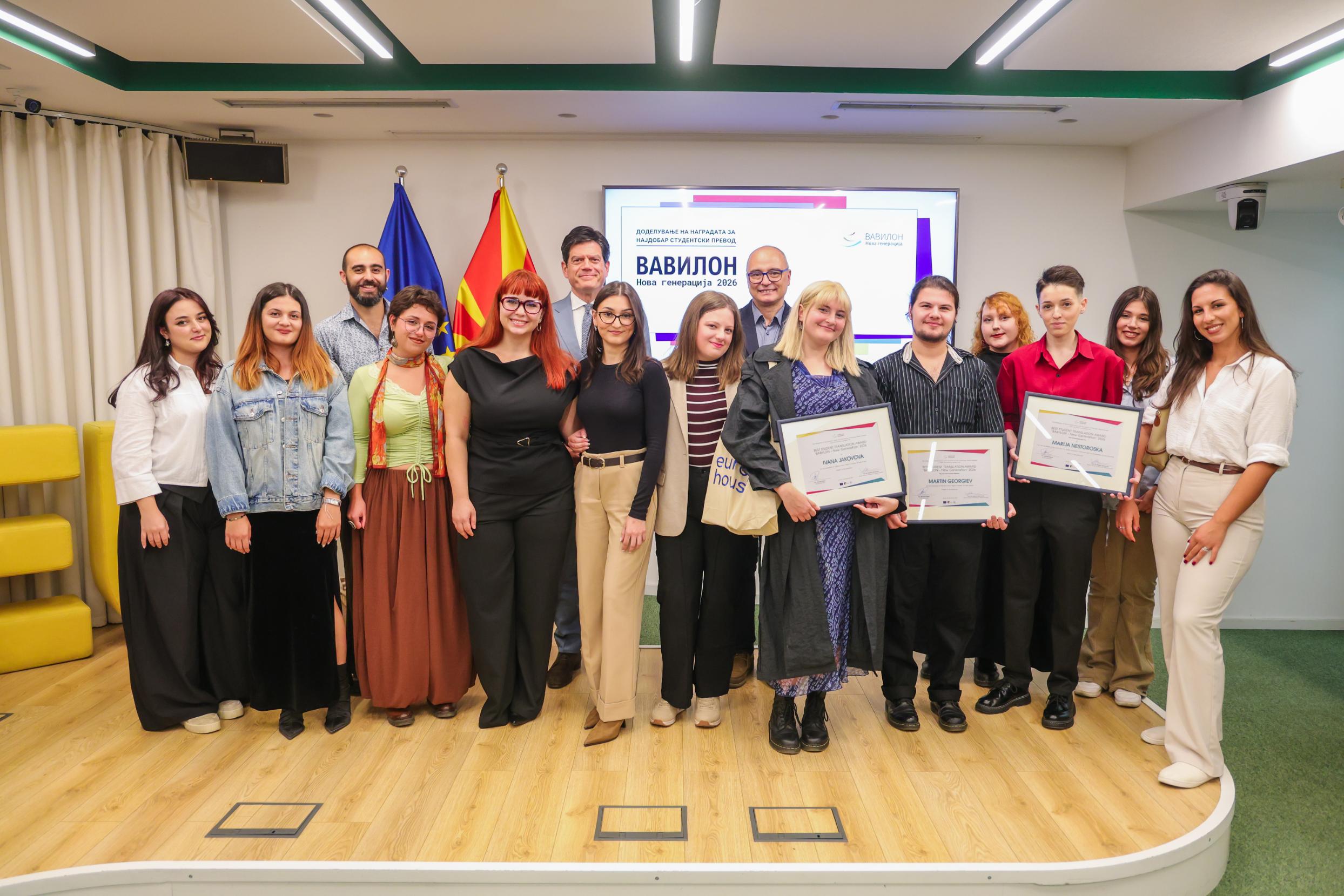
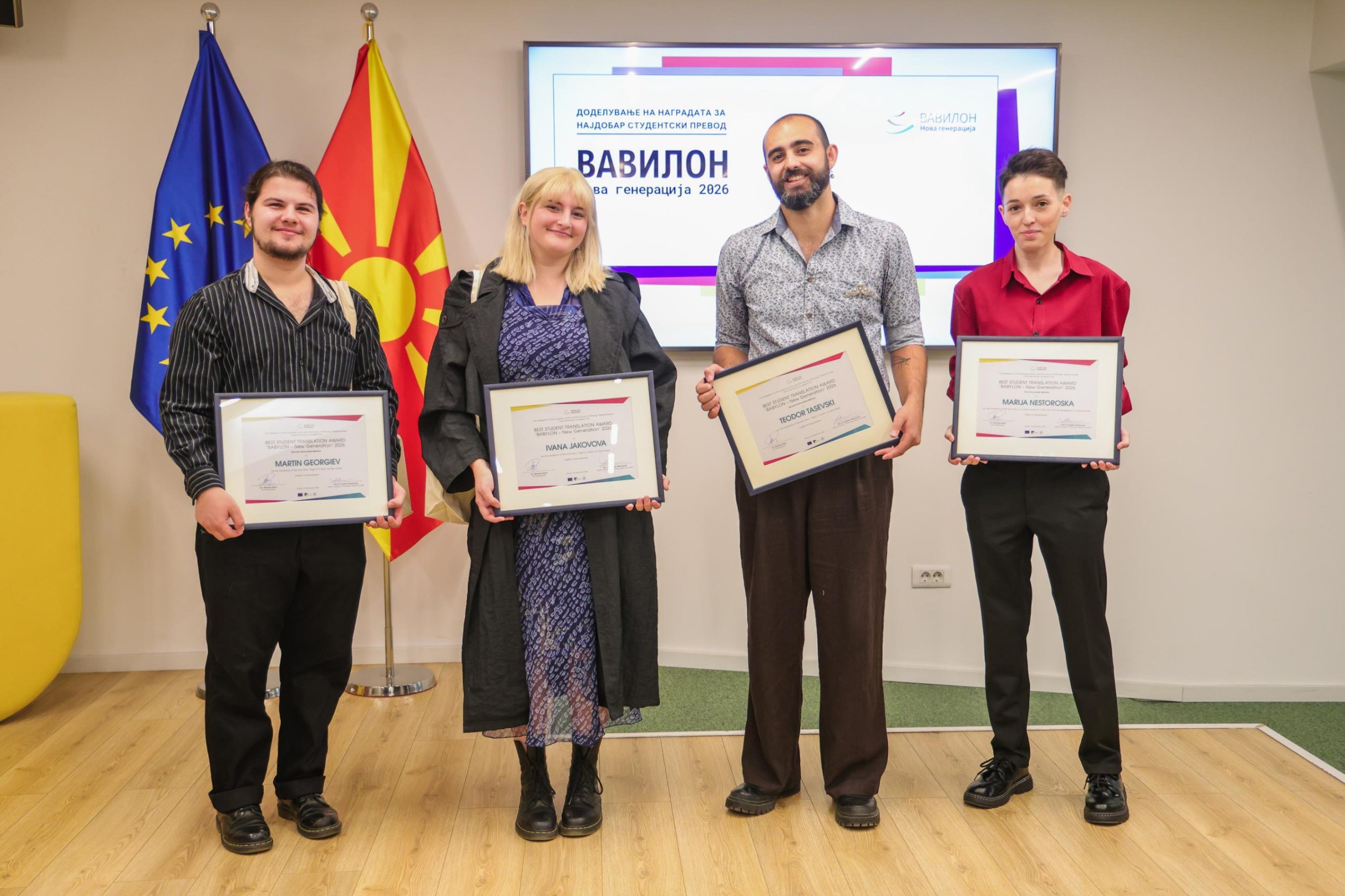
The first prize went to Ivana Jakovova for her translation of Neil Jordan’s short story Night in Tunisia from English into Macedonian. The jury, comprising established translators, university professors and writers, praised her work for its linguistic precision and creativity, as well as its faithful rendering of the author’s voice and style.

The award was presented by European Union Ambassador Michalis Rokas. It includes a study visit to help Ivana further develop her translation skills, as well as the publication of her winning work in the annual collection of the “Blaze Koneski” Faculty of Philology. The recognition marks an important step in her journey as a translator and opens up new opportunities for professional growth.

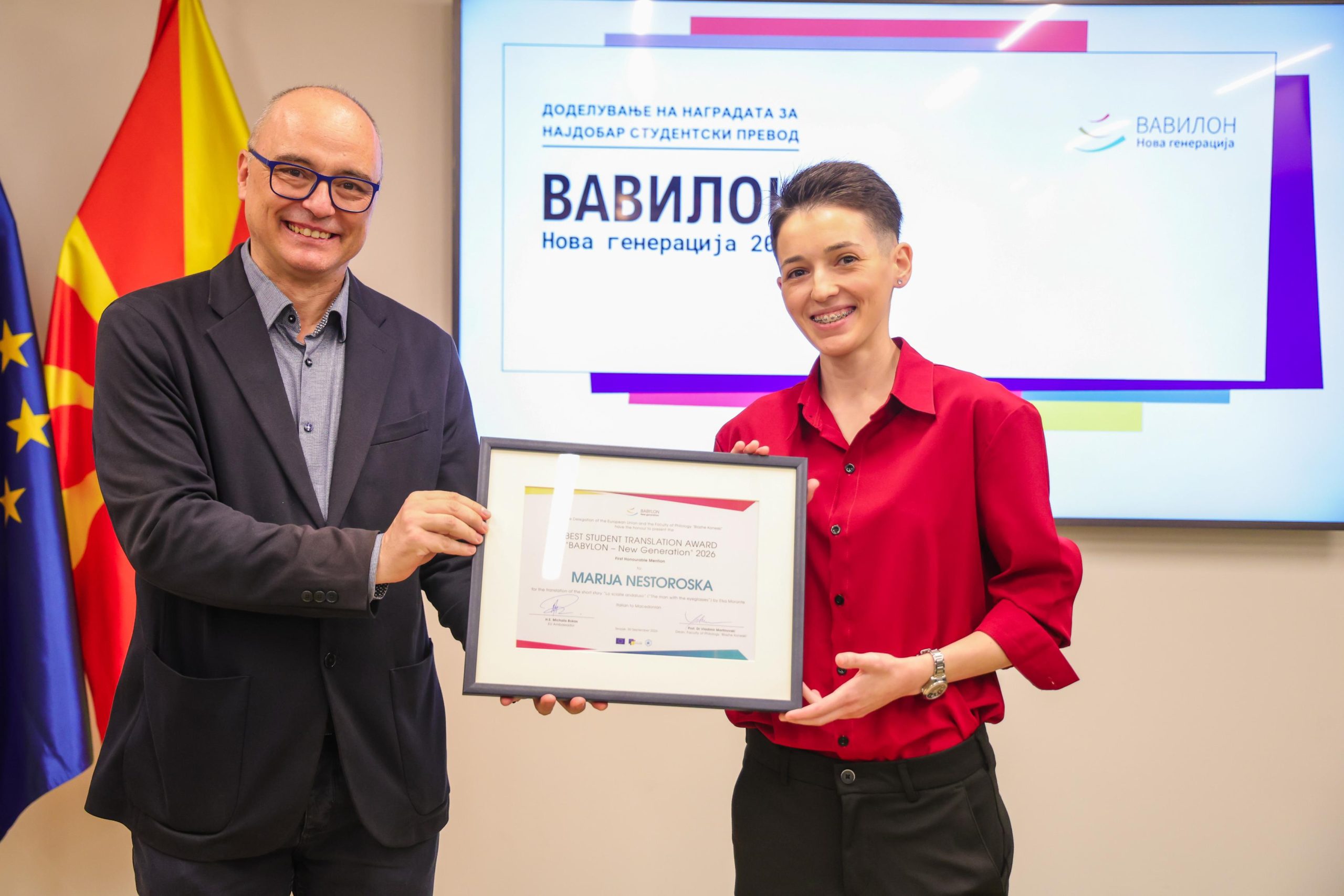
In addition to the main prize, the jury awarded two honourable mentions. The first went to Marija Nestoroska for her translation of Elsa Morante’s short story Lo scialle andaluso (The Man with Glasses) from Italian into Macedonian. The honourable mention was presented by Prof. Dr Vladimir Martinovski, Dean of the “Blaze Koneski” Faculty of Philology.

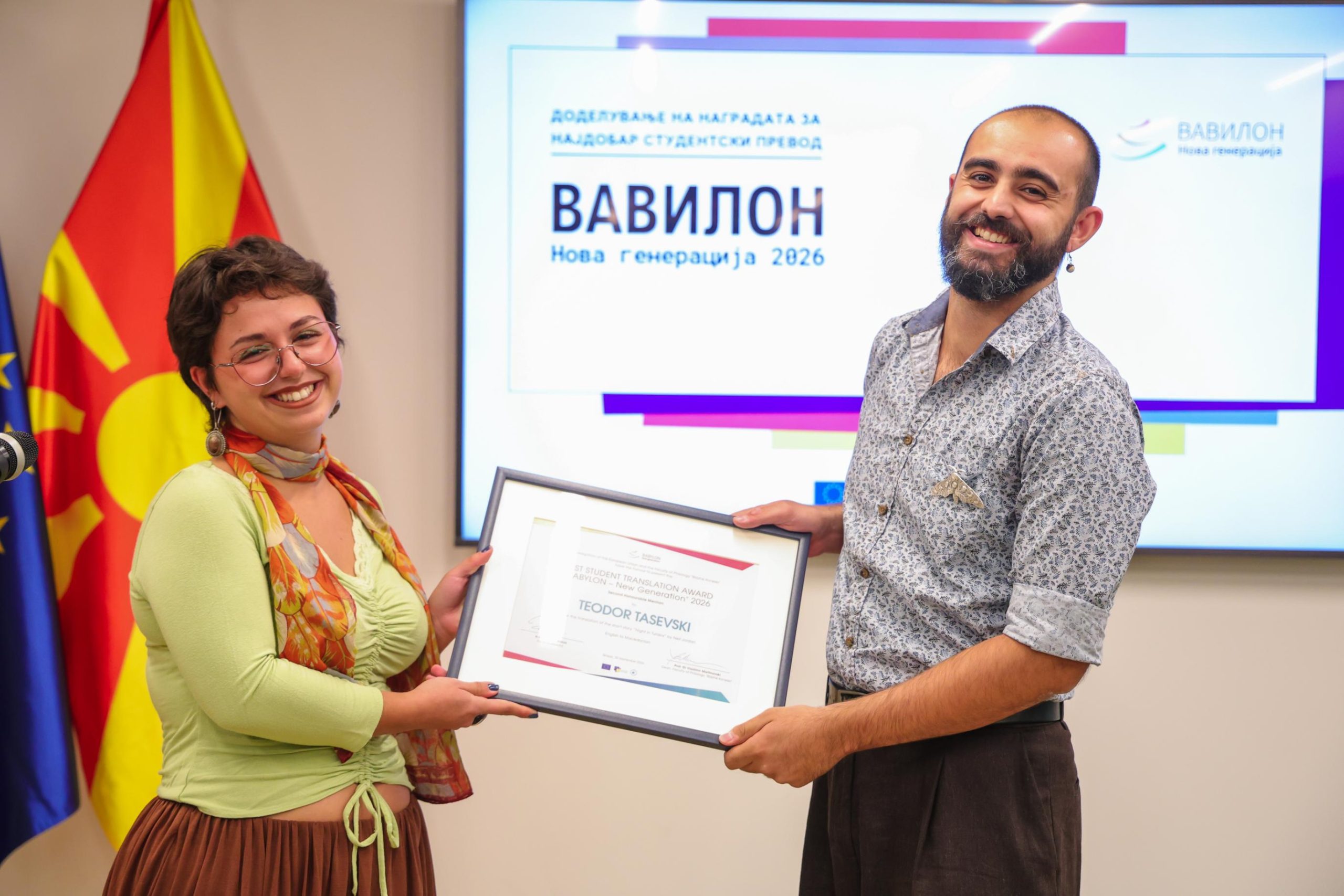
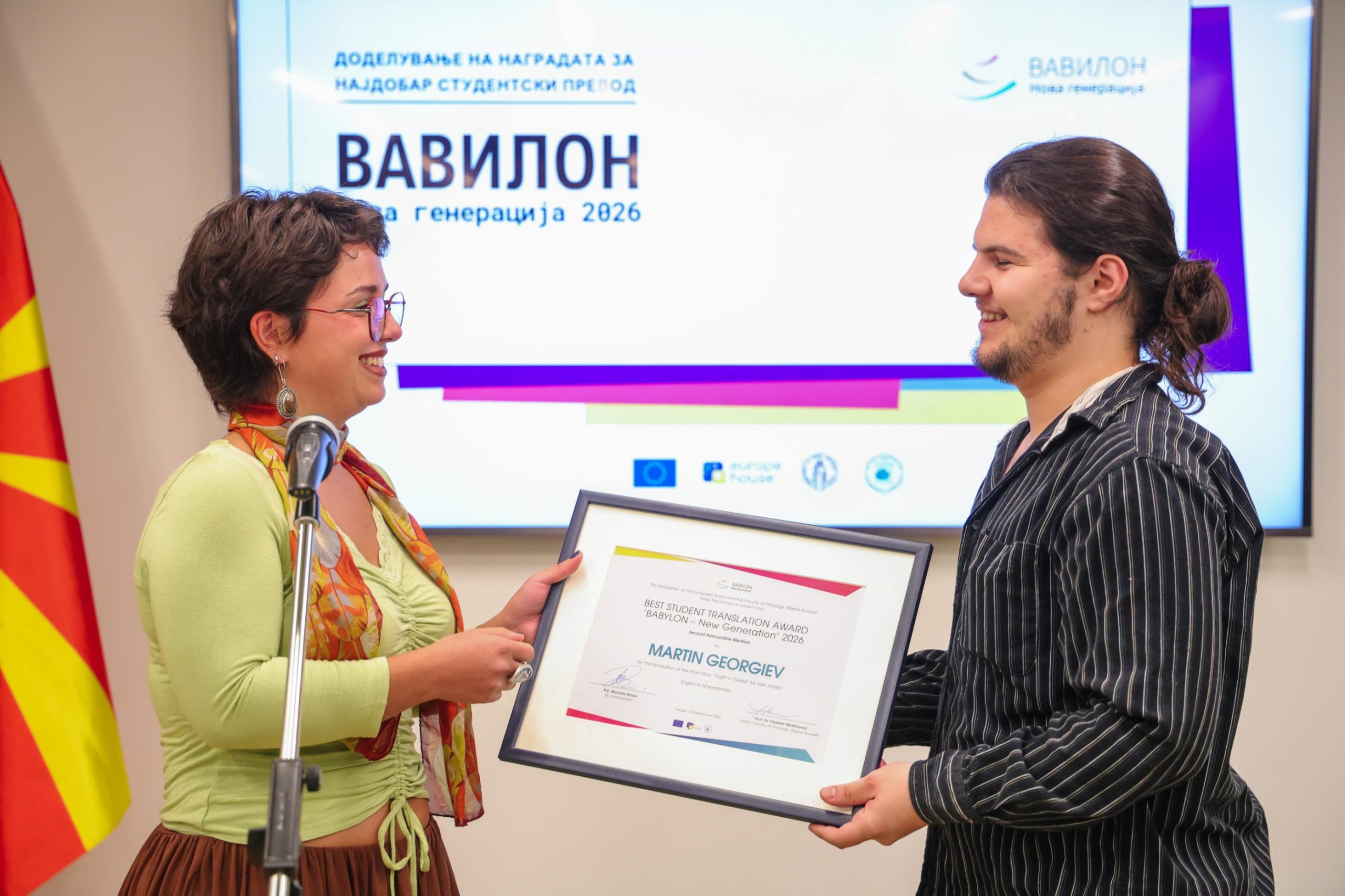
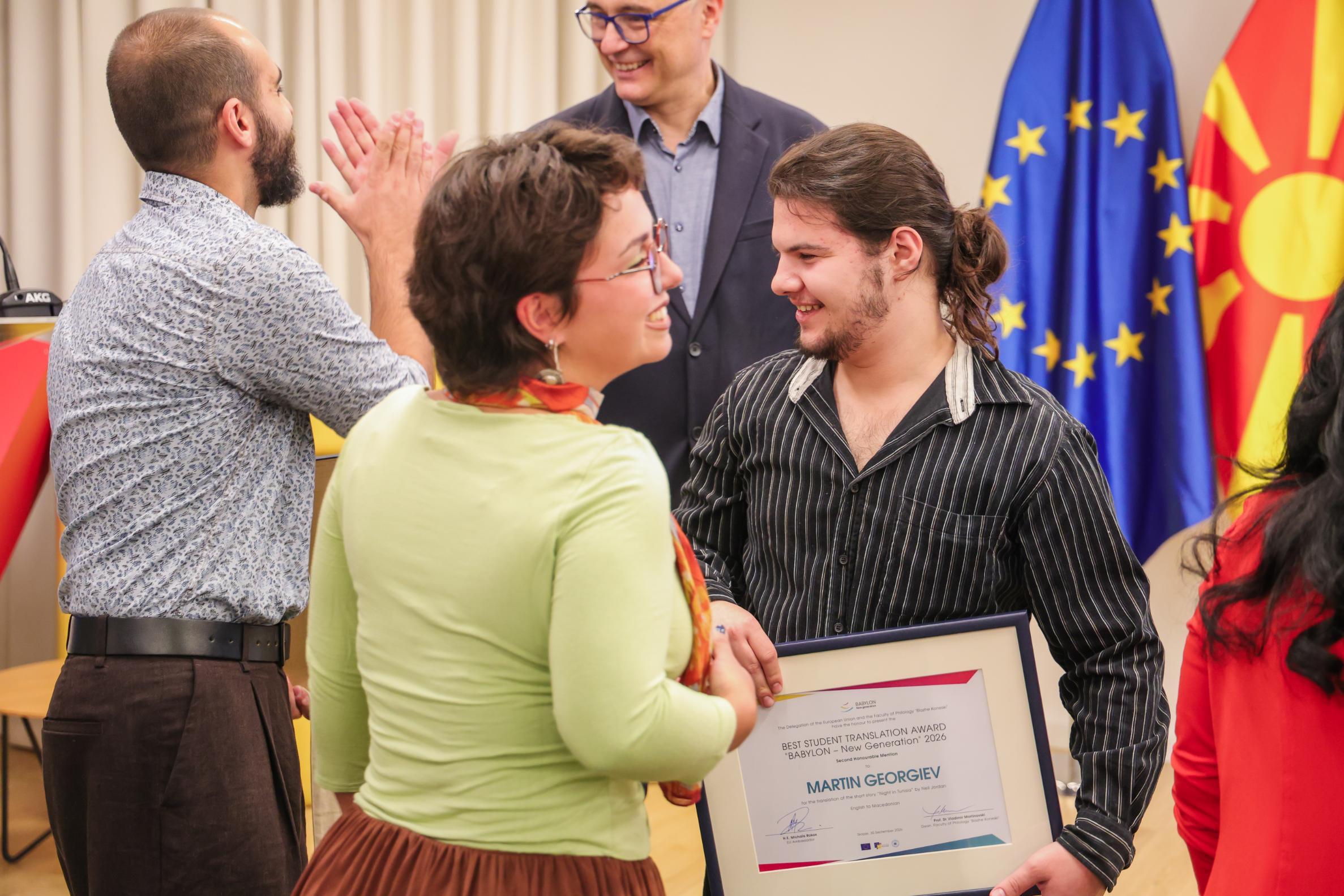
The second honourable mention was shared by Martin Georgiev and Teodor Tasevski for their translations of Neil Jordan’s Night in Tunisia from English into Macedonian.

A Student Literary Translation Residency in Struga

Within the framework of the Babylon – New Generation competition, this year’s student literary translation residency once again brought together aspiring translators to hone their skills under the guidance of experienced mentors. From 23 to 25 April, in Struga, the students worked with Sanja Mihajlovikj Kostadinovska, Eli Pujovska and Dusko Krstevski, who guided them through a carefully designed programme of workshops and sessions exploring different aspects of the translation craft.

The residency gave students an opportunity to develop their practical and professional skills beyond the university classroom, encouraging them to explore new word formations, narrative styles and cultural contexts. Alongside gaining new knowledge and experience, the residency also helped foster new friendships and open up opportunities for future collaboration.

At the end of the residency, participants were assigned a short story to translate from one of the 24 official languages of the European Union into one of the languages spoken in the country, in line with their respective language combinations. The selected stories had not previously been translated into the local languages. The completed translations were then submitted anonymously for consideration for the Best Student Translation Award.

Babylon: Different Languages, One Shared Space for Literature

The Babylon – New Generation competition and student residency are rooted in the ideas of collaboration, intercultural dialogue and literary exchange. Inspired by the myth of the Tower of Babel, in which linguistic diversity is portrayed as both a blessing and a barrier to understanding, the initiative highlights the role of translation as a bridge between languages and cultures.

Through the competition, students have the opportunity to translate previously untranslated literary works while contributing to the preservation and enrichment of linguistic heritage. In doing so, Babylon – New Generation supports emerging translators, promotes high-quality literary translation and creates opportunities for European literature to reach a wider readership.
The next edition of the Babylon – New Generation competition will open for applications in early spring 2027, continuing its support for young translators and their role in bringing languages and cultures closer together.
From Peaks to Paws – Turning Old Climbing Ropes into New Dog Leashes

Sometimes, something old and worn-out can be turned into something useful, beautiful and ready for a new story.

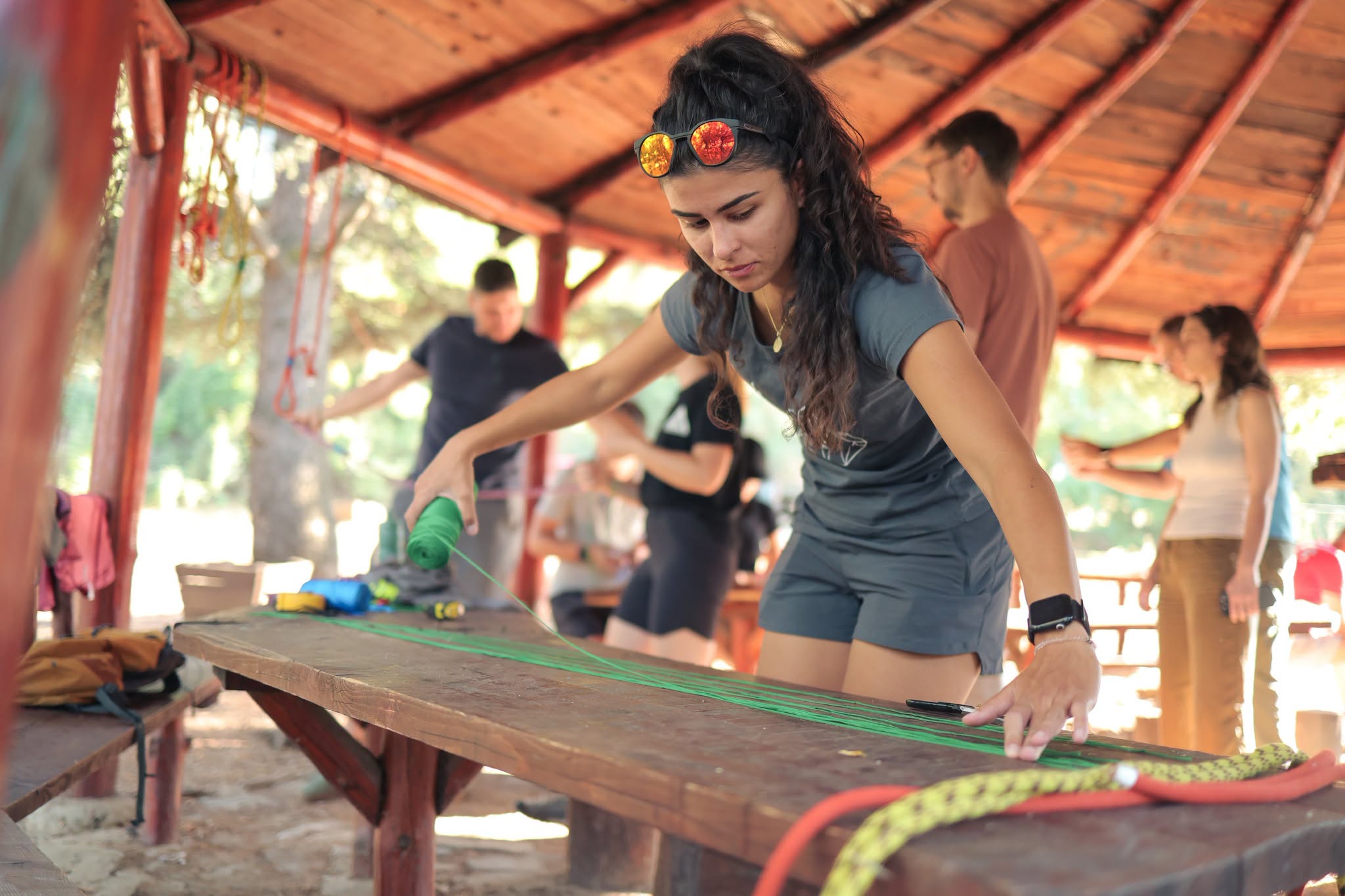
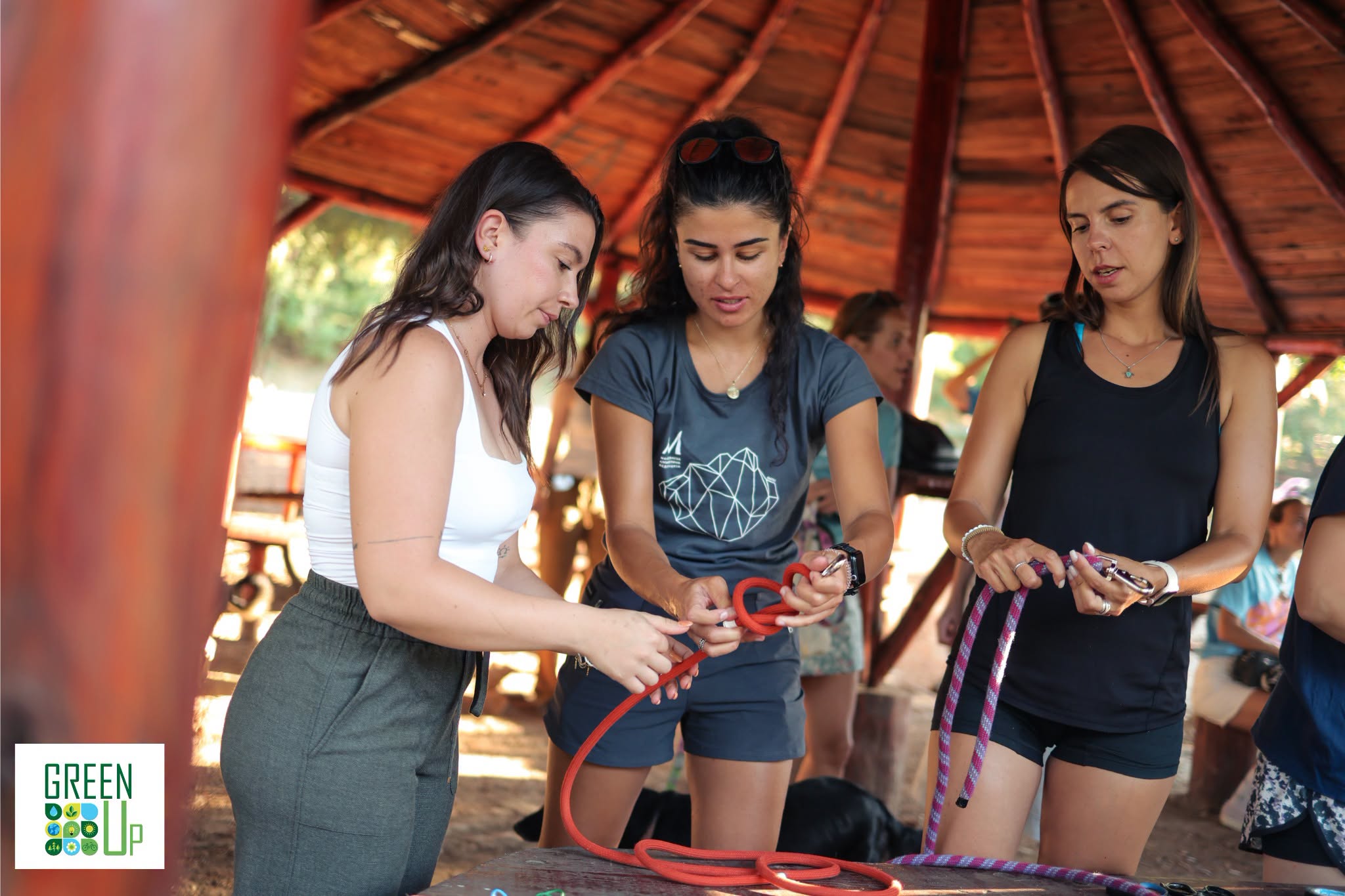
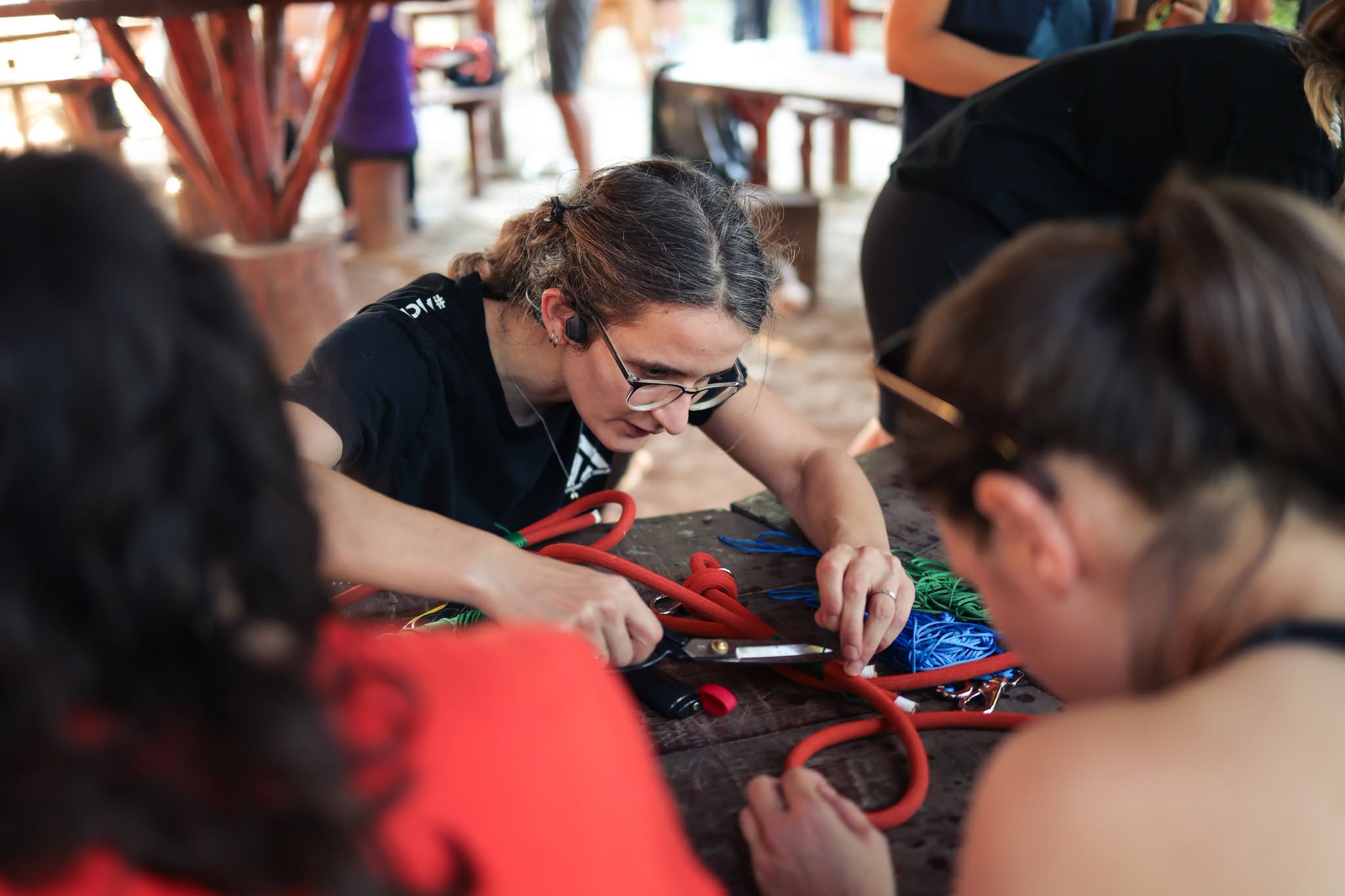
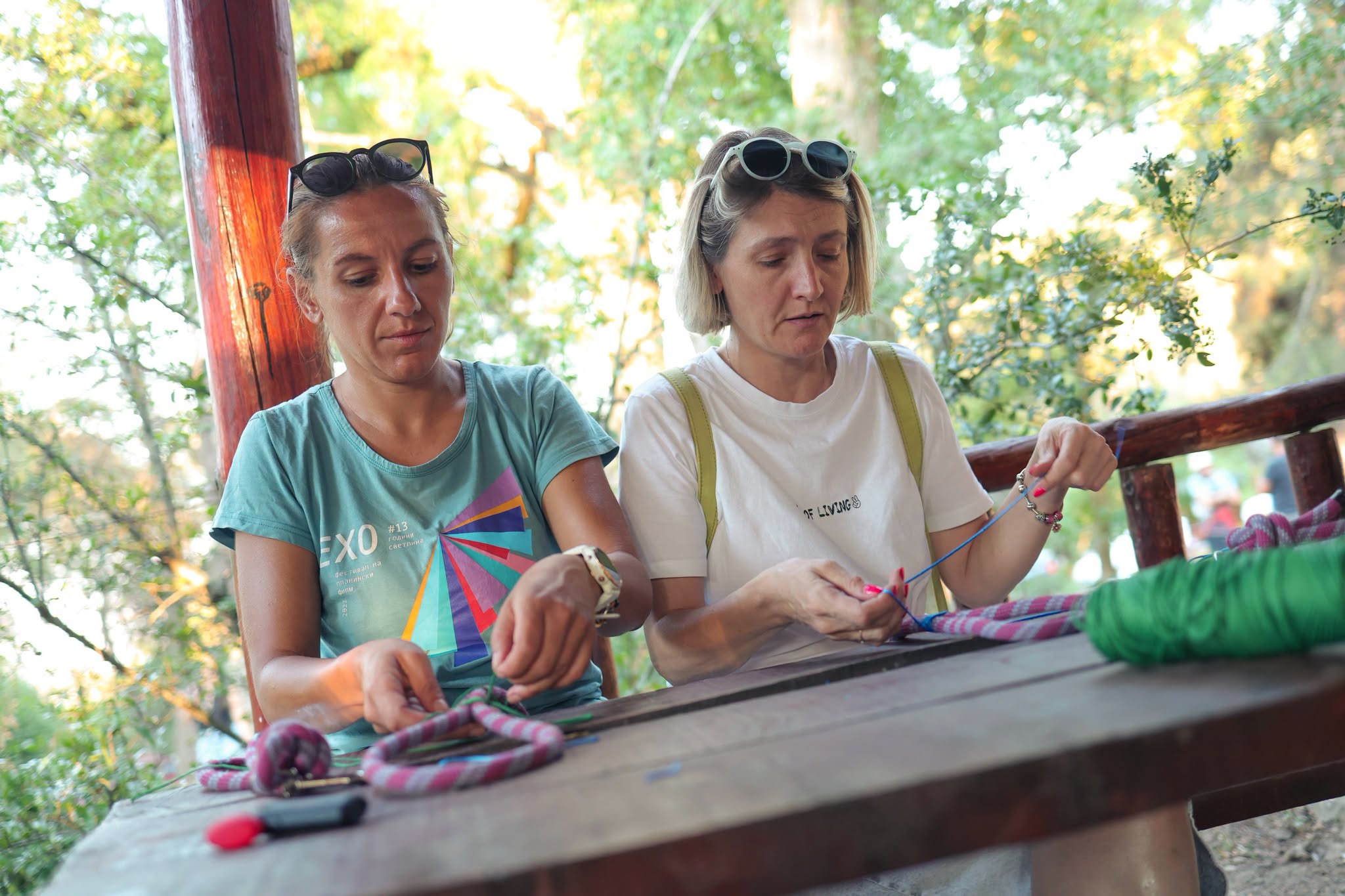
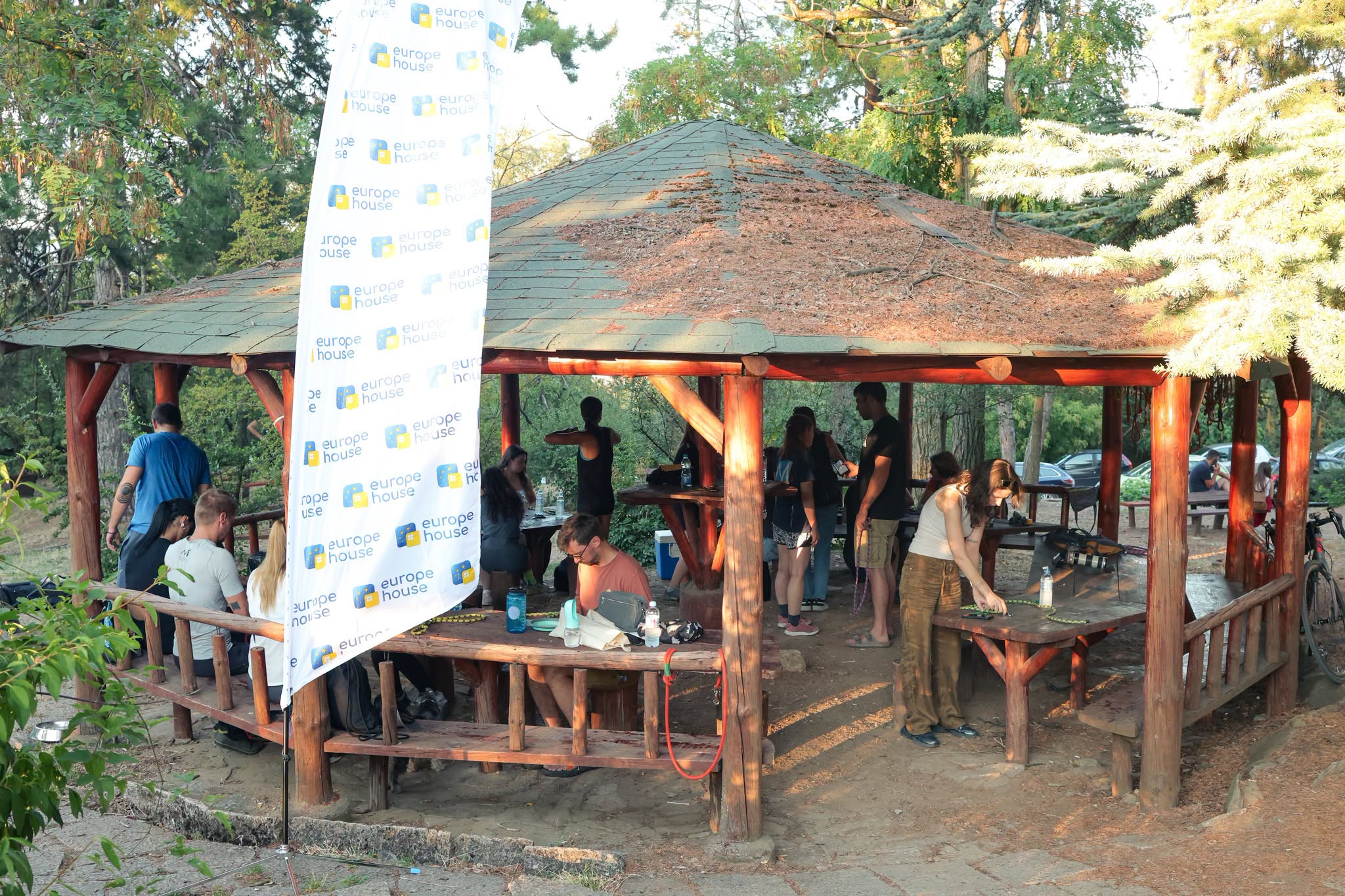
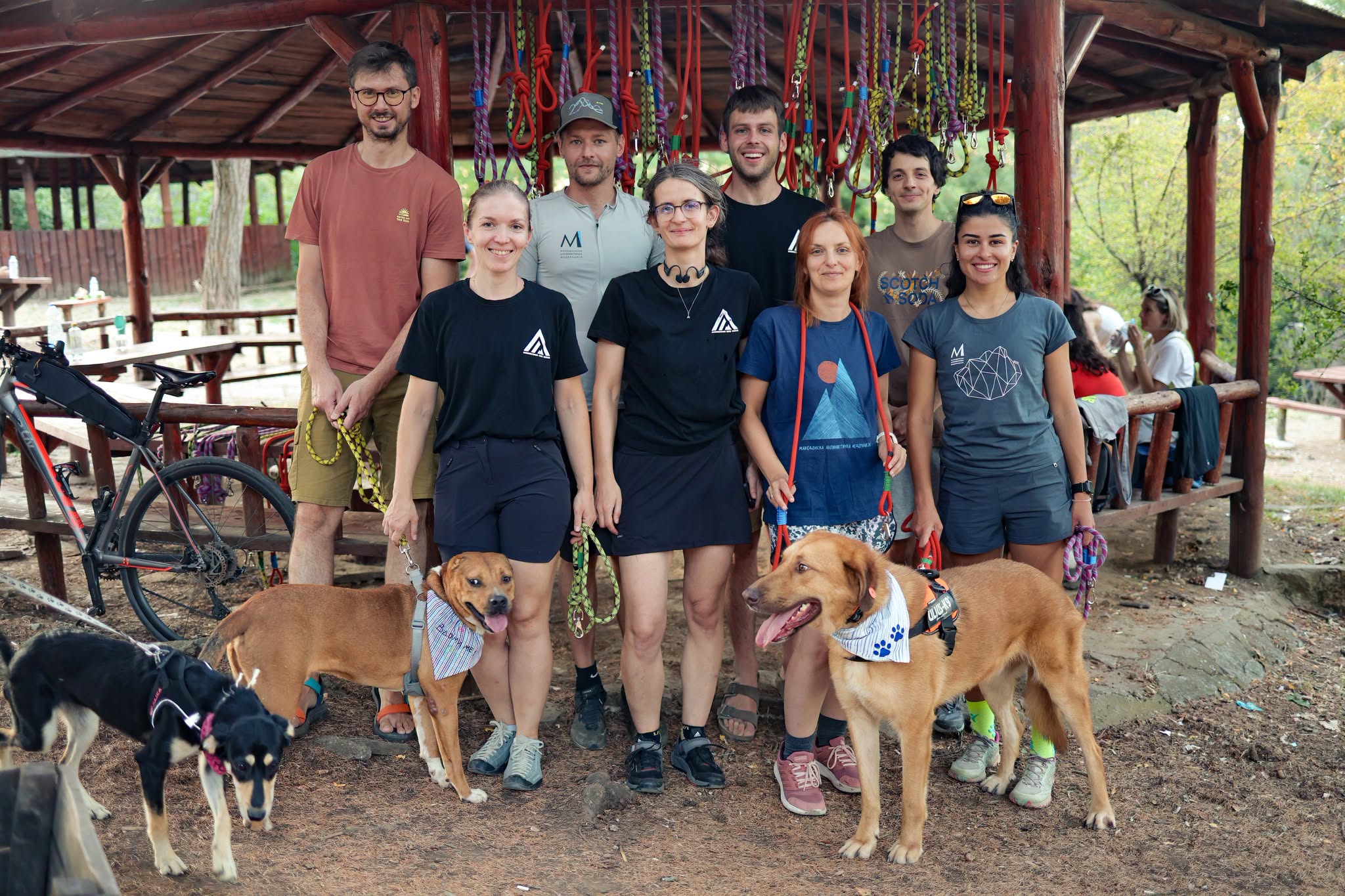
That is exactly what we achieved at the creative upcycling workshop “From Peaks to Paws”, organized by Europe House Skopje at Middle Vodno, in collaboration with the Skopje Mountaineering Club and Laika Public Enterprise – Skopje.

Every climbing rope has a limited lifespan. Once it is no longer safe to use for climbing, it usually becomes waste. But its story does not have to end there.

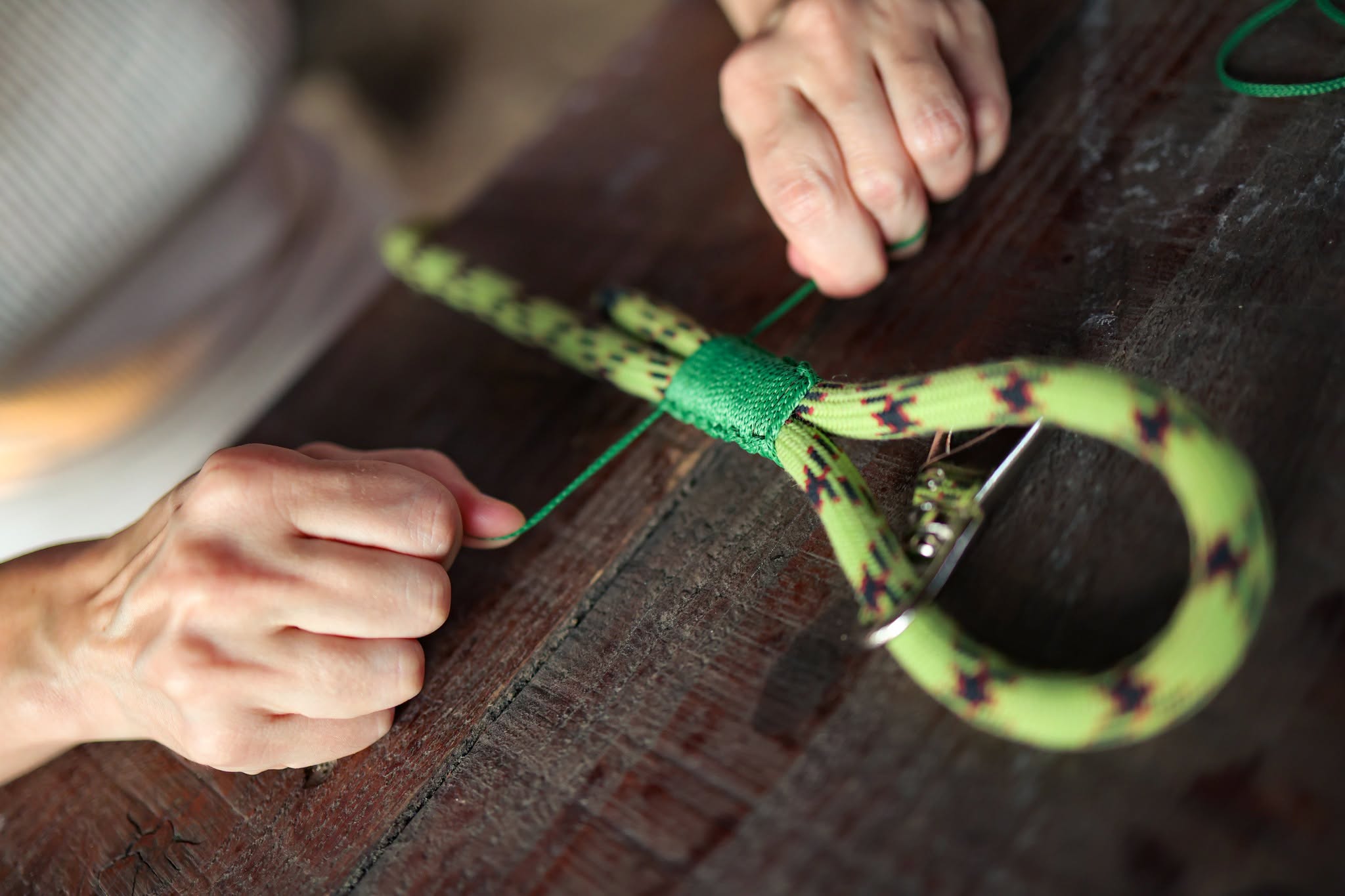
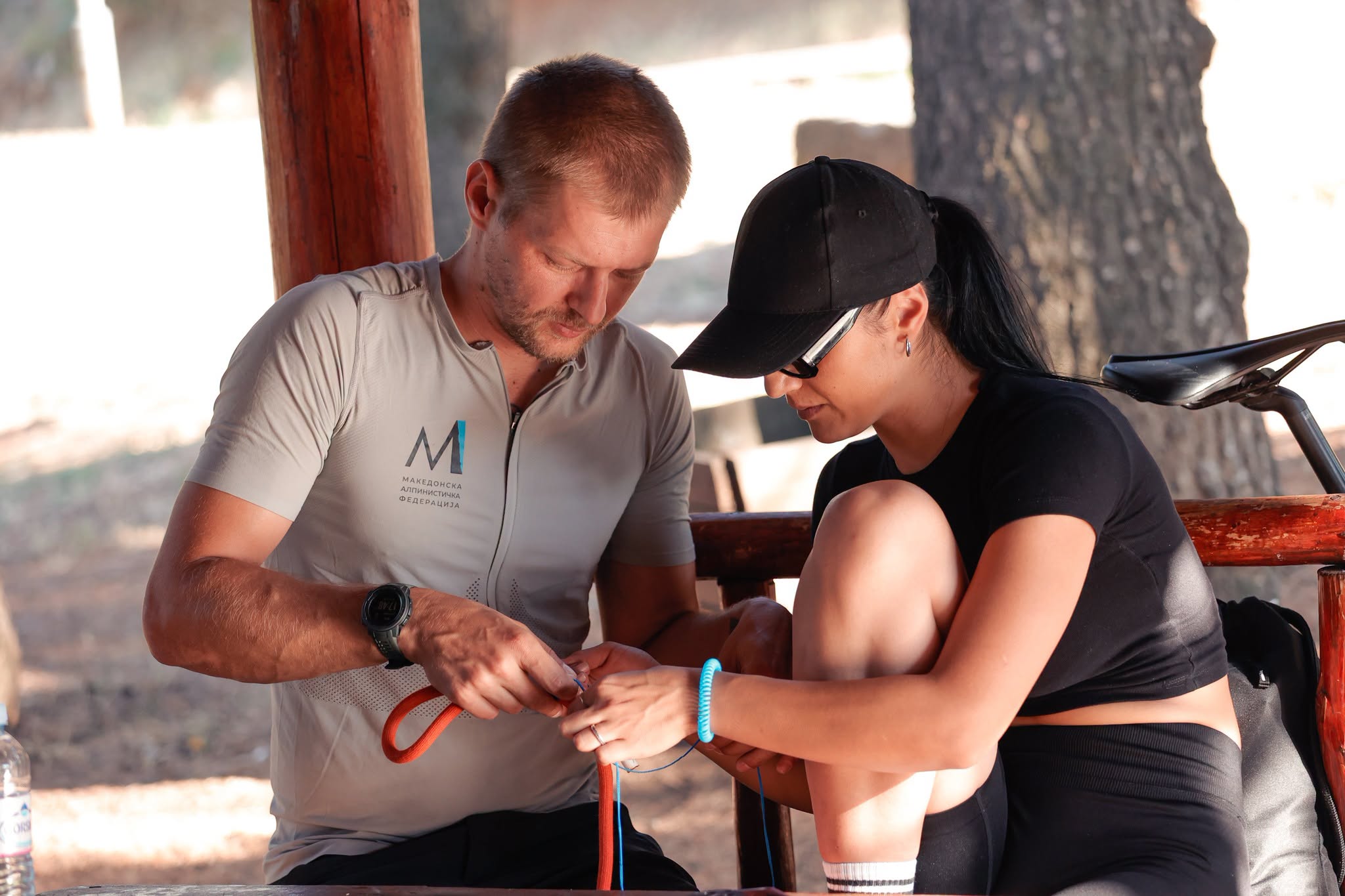
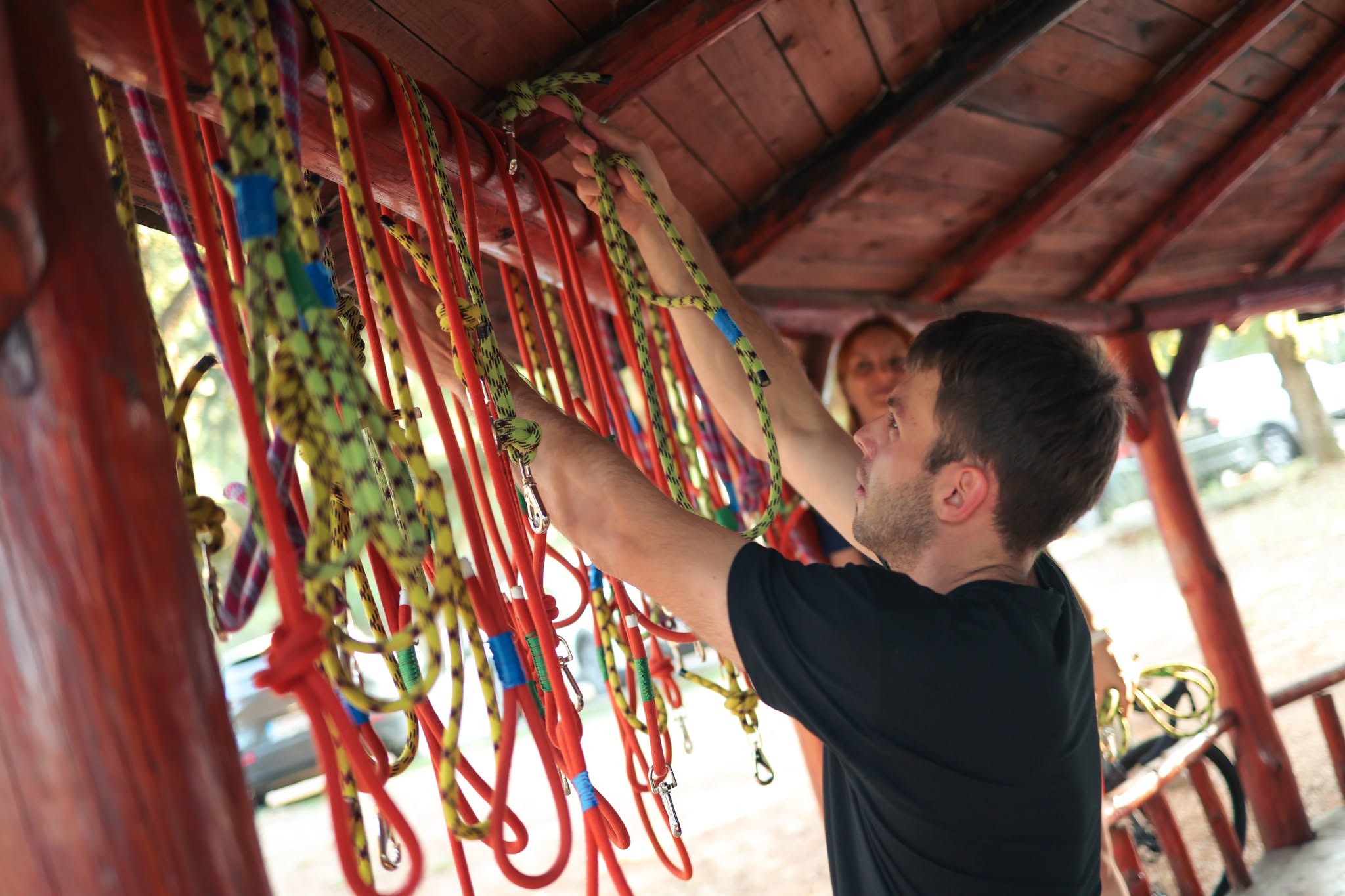
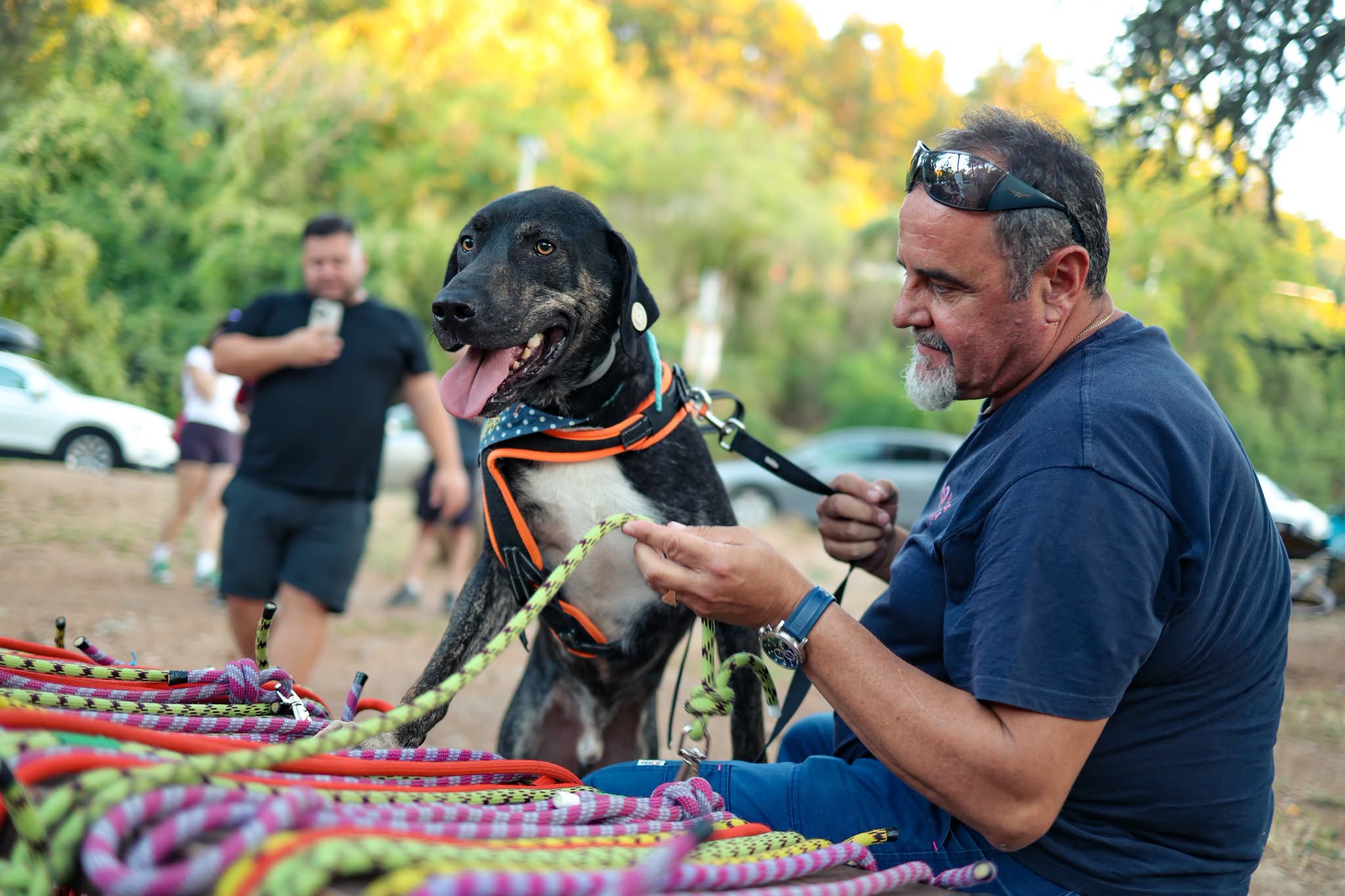
At the workshop, ropes that had completed their mission on the rocks were given a new purpose – as strong and colorful leashes for dogs cared for at Laika.

Through creative work and hands-on skills, participants showed that the circular economy does not have to remain just an idea or a concept. It can start with something we already have, a little creativity and the willingness to give new value to something that would otherwise end up as waste.

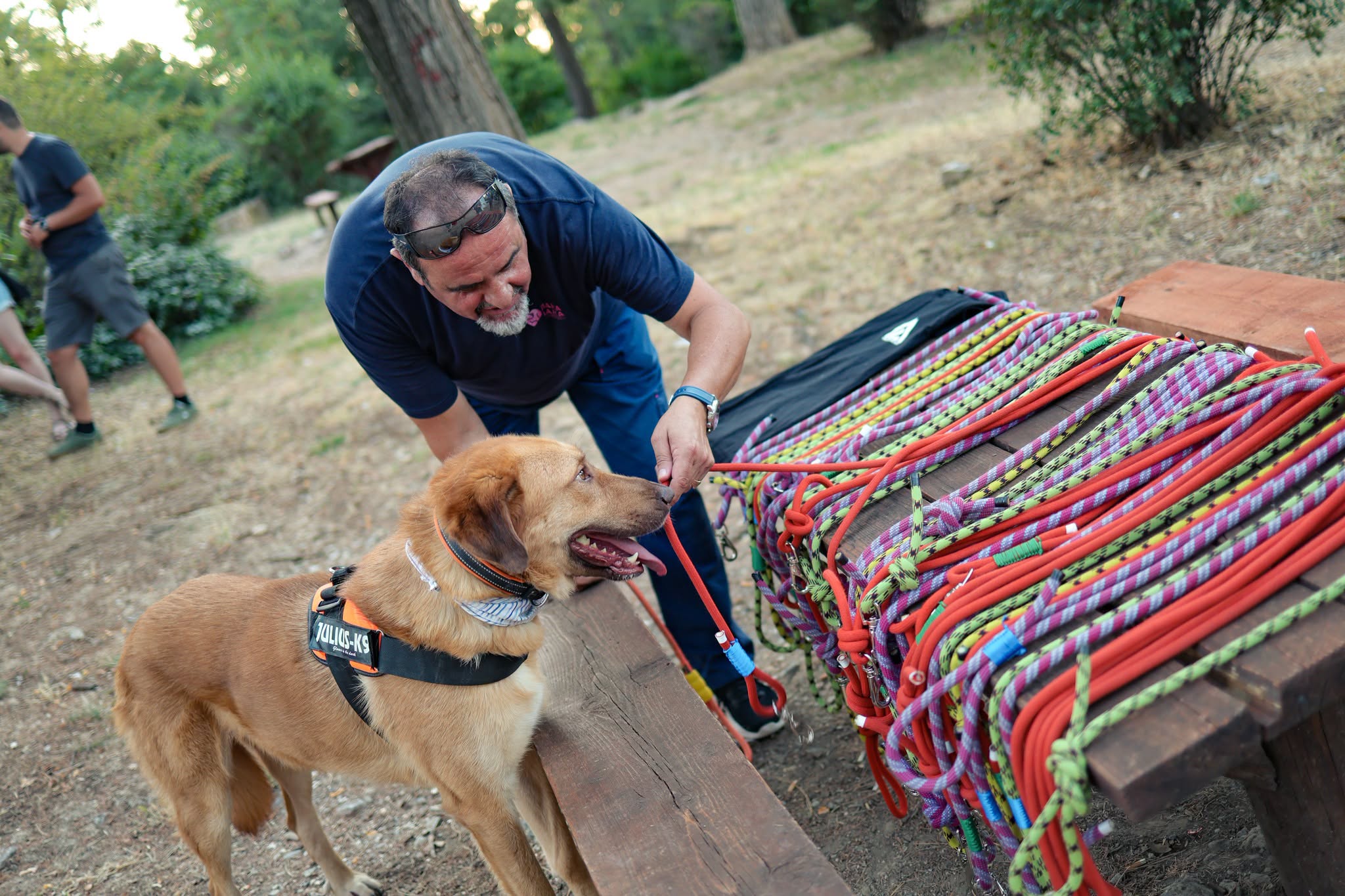
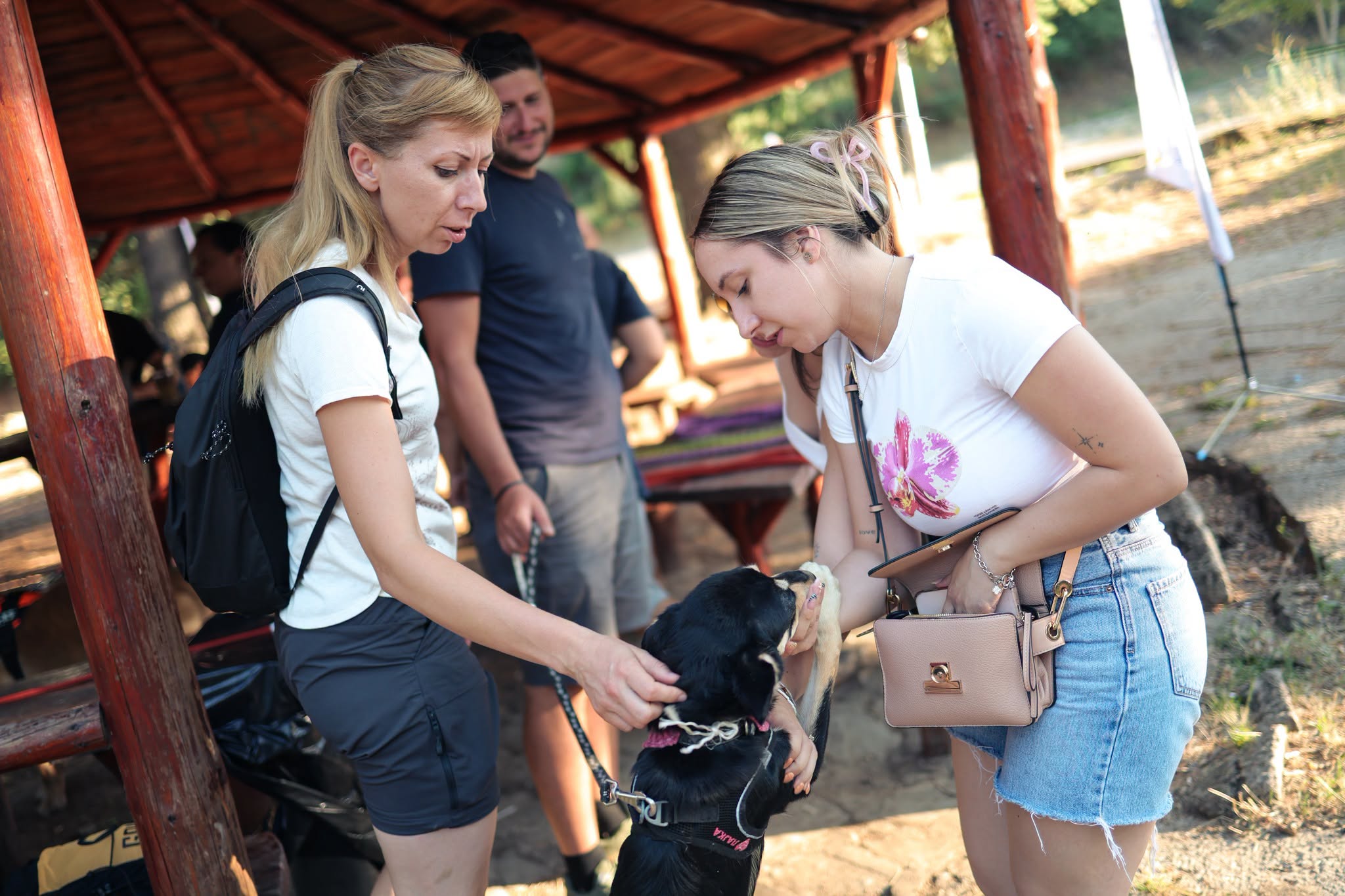
And the best part of the story came at the end – participants made a total of 53 leashes, and the dogs from Laika had the chance to choose their own new leash.

With every leash made, we helped reduce waste, turned old material into something useful, and contributed to better care for animals in need.

Thank you to everyone who cut, braided, learned, donated and shared their time and knowledge.

Because the circular economy can start with small changes. In this case – with a few old ropes and an idea to give them a new life and a new purpose.

Subscribe To our newsletter!