EU Delegation Archives - Europe House

Young People Call for a Greater Role in Climate Decision-Making at LCOY2026

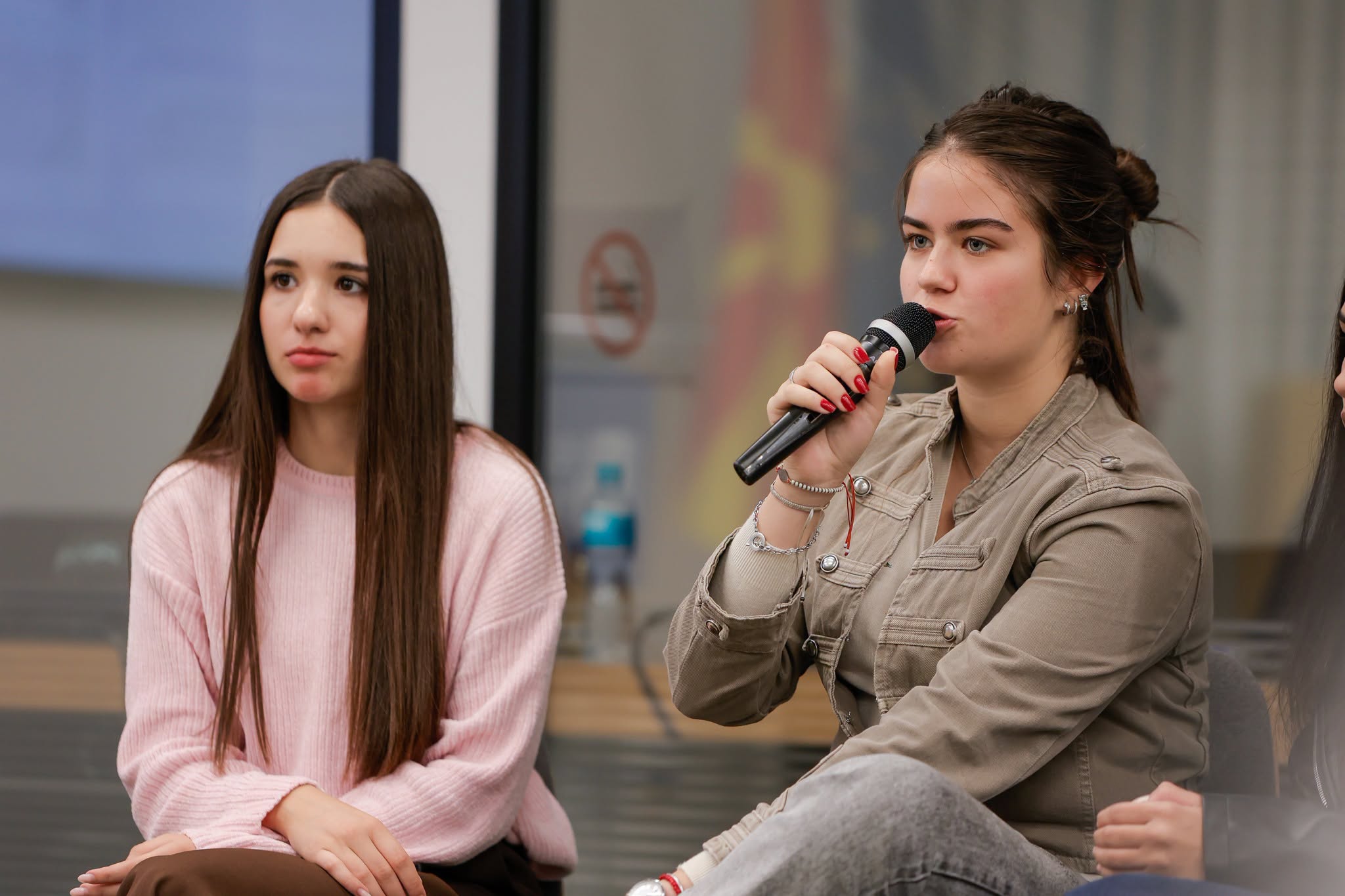
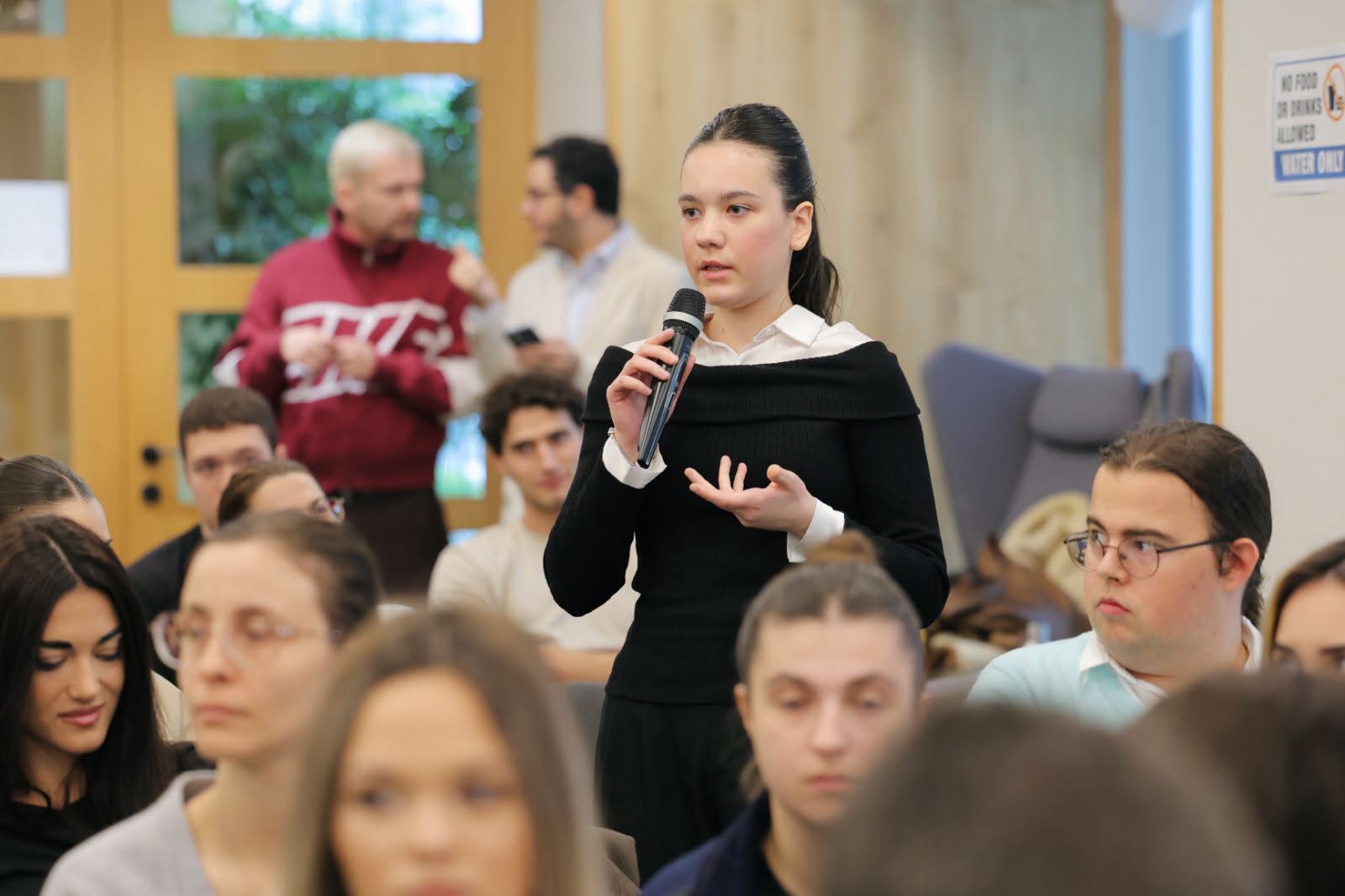
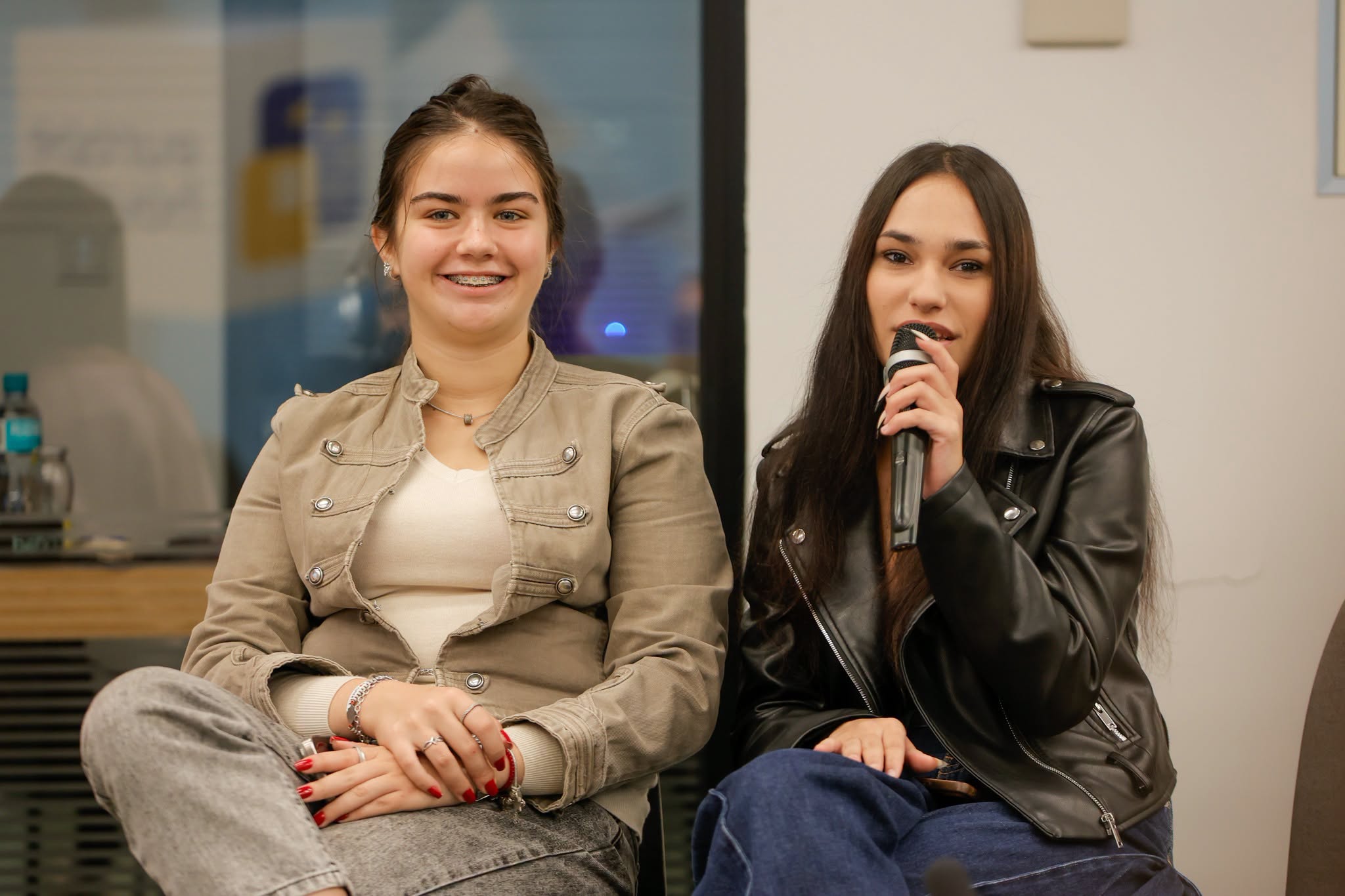
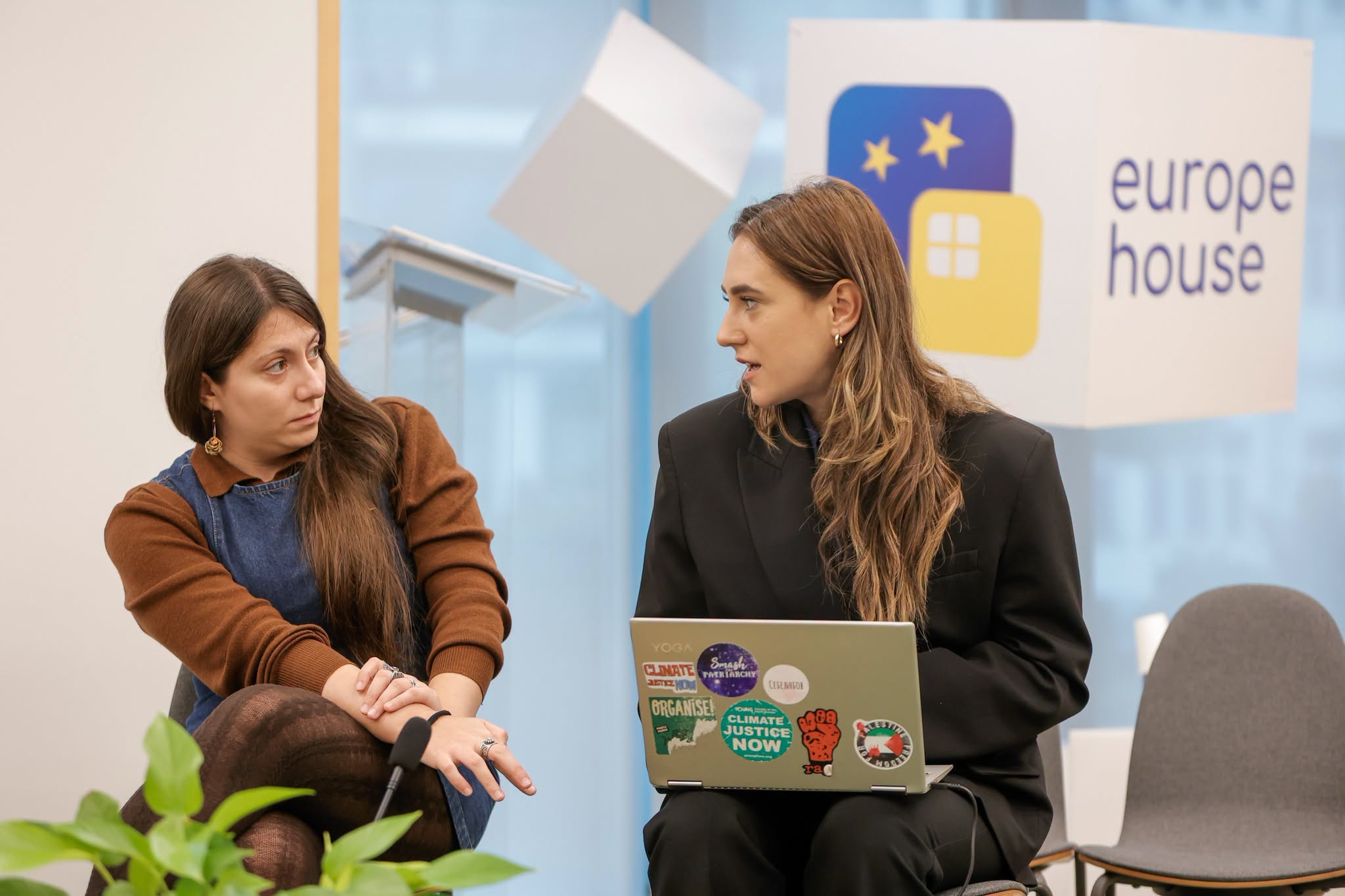
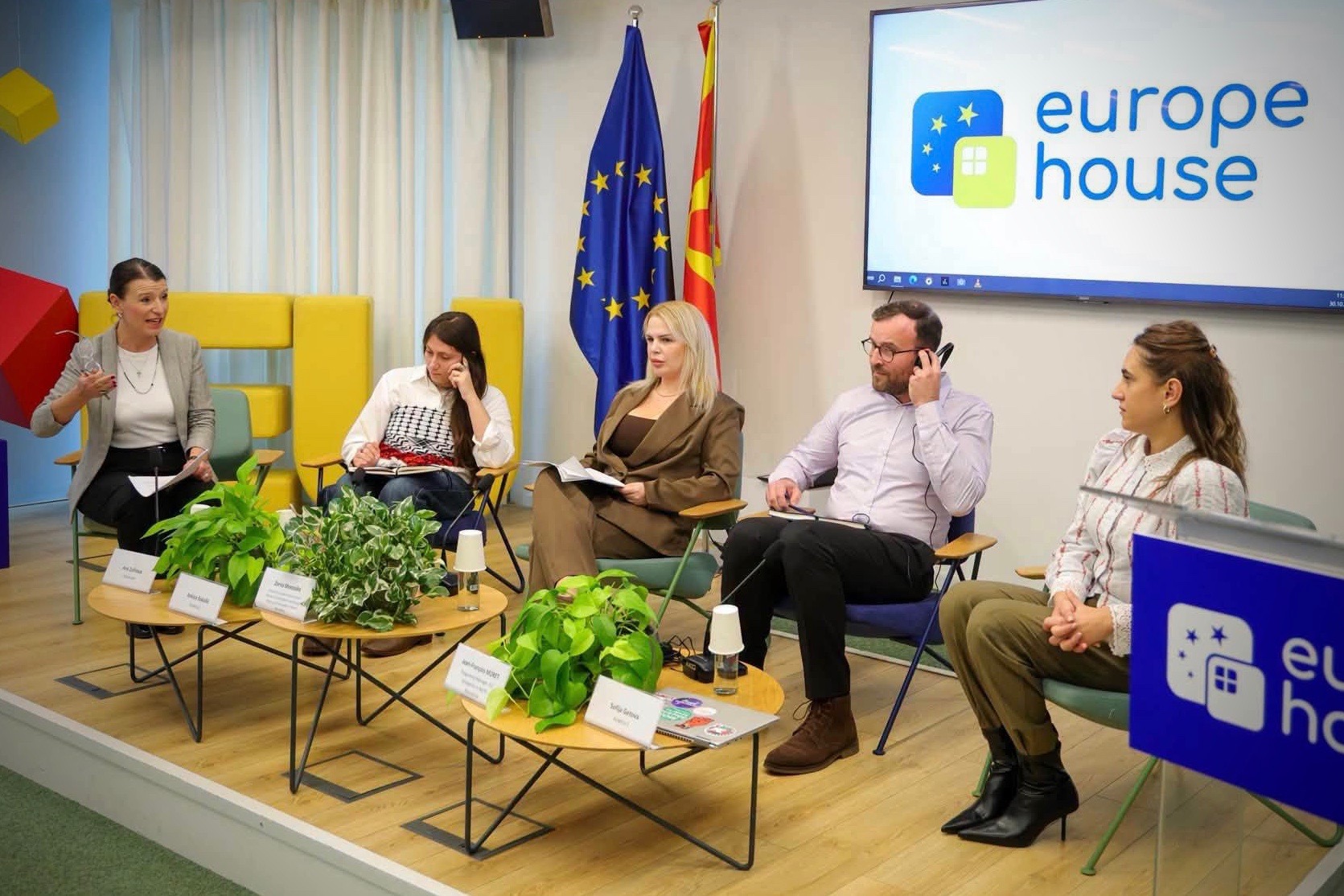
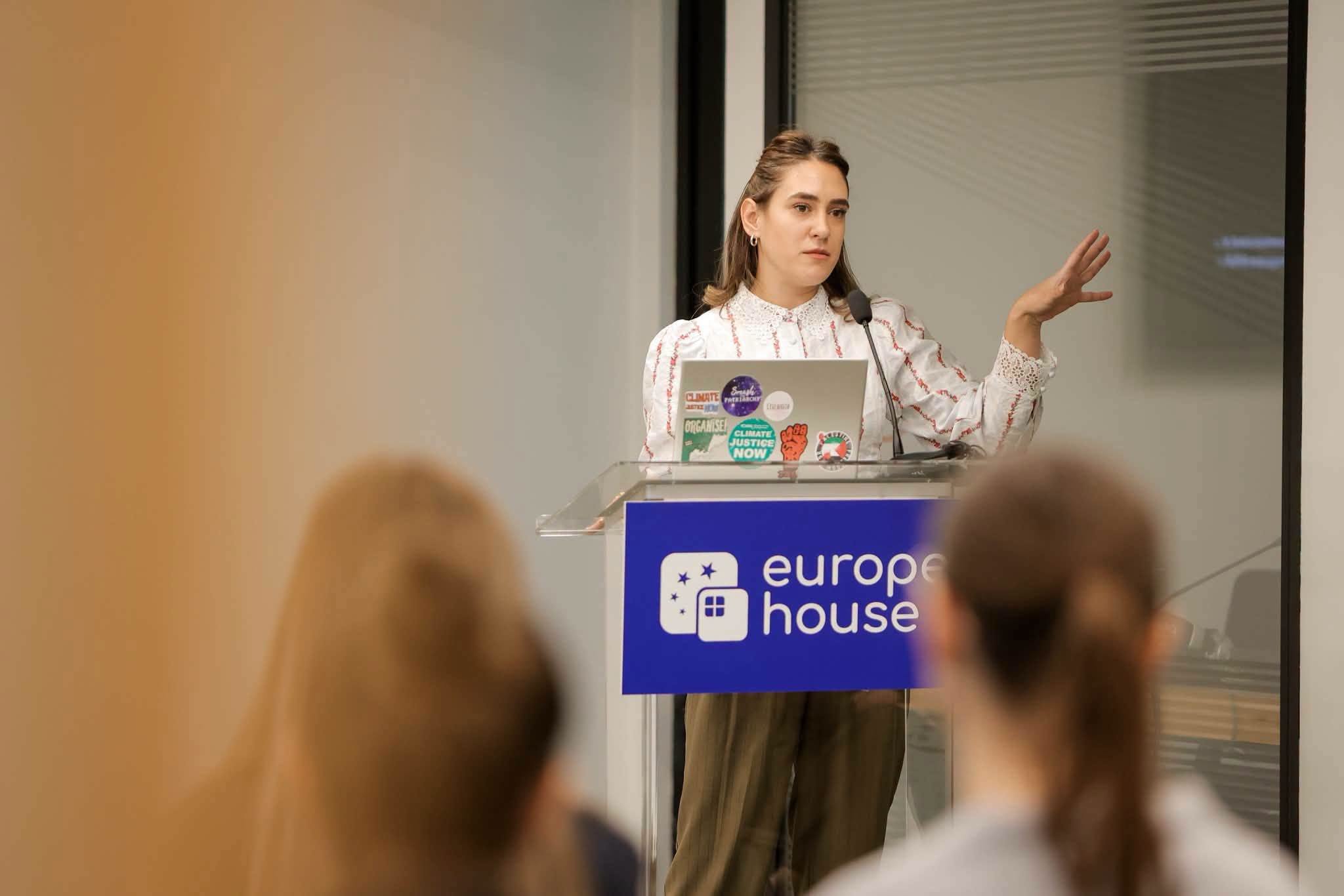
Young people should not simply be consulted – they must have an active role in shaping climate policies and decisions that affect their future. This was the central message of the two-day Local Conference of Youth– LCOY2026, held at Europe House Skopje.

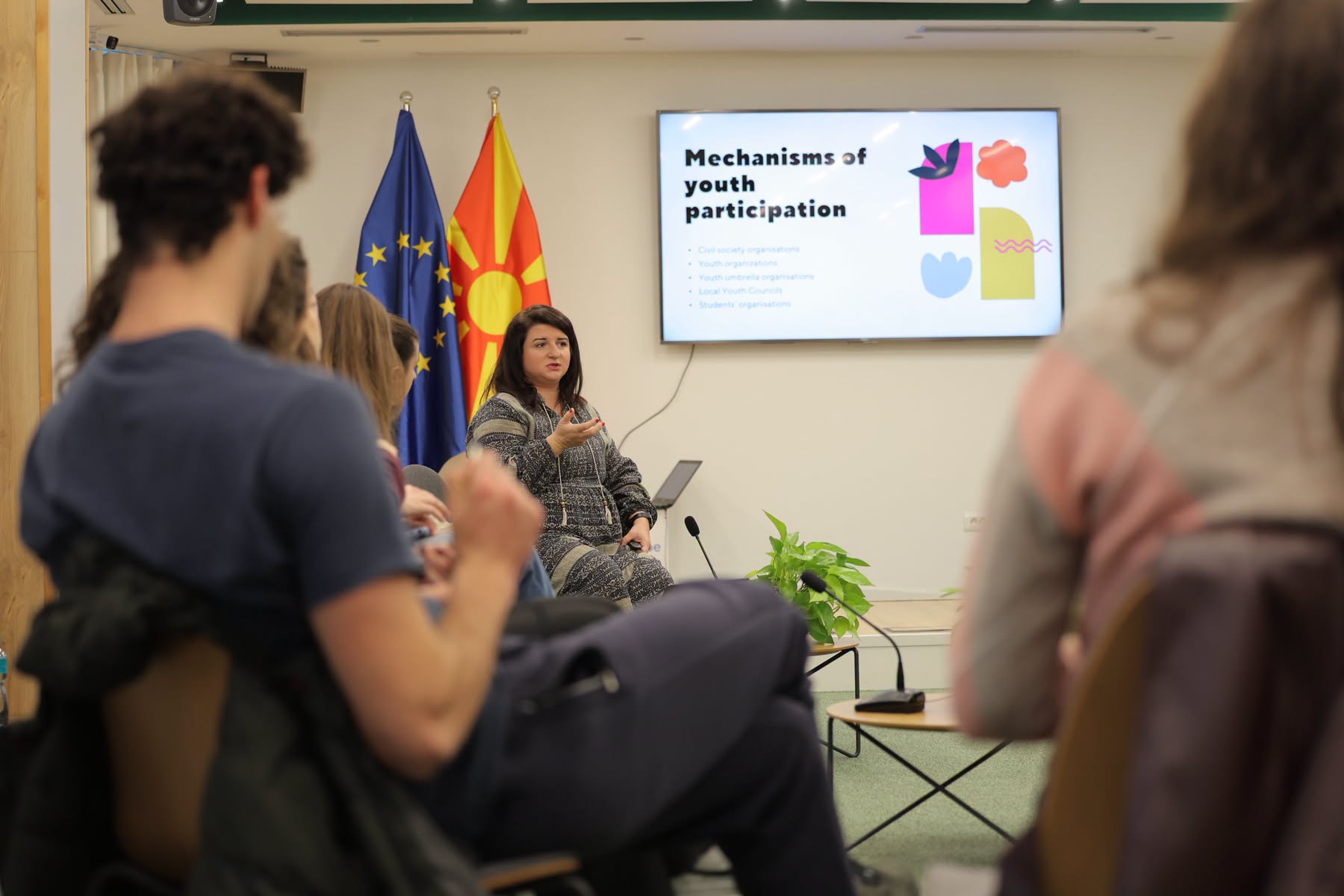
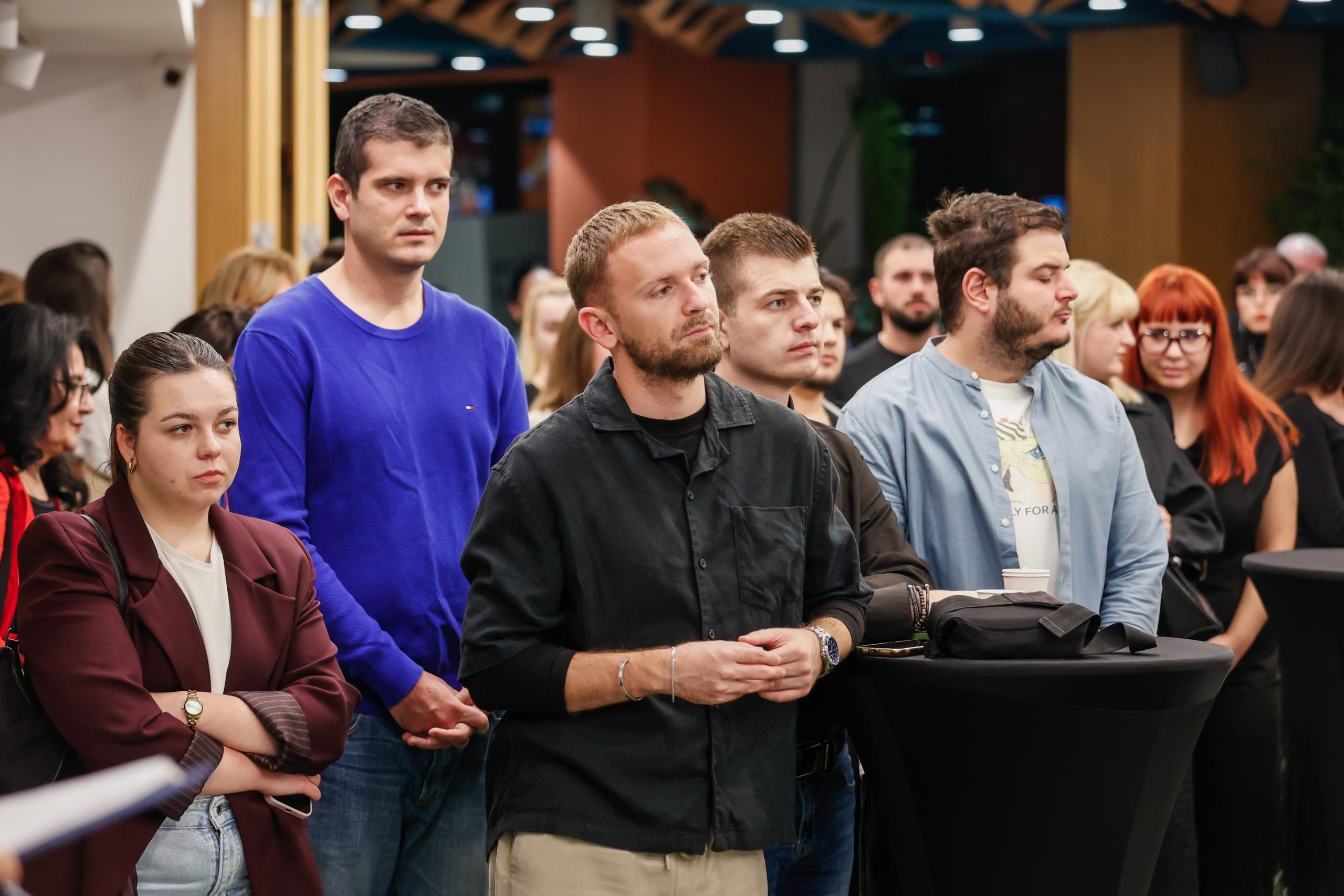
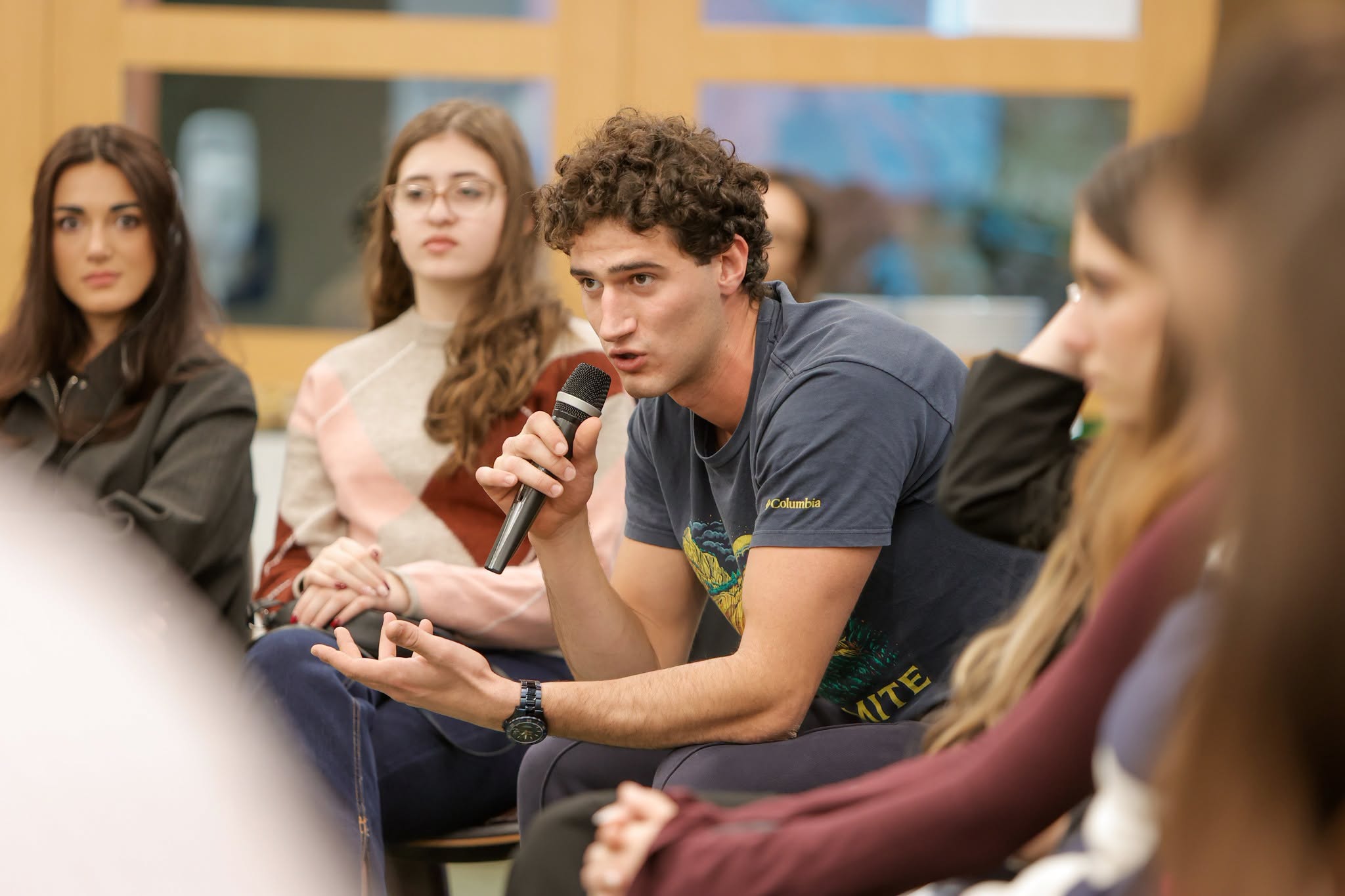
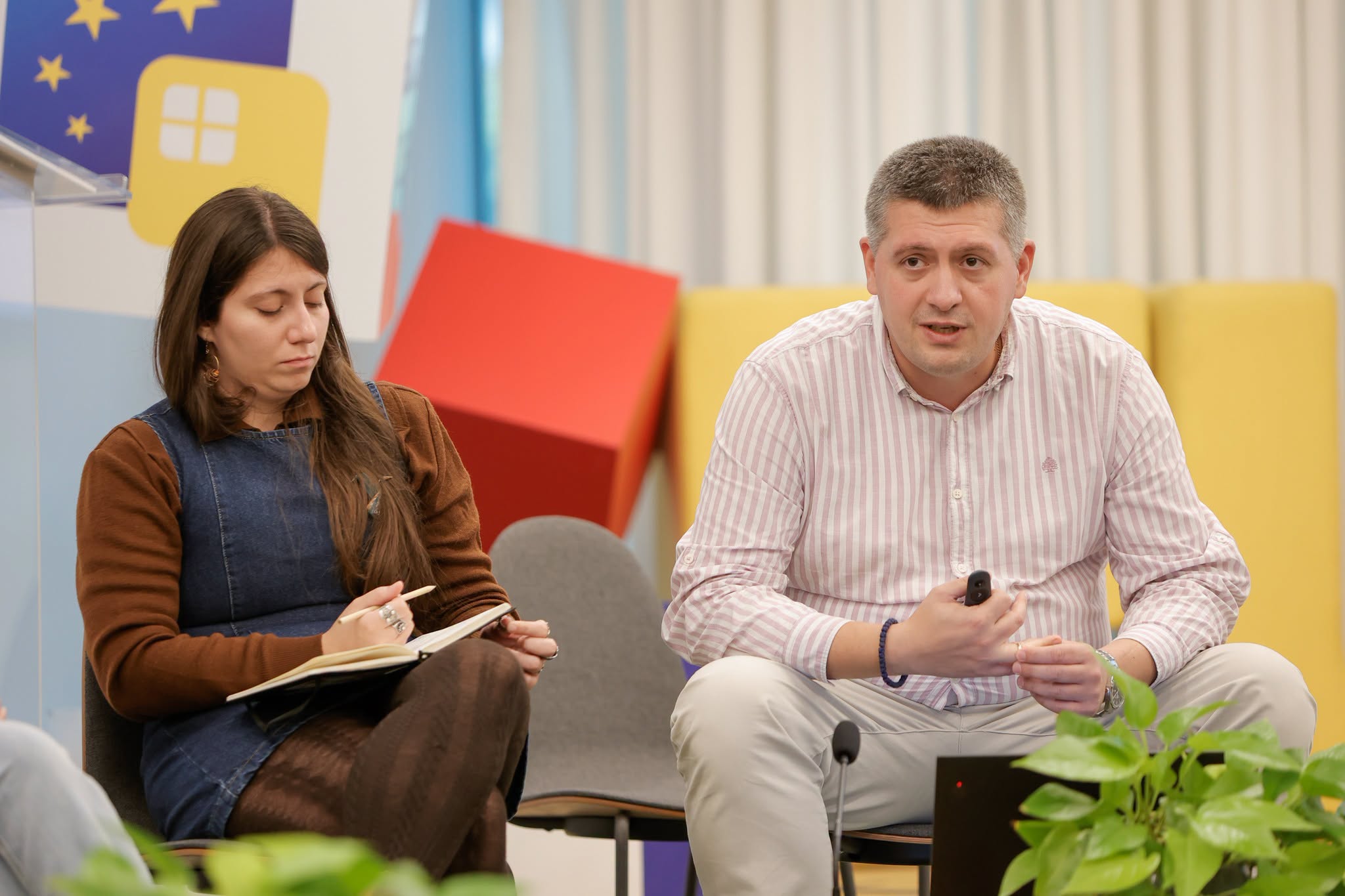
Organised by the youth organisation Kolektiv Z, LCOY2026 brought together more than 50 young people – students, activists and emerging leaders – alongside experts and representatives of institutions and civil society. Their shared goal was to explore ways to ensure meaningful, continuous and structured youth participation in climate policy decision-making.

Through discussions, presentations and exchanges with representatives of the Delegation of the European Union, UNDP, UNICEF, the Ministry of Environment and Physical Planning, and the organisation Eco-svest, participants discussed current climate challenges and the need to involve young people in shaping solutions. Particular attention was given to establishing mechanisms that would ensure youth participation goes beyond occasional contributions and becomes an integral part of decision-making processes.
The conference concluded with a powerful Youth Statement, expressing the determination, expectations and demands of a generation refusing to have its voice pushed to the margins:

“Our future is not up for negotiation. Our country is not for sale. Our voices will continue to organise, resist and rebuild the just society that we and future generations deserve.”

We believe that young people’s active participation in shaping climate policies is more than essential, as it is the younger generations who will live with the consequences of today’s decisions. Their perspectives, ideas and demands must be heard and reflected in the solutions that will help create a more sustainable future.

LCOY2026 is part of an international network of youth climate conferences held in different countries under the auspices of YOUNGO, the official youth constituency of the United Nations Framework Convention on Climate Change (UNFCCC). These conferences connect young activists and students with scientific, government and business leaders, giving them opportunities to expand their knowledge and strengthen their capacities, and prepare national youth declarations. Their messages and recommendations are then brought into broader international climate processes and negotiations, including the global UN Climate Change Conference (COP).
Babylon – New Generation 2026: Winners of the Best Student Translation Award Announced

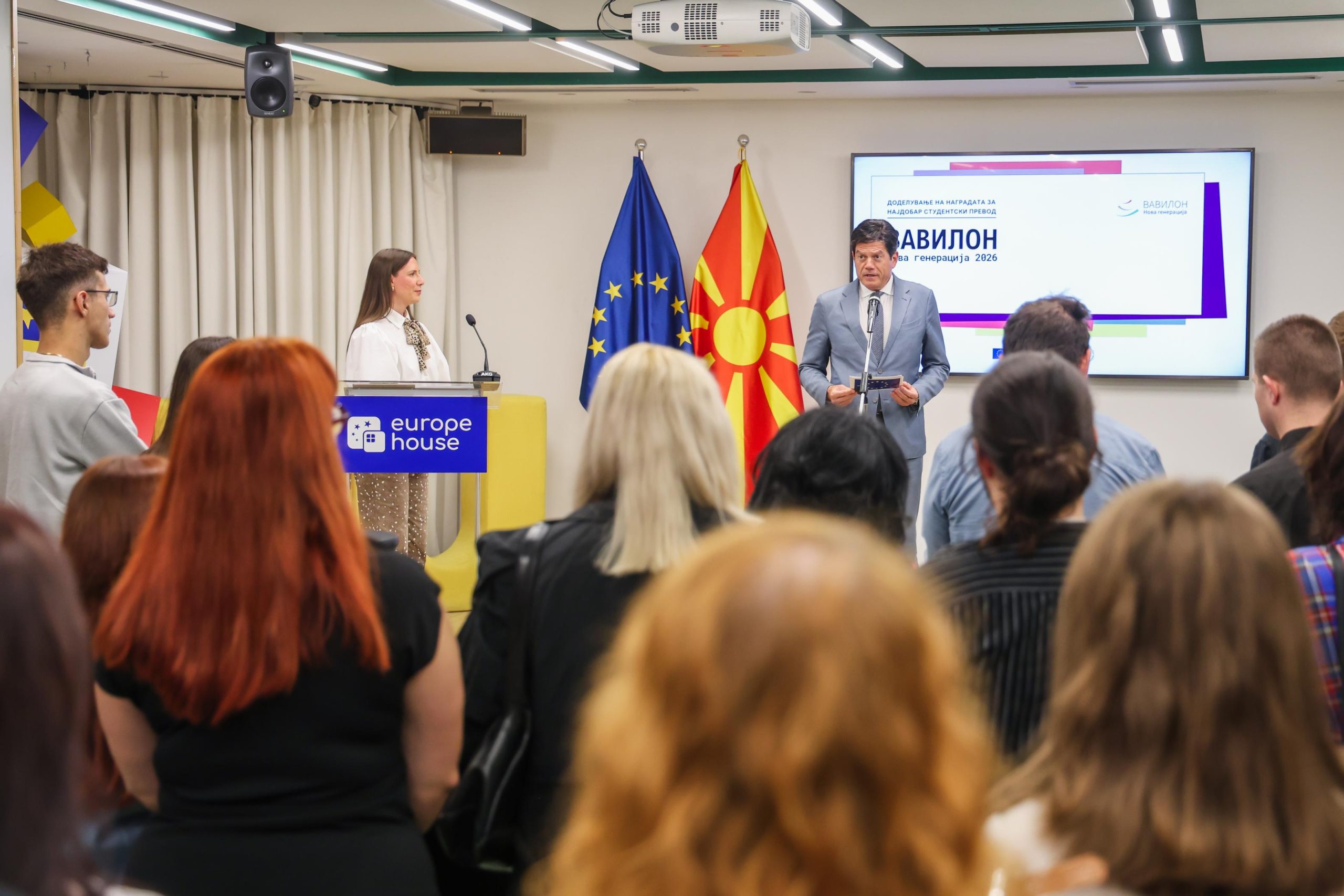
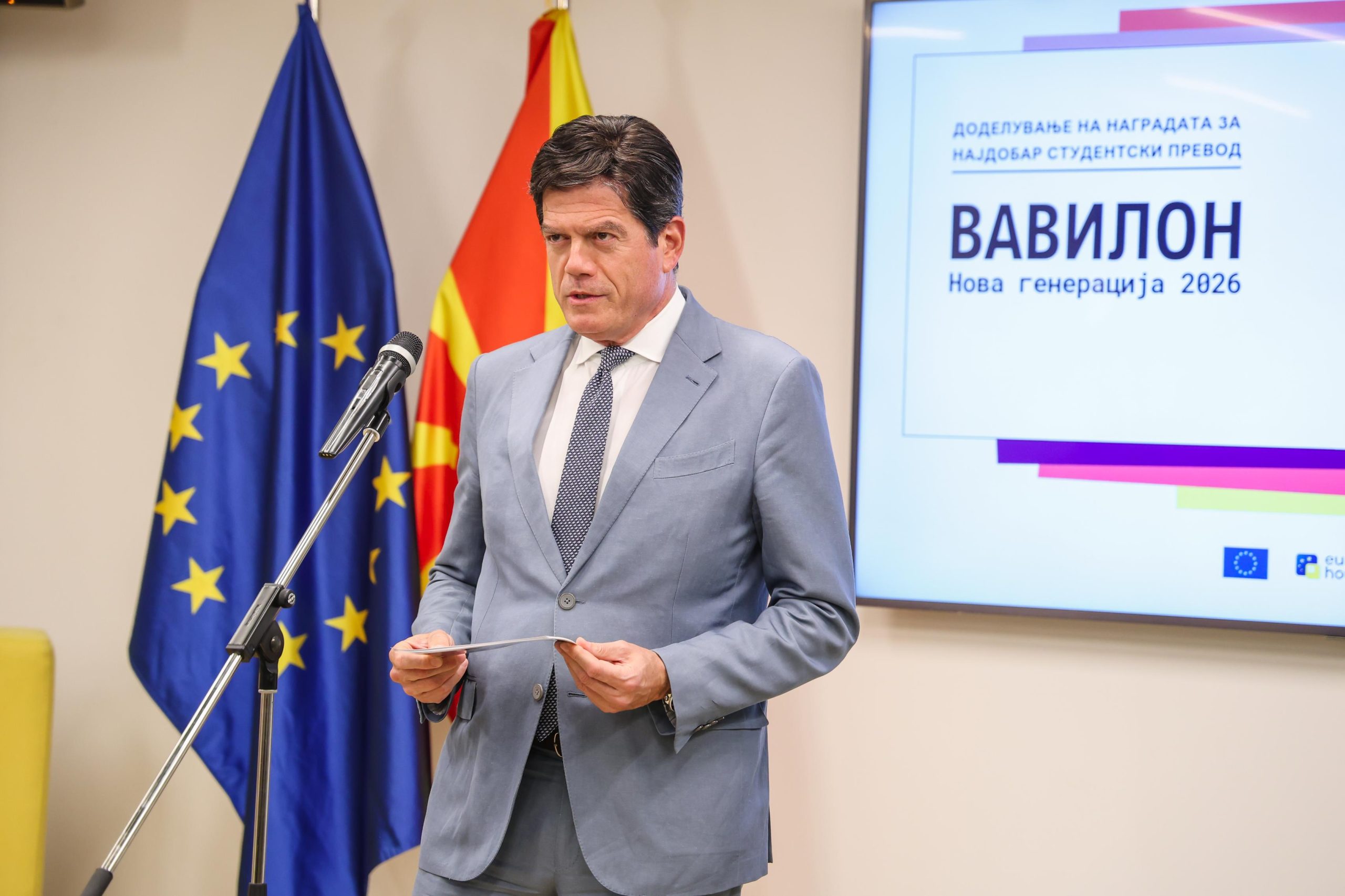
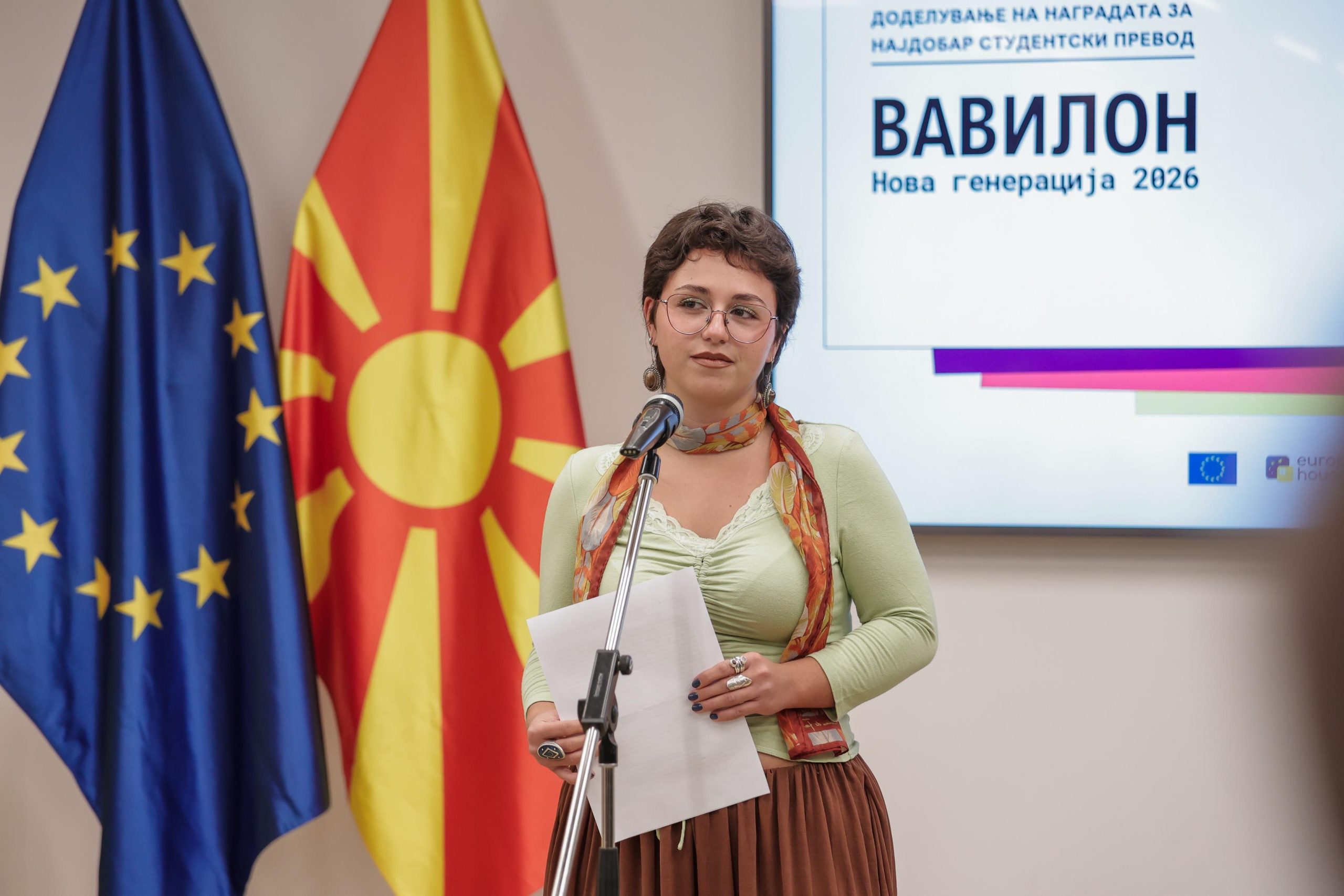
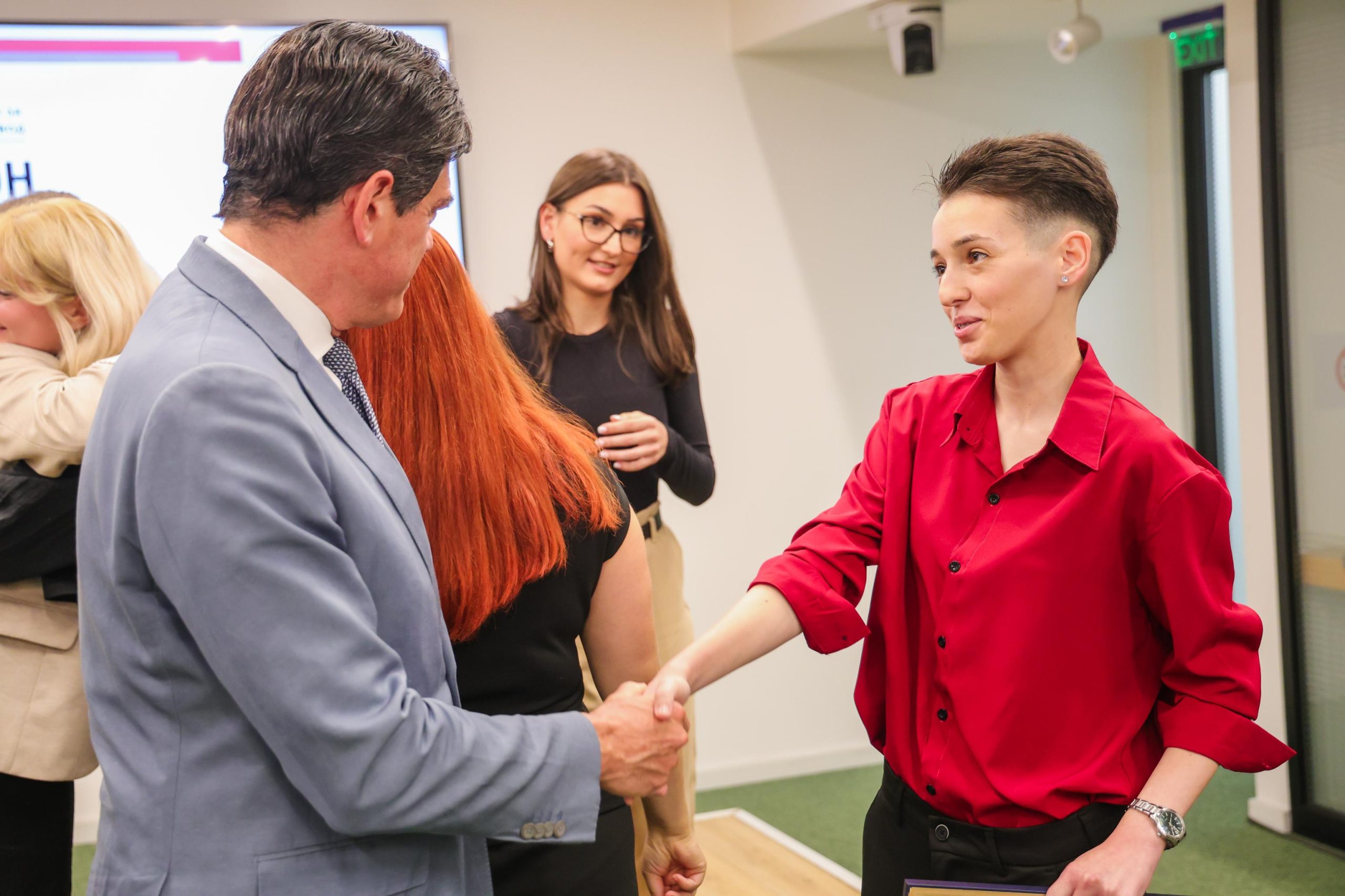
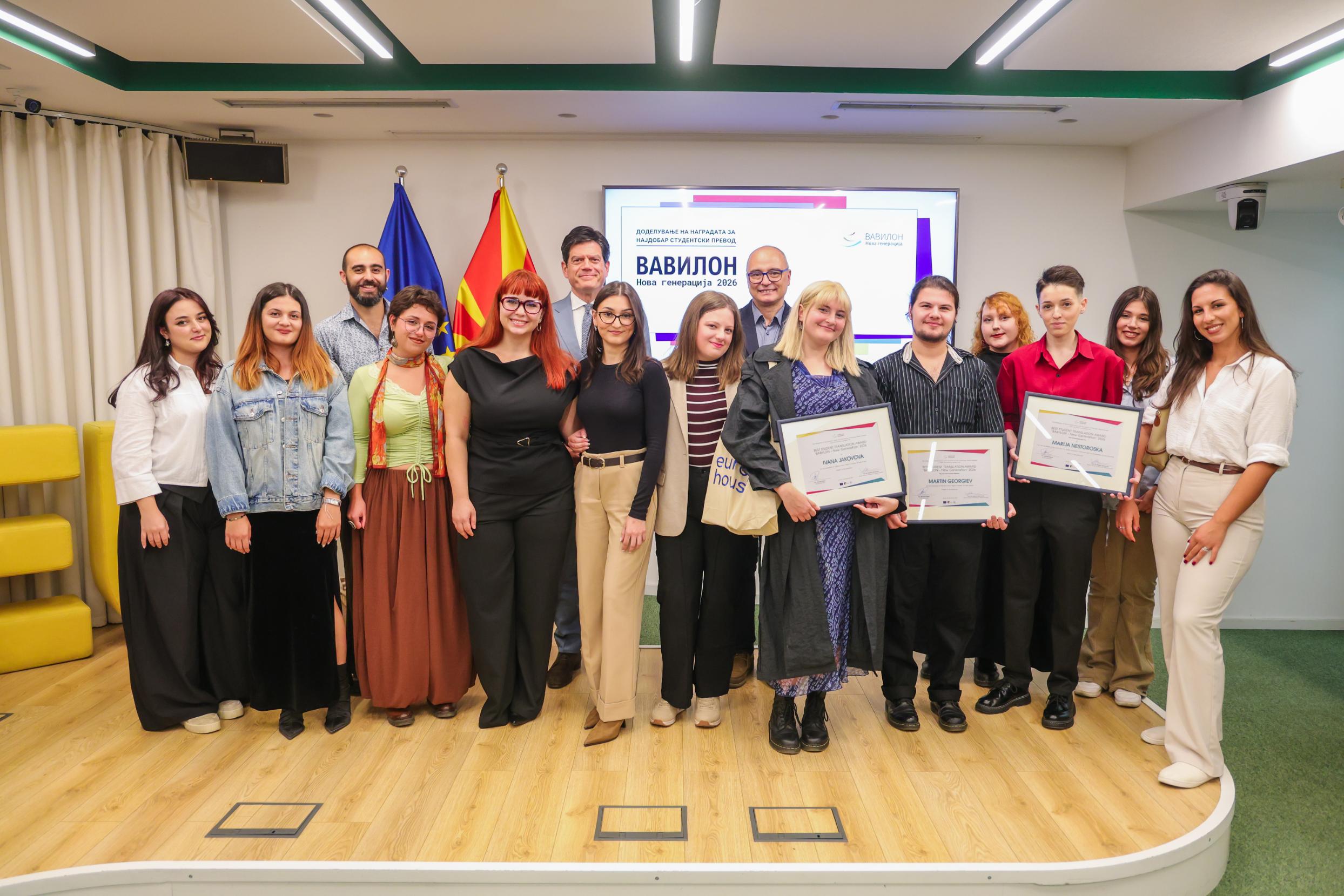
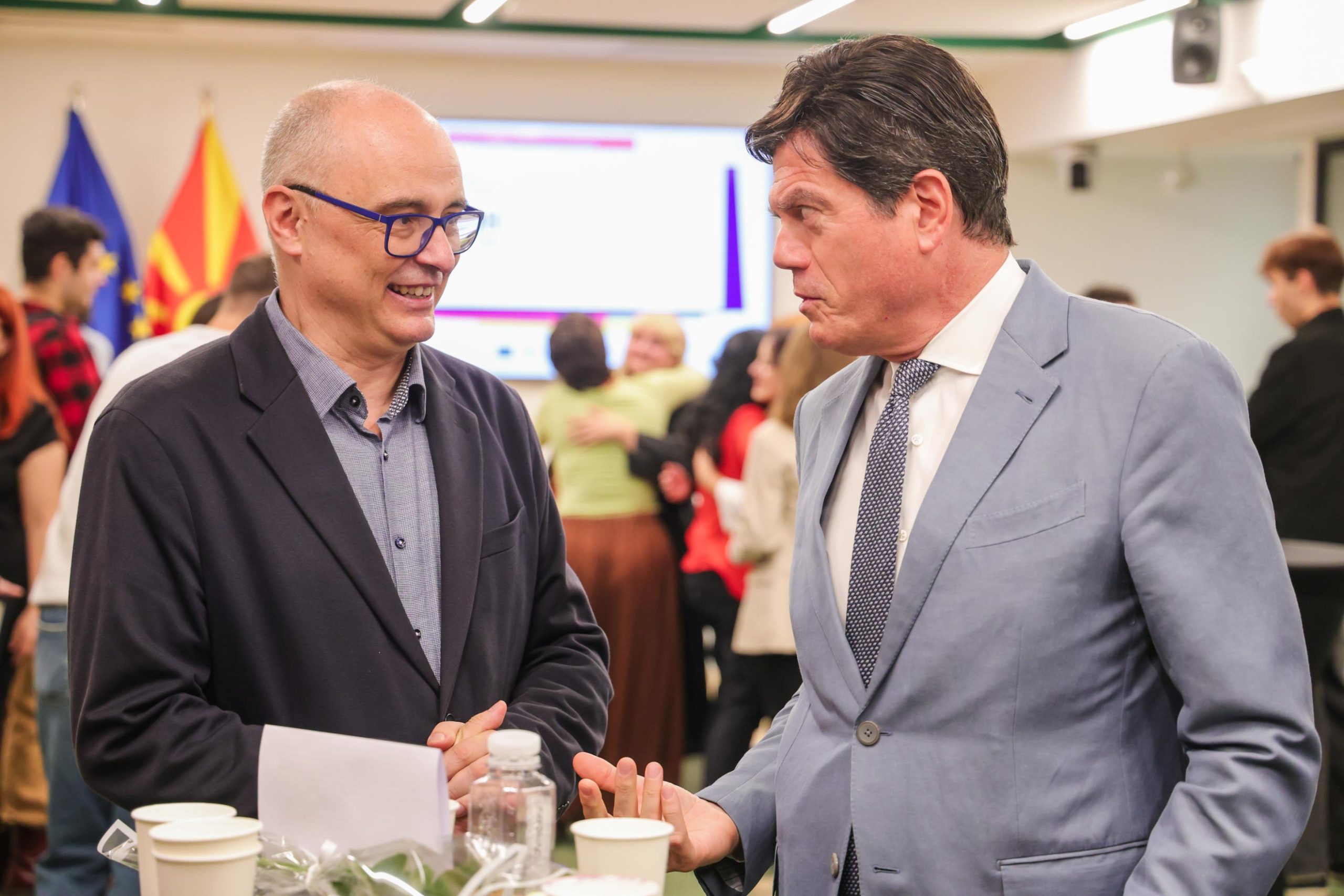
On the occasion of the European Day of Languages, the Babylon – New Generation Award for Best Student Translation 2026 was presented yesterday at Europe House Skopje. The competition is organised by the Delegation of the European Union to North Macedonia in partnership with the “Blaze Koneski” Faculty of Philology in Skopje.

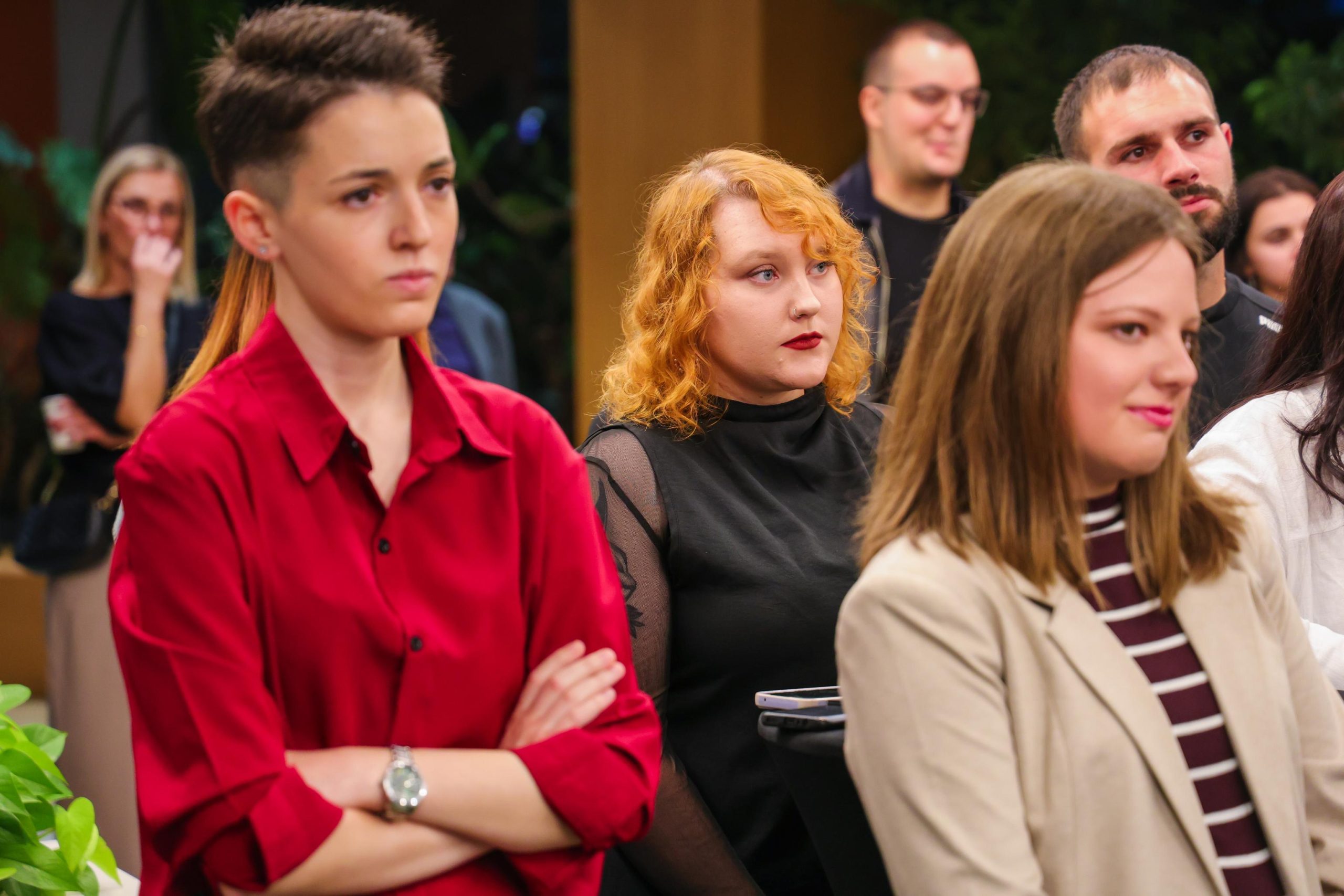
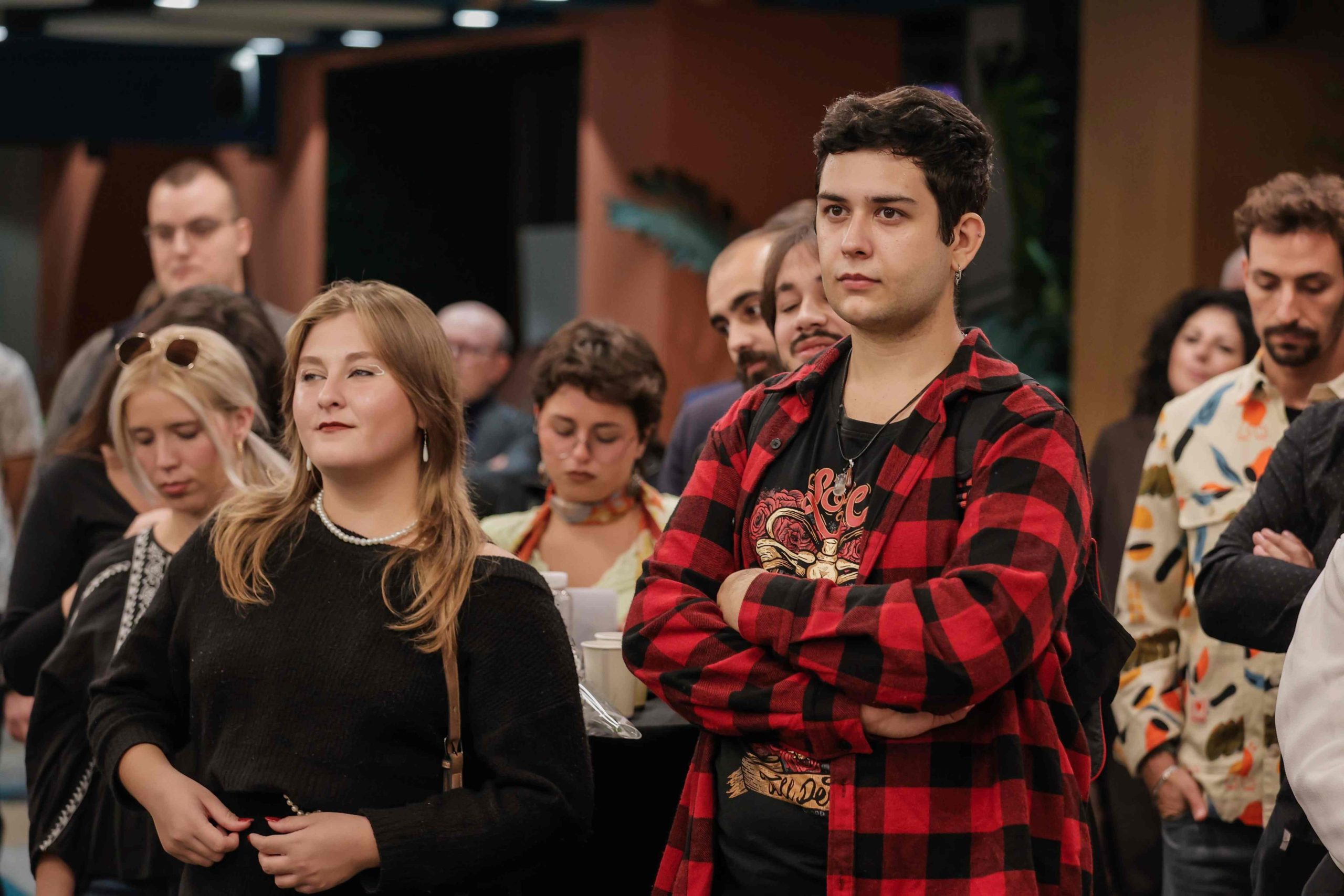
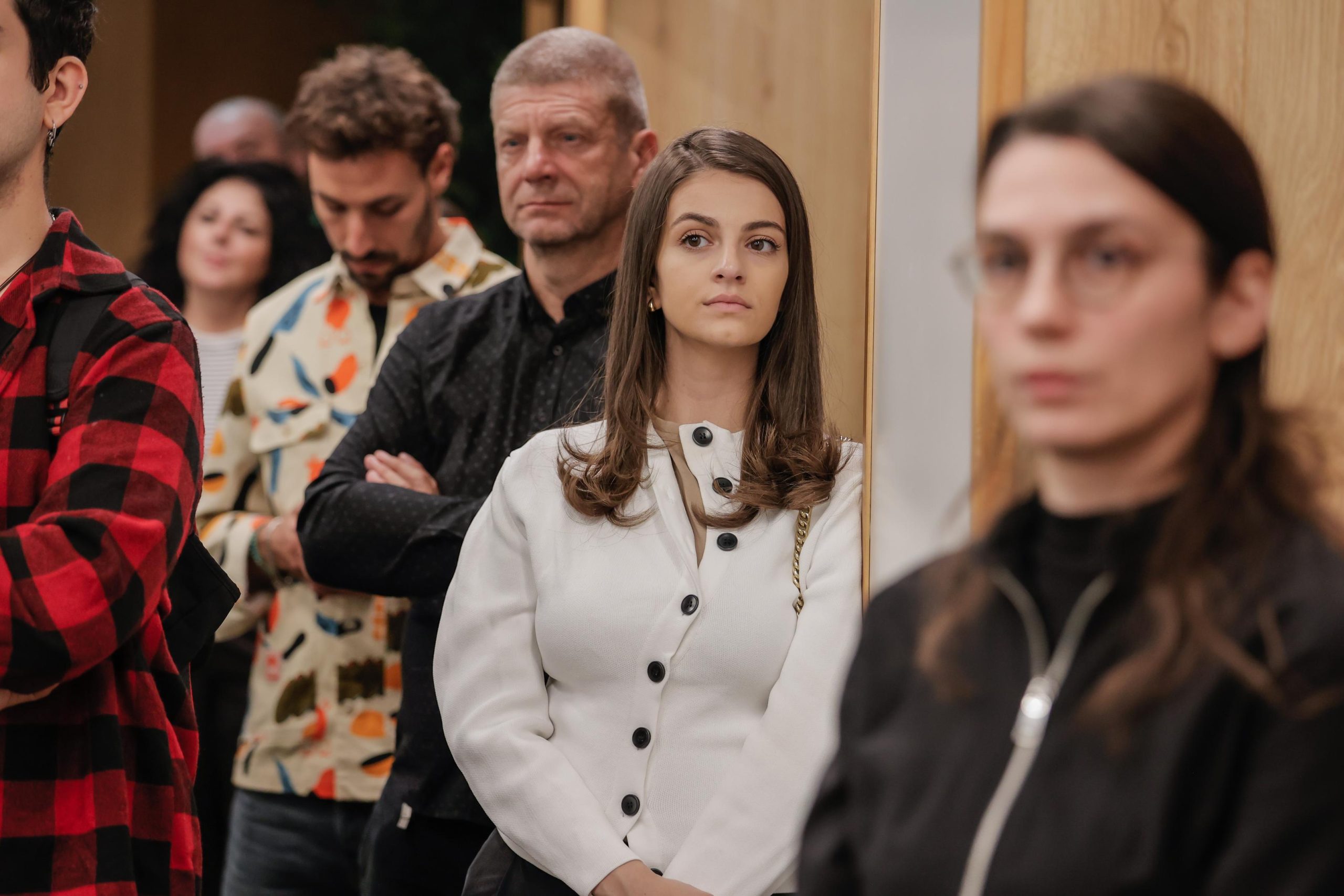
The ceremony brought together emerging translators and leading voices from the literary and academic communities to mark the finale of this year’s competition and celebrate the role of literary translation in promoting linguistic diversity.

And the Best Young Translator of 2026 is…

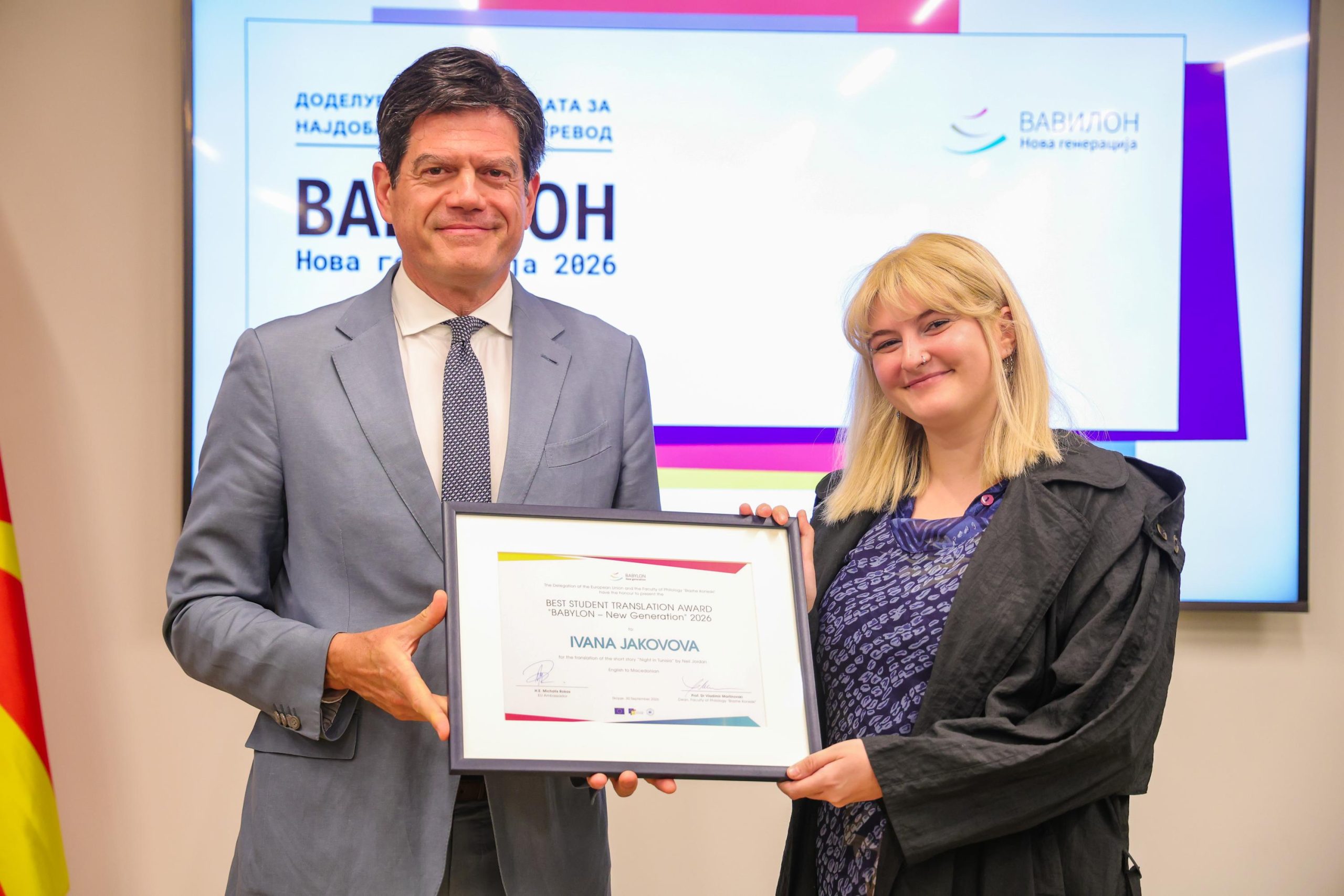
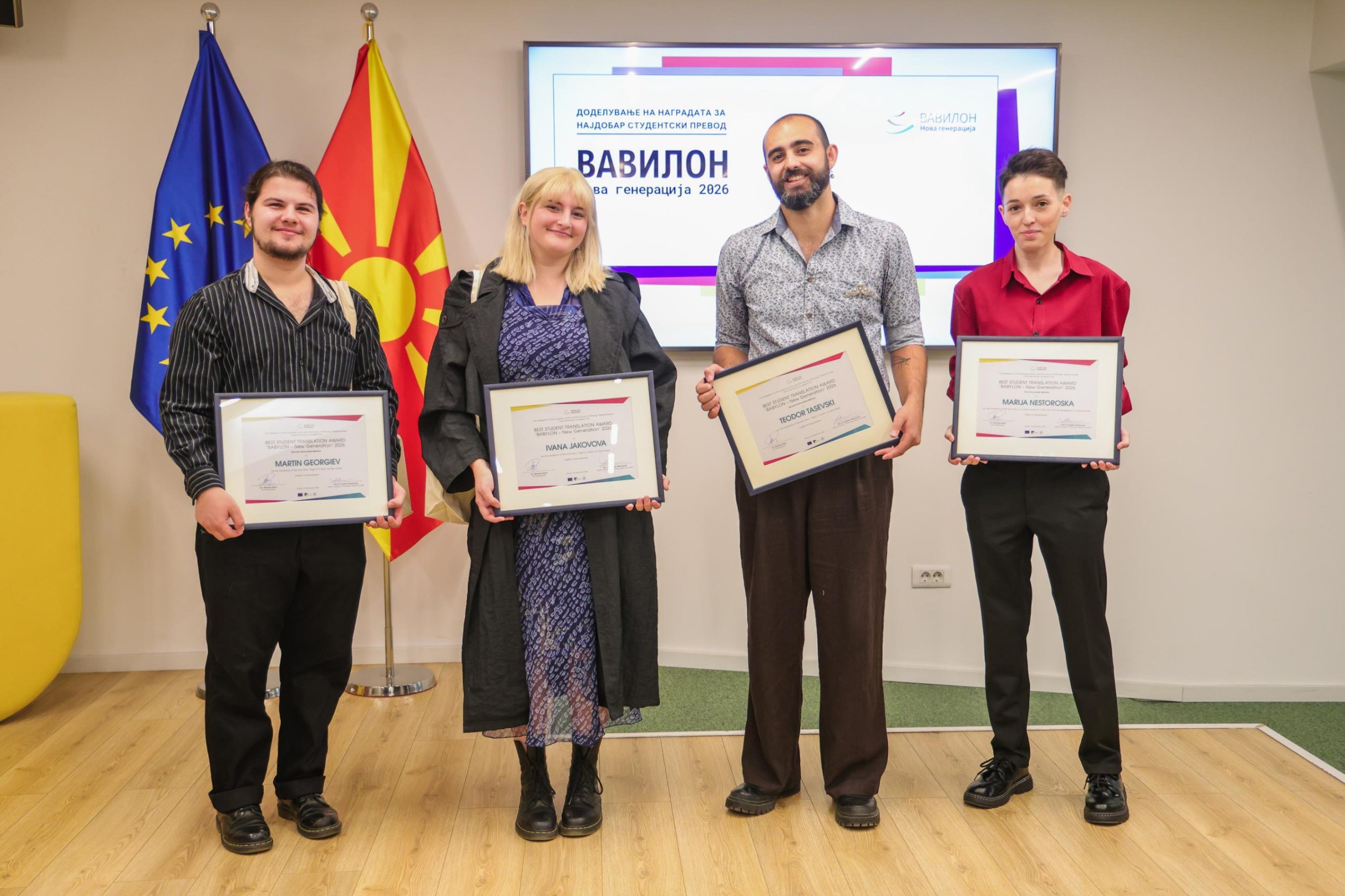
The first prize went to Ivana Jakovova for her translation of Neil Jordan’s short story Night in Tunisia from English into Macedonian. The jury, comprising established translators, university professors and writers, praised her work for its linguistic precision and creativity, as well as its faithful rendering of the author’s voice and style.

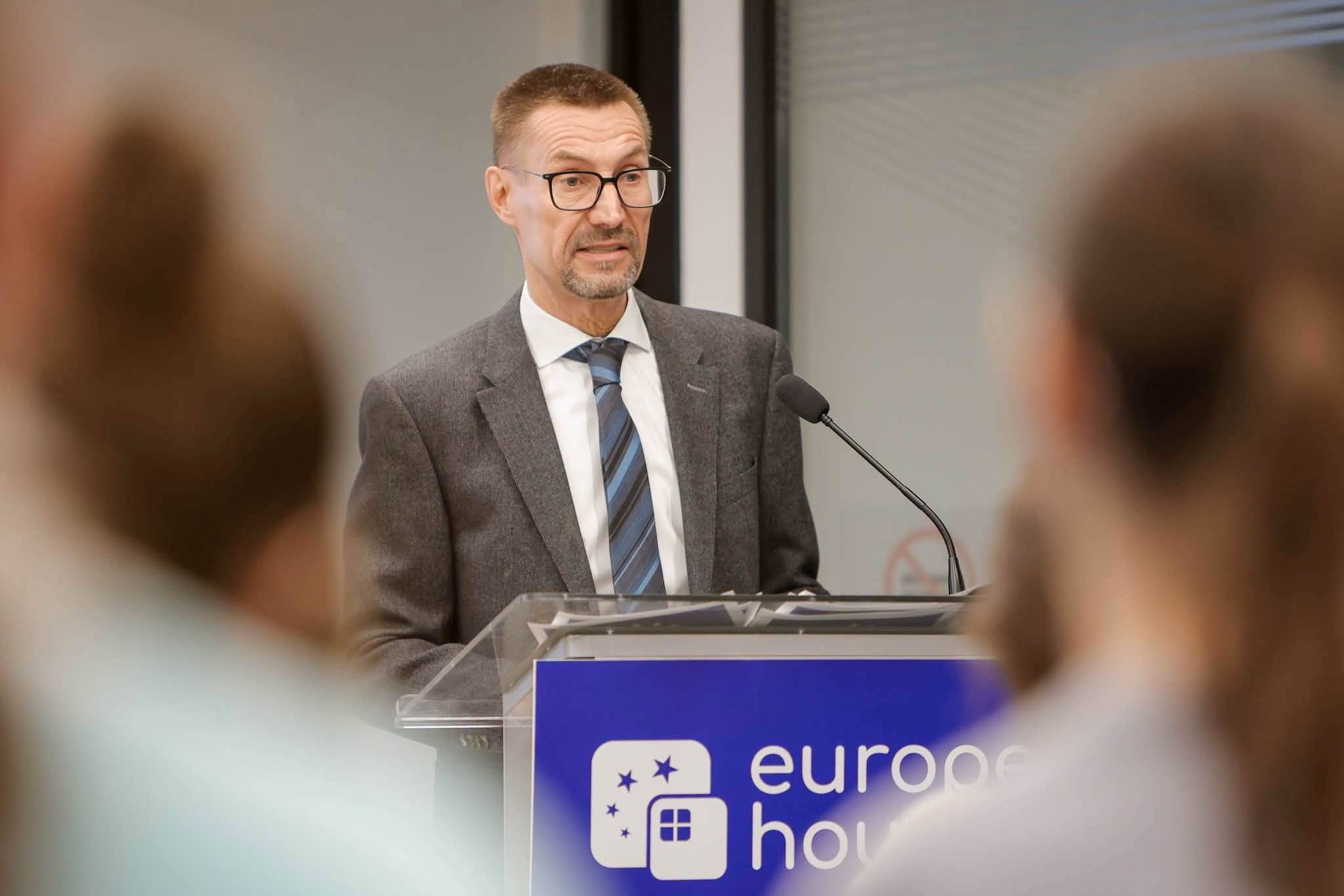
The award was presented by European Union Ambassador Michalis Rokas. It includes a study visit to help Ivana further develop her translation skills, as well as the publication of her winning work in the annual collection of the “Blaze Koneski” Faculty of Philology. The recognition marks an important step in her journey as a translator and opens up new opportunities for professional growth.

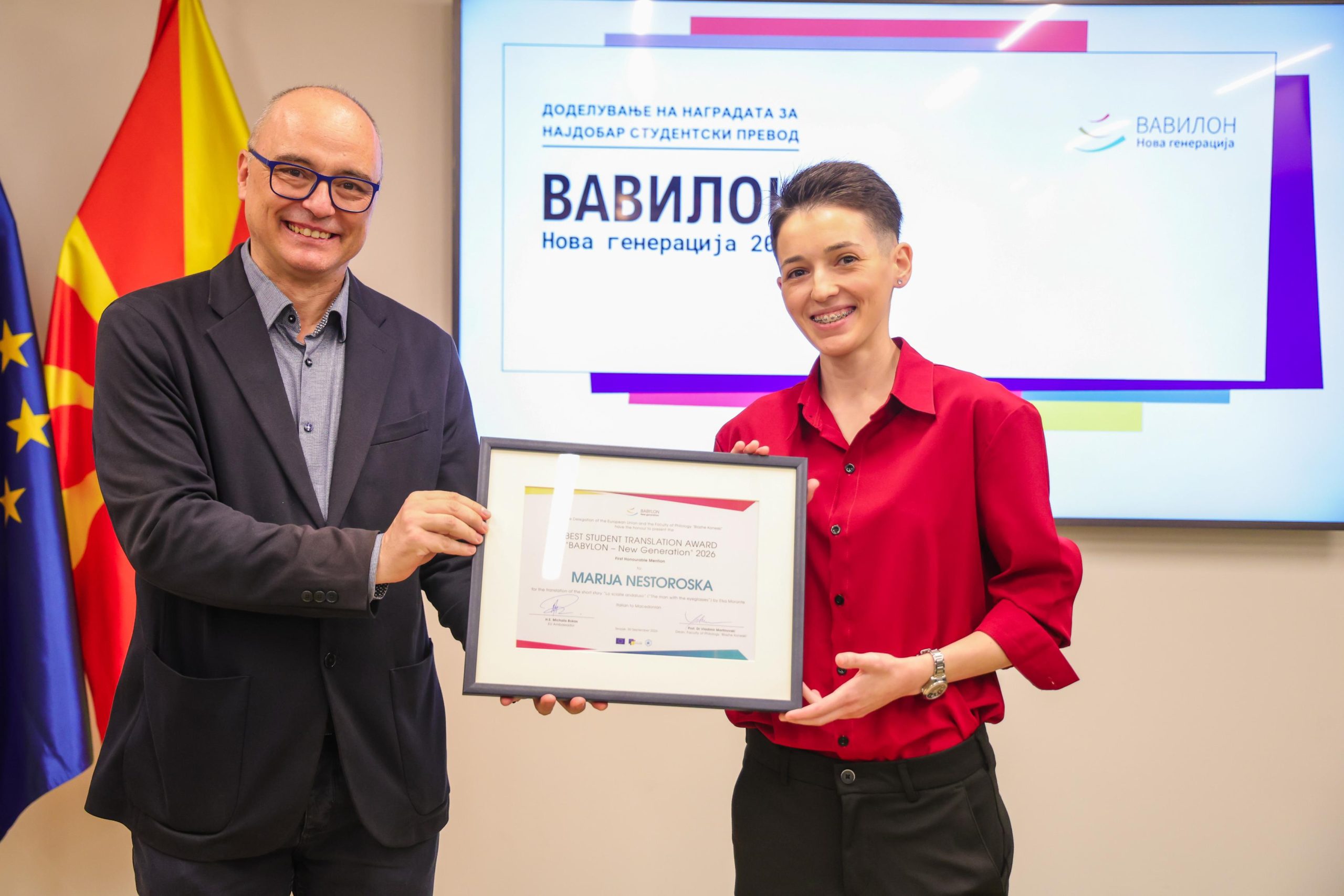
In addition to the main prize, the jury awarded two honourable mentions. The first went to Marija Nestoroska for her translation of Elsa Morante’s short story Lo scialle andaluso (The Man with Glasses) from Italian into Macedonian. The honourable mention was presented by Prof. Dr Vladimir Martinovski, Dean of the “Blaze Koneski” Faculty of Philology.

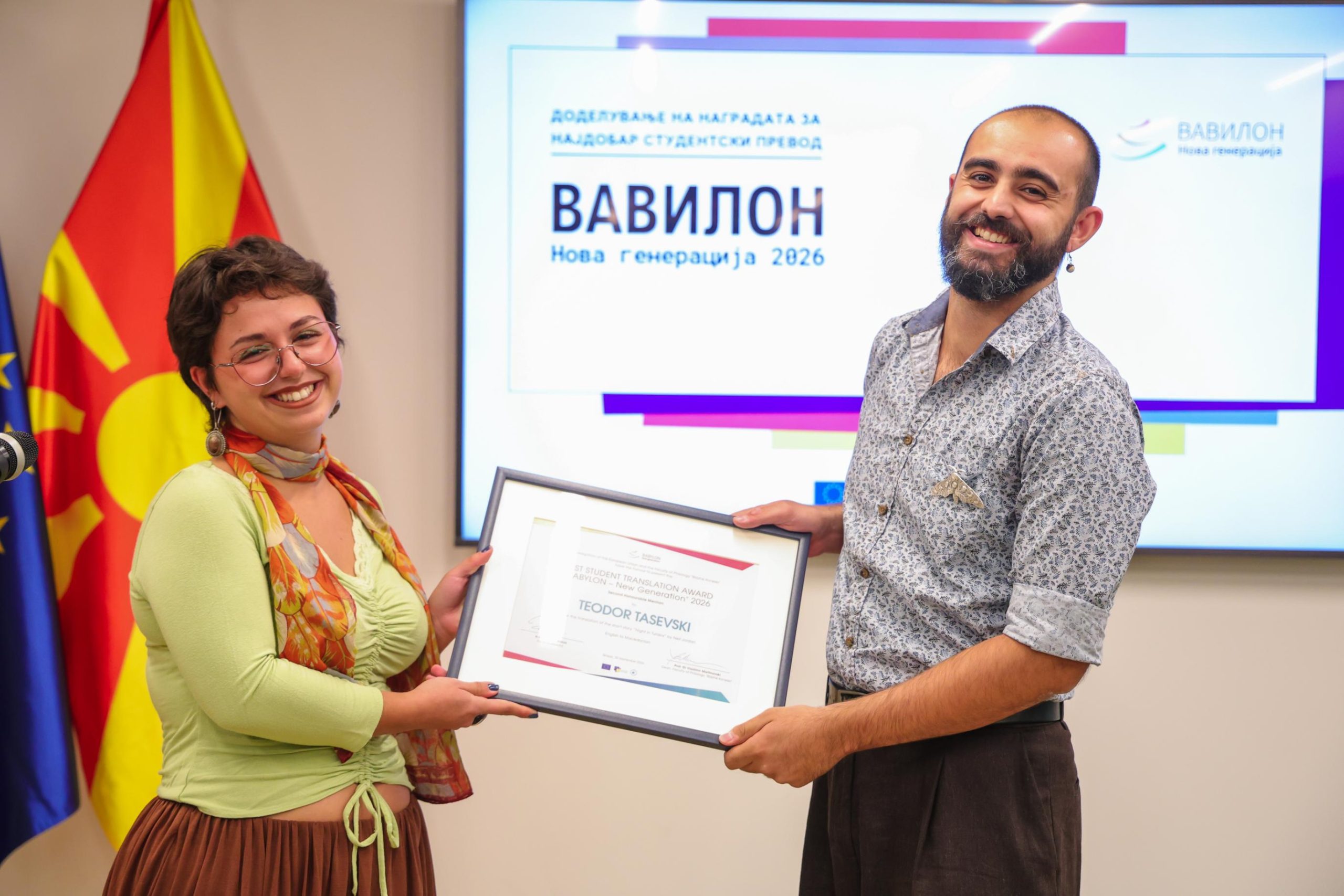
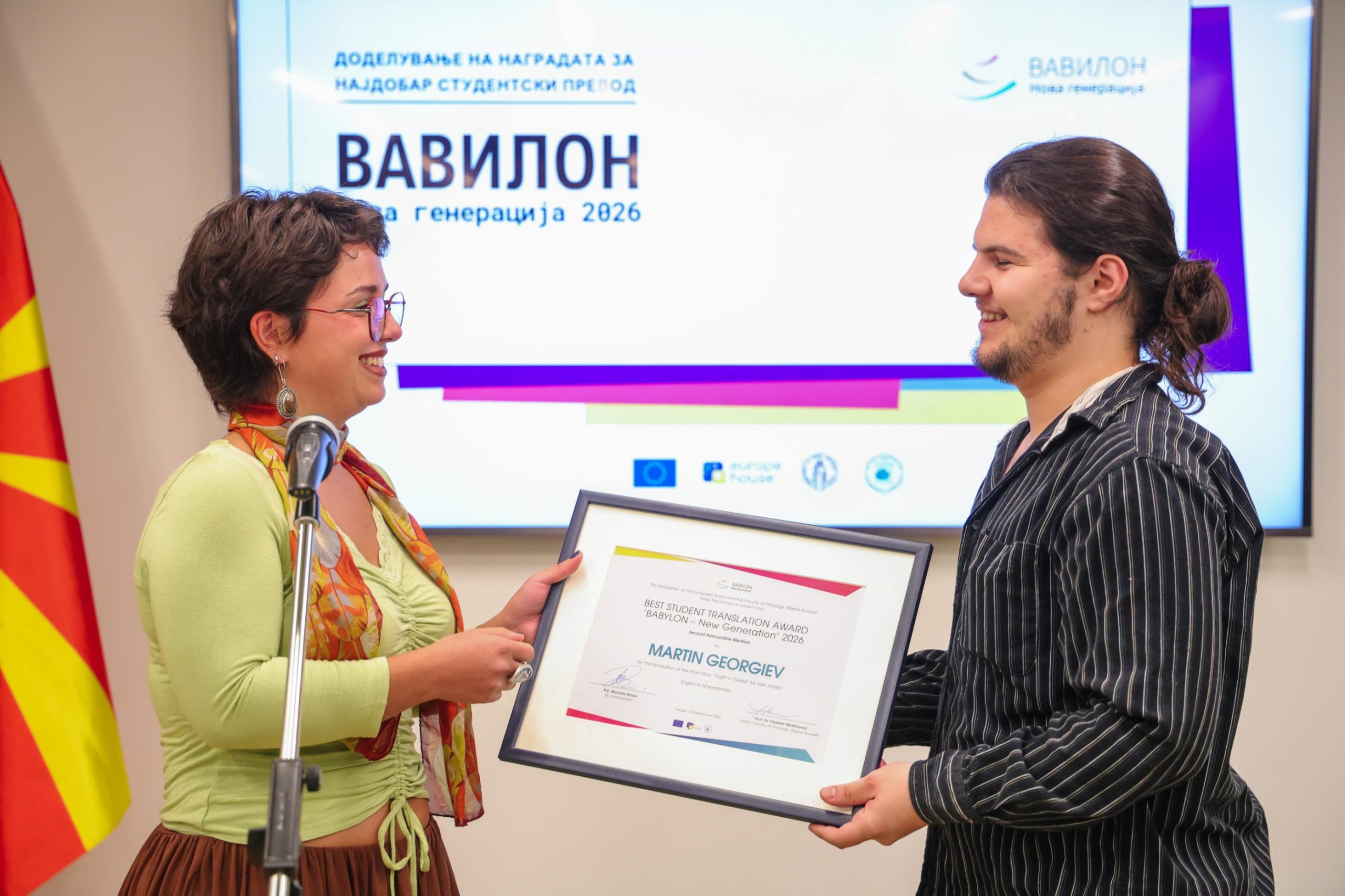
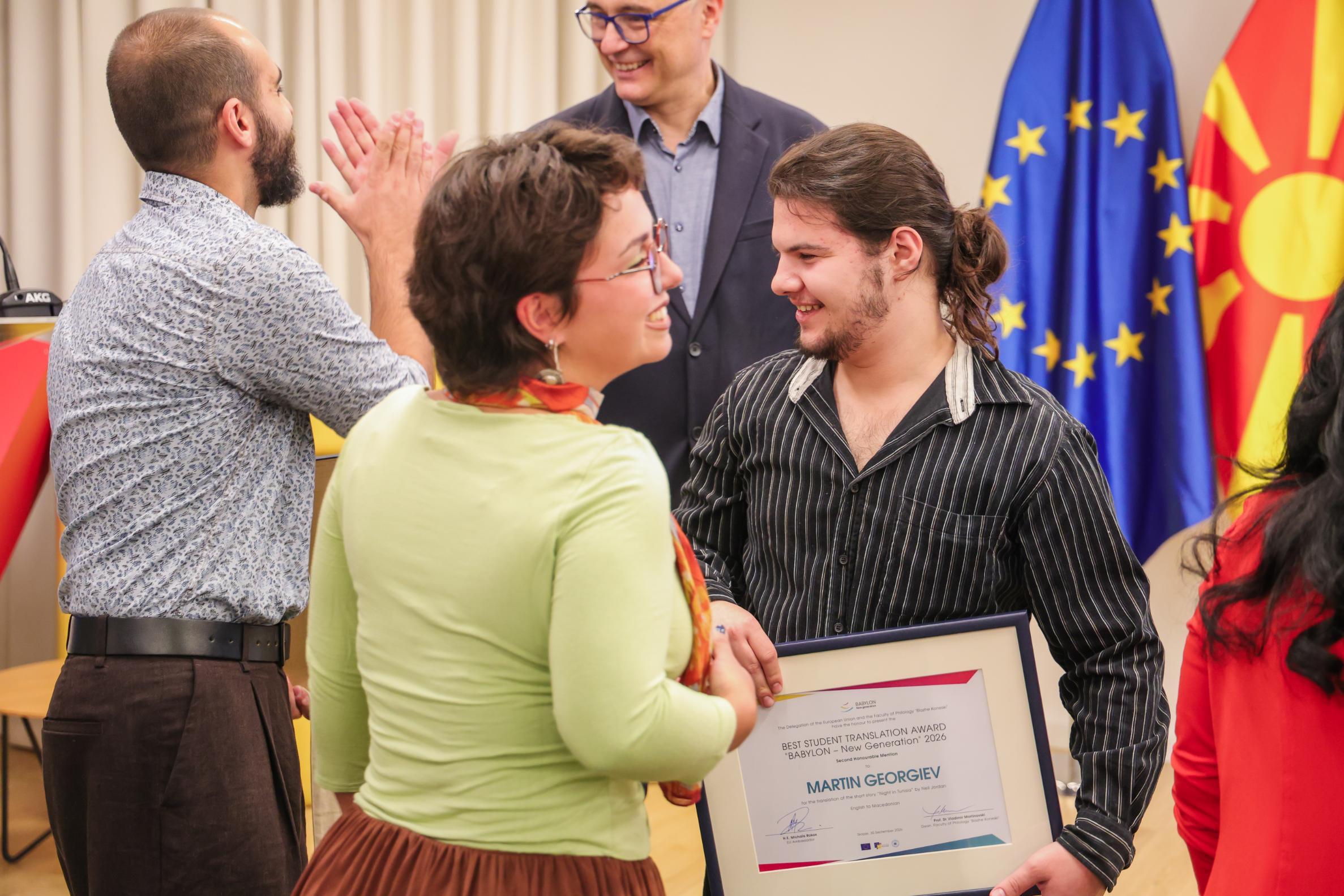
The second honourable mention was shared by Martin Georgiev and Teodor Tasevski for their translations of Neil Jordan’s Night in Tunisia from English into Macedonian.

A Student Literary Translation Residency in Struga

Within the framework of the Babylon – New Generation competition, this year’s student literary translation residency once again brought together aspiring translators to hone their skills under the guidance of experienced mentors. From 23 to 25 April, in Struga, the students worked with Sanja Mihajlovikj Kostadinovska, Eli Pujovska and Dusko Krstevski, who guided them through a carefully designed programme of workshops and sessions exploring different aspects of the translation craft.

The residency gave students an opportunity to develop their practical and professional skills beyond the university classroom, encouraging them to explore new word formations, narrative styles and cultural contexts. Alongside gaining new knowledge and experience, the residency also helped foster new friendships and open up opportunities for future collaboration.

At the end of the residency, participants were assigned a short story to translate from one of the 24 official languages of the European Union into one of the languages spoken in the country, in line with their respective language combinations. The selected stories had not previously been translated into the local languages. The completed translations were then submitted anonymously for consideration for the Best Student Translation Award.

Babylon: Different Languages, One Shared Space for Literature

The Babylon – New Generation competition and student residency are rooted in the ideas of collaboration, intercultural dialogue and literary exchange. Inspired by the myth of the Tower of Babel, in which linguistic diversity is portrayed as both a blessing and a barrier to understanding, the initiative highlights the role of translation as a bridge between languages and cultures.

Through the competition, students have the opportunity to translate previously untranslated literary works while contributing to the preservation and enrichment of linguistic heritage. In doing so, Babylon – New Generation supports emerging translators, promotes high-quality literary translation and creates opportunities for European literature to reach a wider readership.

The next edition of the Babylon – New Generation competition will open for applications in early spring 2027, continuing its support for young translators and their role in bringing languages and cultures closer together.

WEAR THE CHANGE — A Year-Long Platform for Gender Equality

Every third woman in North Macedonia over the age of fifteen has experienced harassment or violence. The country has some of the highest femicide rates in Europe. Women earn 12% less than men and do 72.5% of the unpaid care work.

Behind these numbers is a reality we live with every day and barely react to. A woman who left a job she was good at because the care at home was hers by default. A report on threats that was filed and went nowhere. A room where decisions are made with no woman in it. None of it should pass. Not once.

This is why Team Europe and the EU Delegation launched Wear the Change. Not a single commemoration of International Women’s Day, but a campaign that runs throughout the year, across the country, from March until the 16 Days of Activism in November.

Anchored by thought-provoking art from popular local illustrator Ruki Chuki, the campaign travels city by city: Skopje, Veles, Tetovo, Struga, Bitola, Strumica. In each city, ambassadors of EU Member States sit at the table with civil society organisations, municipal representatives and law enforcement to open difficult conversations around seven localised topics:

Who Pays the Bill

The Broken Shield

The Empty Chair

The Invisible Patient

The Endless Shift

The Harvest Without Her Name

Who Codes the Future

Equality is not decided only in institutions. It is decided in who gets hired and who gets promoted, in whether a woman is asked at a job interview if she plans to have children, in which parent stays home when the child is sick. In who speaks at a meeting and who gets interrupted. And in what happens when a woman says someone is threatening her, and whether anyone takes it seriously.

The law covers part of that. The rest depends on us.

When the law is not applied, ask the institution why and report it. Do not treat violence in a family as a private matter.

Wear the change where you are. At home, at work, in the room where the decision is made.

Links:

Skopje, March – Who Pays the Bill: The Cost of Inequality

Veles, April – The Broken Shield: Gender-Based Violence and Institutional Protection

Tetovo, July – The Empty Chair: Women in Politics

Struga, July – Who pays the Bill: The Cost of Inequality

Strumica, October – The Harvest Without Her Name: Rural Women and Their Unseen Labor

Skopje, November – Who Codes the Future? Girls in STEM


Subscribe To our newsletter!