News Archives - Europe House

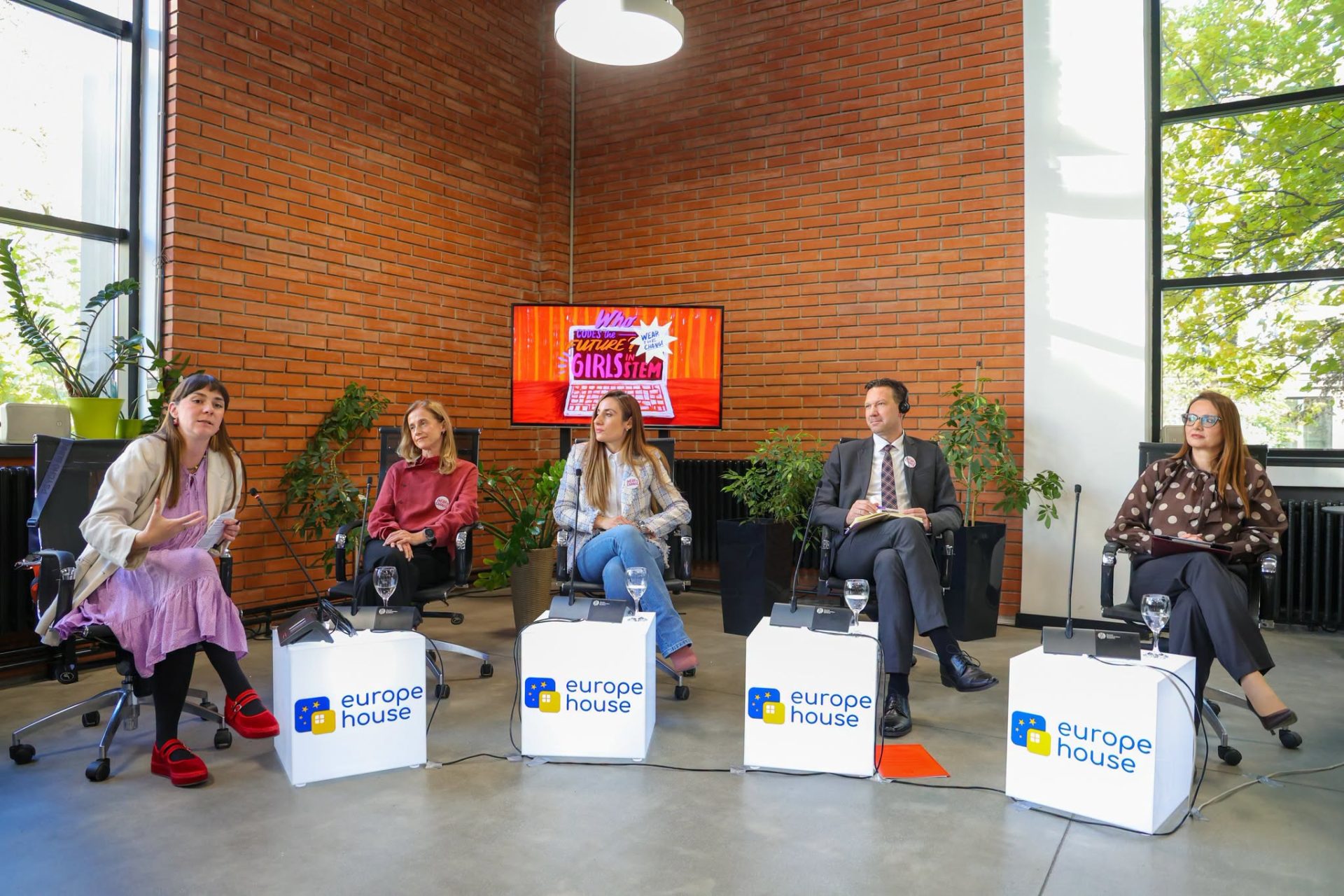
“Who Codes the Future?”: Panel Discussion on Girls and Women in STEM

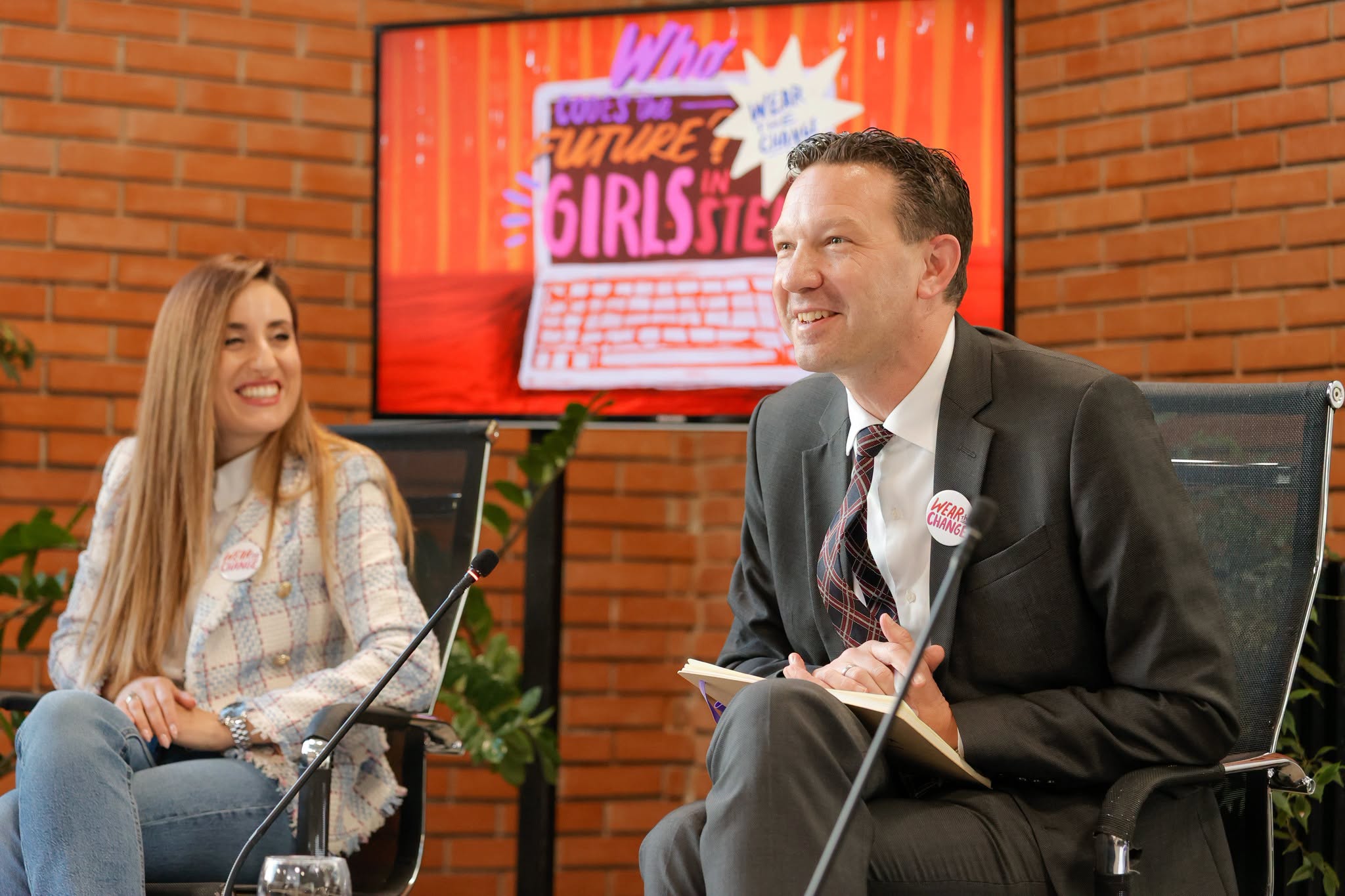
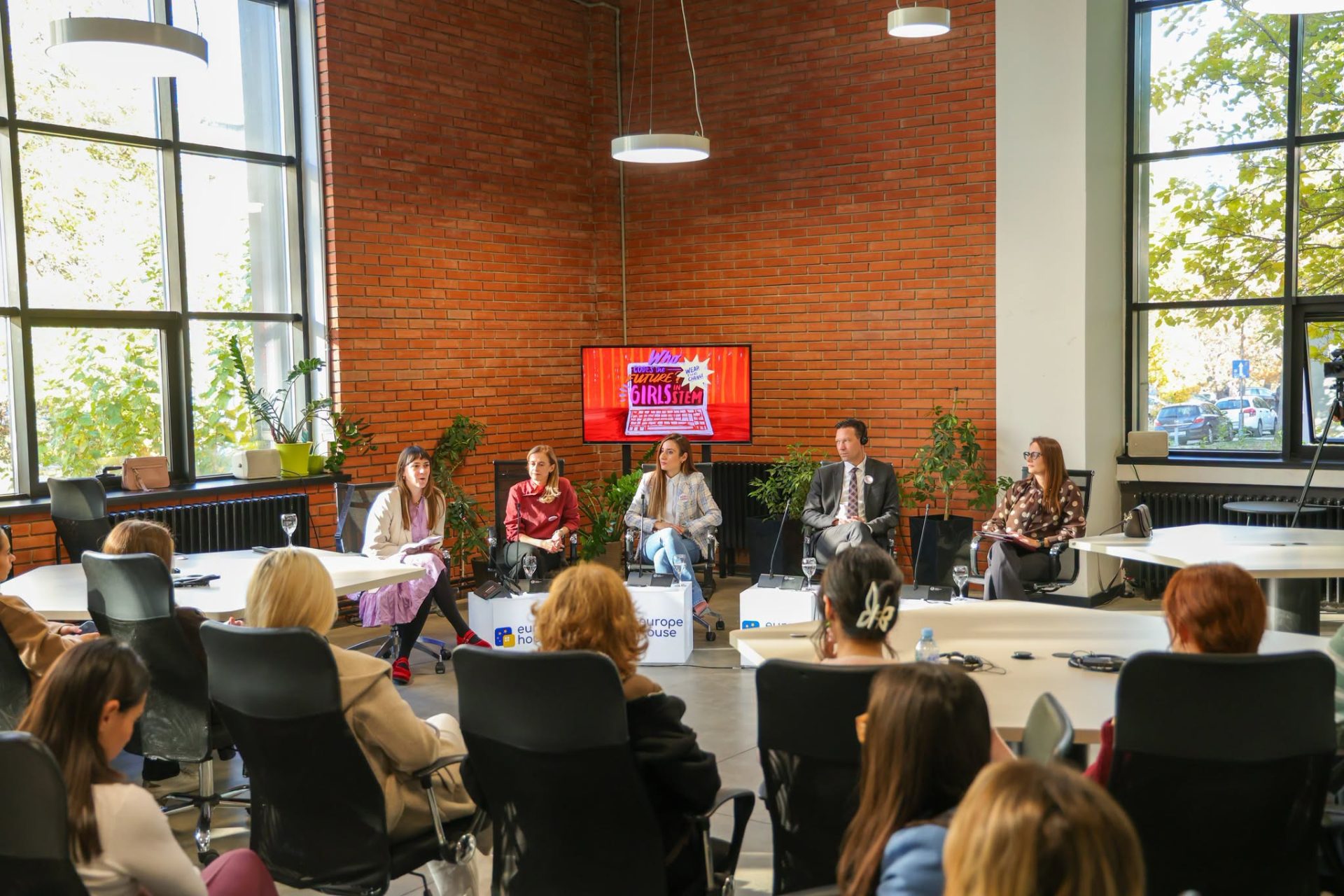
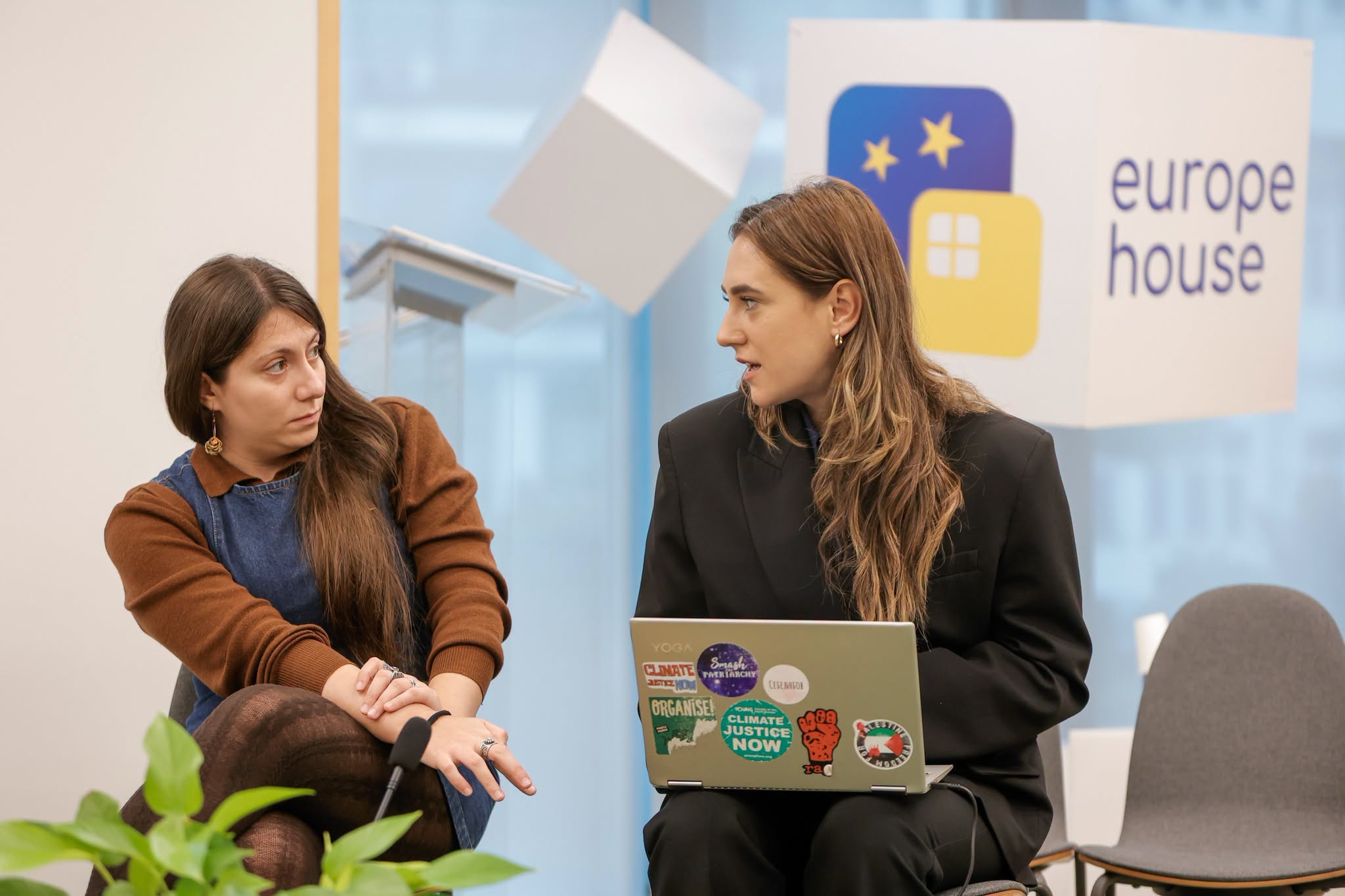
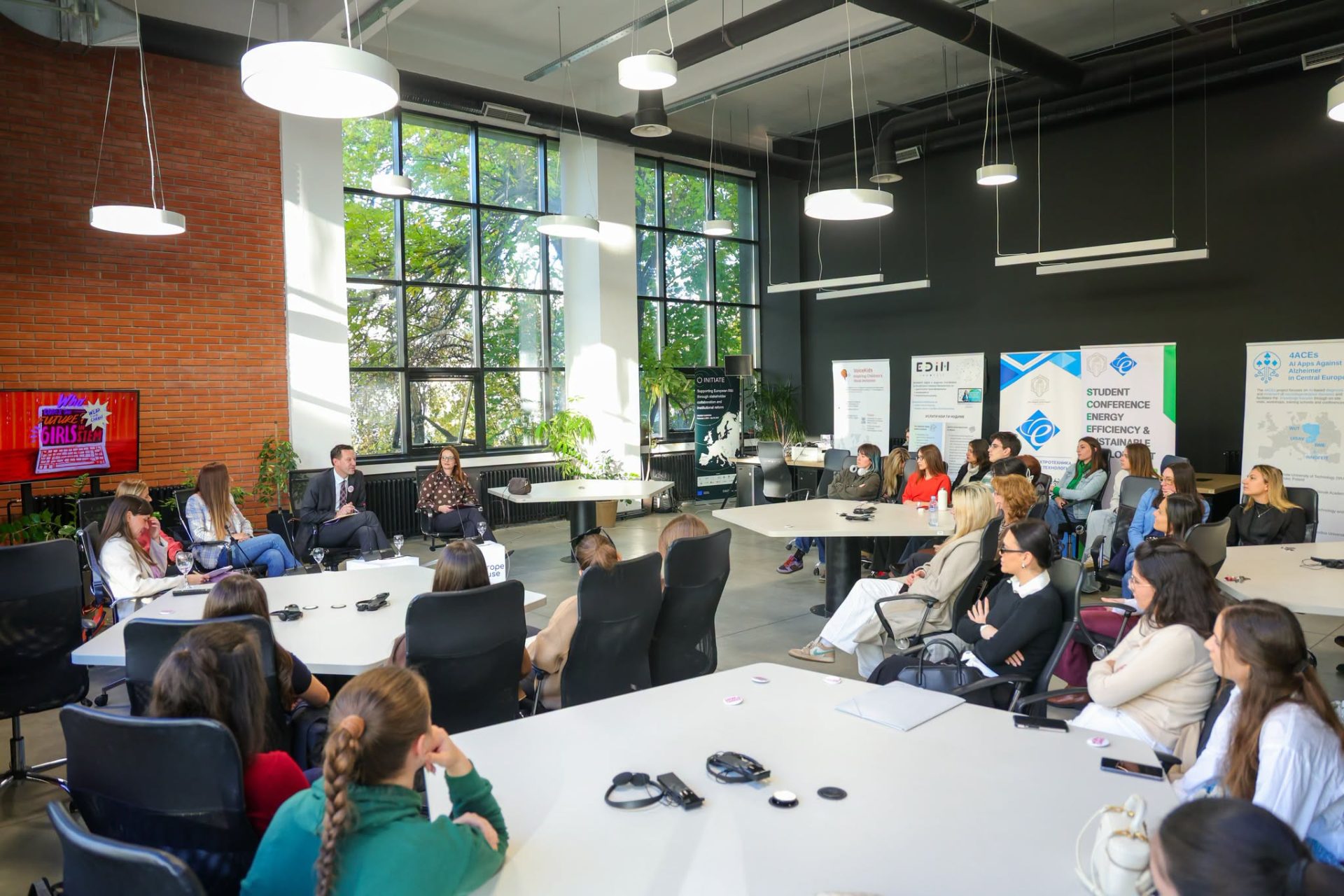
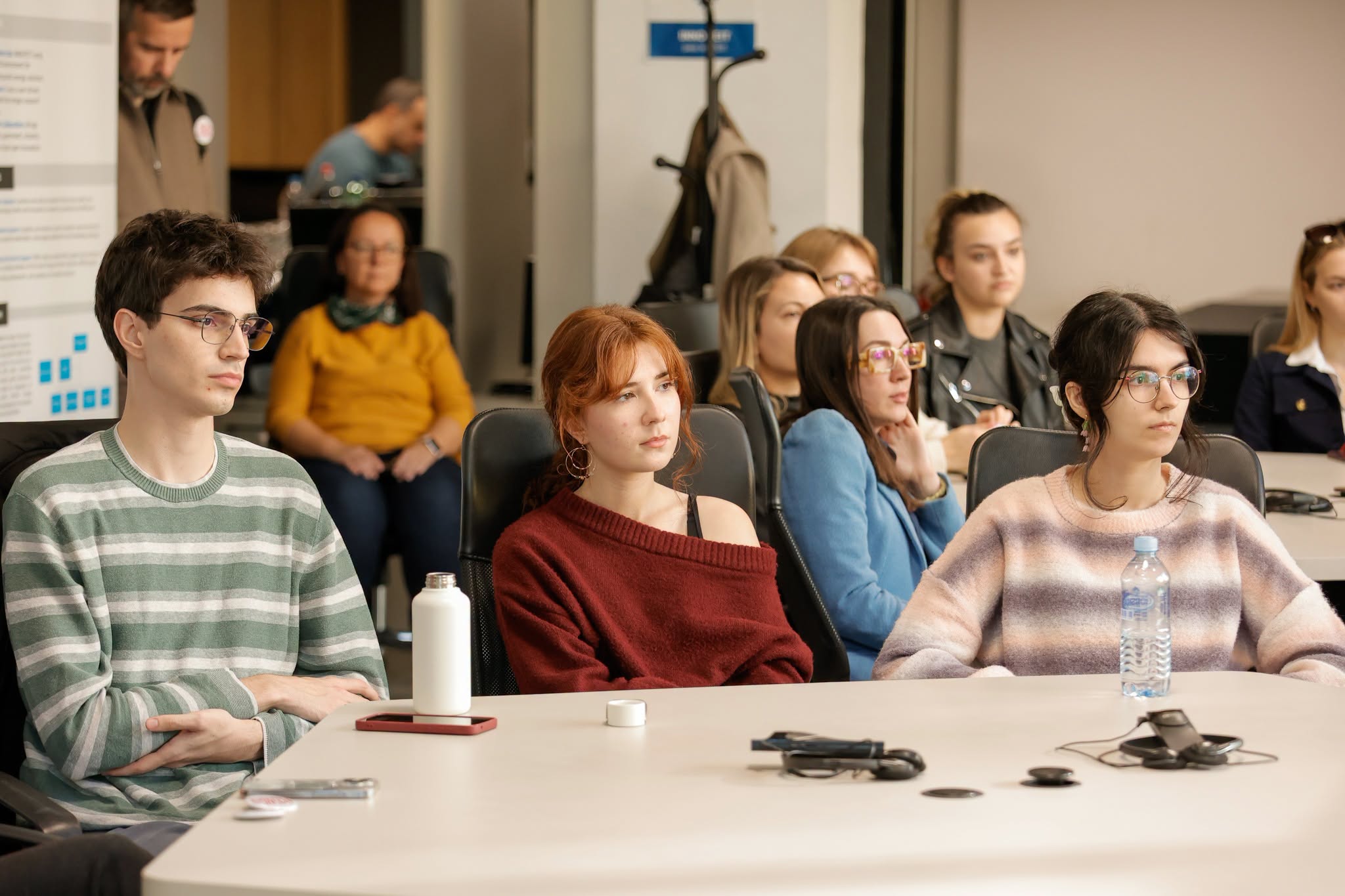
How can we break down gender barriers in science, technology, engineering and mathematics (STEM) and create more opportunities for girls and women in the digital world? These were the key questions explored at the panel discussion “Who Codes the Future? Girls in STEM” – part of the Wear the Change campaign and national caravan, launched by Europe House and the Delegation of the European Union.

Held at the UKIM’s Tech Campus in Skopje, the discussion addressed the gender gap, stereotypes and institutional barriers, as well as the need to ensure equal access to education, professional development and leadership positions in the technology sector.

Despite women accounting for around 70% of graduates in natural sciences and mathematics and making up more than half of the country’s researchers, their representation in technology-related professions remains significantly lower. And while women make up 33% of ICT graduates, they represent less than a quarter of the sector’s workforce. A lack of support and visible female role models, coupled with a sense of not belonging, continues to influence girls’ educational and career choices.
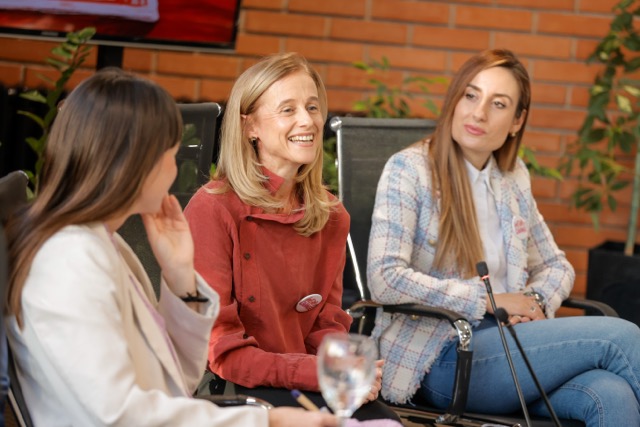
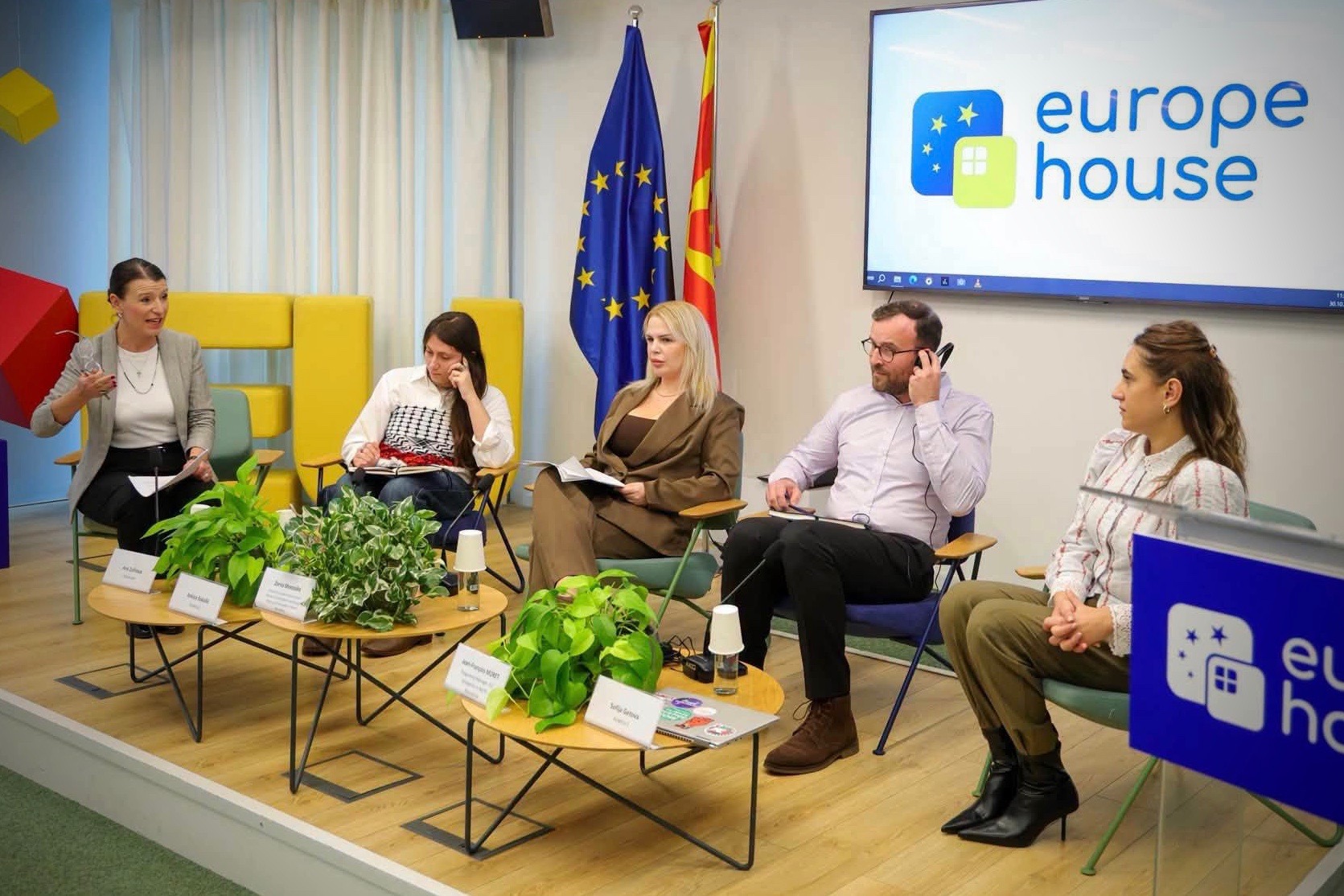
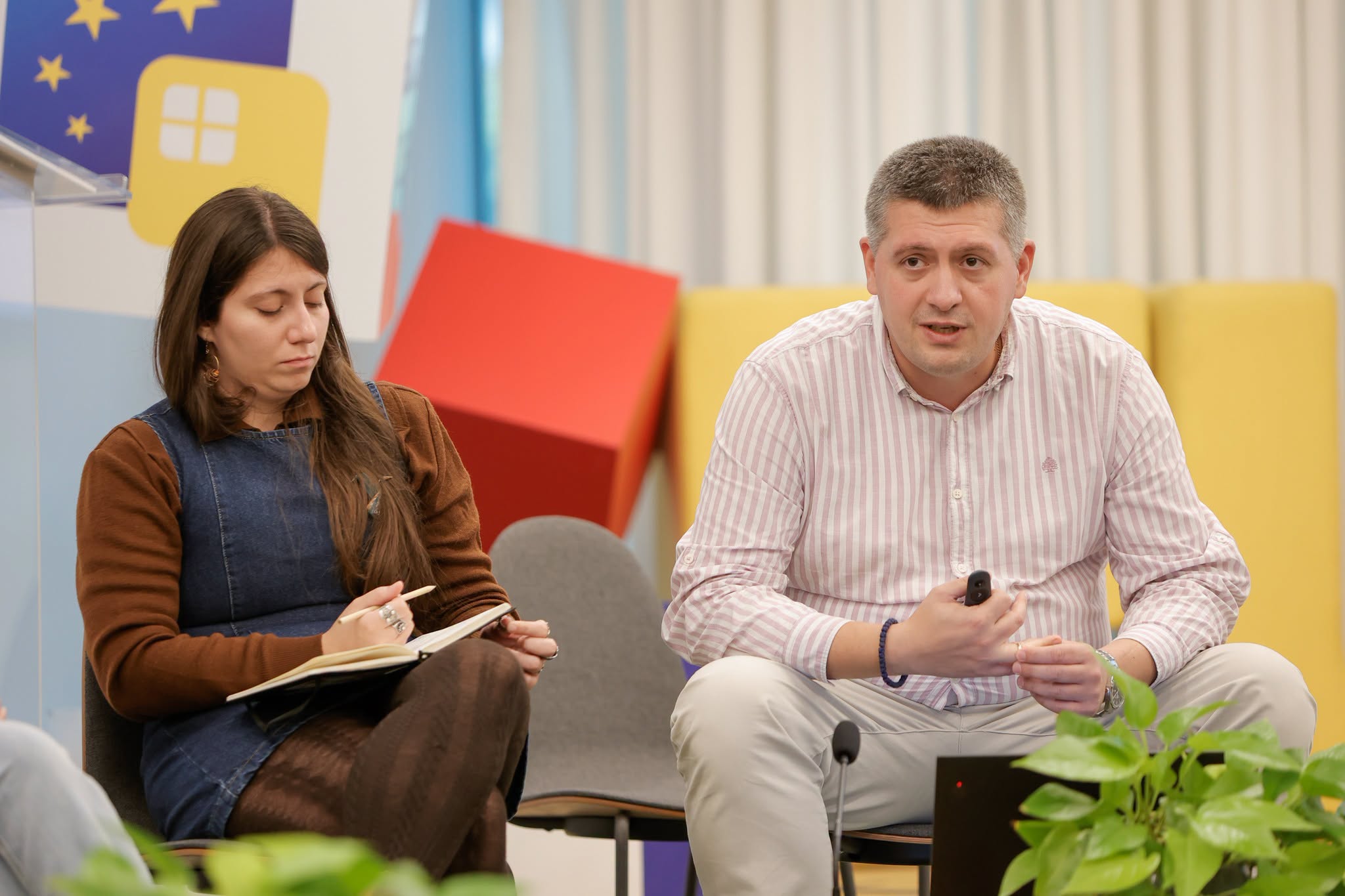
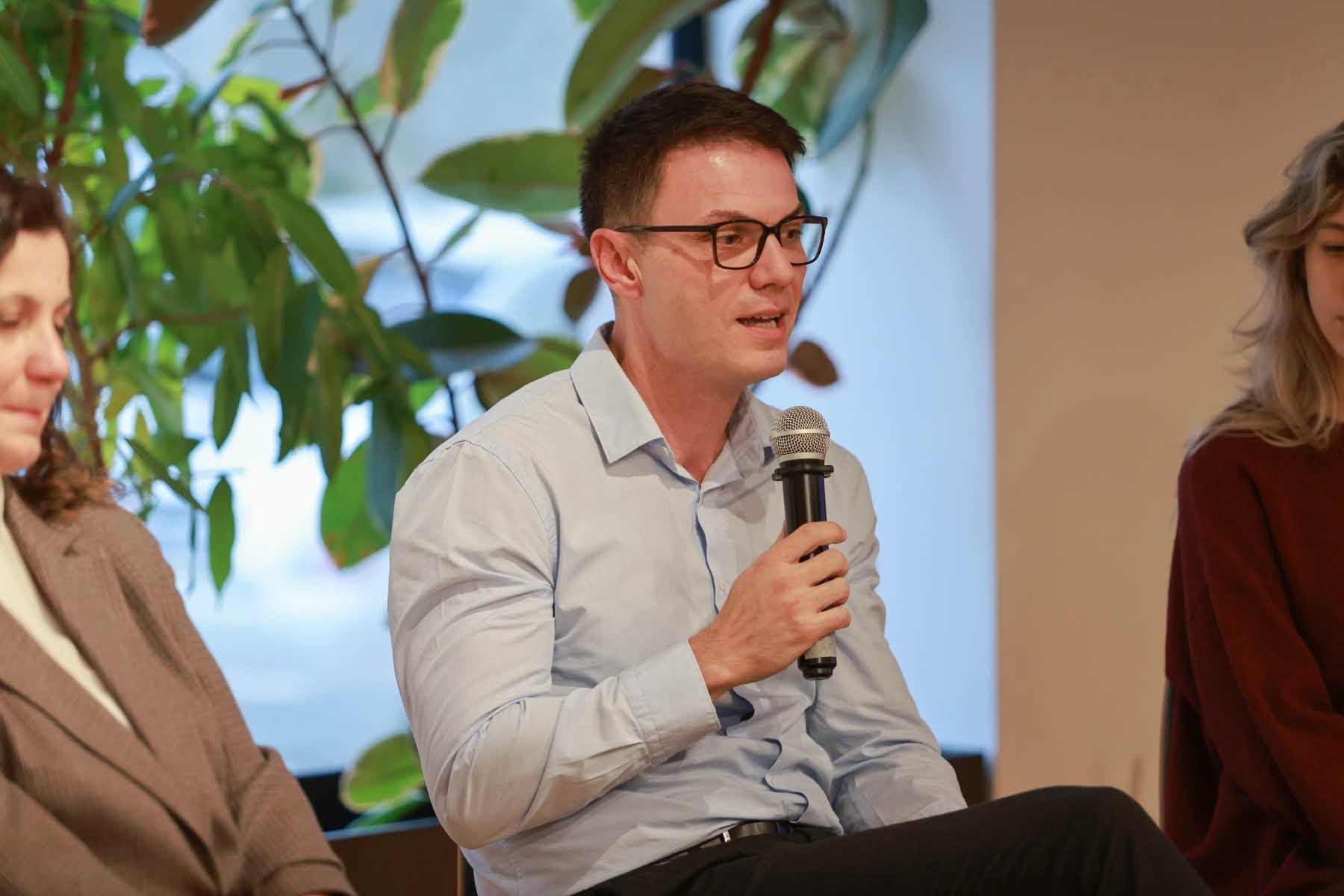
The panel brought together Swedish Ambassador Ola Sohlström; Marijana Ilovska Zlatanovski, Executive Director for Digital Innovation at Intertec.co and Partnerships Director at Women in Tech North Macedonia; Prof. Ana Poceva Panovska, PhD, from the Faculty of Pharmacy at Ss. Cyril and Methodius University in Skopje (UKIM); and Prof. Nevenka Kiteva Rogleva, PhD, from the Faculty of Electrical Engineering and Information Technologies (FEEIT) at UKIM. The discussion was moderated by Andrea Ugrinovska from “Tiiiit! Inc.” – Skopje.

Prof. Ana Poceva Panovska, PhD, the researcher behind UKIM’s first patent in the field of medicinal chemistry, involving hybrid molecules with potential applications in the treatment of Alzheimer’s disease, spoke about the transformation of pharmacy and the growing participation of women in the field.

“Today, more than 90% of the students at our faculty are women. This change shows what can happen when women are given opportunities for education and professional development,” said Prof. Poceva Panovska.

Marijana Ilovska Zlatanovski, representing Women in Tech North Macedonia, highlighted the growing number of women in technology, while also addressing the challenges they face in reaching leadership positions. Although women’s representation in the technology sector is increasing, barriers that limit their career progression and access to leadership roles still need to be addressed. “I am glad that today we are working to overcome these barriers and encourage girls to take greater initiative. There has definitely been progress, but there is still a lot of work to be done,” she stressed.
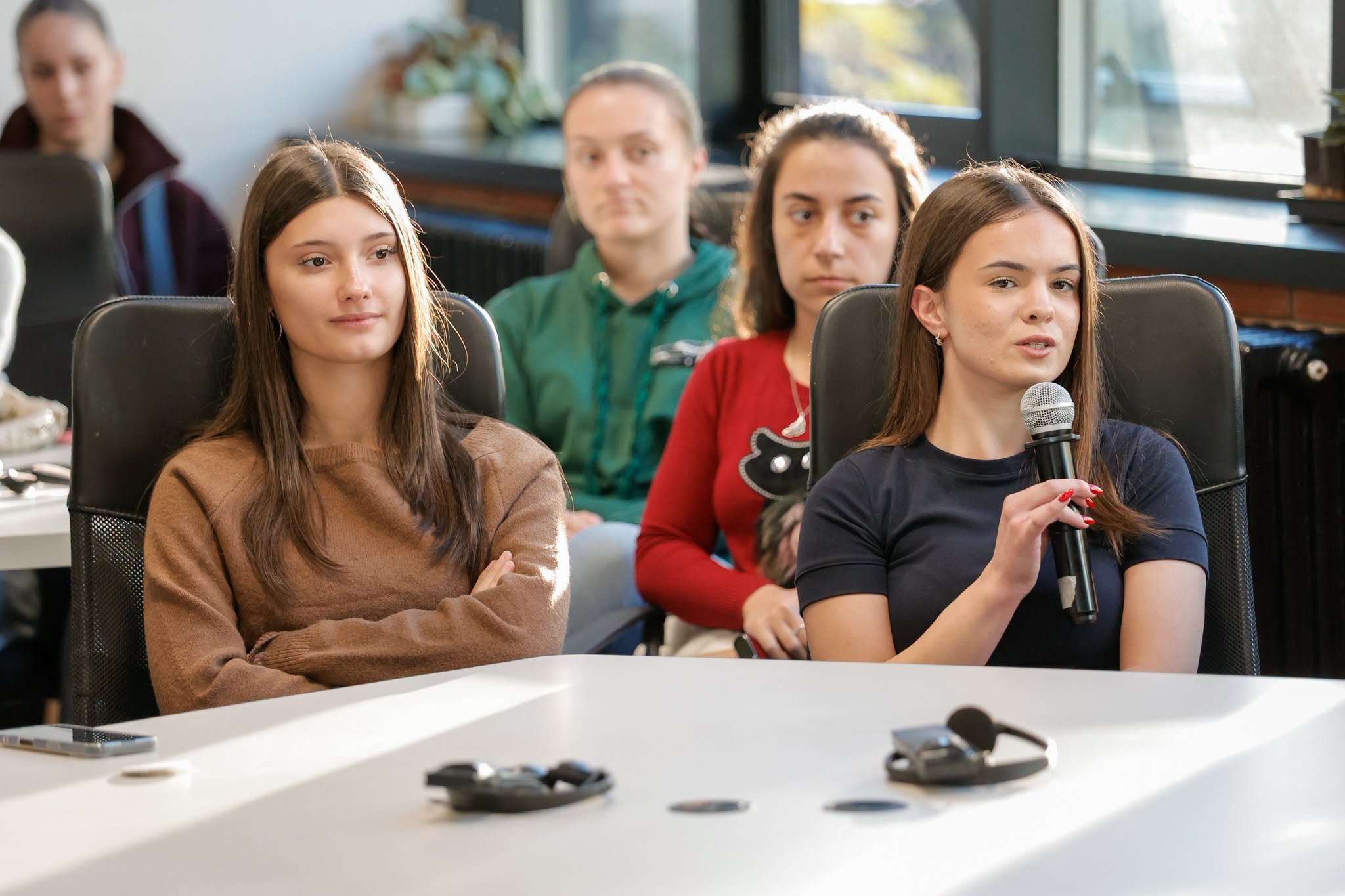
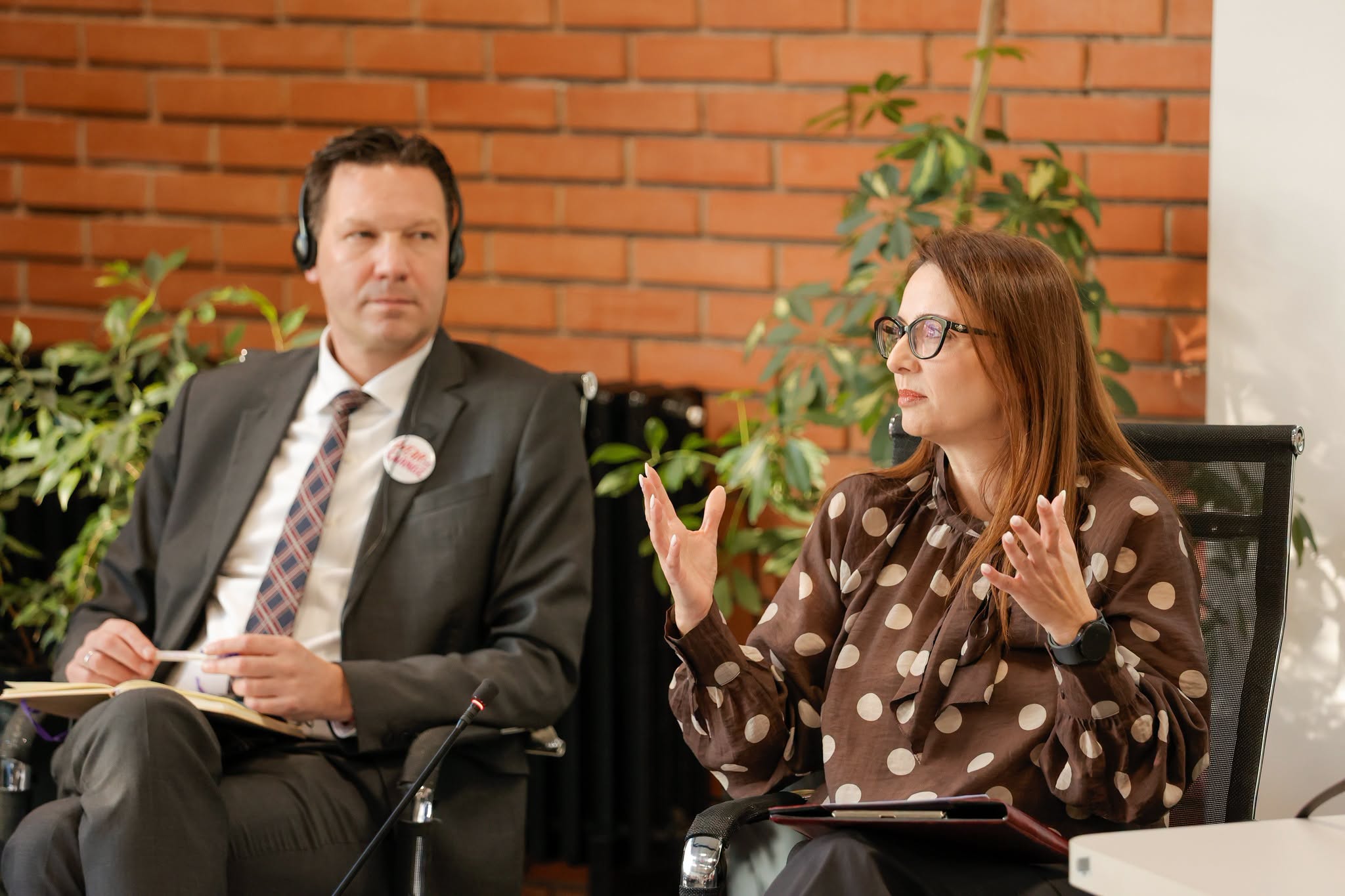
Swedish Ambassador Ola Sohlström noted that Sweden’s progress in STEM is the result of long-term investment in education, research and innovation.

“Sweden’s success in STEM did not happen overnight. It is the result of generations of investment in education, research, innovation and people. My message to decision-makers in North Macedonia is to do the same: invest more in education, in STEM and, above all, in young people. I believe that the future of this country, the region and the world depends to a great extent on the young woman who is 20 today, wondering what comes next and deciding which path to take,” Ambassador Sohlström said.

Prof. Nevenka Kiteva Rogleva, PhD, shared her professional experience in the energy sector, a field traditionally dominated by men. She emphasised that knowledge, interest and quality education matter more than gender stereotypes, and that support from family members and teachers can be decisive in encouraging girls to pursue their interests in science and technology.

When girls and women do not have equal opportunities to fulfil their potential, society loses talent, ideas, opportunities for innovation and more effective solutions. Closing the gender gap in STEM requires more than conversations: it calls for sustained support, visible role models and equal opportunities in education, career advancement and leadership.
From Idea to Sustainable Business – 700 Accelerator Hub Opens Up New Opportunities for Local Startups

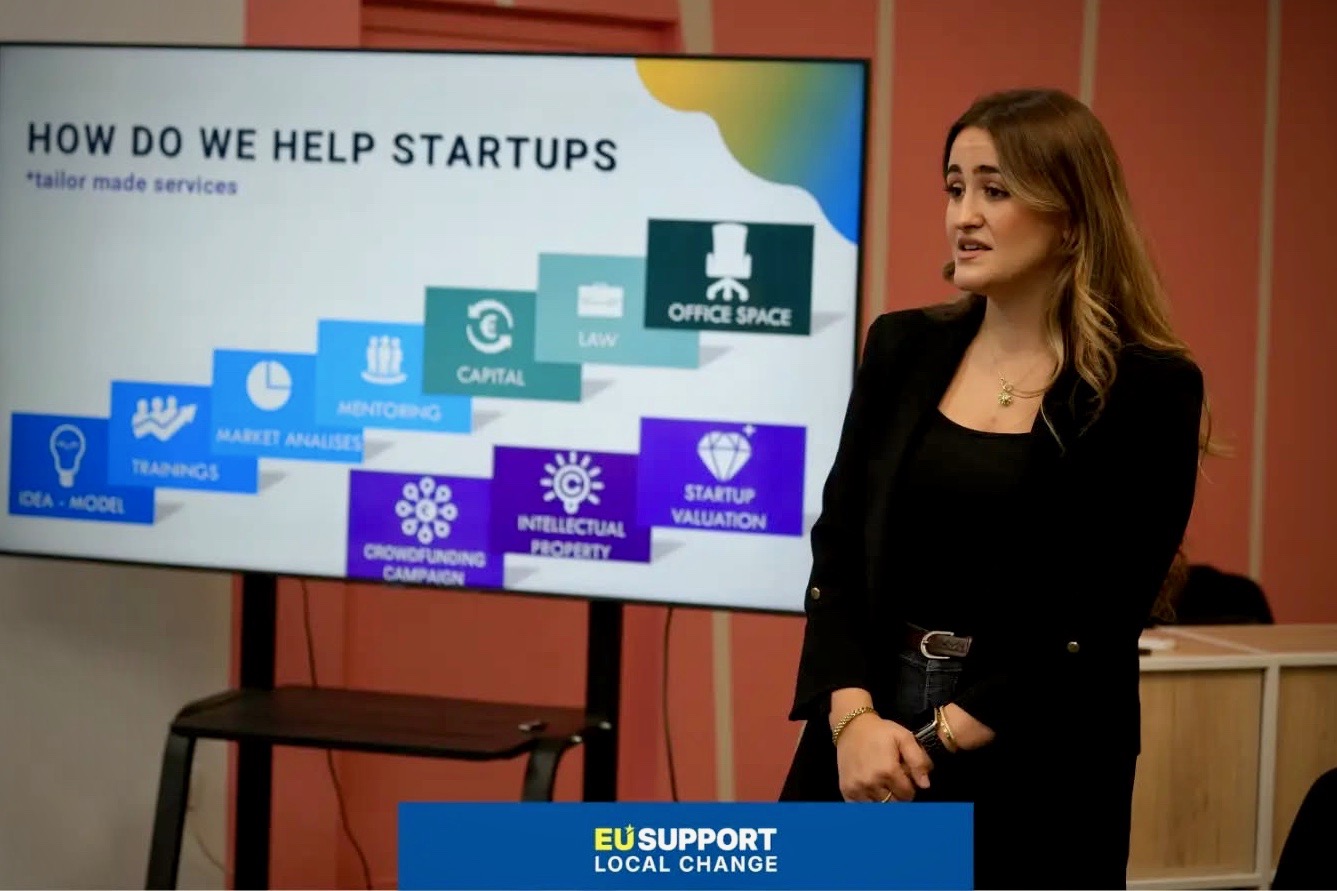
How can we create opportunities for young entrepreneurs and help turn good ideas into sustainable businesses? As part of the EU Support – Local Change series, Europe House Tetovo brought a group of secondary school students to 700 Accelerator Hub at South East European University (SEEU) in Tetovo, giving them an opportunity to explore the world of startups.
Launched in December 2024 at SEEU TechPark, 700 Accelerator Hub was established with support from the European Union through the “EU for Economic Growth – EU4EG” project, co-funded by the EU and the Government of Germany. It provides a space for startups, entrepreneurship and innovation in the Polog region, connecting local talent with expertise, mentoring and business networks.

The Hub focuses on supporting young people and women in entrepreneurship, as well as early-stage startups, particularly those developing technological, digital and green solutions. Its programme offers 12 weeks of training, mentoring and networking opportunities, while startups may also be eligible for co-investment.

More than just a workspace, 700 Accelerator Hub provides an environment where ideas are shared and developed, collaboration is encouraged, and innovative solutions receive the support they need to grow into sustainable businesses.

Through the EU Support – Local Change series, Europe House Tetovo is exploring successful local initiatives with young people from the region, highlighting the tangible results of European support for sustainable economic growth.

Young People Call for a Greater Role in Climate Decision-Making at LCOY2026

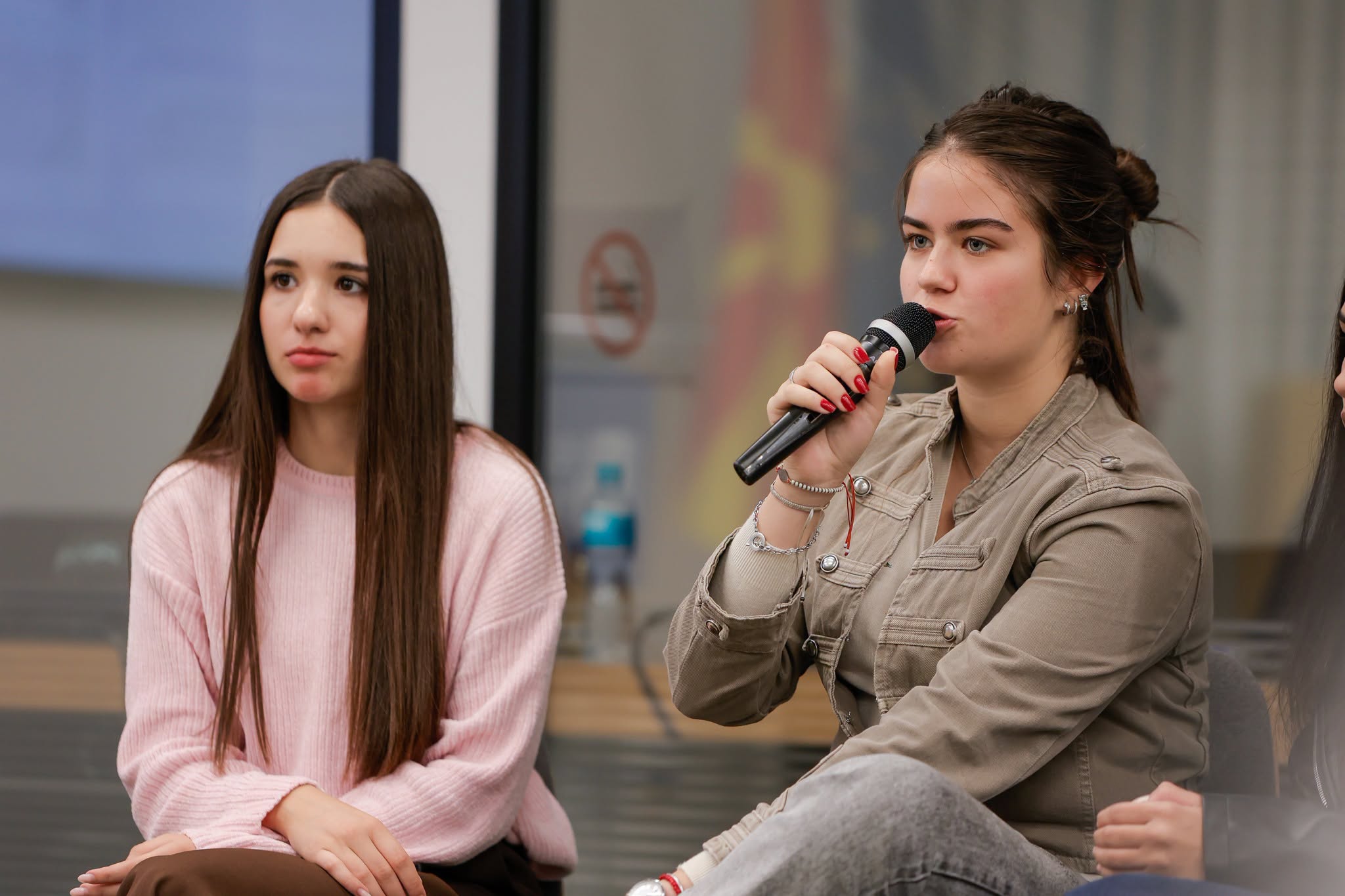
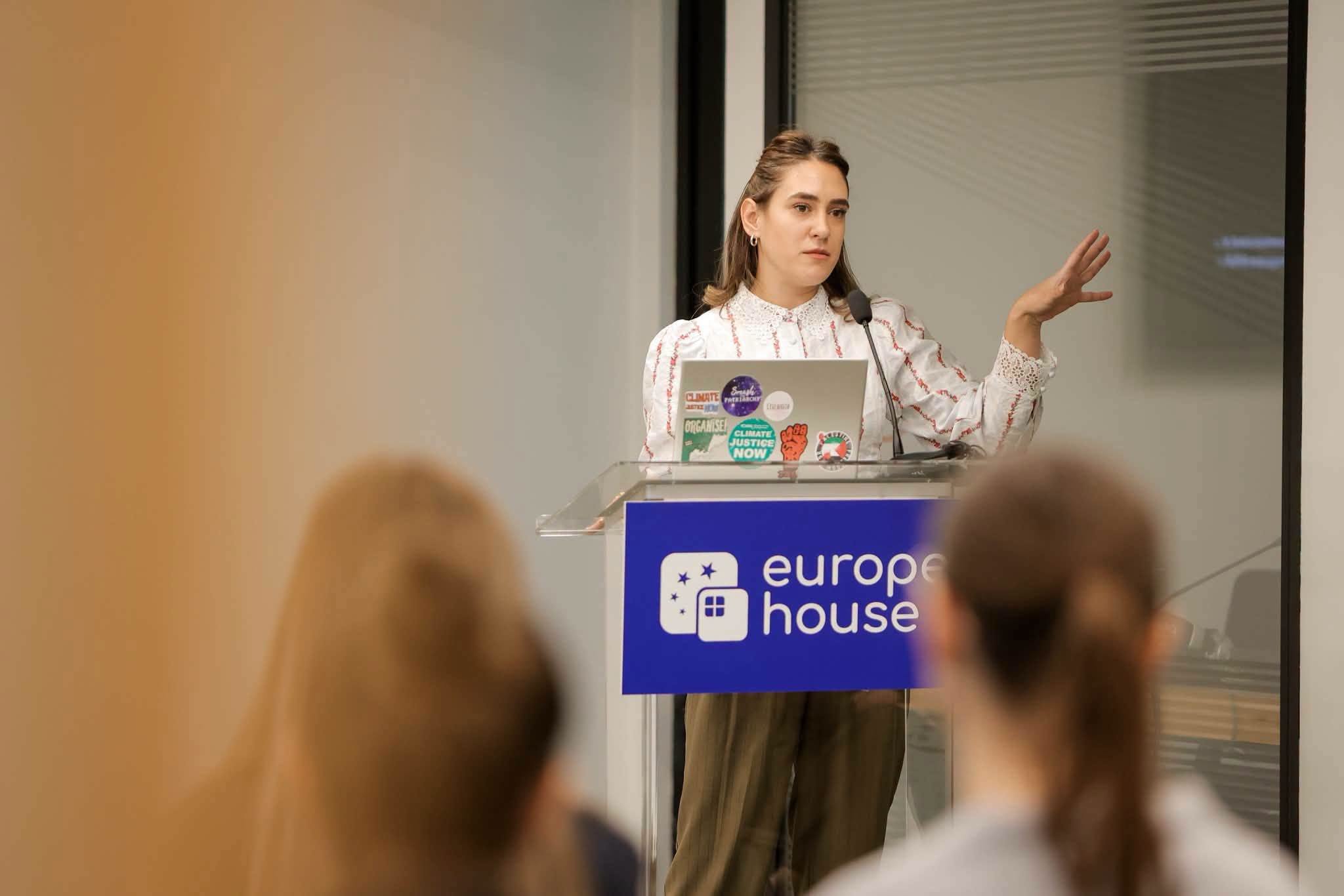
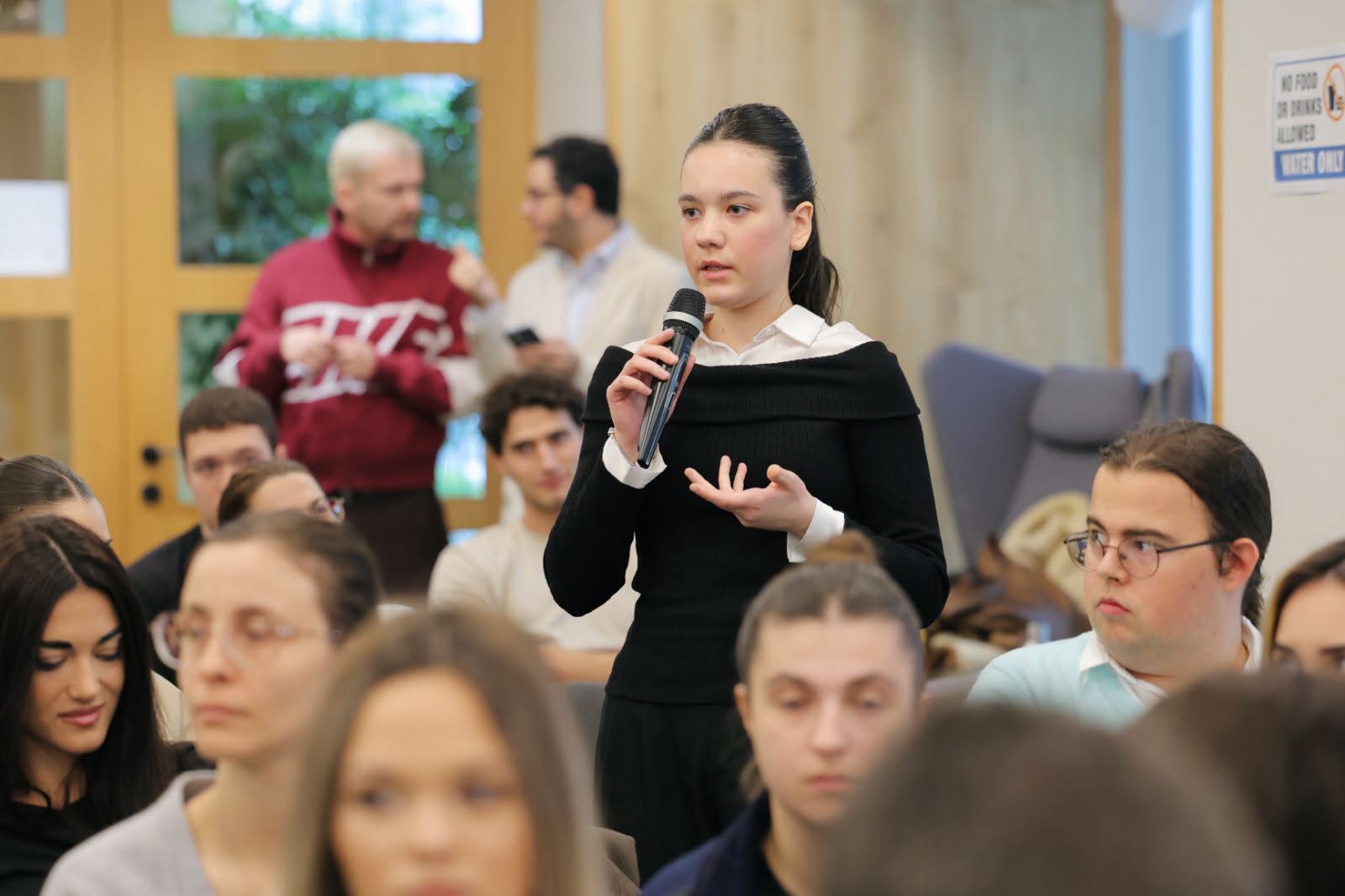
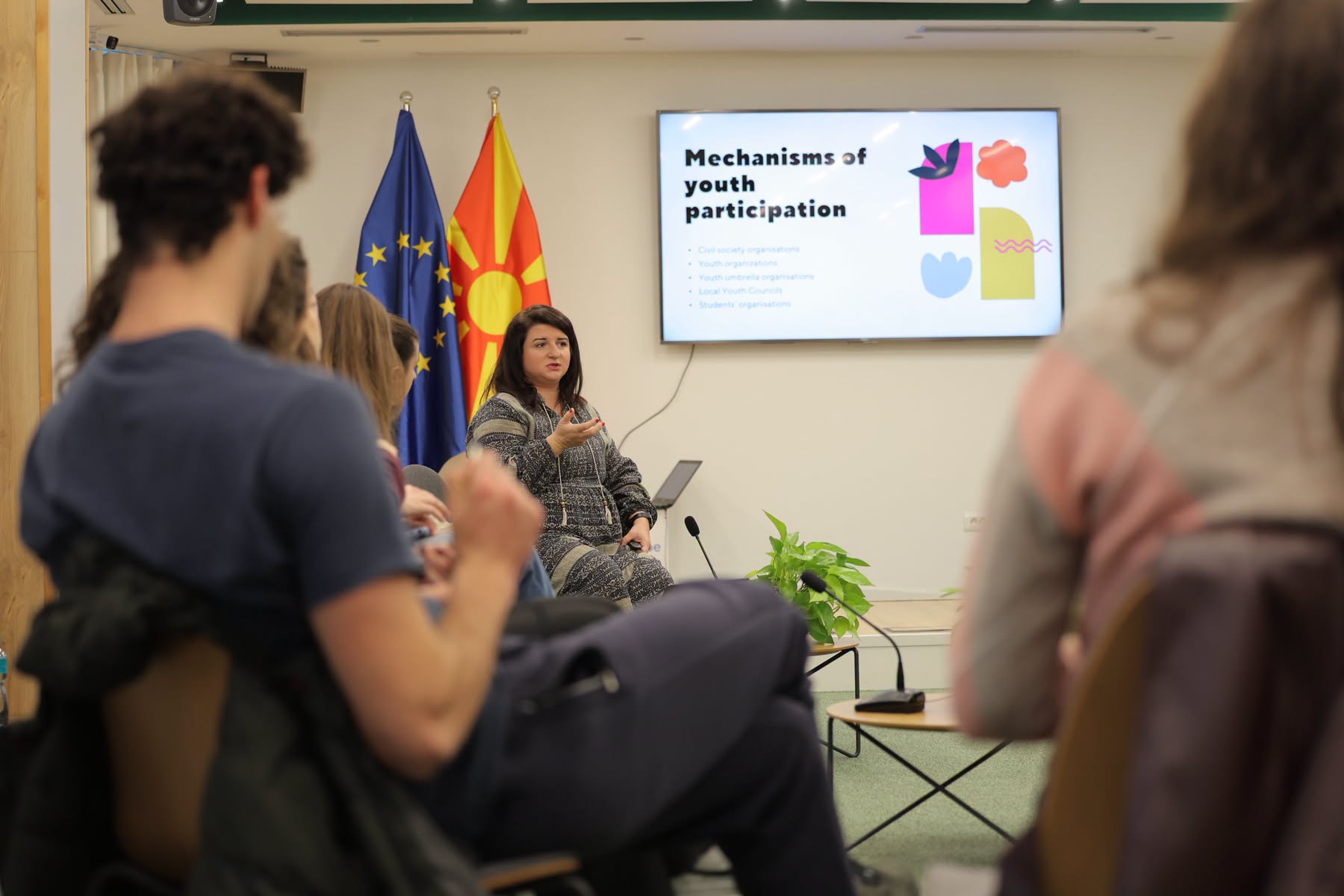
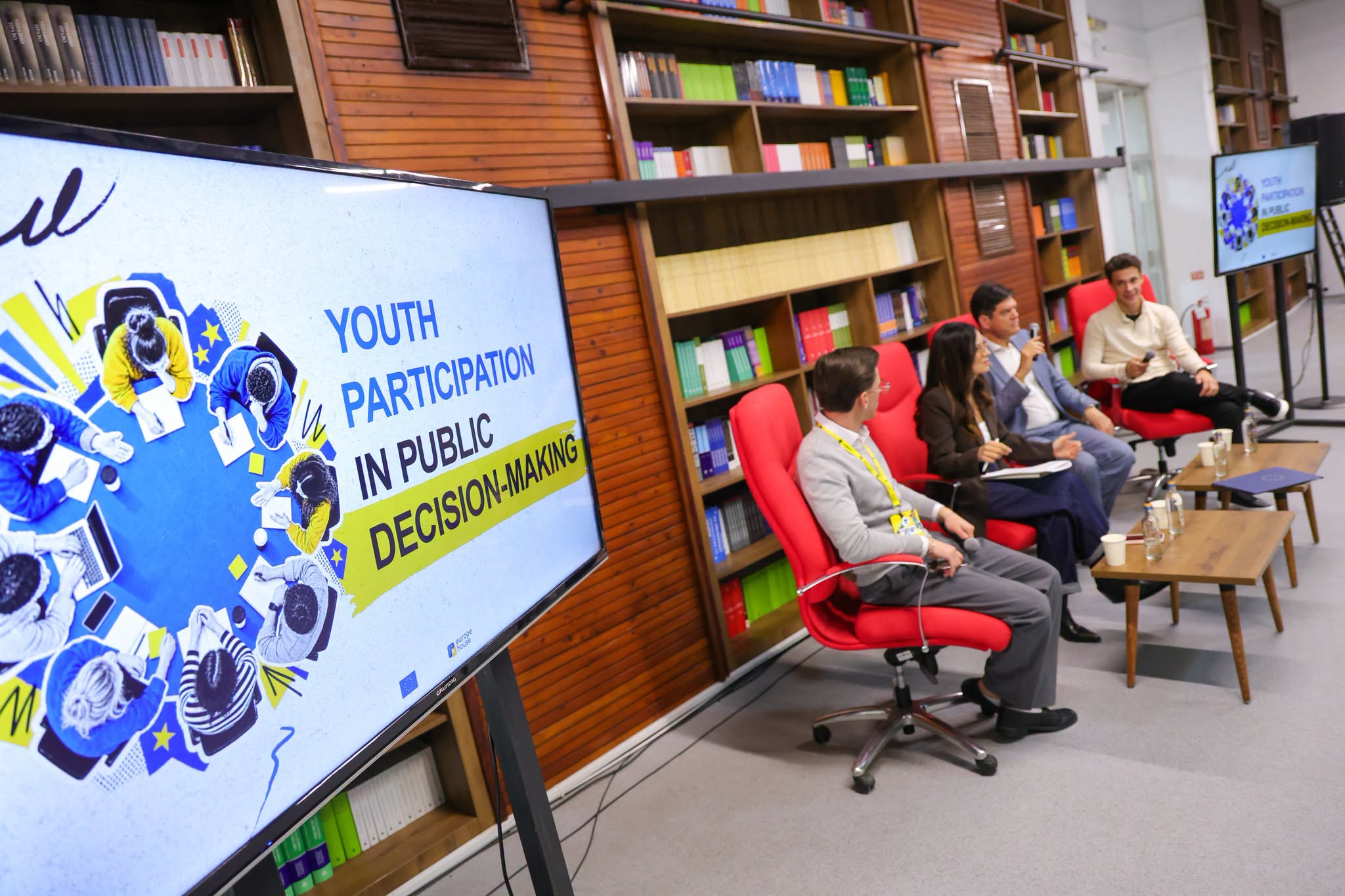
Young people should not simply be consulted – they must have an active role in shaping climate policies and decisions that affect their future. This was the central message of the two-day Local Conference of Youth– LCOY2026, held at Europe House Skopje.

Organised by the youth organisation Kolektiv Z, LCOY2026 brought together more than 50 young people – students, activists and emerging leaders – alongside experts and representatives of institutions and civil society. Their shared goal was to explore ways to ensure meaningful, continuous and structured youth participation in climate policy decision-making.

Through discussions, presentations and exchanges with representatives of the Delegation of the European Union, UNDP, UNICEF, the Ministry of Environment and Physical Planning, and the organisation Eco-svest, participants discussed current climate challenges and the need to involve young people in shaping solutions. Particular attention was given to establishing mechanisms that would ensure youth participation goes beyond occasional contributions and becomes an integral part of decision-making processes.

The conference concluded with a powerful Youth Statement, expressing the determination, expectations and demands of a generation refusing to have its voice pushed to the margins:

“Our future is not up for negotiation. Our country is not for sale. Our voices will continue to organise, resist and rebuild the just society that we and future generations deserve.”

We believe that young people’s active participation in shaping climate policies is more than essential, as it is the younger generations who will live with the consequences of today’s decisions. Their perspectives, ideas and demands must be heard and reflected in the solutions that will help create a more sustainable future.

LCOY2026 is part of an international network of youth climate conferences held in different countries under the auspices of YOUNGO, the official youth constituency of the United Nations Framework Convention on Climate Change (UNFCCC). These conferences connect young activists and students with scientific, government and business leaders, giving them opportunities to expand their knowledge and strengthen their capacities, and prepare national youth declarations. Their messages and recommendations are then brought into broader international climate processes and negotiations, including the global UN Climate Change Conference (COP).

From a Successful Wine Story to New Ideas: How EU Support Drives Local Development

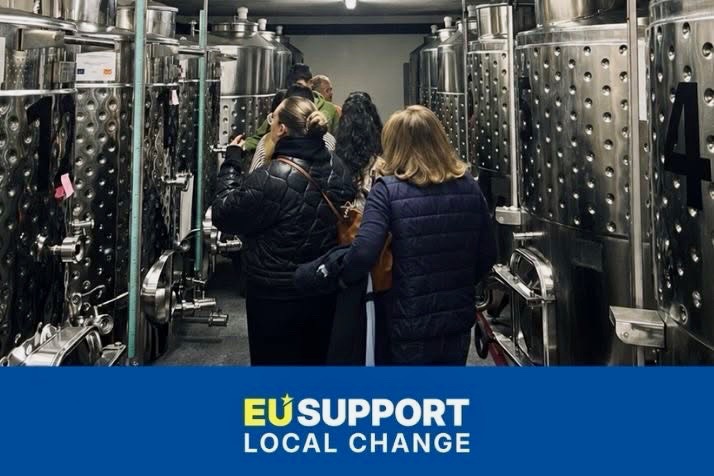
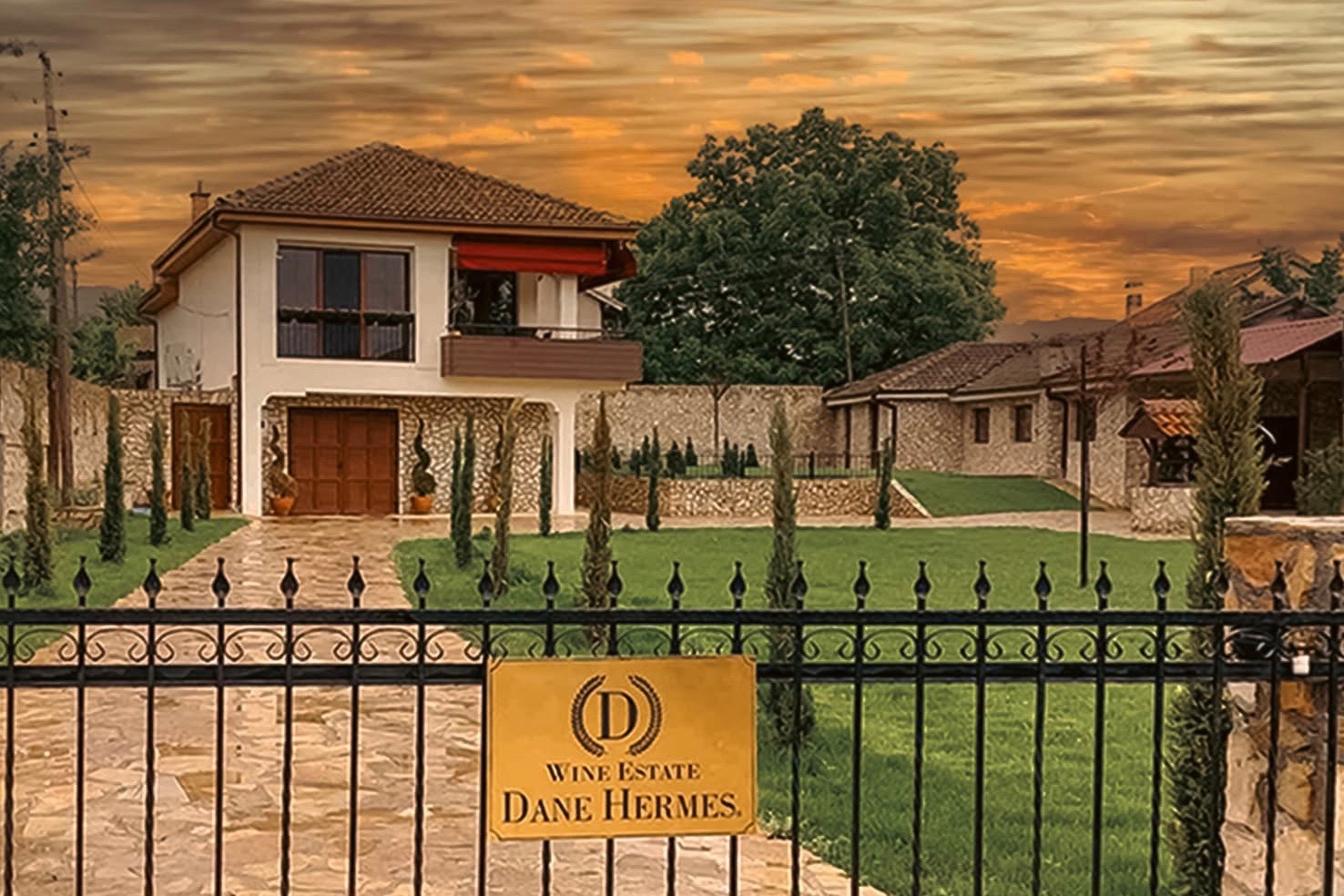
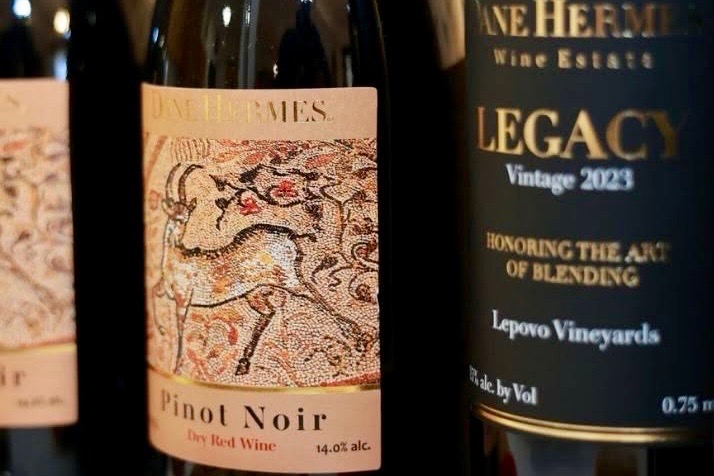
How does European support contribute to the growth of local businesses? To find out, we took on the Wine Discovery Challenge and, together with students from “Jovche Teslichkov” Secondary School of Economics – Veles, set out to explore Dane Hermes Wine Estate in the heart of the Tikveš wine region, in Negotino.

During this educational visit, organised by Europe House Veles, winery owner Dane Jovanov introduced the students to the winemaking process and the day-to-day operations of the winery.

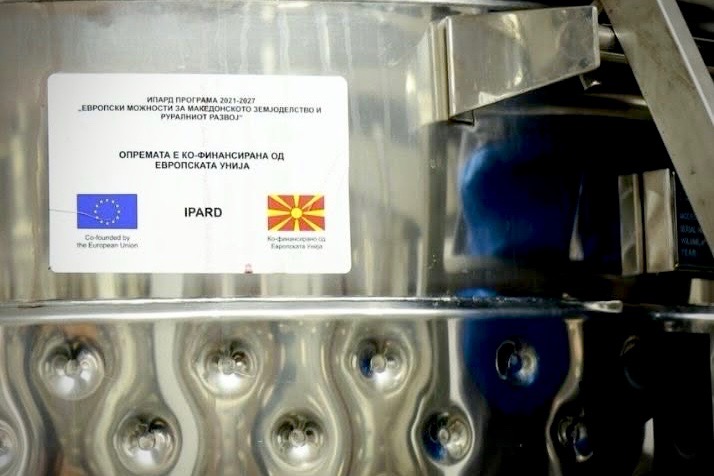
This family-owned winery is among the local businesses that have received direct support through the IPARD Programme 2021–2027, “European Opportunities for Macedonian Agriculture and Rural Development”, which enables agricultural producers and businesses to invest in modernisation, improve production and expand their capacities.

The visit gave students an opportunity to see first-hand how a family business operates and how EU support can contribute to its growth. But the learning experience did not end there.

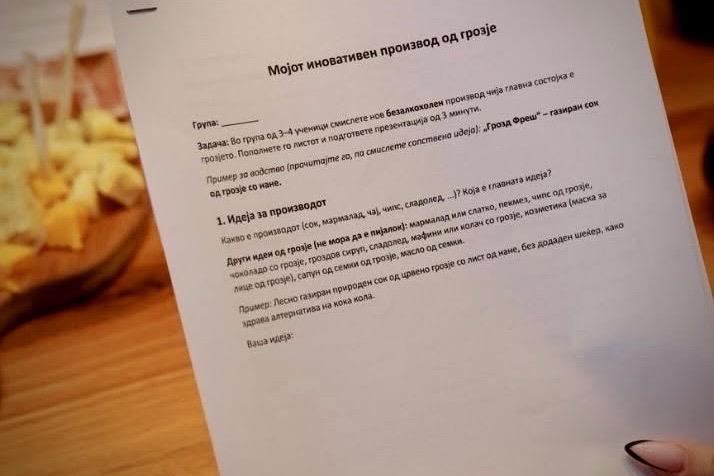
Divided into teams, the students were challenged to think like real entrepreneurs: to come up with a new non-alcoholic grape-based product, complete with their own concept, branding and market placement strategy.

The result? Three creative ideas: grape-based body scrub, gummy sweets made from grapes and grape crisps. They showed how a traditional agricultural product can be given new value and purpose when knowledge, creativity and entrepreneurial thinking come together.

The visit demonstrated that EU support for local development goes beyond modernising production facilities and financing new investments. It also helps connect education with the business sector, giving young people the opportunity to learn from local producers, develop an entrepreneurial mindset and turn their ideas into potential new products.


True or Fake News? Europe House Invites Young People to Try “Escape Fake”

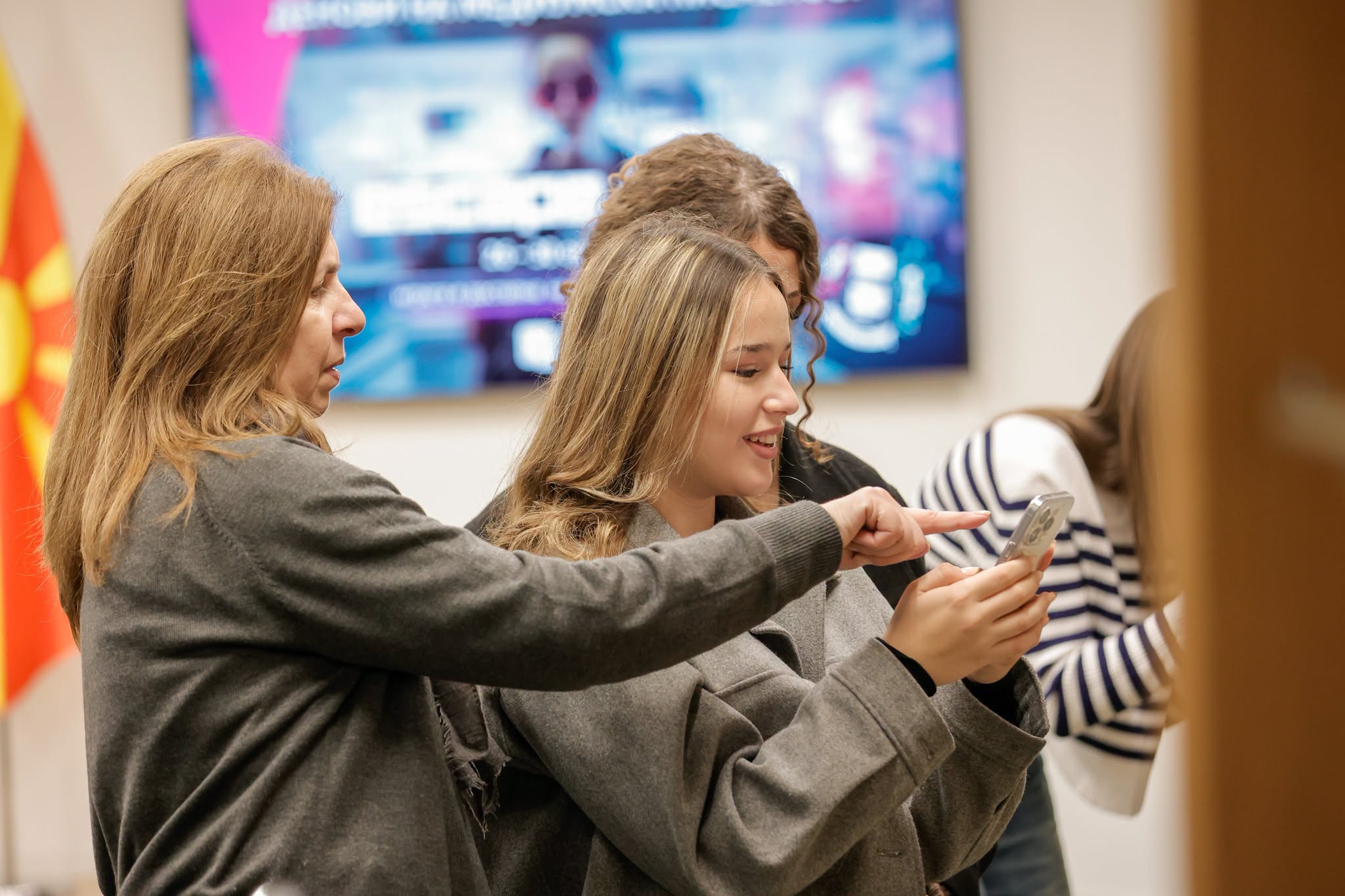
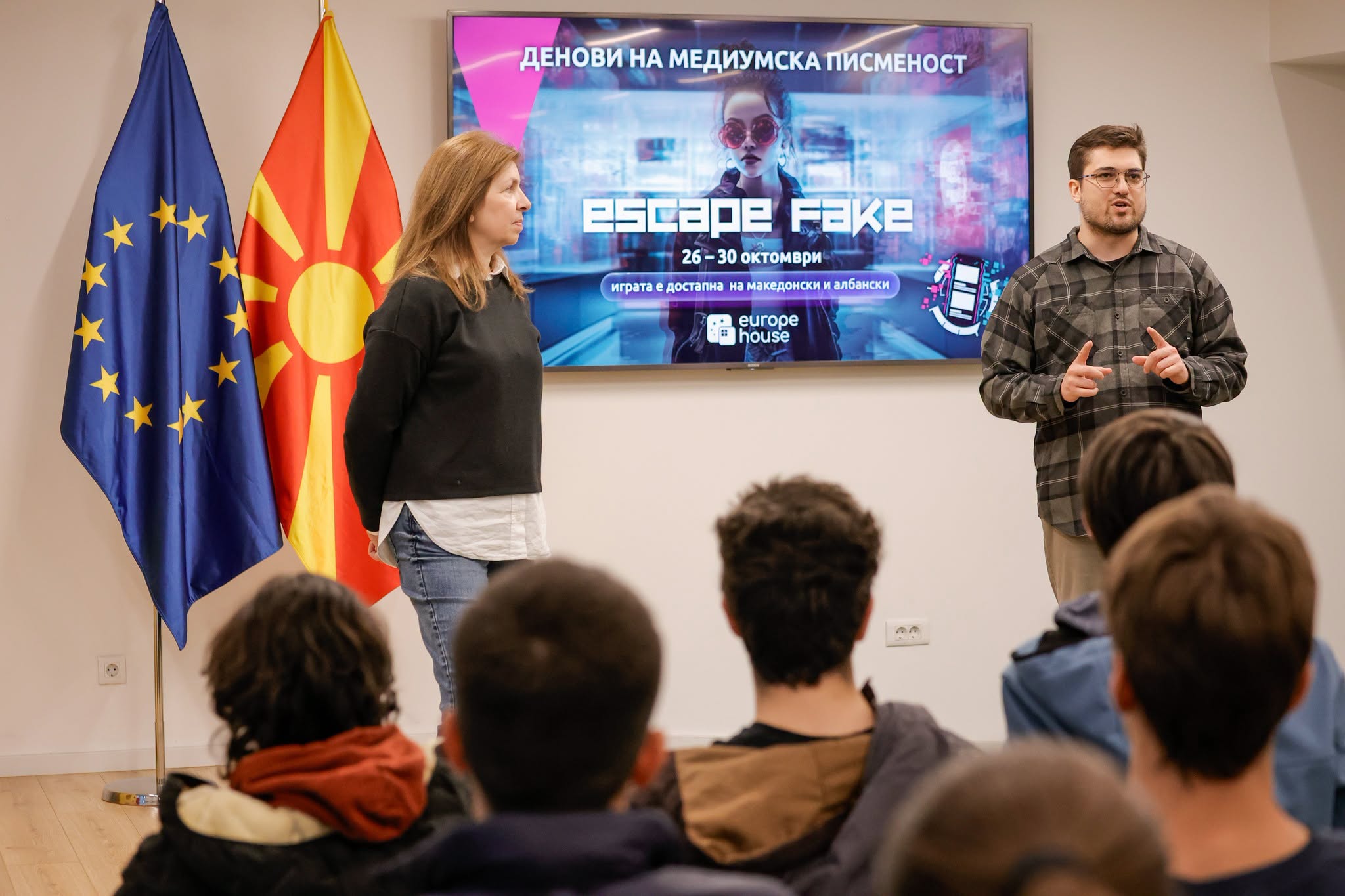
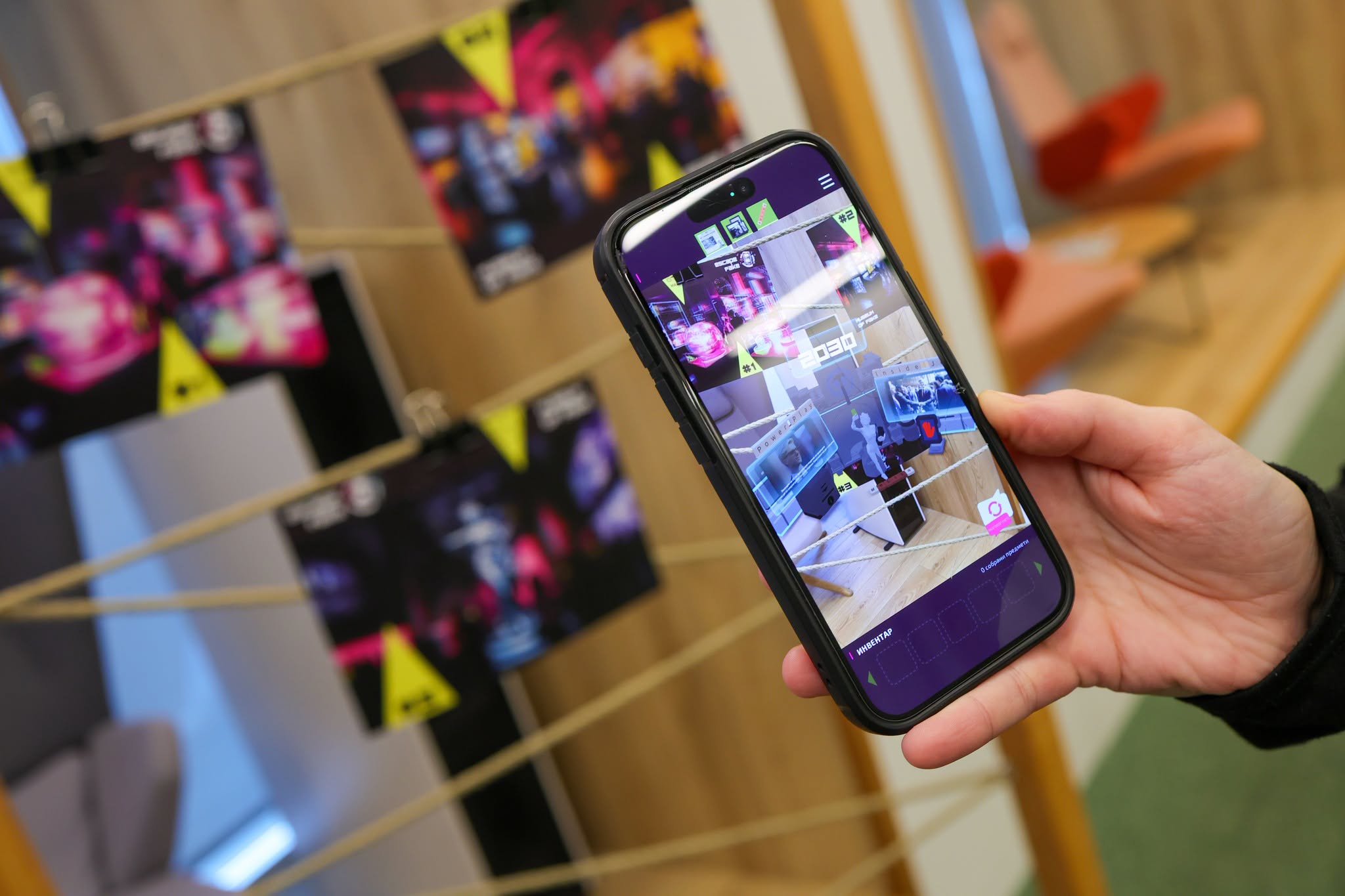
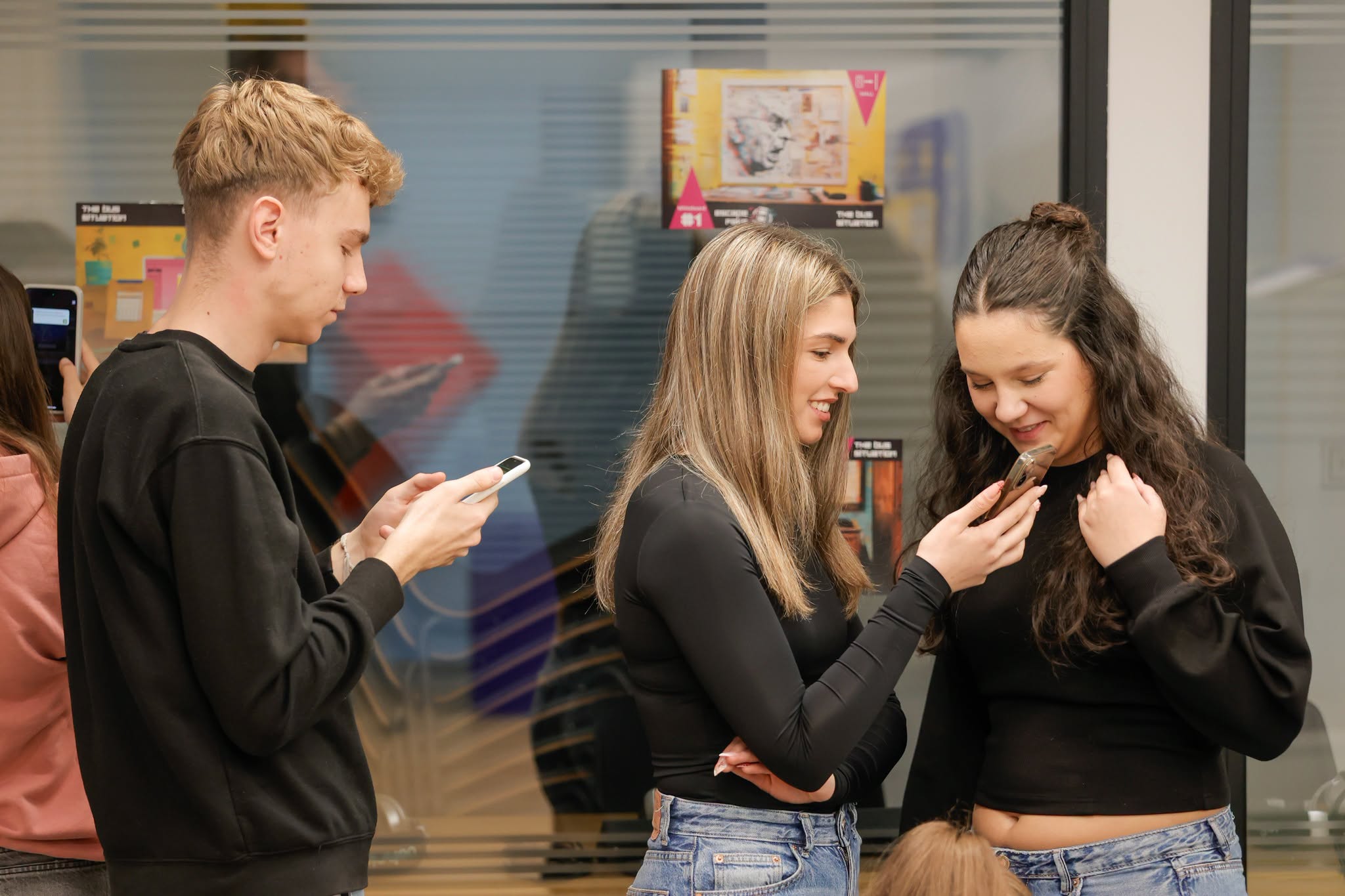
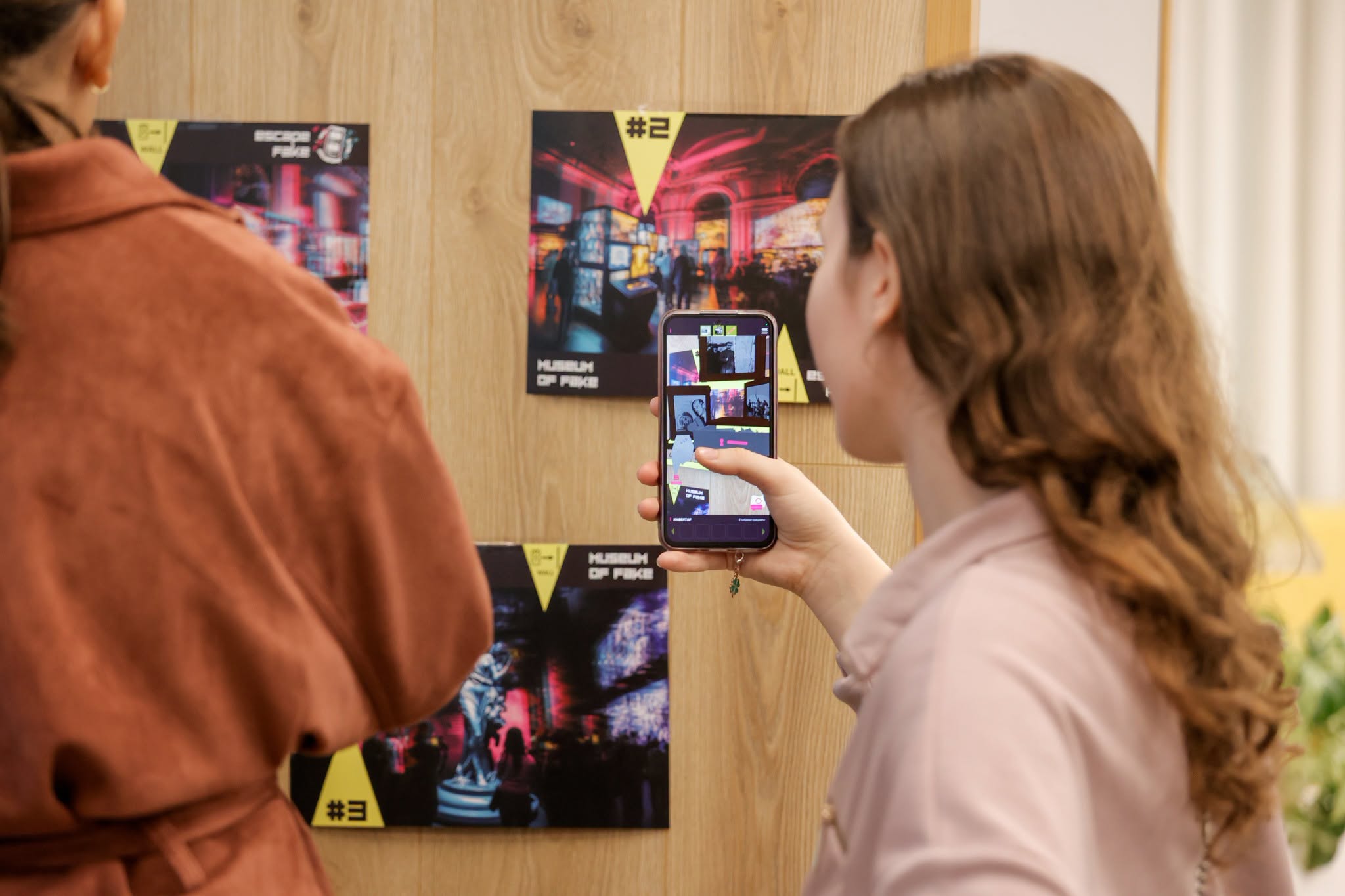
Can you tell fact from fiction online? Escape Fake, an interactive augmented reality game that helps young people recognise fake news, manipulated images and disinformation, is now available in Macedonian and Albanian. The game is free to play on mobile phones and tablets and is also available in eight other European languages.

At a time when disinformation and AI-generated content are becoming increasingly difficult to identify, the Europe House network invites young people to test their critical thinking skills by playing a game. Instead of traditional lectures, Escape Fake offers an interactive experience in which players investigate suspicious information, solve puzzles and discover how digital content can be manipulated to influence our opinions and decisions.

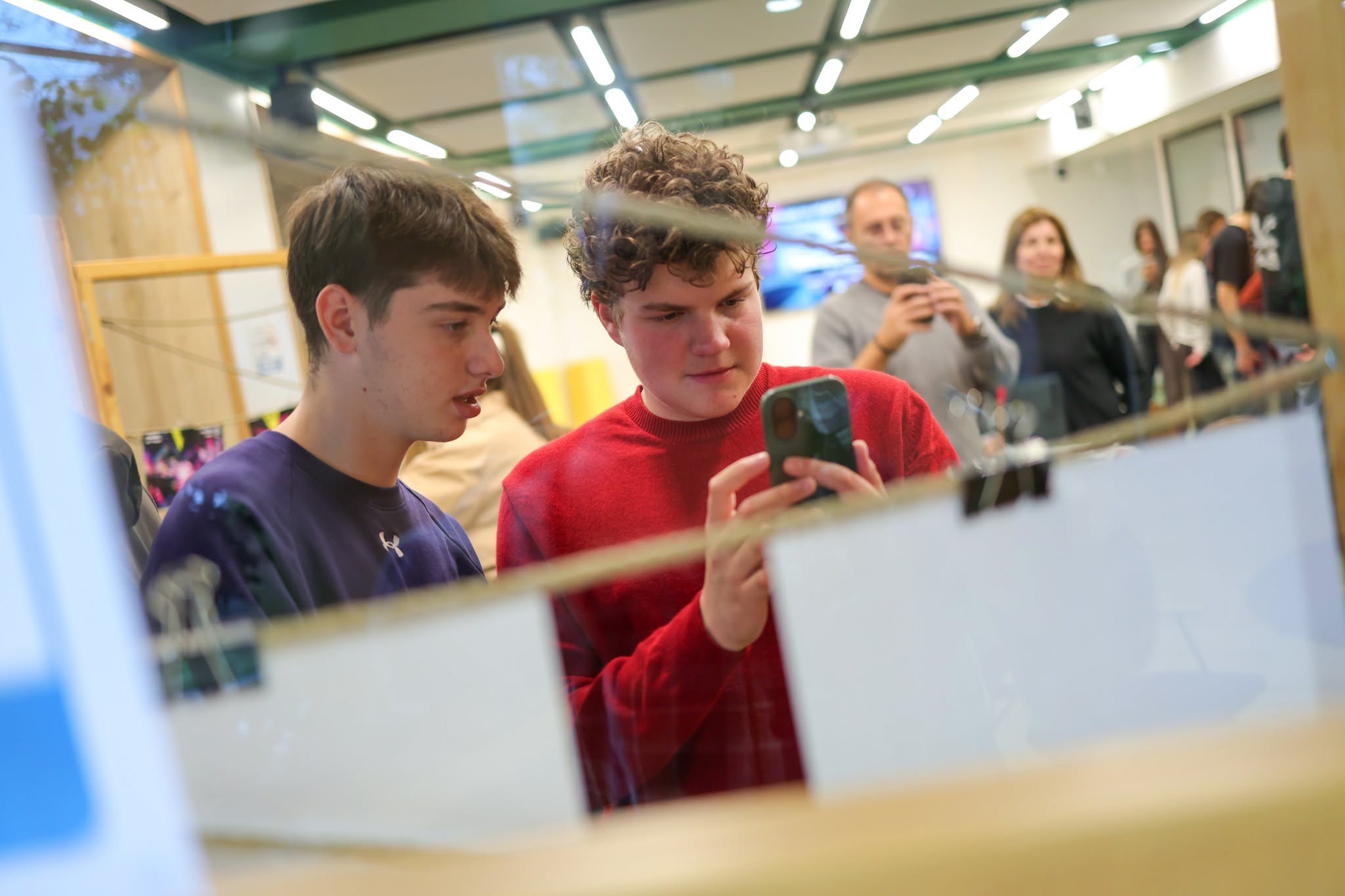
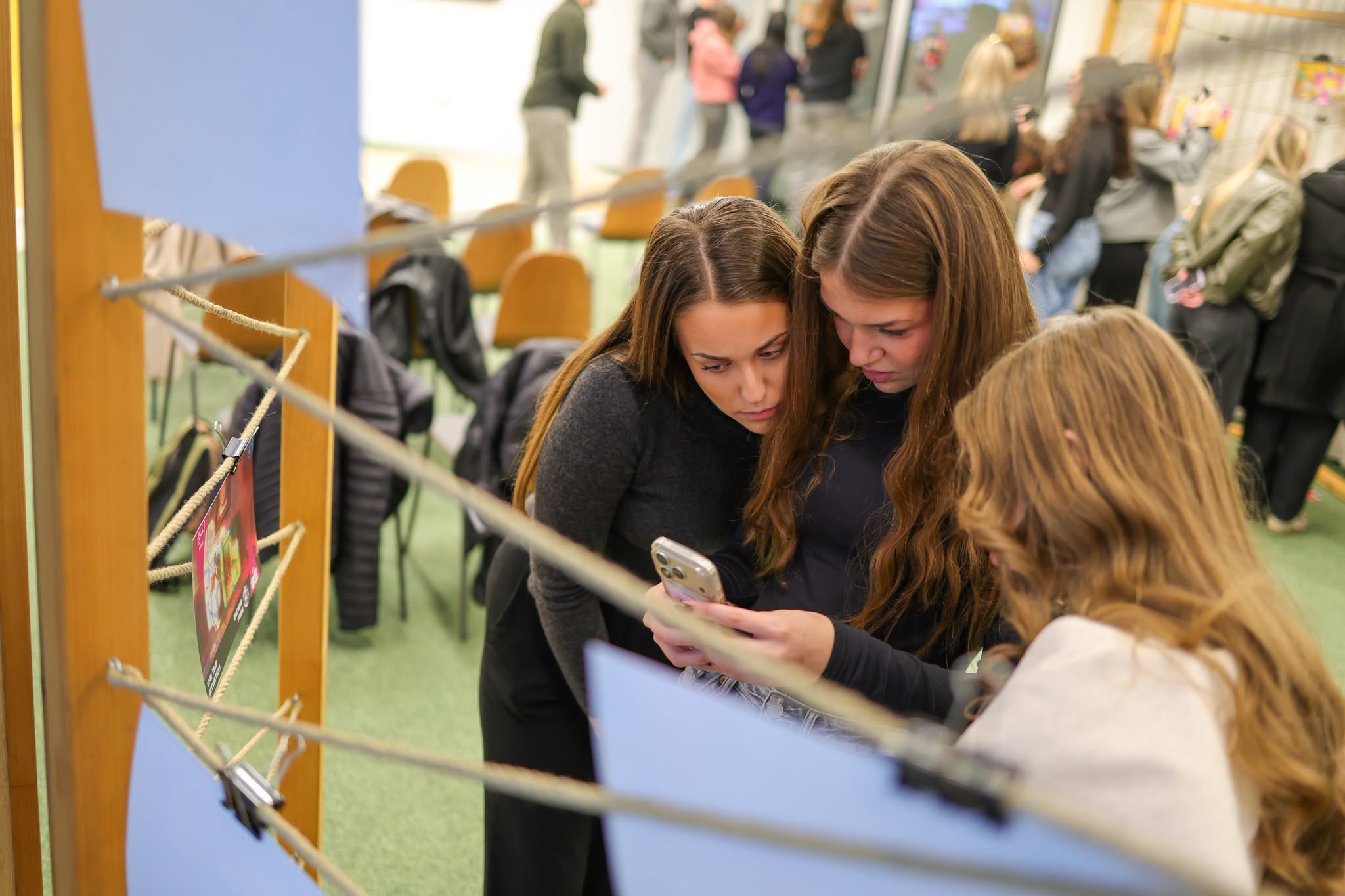
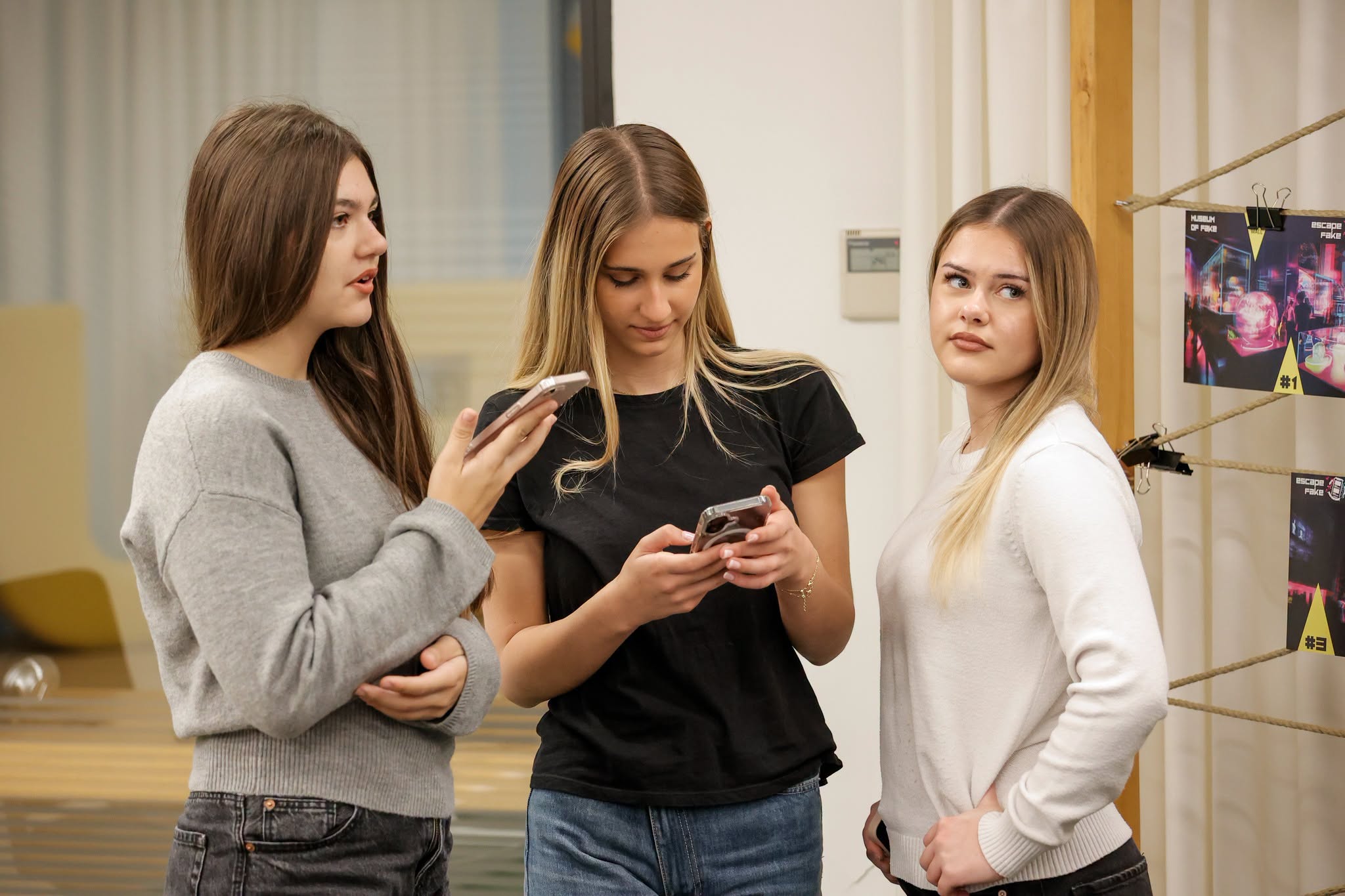
As part of Media Literacy Days 2026, Europe House is organising interactive workshops for secondary school students from 26 to 30 October. Through the game and practical examples, participants learn how to identify disinformation and navigate the digital world more critically.

Developed in the European Union with support from the Creative Europe programme, Escape Fake takes players on an interactive journey into the world of disinformation. Guided by Hannah, an ethical hacker and historian, players embark on two missions. In “Museum of Disinformation,” they uncover historical forgeries, manipulated photographs and deepfake content. In “Situation on the Bus,” they investigate a viral false story, check sources and learn to recognise phishing, suspicious online profiles and digital manipulation.

During the workshops, students also take part in discussions and practical exercises that connect the game’s lessons with everyday experiences on social media. The aim is to encourage young people to question what they see online, verify sources before sharing content and develop the skills needed to make informed decisions in the digital landsacape.

Through this initiative, Europe House and the Delegation of the European Union aim to show that learning about media literacy can be engaging, interactive and accessible to everyone. Recognising disinformation is not just a useful skill; it is also an essential part of participating responsibly in the digital world.

Ready to uncover fake news? Europe House invites young people, students and everyone interested to try Escape Fake, test their knowledge and discover how to protect themselves from disinformation and online manipulation.

Escape Fake is free and open to everyone. Download the app and start playing!

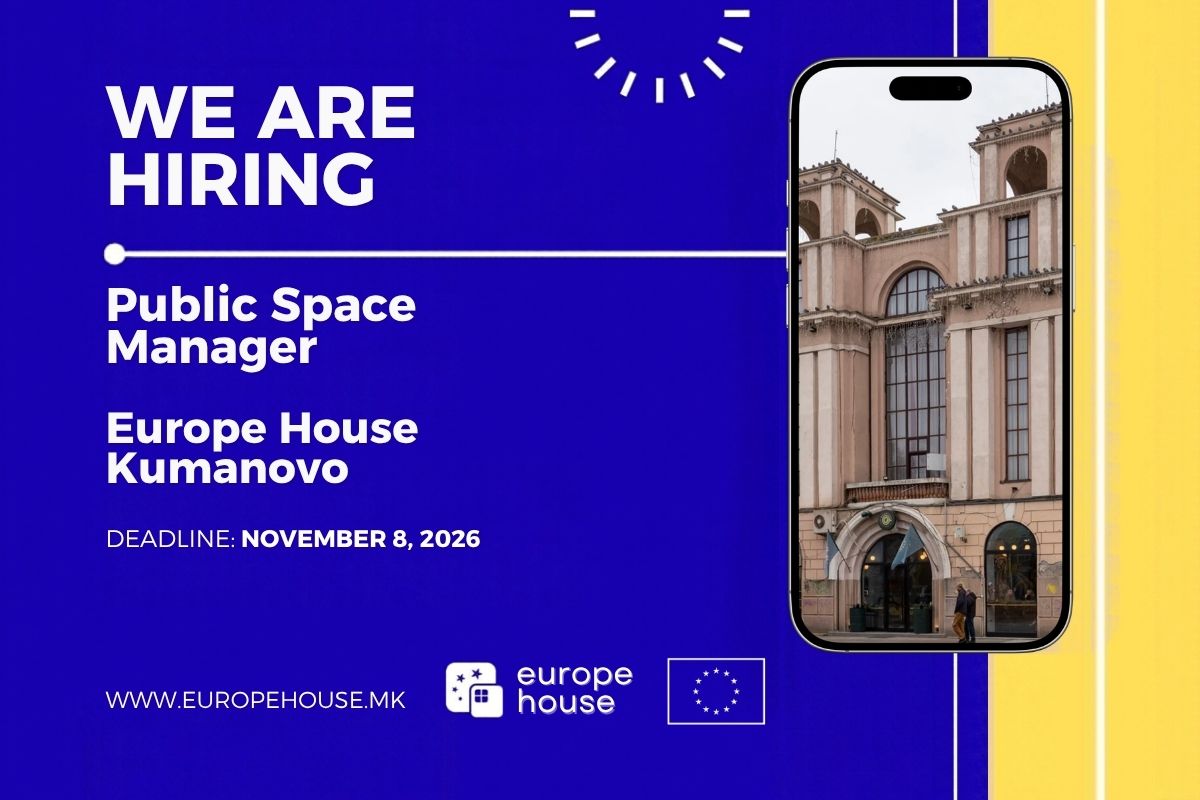
PUBLIC SPACE MANAGER (EUROPE HOUSE KUMANOVO)

Junior Non-Key Expert Public Space Manager Europe House Kumanovo

The assignment will contribute to communicating actively, consistently and effectively about the European Union, its values and its objectives and actions, incl. the assistance provided to North Macedonia, and the EU accession process.

1. Assignment objective(s)

Based full-time in Kumanovo, the role of the Public Space Manager will be multi-fold:

1. S/he will be responsible for the smooth functioning of the EH as public space and running of all daily activities of the respective EH. Tasks range from ensuring high visibility of and interest in EH services among individual and group visitors, assisting the organisation of events in EH premises and handling public queries and requests, to following up on approved sponsorships. S/he will foster relationships with local and regional providers to share resources and information with the goal of cultivating EHs as safe and vibrant communities.

2. Pro-actively initiate and get engaged with the creation, development, organisation and full implementation of visible and popular public events in the Kumanovo region and at the EH Kumanovo public space.

3. S/he will oversee the daily operations and maintenance of EH as a public area, ensuring it is clean, safe, and well-maintained for the public’s enjoyment. This role encompasses a range of backstopping responsibilities, from managing the premises and infrastructure to addressing safety concerns and fostering community engagement.

4. S/he will provide for basic book-keeping of the EH running costs on a monthly basis and contribute to the financial reporting to the EUD.

The Public Space Manager will also hold responsibility for the local social media accounts and, while doing so, will ensure close coordination with the Social Media Manager.

2. Main Tasks/Activities

For this activity, we envisage one Junior expert to ensure the smooth running of EH Kumanovo as a public space, including the planning, organisation and running of all its daily activities and basic administration. The expert is expected to perform, but is not limited to, the following tasks:

• Manage the day-to-day operations of EH Kumanovo as a dynamic public space

• Ensure high visibility, visitor engagement, and a welcoming, inclusive atmosphere

• Support the organization and delivery of engaging public events and activities

• Build and maintain partnerships with local and regional stakeholders and communities

• Ensure the space is safe, clean, well-maintained, and ready for public use

• Keep basic monthly records of running costs and support financial reporting

• Manage and contribute to the Europe House’s local social media channels, including creation and promotion of content related to local activities and events, in coordination with the network team.

3. Related Outputs

The expert is expected to deliver the following outputs:

• EH Kumanovo open and operating as a public space to agreed standards, with daily activities run as planned

• Local events and activities organised and delivered in line with the approved EH programme

• Monthly records of EH running costs and input to the financial reporting

• Local social media channels active, with content on EH Kumanovo activities produced and published in coordination with the network team

• Monthly activity report (activities, visitors, partnerships) submitted to the Team Leader

4. Timing and duration of mission/s

The selected experts shall be engaged full-time in the period from November 2026 (indicative) until 15 January 2031. Experts will be allowed to register actual working hours in the timesheets.

5. Expert’s profile

Qualifications and skills

  • A Bachelor degree
  • Fluency in written and spoken English;
  • Fluency in at least one of the local languages; knowledge of more than one local language is a strong asset;
  • Fully computer literate;

General Professional experience 

  • Minimum 2 years’ general experience in business and/or office and/or public space management;

Specific Professional experience 

  • Experience in office administration (assistance, archiving, recording) and basic financial management/bookkeeping;
  • Experience in social media management;
  • Working experience in EU funded projects and good understanding of the European Union, EU values, and EU-related topics would be an asset
  • Knowledge of Kumanovo and the wider north-east region, and experience working with diverse local communities, would be an asset;
  • Strong organisational, communication, and coordination skills, with the ability to manage a busy public space, engage diverse audiences, oversee daily operations and social media activities, and work effectively within a networked team environment.
  • Dynamic, motivated, highly committed, and reliable, with a willingness to work long-term.

6. Performance indicators

The indicators reflecting the expert’s performance are: good planning and execution of the assignment, timely presentation of results and outputs, quality of documents and monthly reporting to be provided to the Team Leader and the Beneficiary.

7. Evaluation of work

Performance of the expert will be assessed by the Team Leader and Project Manager based on the monthly reporting from the expert.

8. Other arrangements

Liaise with Team Leader and the other experts when needed on all steps related to the accomplishment of the above mentioned tasks, to inform and receive approval on all implementation aspects as per Europe House internal rules and procedures.

In accordance with the standard operating procedure, the expert will complete and sign a monthly timesheet for approval and signature by the Team Leader and EUD, reflecting the actual working hours rendered, briefly indicating the place where, and the task for which, these were rendered.

Applications, including a CV and Cover Letter, should be sent to aneta.spirkoska@gopa.eu and euwithyou_mk@gopa.eu no later than 8 November 2026 (close of business).

Please indicate the following in the email subject line:
Application_Position_Kumanovo

Only shortlisted candidates who meet the required criteria will be contacted.

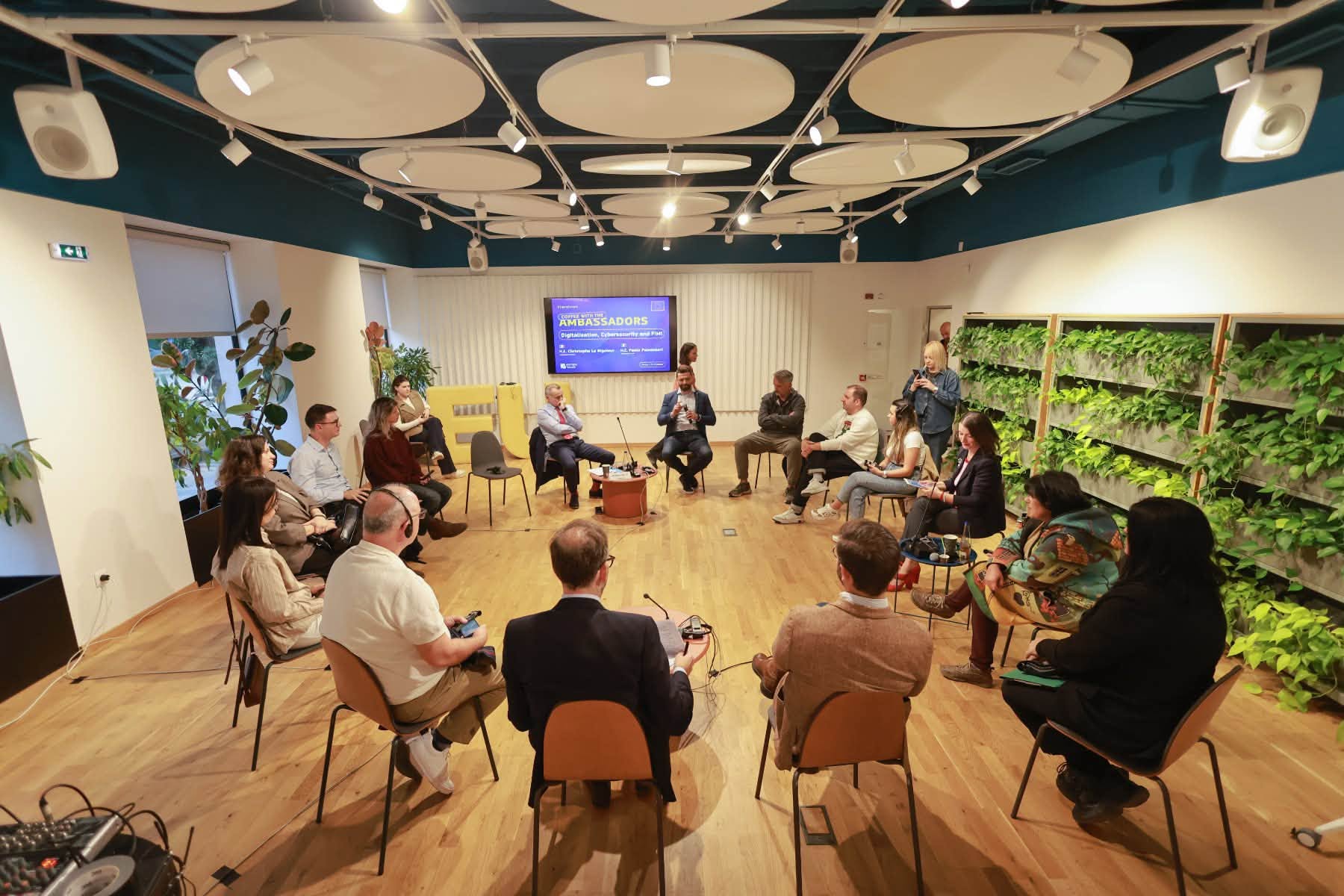
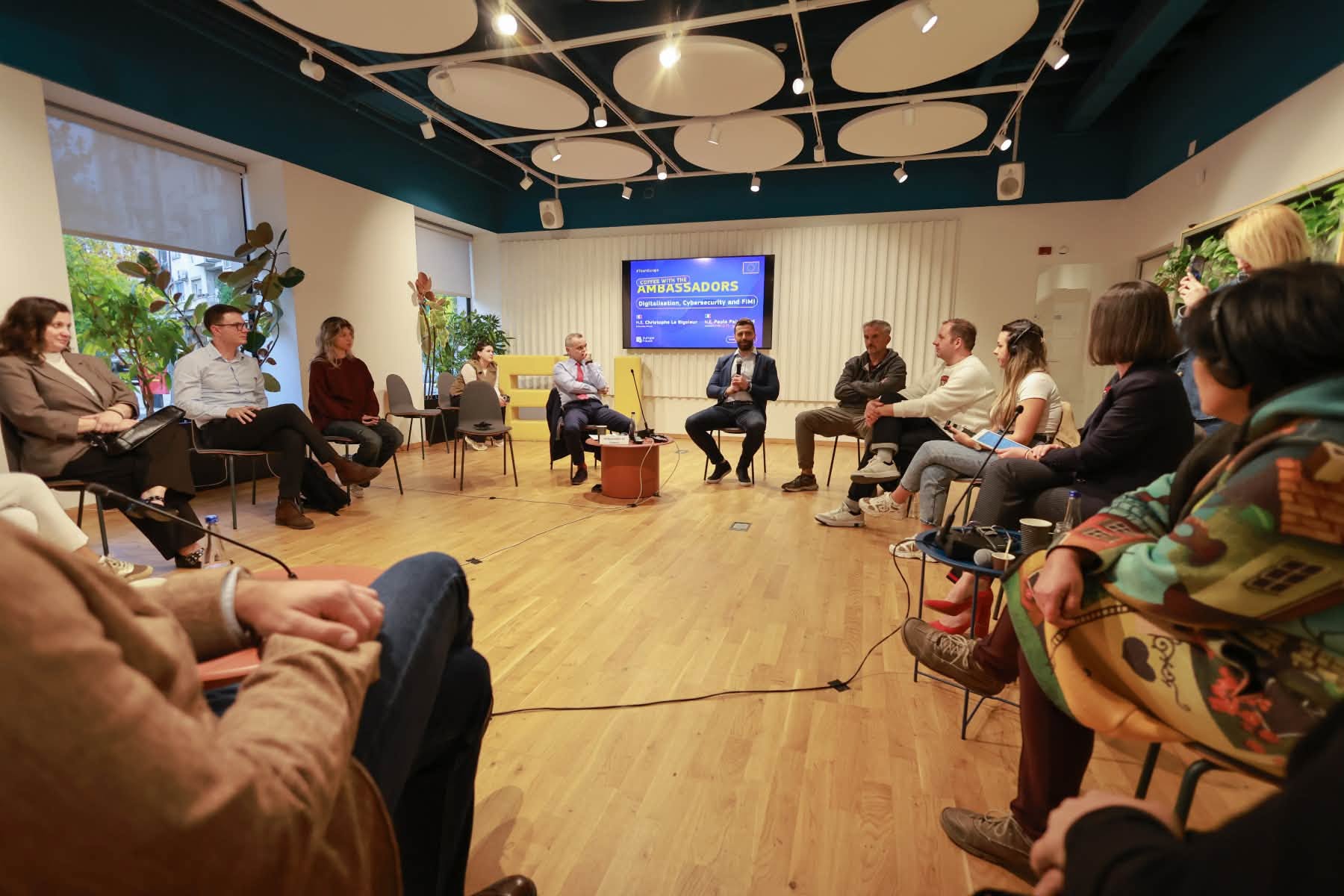
Coffee with Ambassadors in Veles: Digitalisation, Cybersecurity and FIMI

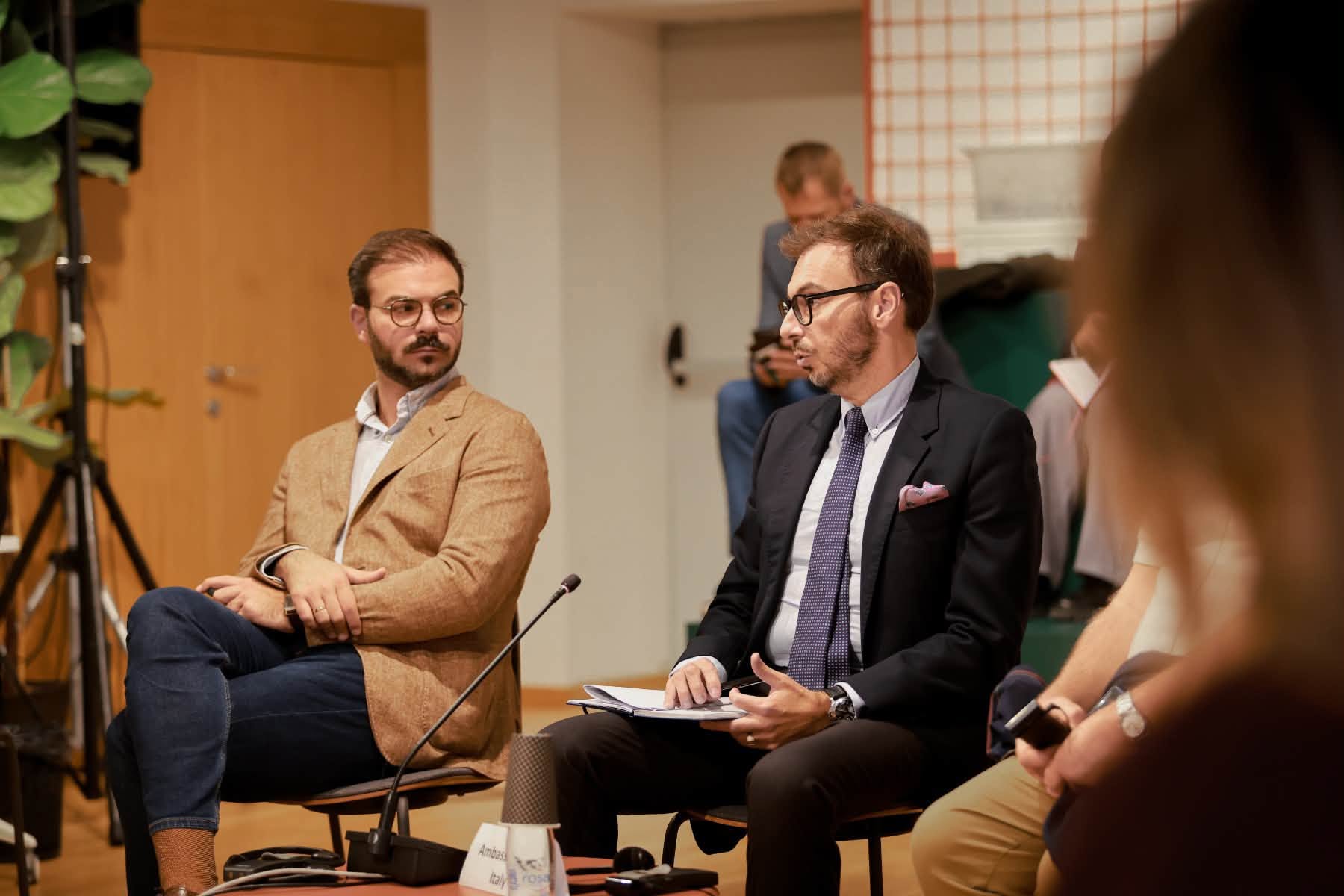
A new edition of Coffee with Ambassadors was held yesterday at Europe House Veles, focusing on “Digitalisation, Cybersecurity and FIMI (Foreign Information Manipulation and Interference)”. The event brought together the French Ambassador, H.E. Christophe Le Rigoleur, and the Italian Ambassador, H.E. Paolo Palminteri.

Among the participants were representatives of local institutions, the media, civil society and the business community, as well as young people and teachers. Discussions focused on the impact of digital platforms on public discourse and democracy, media independence, the protection of citizens’ rights online, and the challenges posed by disinformation and cybersecurity threats.

The conversation explored who sets the rules and shapes the content we see, share and read on digital platforms, as well as Europe’s efforts to safeguard citizens’ rights and democratic values in the digital environment. Participants also discussed European regulations governing digital platforms, the relationship between protecting democracy and upholding freedom of speech, and ways to strengthen journalistic integrity at both local and global levels.

Cyberattacks were examined as a security challenge, rather than merely a technical problem. Particular attention was given to foreign information manipulation and disinformation in Europe and the Western Balkans. The discussion addressed how existing divisions and unresolved disputes can be exploited to spread messages that undermine trust and contribute to instability.

Participants also considered what candidate countries can do to protect democracy and the information space even before joining the EU, and what support EU Member States can provide to help them meet these challenges.

At the end of the discussion, participants were invited to reflect on how local institutions, the media, schools, civil society and the business community can help make their communities more resilient to manipulation.

Coffee with Ambassadors is part of Europe House’s activities aimed at creating space for dialogue on European policies, experiences and values, and exploring their practical significance for citizens and local communities across North Macedonia.


Exploring Study Opportunities in the EU: From Scholarships to Student Exchanges

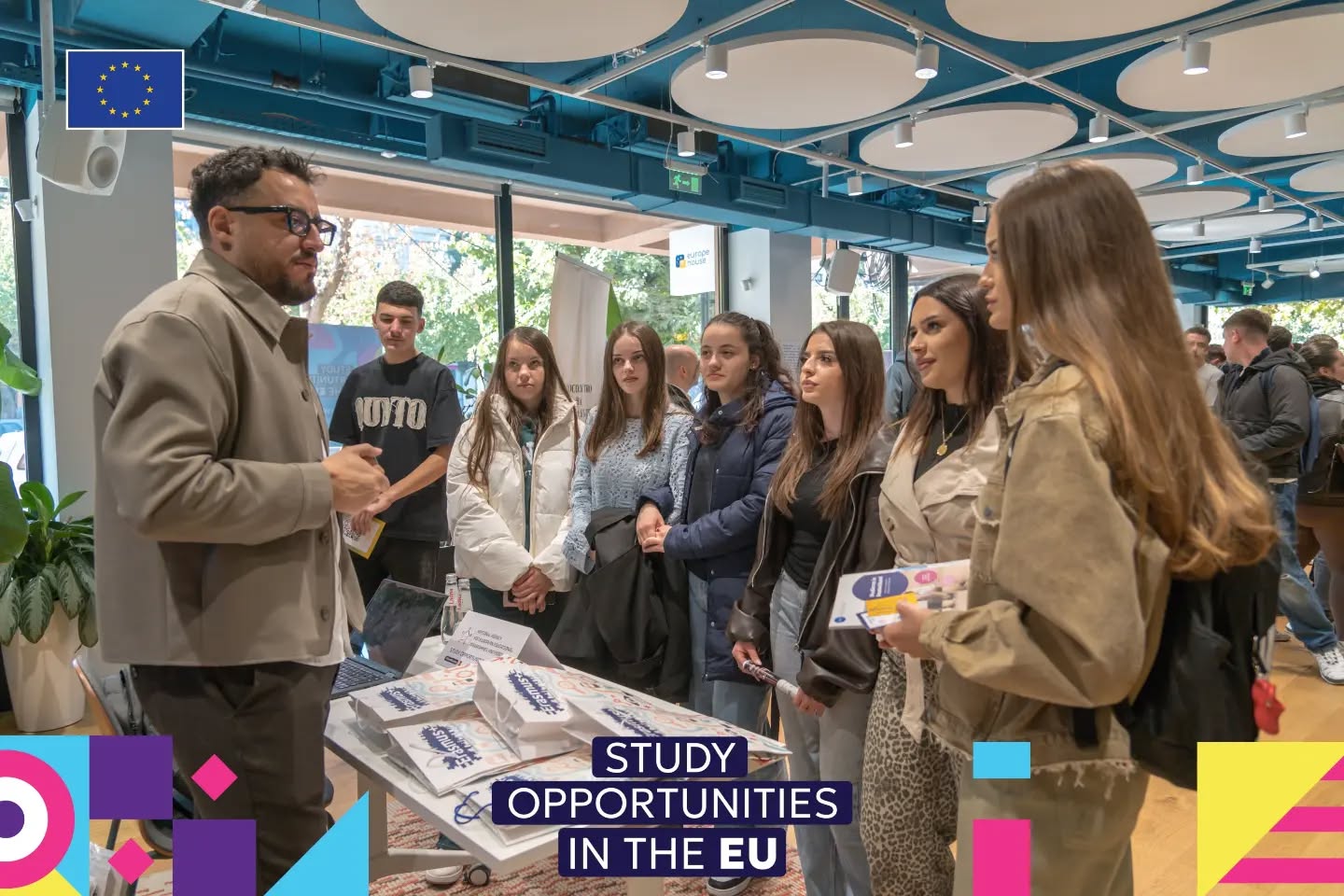
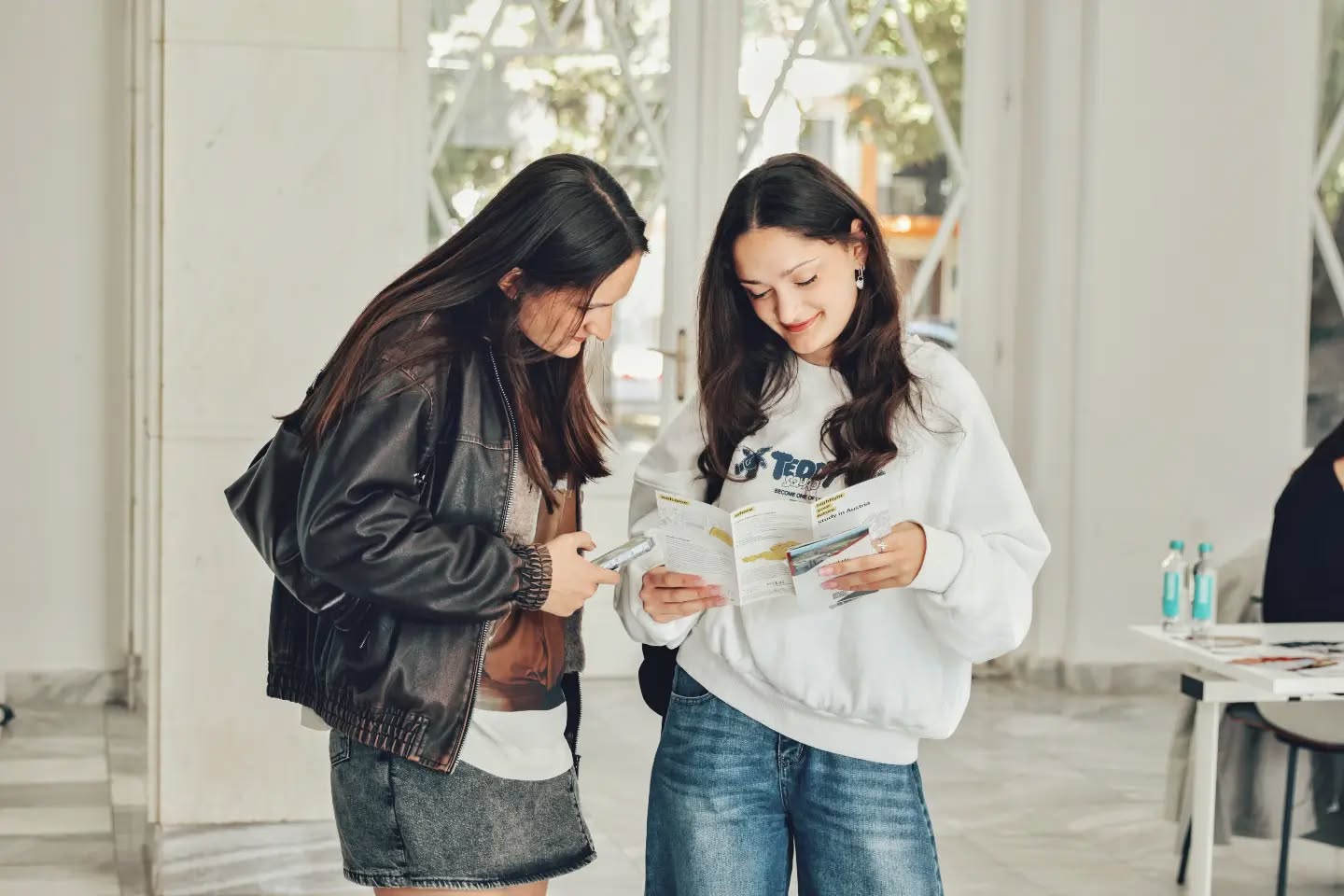
As part of Erasmus Days 2026, young people explored ways to pursue their education in Europe at the Study Opportunities in the EU Fairs, organised at Europe House Bitola and Europe House Tetovo. The day-long events connected prospective students with representatives of embassies and educational institutions, offering practical guidance on scholarships, exchange programmes and academic mobility schemes.

Europe House Bitola: Your Journey to Studying in the EU Starts Here

The fair in Europe House Bitola brought together representatives of the embassies of France, Austria, Germany, Greece and Bulgaria, Erasmus+ representatives and local academic institutions. Alongside information on study programmes and funding opportunities, students heard first-hand accounts from peers who had already experienced studying abroad.

The conversations helped participants explore different academic pathways and understand the steps towards studying in Europe. Beyond their studies, such experiences can offer opportunities to discover new cultures, build friendships and gain skills that last a lifetime.

Europe House Tetovo: Taking the Next Step to European Academic Experience

At Europe House Tetovo, the fair brought European study opportunities closer to young people in the Polog region. Representatives of the embassies of Bulgaria, France, Germany, Italy and Sweden, together with the National Agency for European Educational Programmes and Mobility, presented the wide range of options available to prospective students from North Macedonia.

The event encouraged participants to ask questions, explore scholarship and exchange opportunities, and consider how studying abroad could shape their academic and personal futures.

From Academic Ambitions to Concrete Plans

The fairs encouraged young people to look beyond familiar borders, ask questions and consider how studying in another European country could shape their future. Through initiatives like these, the Europe House network helps make international study opportunities more accessible, empowering young people to take informed steps towards their academic goals, and turn their ambitions into plans.

Sometimes, the journey towards a European university begins with a single conversation that opens up a whole new world of possibilities.


“Students Set the Agenda”: EU Ambassador’s Dialogue Series Kicks Off at UKIM

Today, the Ambassador of the European Union, Michalis Rokas met with students from Ss. Cyril and Methodius University in Skopje (UKIM) for the first edition of “Students Set the Agenda,” a series of university dialogues in which young people choose the topics they want to discuss.

Organised by the Delegation of the European Union and Europe House, in partnership with the Iustinianus Primus Faculty of Lawin Skopje and Studentarija, the initiative puts students at the centre of conversations about their future. It gives them a platform to ask questions, share their experiences and discuss their expectations and priorities directly with the EU Ambassador.

The students proposed and selected the discussion topics themselves, actively steering the conversation and taking the lead in shaping the agenda. They raised questions about the country’s EU accession process, the rule of law, opportunities for young people and their role in shaping the country’s future.

Ambassador Rokas highlighted the importance of rebuilding trust, demonstrating political commitment and pursuing continued reforms as key steps towards advancing the country’s European path. He particularly emphasised the need to strengthen the independence and effectiveness of institutions.

He also spoke about the opportunities offered by the EU, including the Erasmus+ programme, encouraging young people to gain international experience, bring their knowledge back home and take a more active role in public life. In doing so, they can help drive positive change and create better opportunities for future generations.

“I truly enjoyed today’s meeting with students at UKIM in Skopje. It was refreshing to hear their questions, ideas and concerns and to engage in such an open and honest exchange of views. Young people have a great deal to say about their future, and we need to listen to them. Conversations like these bring us closer together and help us build a better future. But it is not just about listening. Young people must also have a genuine voice in the decisions that affect their lives and the future of their country,” said EU Ambassador Rokas.

The meeting at UKIM marks the first in a series of visits the EU Ambassador will make to universities across the country as part of the “Students Set the Agenda” initiative. The aim is to hear directly from young people about how they see North Macedonia’s European future and the role they want to play in shaping it.

The series is organised by the Delegation of the European Union and Europe House, in partnership with universities across North Macedonia and Studentarija, the country’s largest youth-led student platform. Throughout the academic year, students from across the country will have the opportunity to put their priorities on the EU Ambassador’s agenda.

Subscribe To our newsletter!