News Archives - Page 2 of 16 - Europe House

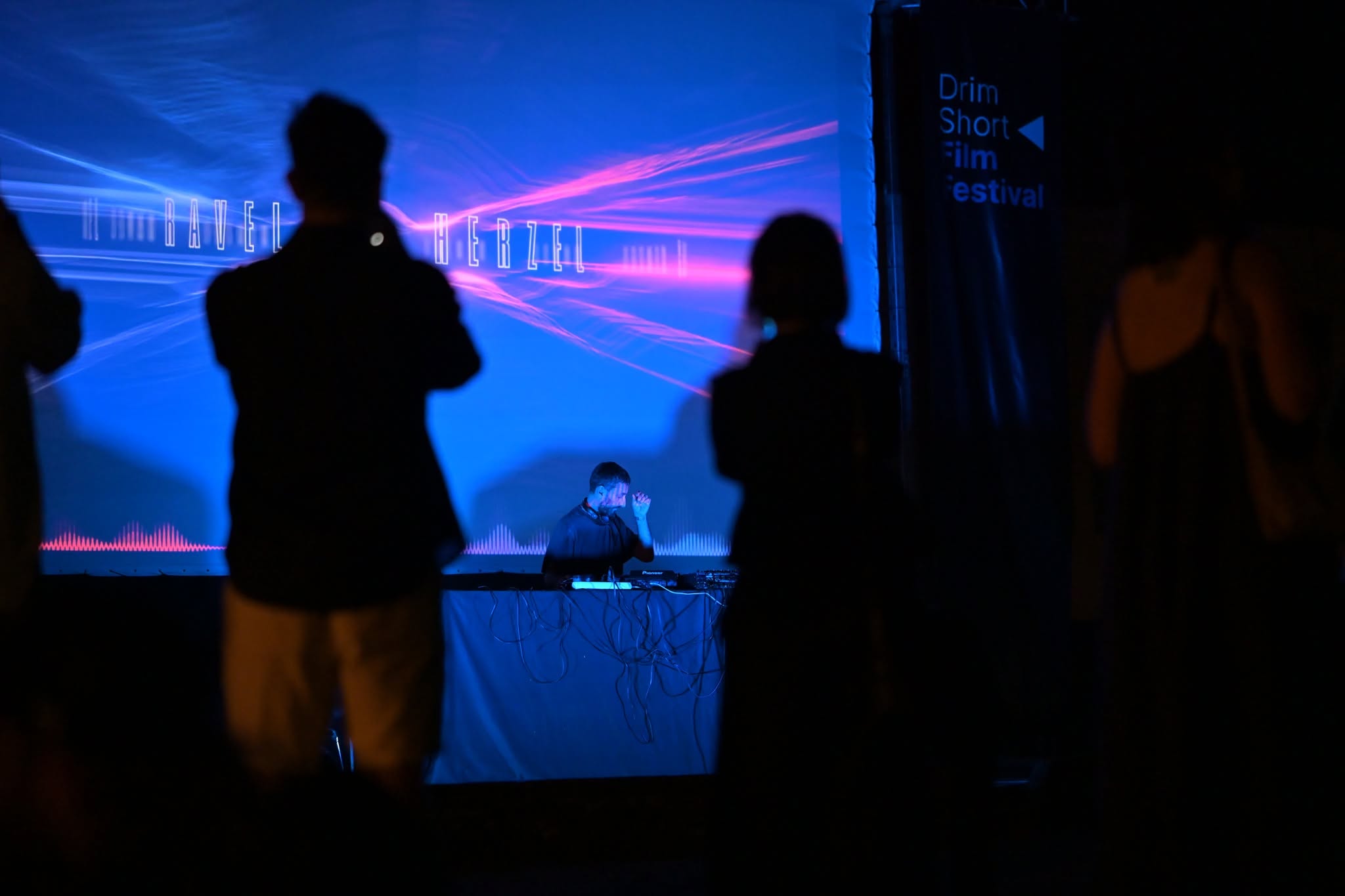
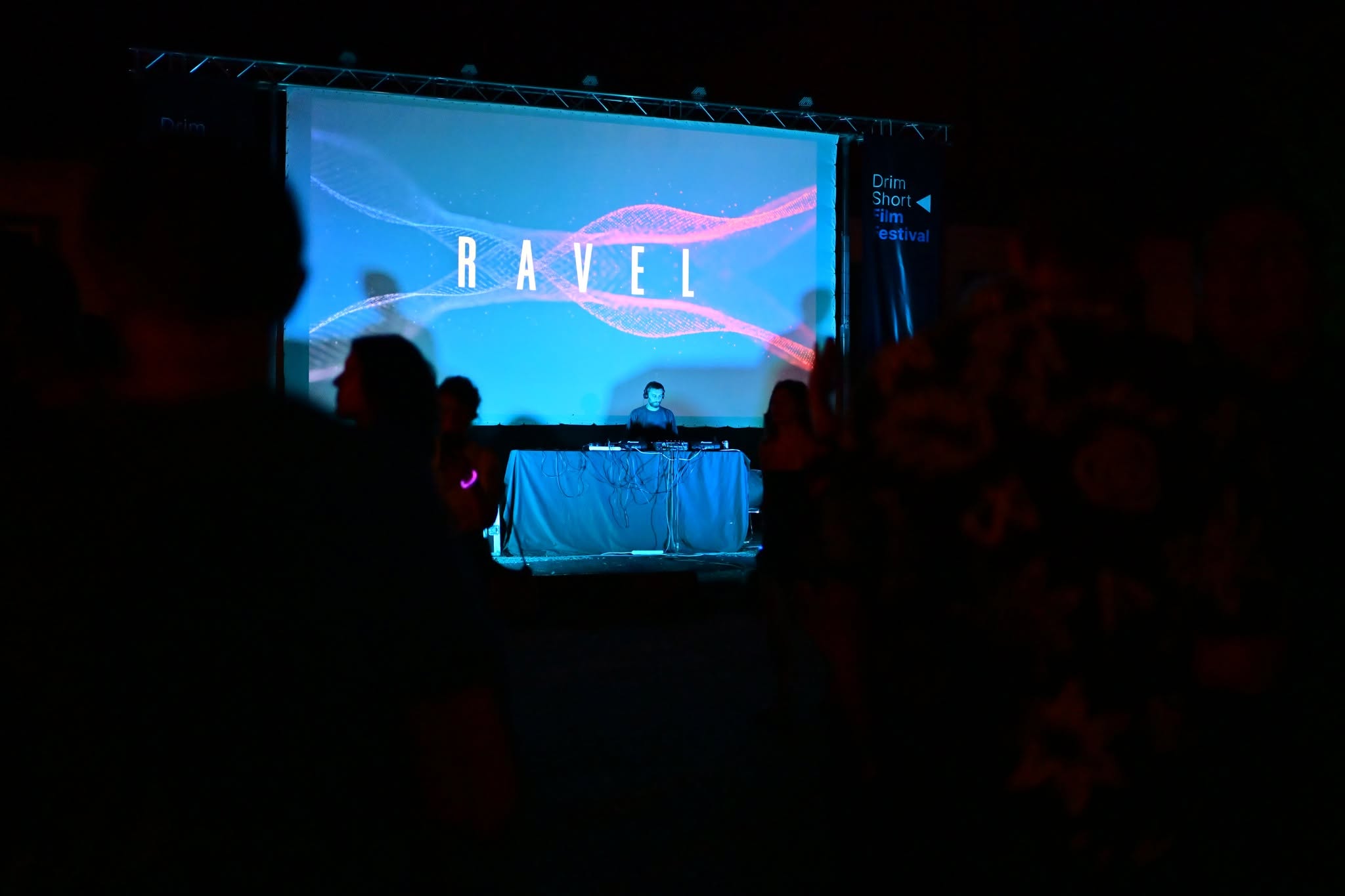
RAVEL: Unravel by Herzel – A Contemporary Take on Ravel’s Music Comes to Struga

What happens when the music of Maurice Ravel is seen through the lens of an artist rooted in contemporary electronic music?

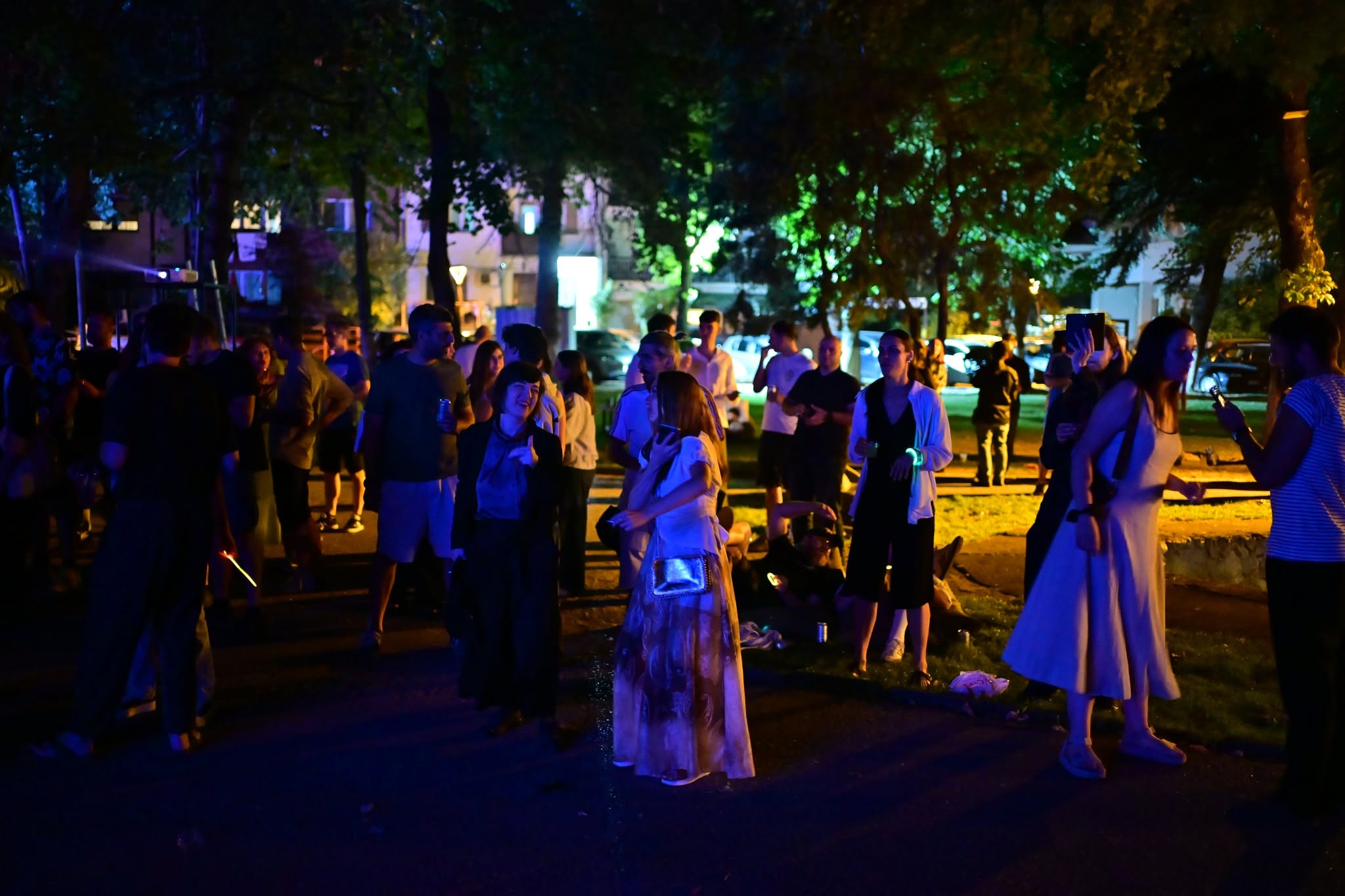
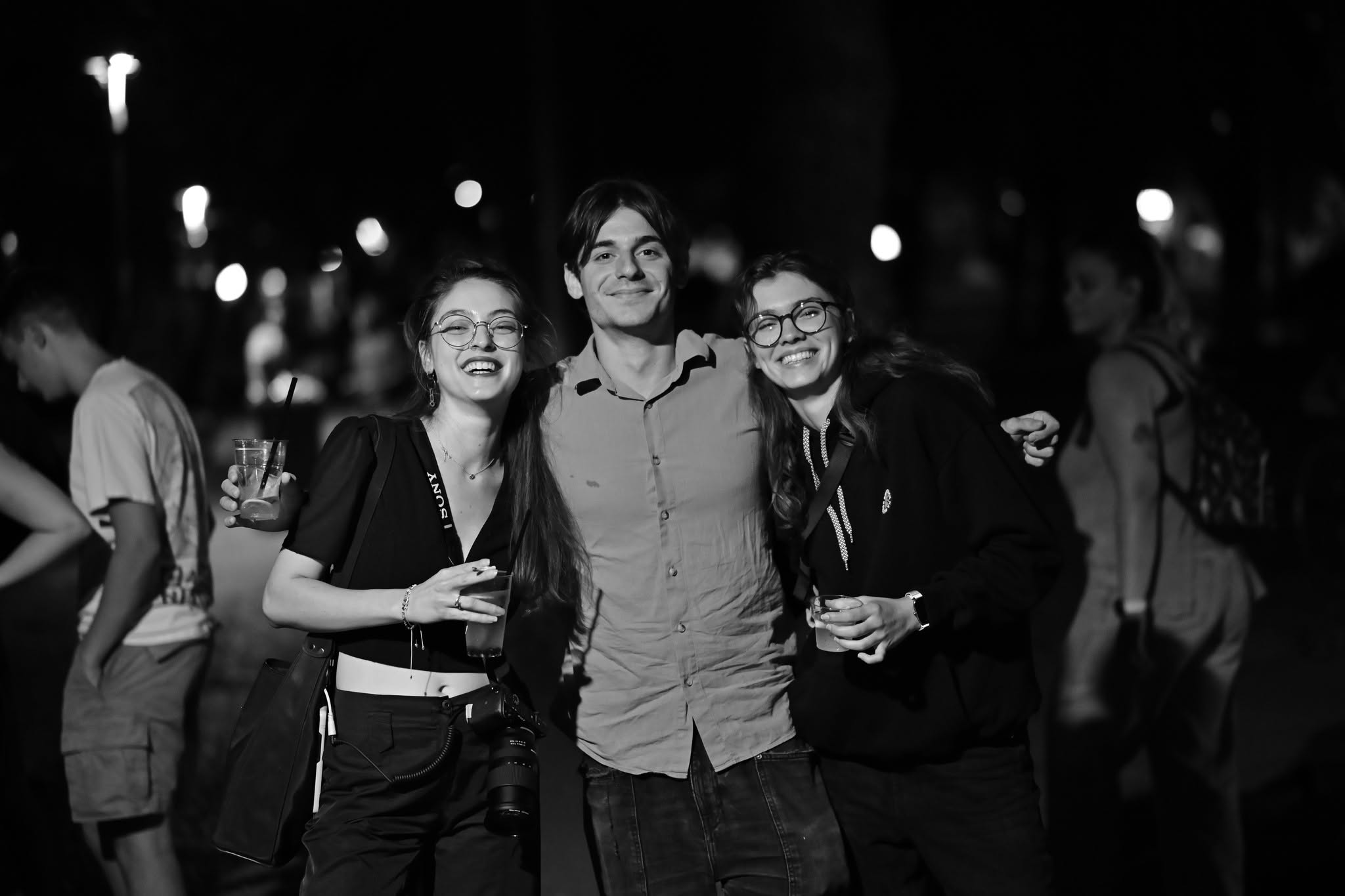
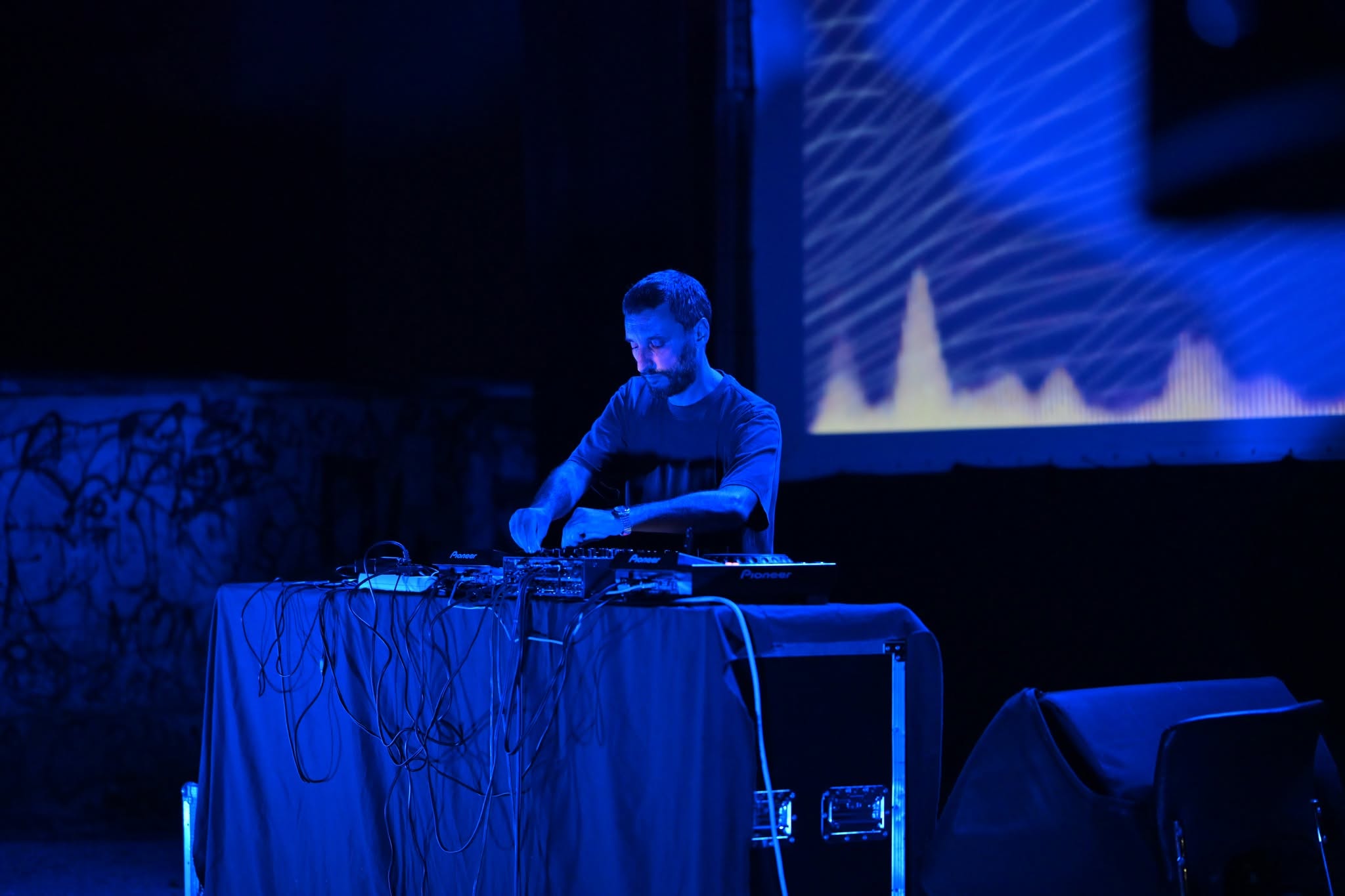
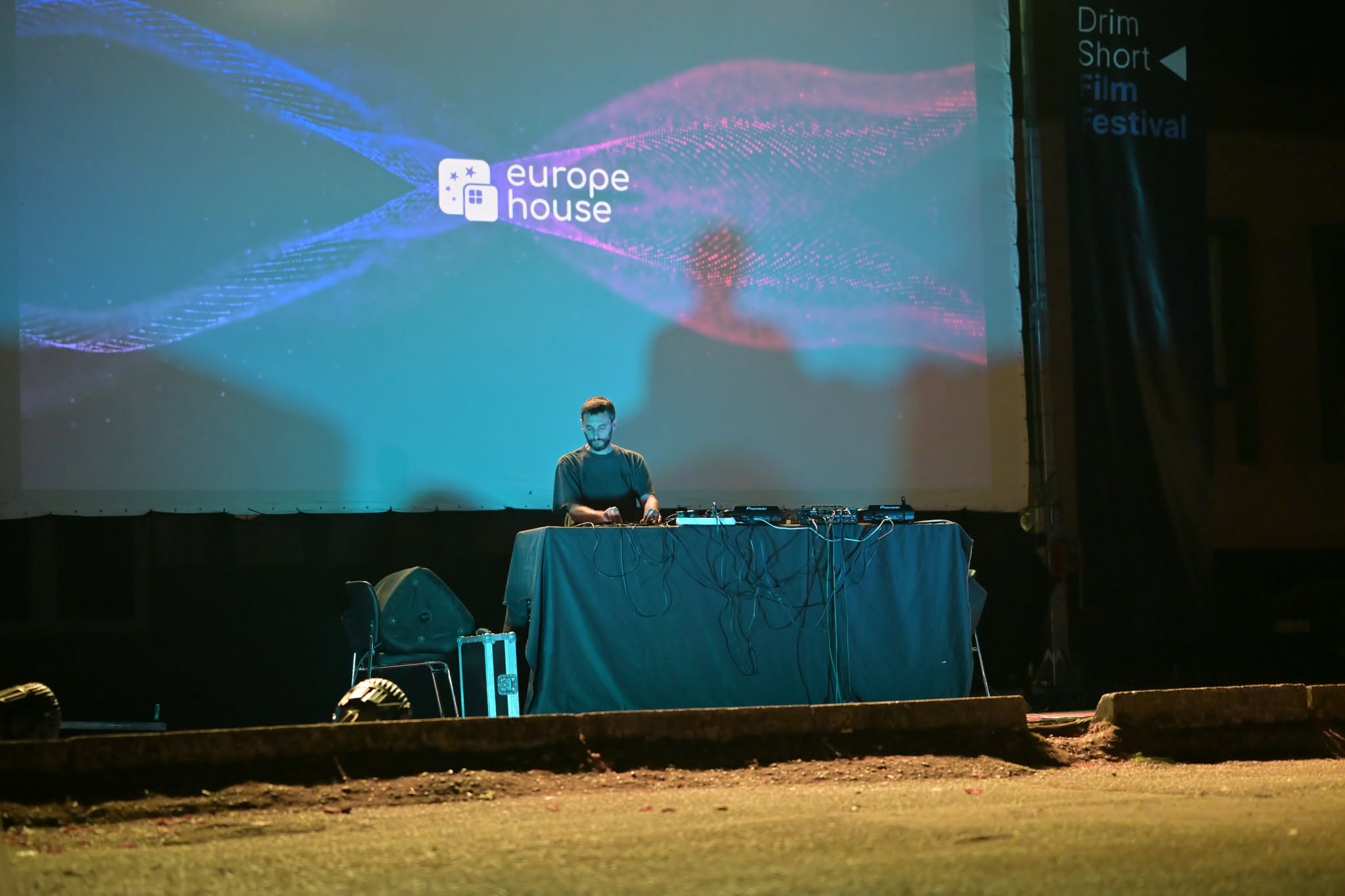
That is exactly the experience offered by Aleksandar Grozdanovski, aka Herzel, who brought “RAVEL: Unravel” to Struga’s Poetry Park — an unconventional musical performance that reimagined the work of one of the 20th century’s most influential composers for a contemporary audience.

For more than a century, Ravel’s music has reached far beyond the traditional boundaries of classical music. Known for its precision, rich sonic palette and daring ideas, his work continues to inspire musicians across genres around the world. These qualities provided the foundation for Herzel’s fresh take on Ravel’s music.

“RAVEL: Unravel” was neither a classical concert nor an electronic set. By bringing Ravel’s composition into dialogue with contemporary electronic production, Herzel created a fresh musical experience, offering audiences a new way to hear and experience Ravel’s music.
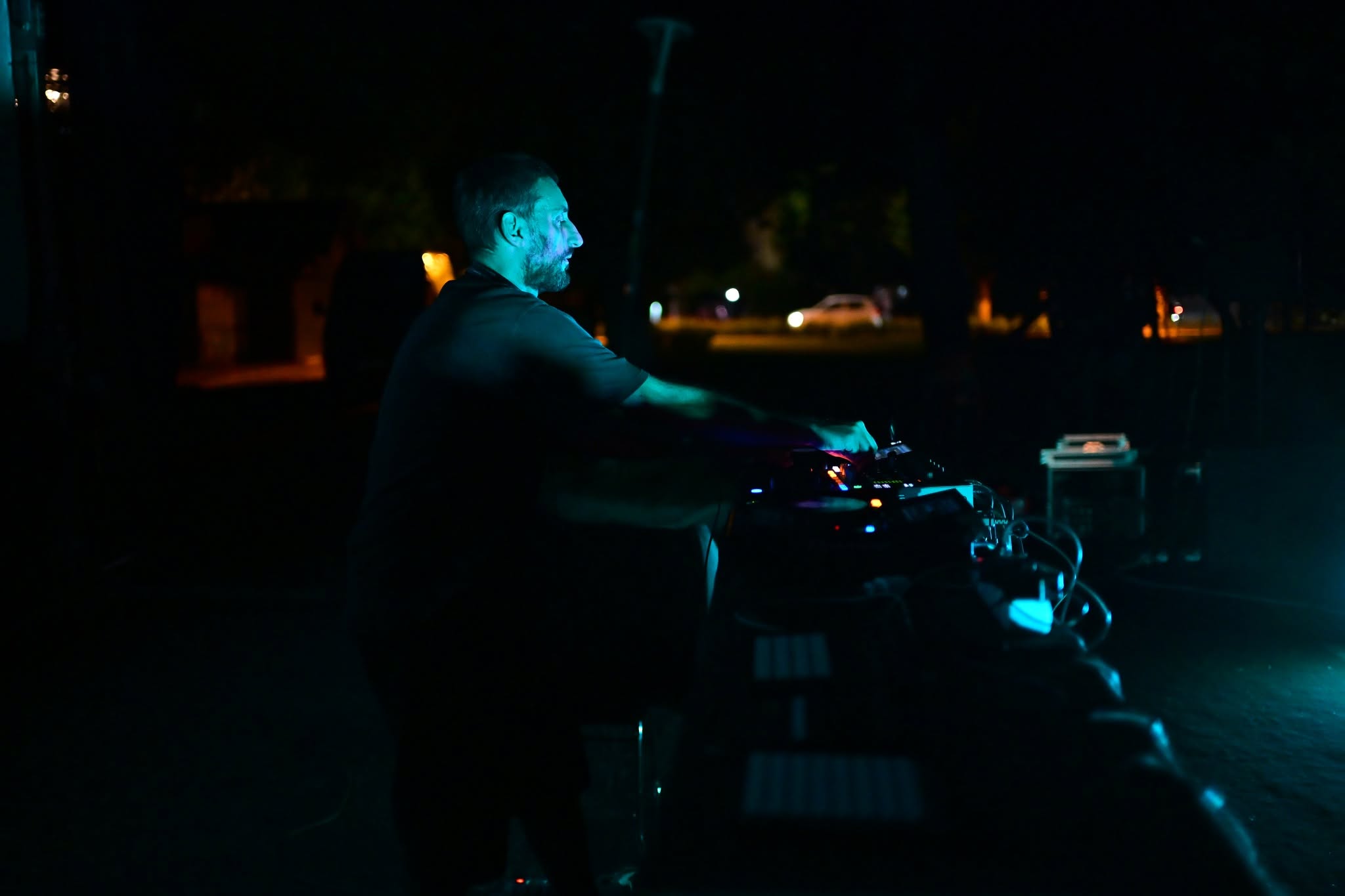
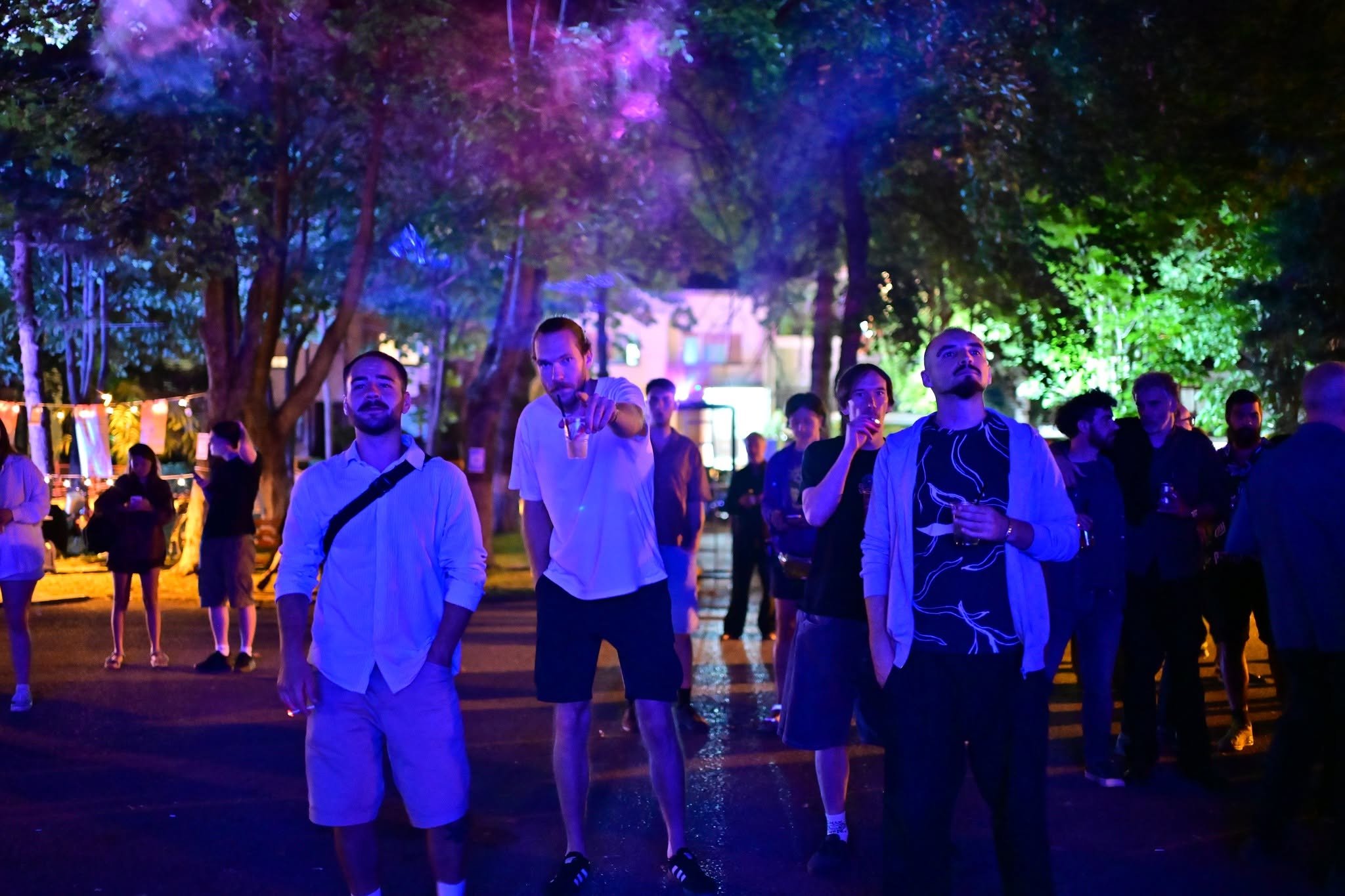
The event was organized in collaboration with the Drim Short Film Festival and supported by the French Institute in Skopje, Agence Consulaire de France in Bitola and Honorary Consul Kaliopa Stilinović, and Alliance Française de Bitola.

This performance is part of a broader effort to introduce French cultural heritage to new audiences through contemporary artistic forms — giving music composed more than a century ago a chance to resonate in a fresh and unexpected way.
From an Old T-Shirt to a New Story: “Wear Your Art” Brings Creativity and Sustainability Together

What if an old T-shirt could become a canvas for a new story?

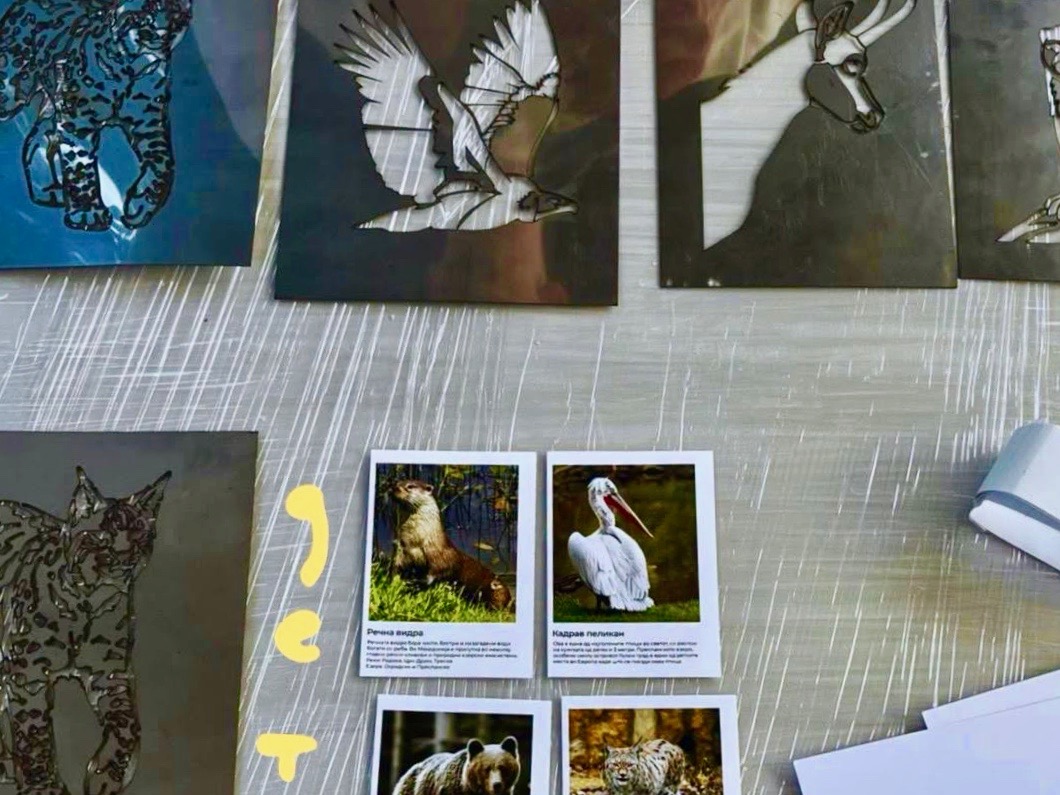
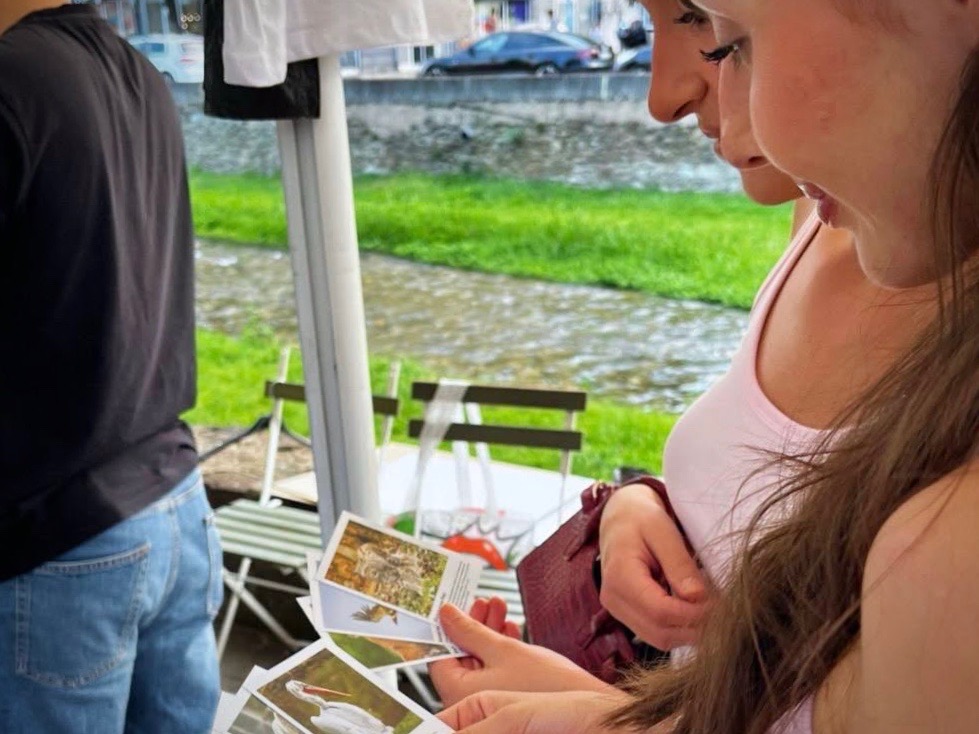
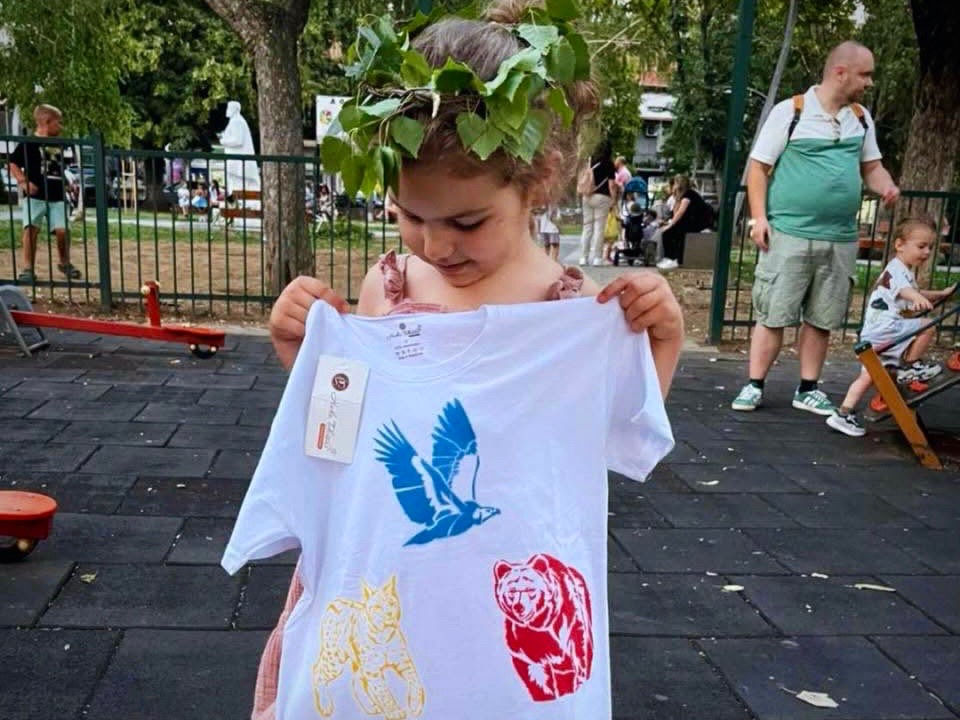
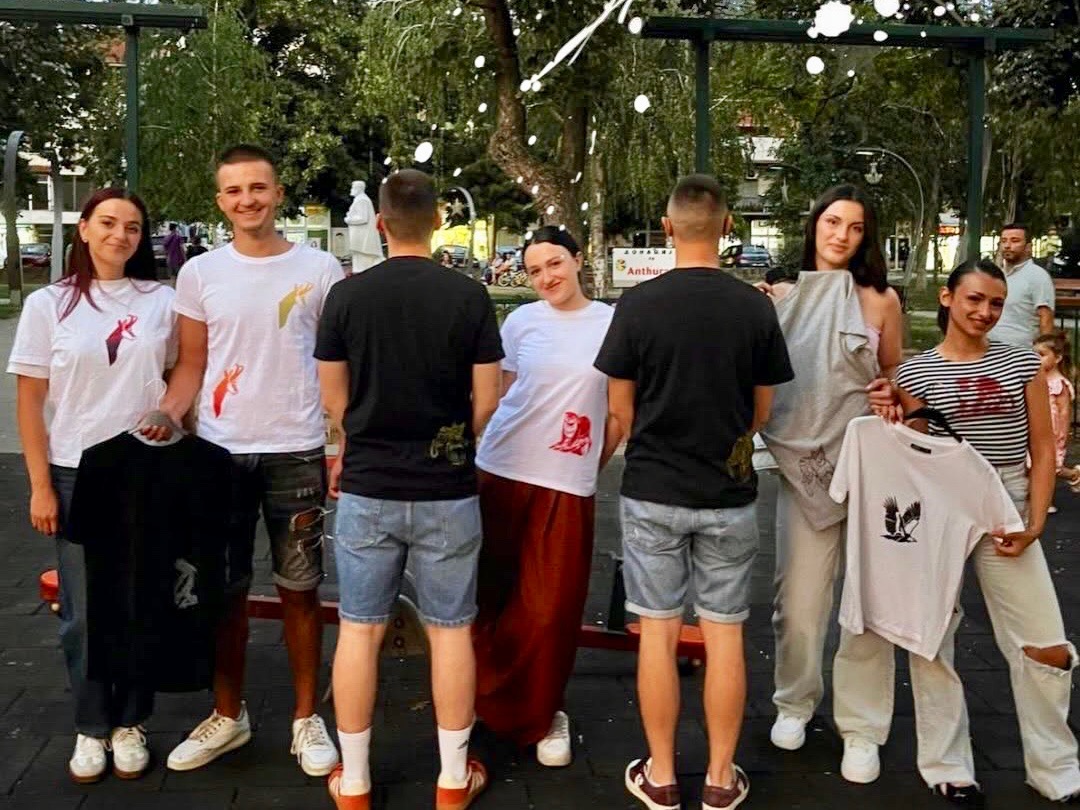
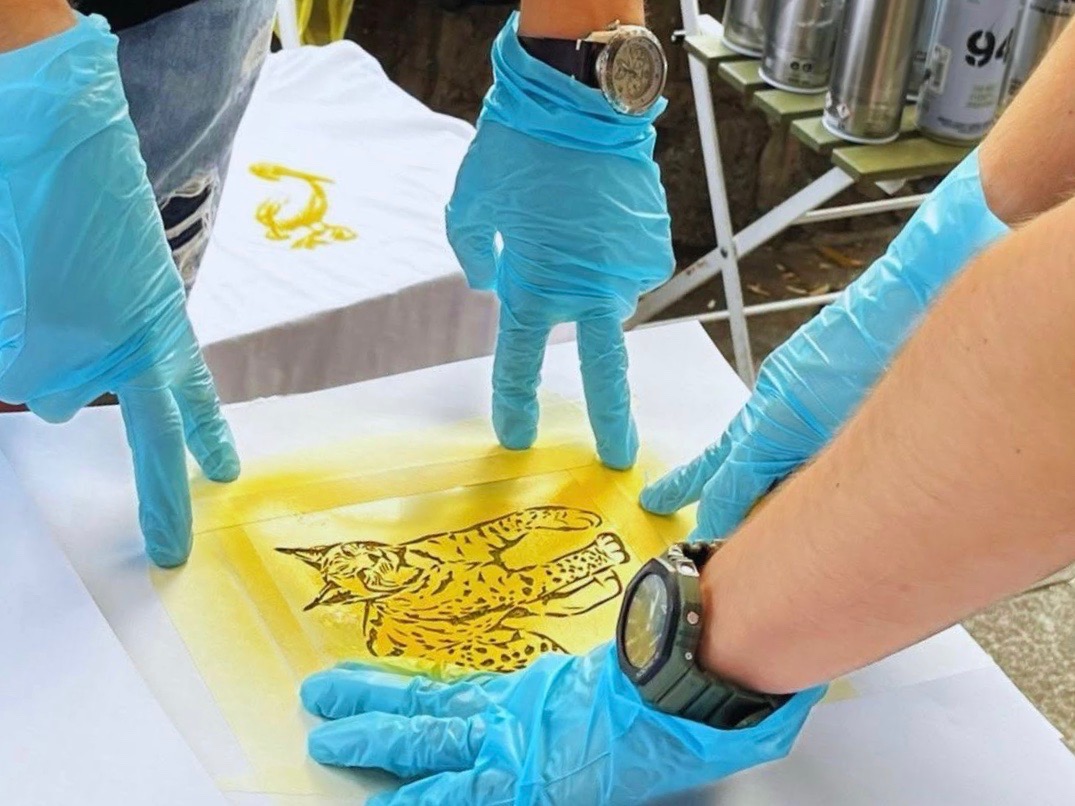
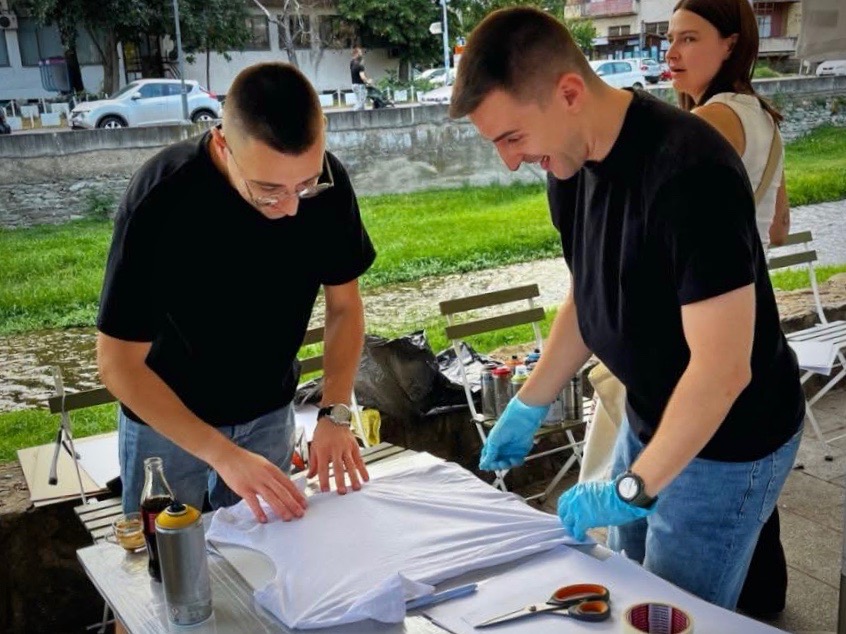
That was the idea behind Wear Your Art, a creative pop-up workshop organized by Europe House Strumica in collaboration with Gnezdo from Kočani, Tomislav and Simon. The workshop gave old T-shirts a whole new life — instead of ending up as waste, they were transformed into unique pieces of clothing.

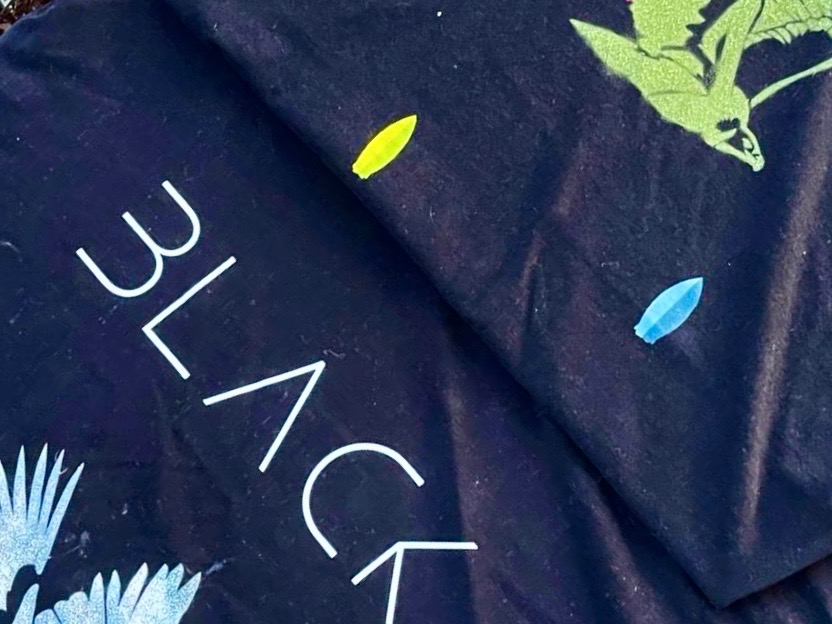
Using textile paints and specially designed stencils, participants created their own designs inspired by some of the most endangered animal species in North Macedonia and across the Balkans — the Balkan lynx, griffon vulture, Dalmatian pelican, Eurasian otter, brown bear and Balkan chamois.

Each print was more than just a piece of art. It was a reminder that creativity can be a powerful way not only to talk about sustainability and nature conservation, but also to put these values into practice.

And the need for ideas like these is growing. Globally, around 92 million tonnes of textile waste end up in landfills every year. Much of the clothing we throw away can be given a second life — as something new, with a new purpose or a new story.

Wear Your Art showed that sustainability does not have to be a serious topic of conversation. It can be creative, fun and personal — something that starts with an individual choice and carries a personal touch.

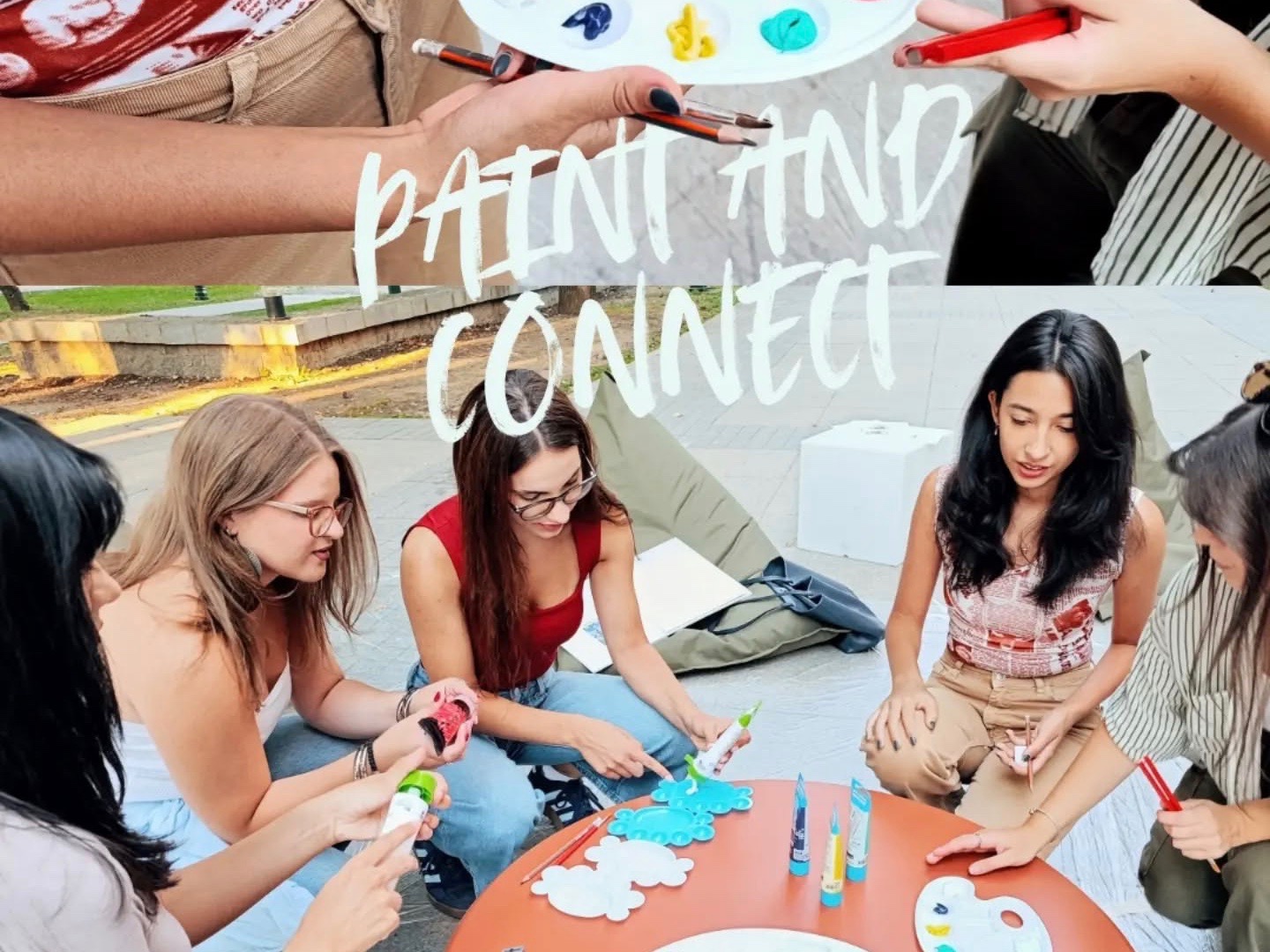
“Paint and Connect” – One Composition, Different Artistic Interpretations

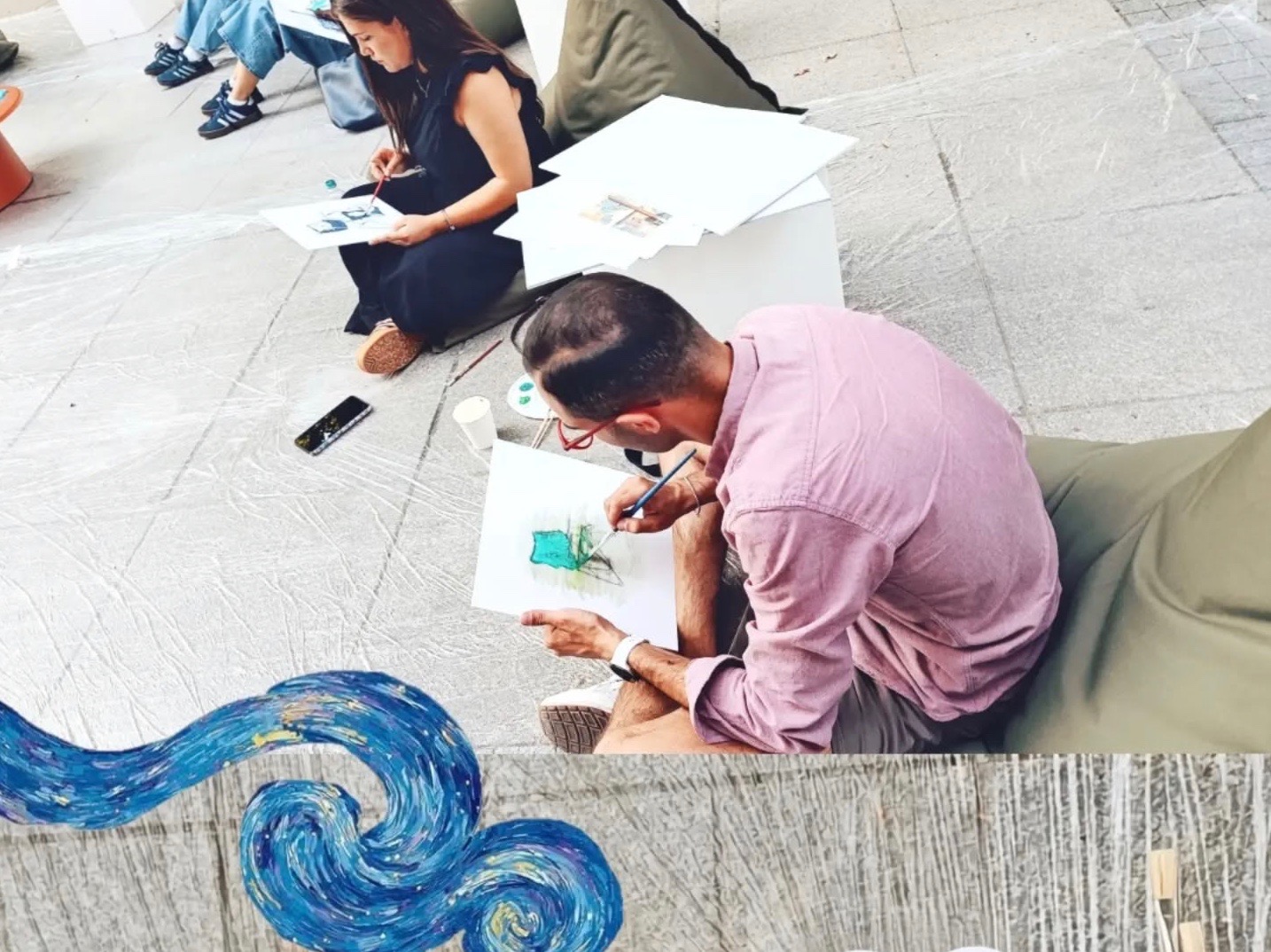
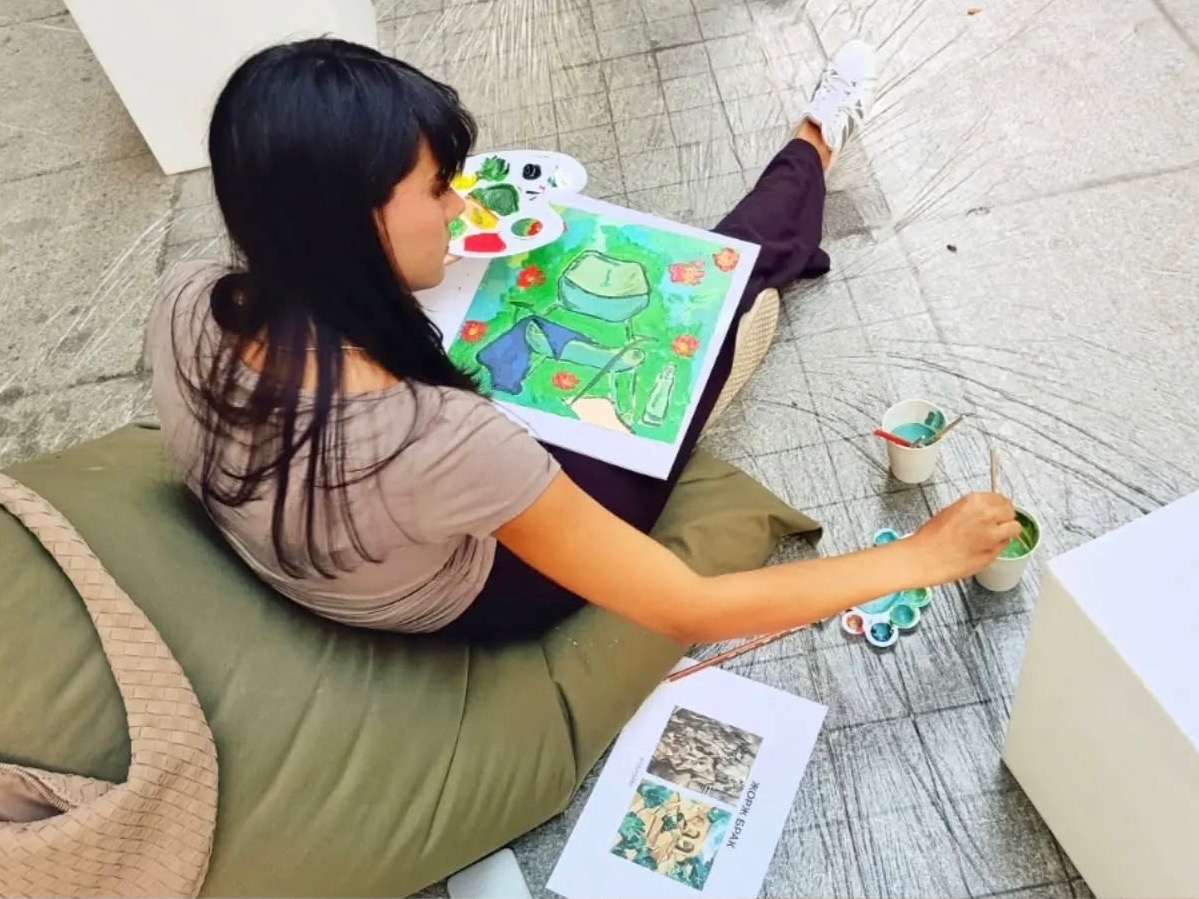
What happens when the same composition is seen through different eyes? – Different stories emerge, with different colors, perspectives and forms of artistic expression.

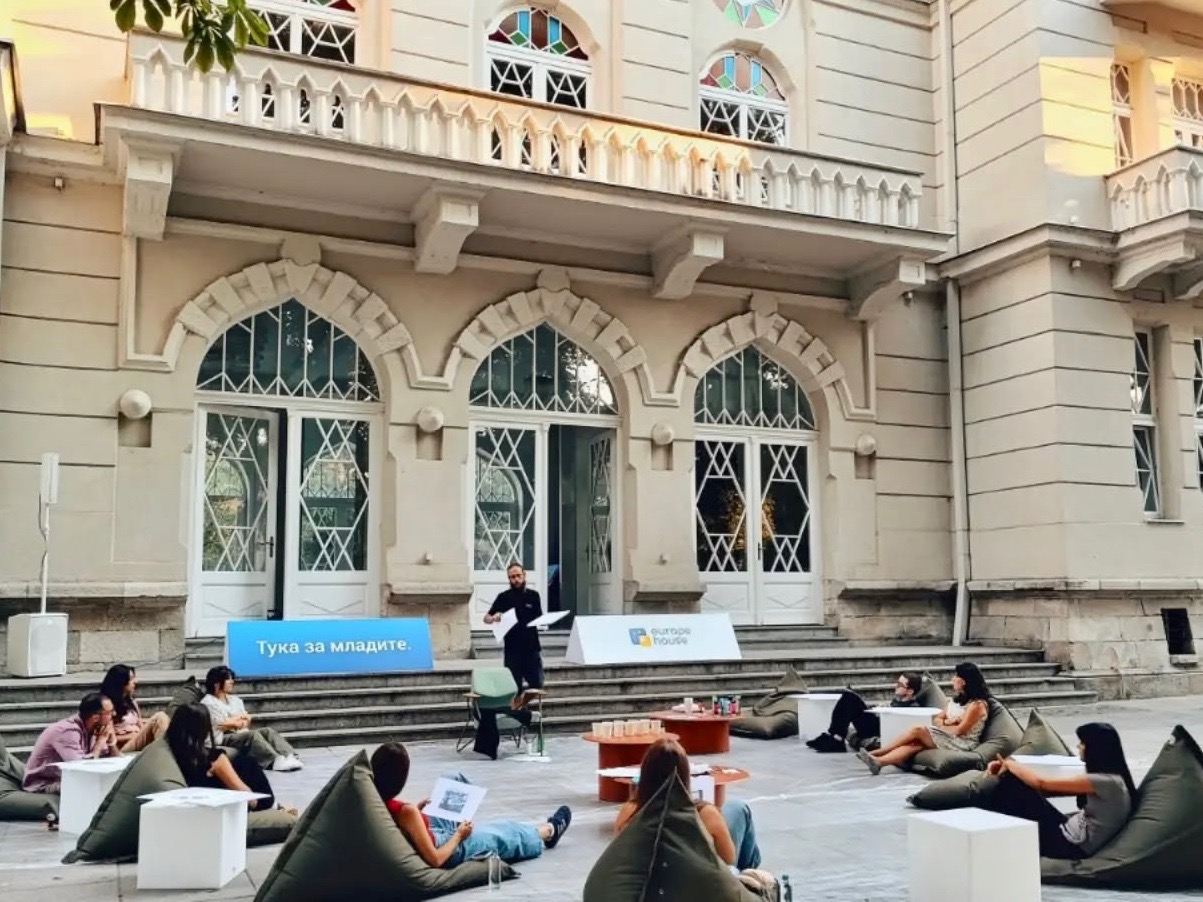
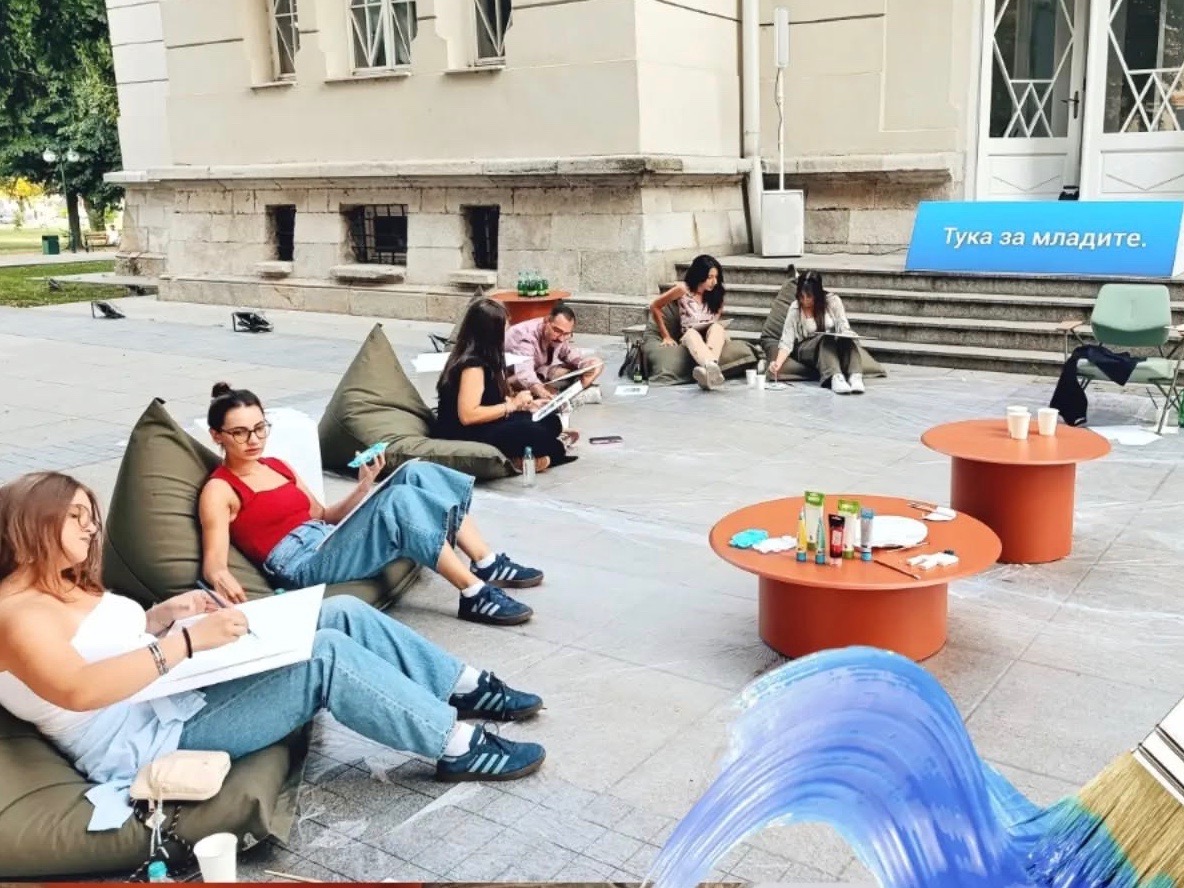
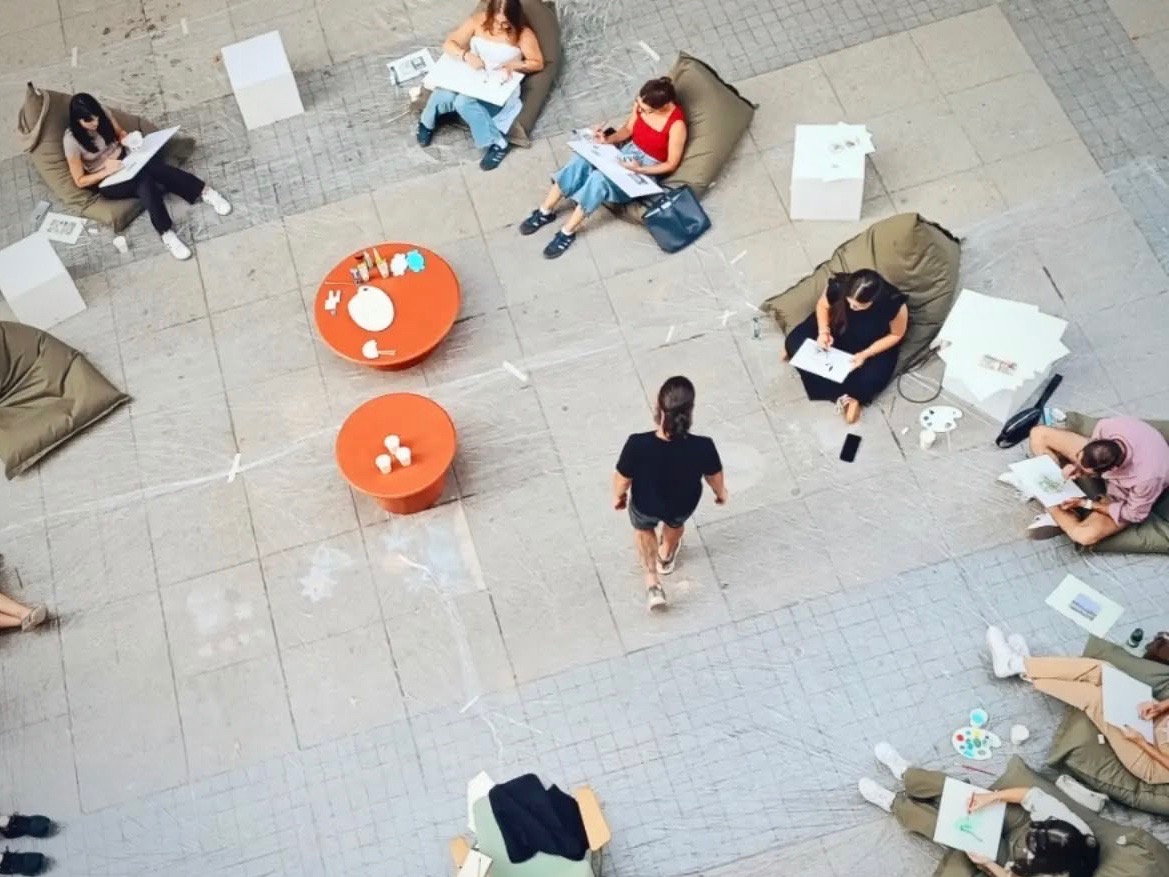
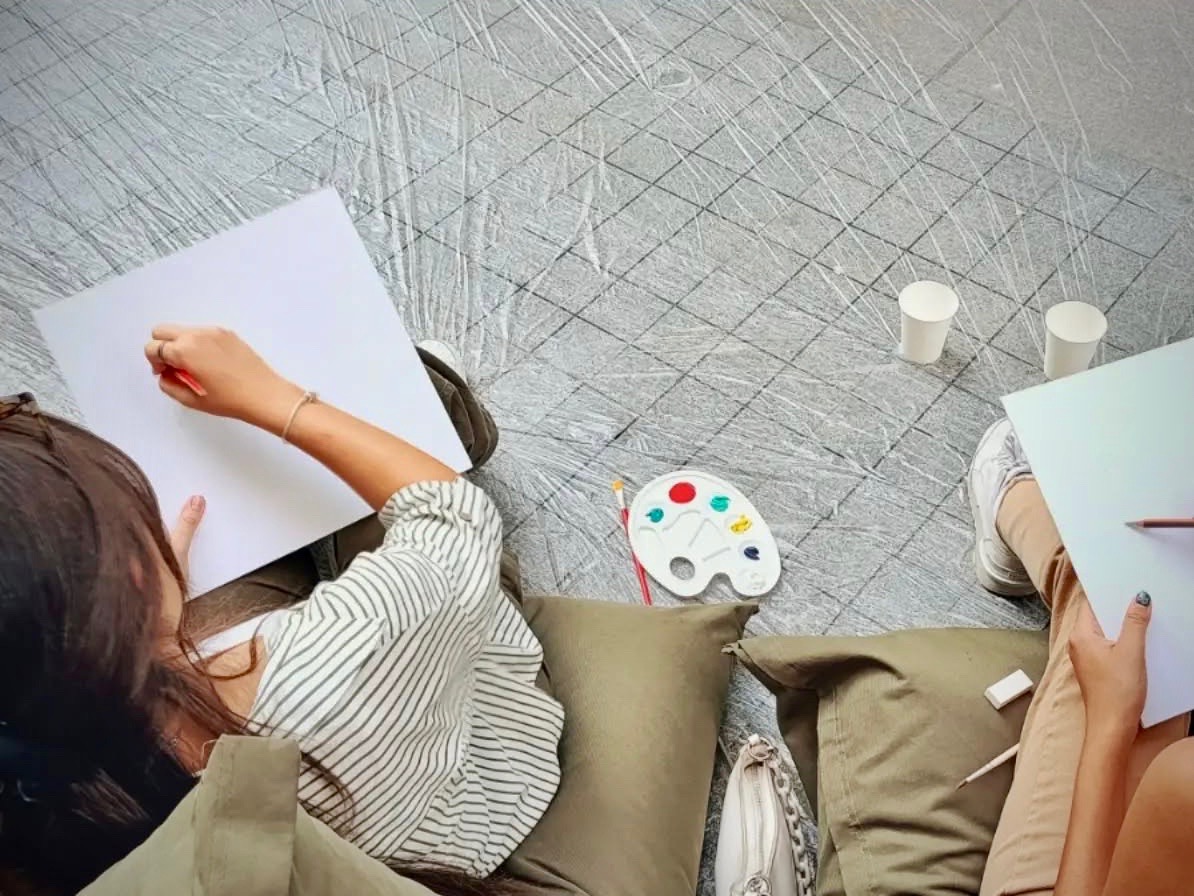
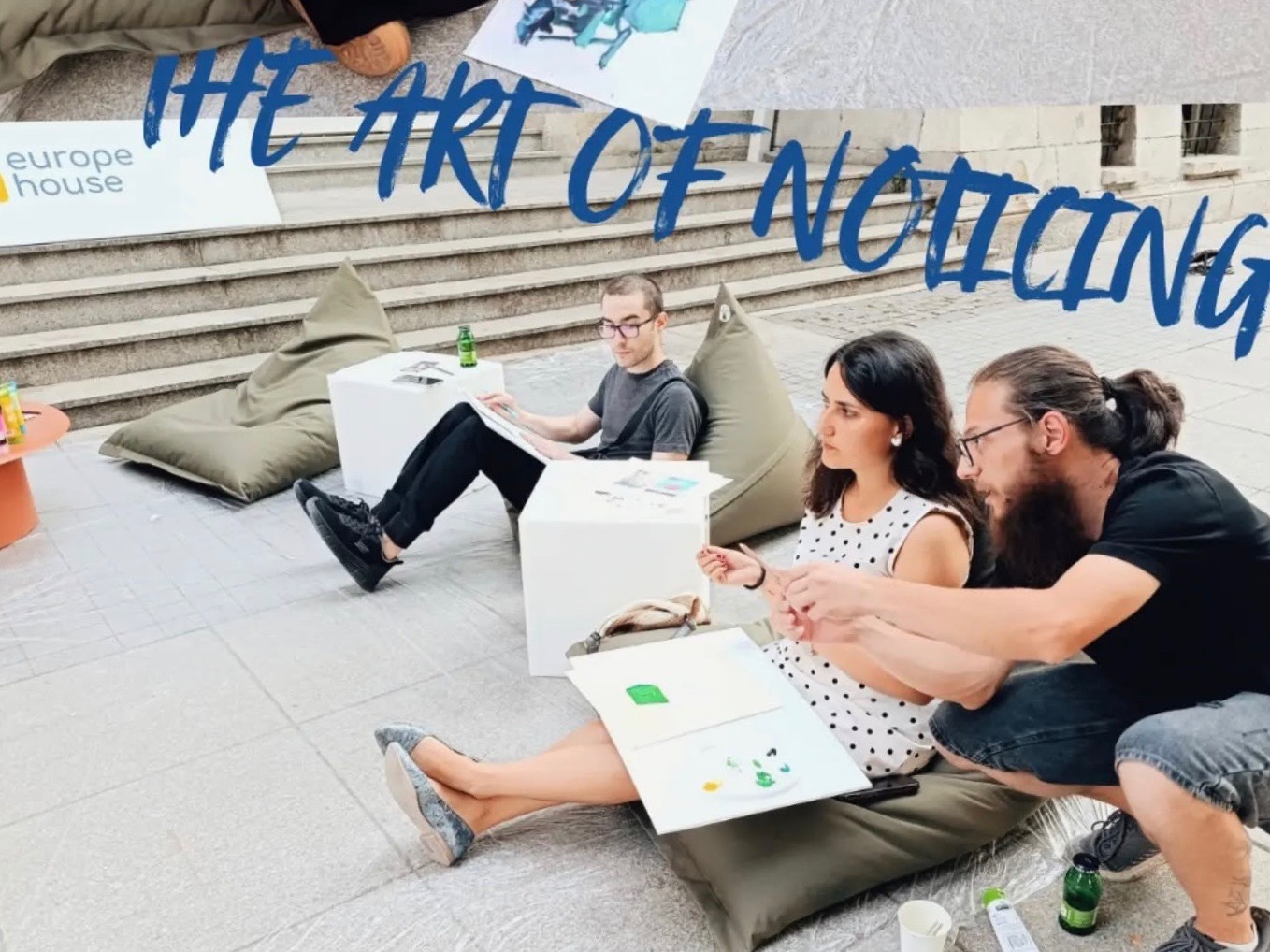
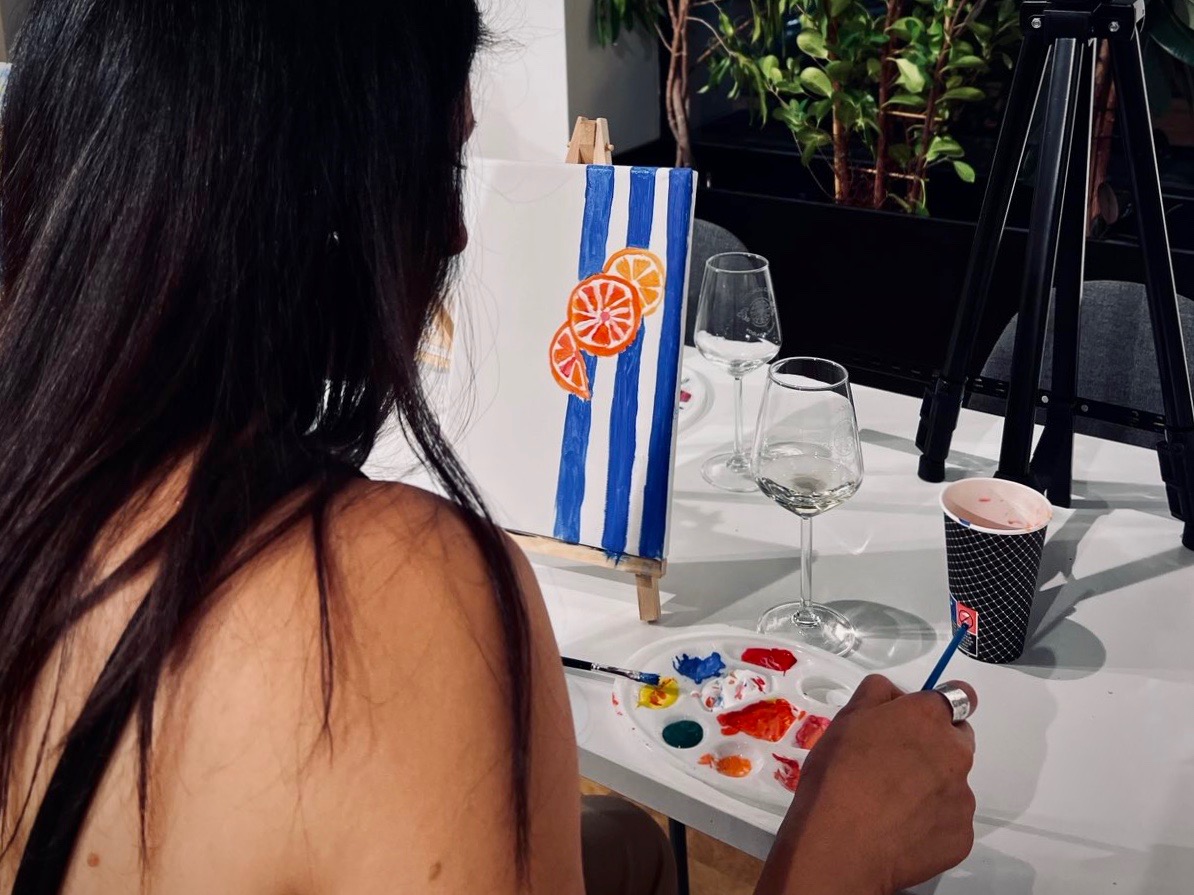
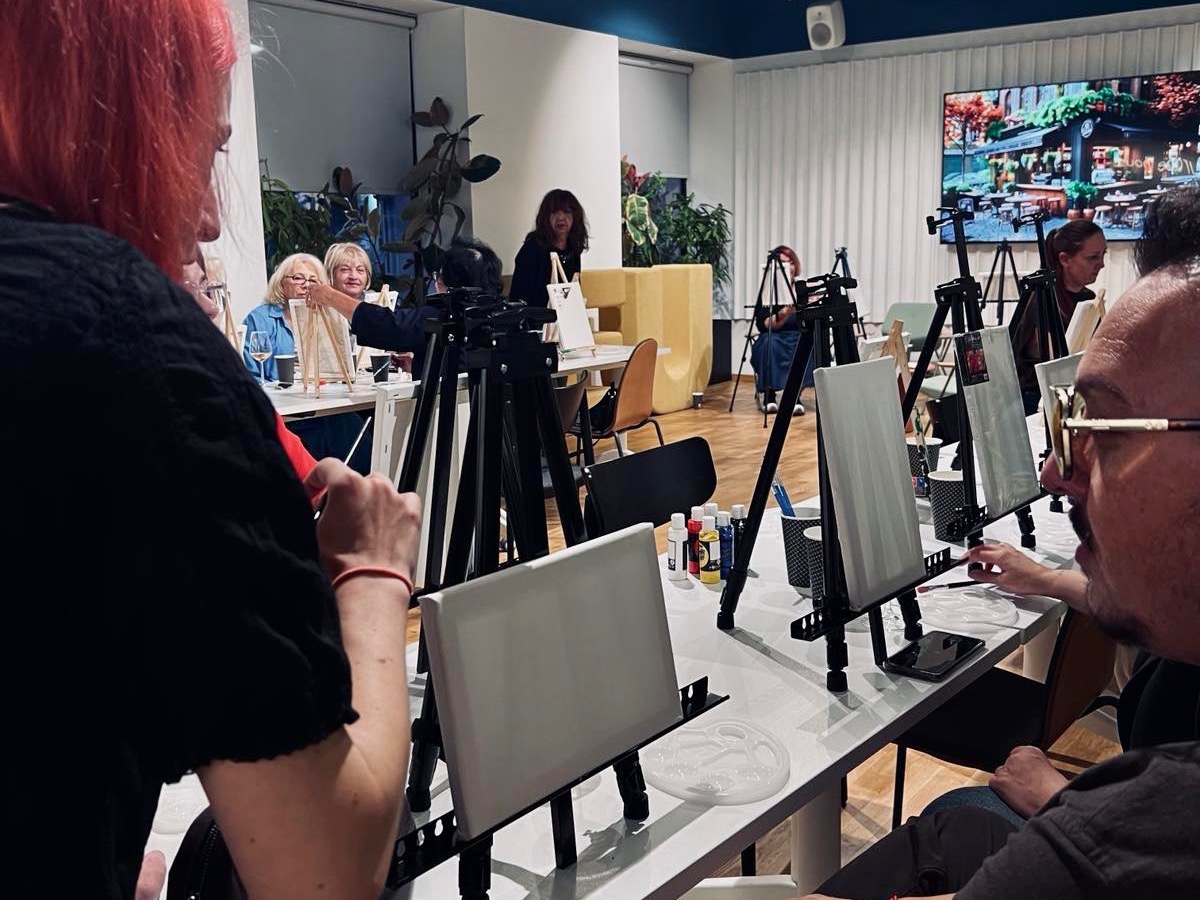
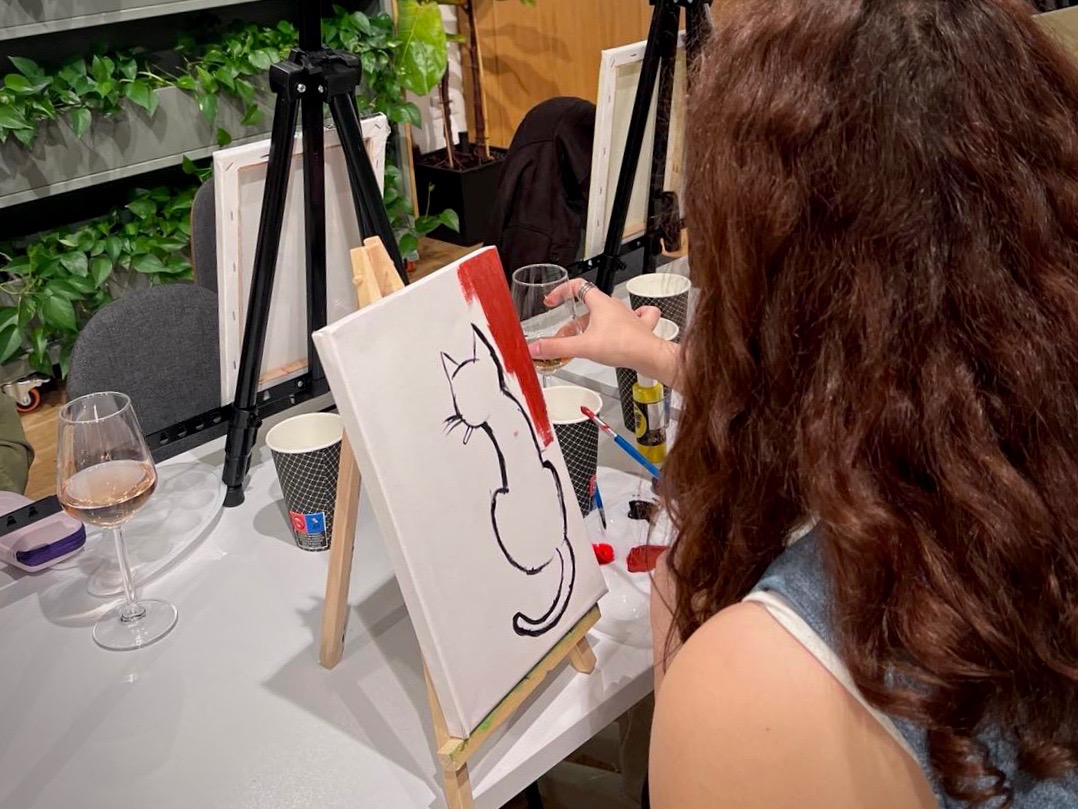
Amid colors, shapes and conversations, Europe House Bitola created a space for connection, self-expression and discovering one’s own creative perspective through the “Paint and Connect” workshop.

Participants had the opportunity to explore different ways of visual expression, experiment with styles and techniques and, above all, enjoy a relaxed and welcoming atmosphere.

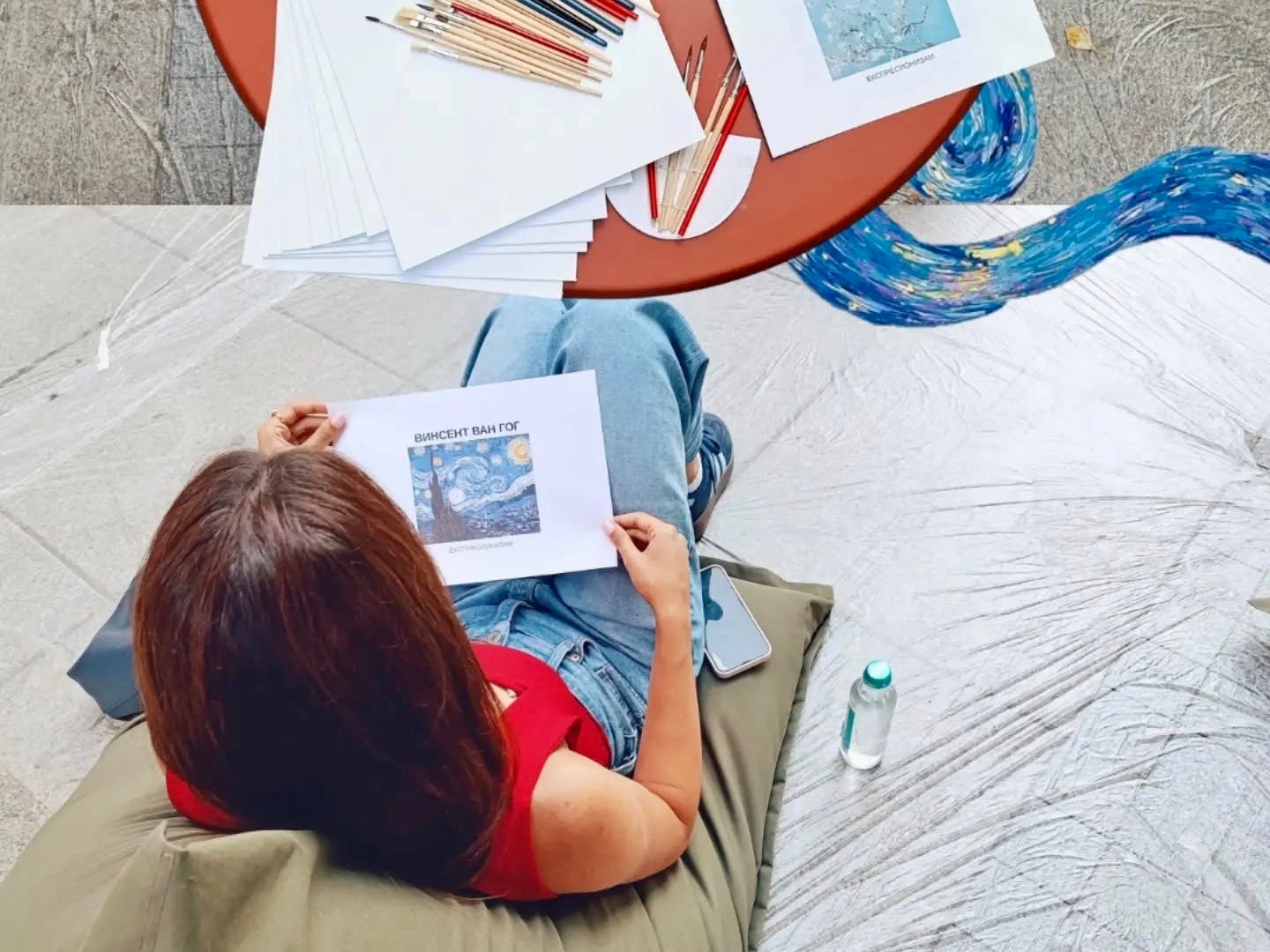
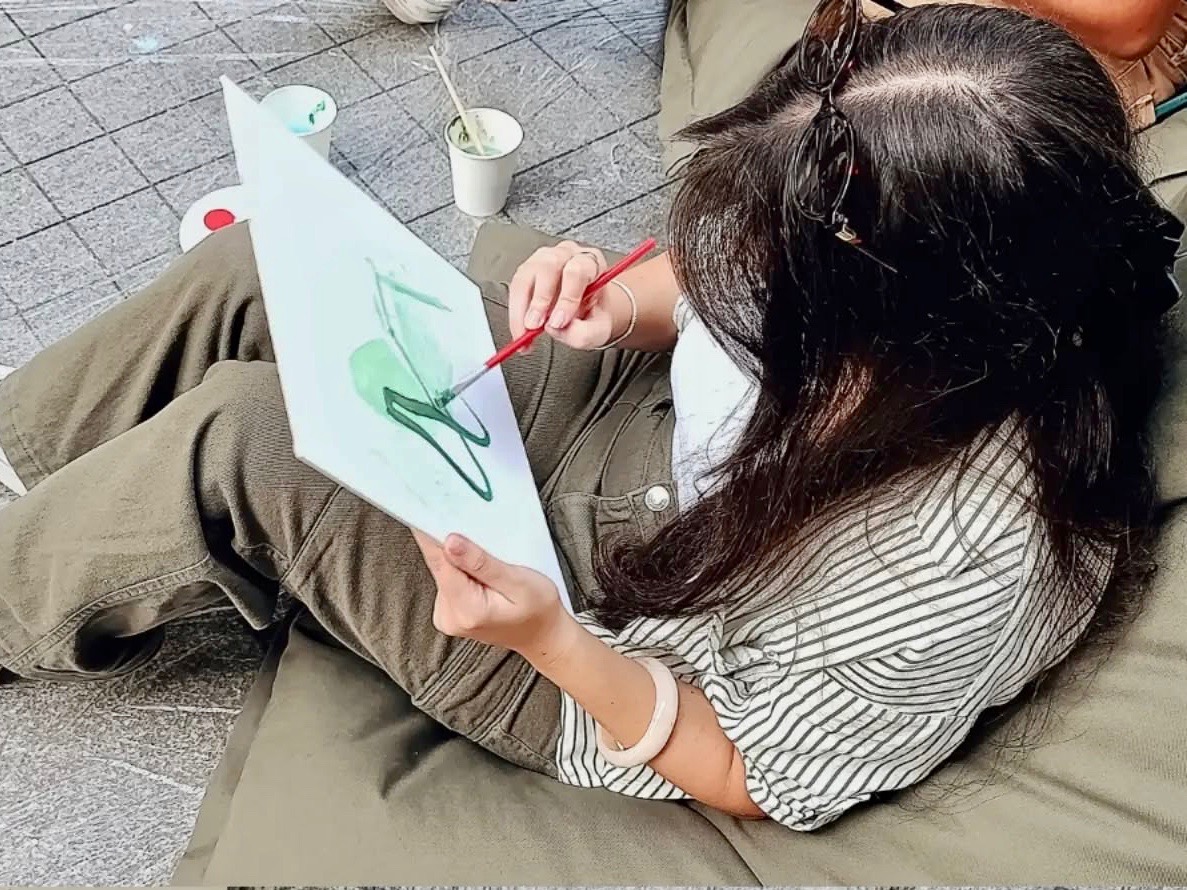
The workshop centred around one shared composition set up in the space, which each participant translated onto the canvas in their own way. Inspired by Cubism, Expressionism, Pop Art, Surrealism and Abstract Art, participants created different interpretations of the same scene – each with its own style, perspective and personal touch.
Different styles and perspectives – one shared composition.

And perhaps that was the most beautiful message of the workshop: sometimes, we do not need to change the picture in front of us. We simply need to look at it from a different angle.

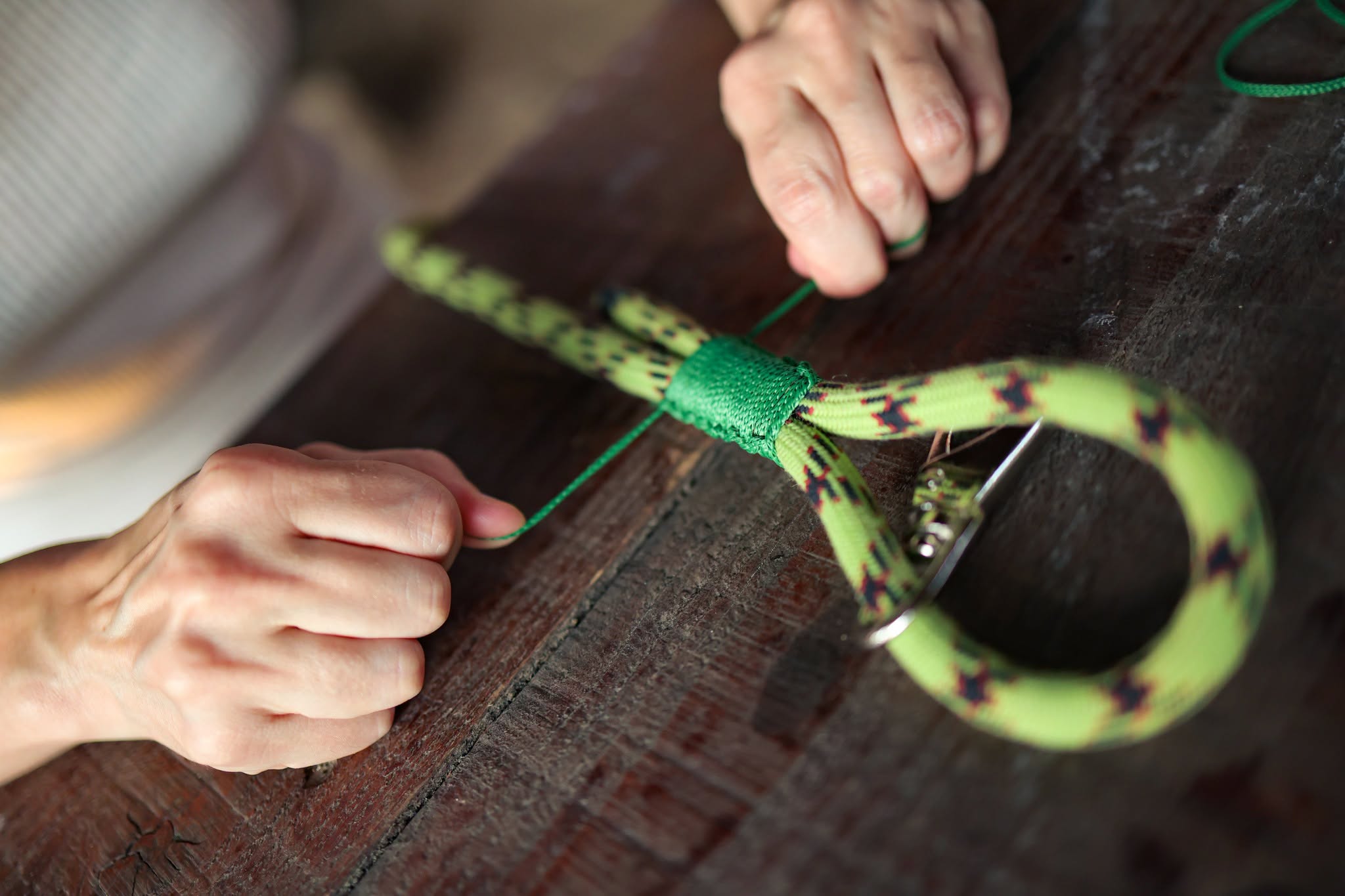
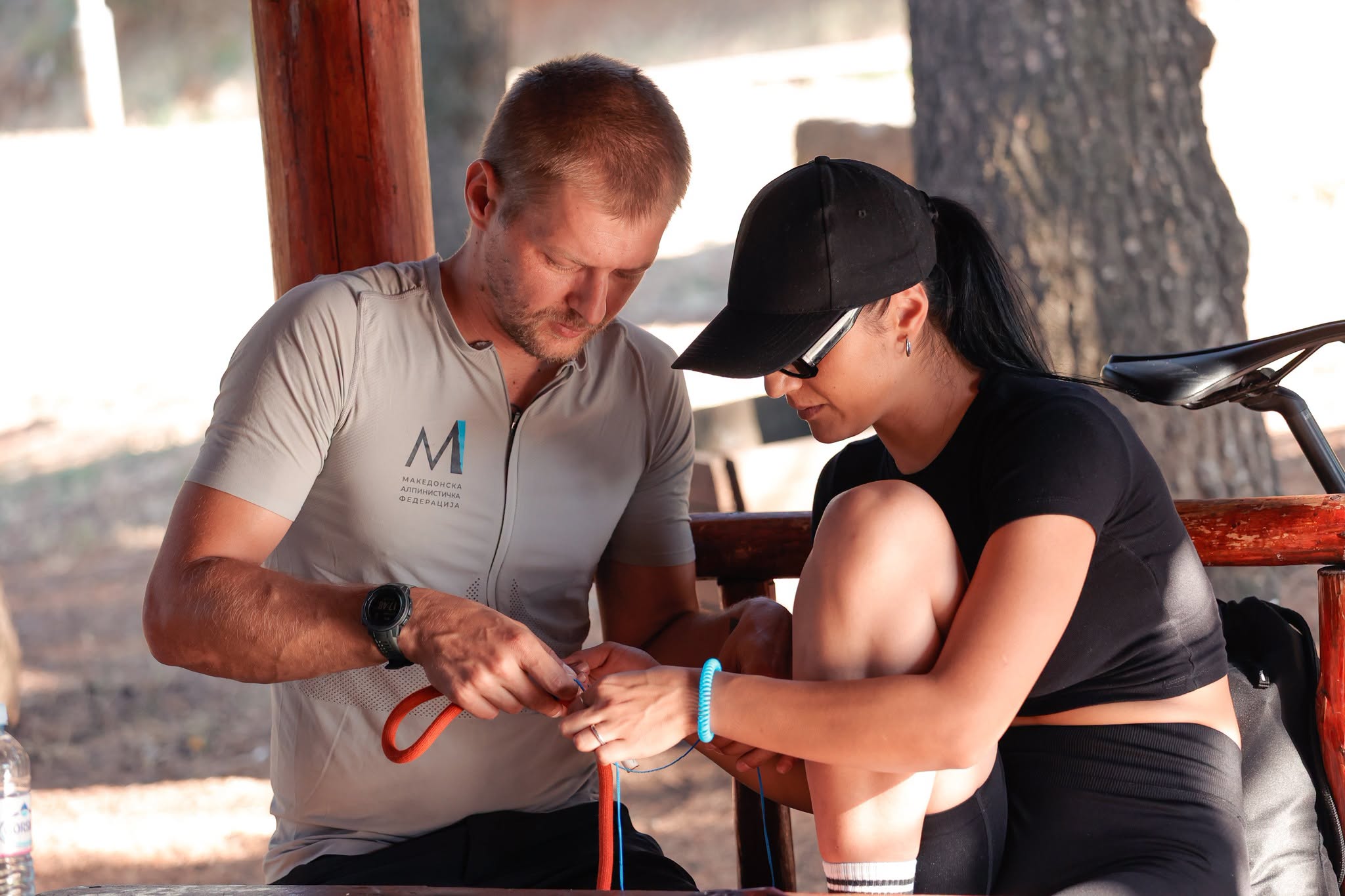
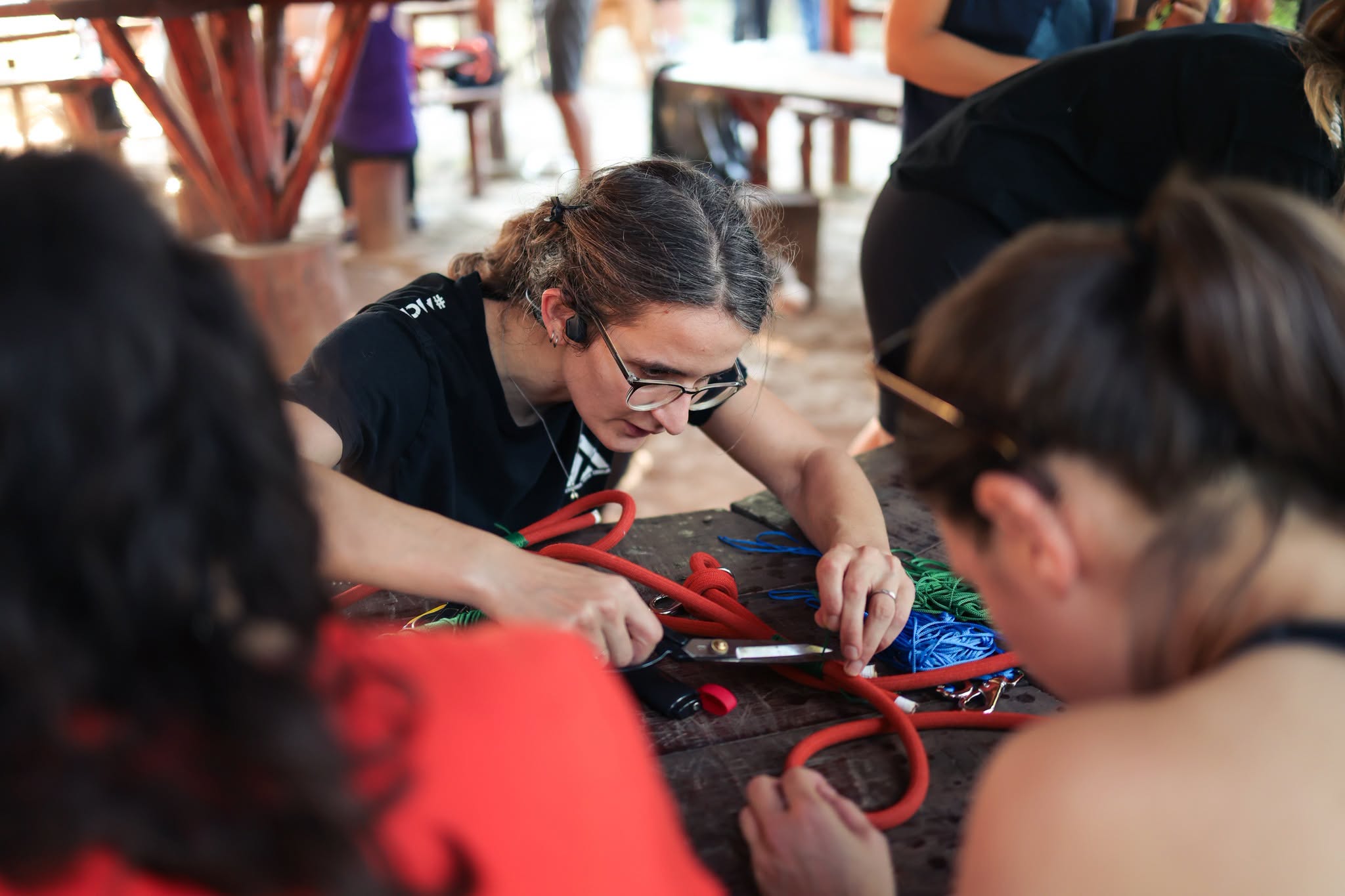
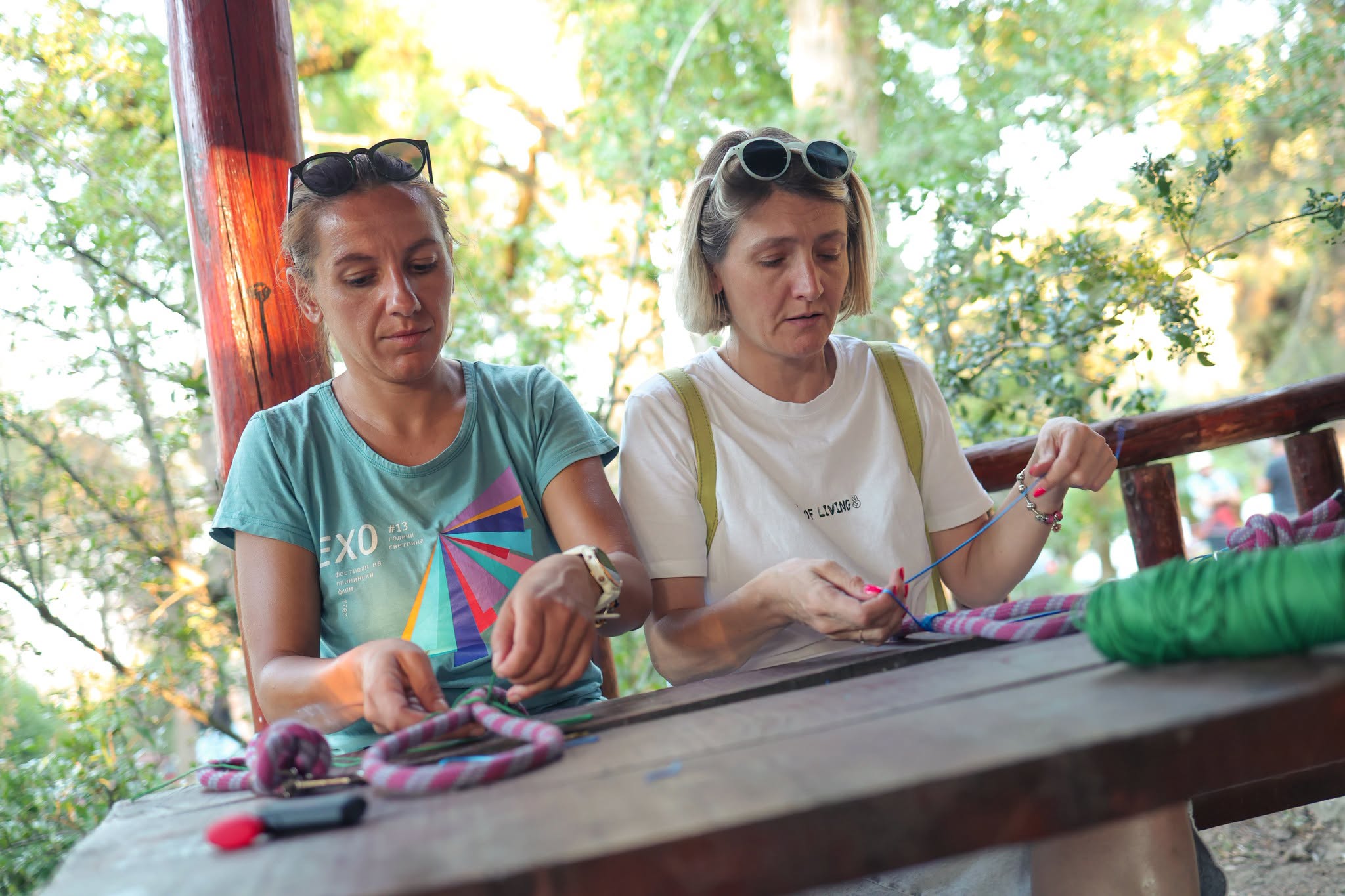
From Peaks to Paws – Turning Old Climbing Ropes into New Dog Leashes

Sometimes, something old and worn-out can be turned into something useful, beautiful and ready for a new story.

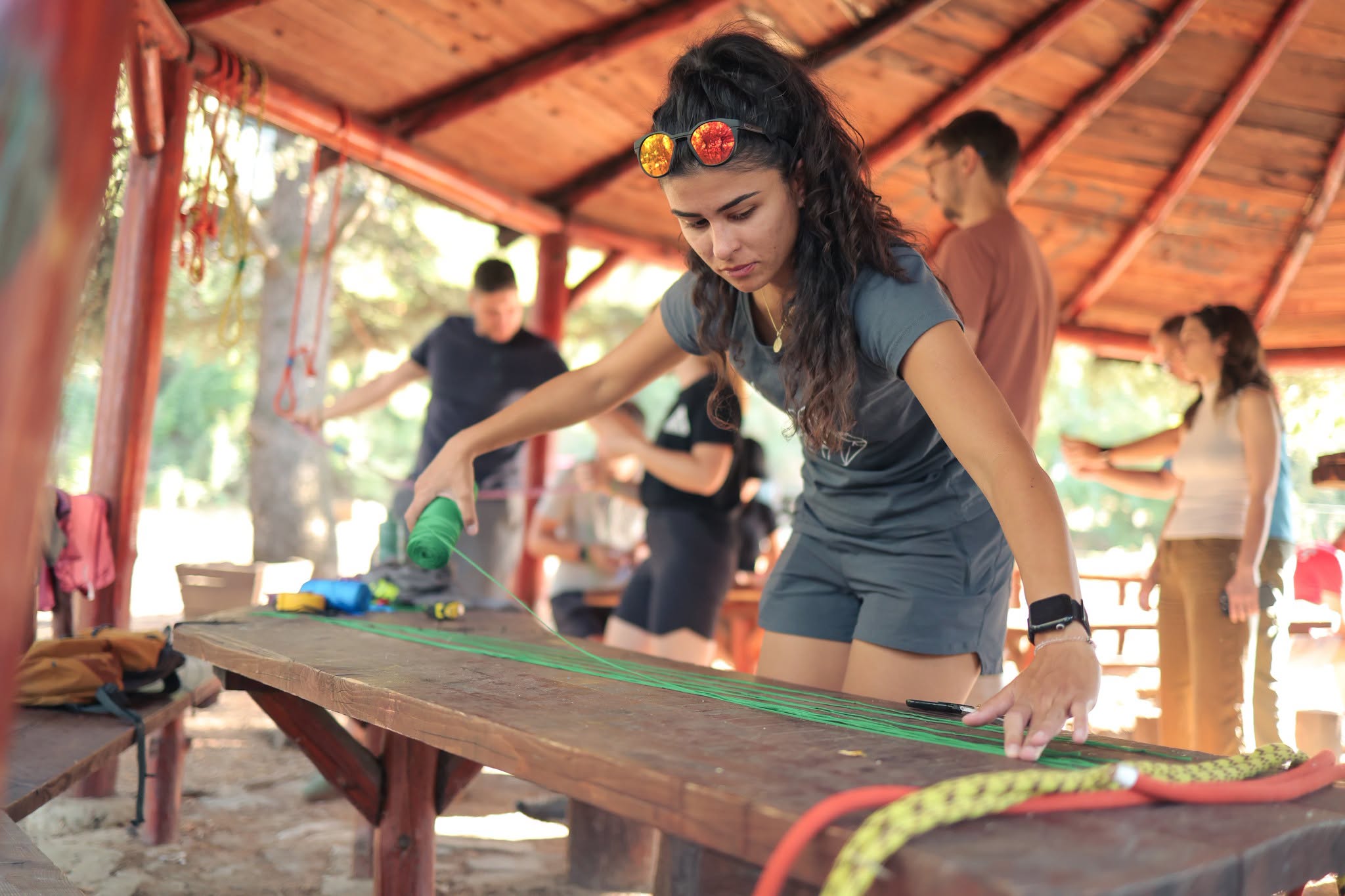
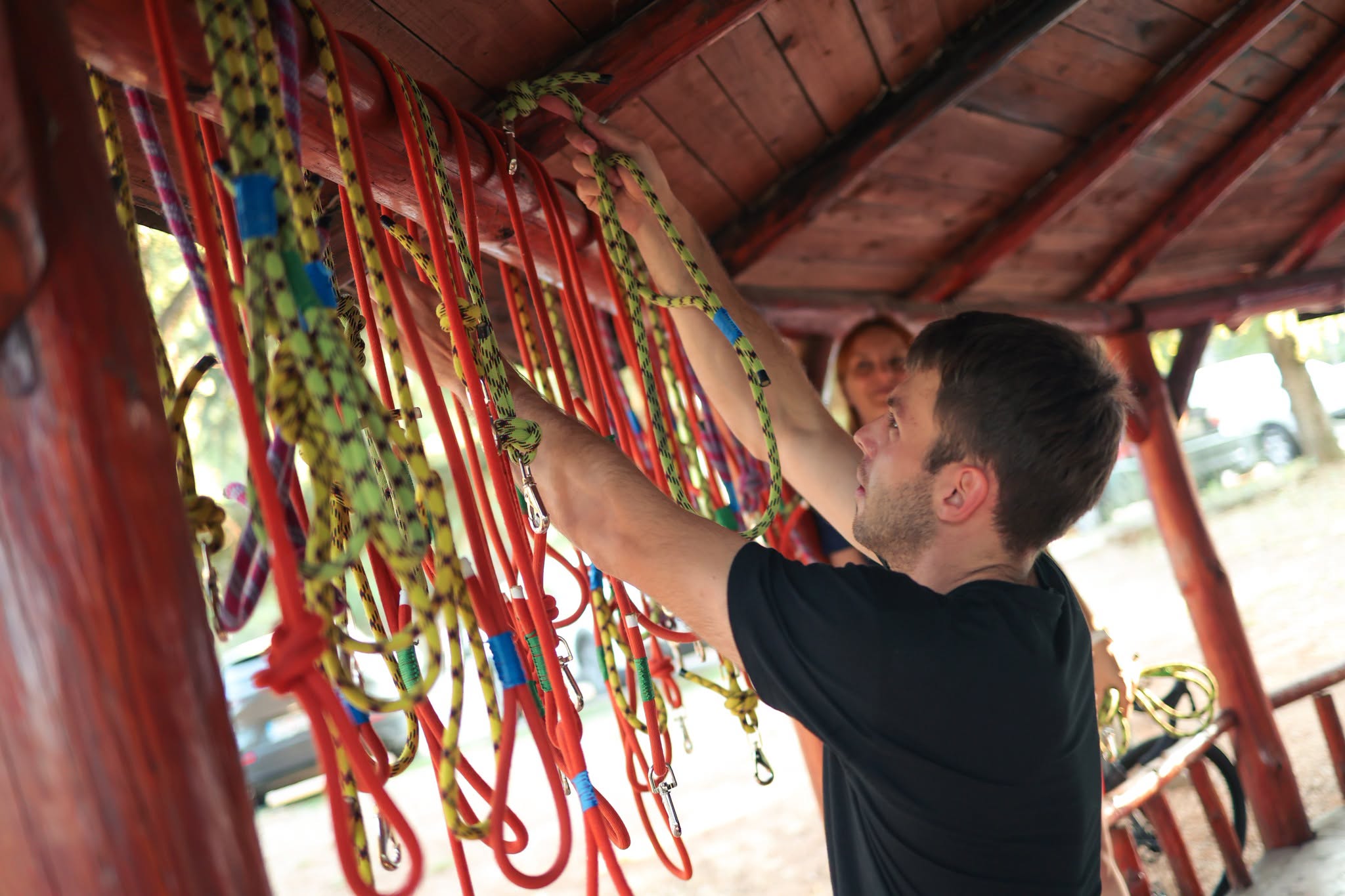
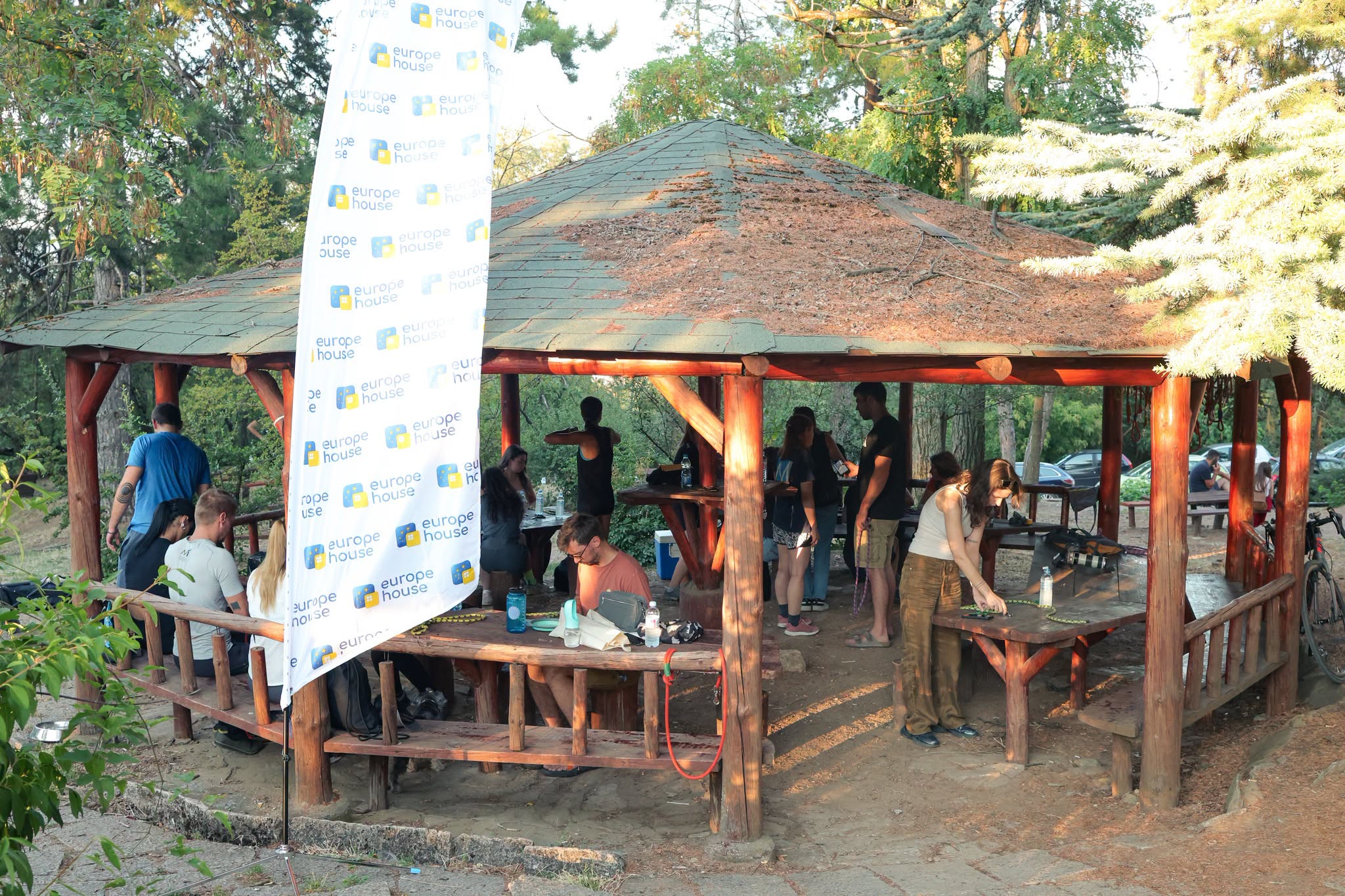
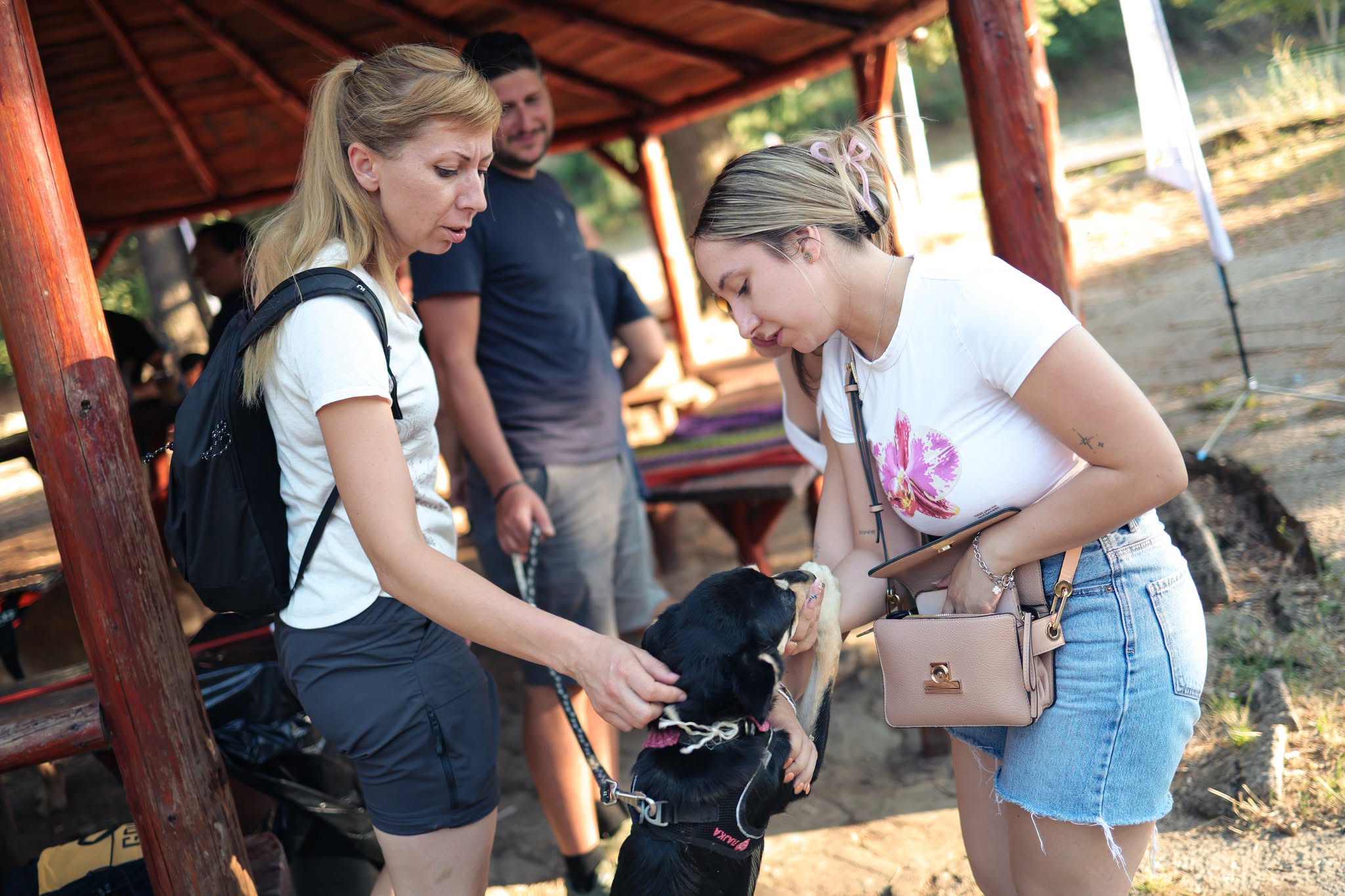
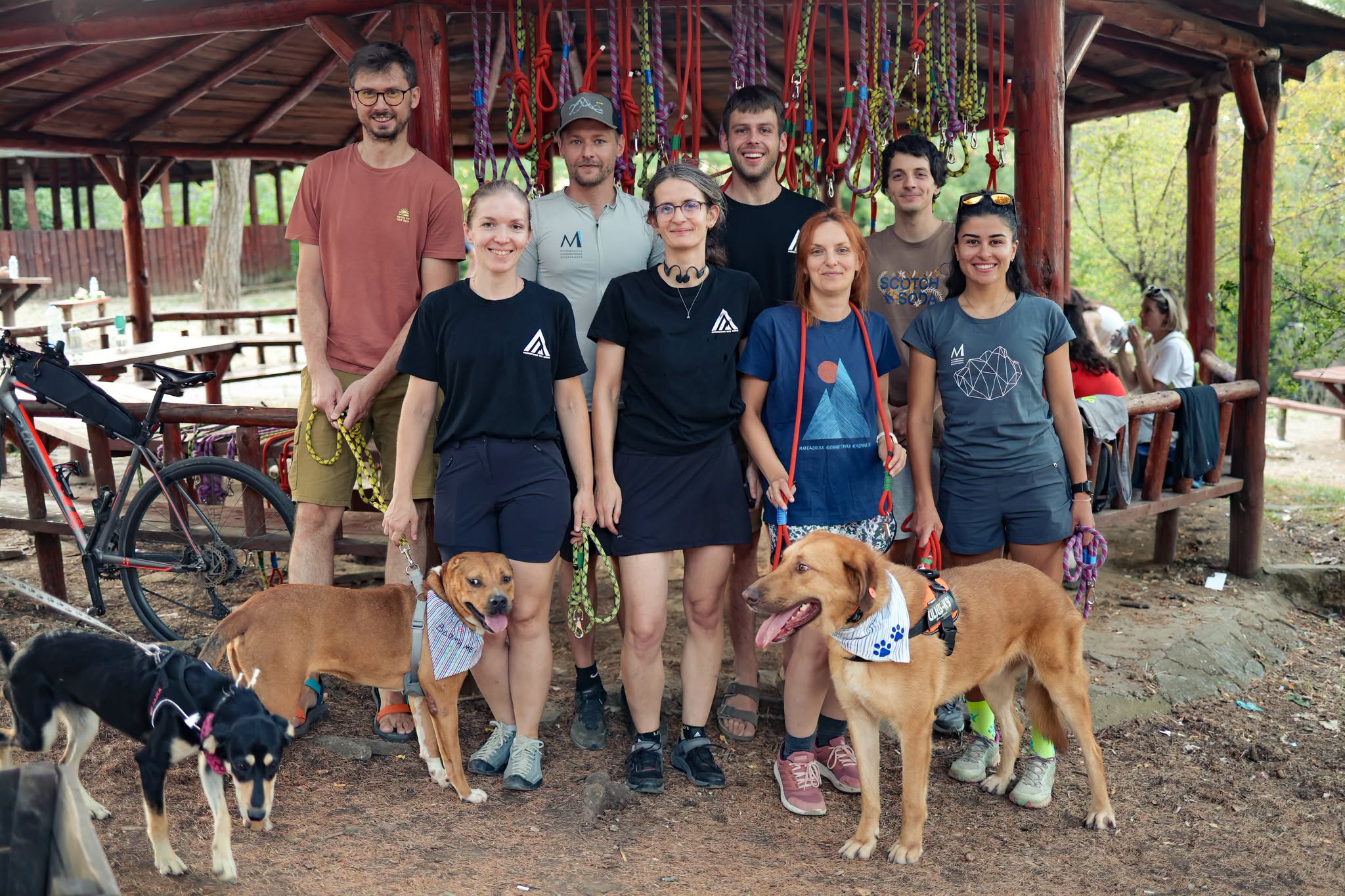
That is exactly what we achieved at the creative upcycling workshop “From Peaks to Paws”, organized by Europe House Skopje at Middle Vodno, in collaboration with the Skopje Mountaineering Club and Laika Public Enterprise – Skopje.

Every climbing rope has a limited lifespan. Once it is no longer safe to use for climbing, it usually becomes waste. But its story does not have to end there.

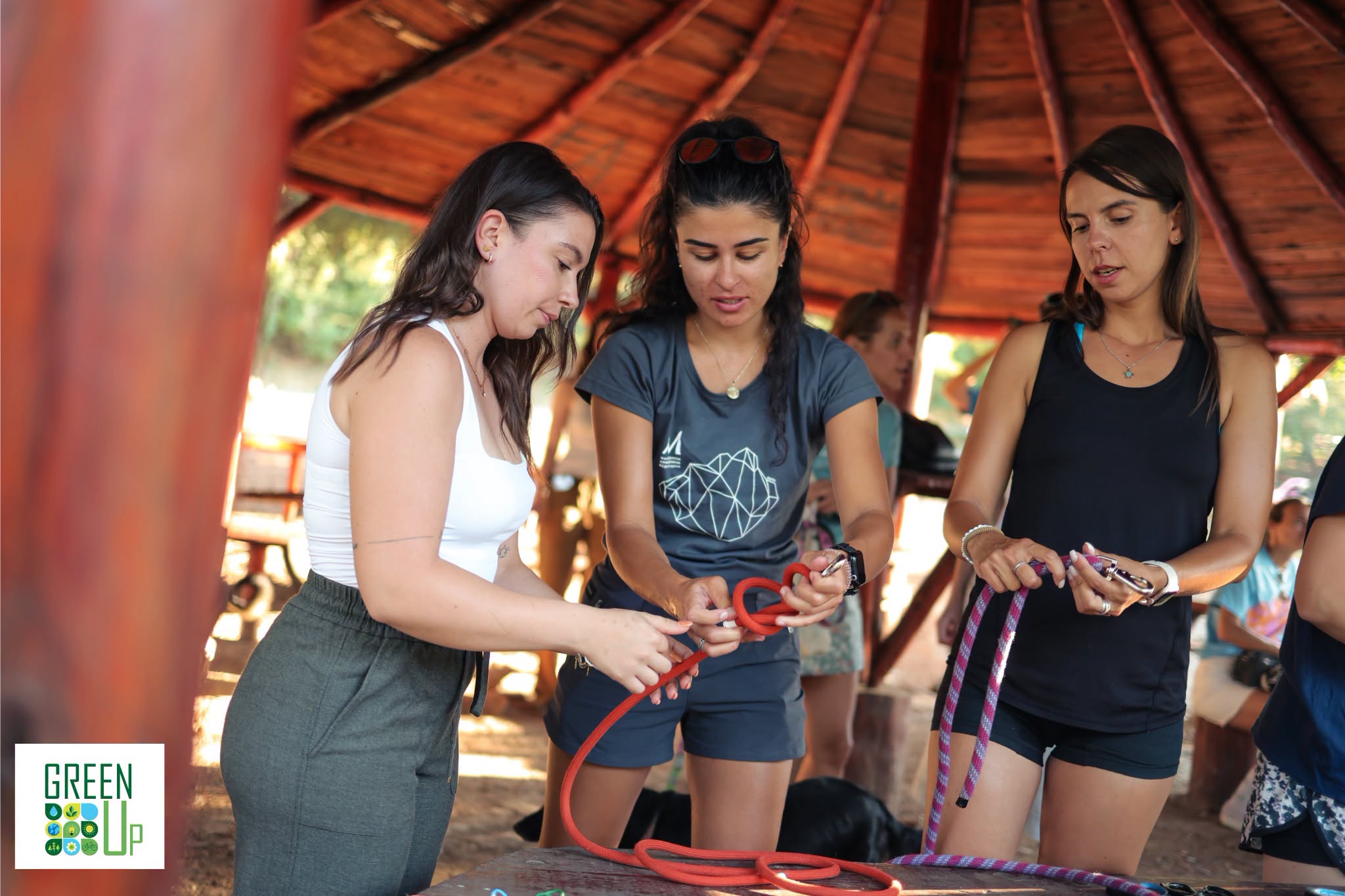
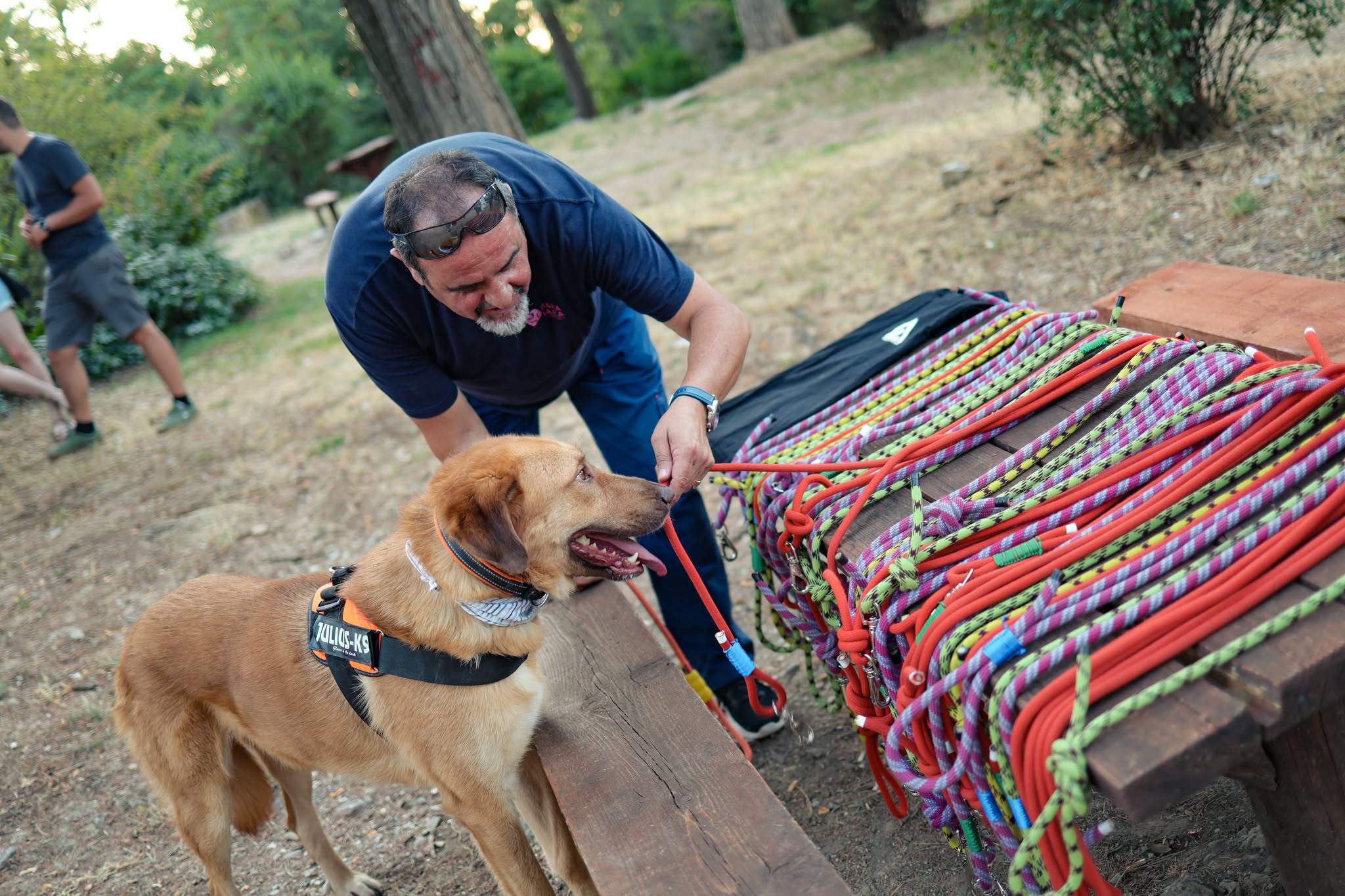
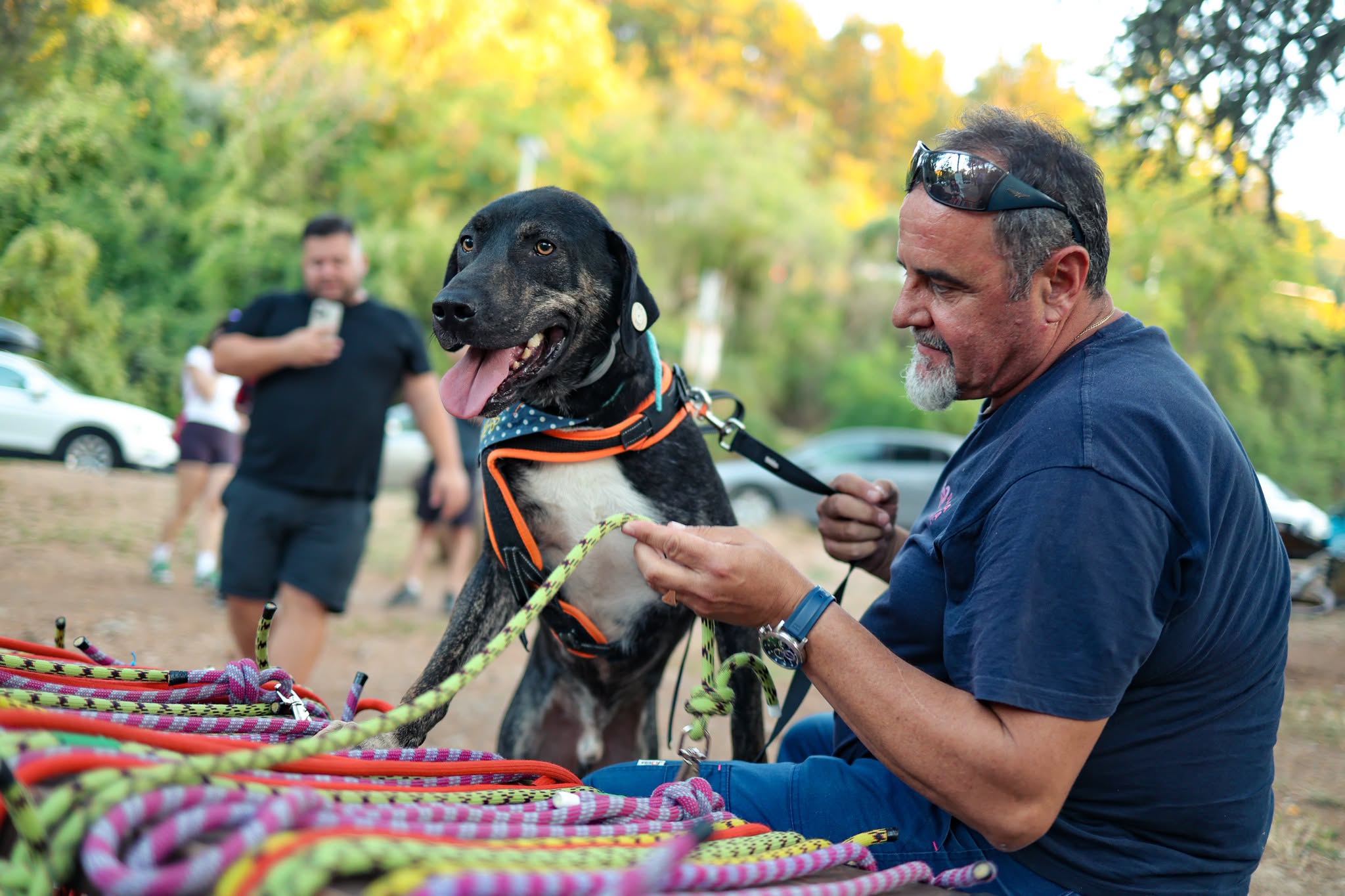
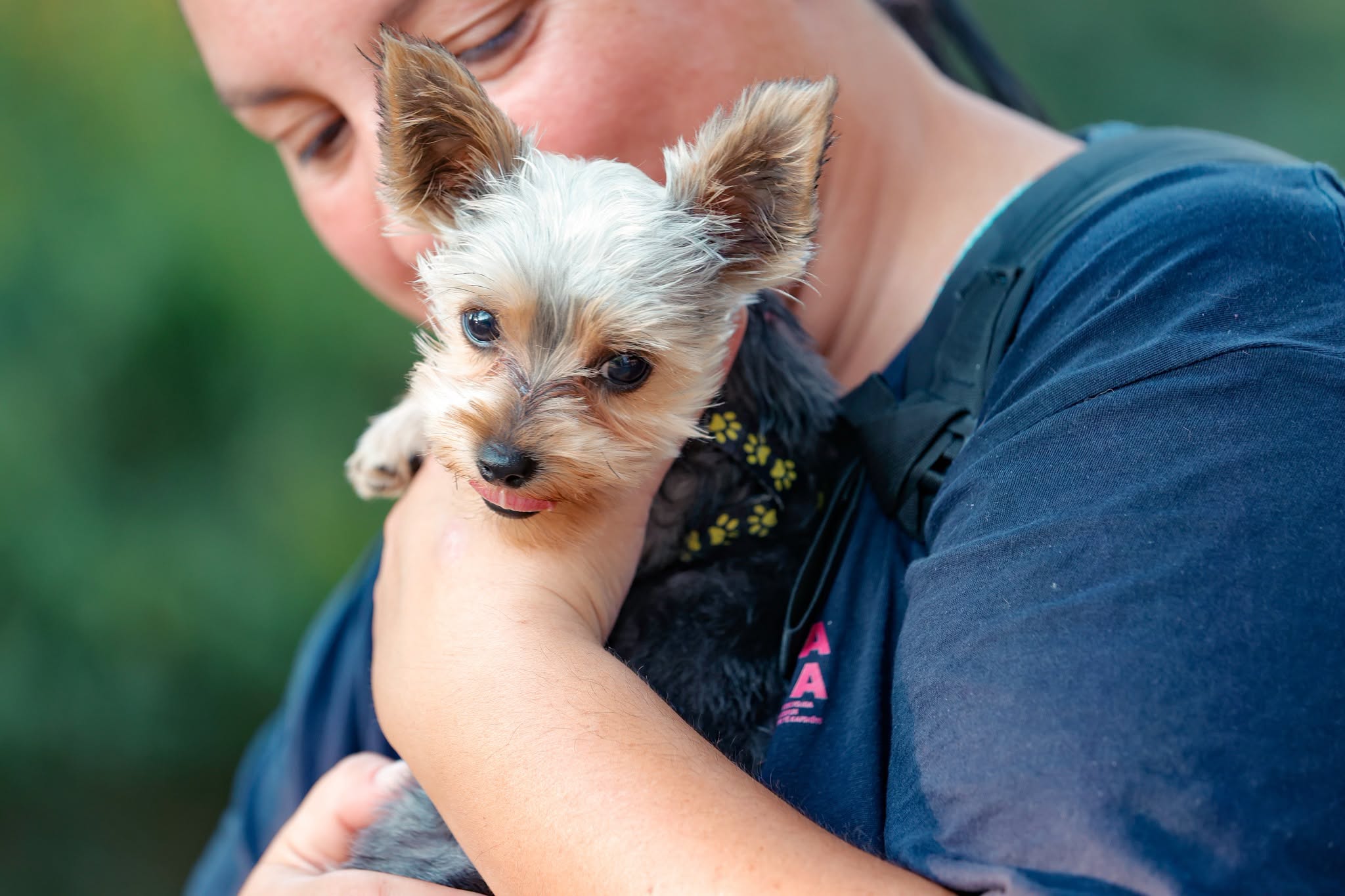
At the workshop, ropes that had completed their mission on the rocks were given a new purpose – as strong and colorful leashes for dogs cared for at Laika.

Through creative work and hands-on skills, participants showed that the circular economy does not have to remain just an idea or a concept. It can start with something we already have, a little creativity and the willingness to give new value to something that would otherwise end up as waste.

And the best part of the story came at the end – participants made a total of 53 leashes, and the dogs from Laika had the chance to choose their own new leash.

With every leash made, we helped reduce waste, turned old material into something useful, and contributed to better care for animals in need.

Thank you to everyone who cut, braided, learned, donated and shared their time and knowledge.

Because the circular economy can start with small changes. In this case – with a few old ropes and an idea to give them a new life and a new purpose.

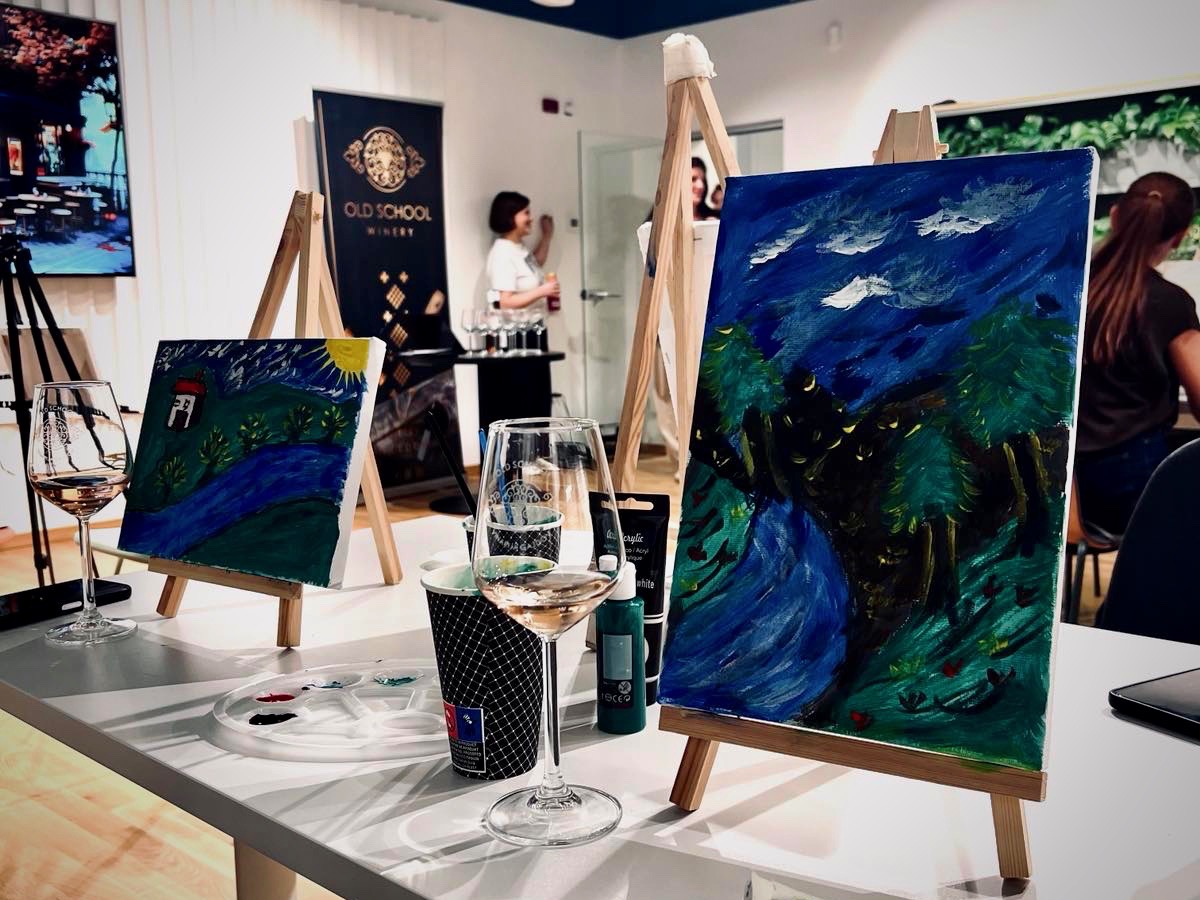
Canvas Conversations: A Summer Evening of Art, Wine and Creativity in Veles

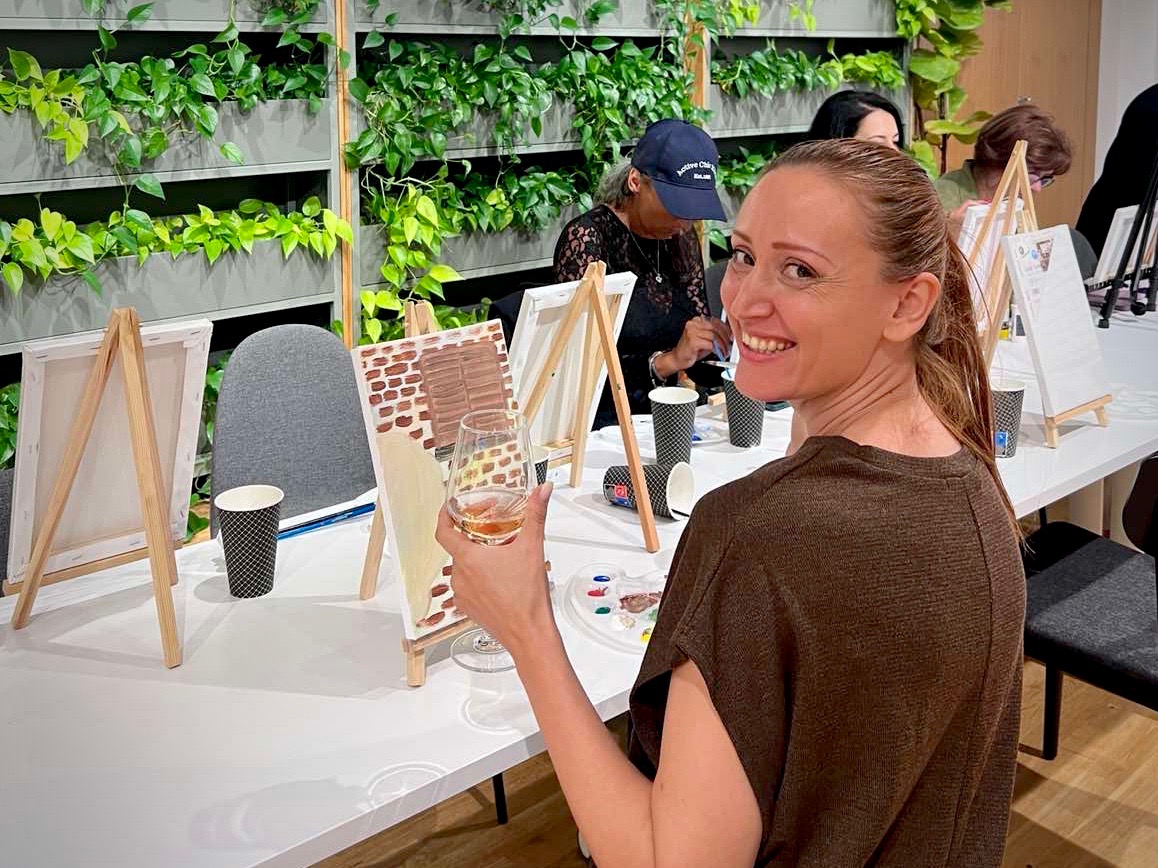
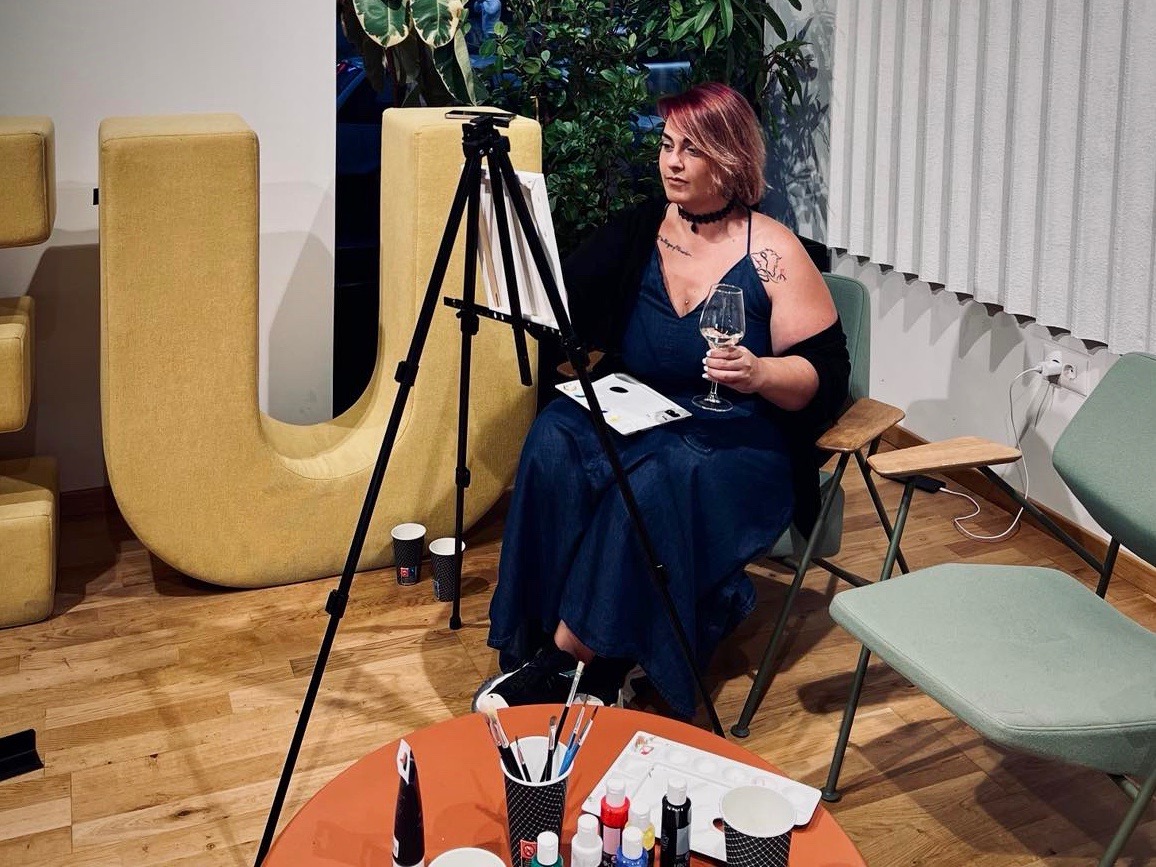
For the second time, Europe House Veles brought together canvas, colours, local wine and good company for a different kind of summer evening, filled with creativity, conversations and new experiences.

At Canvas Conversations Vol. 2, everyone had the space to create, experiment and find their own artistic expression, whether they were picking up a paintbrush for the first time or already had painting experience. Artist Elena Dimova guided the participants through the painting process, helping them turn their ideas into artworks of their own.

The evening was also enriched by Old School Winery, a small family-run winery from Veles, which presented its two new wines and shared the story behind their creation – another way for local stories to become part of our shared experiences.

But Canvas Conversations wasn’t just about painting or wine tasting. It was an evening for making connections, sharing ideas and creating something together. For those moments when we slow down, try out something new and give ourselves the freedom to express our creative potential.

Because creativity is not reserved only for artists. It is for anyone willing to try, create and enjoy the process.

This evening reminded us that sometimes the most beautiful stories begin with a blank canvas, a glass of wine and good company.


When Fashion Tells a Story: The Tradition and Identity of the Polog Region

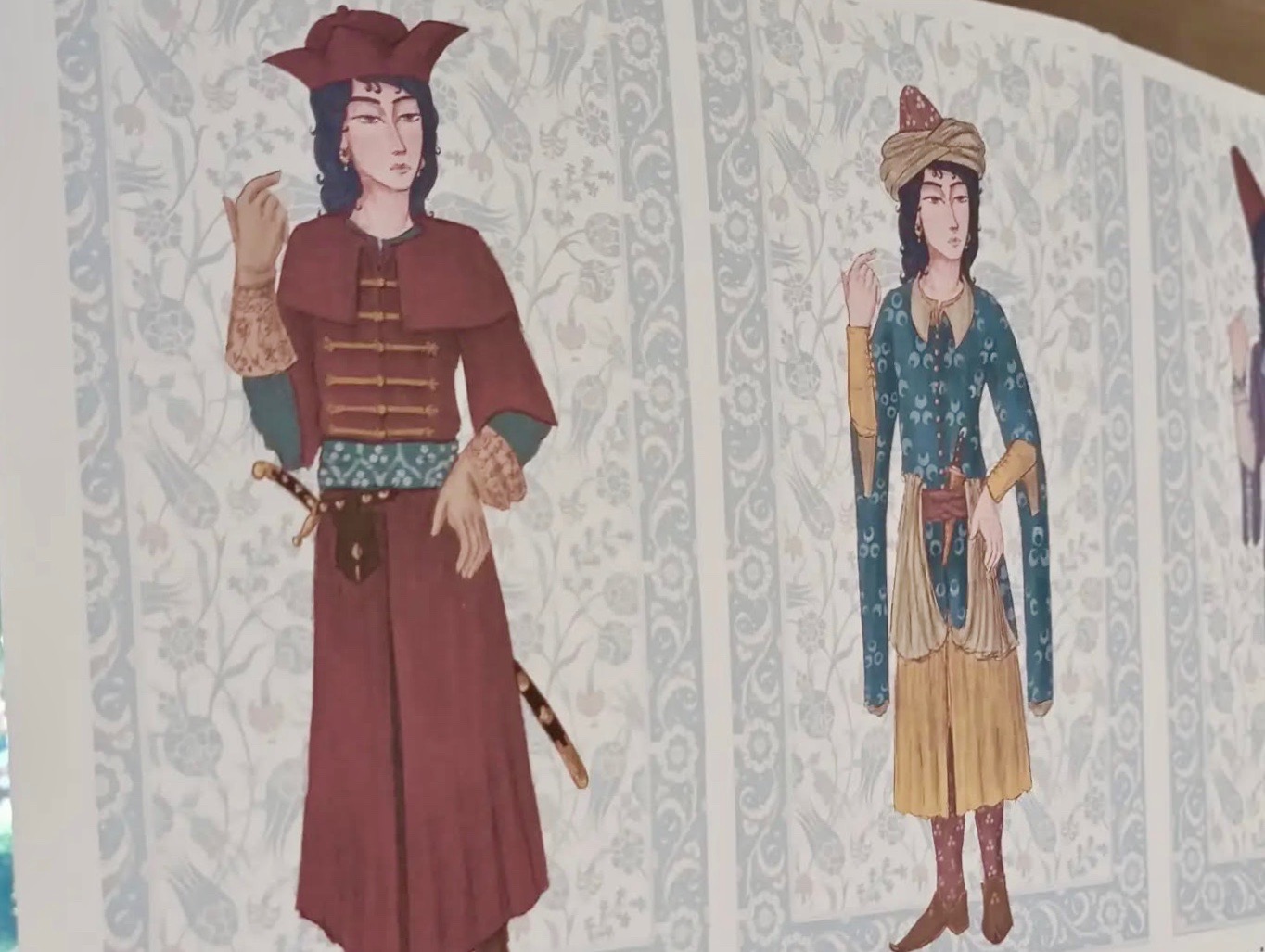
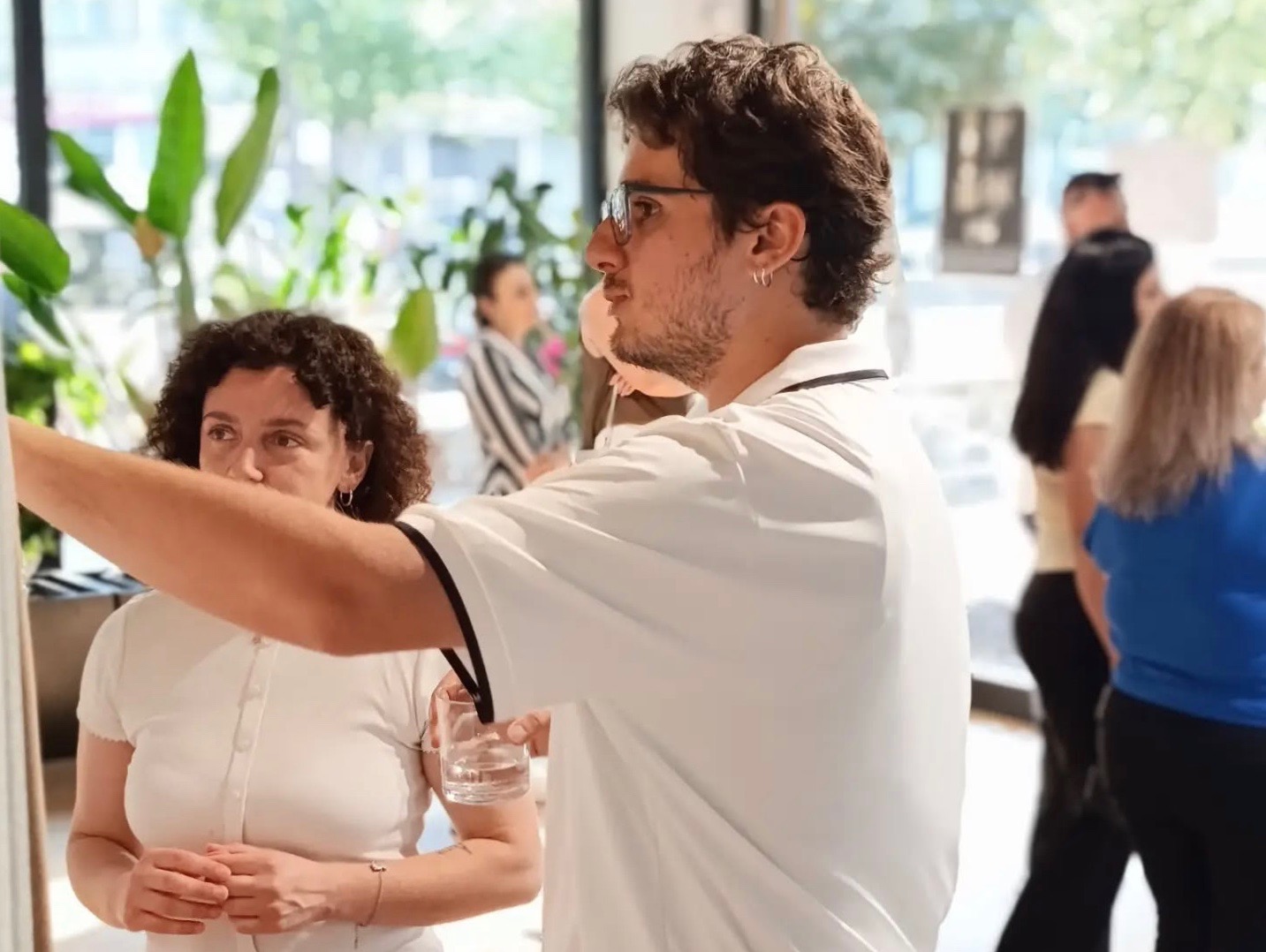
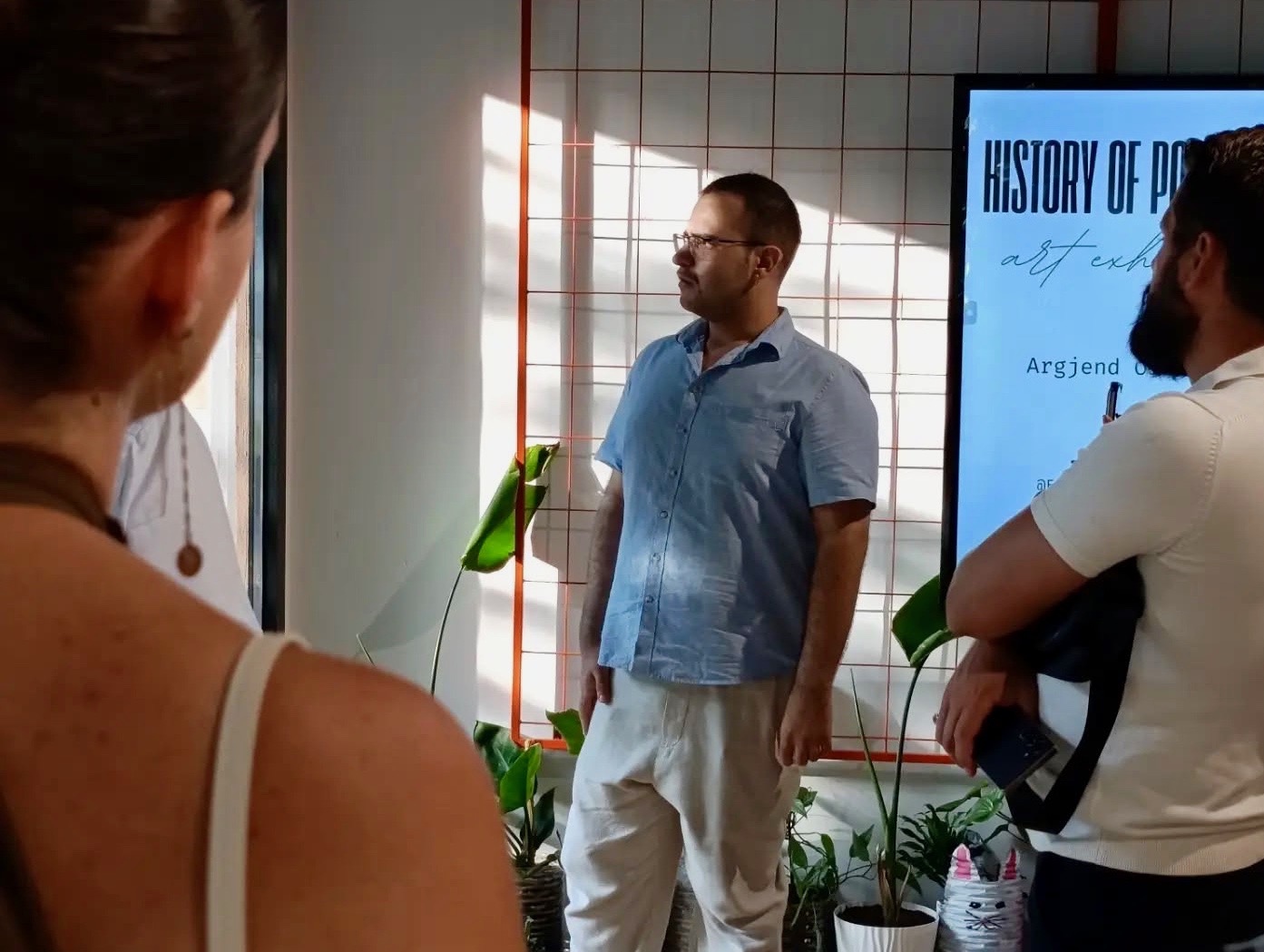
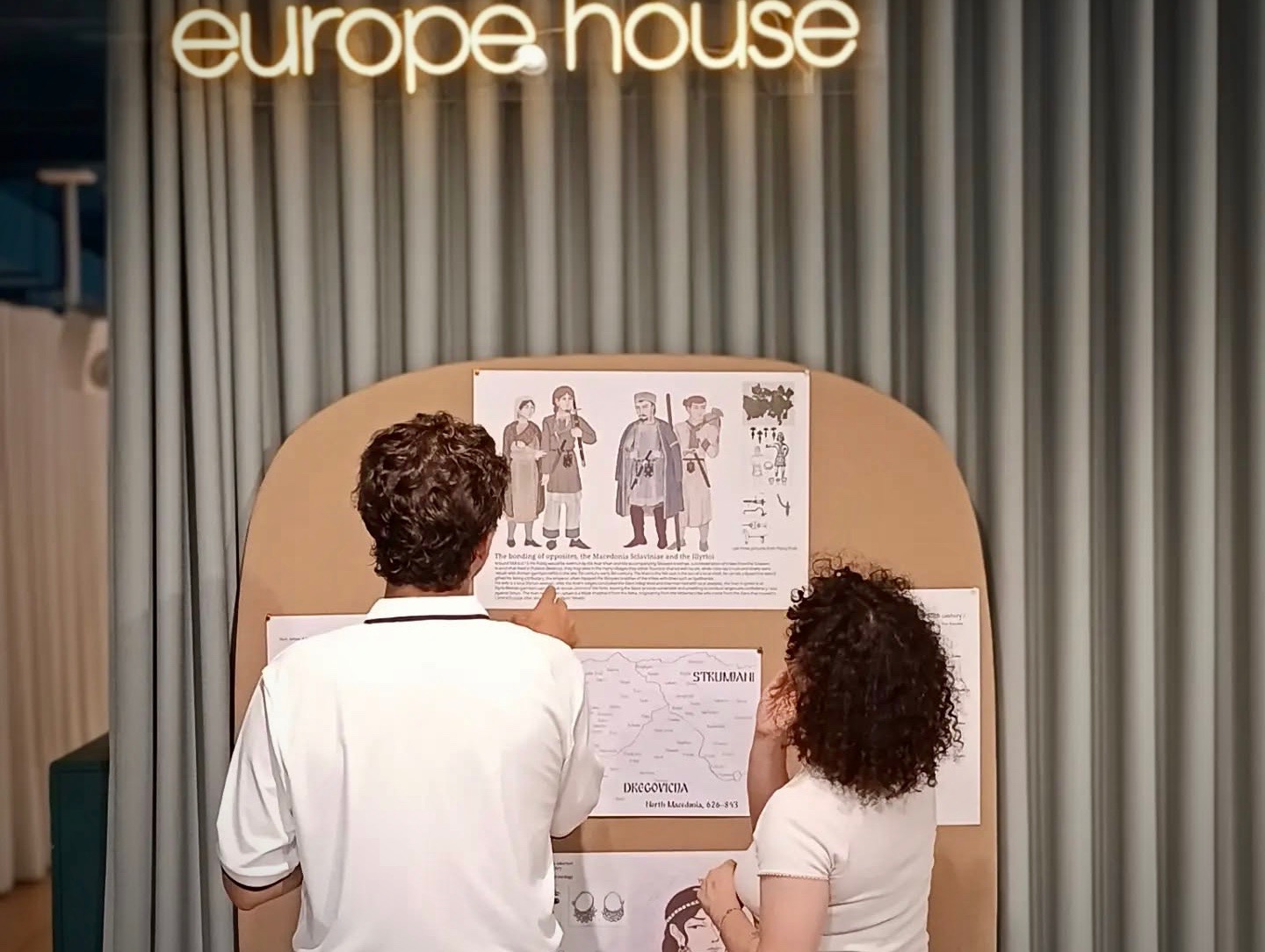
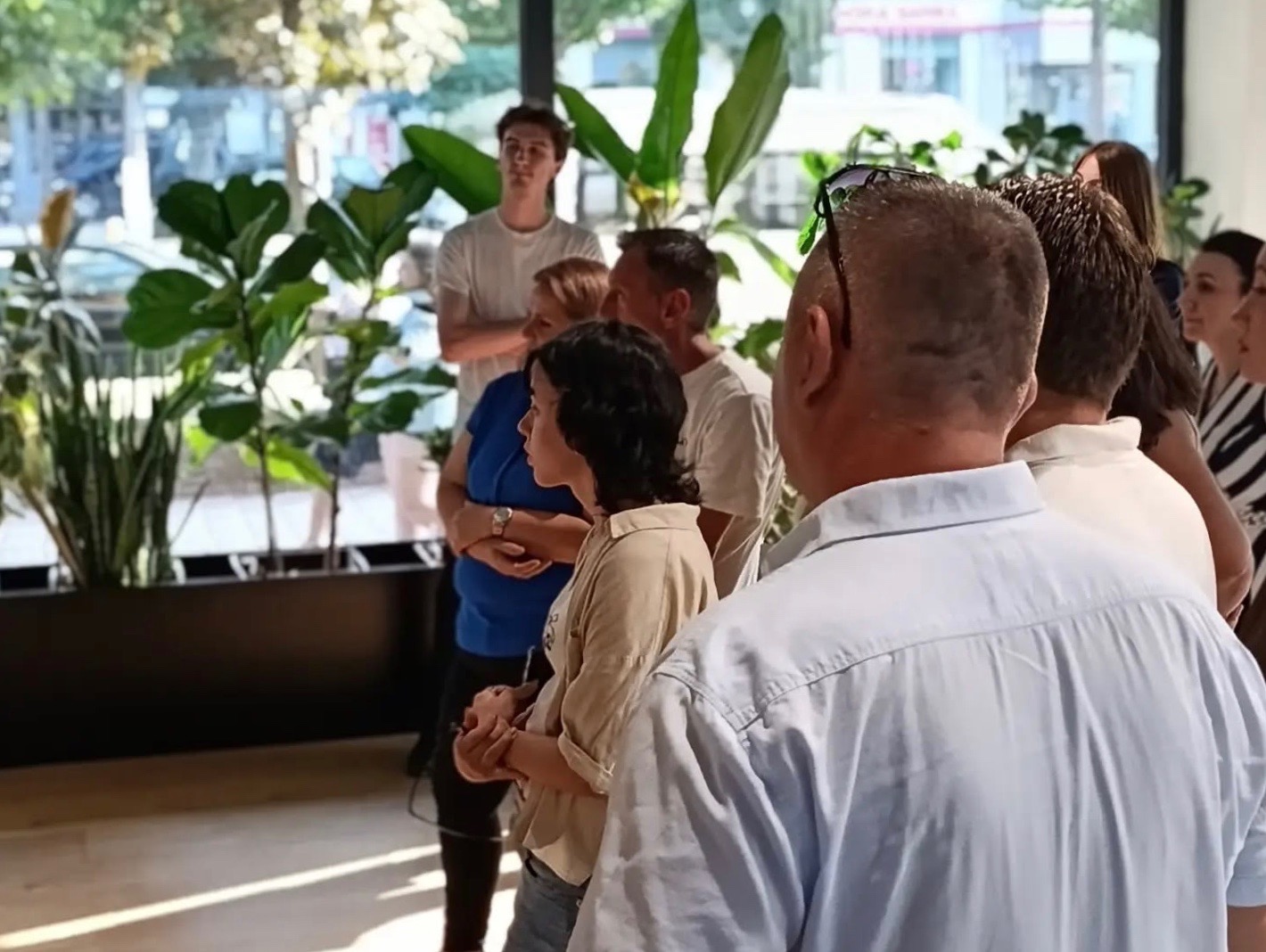
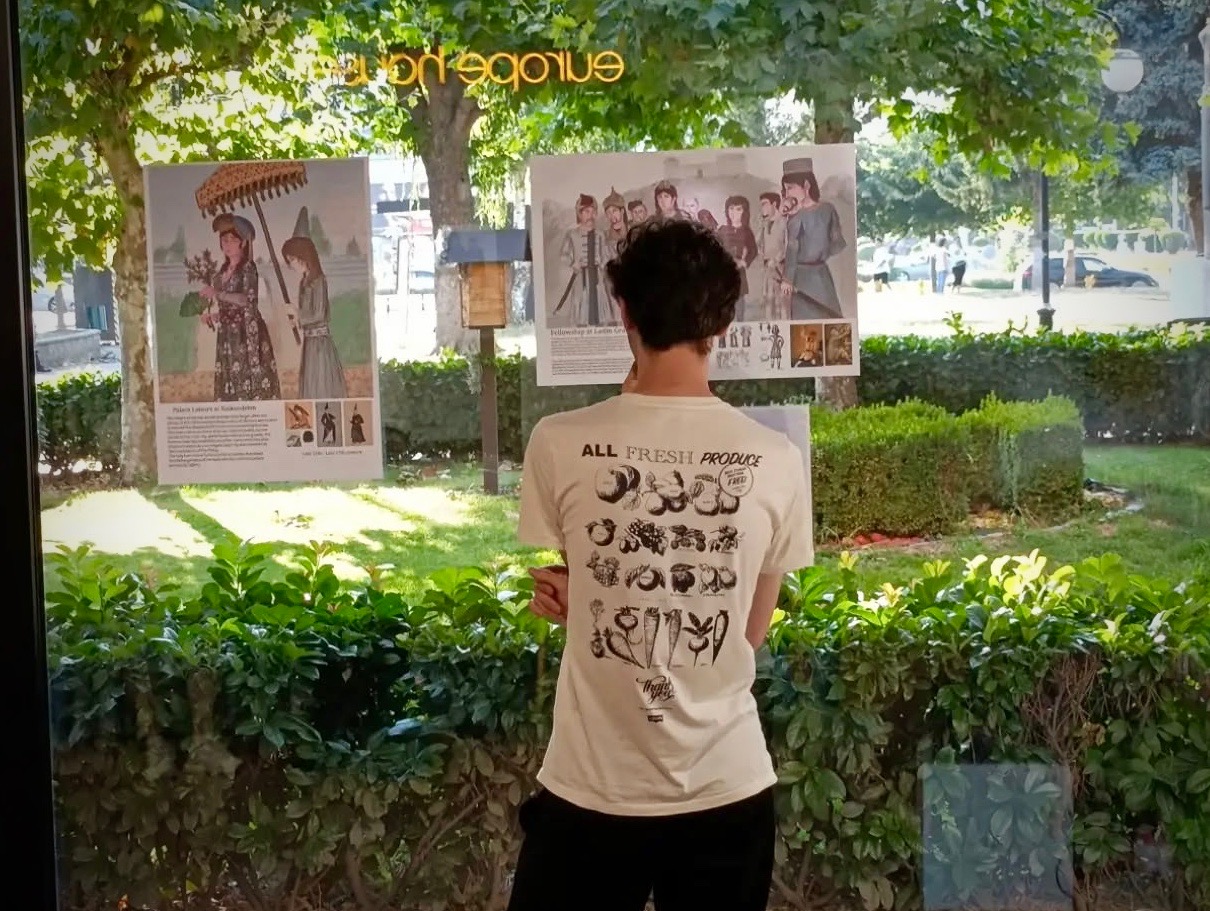
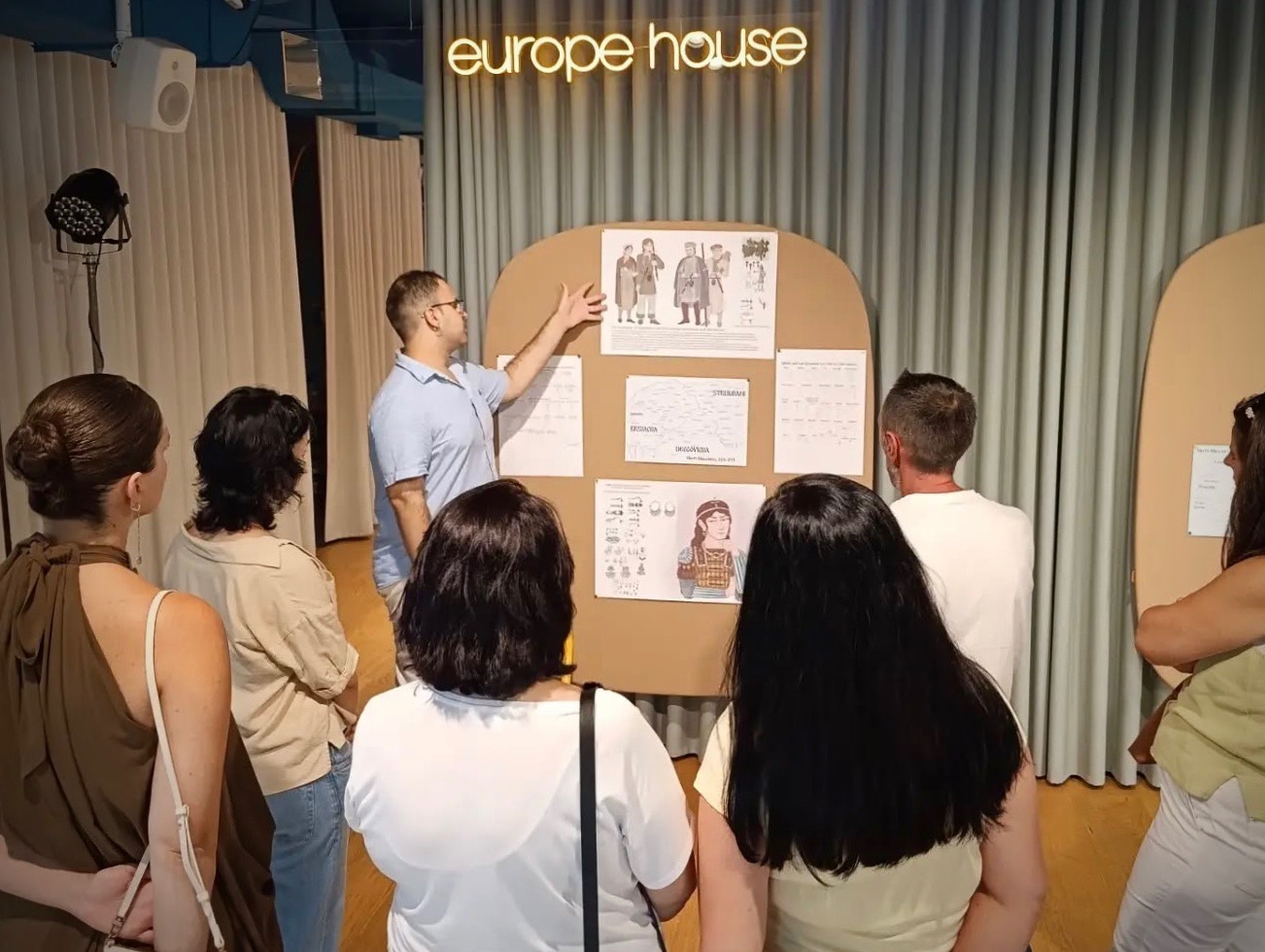
What can fashion tell us about the history, traditions and identity of a region? We explored these questions through the exhibition “The History of Polog Fashion”, presented at Europe House Tetovo.

Through authentic stories and fashion elements from different historical periods, the exhibition traces the evolution of fashion in the Polog Region and shows how clothing and traditional elements become part of a community’s cultural identity and heritage.

The exhibition is the result of the dedicated work of Argjend Osmani, whose initiative contributes to researching, preserving and promoting the cultural heritage of the Polog Region. His work shows how young people can play an important role in uncovering local stories and bringing them closer to new generations.

“The History of Polog Fashion” reminded us that every traditional element carries its own story – about the time, the people and the place it comes from.

Magic on the Black Drim: Floating Mini Concert Brings Music and Community Together

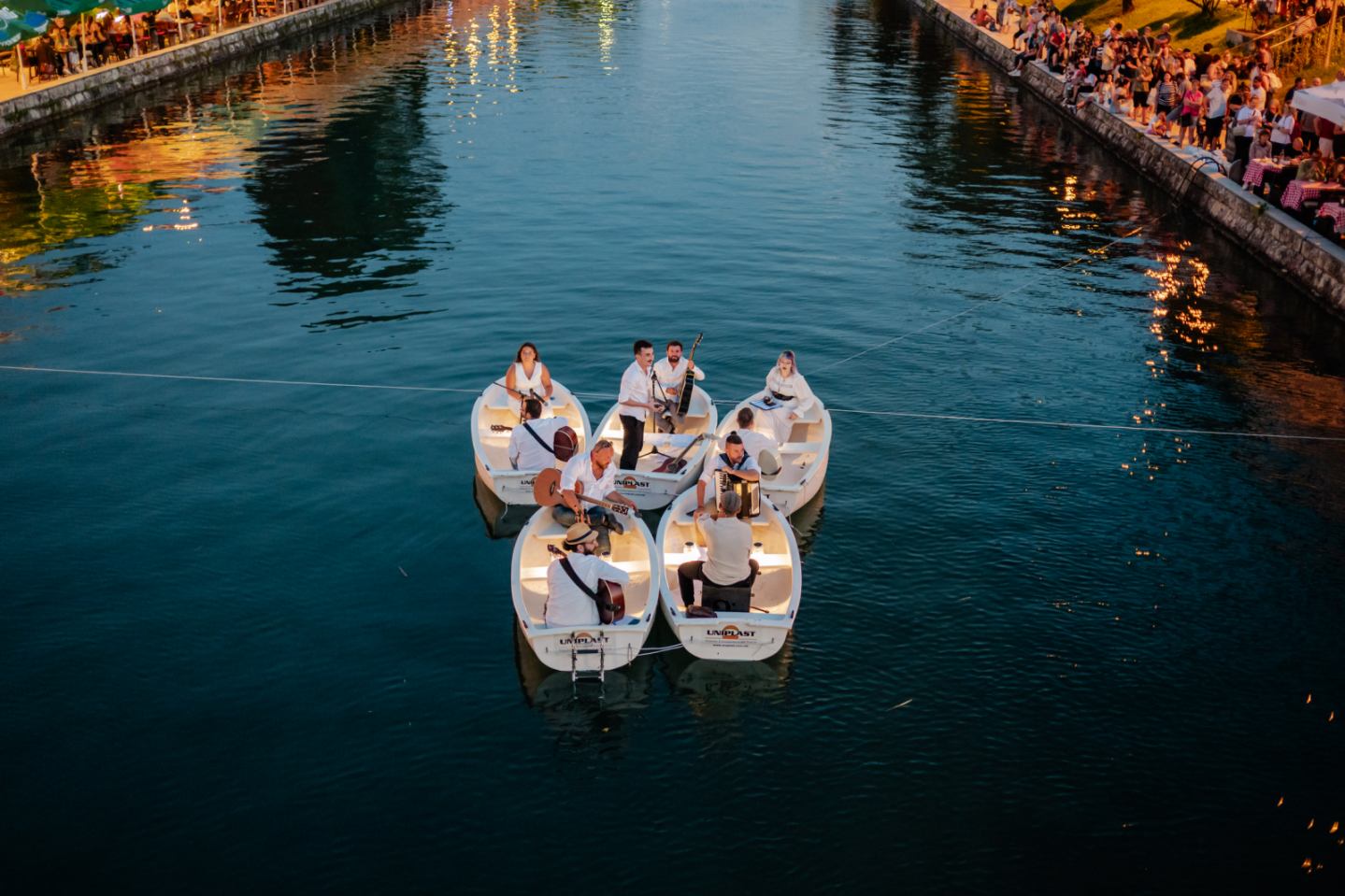
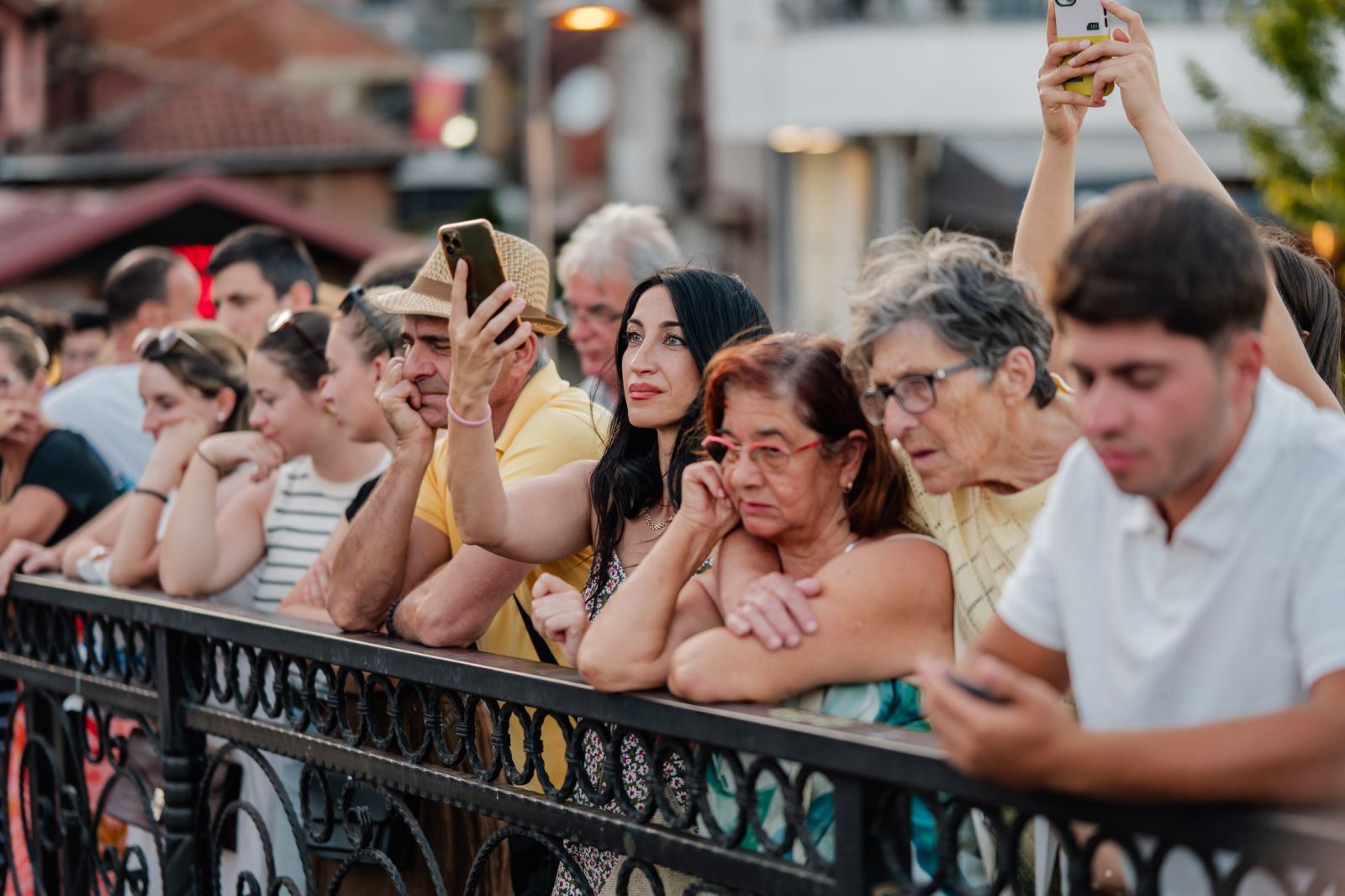
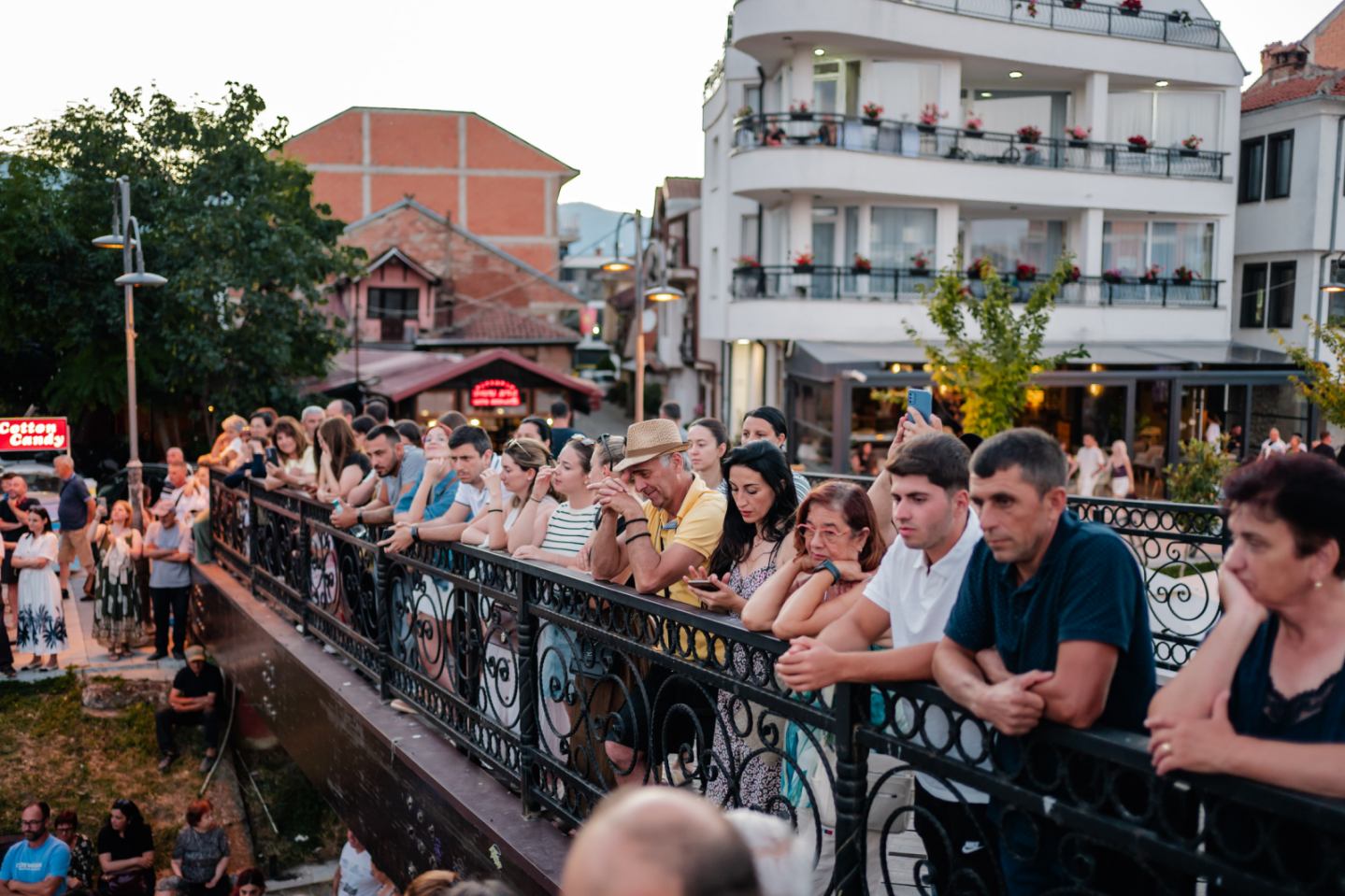
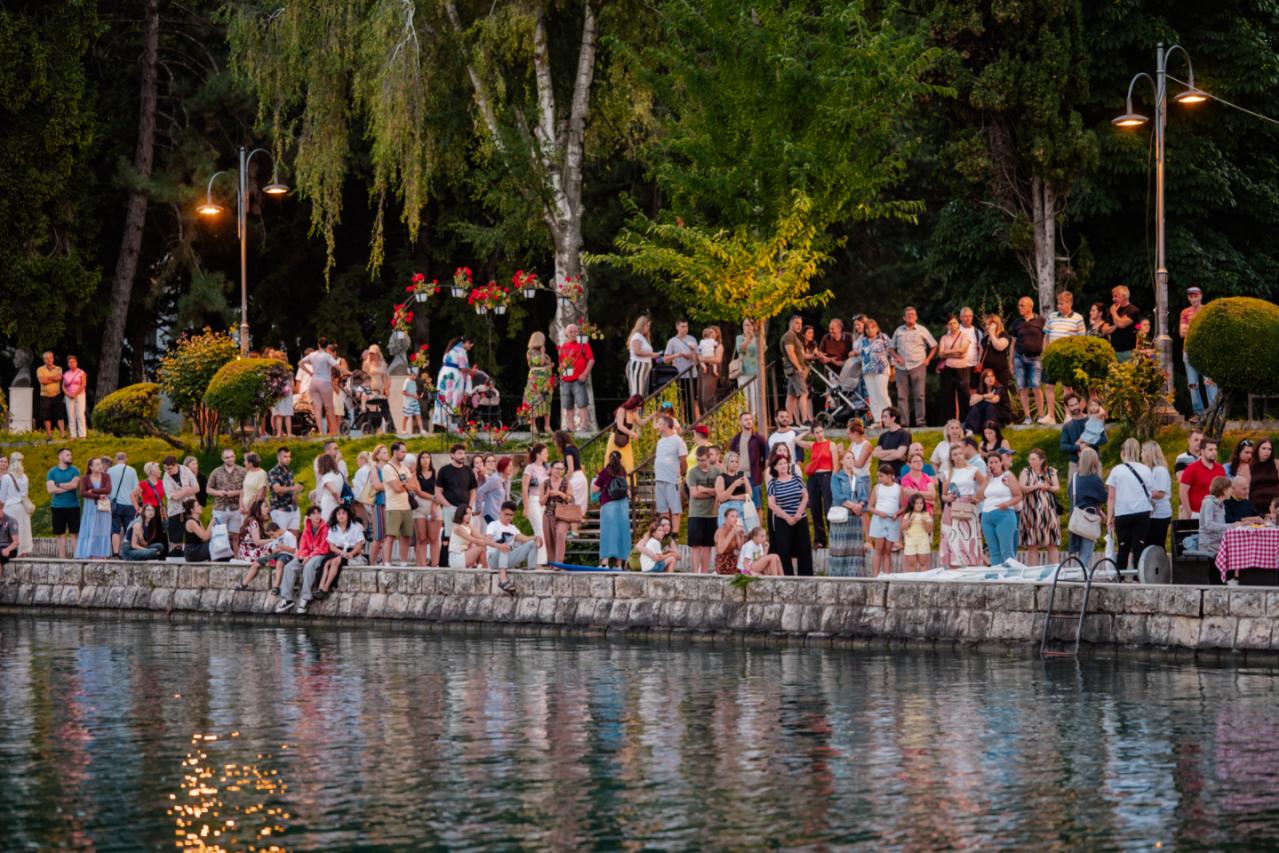
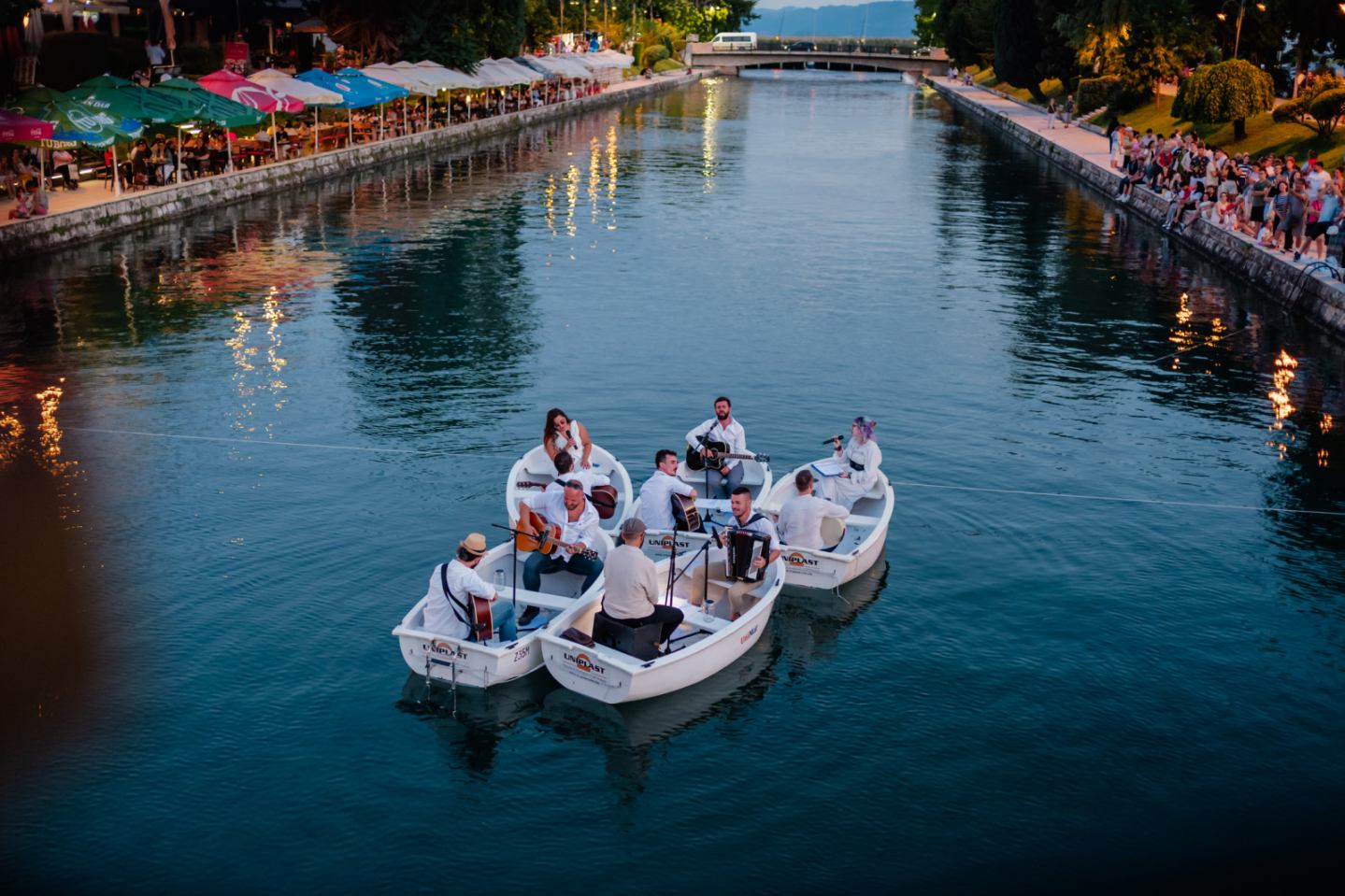
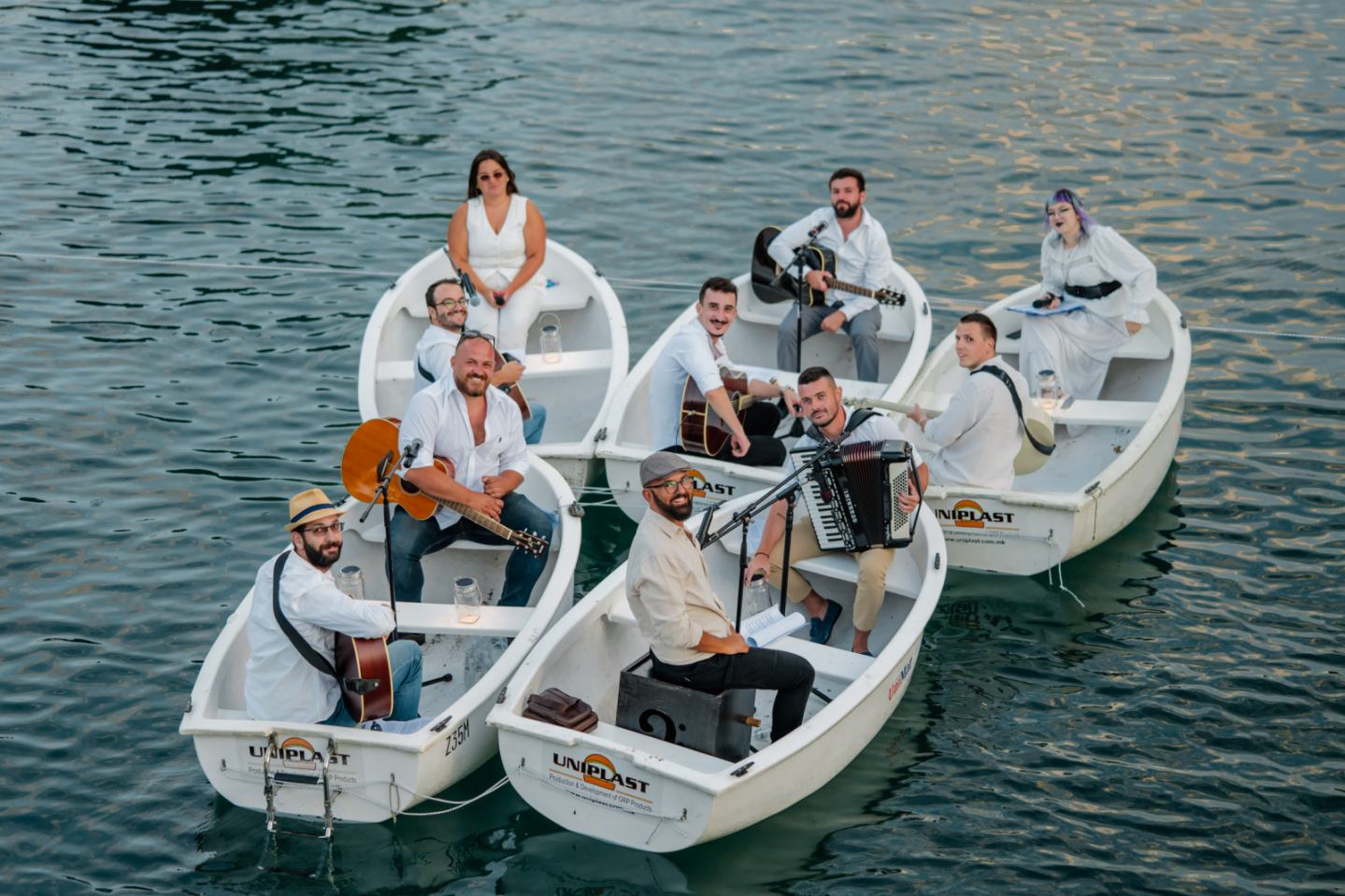
Тhe Black Drim River in Struga became the stage for a truly unique musical experience. As part of the “Floating Concert – On the Drim” initiative, local musicians from different ethnic communities performed a 40-minute concert from boats, transforming the river into an extraordinary venue for a cultural event.

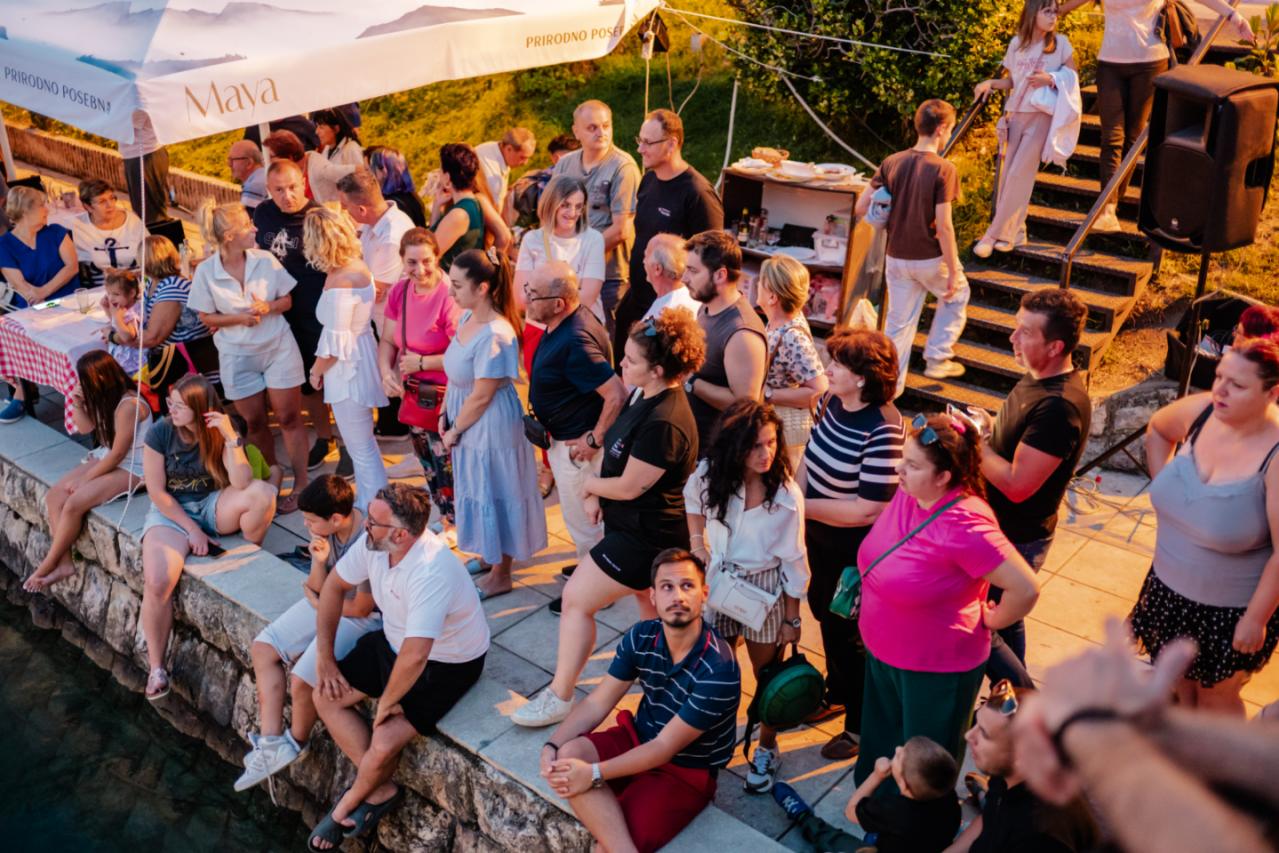
The initiative, conceived by Kosta Kostoski, aims to create a new platform for promoting local musicians while encouraging creative collaboration, intercultural exchange, and a fresh way of experiencing public spaces. The concert took place from sunset into the evening hours, creating a distinctive atmosphere that attracted a large audience along the banks of the Black Drim.

The performers included Kosta Kostoski, Andrej Niceski, Artan Zhuta, Bojan Krstinovski, Almir Bajramoski, David Popovski, Aleksandra, Menda Shei, Vladimir Mojsovski, and Tomislav Nestoroski.

As a supporter of local initiatives that bring together culture, community, and public space, Europe House Struga organised the event, offering audiences a new way to experience music while enriching the city’s summer cultural programme.

A key role in the event’s implementation was played by Solaris Sports Club, which provided all on-water logistics. Support from the Municipality of Struga and AD ESM – Branch HPP “Black Drim” made it possible for the river itself to become the stage for this authentic musical experience.

The Floating Concert on the Drim is an excellent example of how natural heritage, local creativity, and collaborative efforts can come together to create a cultural event that celebrates the local music scene, enhances Struga’s tourism offer, and promotes the Black Drim River as a vibrant venue for contemporary cultural experiences.

Why Protecting Bees Matters for Our Future: Learning About Sustainable Beekeeping

A day filled with new knowledge, hands-on experience and inspiration for how each of us can contribute to protecting bees and biodiversity.

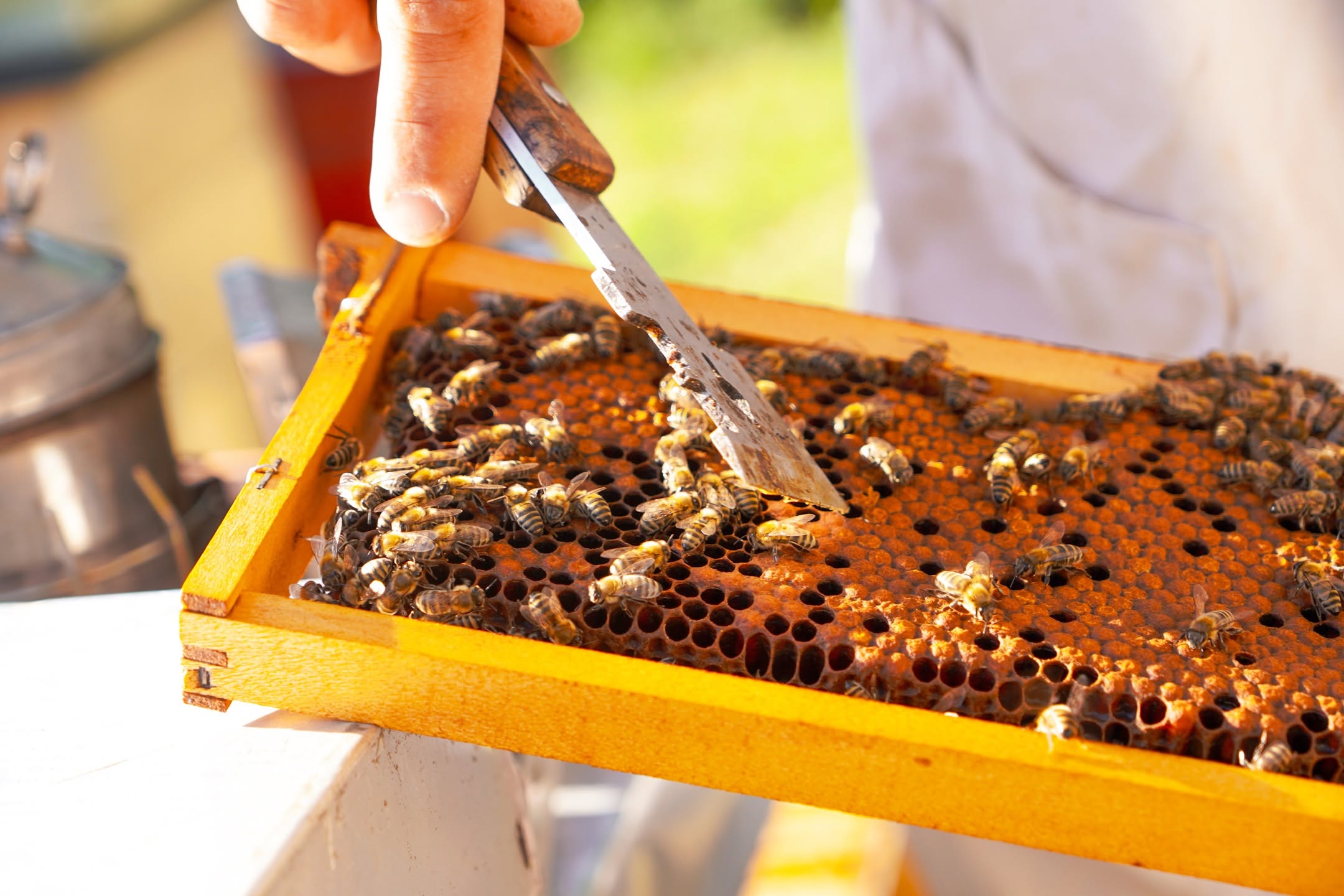
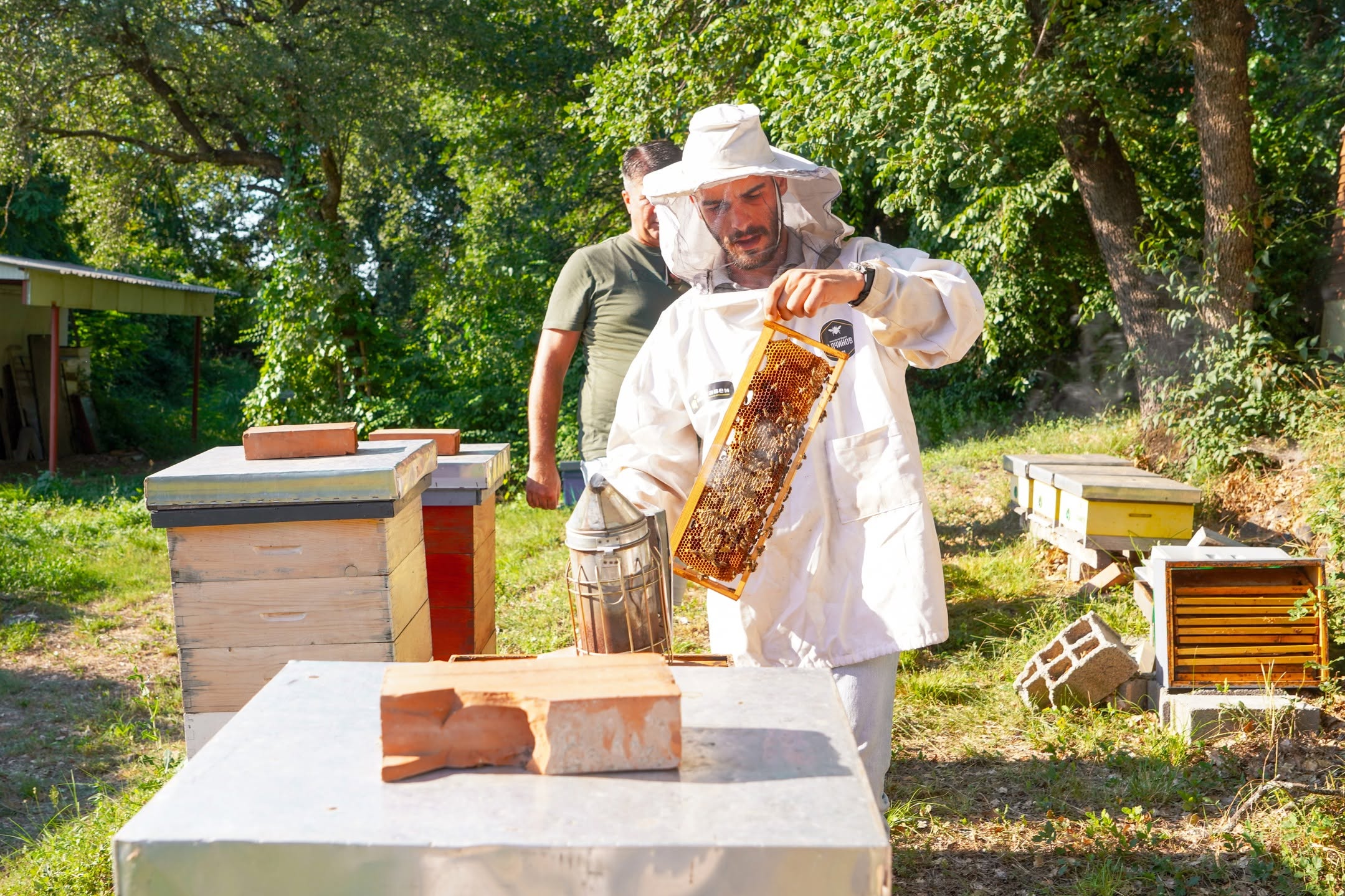
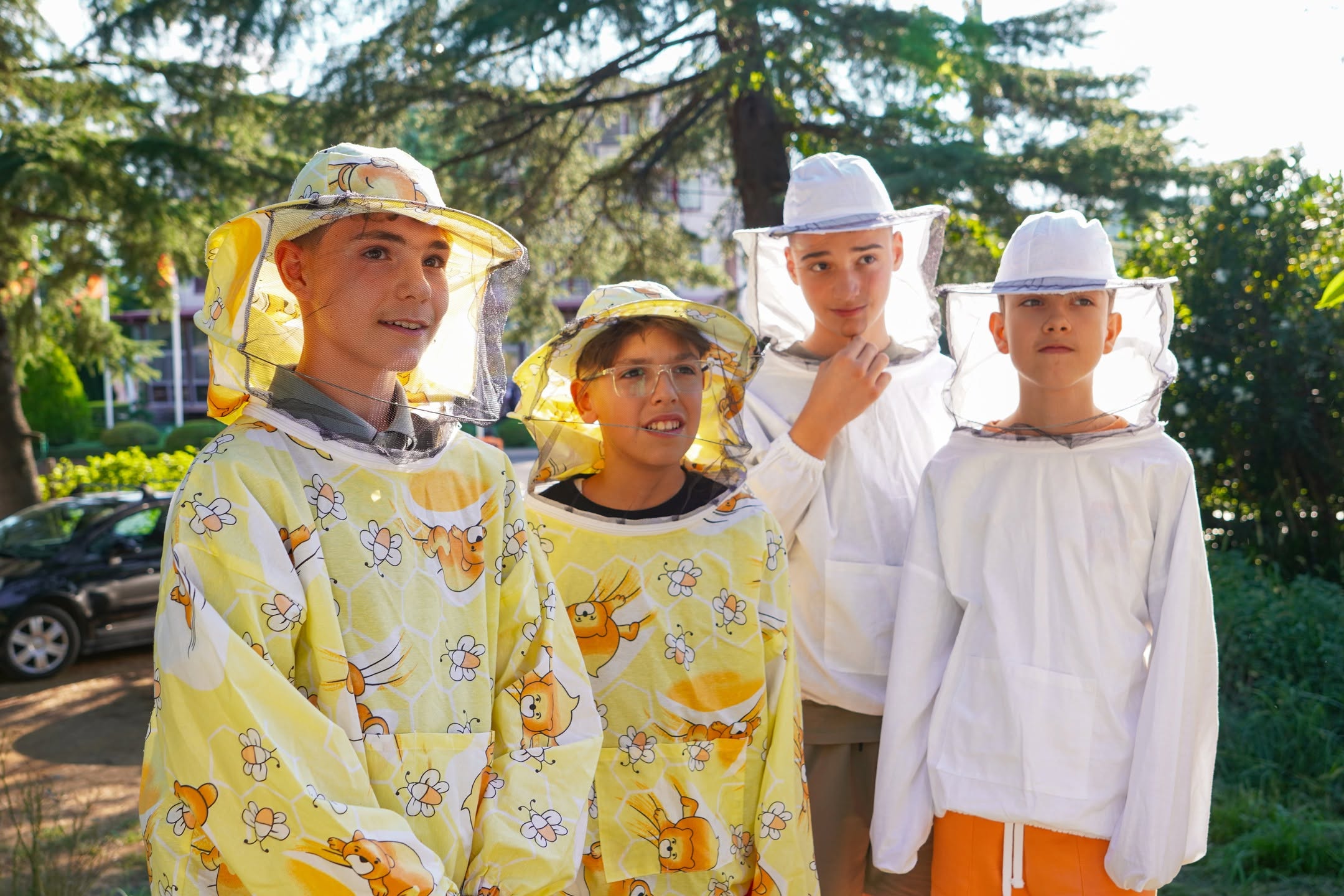
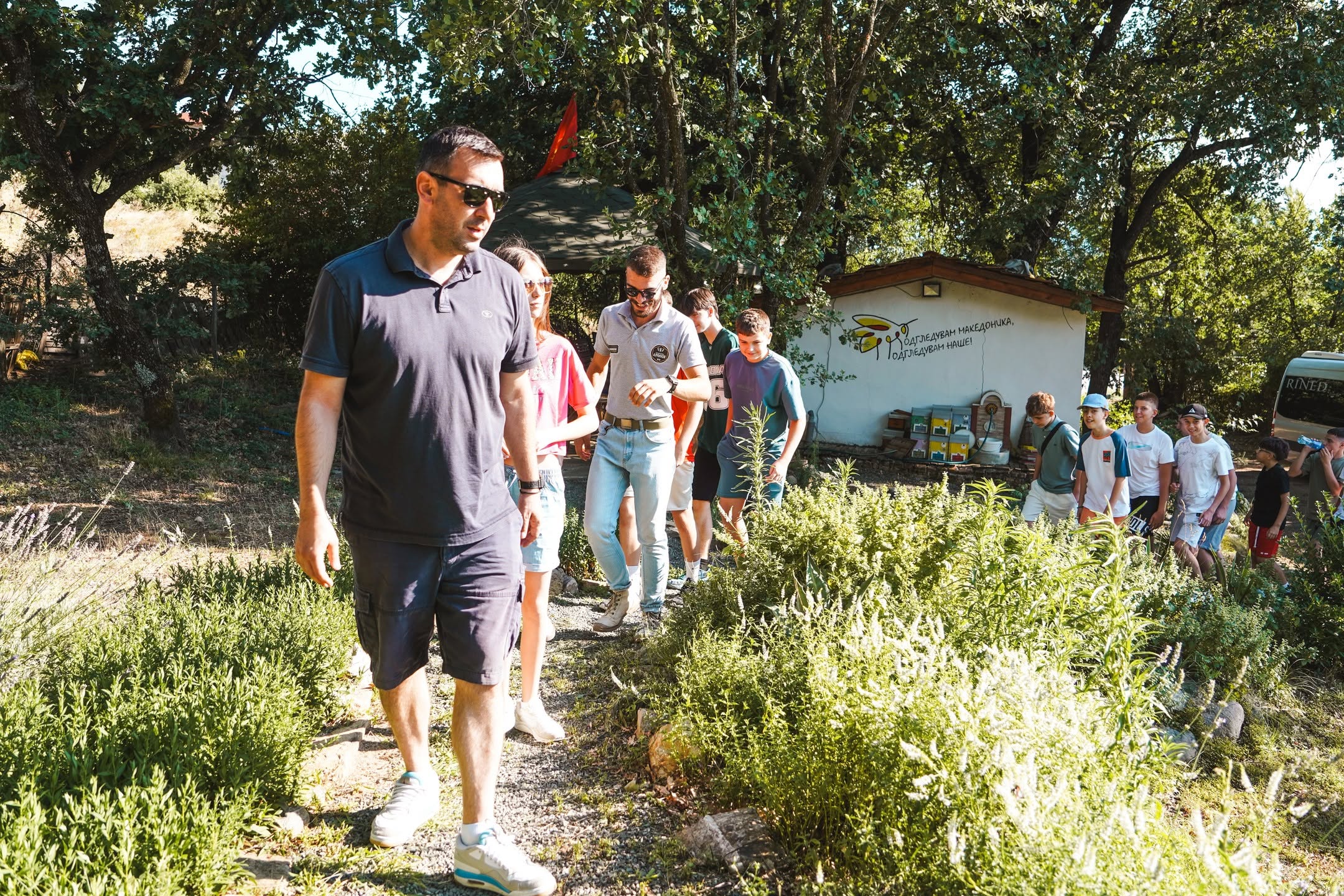
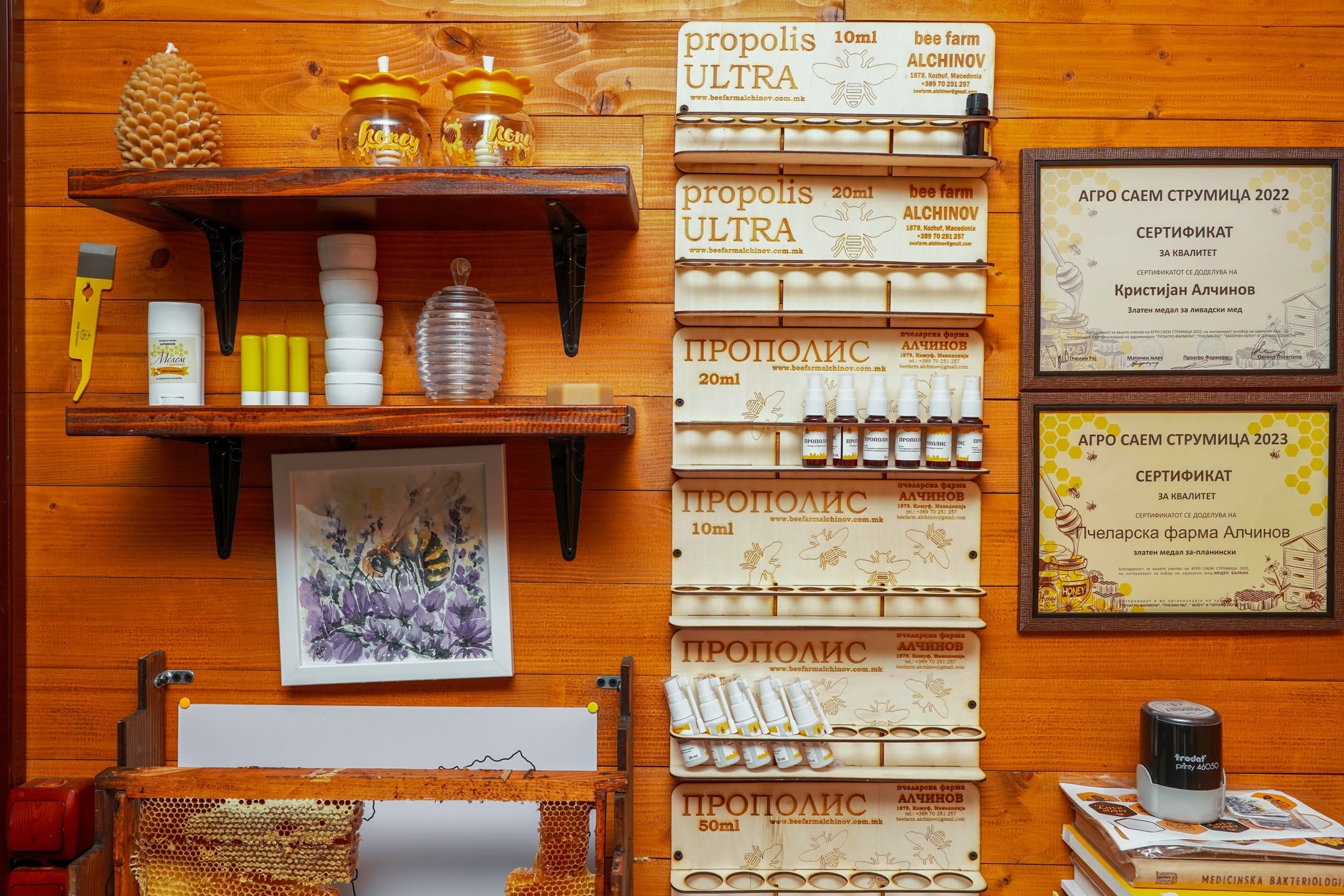
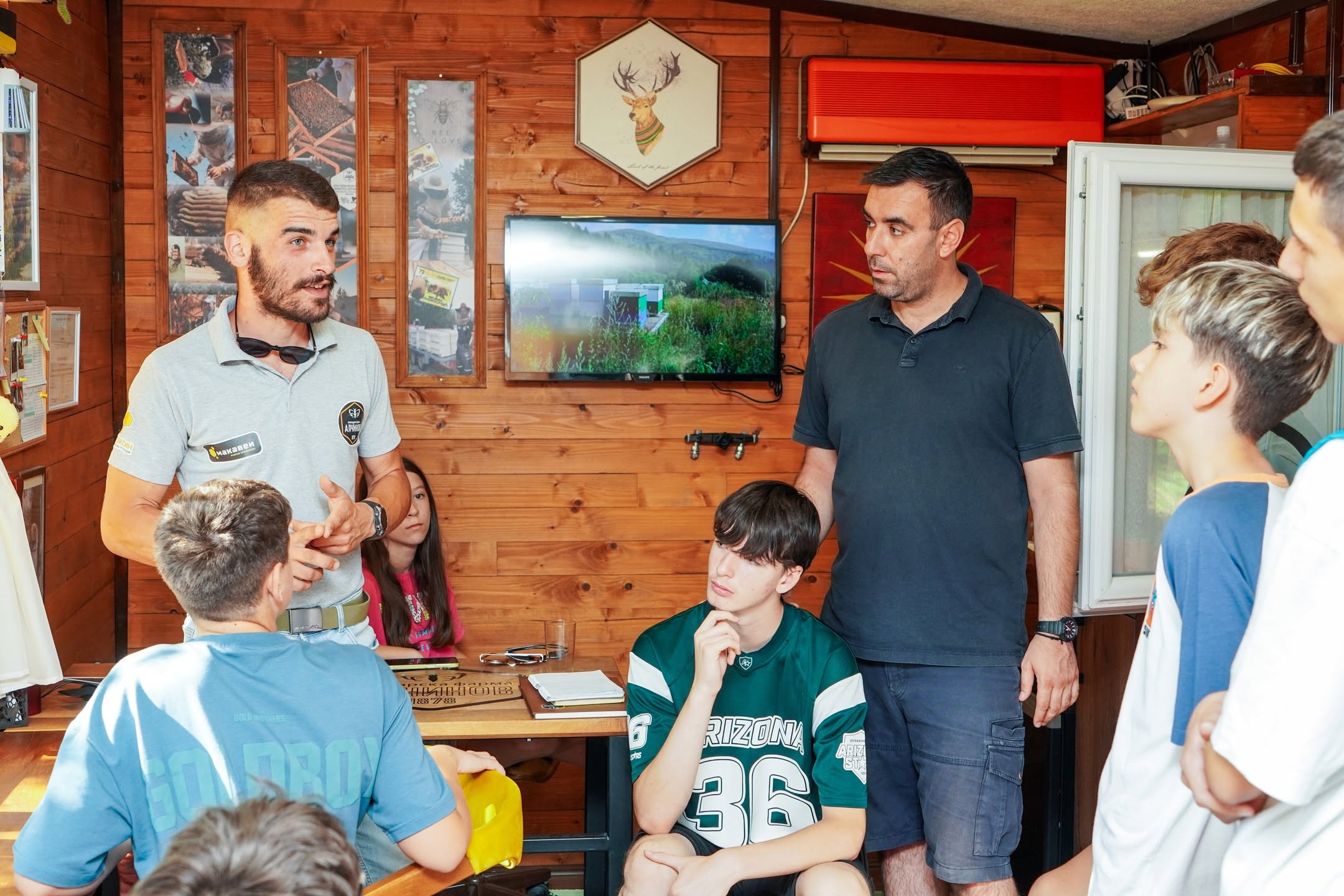
As part of a workshop organised by Europe House Strumica, we visited the Alchinov beekeeping farm and apitherapy centre in the Gevgelija region, where we explored the tradition of beekeeping and learned about the vital role bees play in nature and sustainability.

We got a close-up look at bee colonies, learned how beekeepers care for their hives, and discovered why bees are essential to protecting biodiversity.

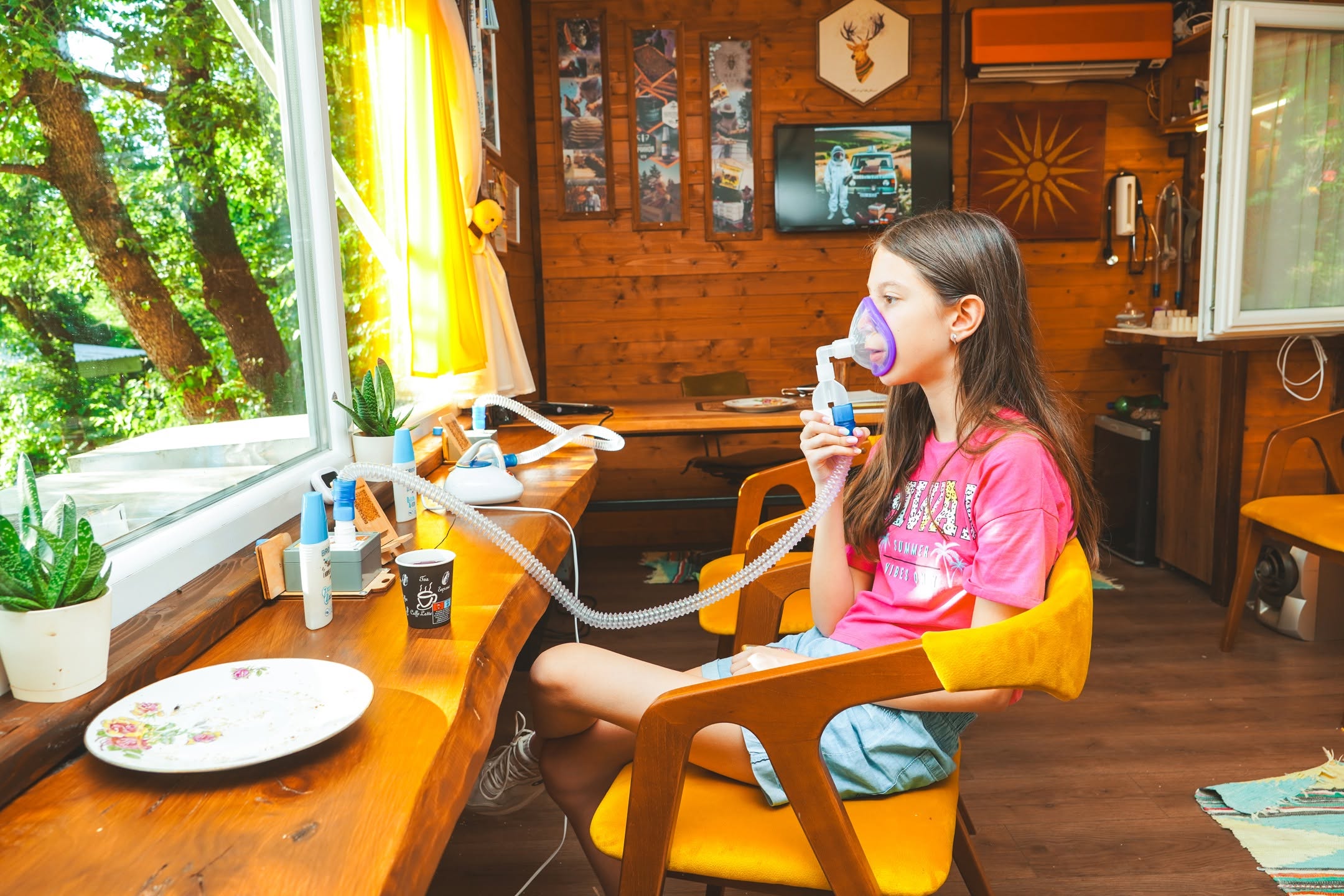
We also visited the apitherapy room, where we experienced the world of bees up close, breathed in natural air from the hives and learned about a variety of bee products.

Most importantly, we learned that caring for bees means caring for nature — and for our sustainable future.

Bees are among nature’s most important guardians of ecological balance. They pollinate a large share of flowering plants, helping to preserve biodiversity and support the food that reaches our tables every day.
Yet bees are facing growing threats. Climate change, the loss of natural habitats and the excessive use of pesticides pose serious risks to their survival.

That’s why supporting the people who care for bees every day and promote sustainable beekeeping is also a way of protecting the balance of our ecosystems — and the future we all depend on.

“THE EMPTY CHAIR” IN TETOVO SPARKS A DISCUSSION ON WOMEN IN POLITICS

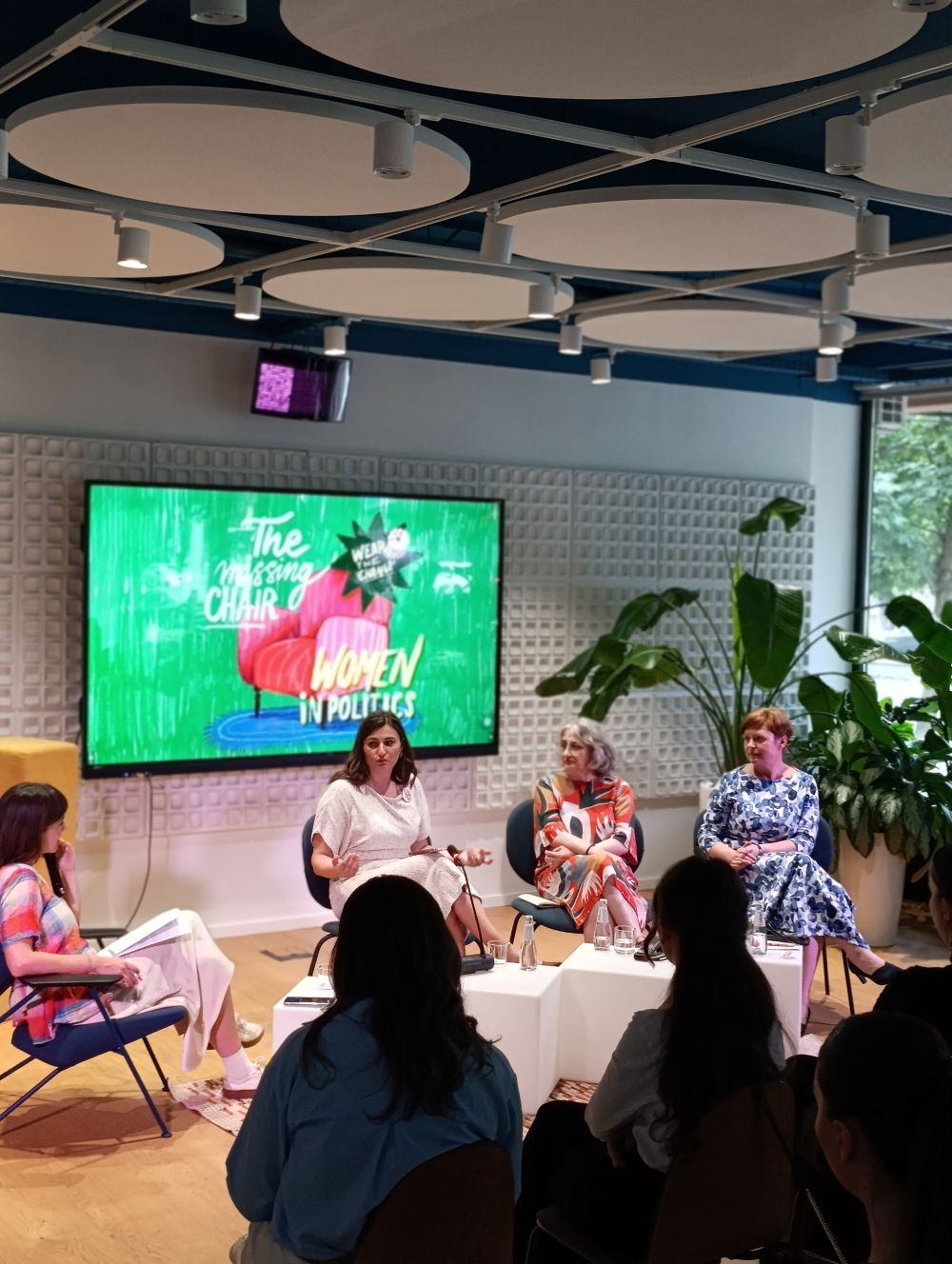
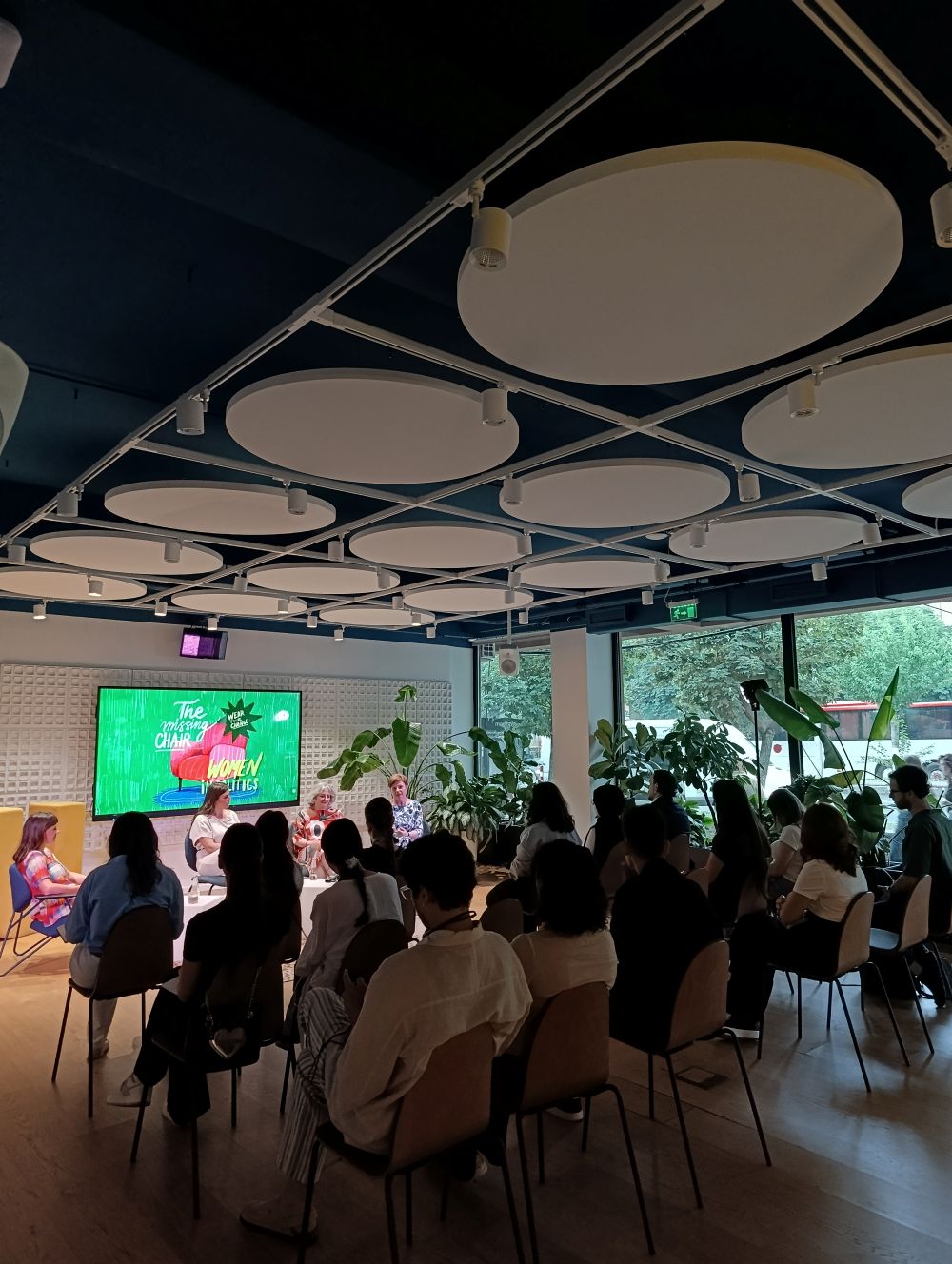
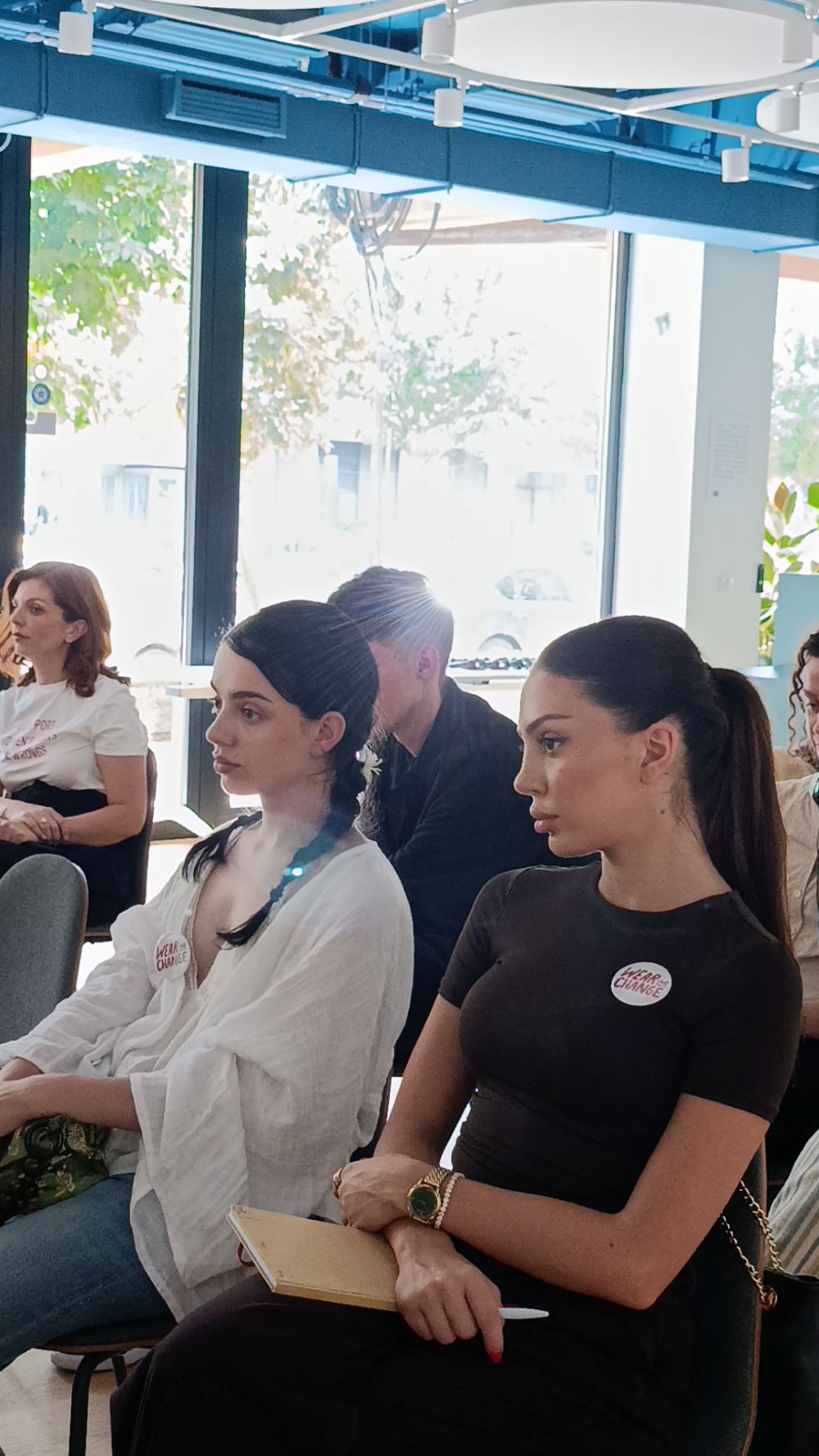
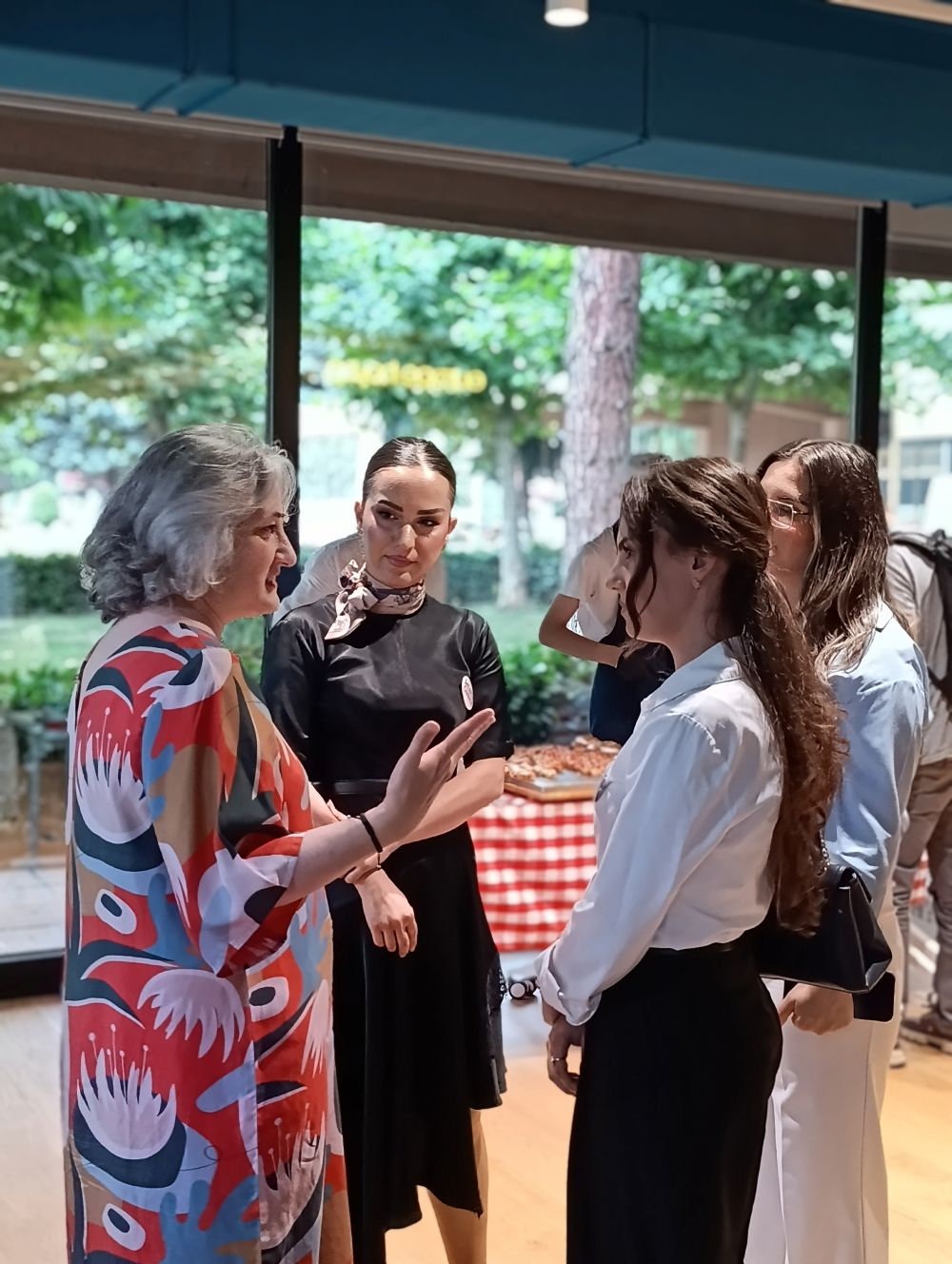
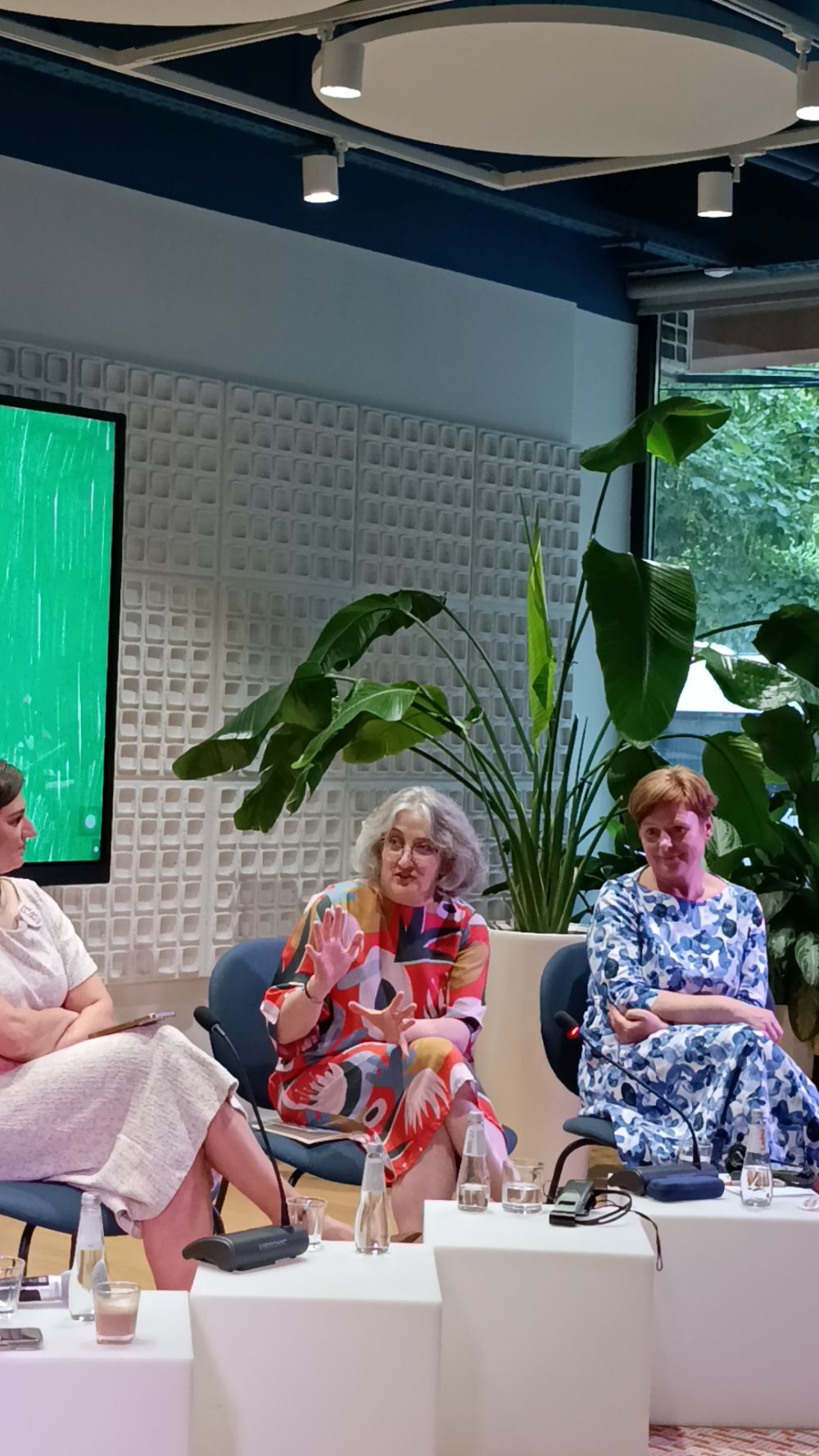
As part of the national “Wear the Change” caravan, initiated by the Delegation of the European Union, the embassies of the European Union Member States (Team Europe), and the Europe House Network, the panel discussion “The Empty Chair: Women in Politics” was held yesterday at Europe House Tetovo.

The event opened a discussion on the underrepresentation of women in political decision-making positions and the gap between legal provisions and their implementation in practice. Although electoral legislation requires that at least 40 percent of candidates on electoral lists are women, the current Government includes only three female ministers, while just four of the country’s 81 municipalities are led by women mayors.

The discussion was moderated by Andrea Ugrinoska, Executive Director of Tiiiit! Inc., and featured Member of Parliament Monika Zajkova, H.E. Özlem Canel, Ambassador of the Netherlands, and H.E. Petra Drexler, Ambassador of Germany. The panelists shared their personal and professional experiences, as well as European practices that promote greater participation of women in political life.
 

The discussion highlighted that quotas alone are not sufficient if women do not have genuine access to leadership positions and decision-making processes. The panelists also emphasized the importance of support from families, mentors and allies, while encouraging women to have confidence in their ability to lead.

The event attracted significant interest from the local community, with students, young people and activists actively participating in the discussion. The key message was that the “empty chair” is not the result of a lack of capable women, but rather of systemic and societal barriers that continue to limit women’s equal access to political power.

The “Wear the Change” caravan continues across several cities in North Macedonia, creating spaces for public dialogue on gender equality, civic participation and equal representation in decision-making processes.

Subscribe To our newsletter!