Europe house Skopje Archives - Europe House

“Who Codes the Future?”: Panel Discussion on Girls and Women in STEM

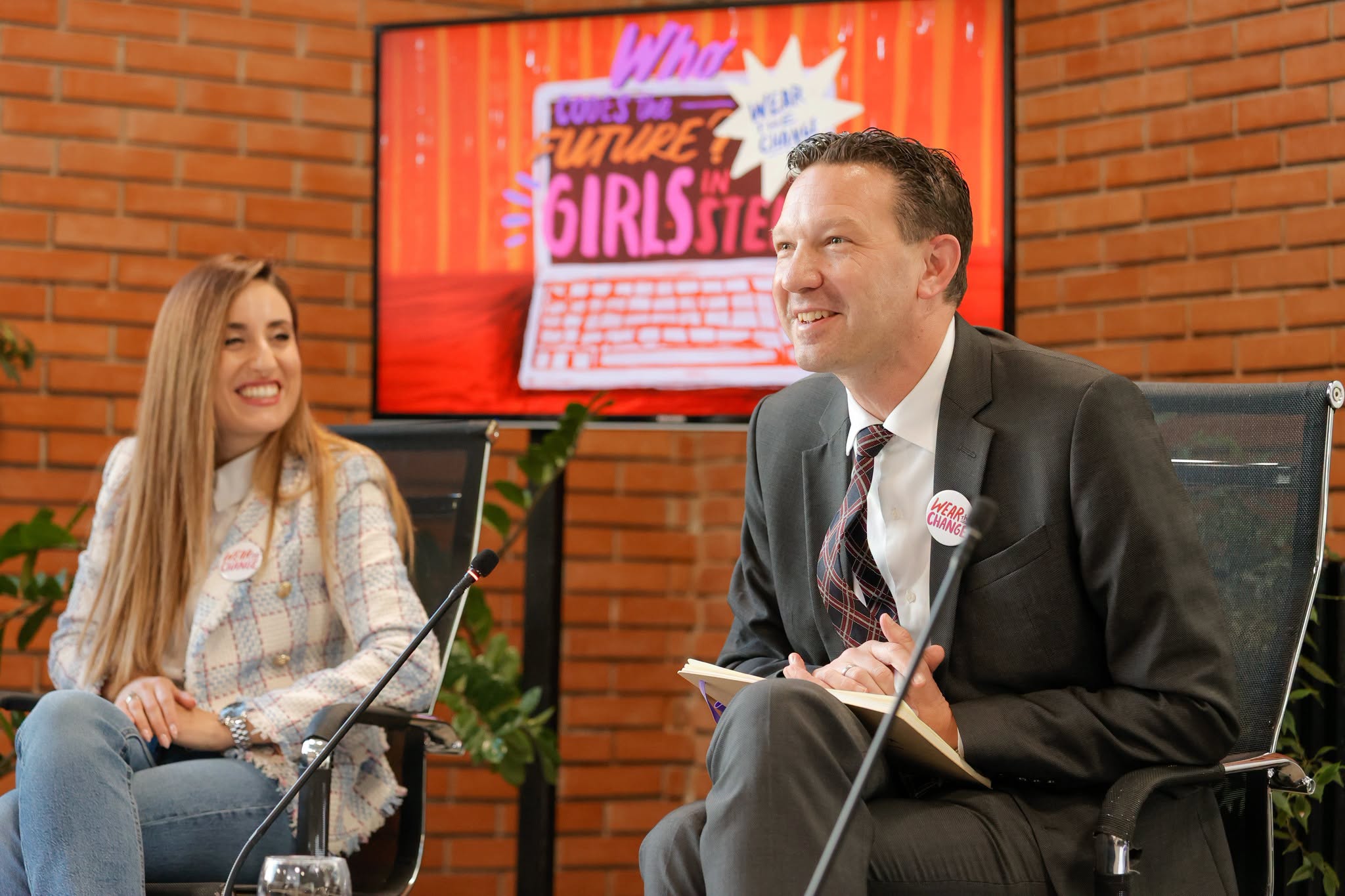
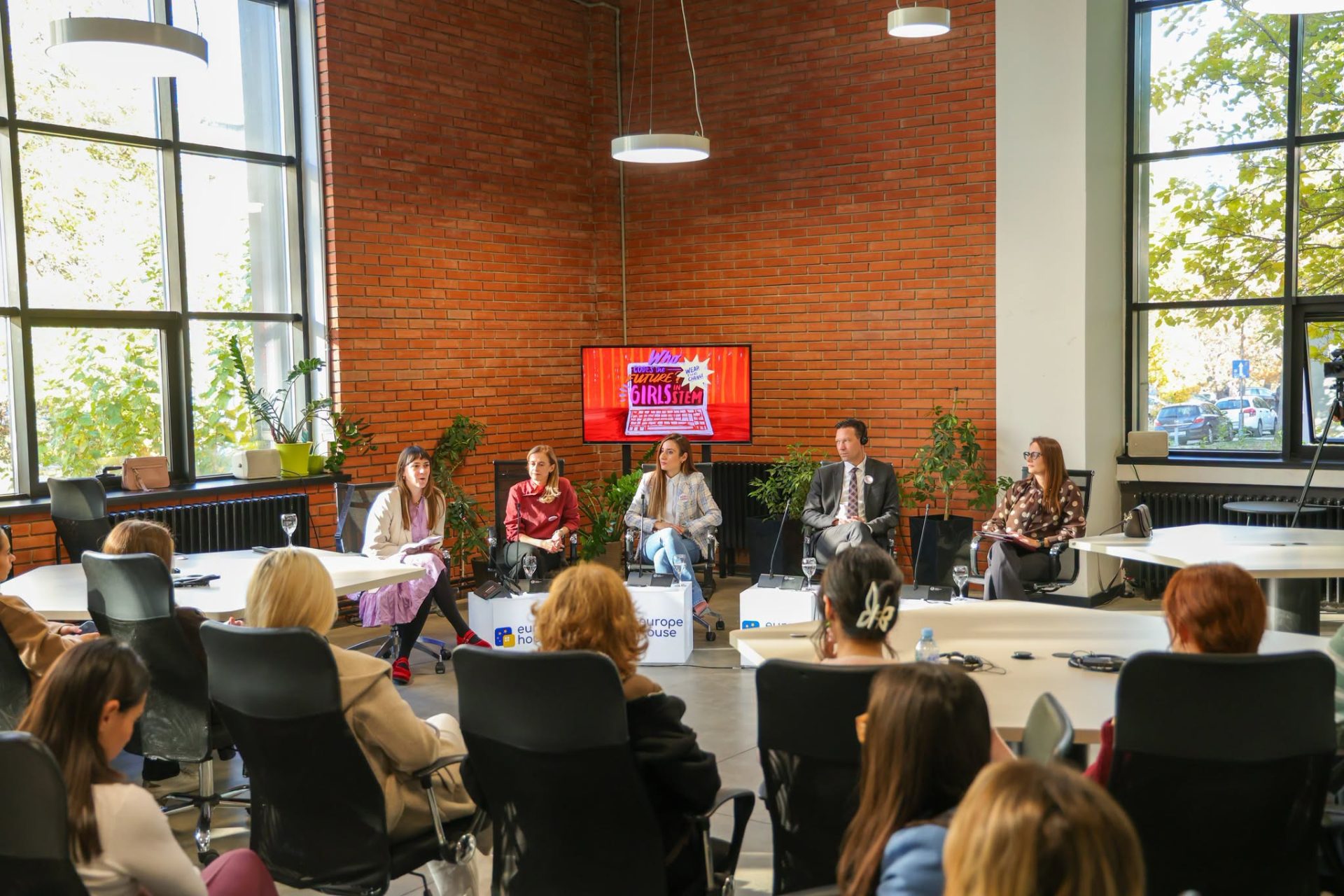
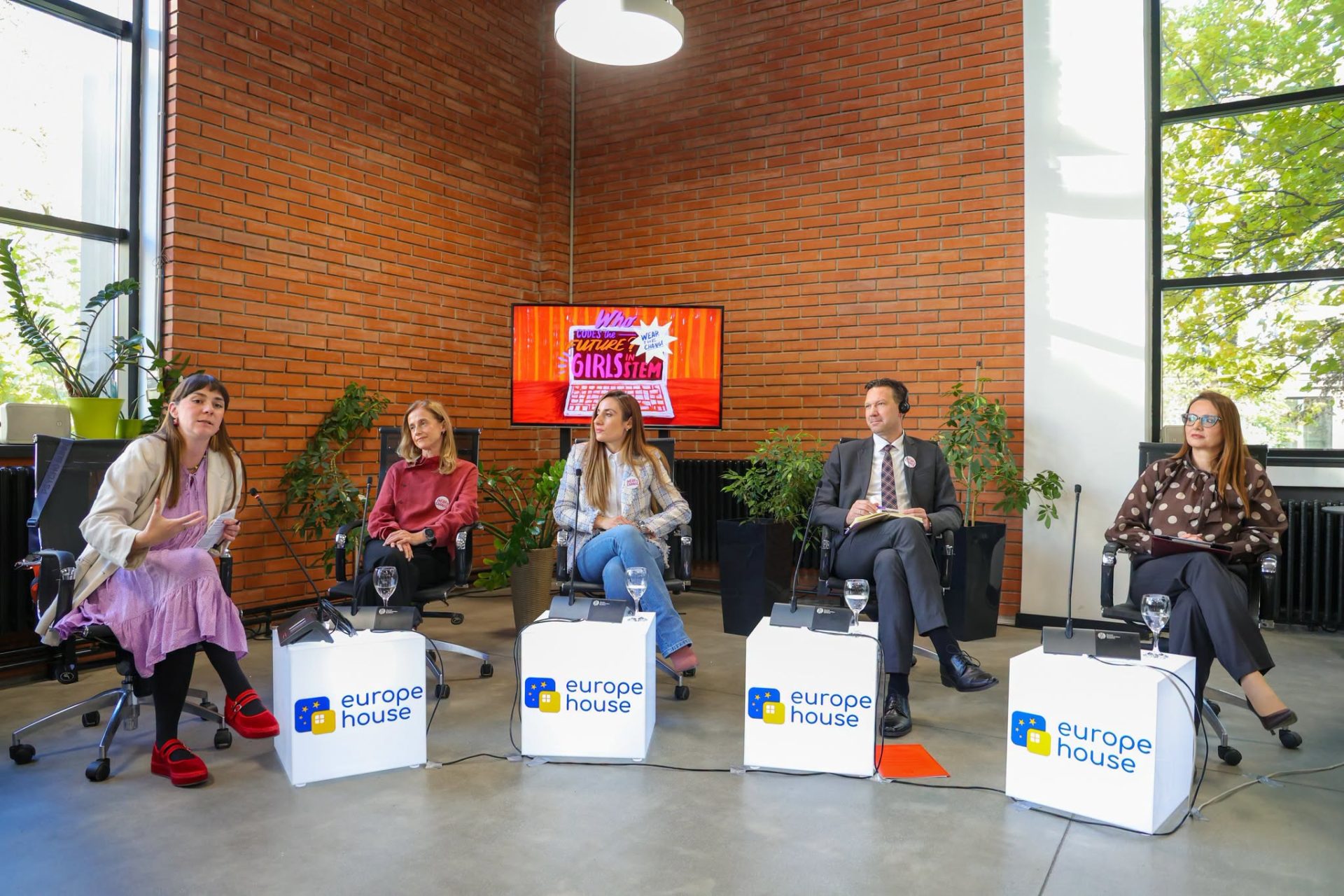
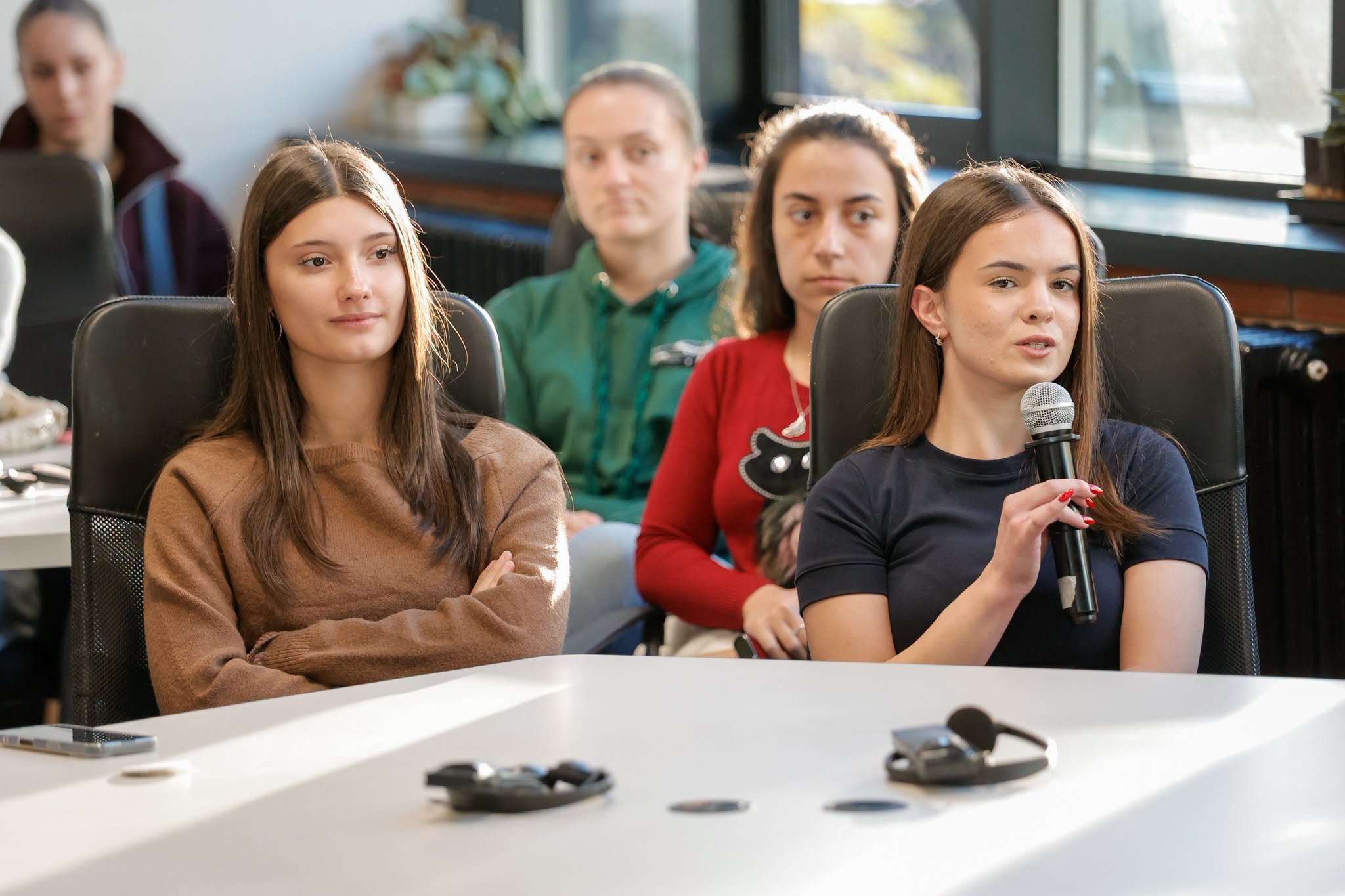
How can we break down gender barriers in science, technology, engineering and mathematics (STEM) and create more opportunities for girls and women in the digital world? These were the key questions explored at the panel discussion “Who Codes the Future? Girls in STEM” – part of the Wear the Change campaign and national caravan, launched by Europe House and the Delegation of the European Union.

Held at the UKIM’s Tech Campus in Skopje, the discussion addressed the gender gap, stereotypes and institutional barriers, as well as the need to ensure equal access to education, professional development and leadership positions in the technology sector.

Despite women accounting for around 70% of graduates in natural sciences and mathematics and making up more than half of the country’s researchers, their representation in technology-related professions remains significantly lower. And while women make up 33% of ICT graduates, they represent less than a quarter of the sector’s workforce. A lack of support and visible female role models, coupled with a sense of not belonging, continues to influence girls’ educational and career choices.
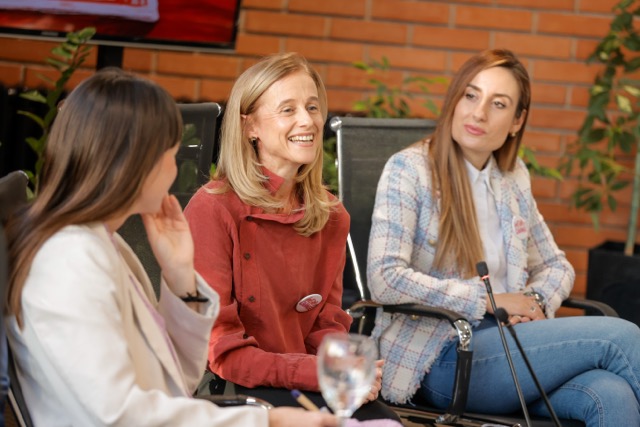
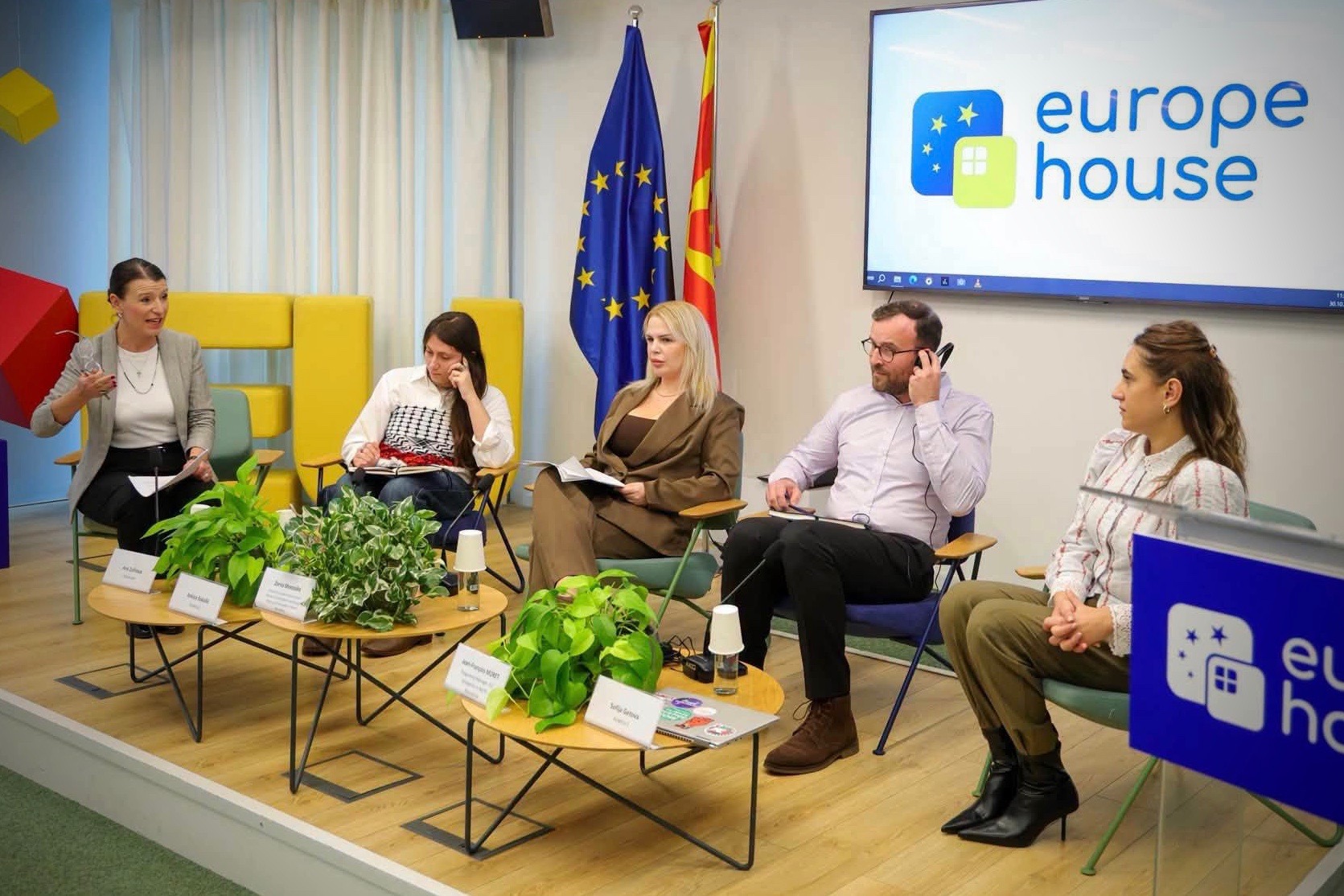
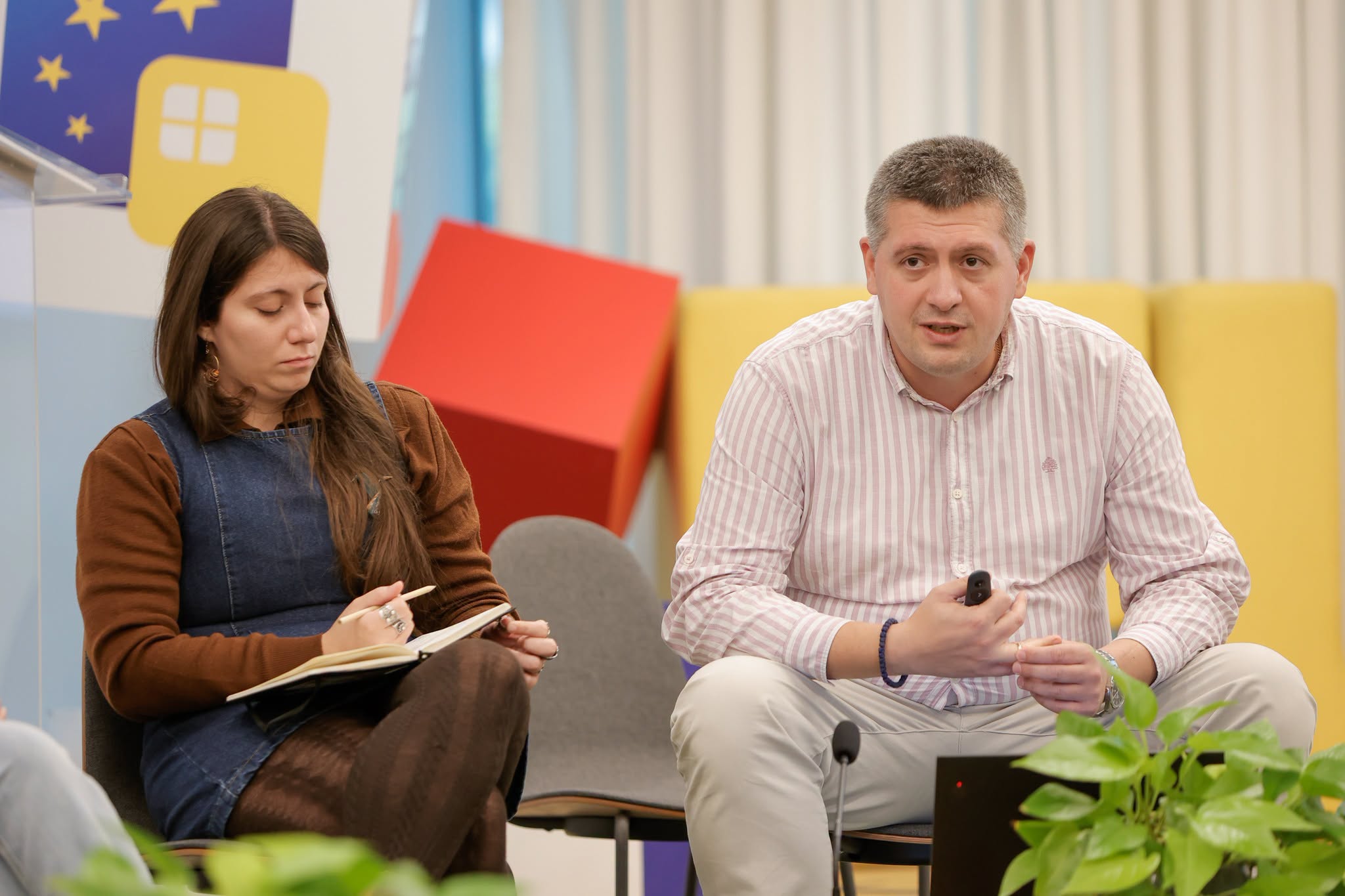
The panel brought together Swedish Ambassador Ola Sohlström; Marijana Ilovska Zlatanovski, Executive Director for Digital Innovation at Intertec.co and Partnerships Director at Women in Tech North Macedonia; Prof. Ana Poceva Panovska, PhD, from the Faculty of Pharmacy at Ss. Cyril and Methodius University in Skopje (UKIM); and Prof. Nevenka Kiteva Rogleva, PhD, from the Faculty of Electrical Engineering and Information Technologies (FEEIT) at UKIM. The discussion was moderated by Andrea Ugrinovska from “Tiiiit! Inc.” – Skopje.

Prof. Ana Poceva Panovska, PhD, the researcher behind UKIM’s first patent in the field of medicinal chemistry, involving hybrid molecules with potential applications in the treatment of Alzheimer’s disease, spoke about the transformation of pharmacy and the growing participation of women in the field.

“Today, more than 90% of the students at our faculty are women. This change shows what can happen when women are given opportunities for education and professional development,” said Prof. Poceva Panovska.

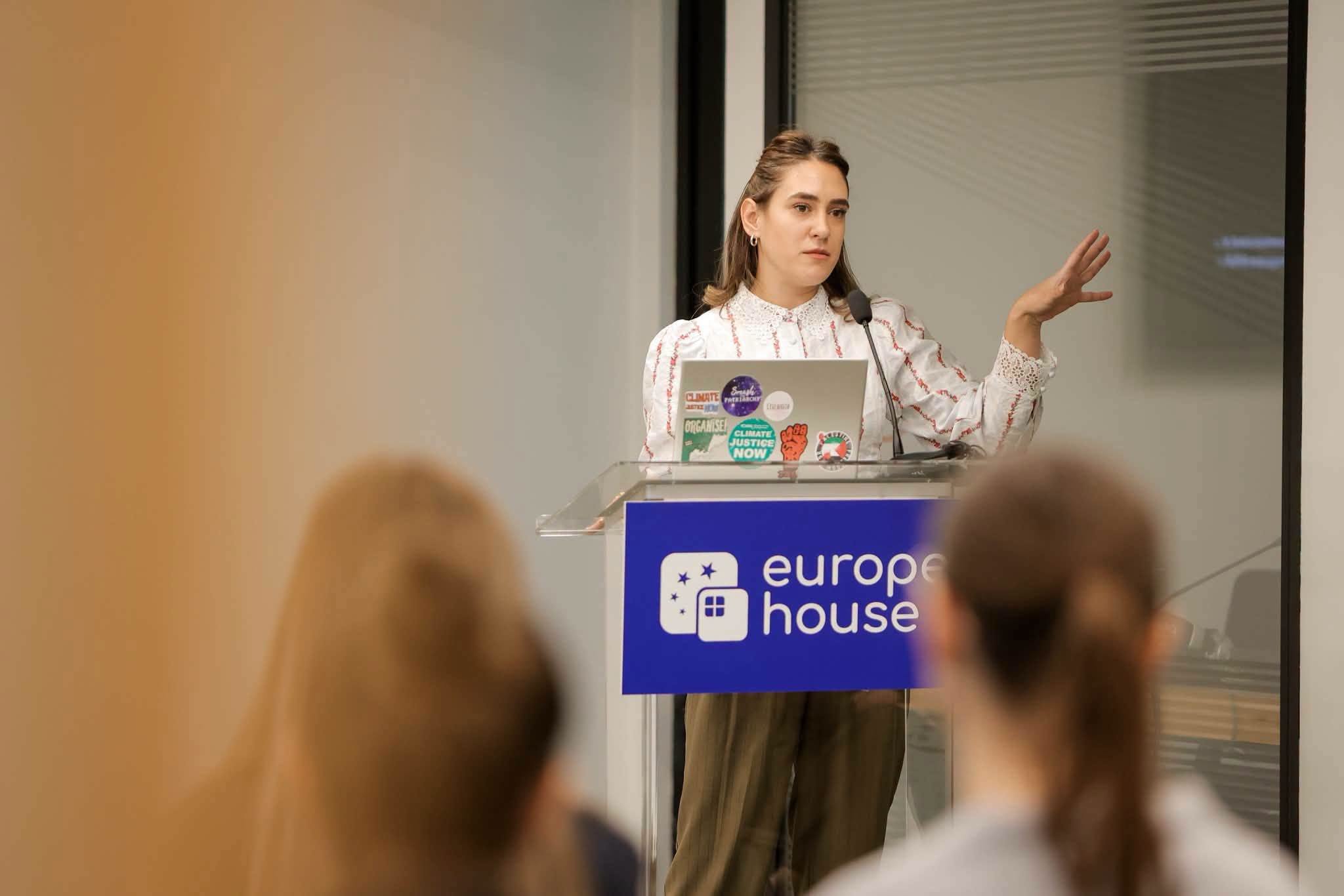
Marijana Ilovska Zlatanovski, representing Women in Tech North Macedonia, highlighted the growing number of women in technology, while also addressing the challenges they face in reaching leadership positions. Although women’s representation in the technology sector is increasing, barriers that limit their career progression and access to leadership roles still need to be addressed. “I am glad that today we are working to overcome these barriers and encourage girls to take greater initiative. There has definitely been progress, but there is still a lot of work to be done,” she stressed.
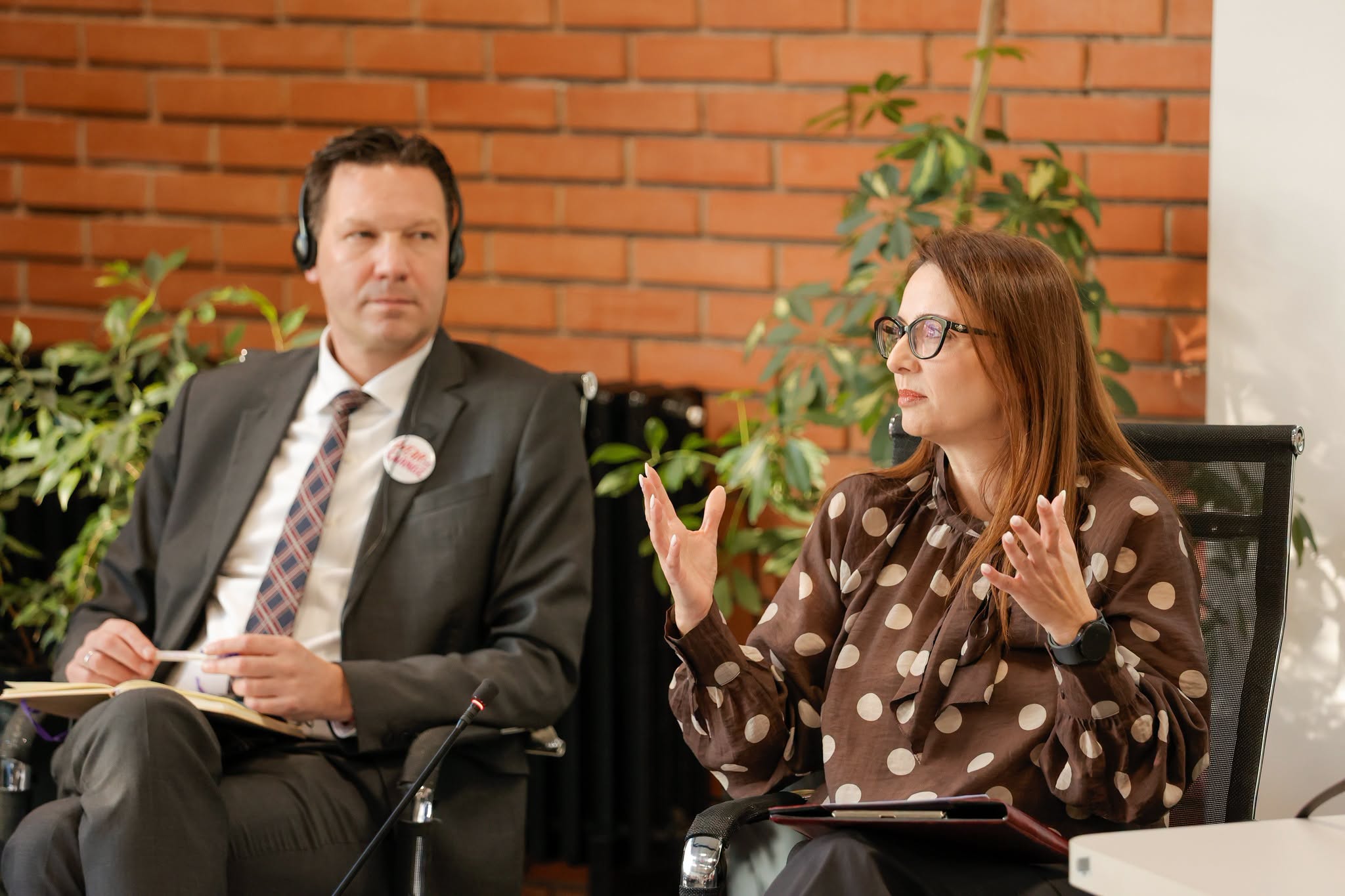
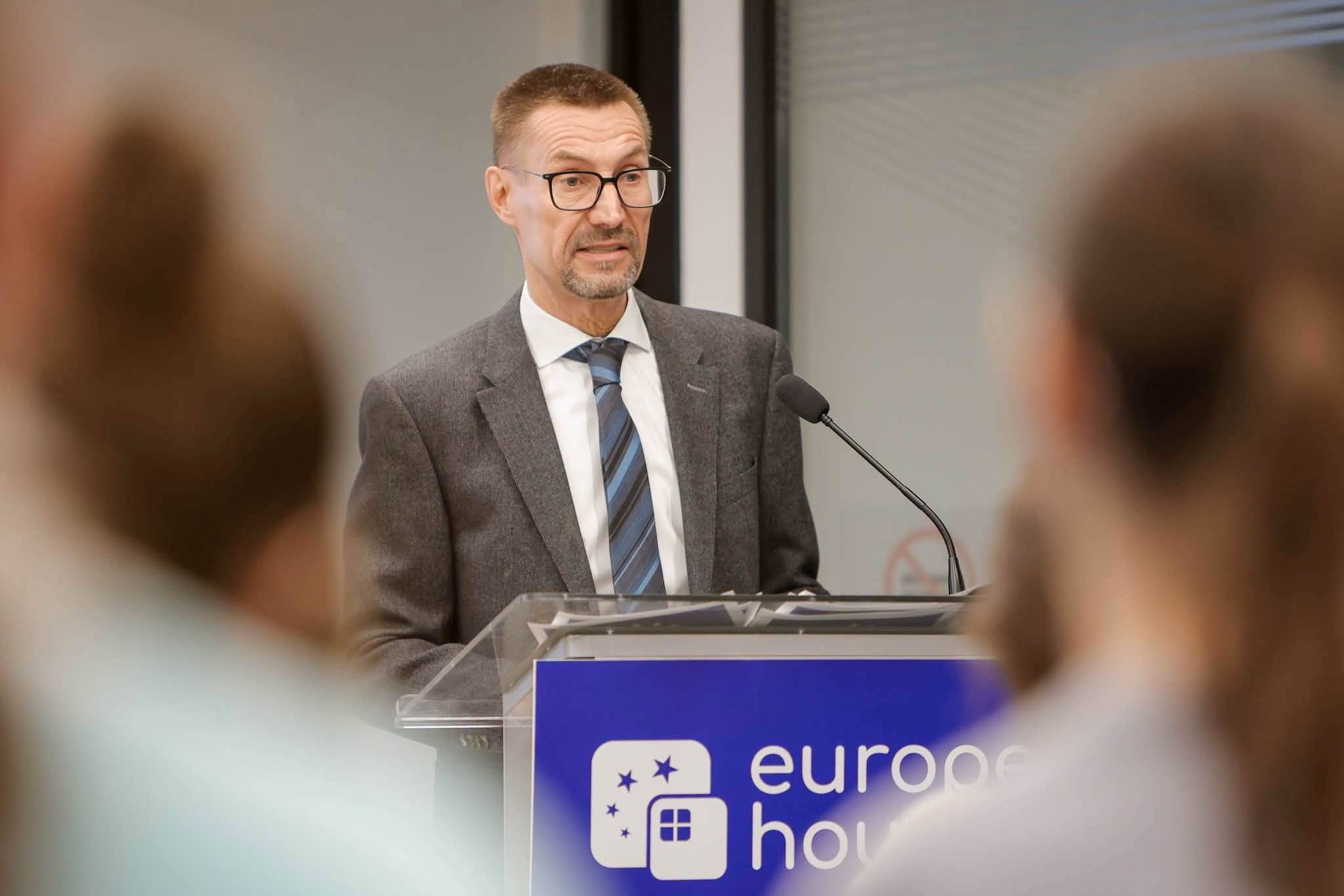
Swedish Ambassador Ola Sohlström noted that Sweden’s progress in STEM is the result of long-term investment in education, research and innovation.

“Sweden’s success in STEM did not happen overnight. It is the result of generations of investment in education, research, innovation and people. My message to decision-makers in North Macedonia is to do the same: invest more in education, in STEM and, above all, in young people. I believe that the future of this country, the region and the world depends to a great extent on the young woman who is 20 today, wondering what comes next and deciding which path to take,” Ambassador Sohlström said.

Prof. Nevenka Kiteva Rogleva, PhD, shared her professional experience in the energy sector, a field traditionally dominated by men. She emphasised that knowledge, interest and quality education matter more than gender stereotypes, and that support from family members and teachers can be decisive in encouraging girls to pursue their interests in science and technology.

When girls and women do not have equal opportunities to fulfil their potential, society loses talent, ideas, opportunities for innovation and more effective solutions. Closing the gender gap in STEM requires more than conversations: it calls for sustained support, visible role models and equal opportunities in education, career advancement and leadership.
Young People Call for a Greater Role in Climate Decision-Making at LCOY2026

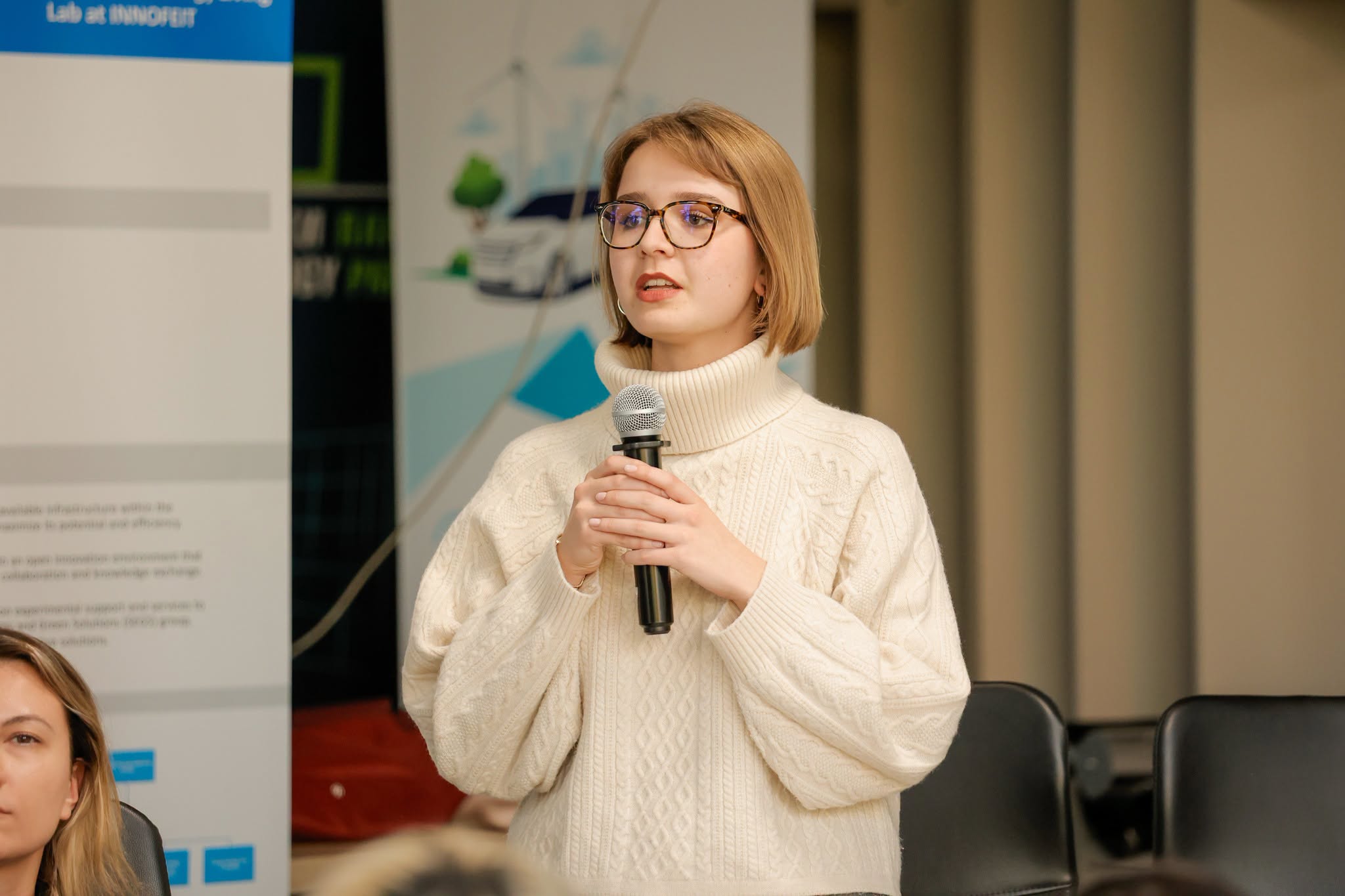
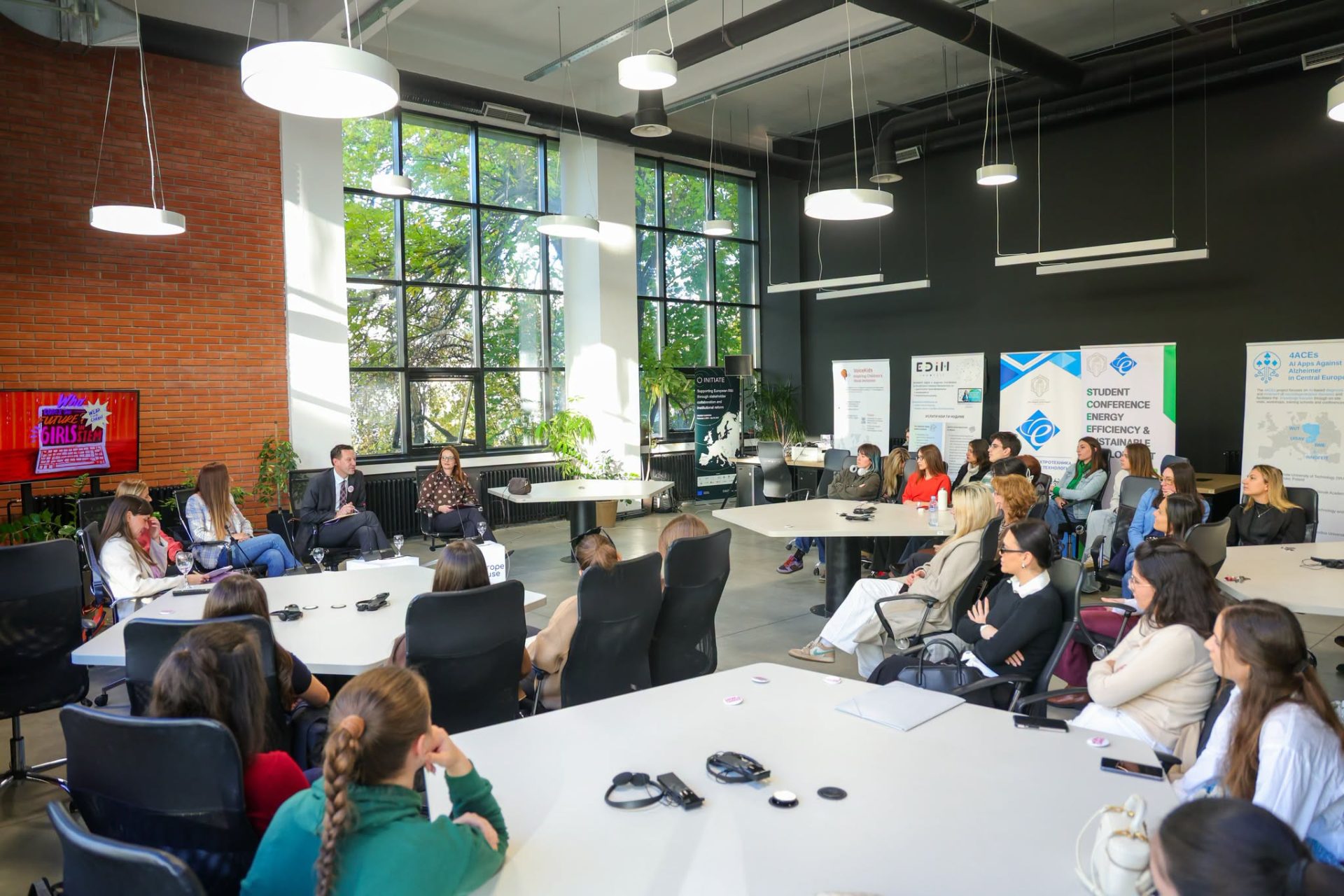
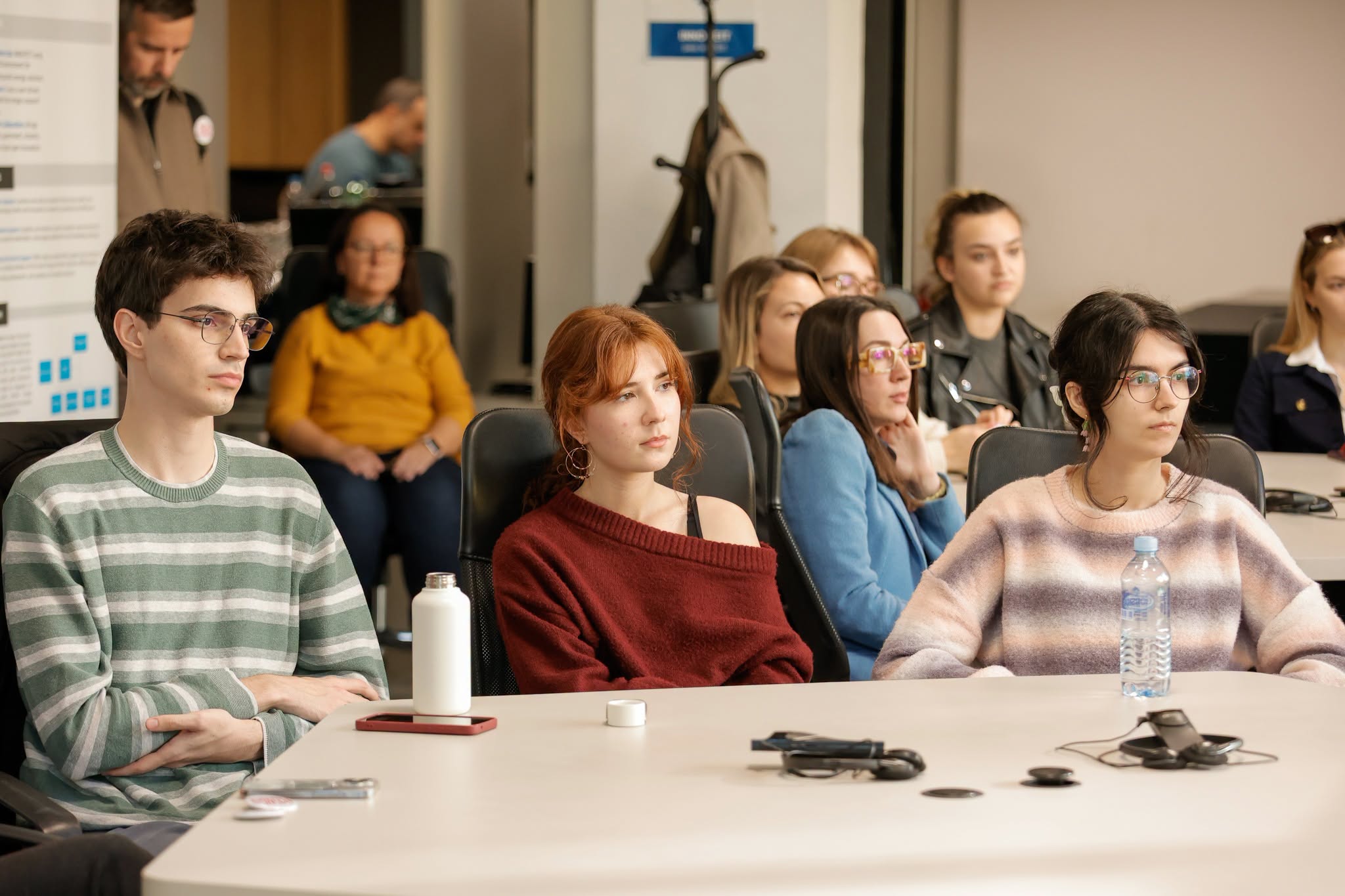
Young people should not simply be consulted – they must have an active role in shaping climate policies and decisions that affect their future. This was the central message of the two-day Local Conference of Youth– LCOY2026, held at Europe House Skopje.

Organised by the youth organisation Kolektiv Z, LCOY2026 brought together more than 50 young people – students, activists and emerging leaders – alongside experts and representatives of institutions and civil society. Their shared goal was to explore ways to ensure meaningful, continuous and structured youth participation in climate policy decision-making.

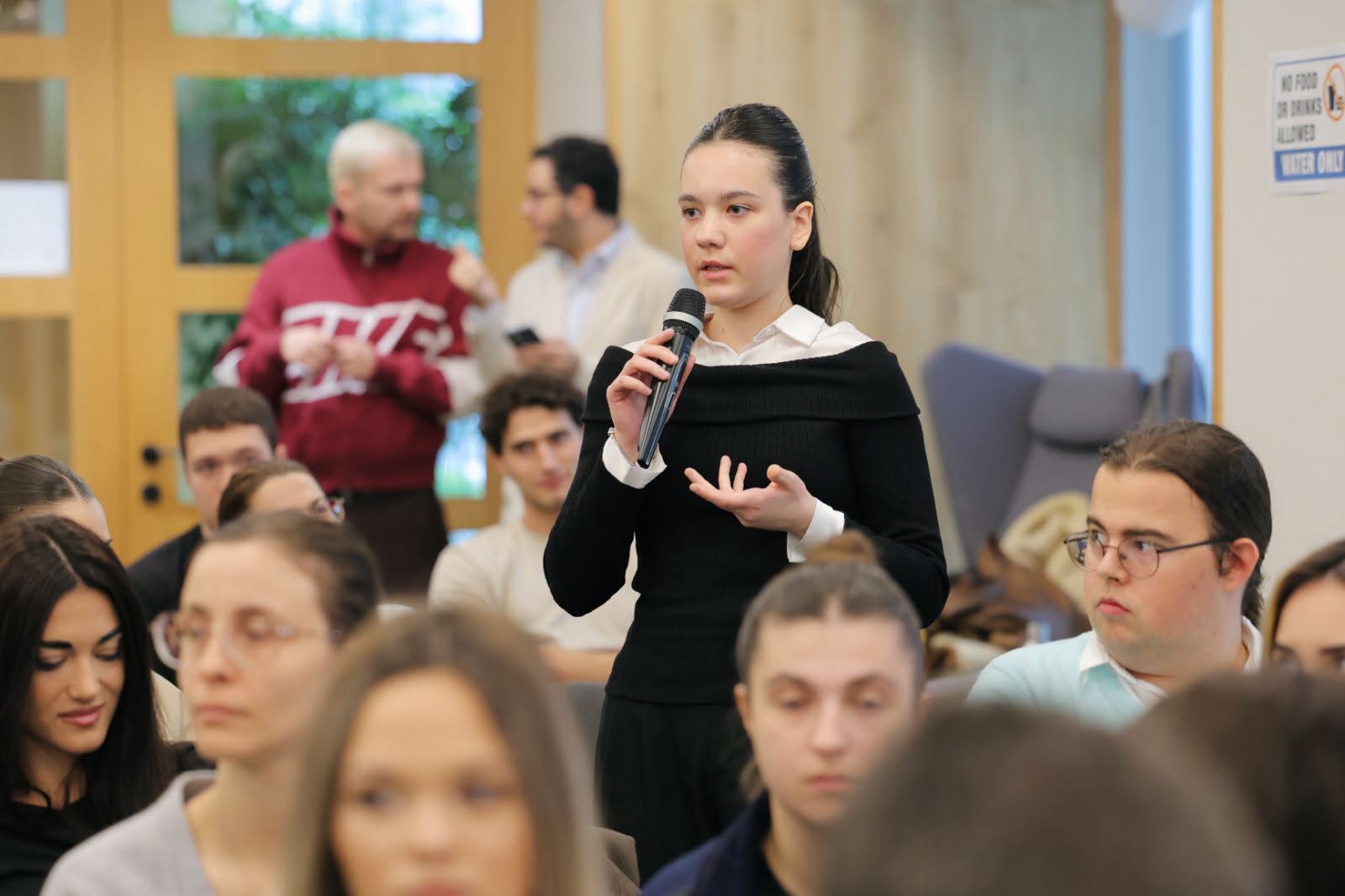
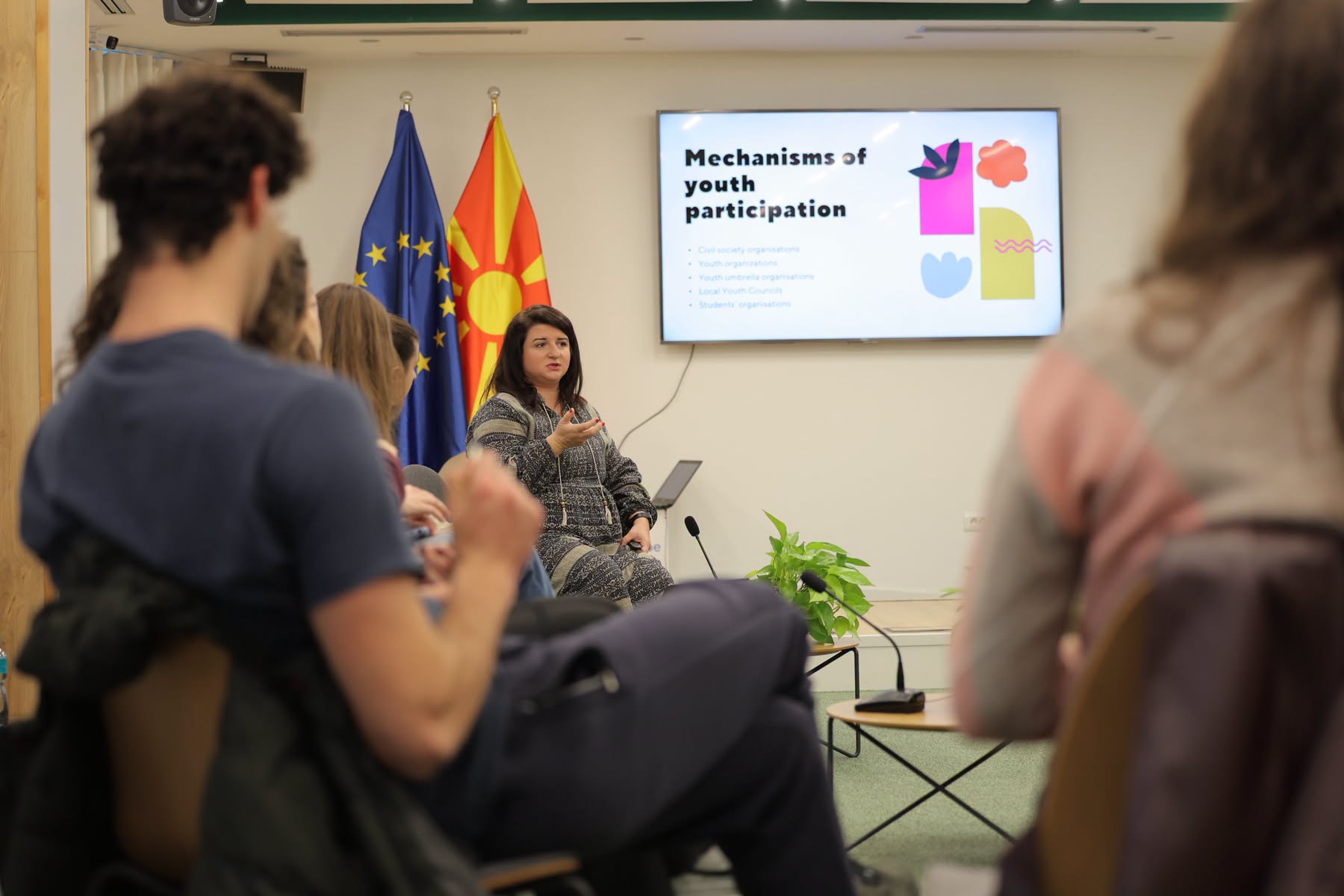
Through discussions, presentations and exchanges with representatives of the Delegation of the European Union, UNDP, UNICEF, the Ministry of Environment and Physical Planning, and the organisation Eco-svest, participants discussed current climate challenges and the need to involve young people in shaping solutions. Particular attention was given to establishing mechanisms that would ensure youth participation goes beyond occasional contributions and becomes an integral part of decision-making processes.

The conference concluded with a powerful Youth Statement, expressing the determination, expectations and demands of a generation refusing to have its voice pushed to the margins:

“Our future is not up for negotiation. Our country is not for sale. Our voices will continue to organise, resist and rebuild the just society that we and future generations deserve.”

We believe that young people’s active participation in shaping climate policies is more than essential, as it is the younger generations who will live with the consequences of today’s decisions. Their perspectives, ideas and demands must be heard and reflected in the solutions that will help create a more sustainable future.

LCOY2026 is part of an international network of youth climate conferences held in different countries under the auspices of YOUNGO, the official youth constituency of the United Nations Framework Convention on Climate Change (UNFCCC). These conferences connect young activists and students with scientific, government and business leaders, giving them opportunities to expand their knowledge and strengthen their capacities, and prepare national youth declarations. Their messages and recommendations are then brought into broader international climate processes and negotiations, including the global UN Climate Change Conference (COP).

GEN Z SPEAKS: How Young People Are Shaping Language in the Digital Age

Language is constantly evolving. Each new generation brings its own words, expressions and ways of communicating. From slang and memes to voice messages, abbreviations and mixing languages in a single sentence – does this signal a “decline” in language, or simply show that language is alive and always changing?

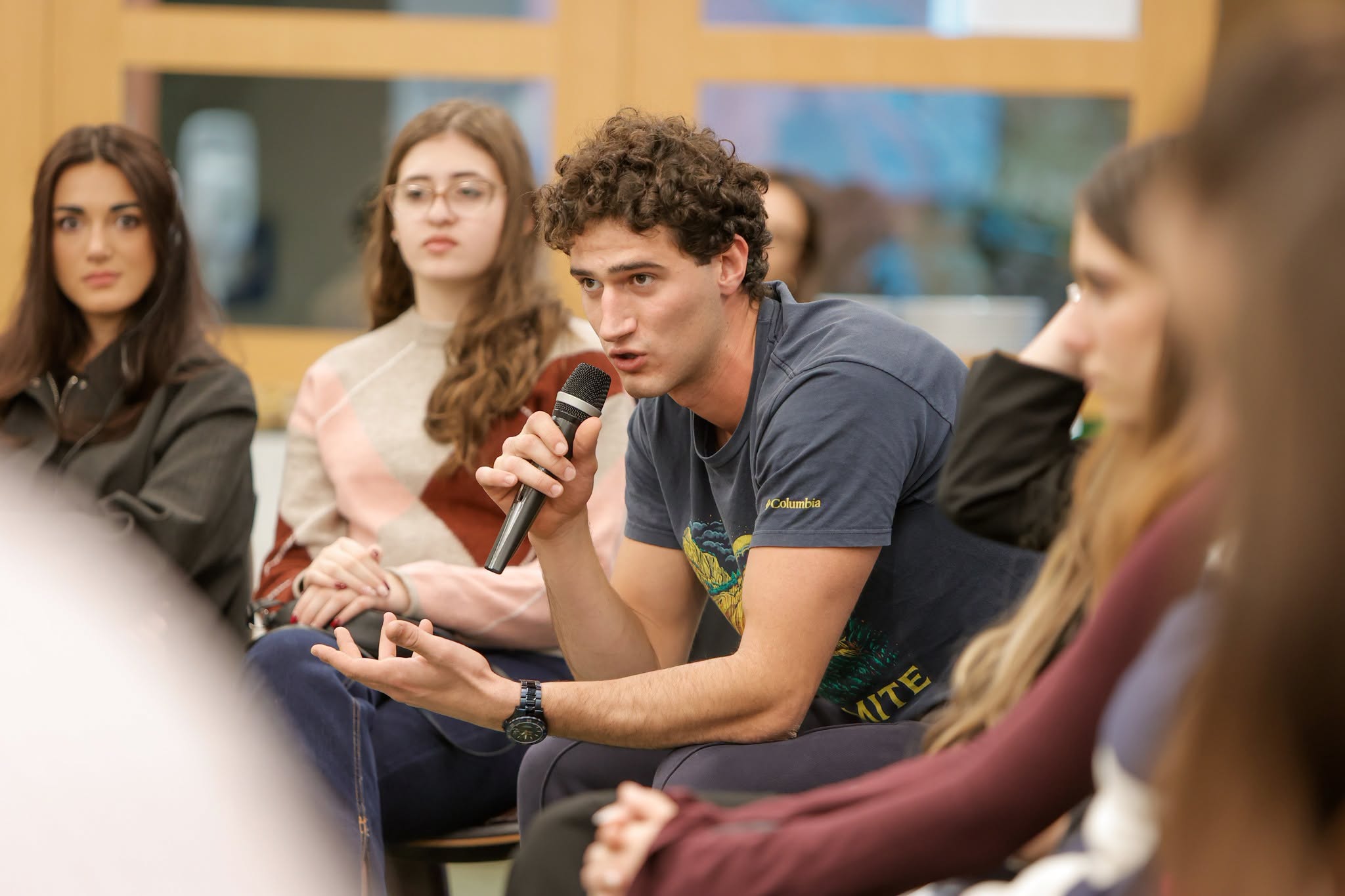
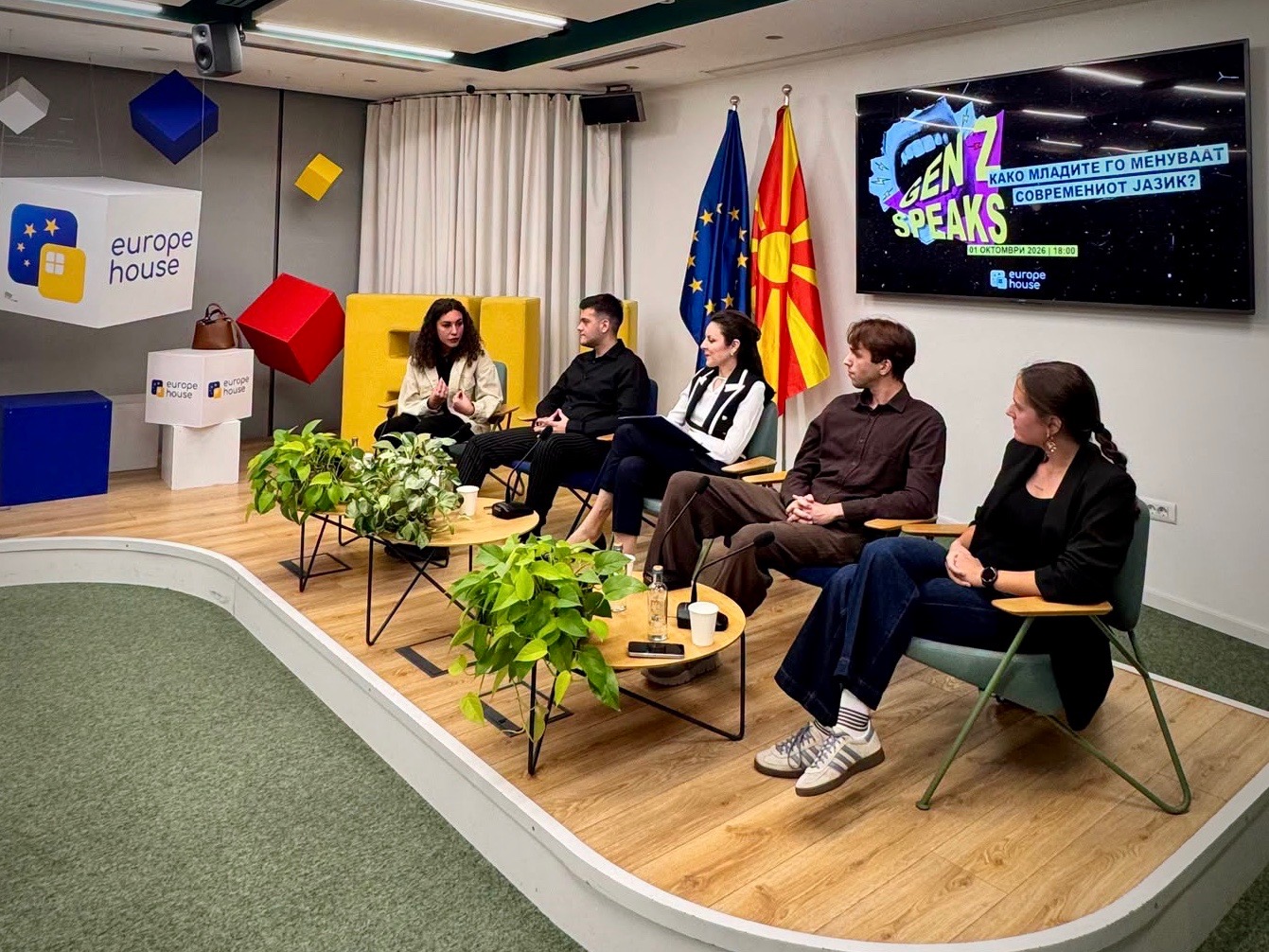
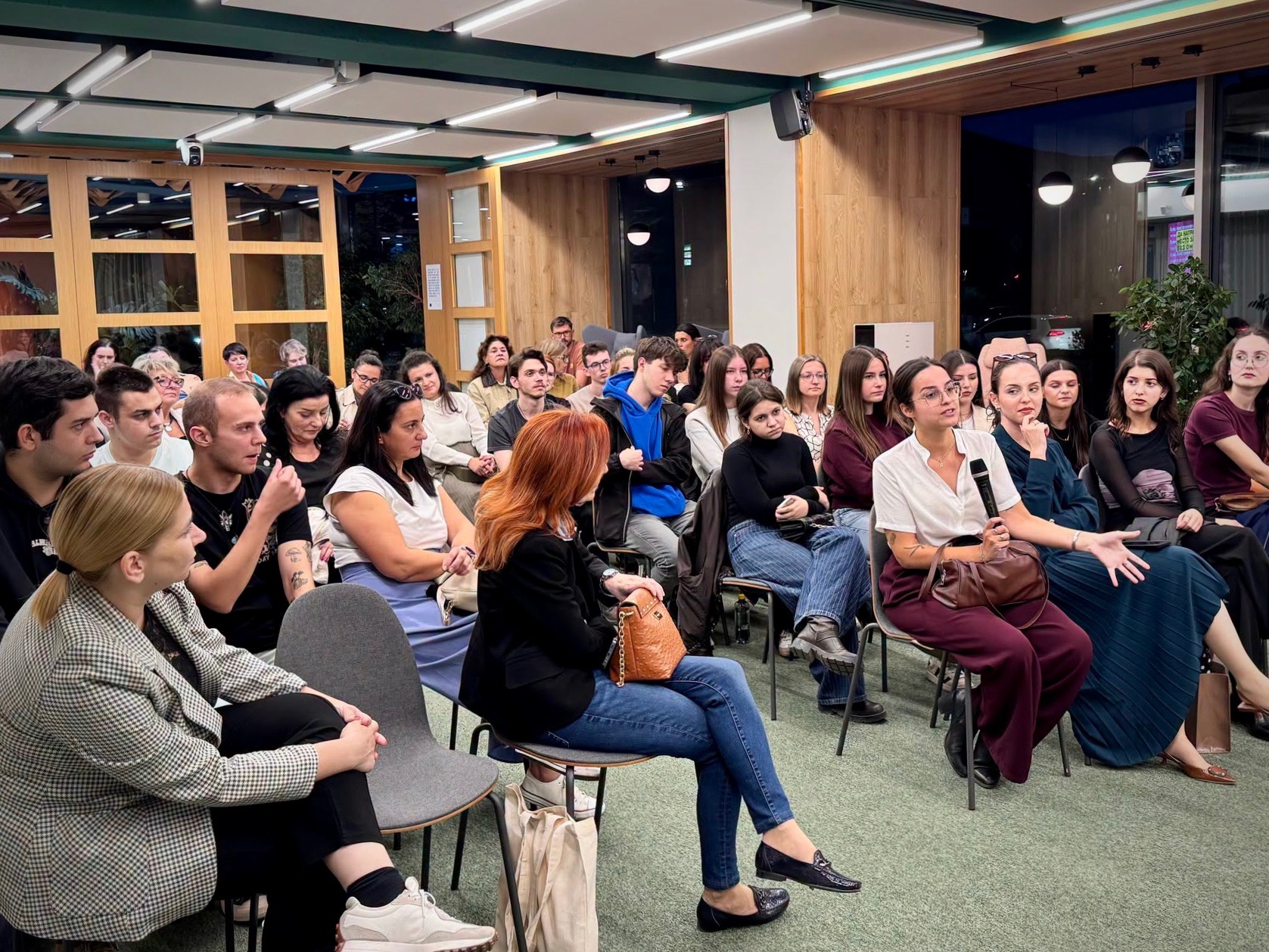
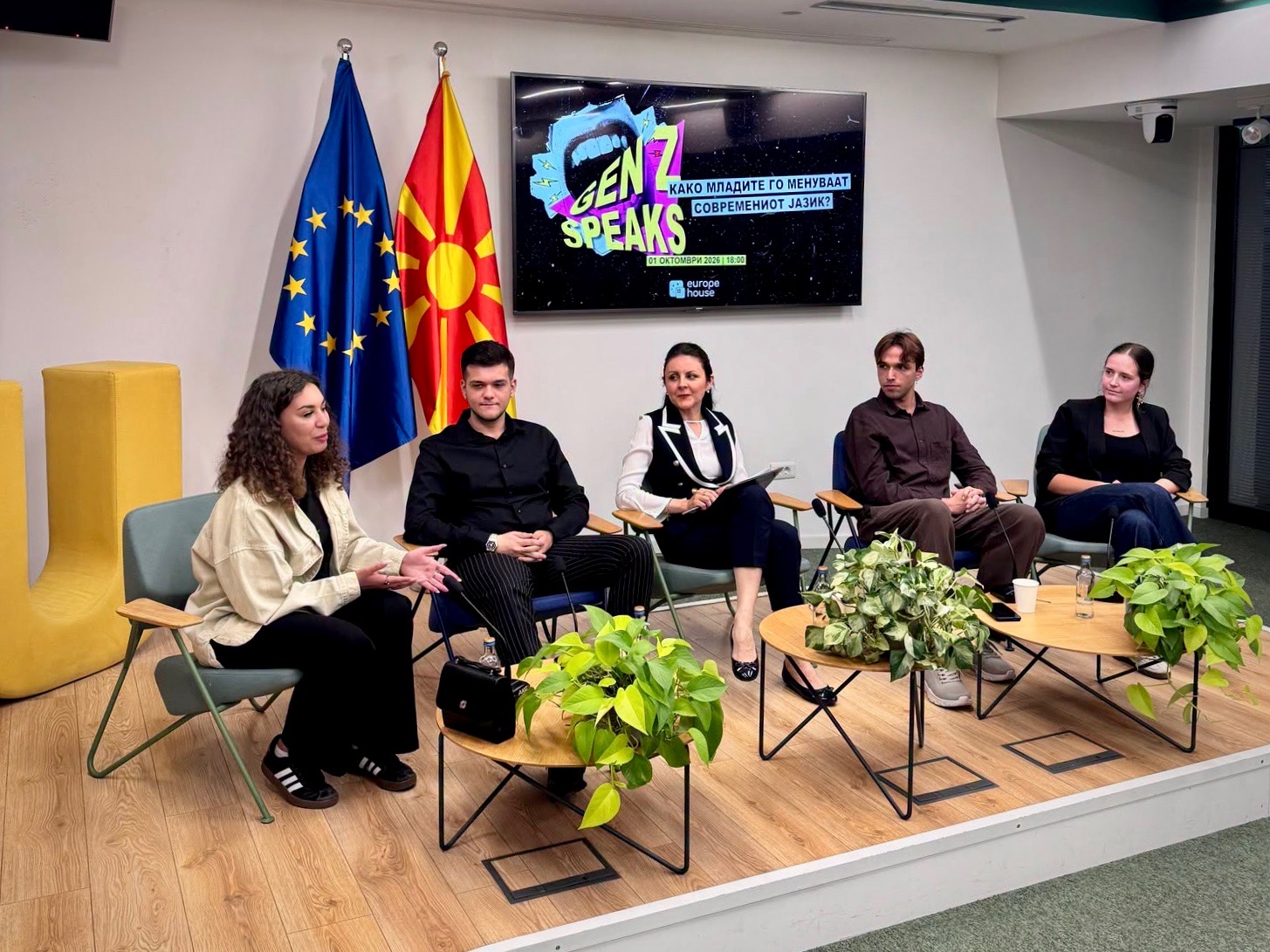
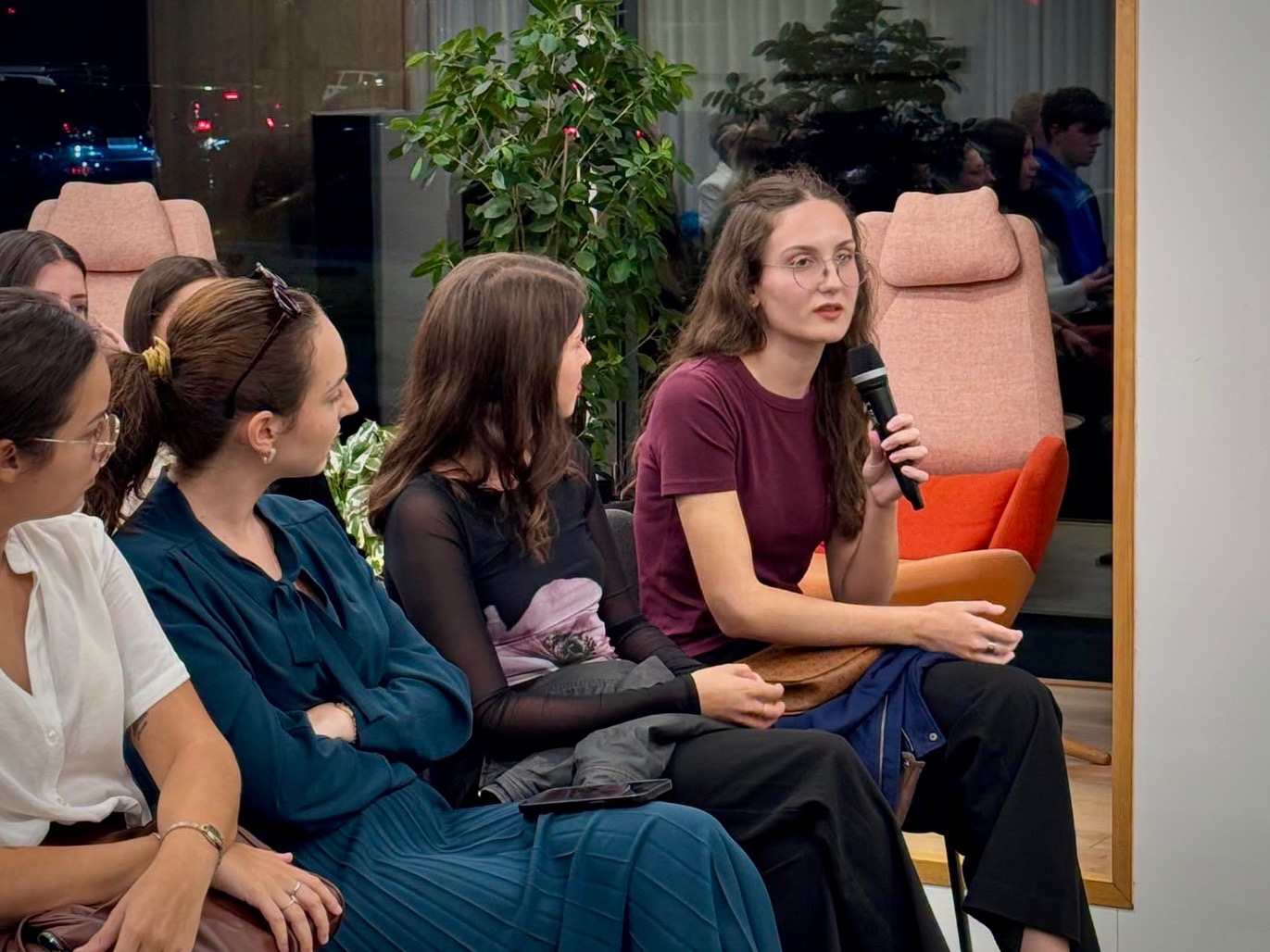
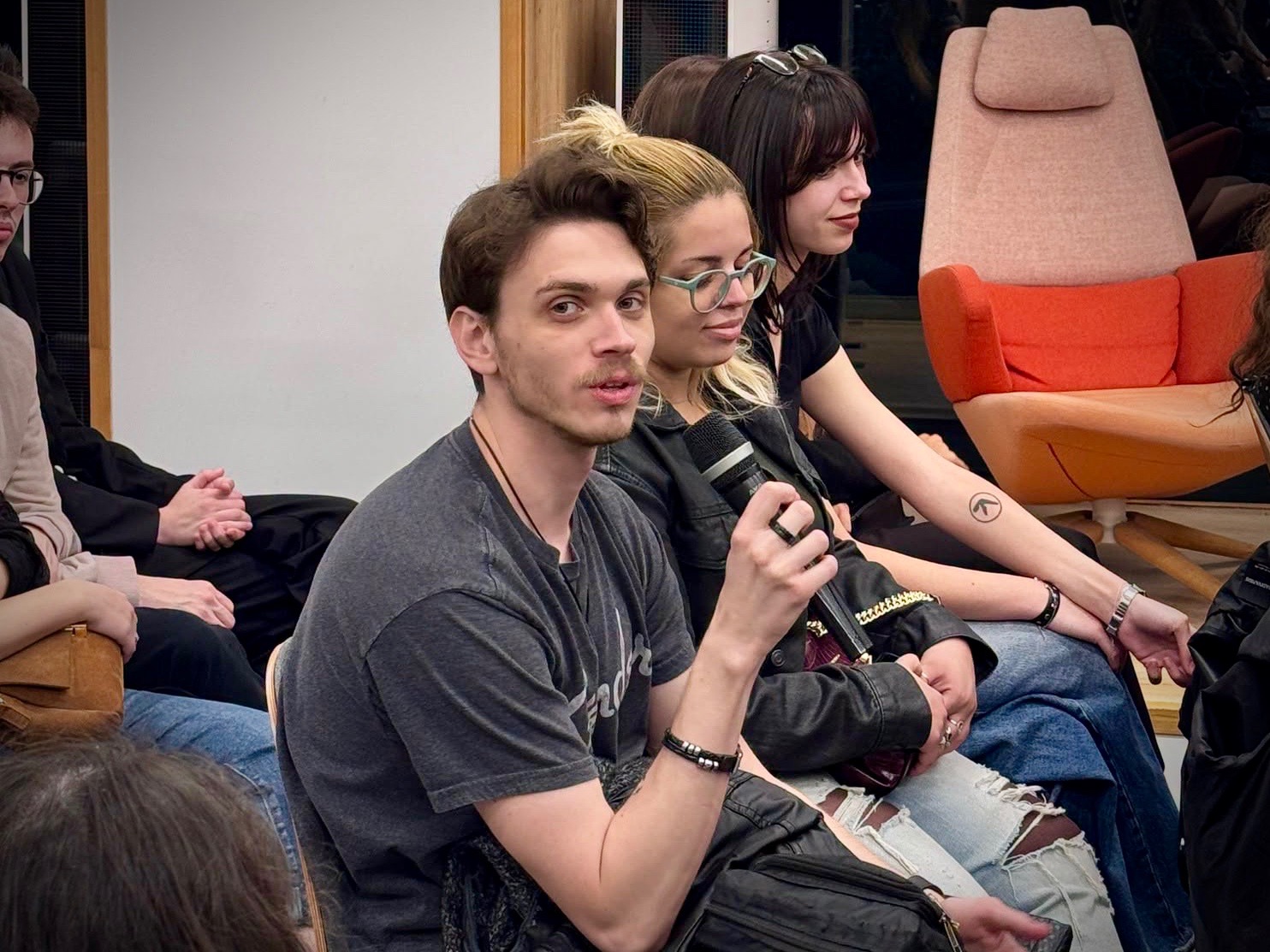
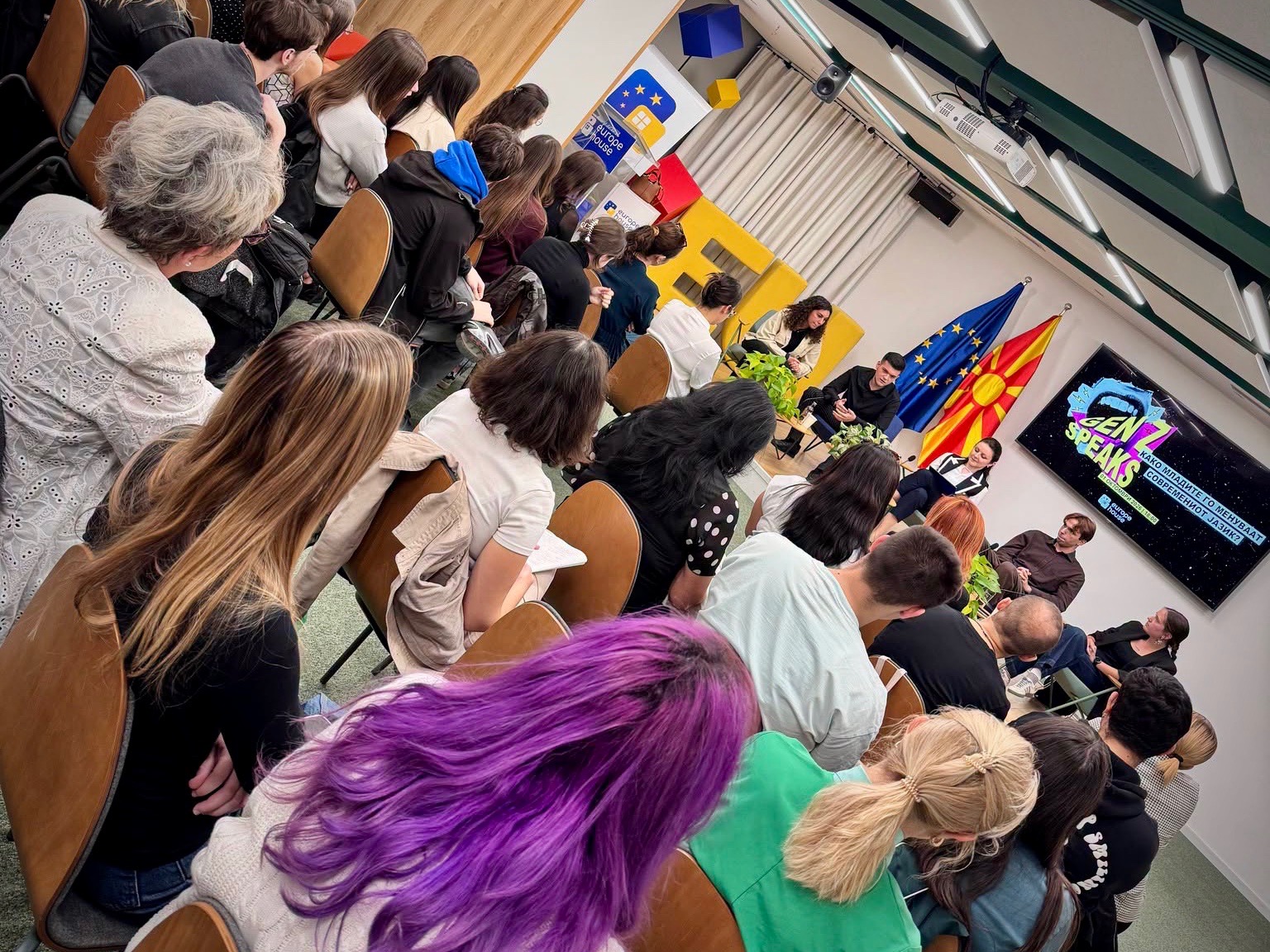
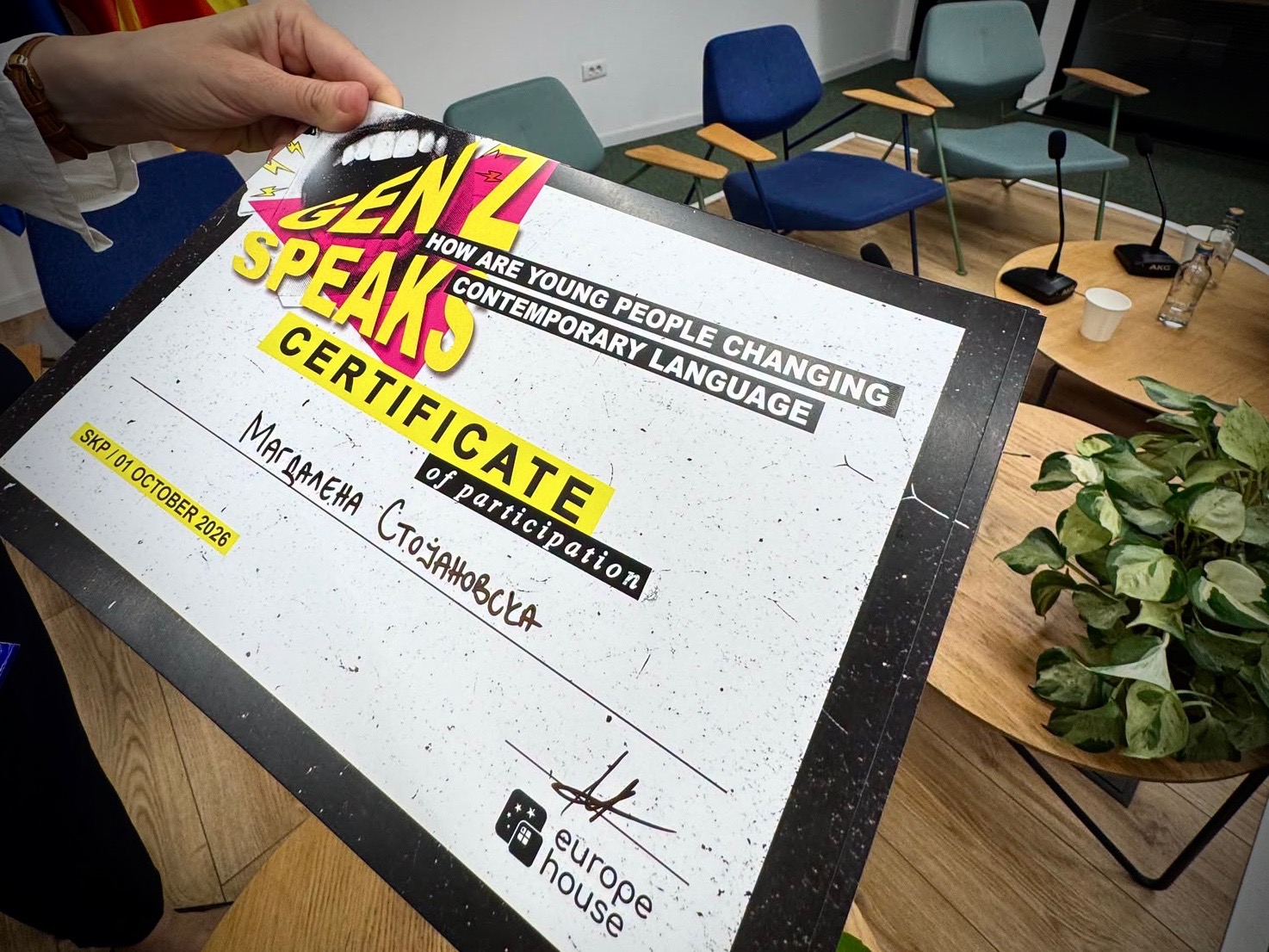
We explored this question at GEN Z SPEAKS, a student panel discussion held at Europe House Skopje as part of the activities marking the European Day of Languages. The discussion looked at how social media and digital communication are shaping the way young people speak, write and connect with one another.

We talked about language as we use it today: dynamic, constantly evolving and shaped by each new generation.

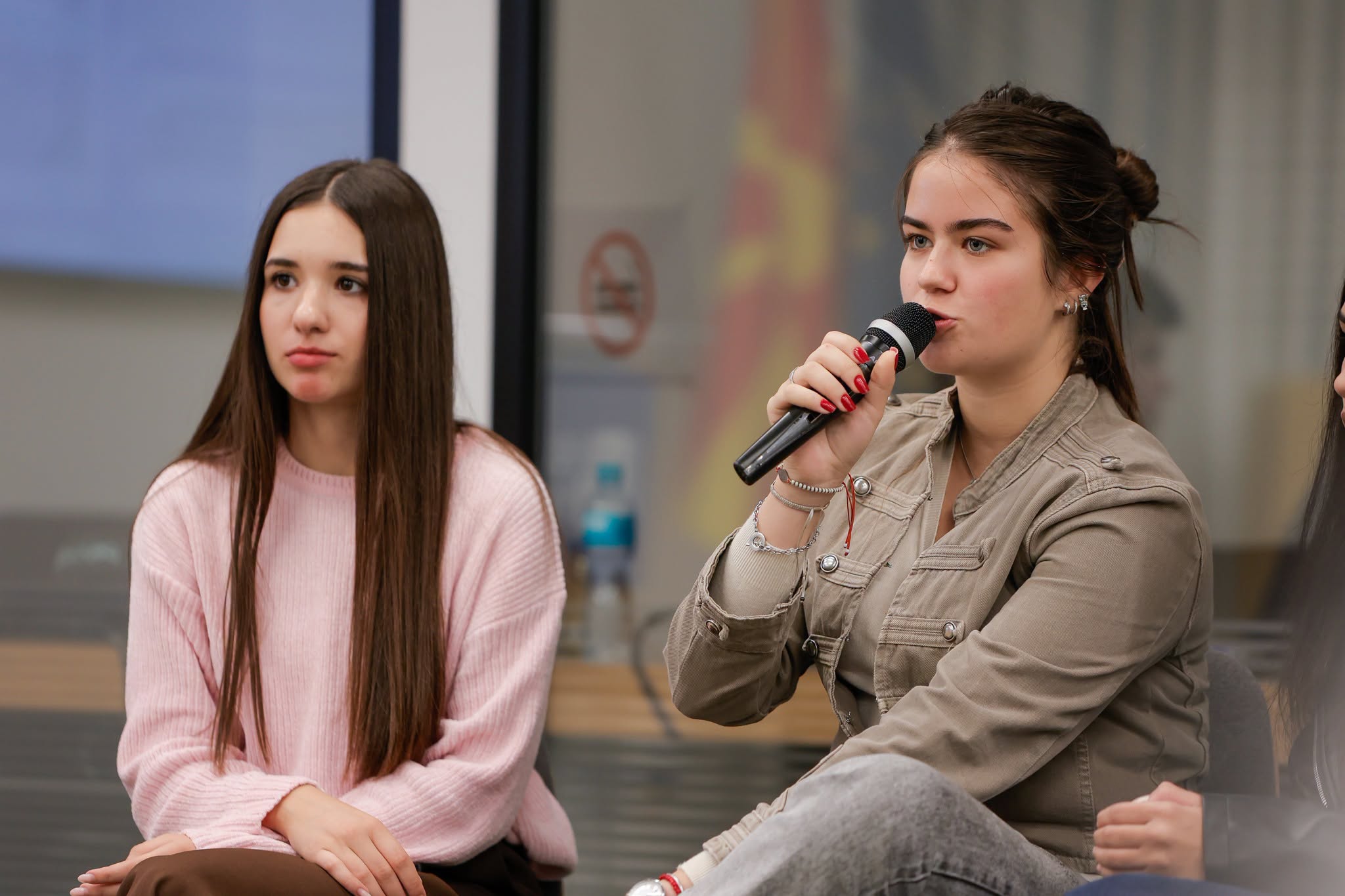
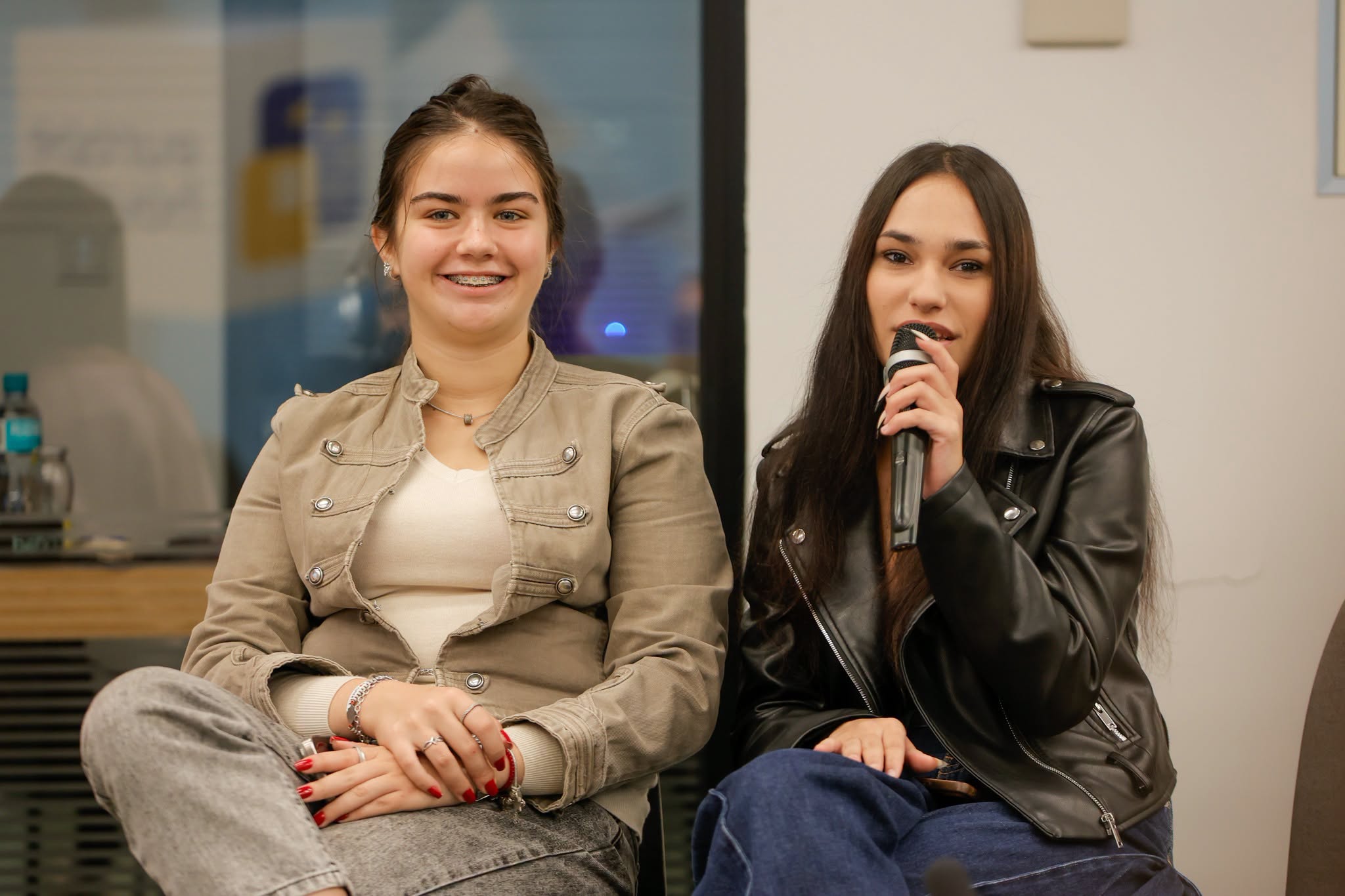
Moderated by Dr Aneta Naumoska from the “Blaze Koneski” Faculty of Philology in Skopje, the panel brought together four students, each representing a different language: Luka Gjosevski (English), Georgij Vuchikikj (Italian), Angela Naumovska (German) and Magdalena Stojanovska (French). The conversation took place in Macedonian, with authentic examples from all four languages shared and compared.

From expressions rooted in internet culture to words and phrases that move from online spaces into everyday speech, the discussion showed how digital communication is changing both the way we express ourselves and the languages we use.

Rather than seeing new language habits as a sign of carelessness, we can also view them as an expression of creativity and young people’s desire to communicate in their own way. One of the key messages of GEN Z SPEAKS was that good communication is not just about knowing the rules. It is also about understanding the context: knowing when to follow the rules, when to adapt our style and when to deliberately break them.

After all, language is not static. It lives, changes and evolves alongside the people who speak it.

From Peaks to Paws – Turning Old Climbing Ropes into New Dog Leashes

Sometimes, something old and worn-out can be turned into something useful, beautiful and ready for a new story.

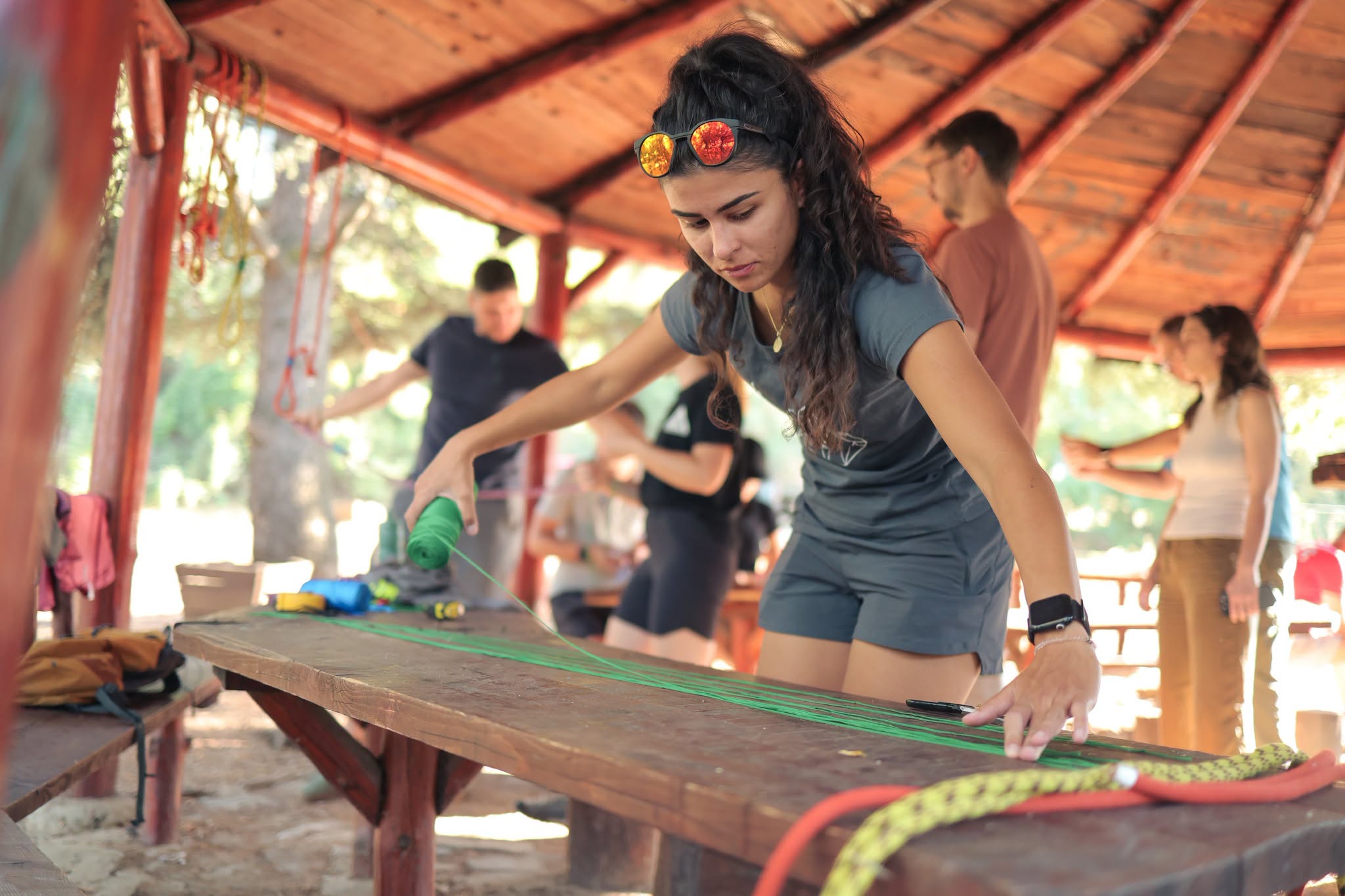
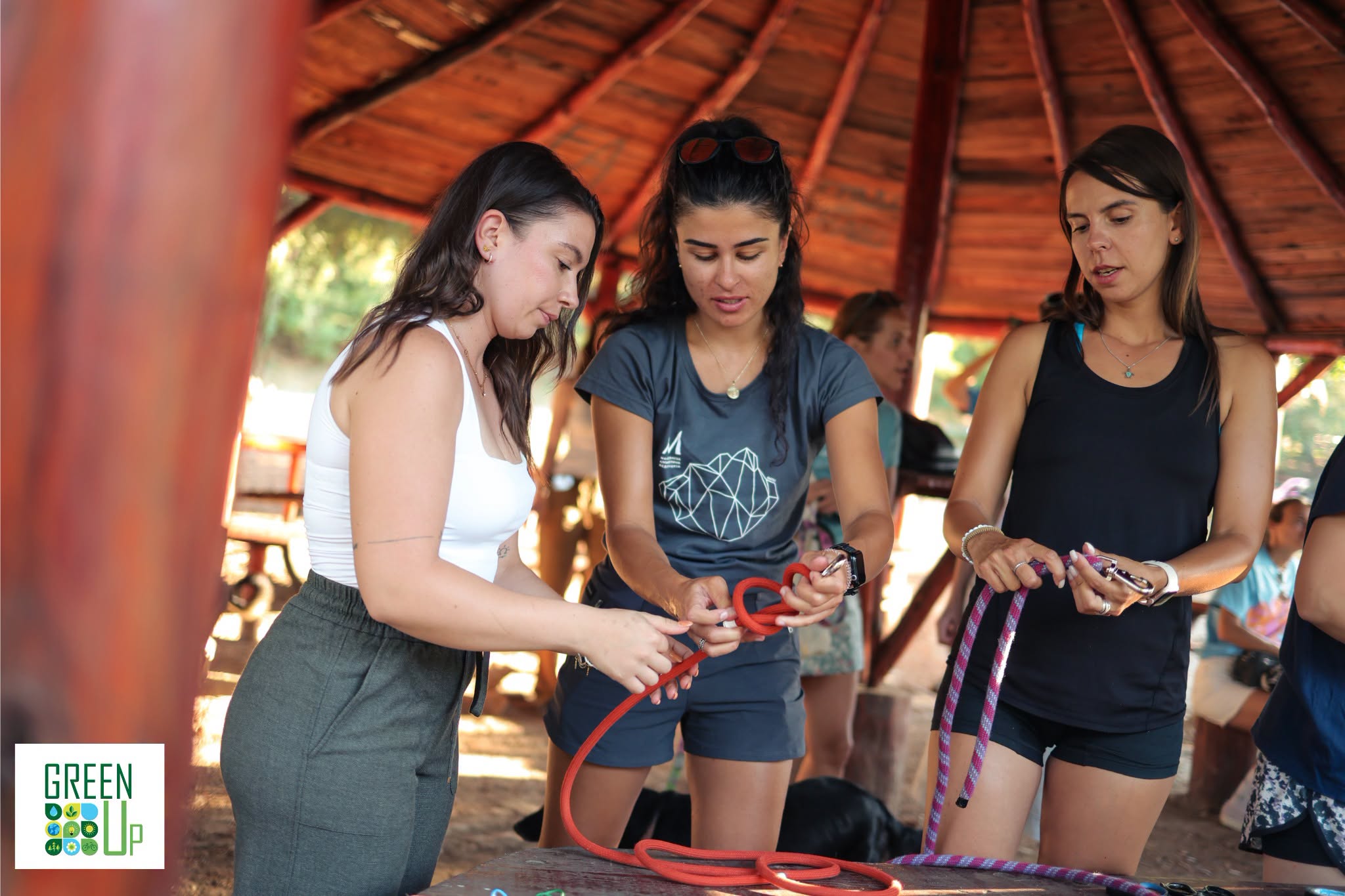
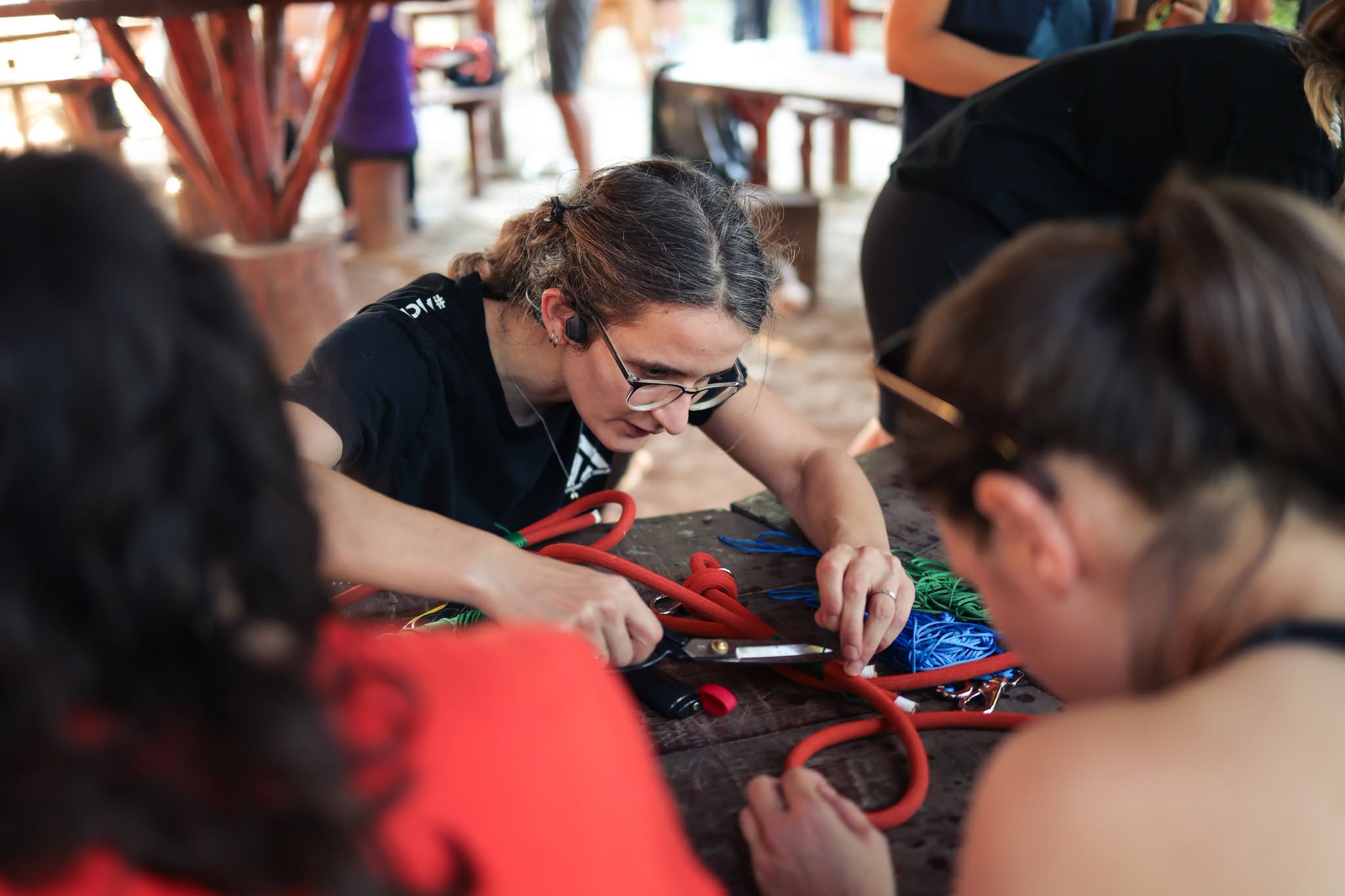
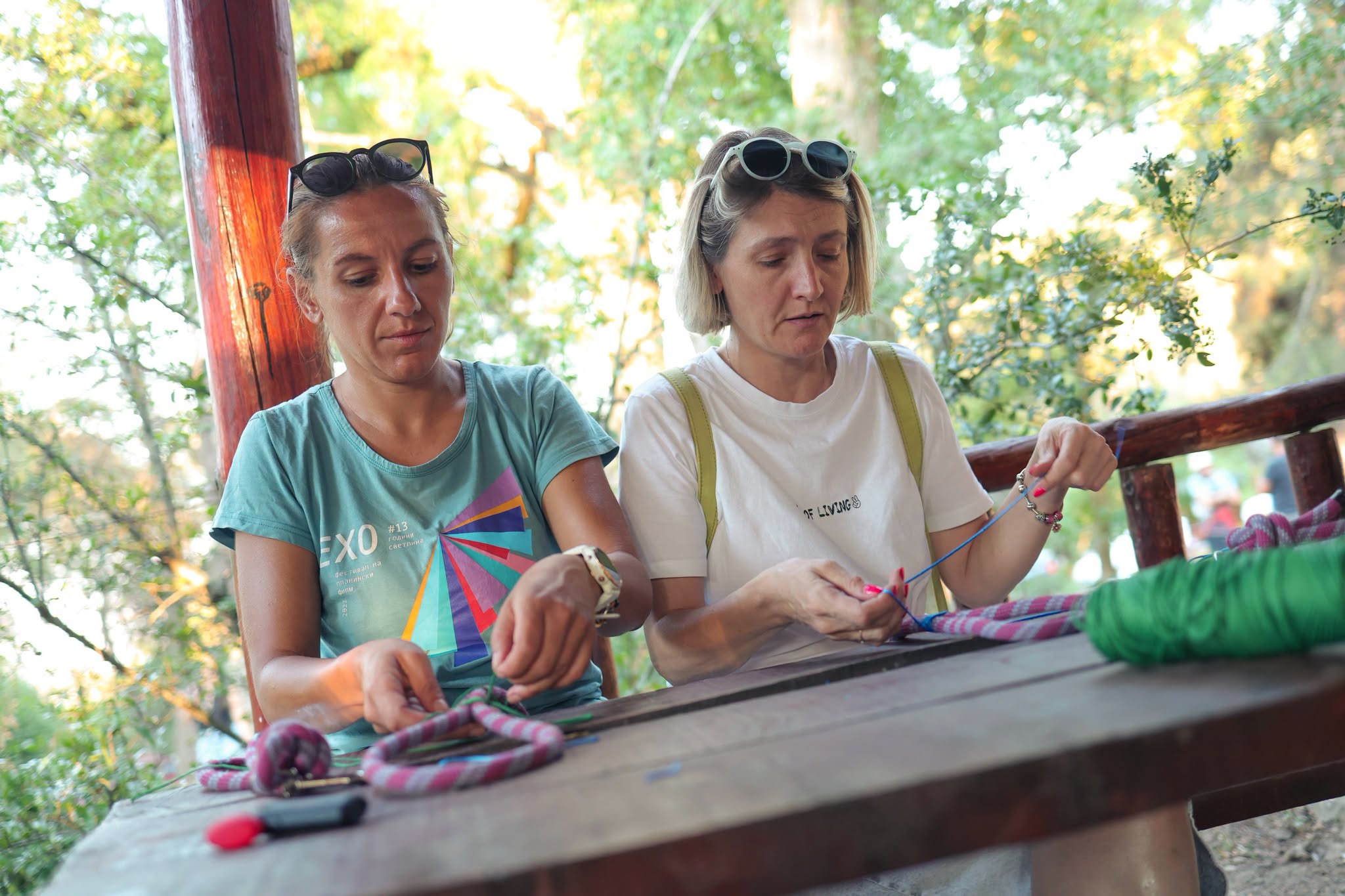
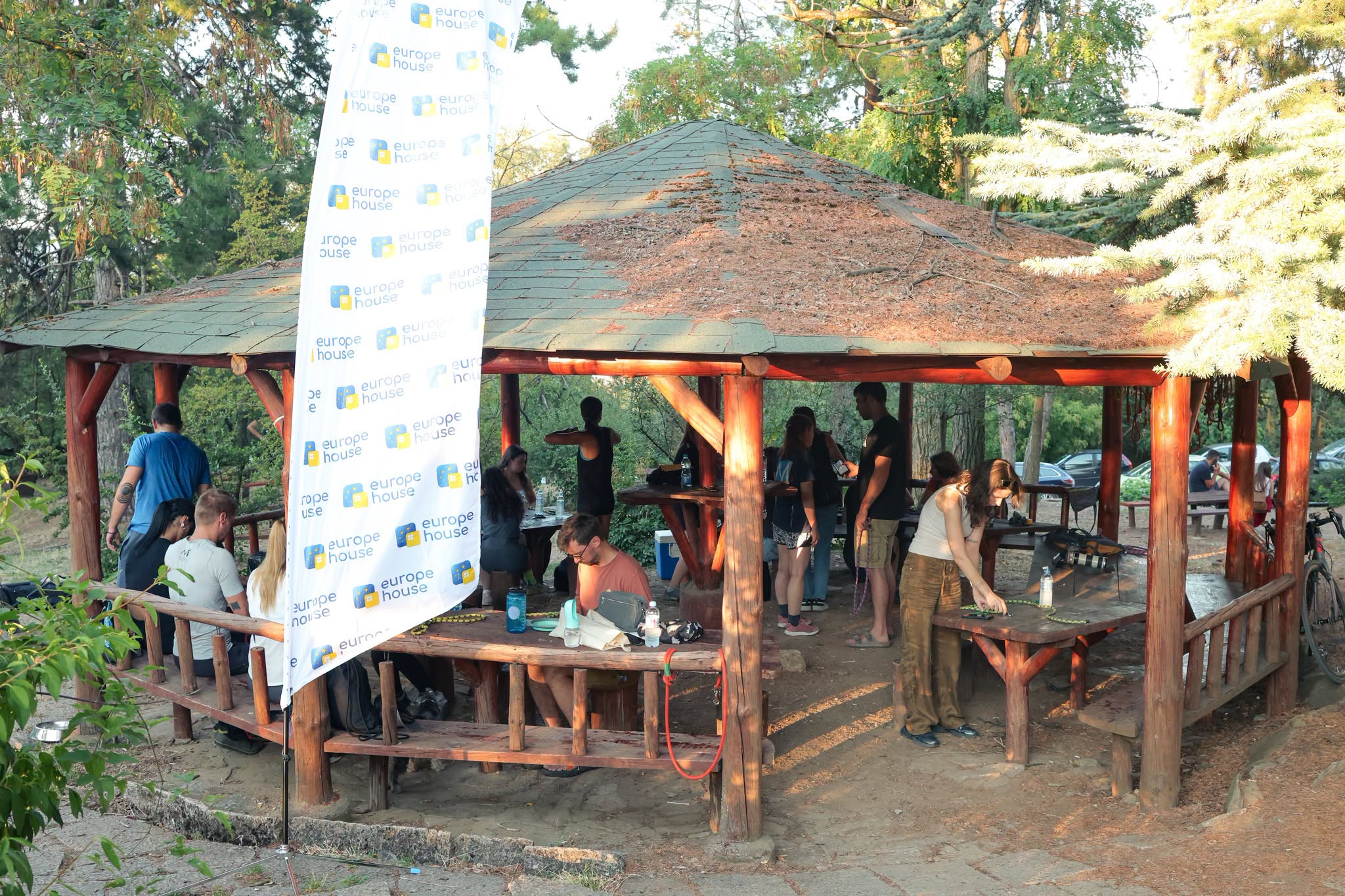
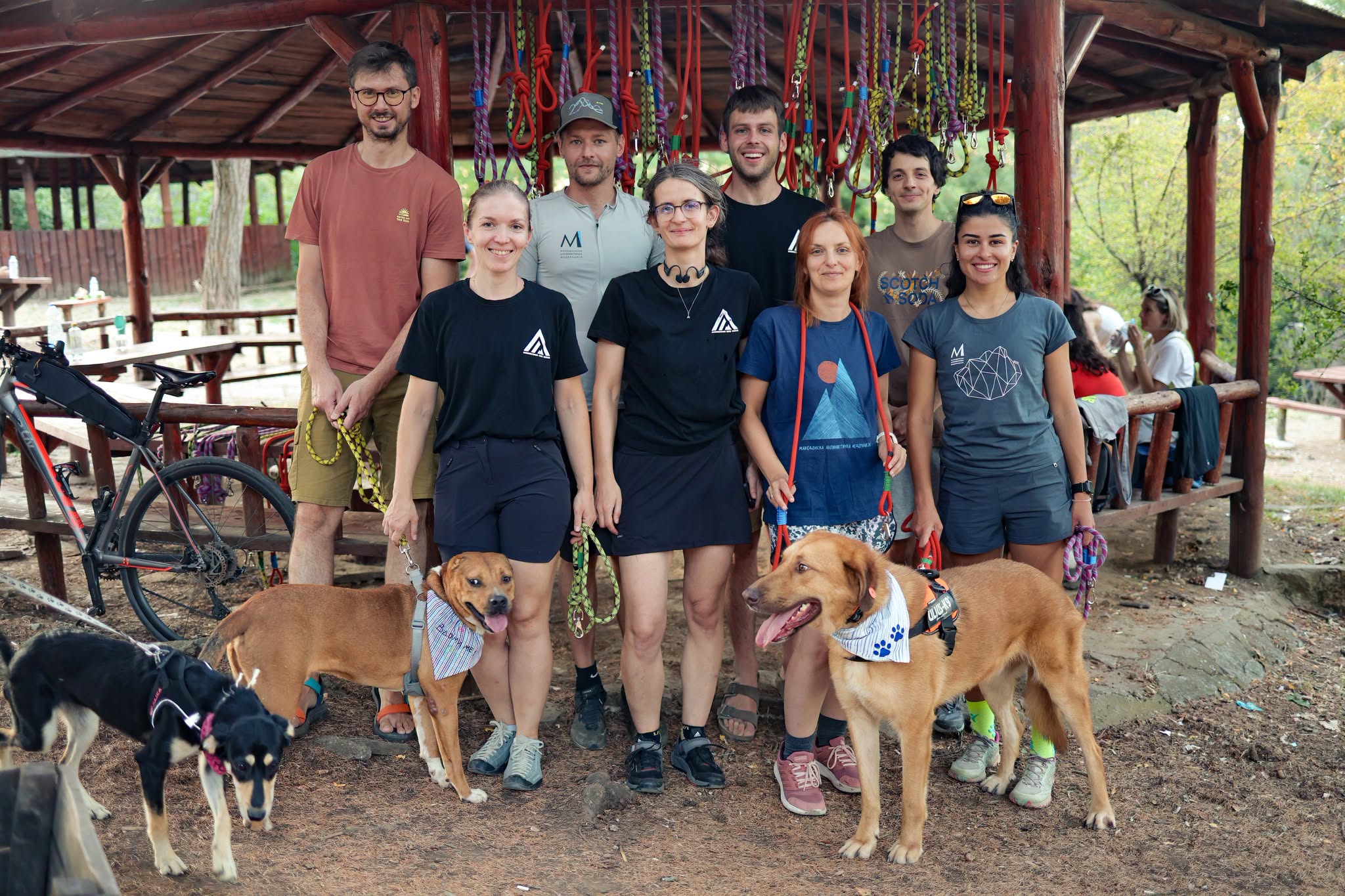
That is exactly what we achieved at the creative upcycling workshop “From Peaks to Paws”, organized by Europe House Skopje at Middle Vodno, in collaboration with the Skopje Mountaineering Club and Laika Public Enterprise – Skopje.

Every climbing rope has a limited lifespan. Once it is no longer safe to use for climbing, it usually becomes waste. But its story does not have to end there.

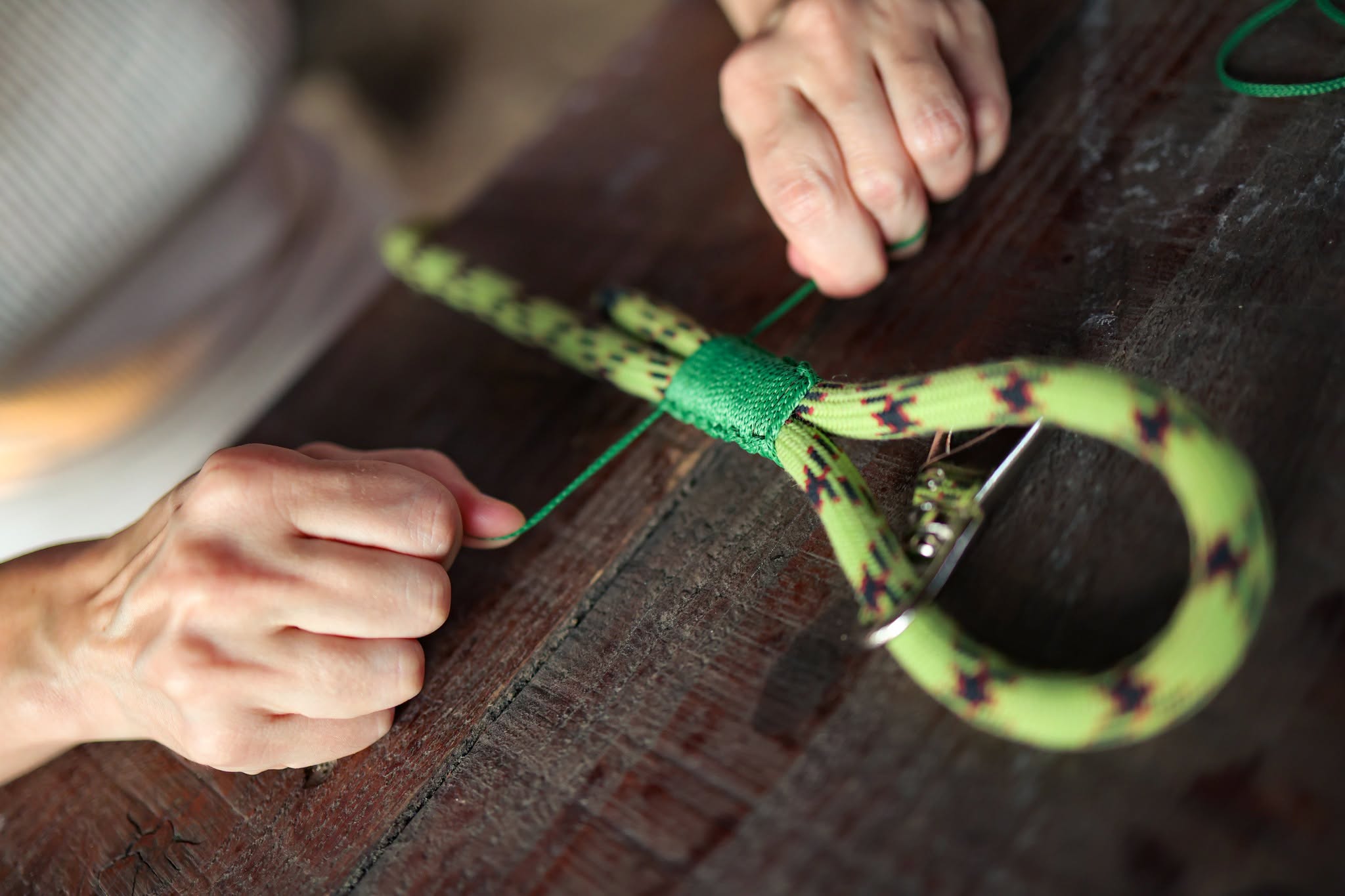
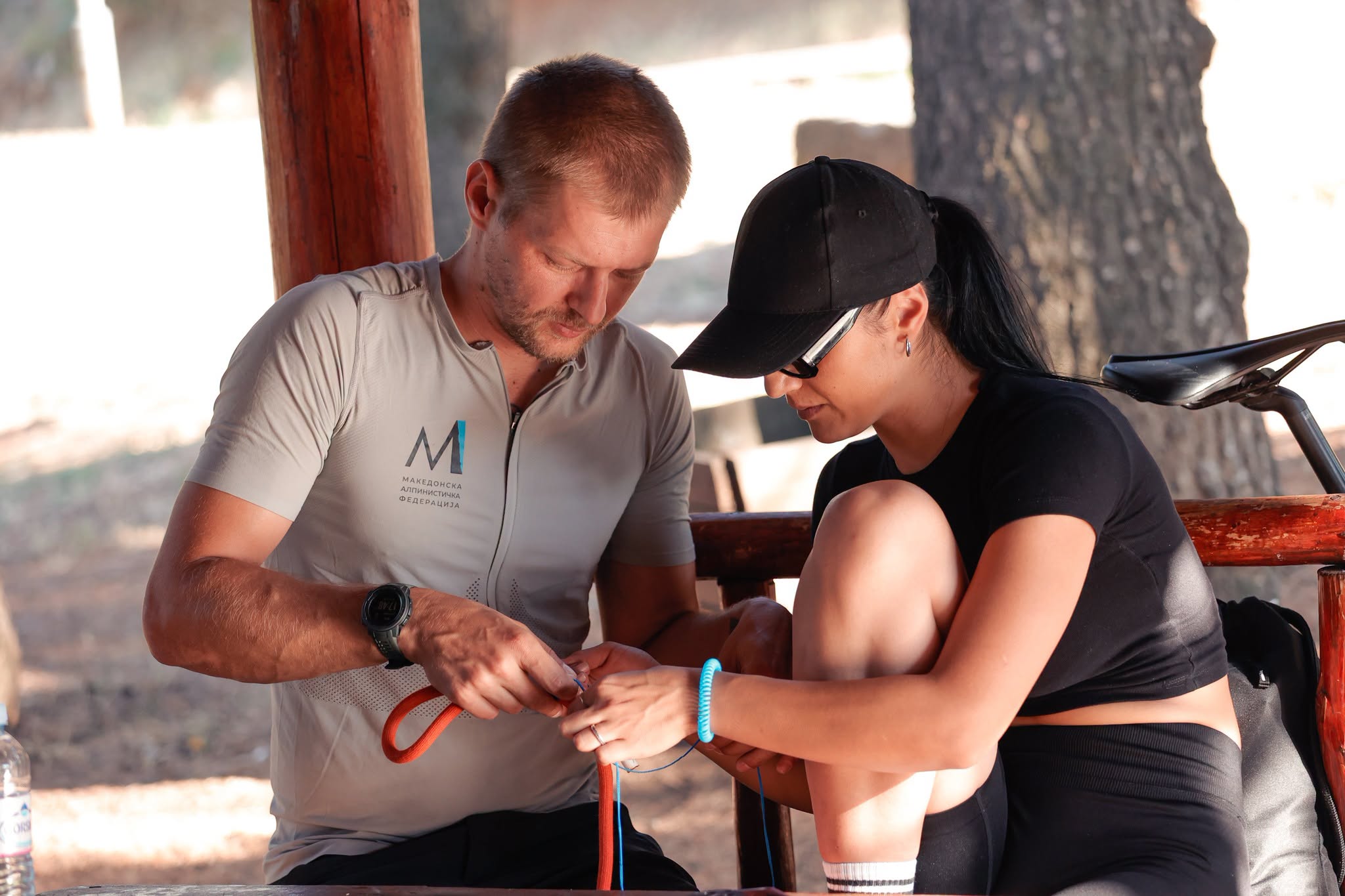
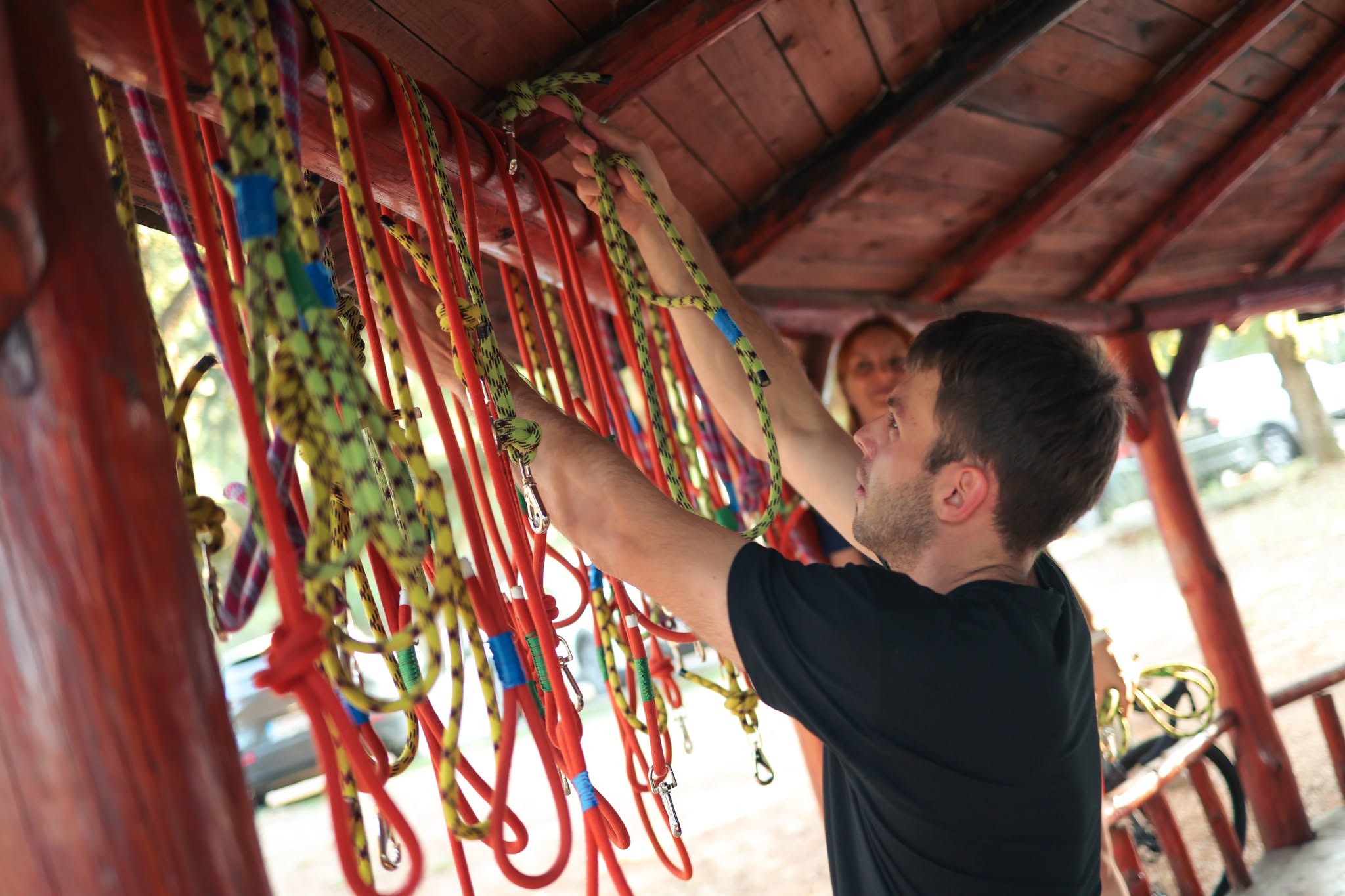
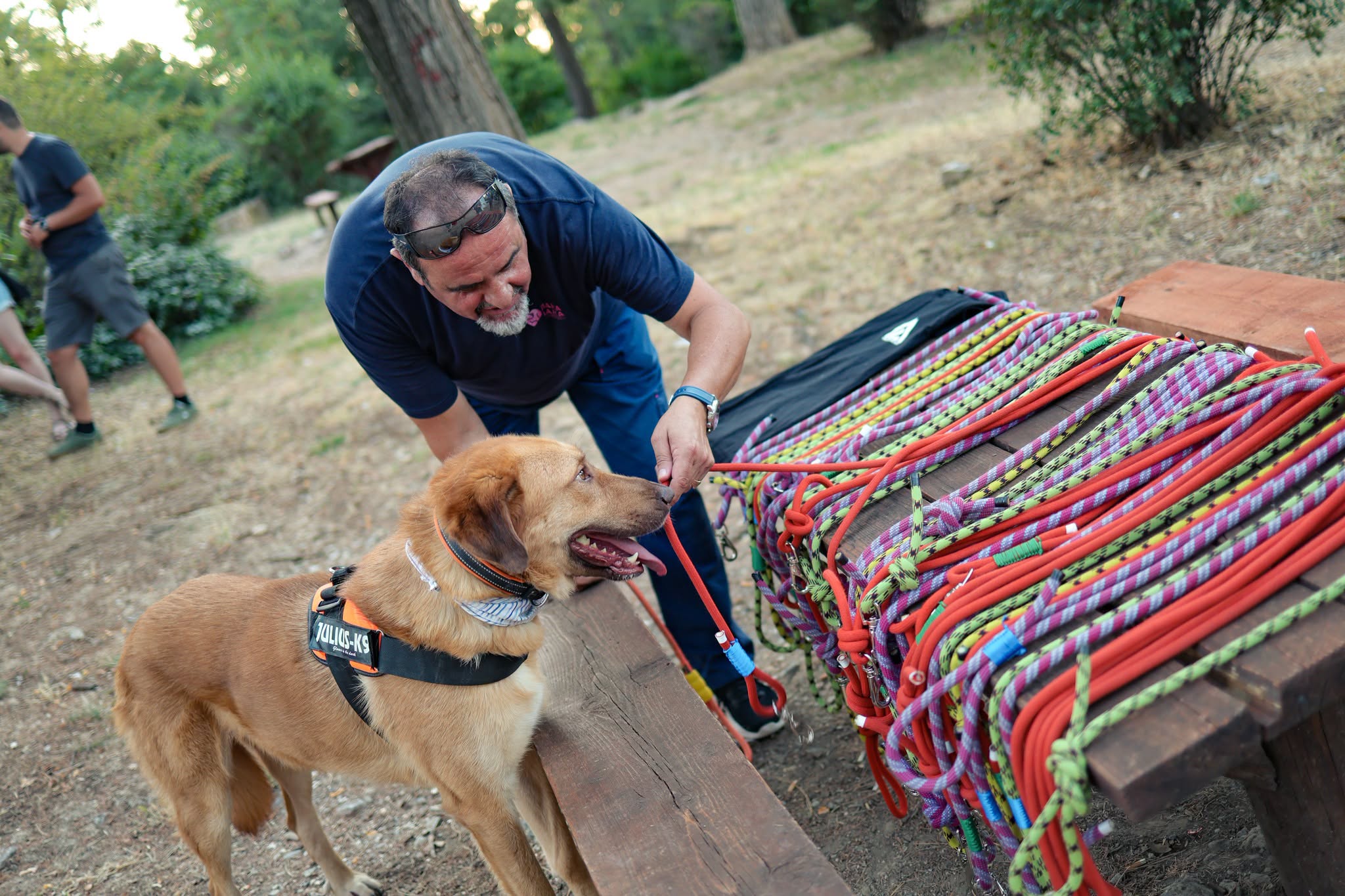
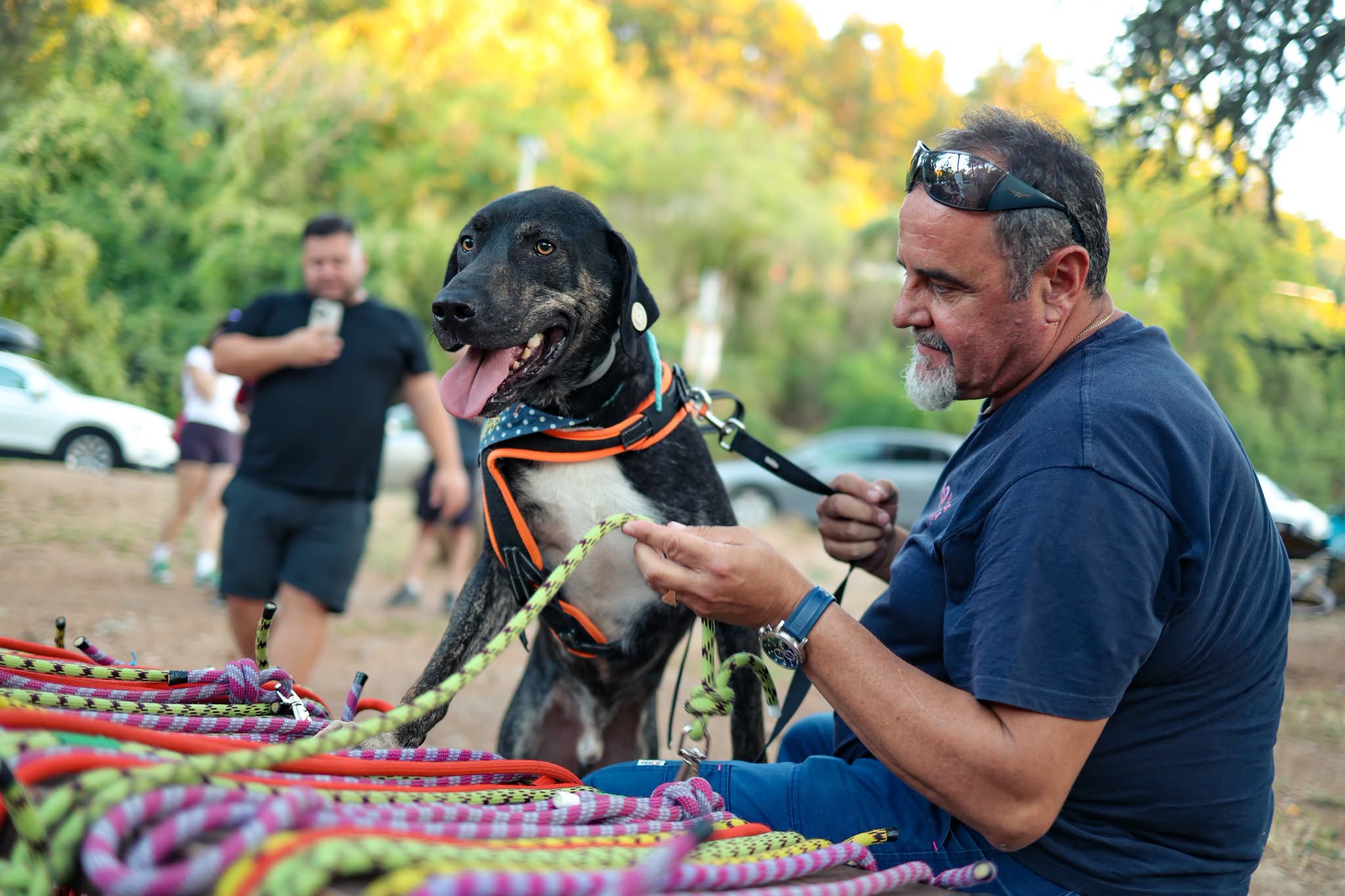
At the workshop, ropes that had completed their mission on the rocks were given a new purpose – as strong and colorful leashes for dogs cared for at Laika.

Through creative work and hands-on skills, participants showed that the circular economy does not have to remain just an idea or a concept. It can start with something we already have, a little creativity and the willingness to give new value to something that would otherwise end up as waste.

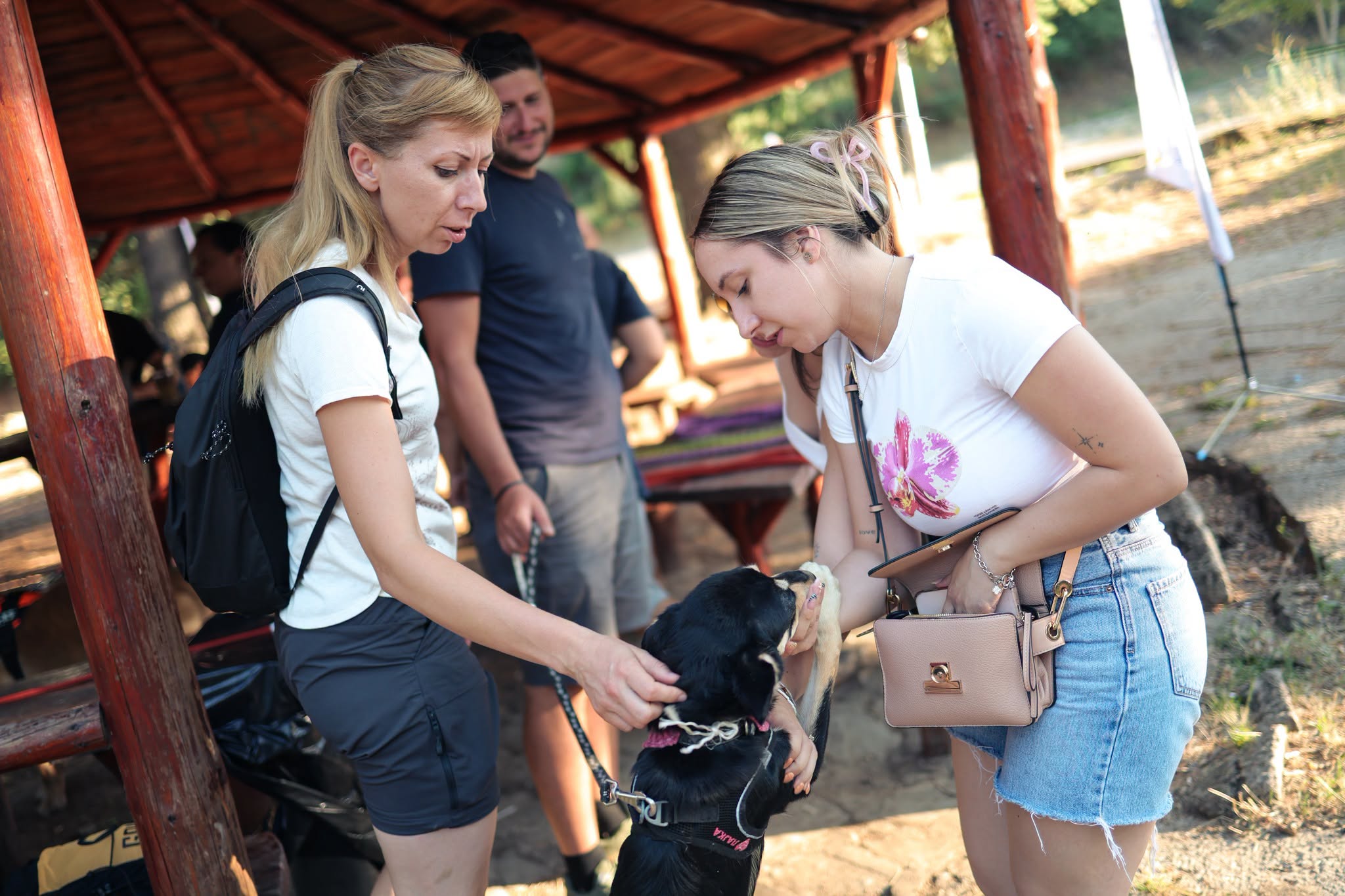
And the best part of the story came at the end – participants made a total of 53 leashes, and the dogs from Laika had the chance to choose their own new leash.

With every leash made, we helped reduce waste, turned old material into something useful, and contributed to better care for animals in need.

Thank you to everyone who cut, braided, learned, donated and shared their time and knowledge.

Because the circular economy can start with small changes. In this case – with a few old ropes and an idea to give them a new life and a new purpose.

Subscribe To our newsletter!