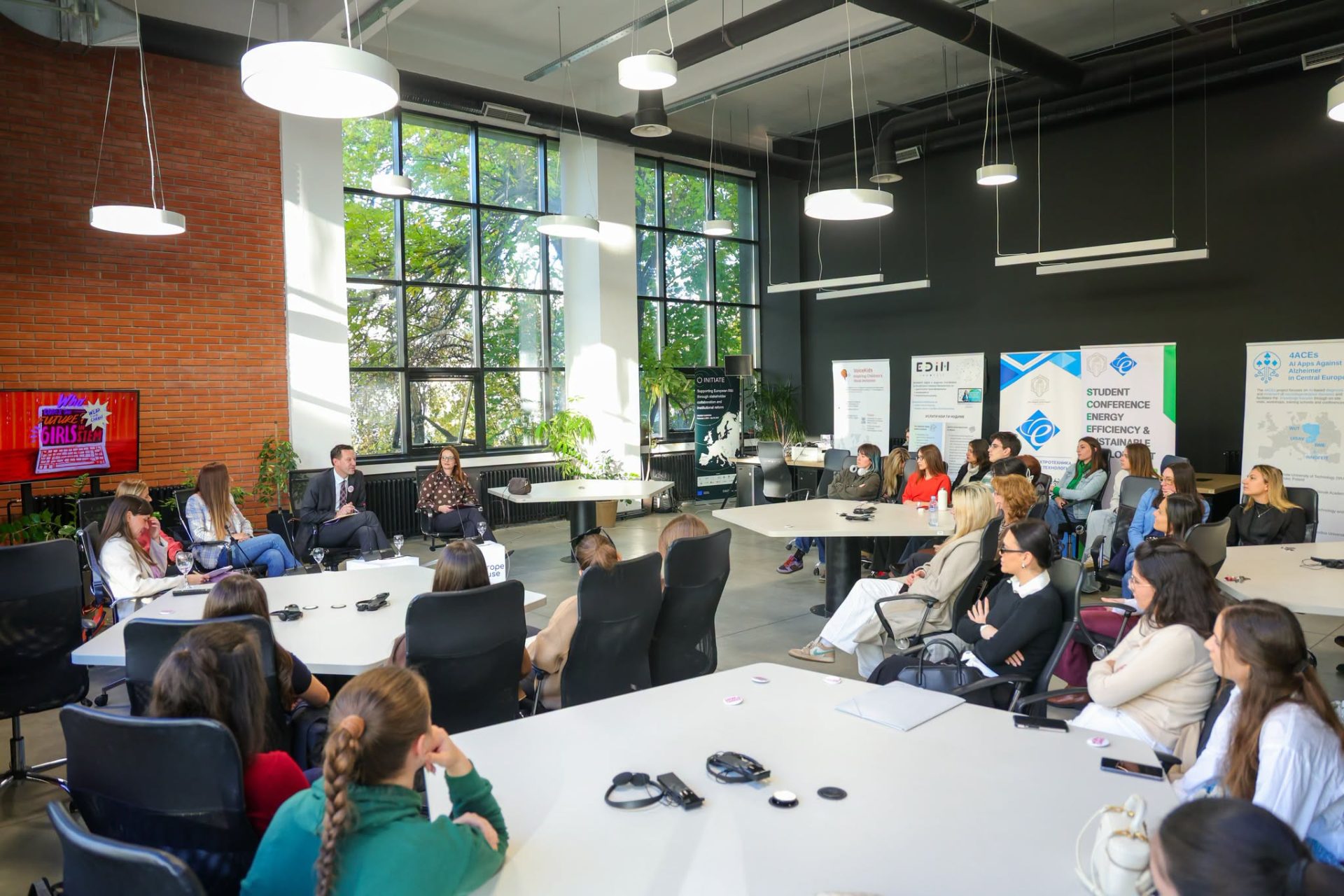

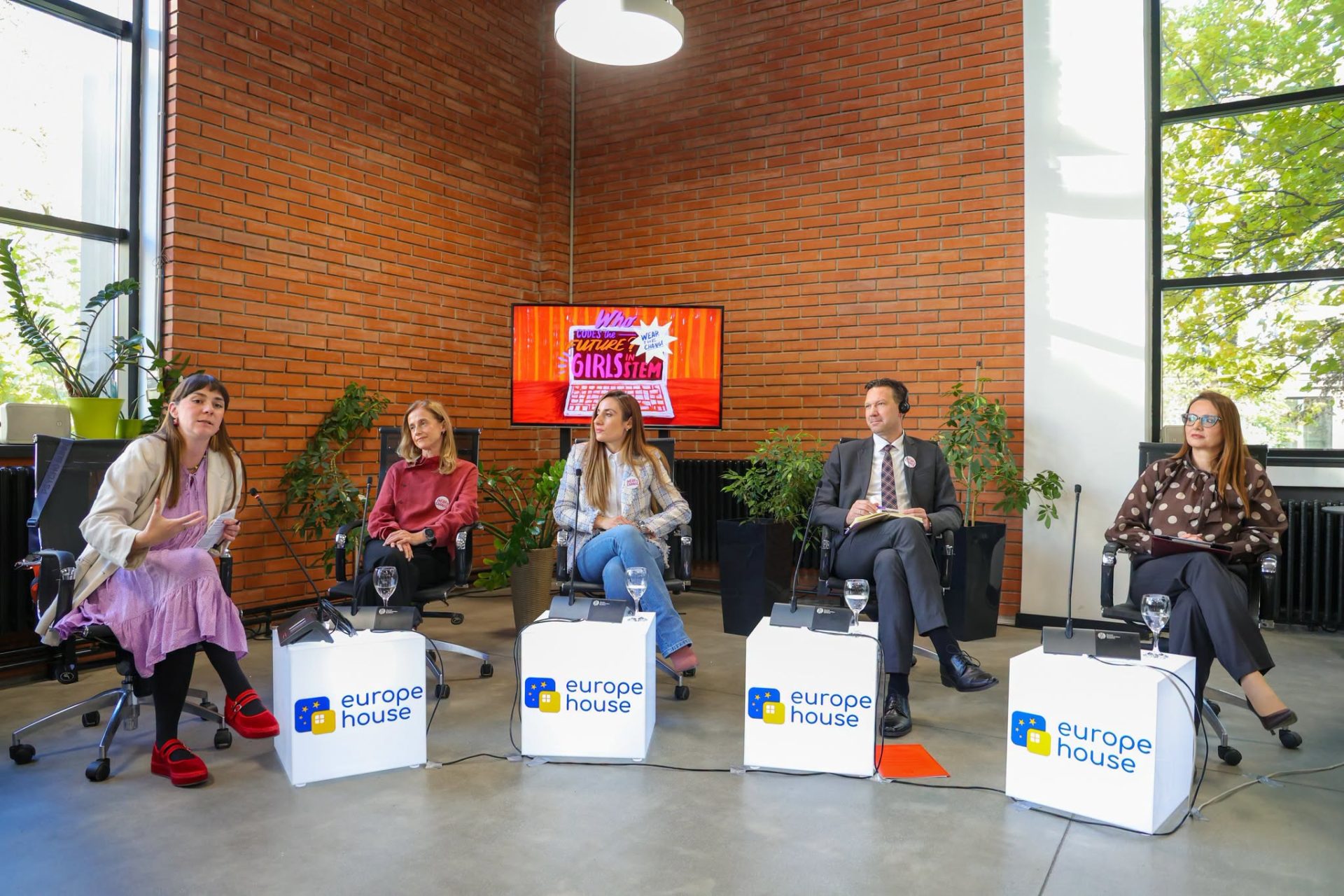
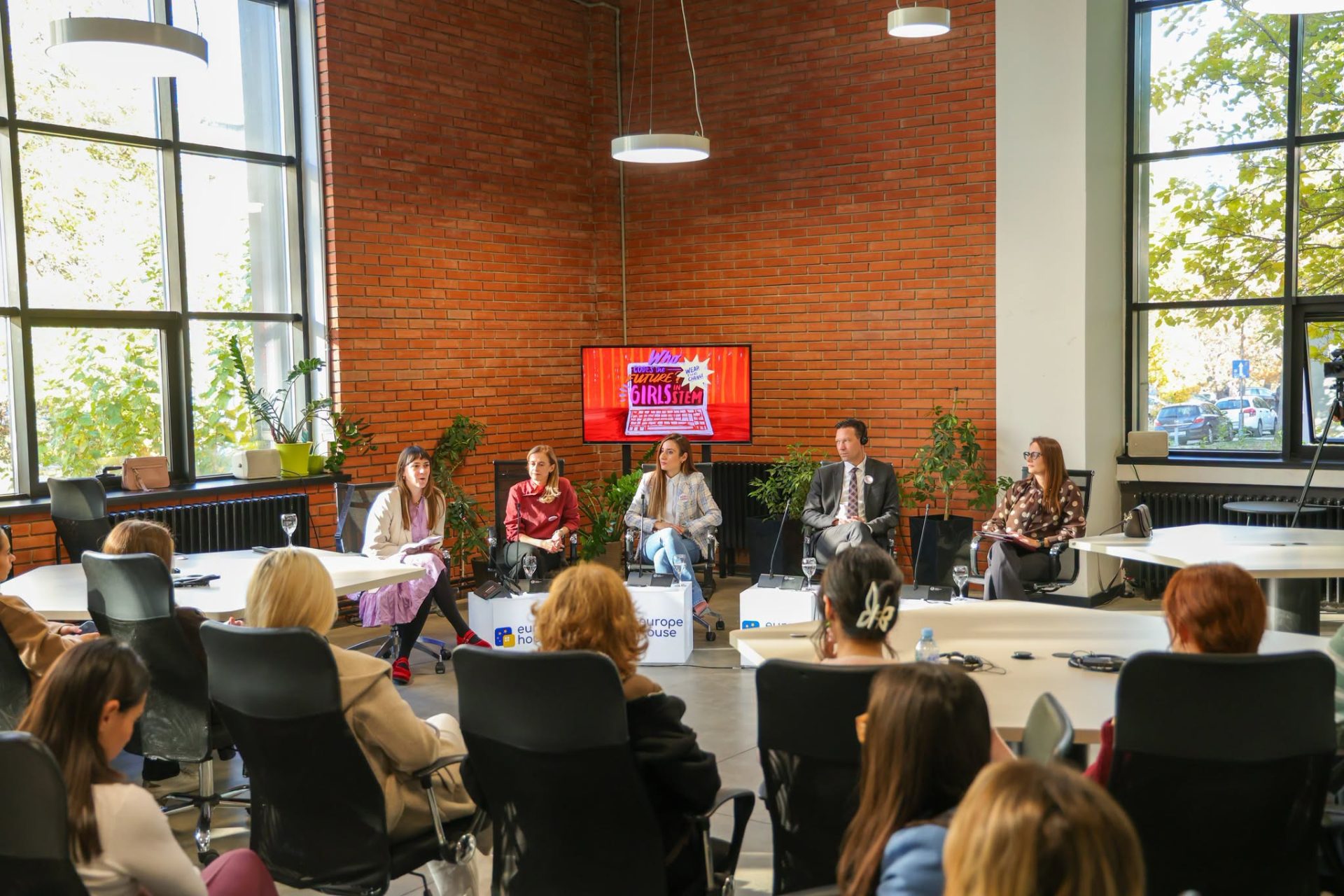
How can we break down gender barriers in science, technology, engineering and mathematics (STEM) and create more opportunities for girls and women in the digital world? These were the key questions explored at the panel discussion “Who Codes the Future? Girls in STEM” – part of the Wear the Change campaign and national caravan, launched by Europe House and the Delegation of the European Union.
Held at the UKIM’s Tech Campus in Skopje, the discussion addressed the gender gap, stereotypes and institutional barriers, as well as the need to ensure equal access to education, professional development and leadership positions in the technology sector.
Despite women accounting for around 70% of graduates in natural sciences and mathematics and making up more than half of the country’s researchers, their representation in technology-related professions remains significantly lower. And while women make up 33% of ICT graduates, they represent less than a quarter of the sector’s workforce. A lack of support and visible female role models, coupled with a sense of not belonging, continues to influence girls’ educational and career choices.
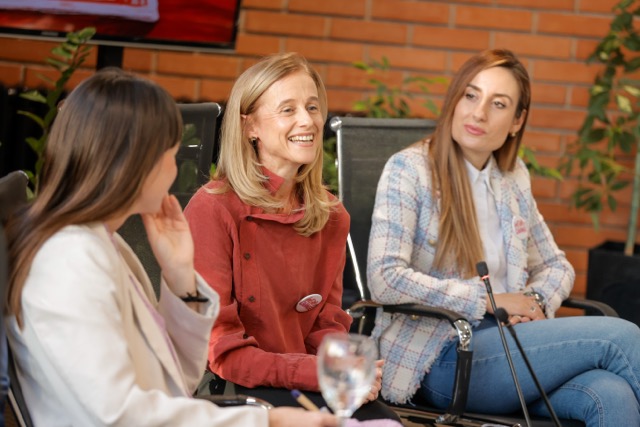
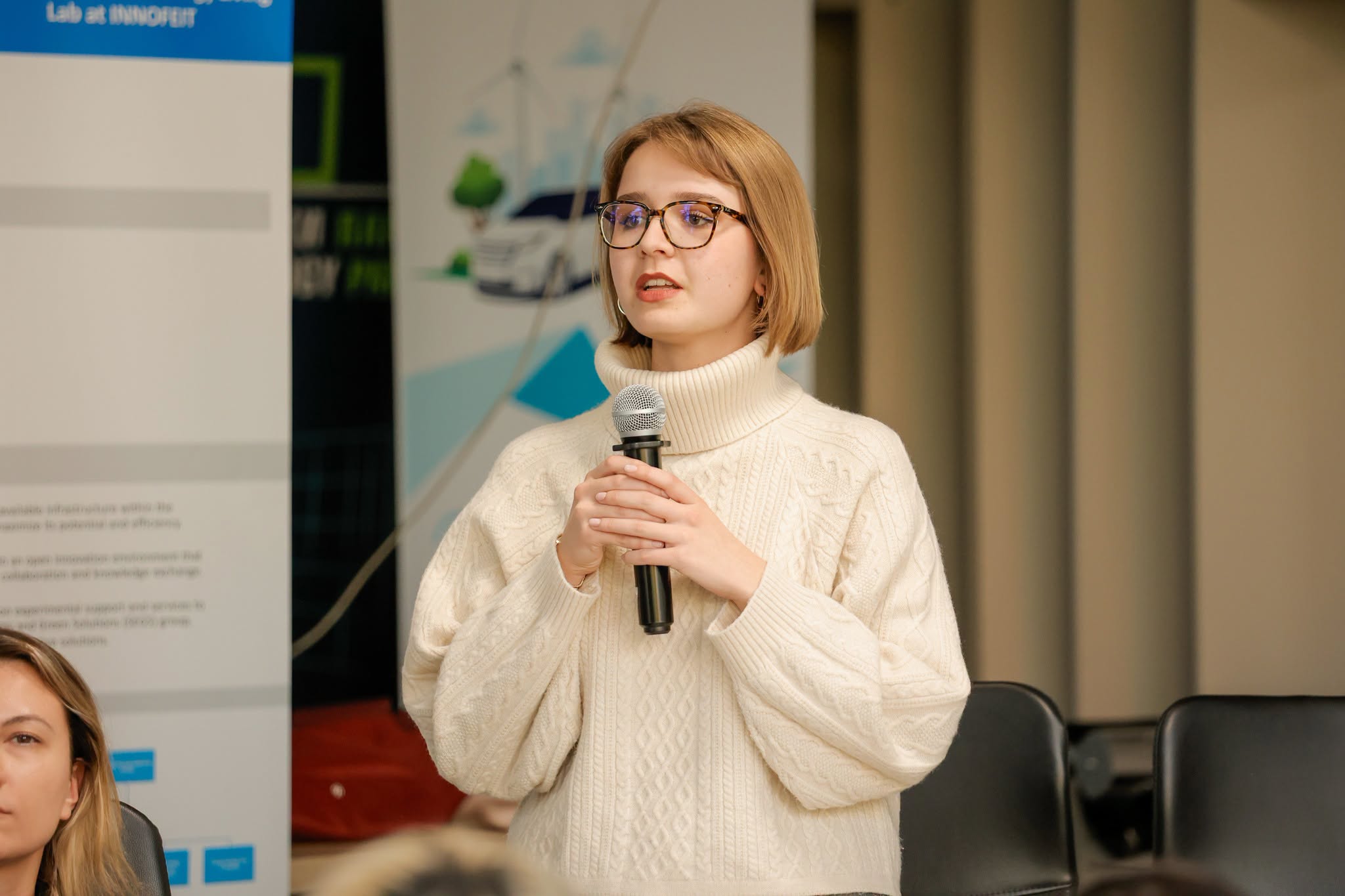
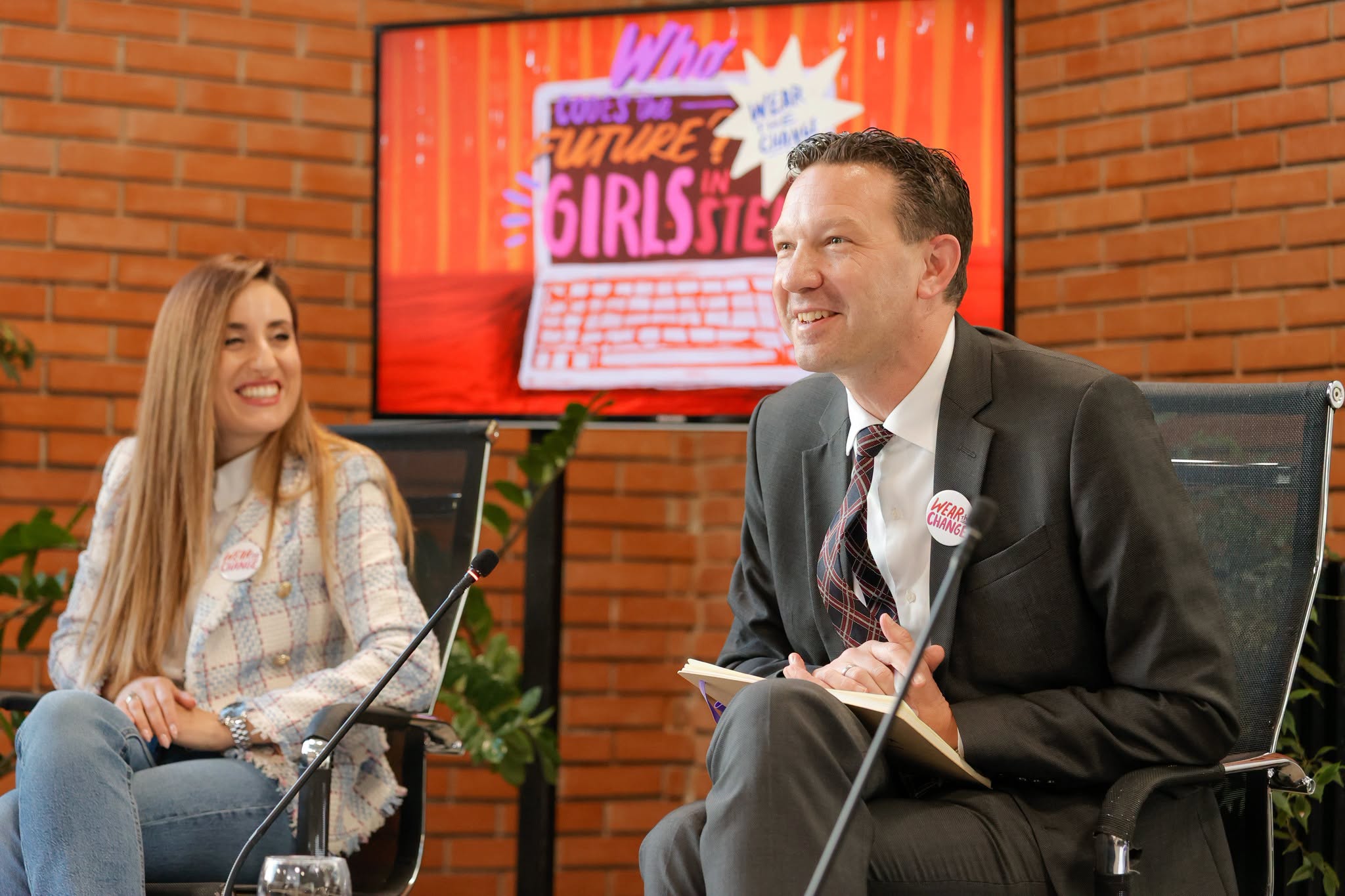
The panel brought together Swedish Ambassador Ola Sohlström; Marijana Ilovska Zlatanovski, Executive Director for Digital Innovation at Intertec.co and Partnerships Director at Women in Tech North Macedonia; Prof. Ana Poceva Panovska, PhD, from the Faculty of Pharmacy at Ss. Cyril and Methodius University in Skopje (UKIM); and Prof. Nevenka Kiteva Rogleva, PhD, from the Faculty of Electrical Engineering and Information Technologies (FEEIT) at UKIM. The discussion was moderated by Andrea Ugrinovska from “Tiiiit! Inc.” – Skopje.
Prof. Ana Poceva Panovska, PhD, the researcher behind UKIM’s first patent in the field of medicinal chemistry, involving hybrid molecules with potential applications in the treatment of Alzheimer’s disease, spoke about the transformation of pharmacy and the growing participation of women in the field.
“Today, more than 90% of the students at our faculty are women. This change shows what can happen when women are given opportunities for education and professional development,” said Prof. Poceva Panovska.
Marijana Ilovska Zlatanovski, representing Women in Tech North Macedonia, highlighted the growing number of women in technology, while also addressing the challenges they face in reaching leadership positions. Although women’s representation in the technology sector is increasing, barriers that limit their career progression and access to leadership roles still need to be addressed. “I am glad that today we are working to overcome these barriers and encourage girls to take greater initiative. There has definitely been progress, but there is still a lot of work to be done,” she stressed.
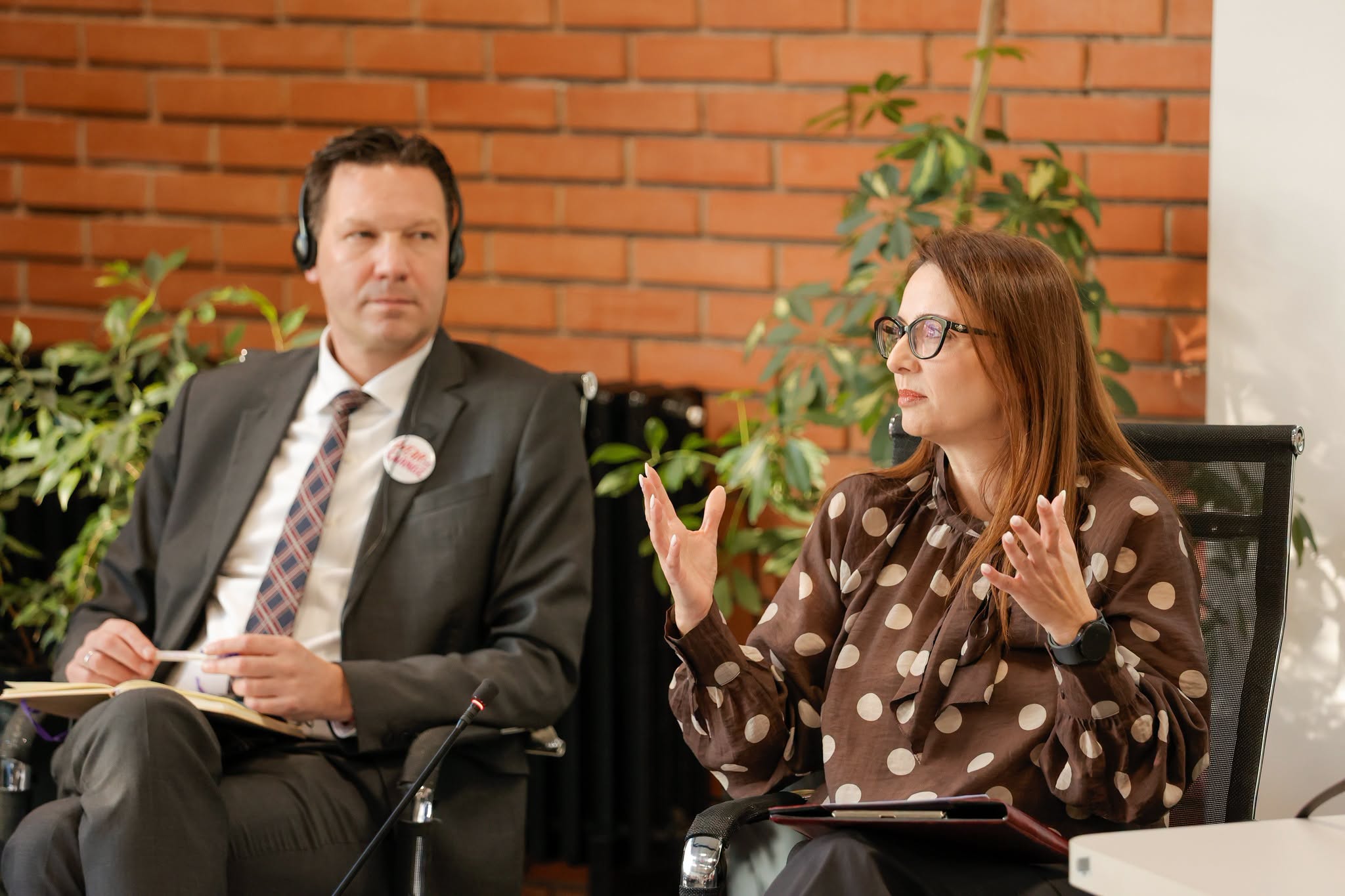
Swedish Ambassador Ola Sohlström noted that Sweden’s progress in STEM is the result of long-term investment in education, research and innovation.
“Sweden’s success in STEM did not happen overnight. It is the result of generations of investment in education, research, innovation and people. My message to decision-makers in North Macedonia is to do the same: invest more in education, in STEM and, above all, in young people. I believe that the future of this country, the region and the world depends to a great extent on the young woman who is 20 today, wondering what comes next and deciding which path to take,” Ambassador Sohlström said.
Prof. Nevenka Kiteva Rogleva, PhD, shared her professional experience in the energy sector, a field traditionally dominated by men. She emphasised that knowledge, interest and quality education matter more than gender stereotypes, and that support from family members and teachers can be decisive in encouraging girls to pursue their interests in science and technology.
When girls and women do not have equal opportunities to fulfil their potential, society loses talent, ideas, opportunities for innovation and more effective solutions. Closing the gender gap in STEM requires more than conversations: it calls for sustained support, visible role models and equal opportunities in education, career advancement and leadership.