Europe House Strumica Archives - Europe House

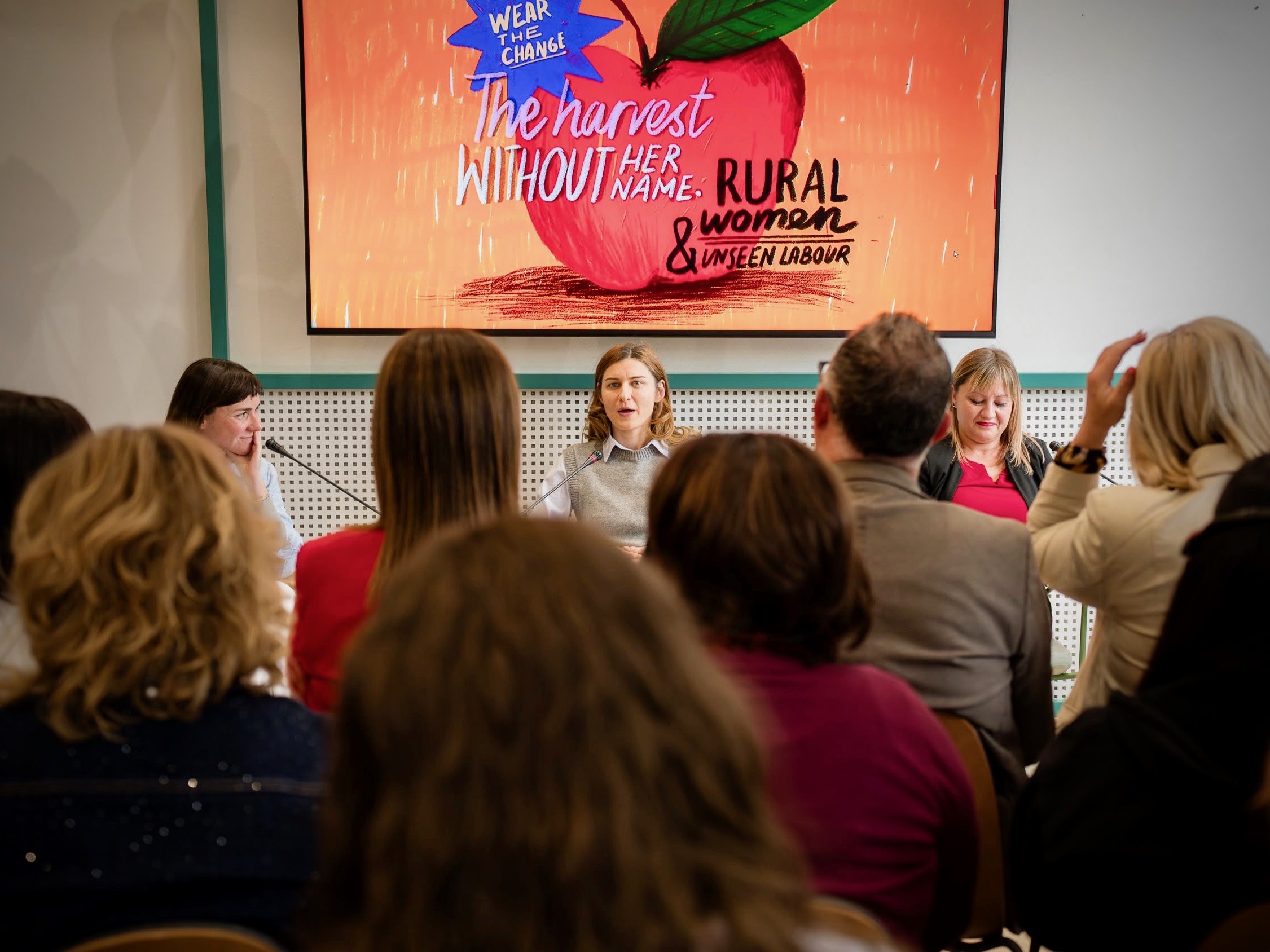
“The Harvest Without Her Name” at Europe House Strumica: A Discussion on Rural Women and Their Unseen Labour

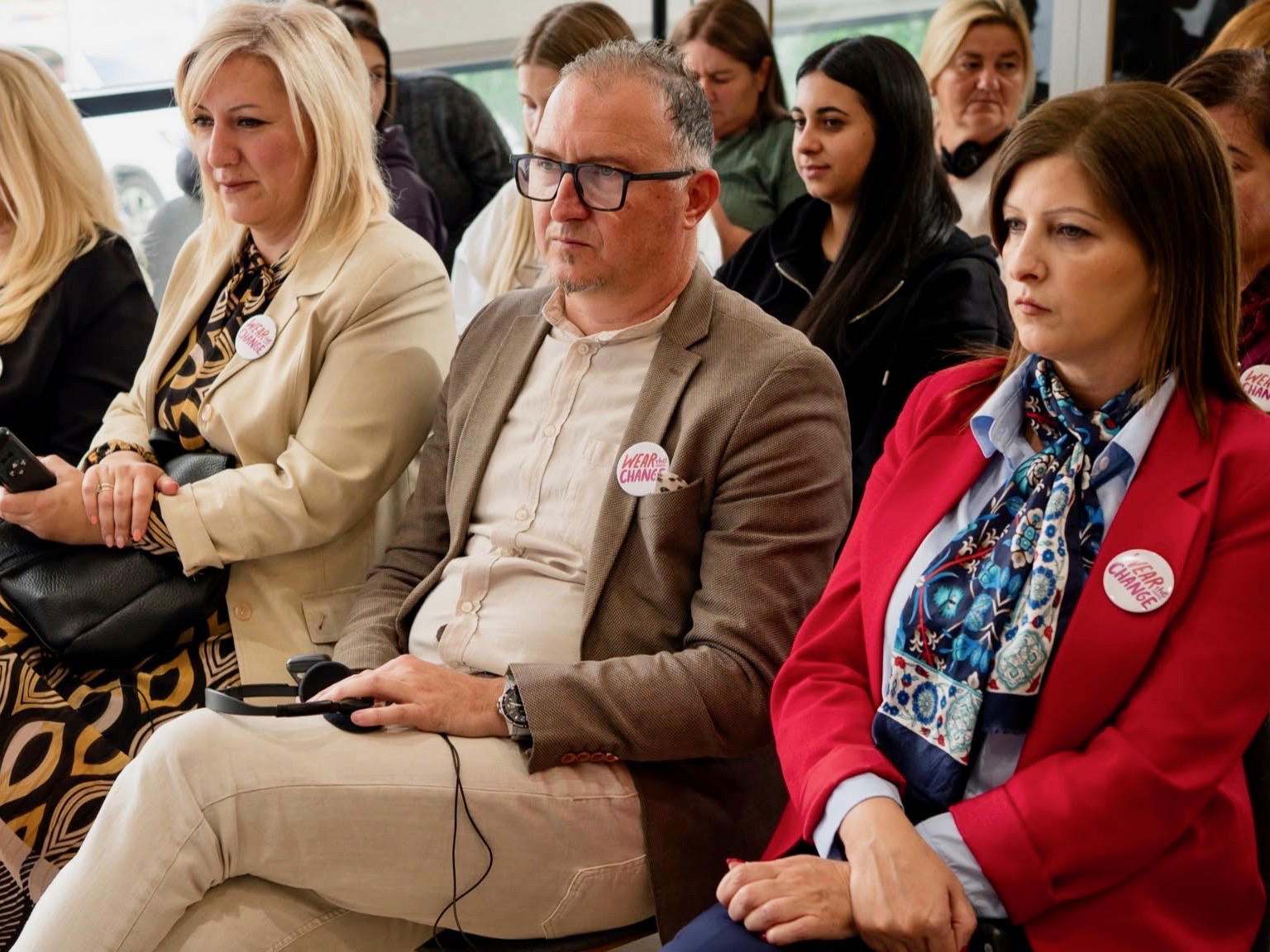
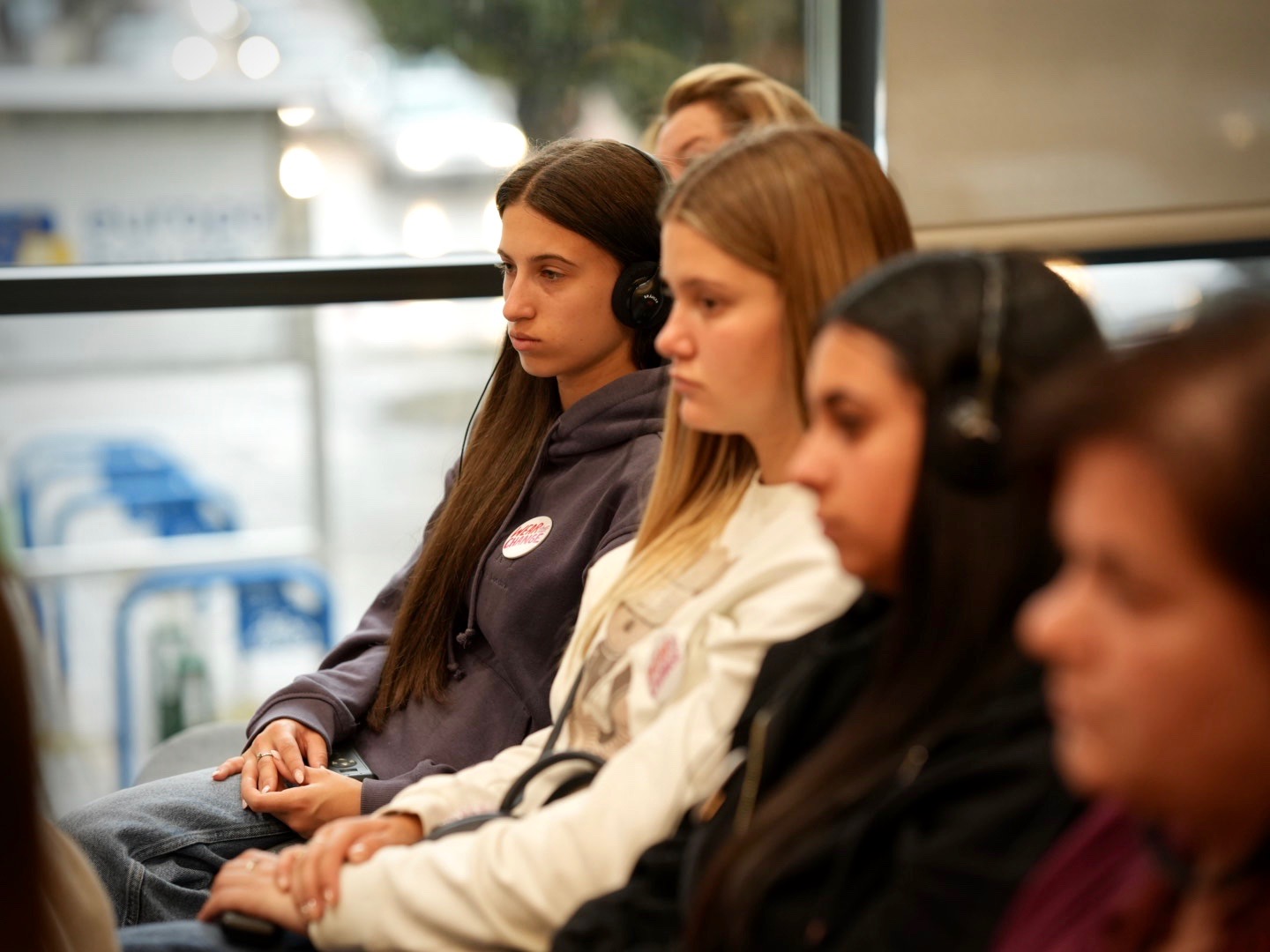
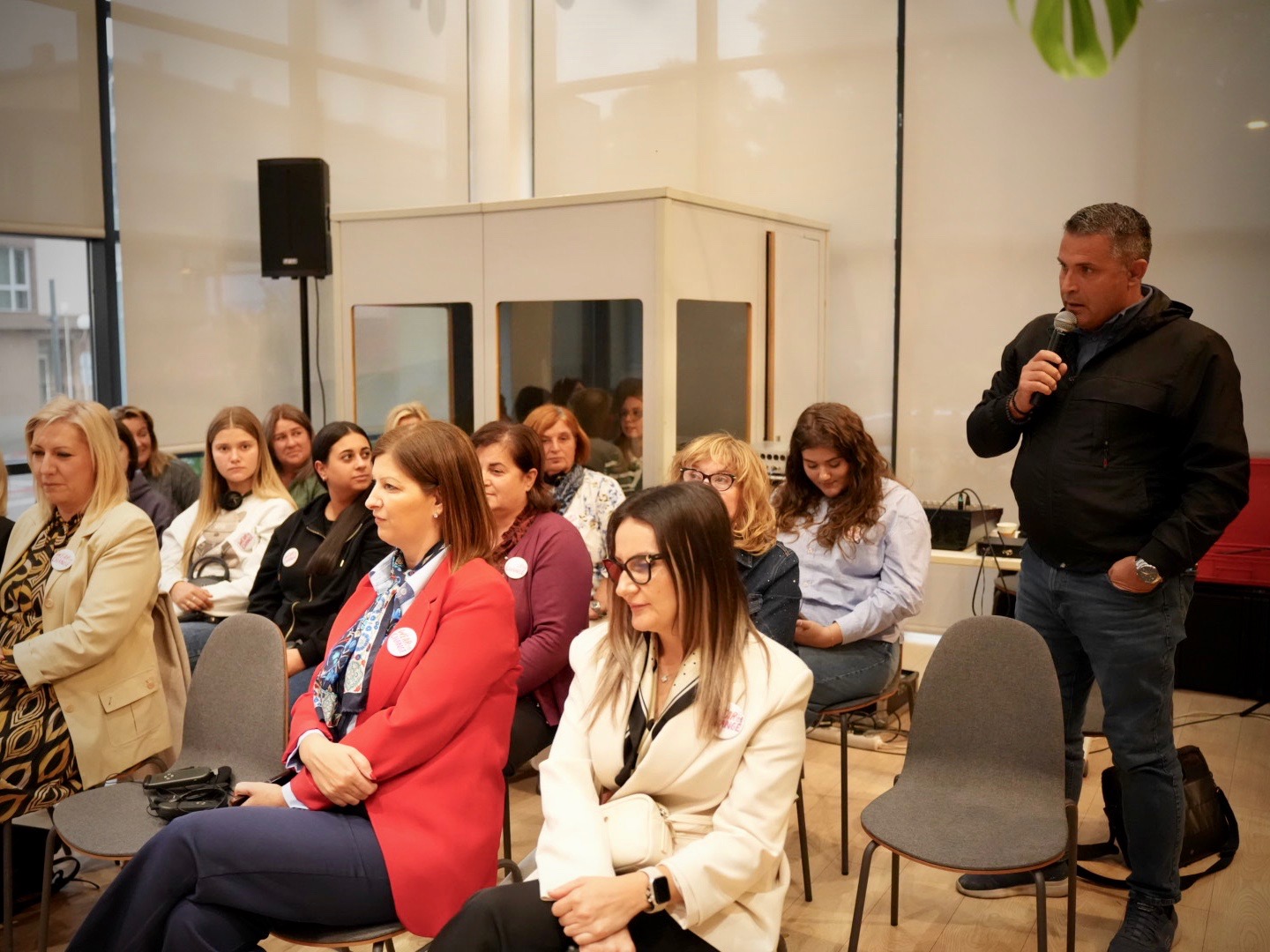
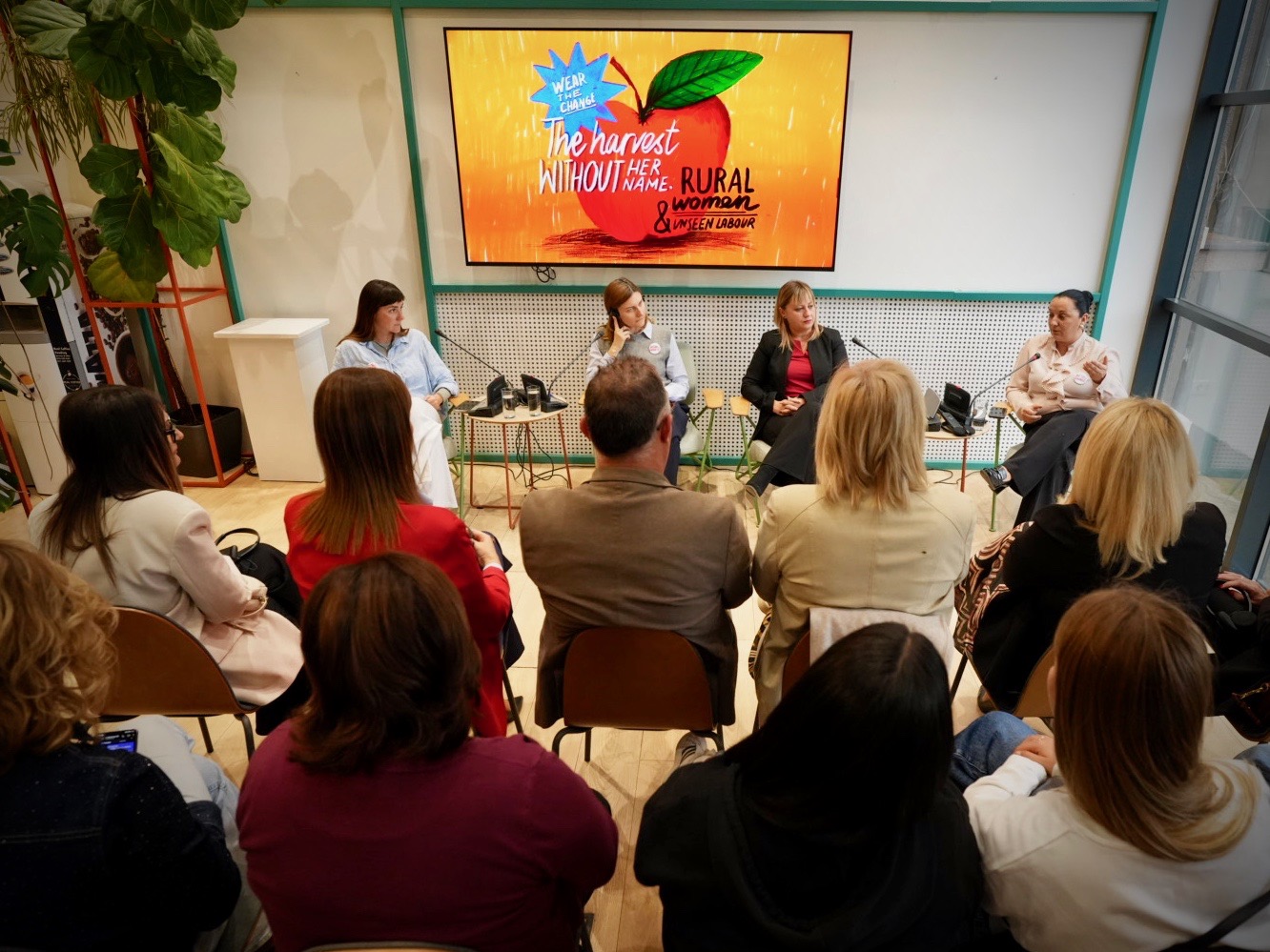
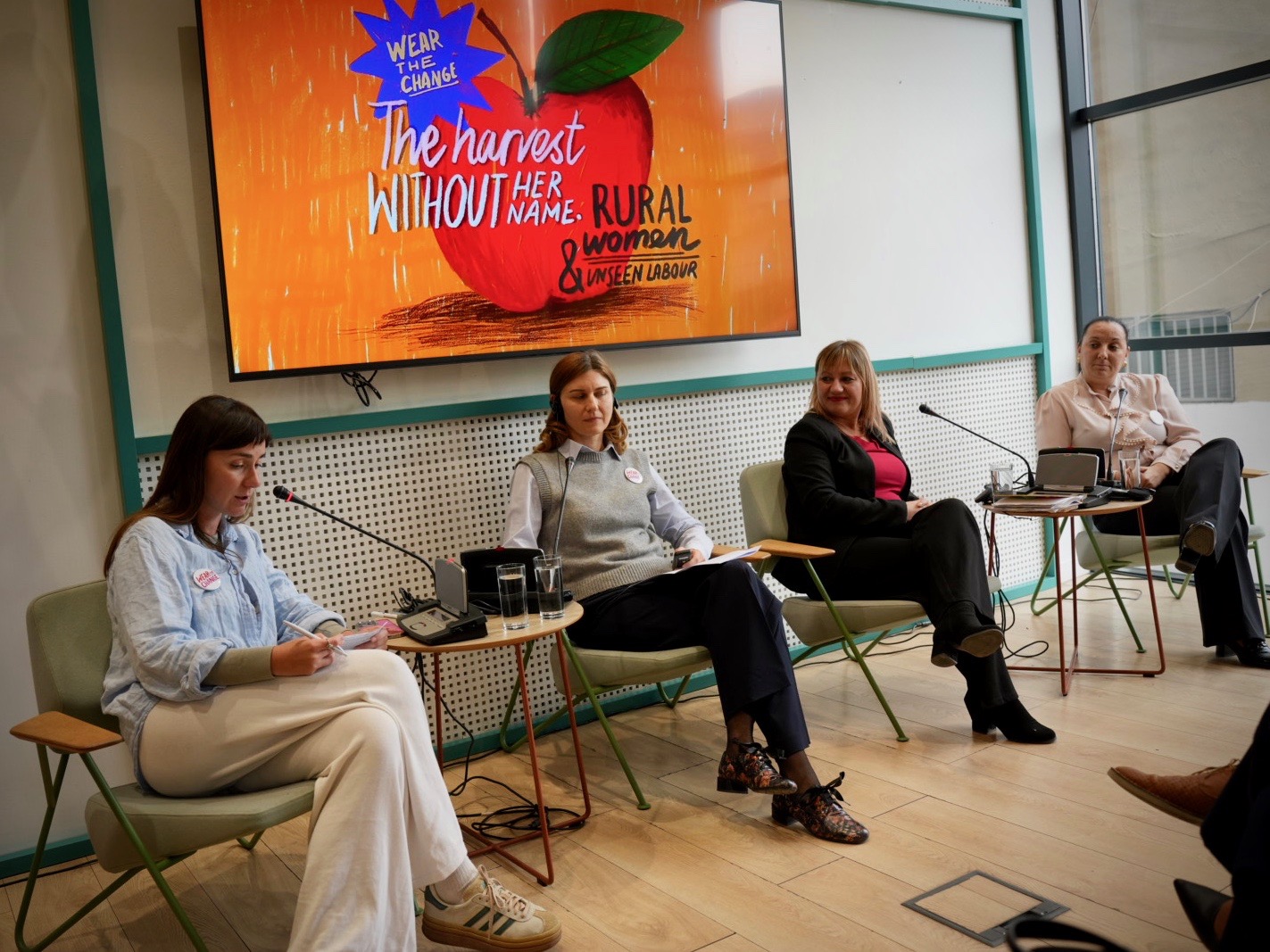
More than 38,000 women in North Macedonia are registered as farmers, yet many lack equal access to financial security, maternity leave, health insurance and social security protection. These challenges were at the heart of yesterday’s panel discussion, “The Harvest Without Her Name: Rural Women and Unseen Labour,” held at Europe House Strumica.

The event was organised as part of the “Wear the Change” campaign, launched by the Delegation of the European Union and EU Member State embassies united under #TeamEurope. The discussion provided a space to address systemic and institutional barriers, as well as the prejudices and inequalities that prevent rural women from fully exercising their rights.

Women farmers play a vital role in food production and the rural economy, while also bearing much of the responsibility for household and care work. Yet their labour and contributions often remain unrecognised within formal economic and institutional frameworks. Access to property and land is a particular concern: in 2021, only 4.1% of women in rural areas were registered as property owners, while women account for just 12% of landowners nationwide.
The discussion explored the reasons behind these inequalities, including inheritance practices. Although daughters have a legal right to inherit, they often give up their share in favour of their brothers. This is influenced by long-standing traditions and the expectation that, after marriage, a daughter will “belong to another family.”

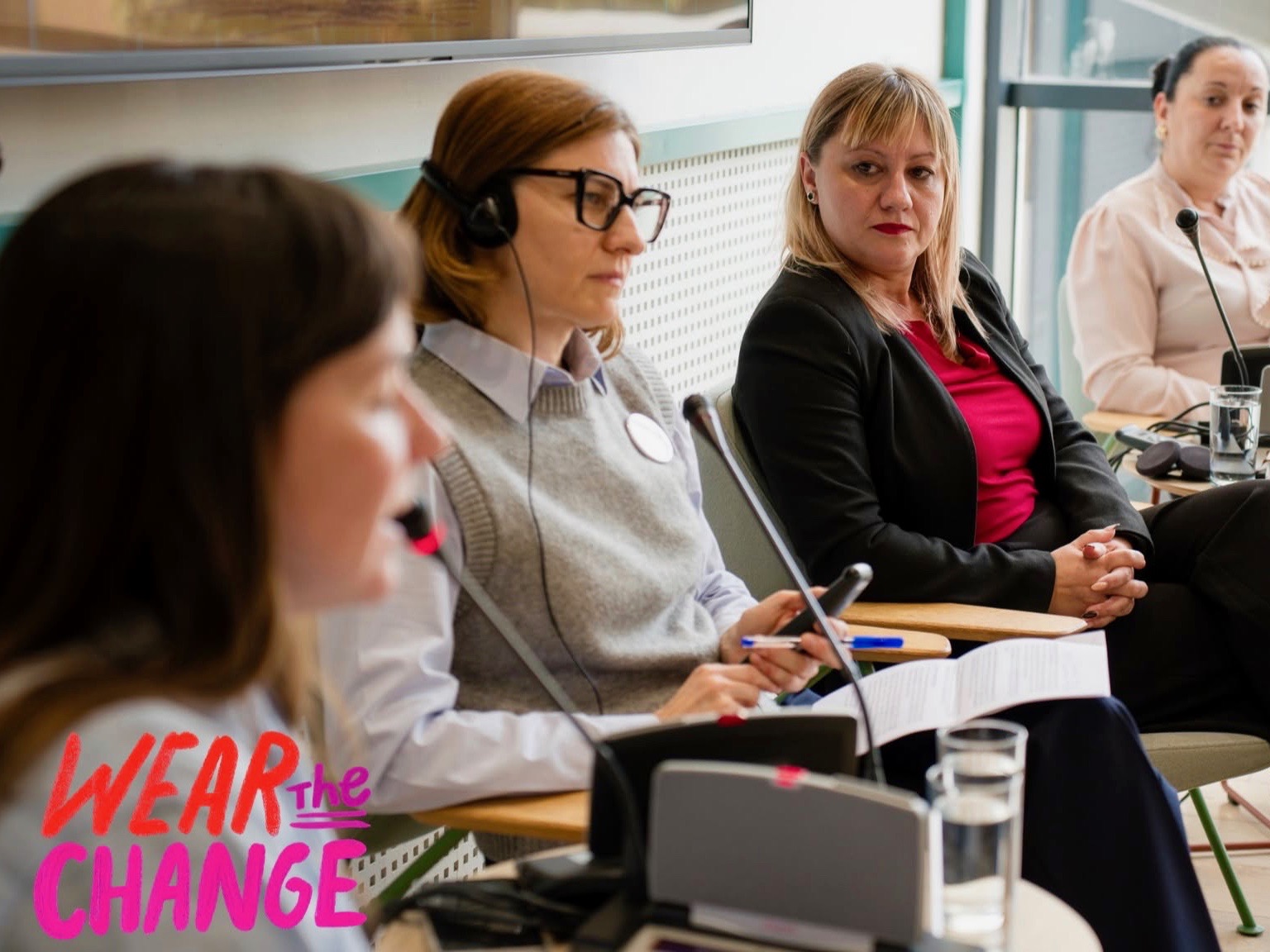
The panel featured Veronica Ioana Ciolca, Deputy Head of Mission at the Embassy of Romania; Lejla Rajkova, an advocate for rural women’s rights and local agriculture; and Liljana Jonovski, an associate professor at the Faculty of Law in Kičevo and an expert on women’s participation in public life, with a focus on rural areas. The discussion was moderated by Andrea Ugrinovska of Tiiiit! Inc., Skopje.

The panellists examined the challenges faced by women living and working in rural areas, the implementation of existing laws and the support mechanisms available to them. They also discussed Romania’s experience as a country with a significant share of its workforce employed in agriculture, as well as the European Union’s role in advancing the rights of rural women.
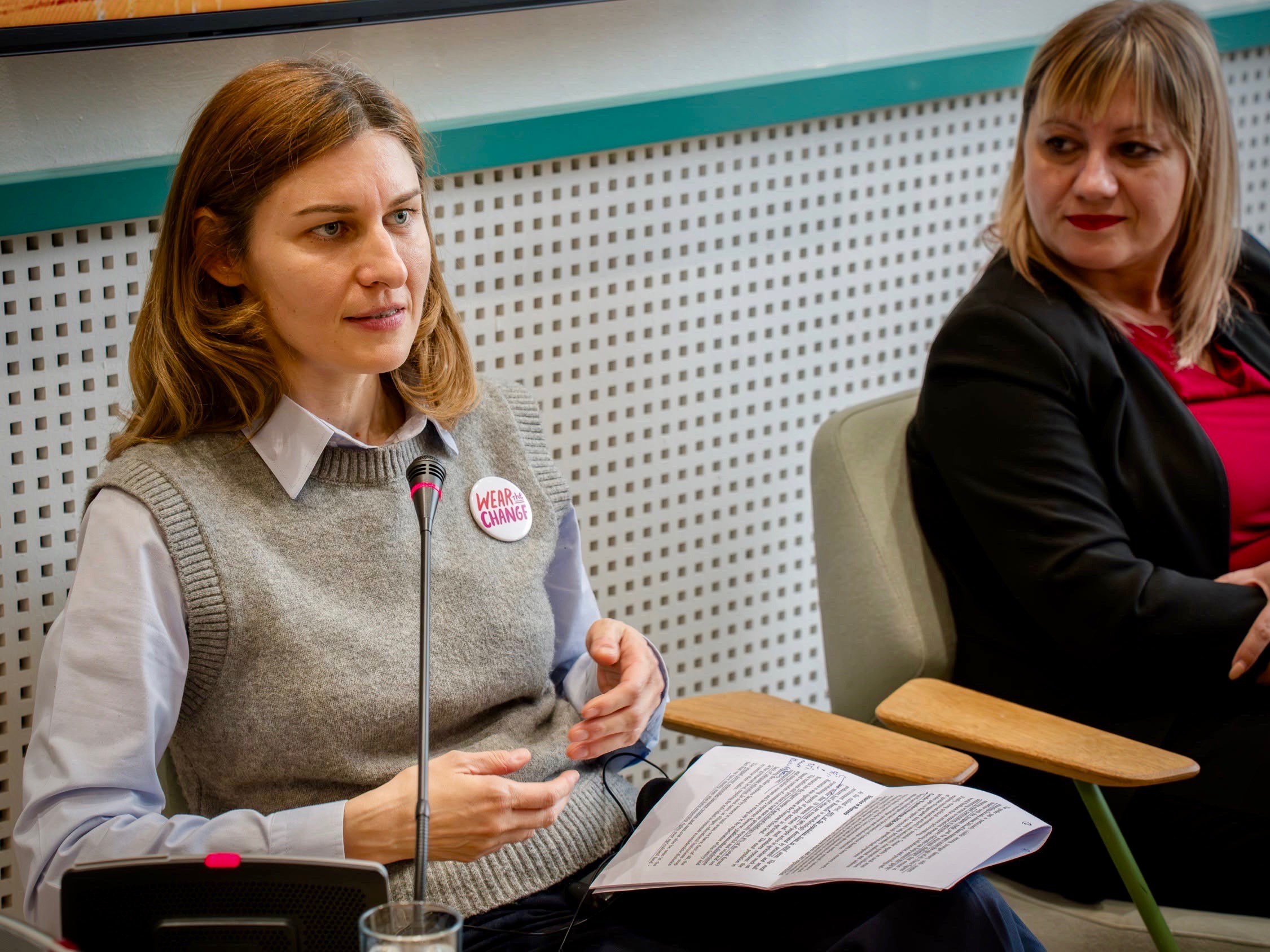
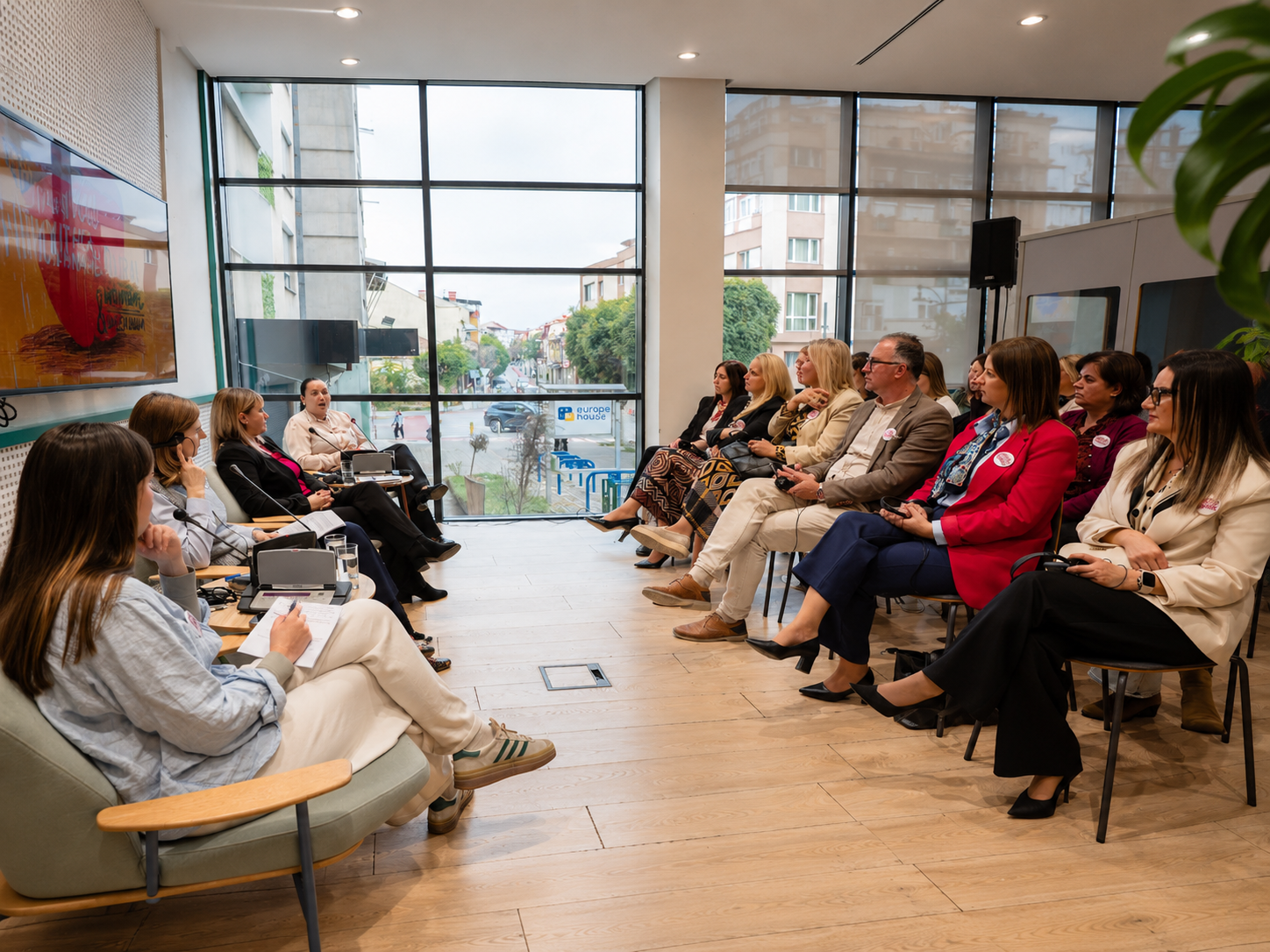
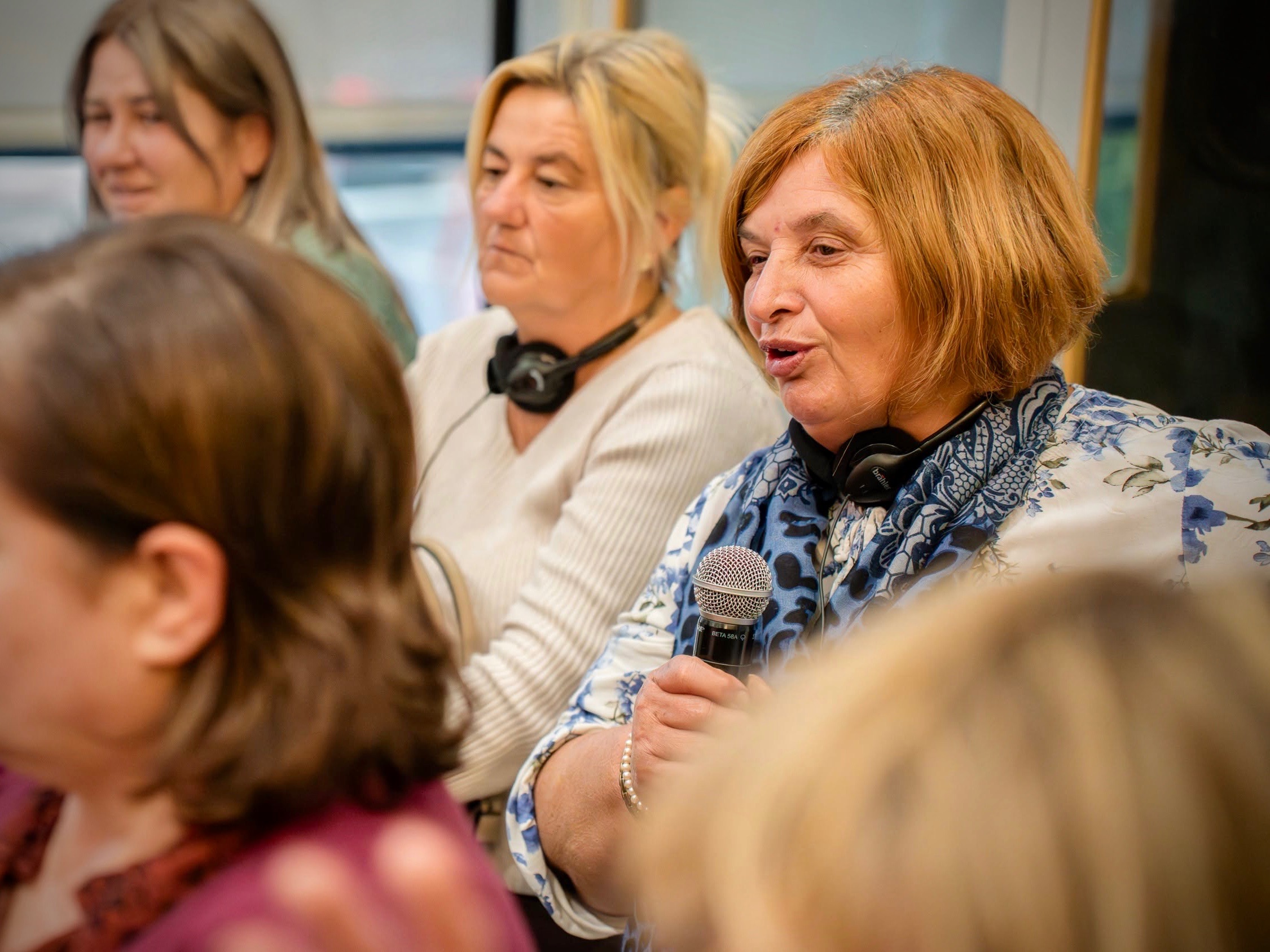
The conversation also addressed the social and cultural barriers that persist despite existing legal protections, and explored how institutions and communities can help create equal opportunities. The audience joined the discussion during a question-and-answer session following the panel.

The central message was clear: the contributions of women farmers must be recognised and matched by equal rights and greater security. Ensuring access to property, health and social insurance, and employment-related rights is an important step towards a fairer and more sustainable society.

Through the “Wear the Change” campaign caravan, the Delegation of the European Union, EU Member State embassies and the Europe House network continue to encourage public conversations about gender equality and women’s rights across the country.
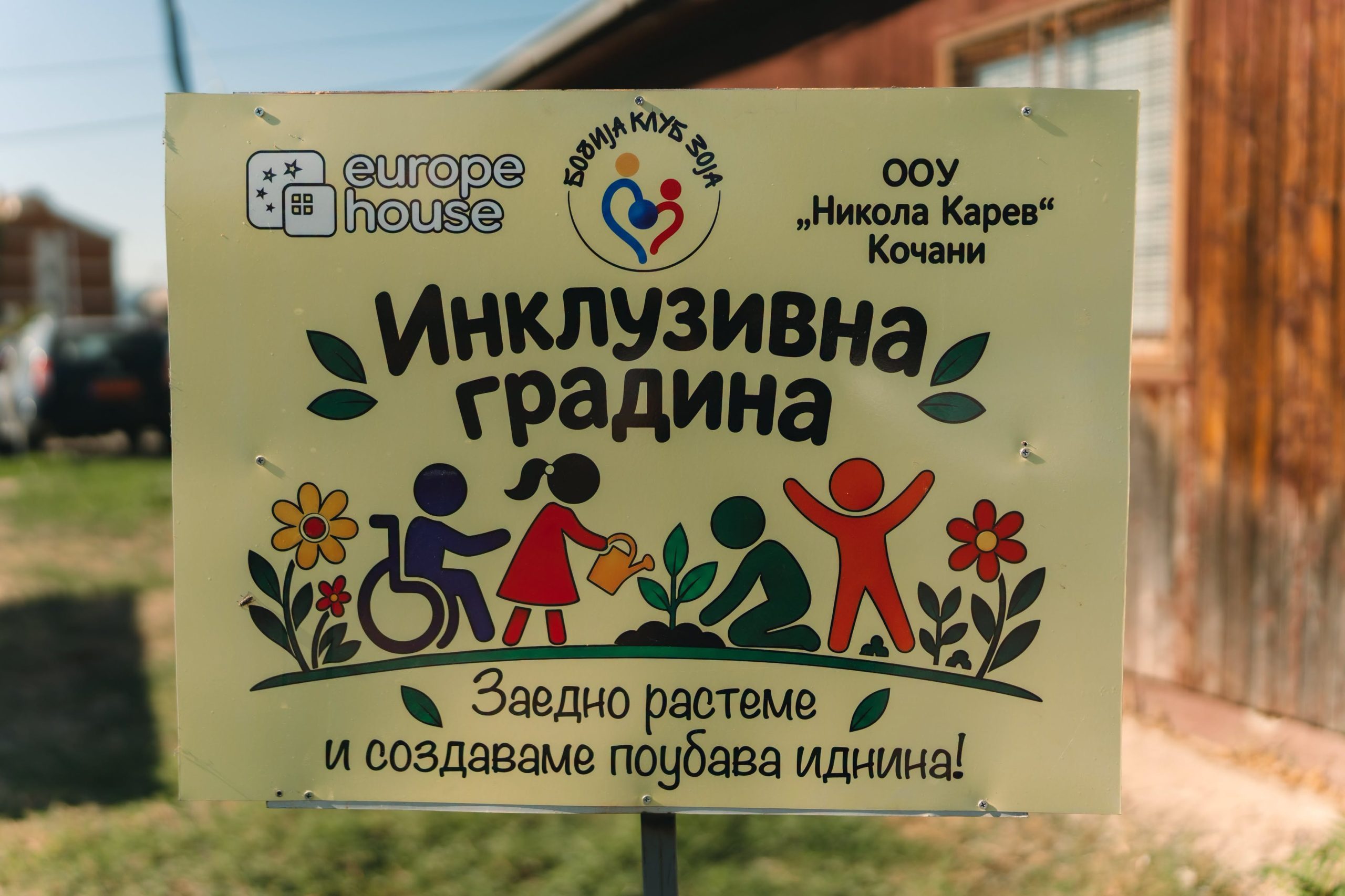
Planting Hope: An Inclusive Garden in Kochani, a Symbol of Solidarity and Care for One Another

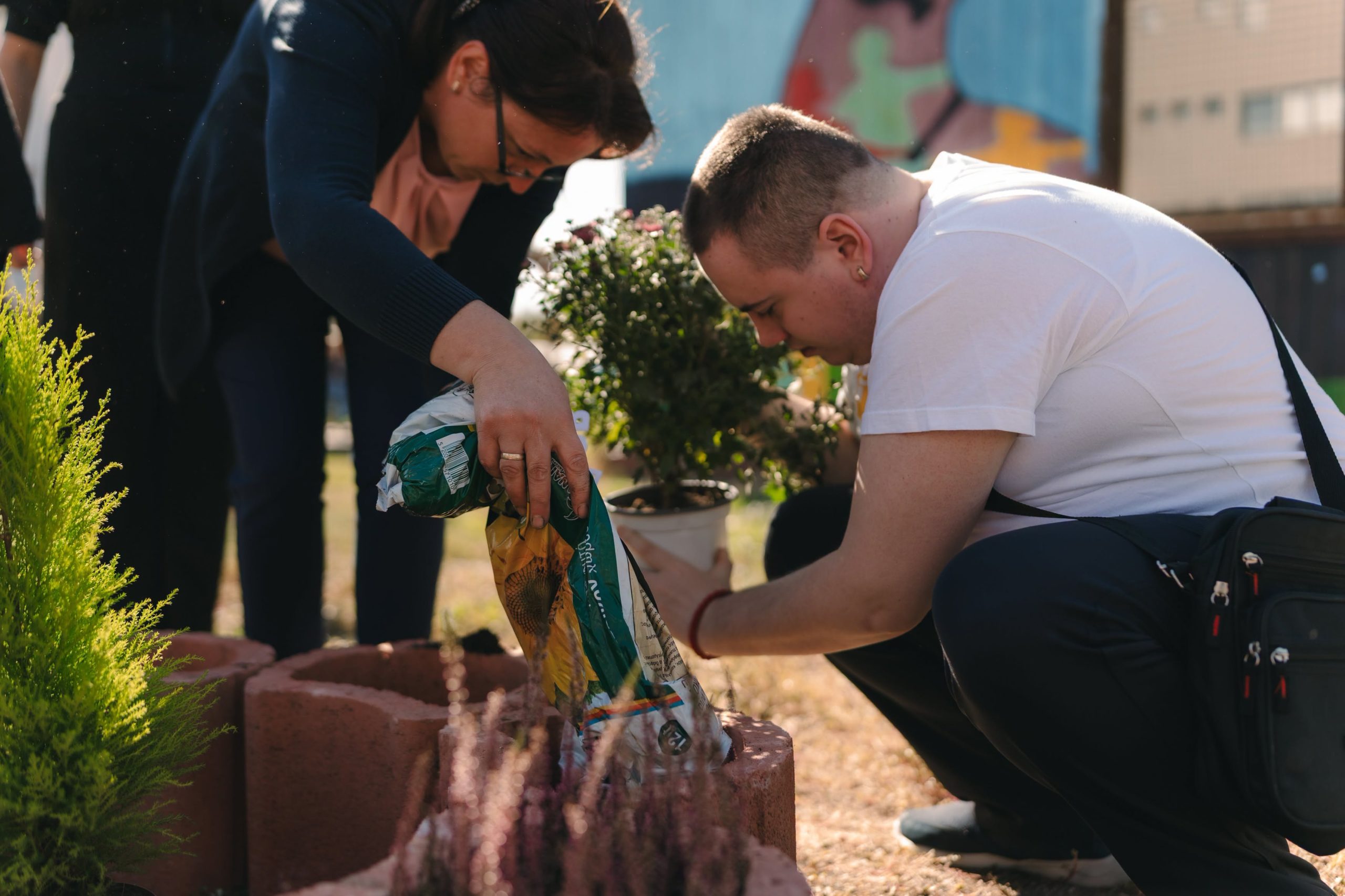
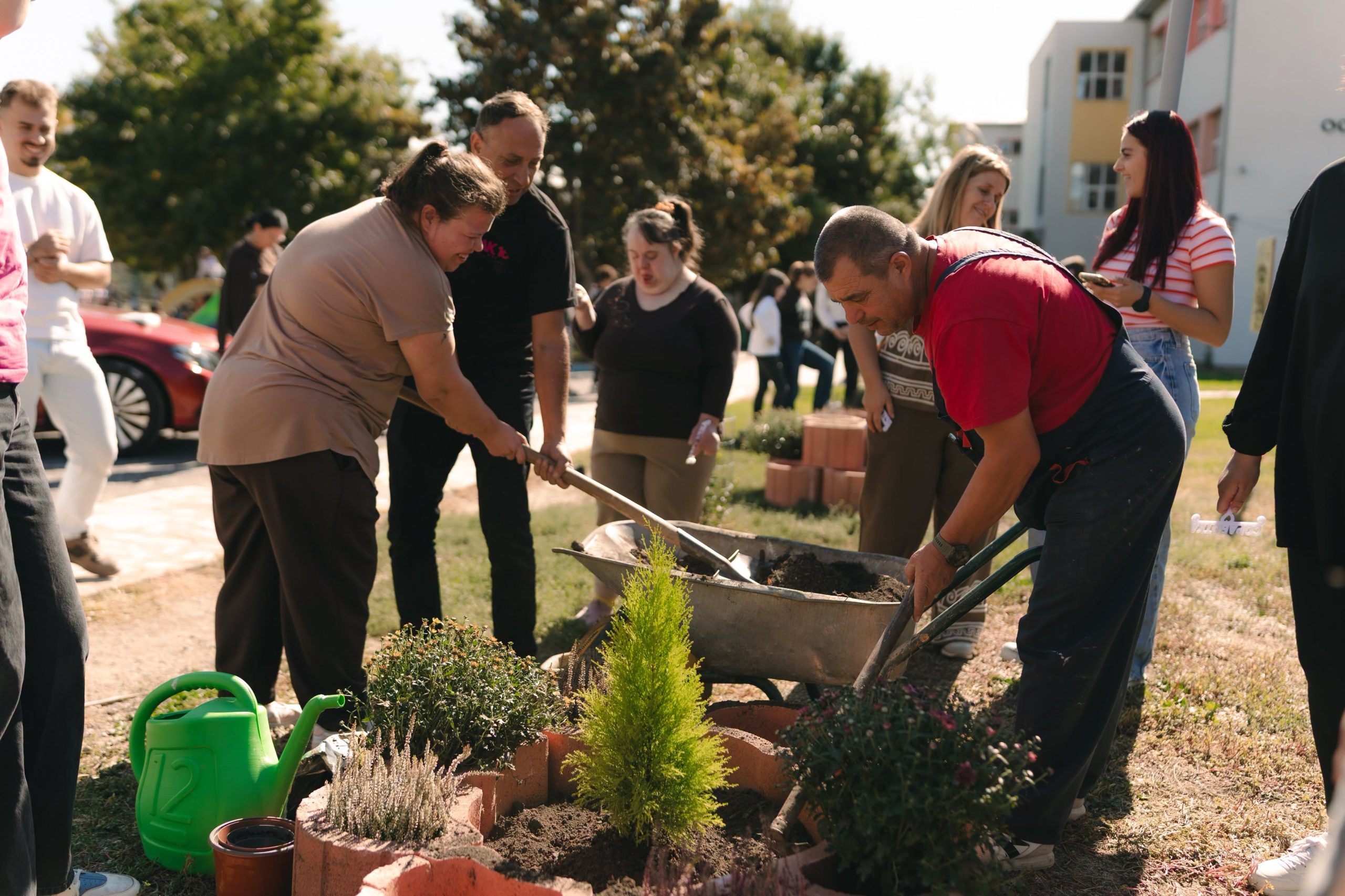
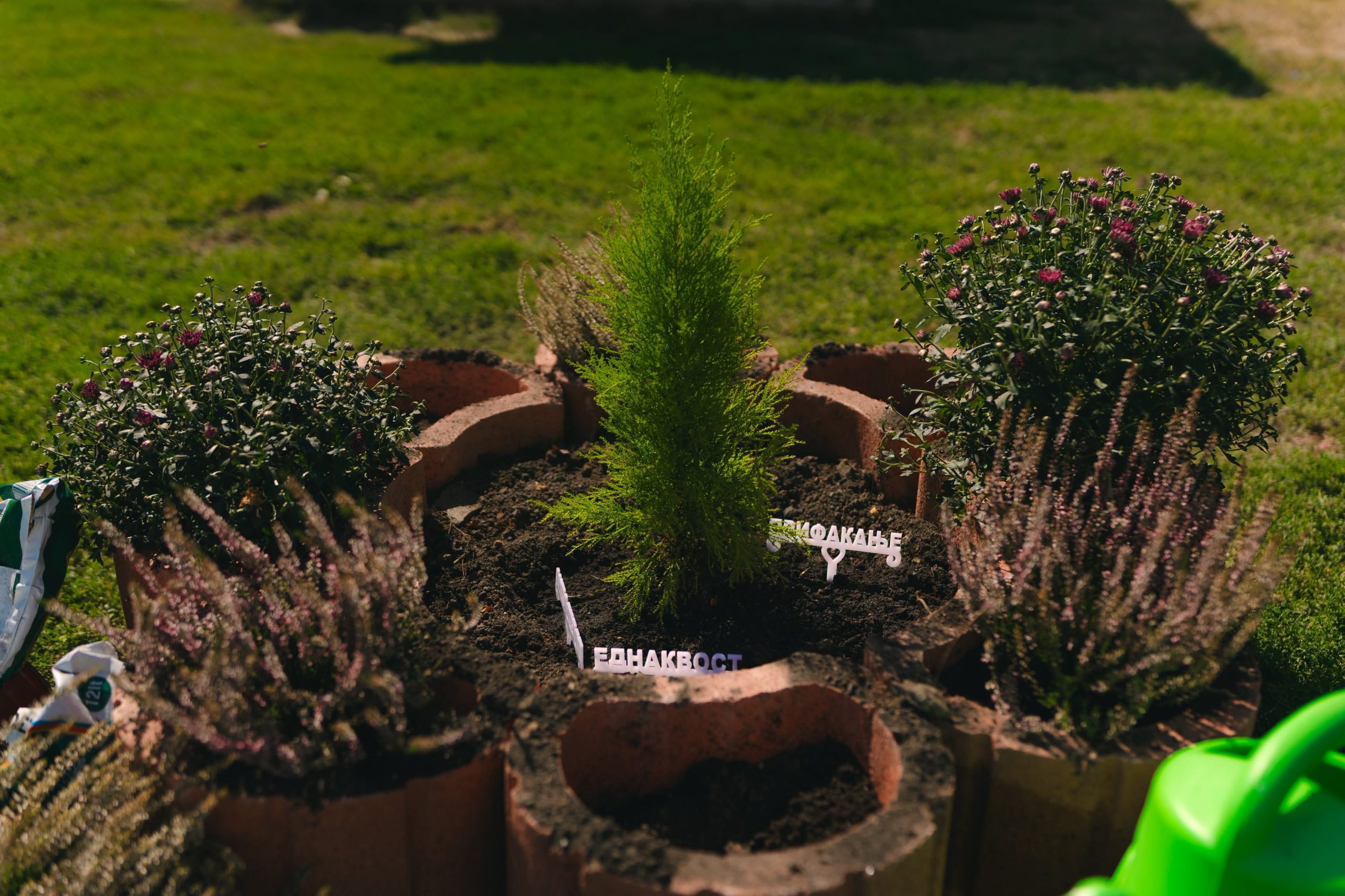
In Kochani, we planted more than flowers. We created a new space for connection, togetherness and care, where every plant carries a message of acceptance, equality and respect.

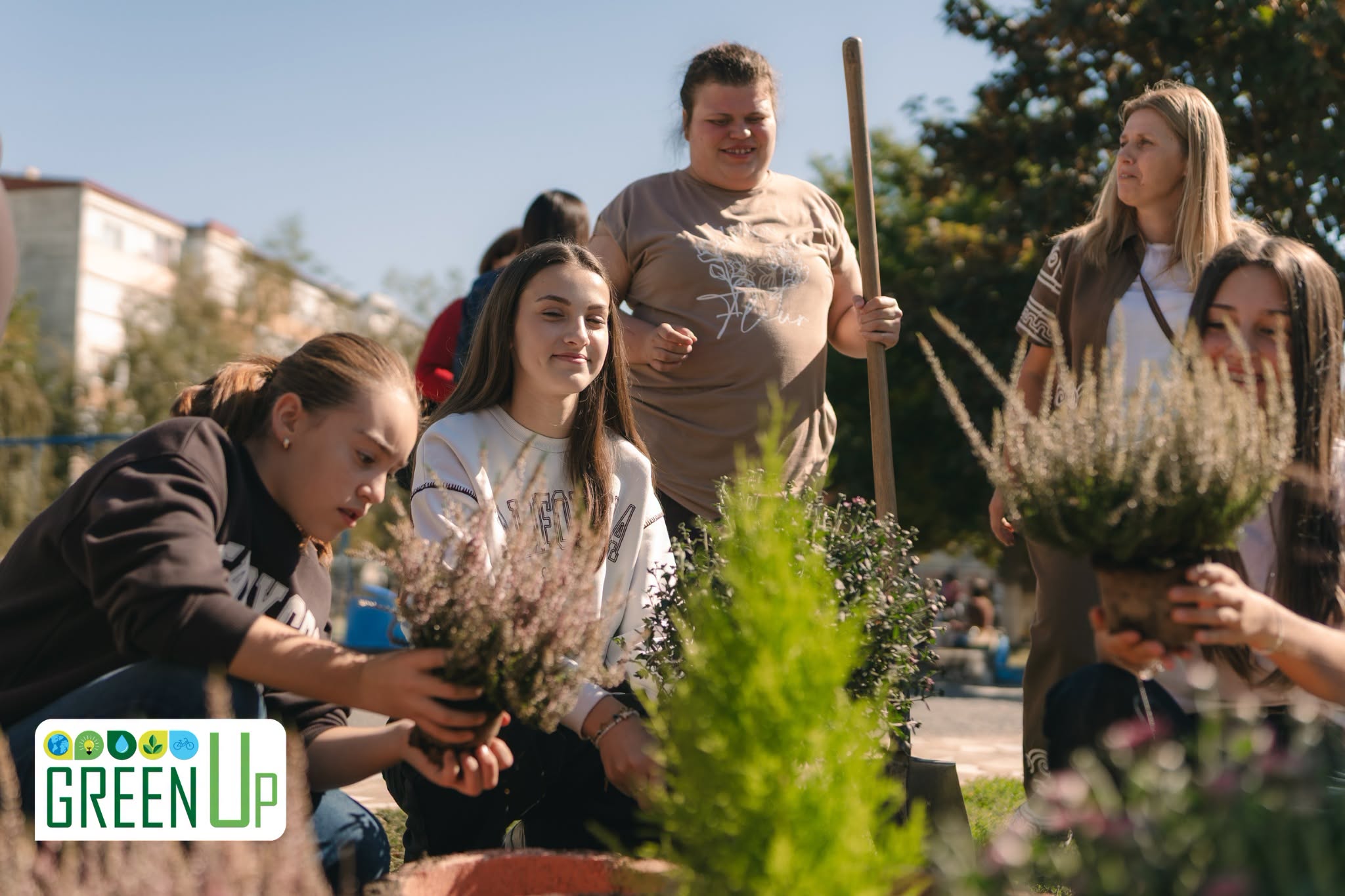
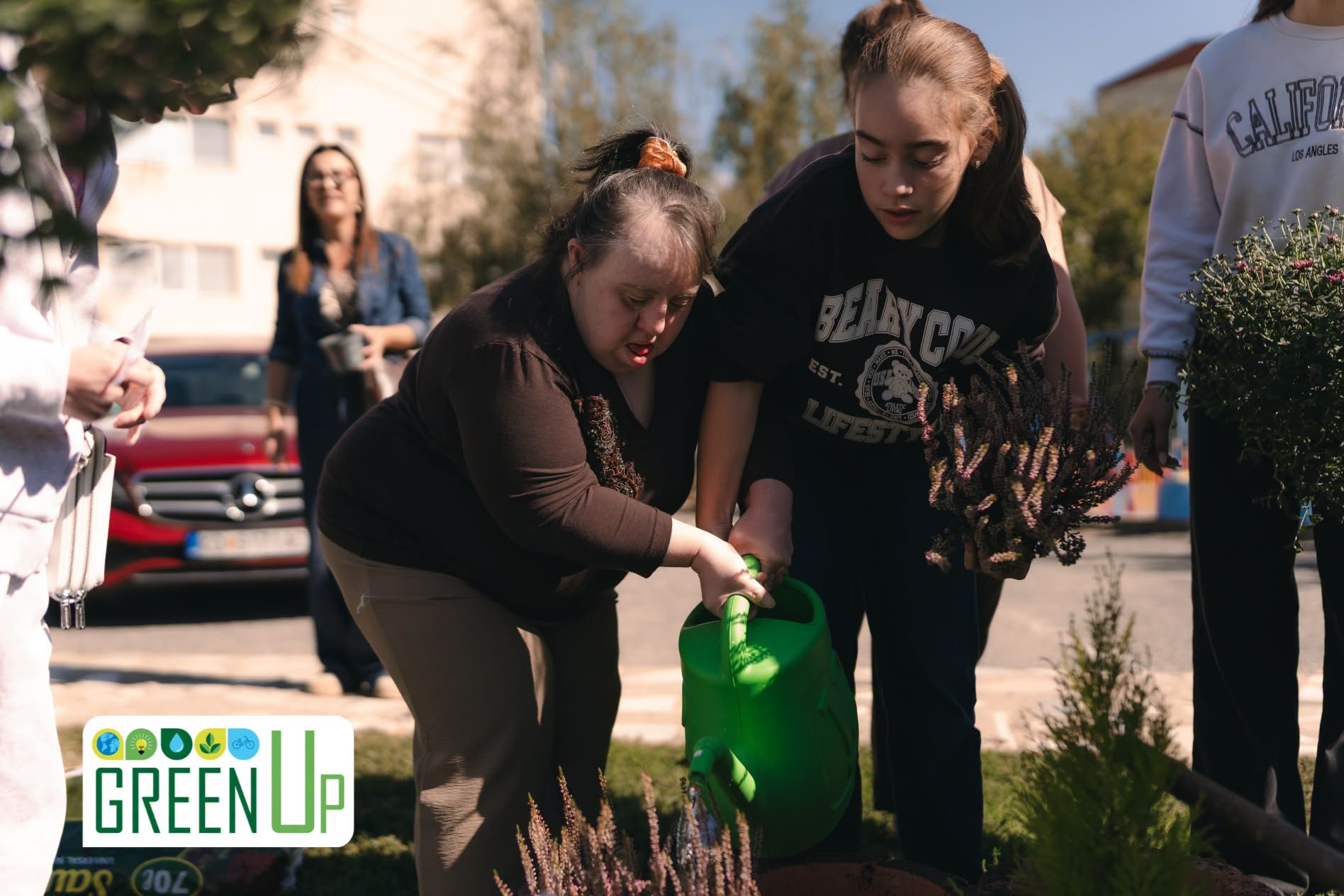
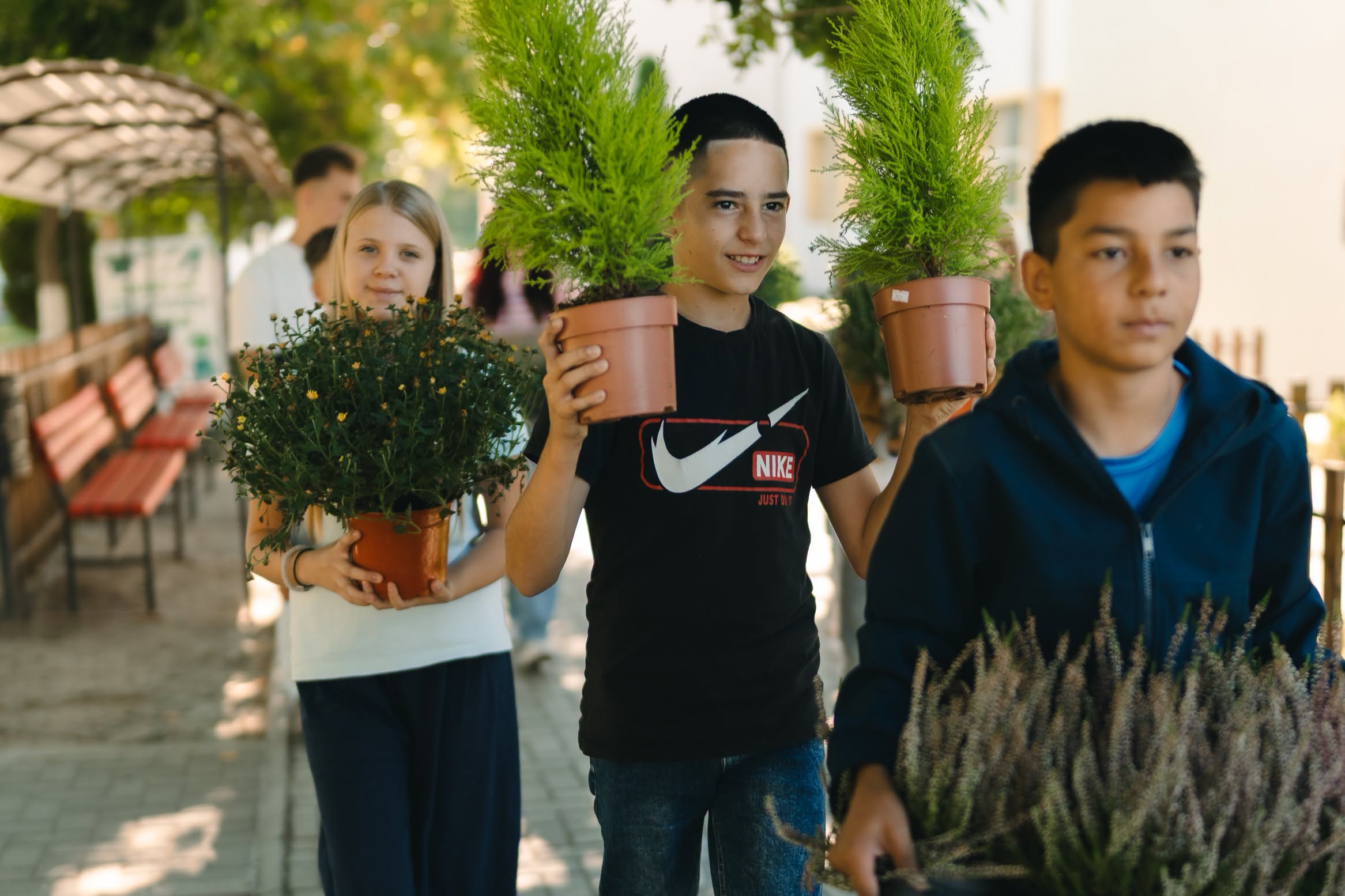
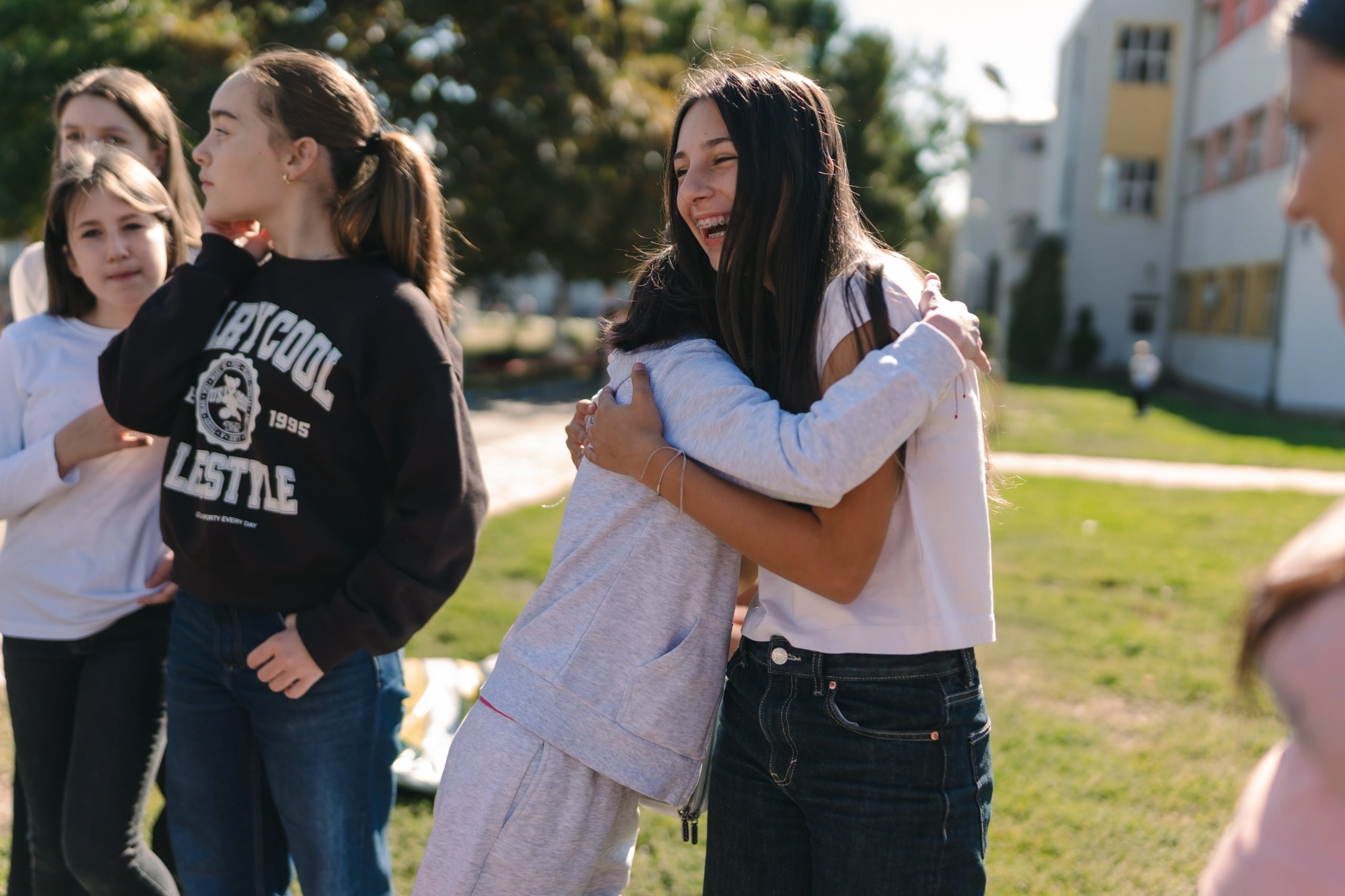
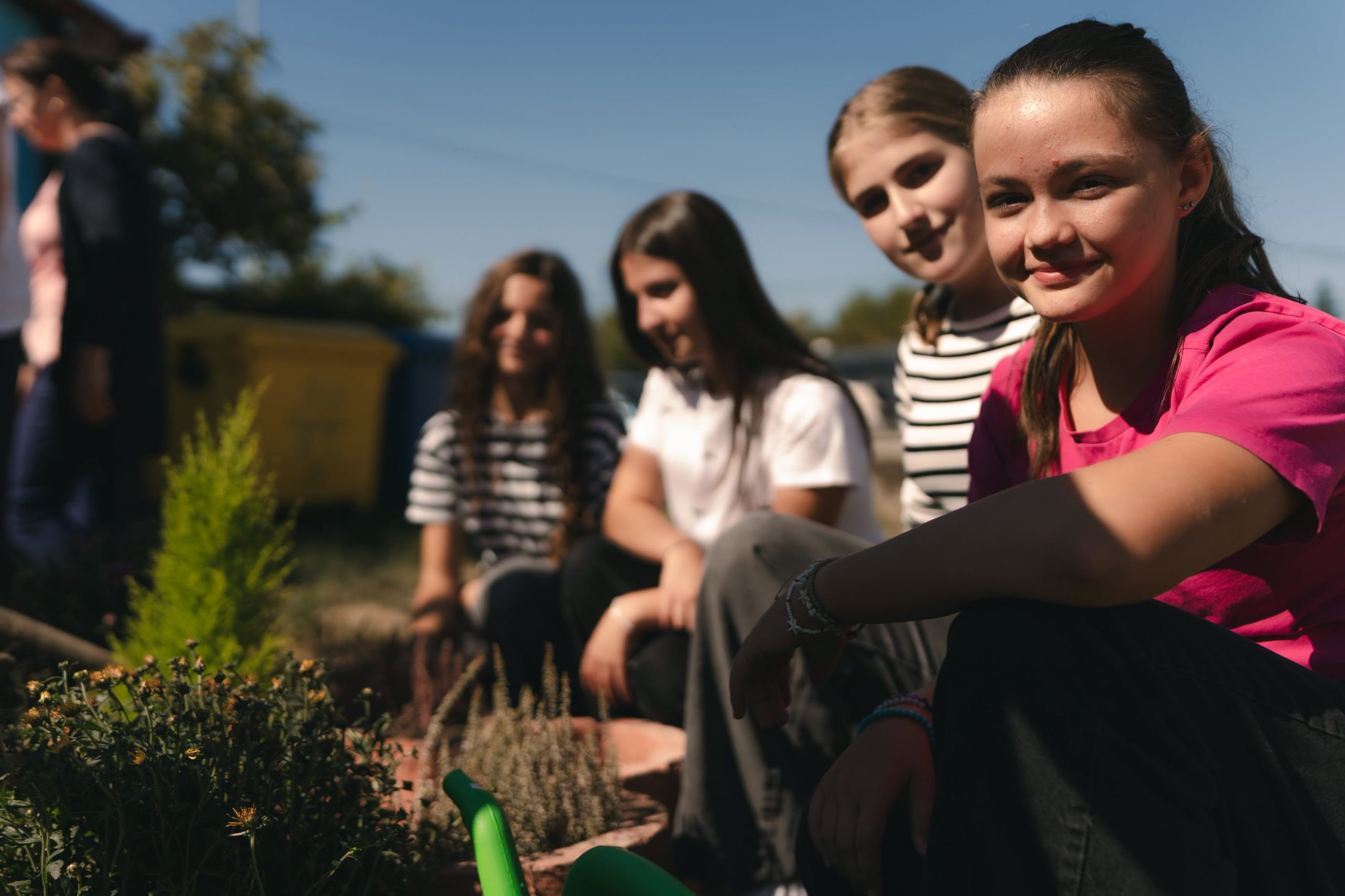
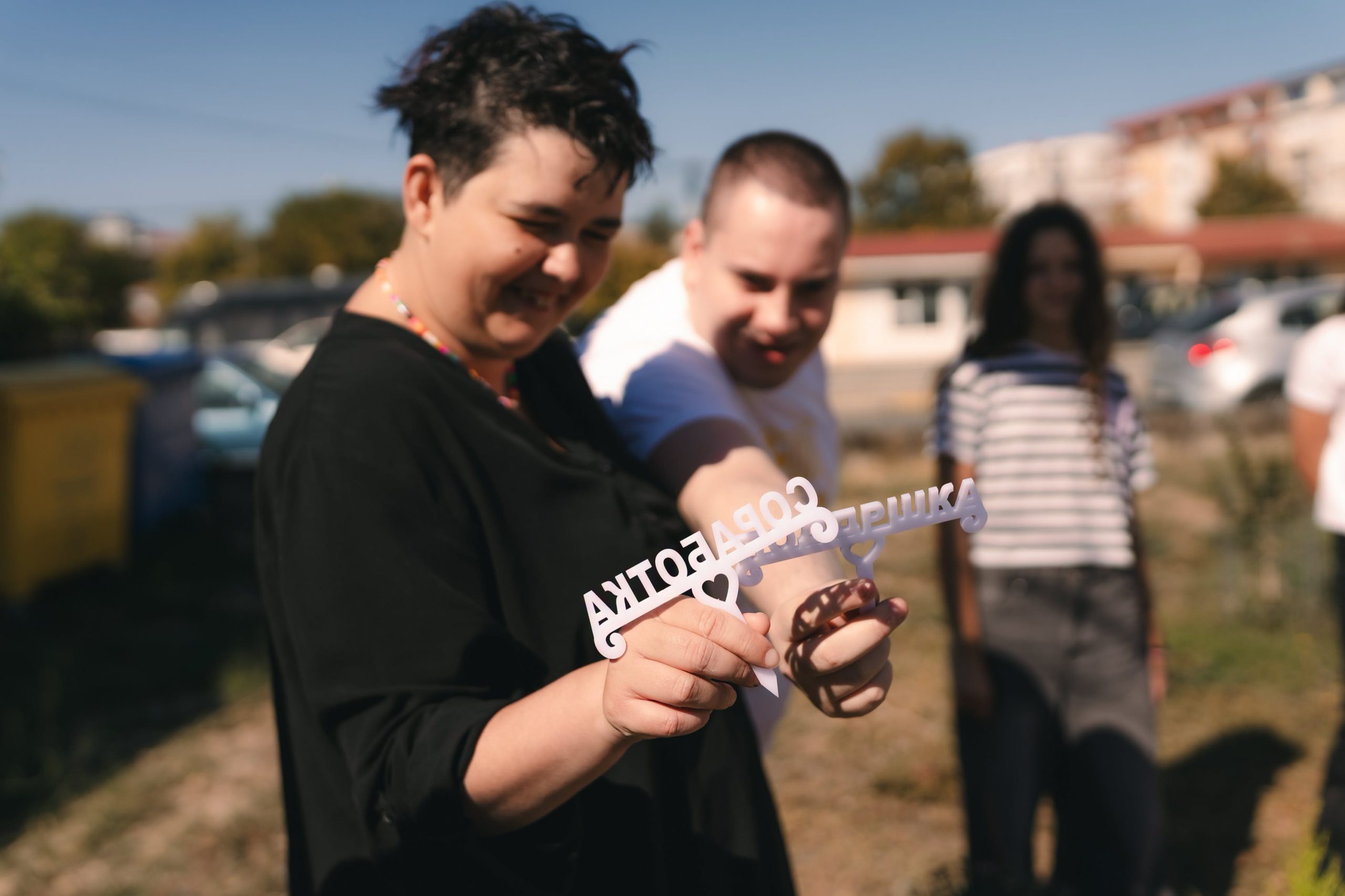
Тhe Planting Hope initiative, organized by Europe House Strumica in partnership with ZOI Kochani, brought together students from the Primary School “Nikola Karev” and persons with disabilities, members of ZOI, for an inclusive environmental workshop. Together, we planted flowers and greenery in the schoolyard and decorated pots with messages of friendship, hope, equality and mutual respect.

That’s how the Garden of Inclusion came to life – a small green corner that will grow alongside the community and remind us that everyone deserves support, equal opportunities and a space to thrive and contribute. Each plant became a symbol of solidarity, shared values and love.

Planting Hope is part of the Green Up initiative, which promotes environmental awareness and helps create greener, healthier communities through small but meaningful actions. Because change begins not only with what we plant, but also with how we care for one another.

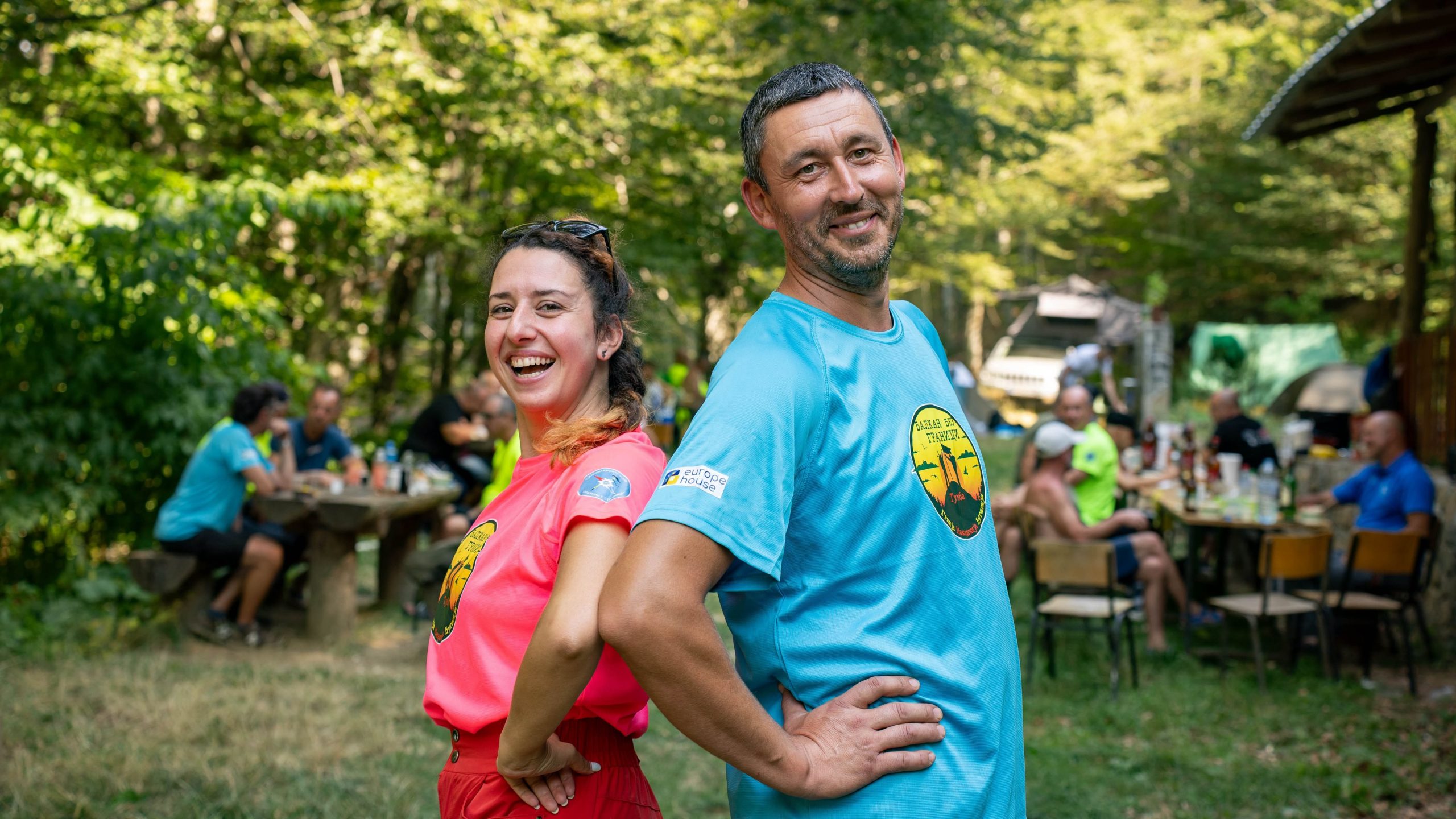
Three Countries, One Mountain: “Balkan Without Borders” Brings Hikers Together on Belasica

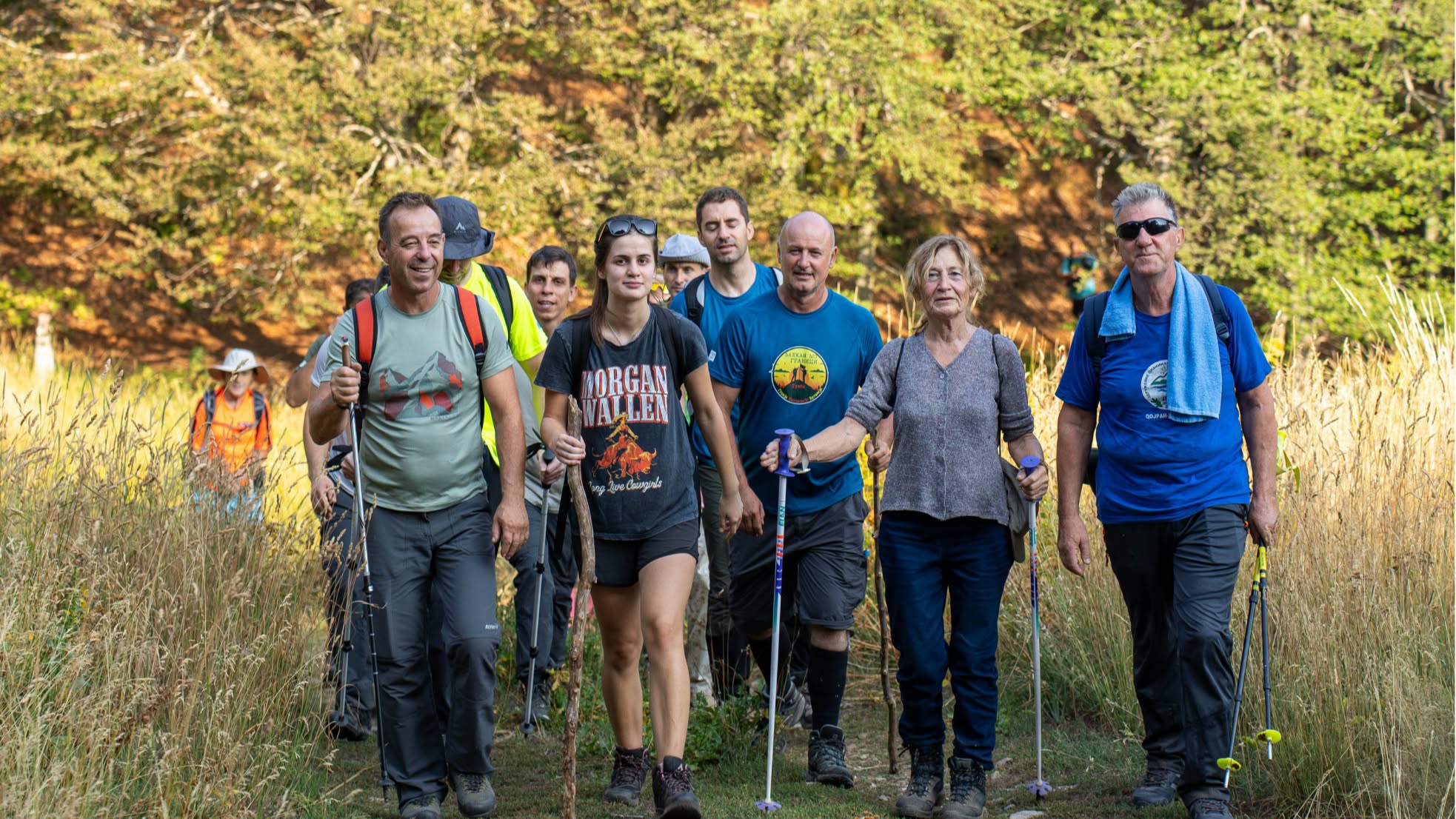
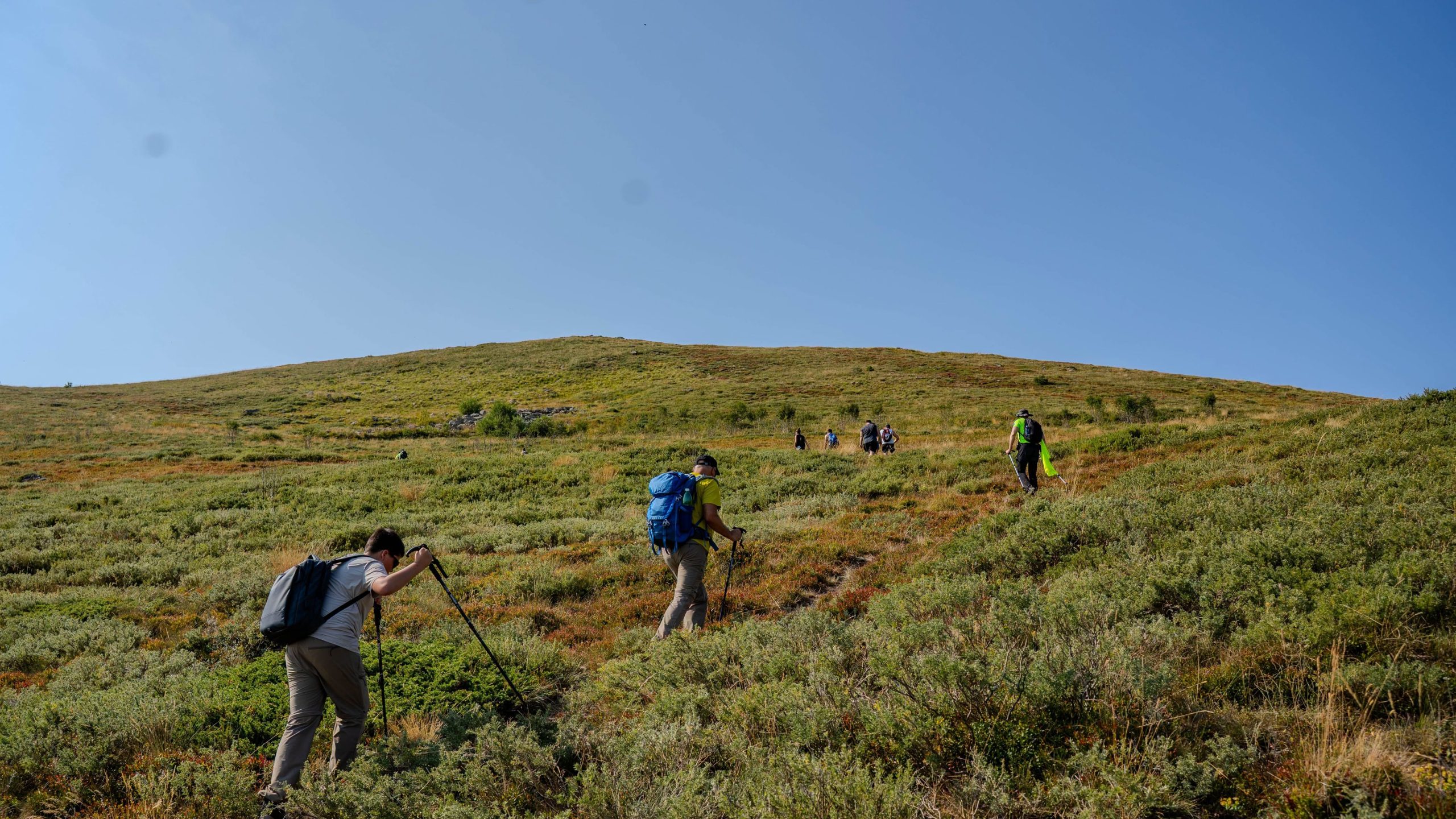
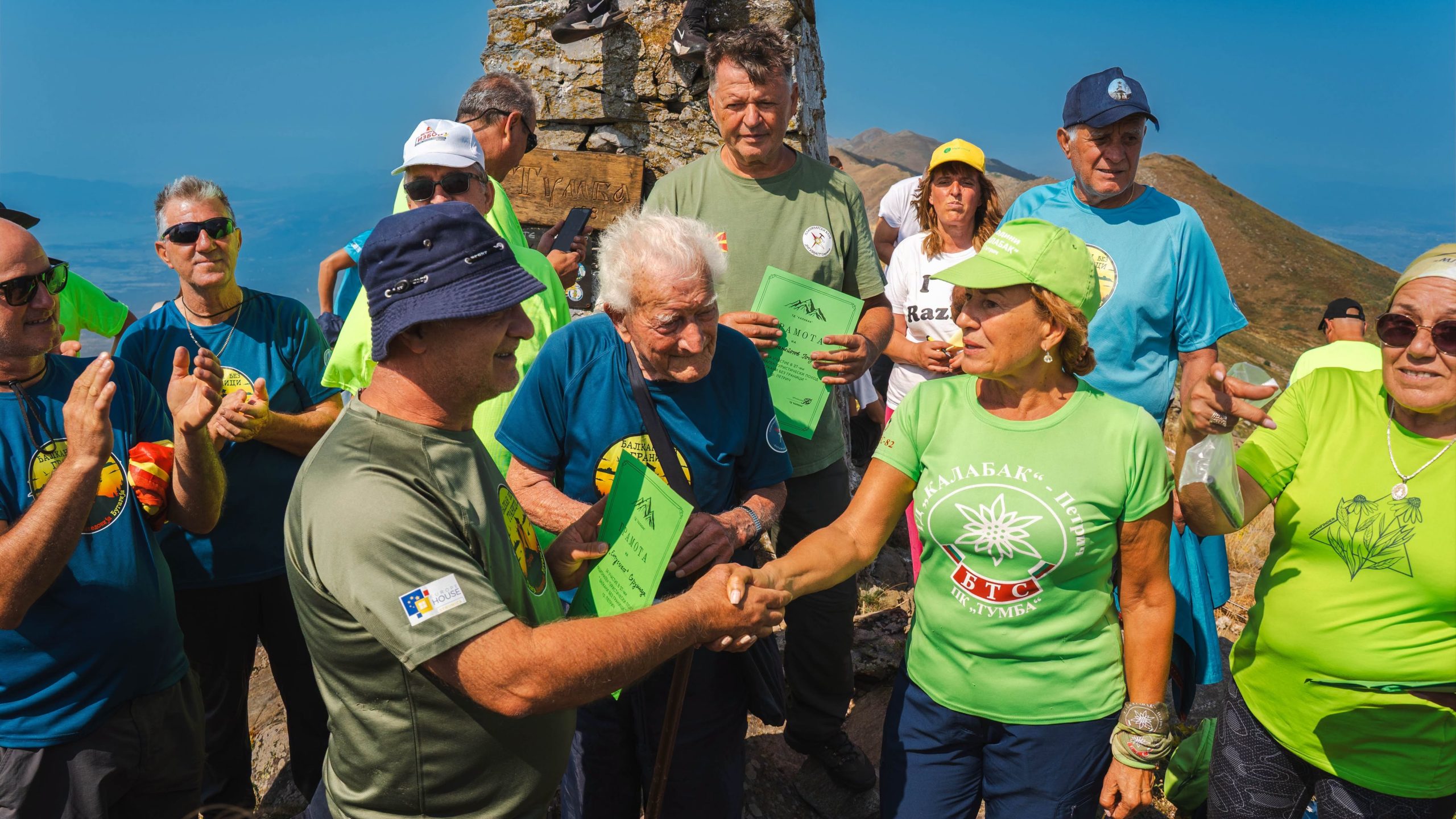
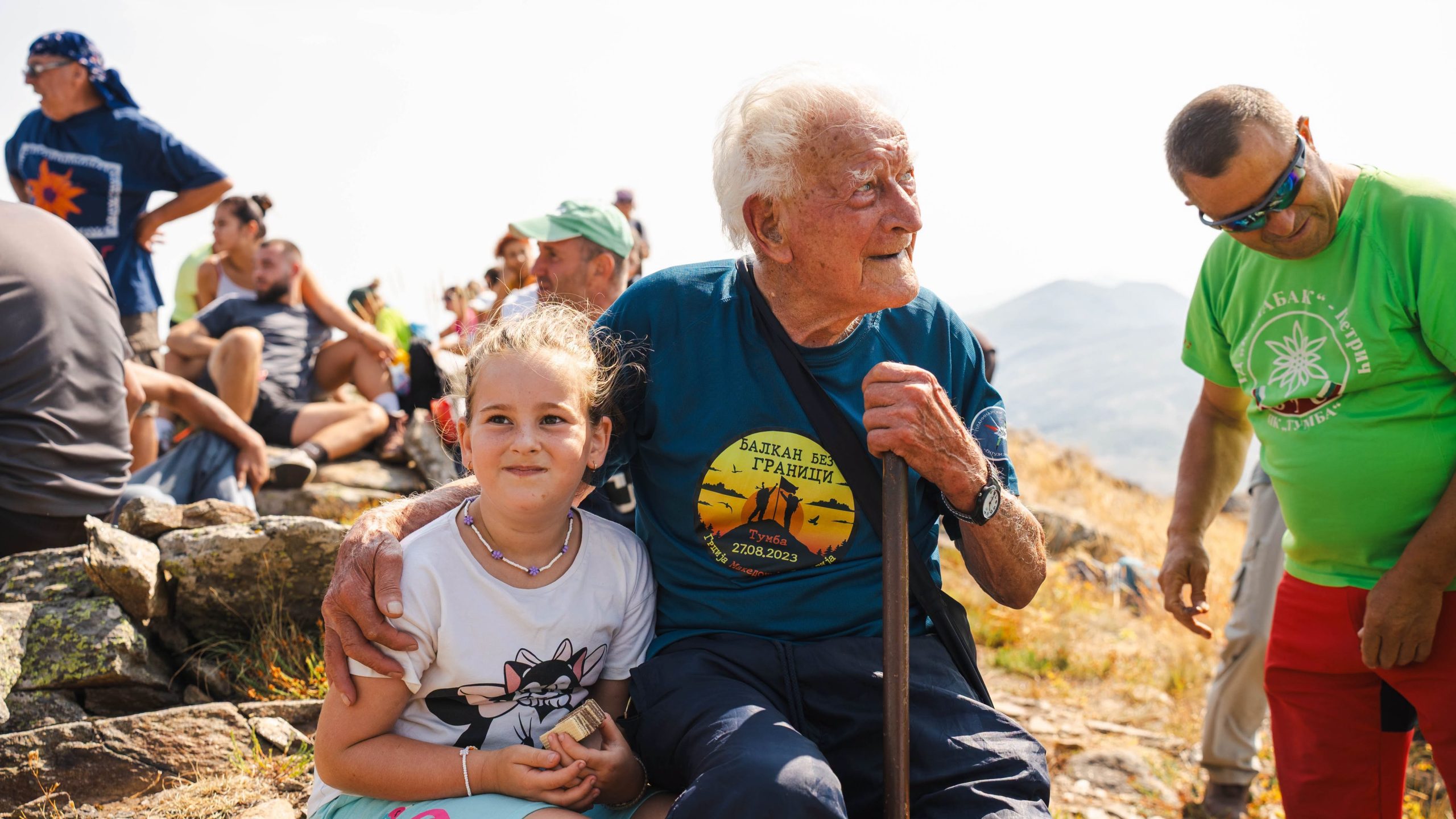
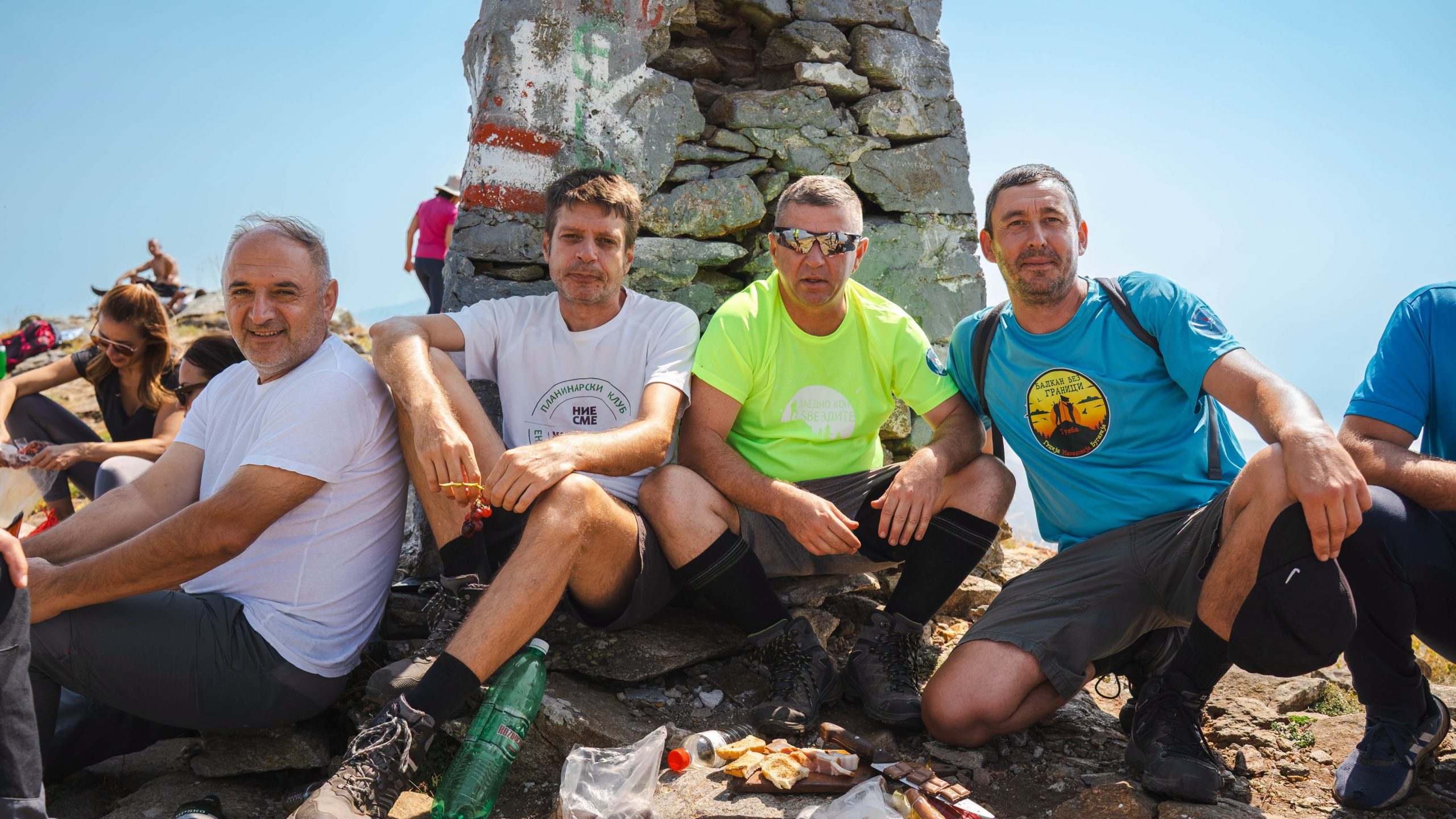
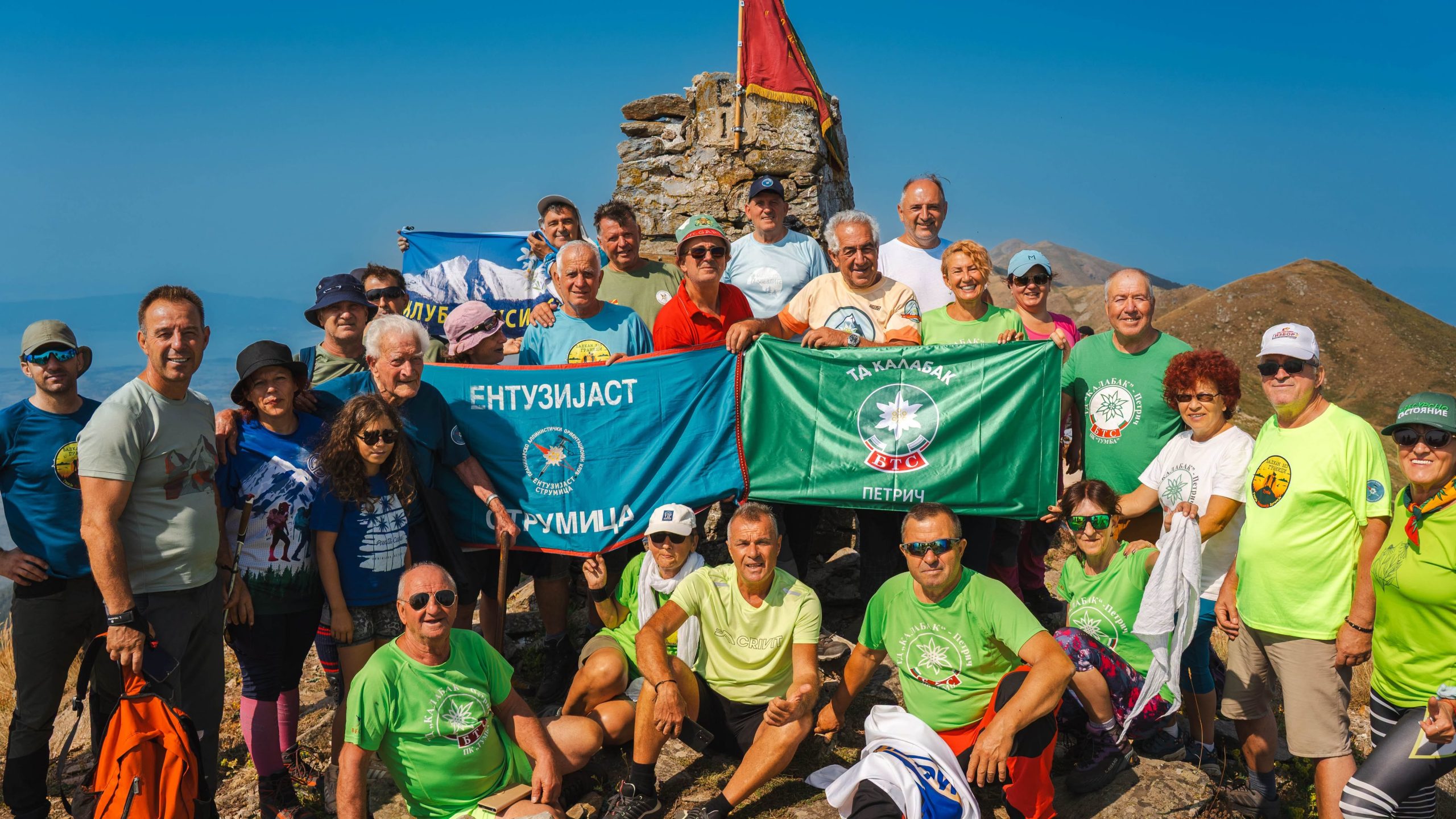
Hiking enthusiasts from North Macedonia, Bulgaria and Greece once again came together on Mount Belasica, near Tumba (Tri-Border) Peak, for the 26th edition of the traditional international hiking gathering “Balkan Without Borders”, organized by the Enthusiast Mountaineering Clubfrom Strumica.

As every year, participants hiked together to Tumba Peak, at 1,881 metres above sea level – a place where the borders of the three neighbouring countries meet. With its powerful symbolism, the peak is a reminder that nature and sport can create a space for meeting, exchange and cooperation, regardless of borders.

The shared climb, time spent together and moments in nature once again showed that mountains do not divide us – they bring us together.

Europe House Strumica was pleased to support the event, which for more than two decades has promoted hiking and friendship, created opportunities for new encounters, and brought people from across the region closer together.

From an Old T-Shirt to a New Story: “Wear Your Art” Brings Creativity and Sustainability Together

What if an old T-shirt could become a canvas for a new story?

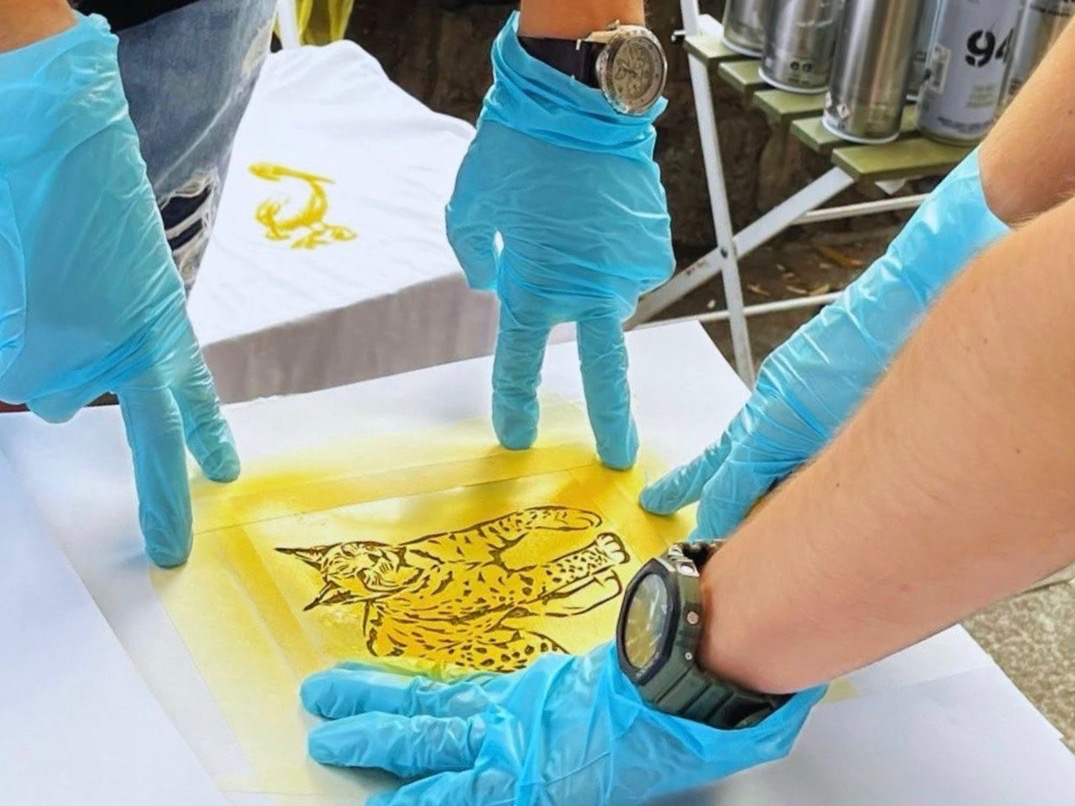
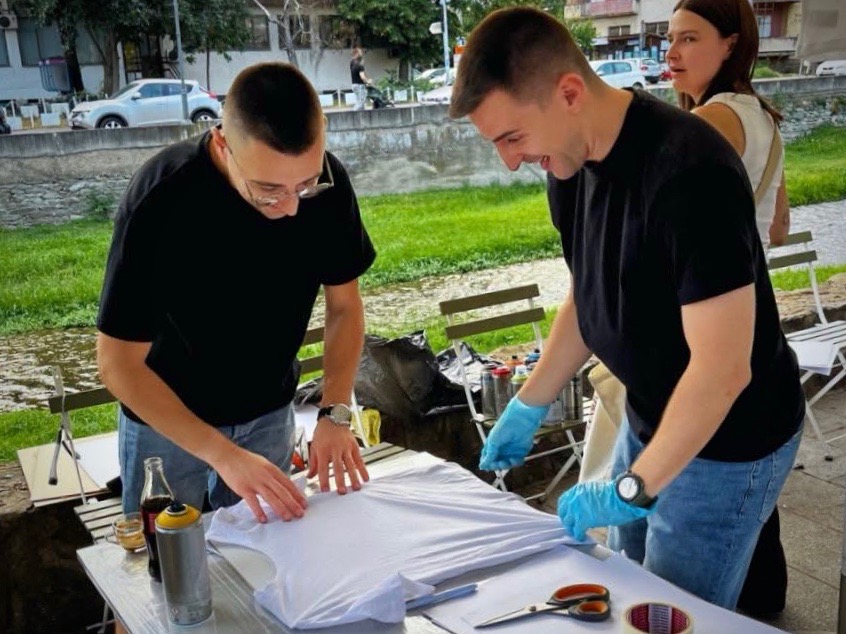
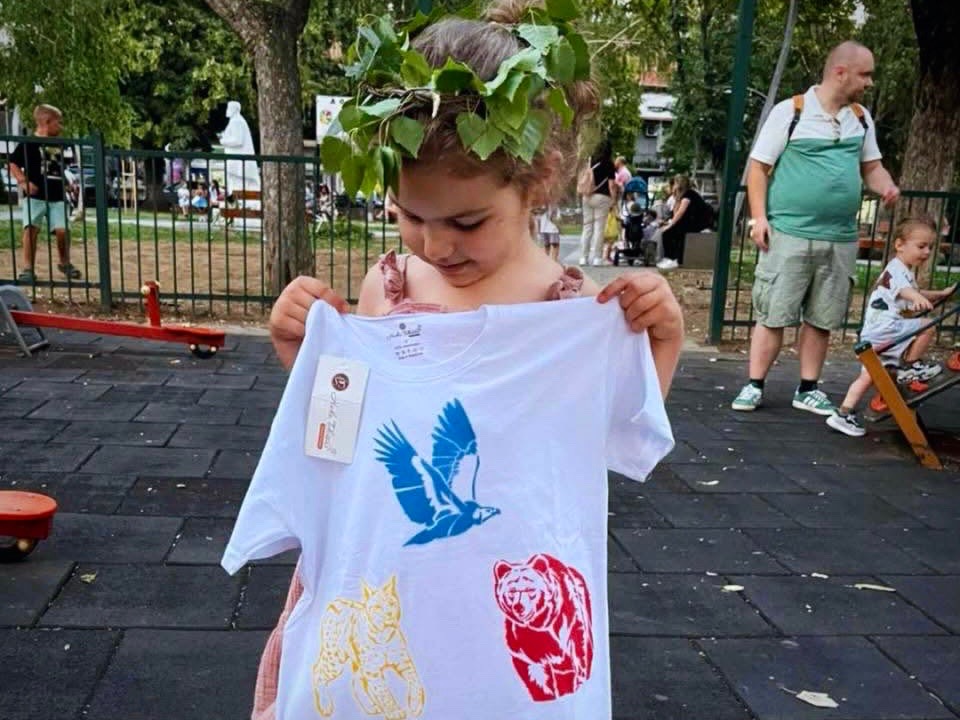
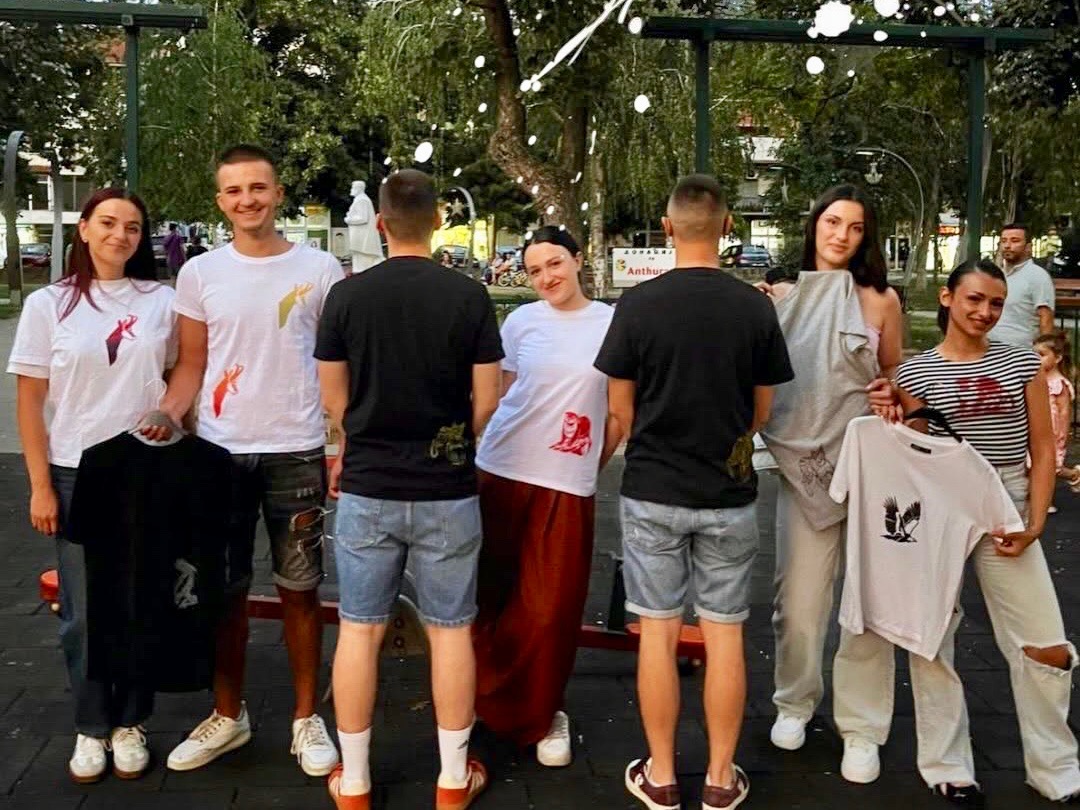
That was the idea behind Wear Your Art, a creative pop-up workshop organized by Europe House Strumica in collaboration with Gnezdo from Kočani, Tomislav and Simon. The workshop gave old T-shirts a whole new life — instead of ending up as waste, they were transformed into unique pieces of clothing.

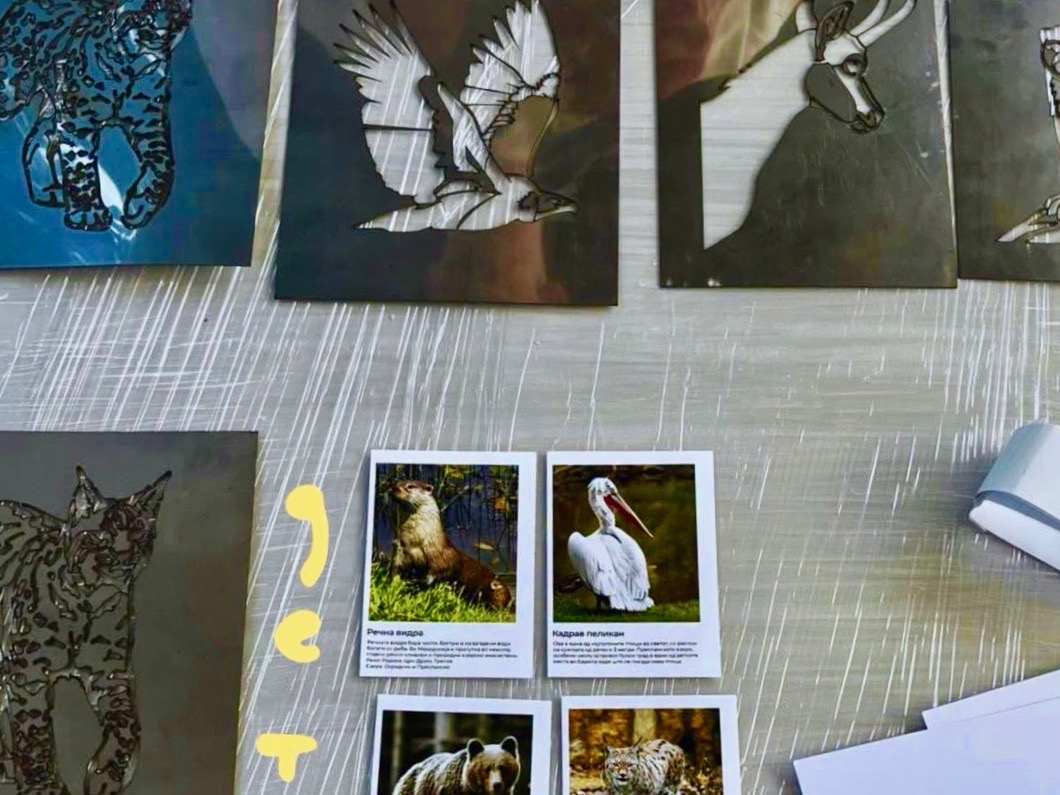
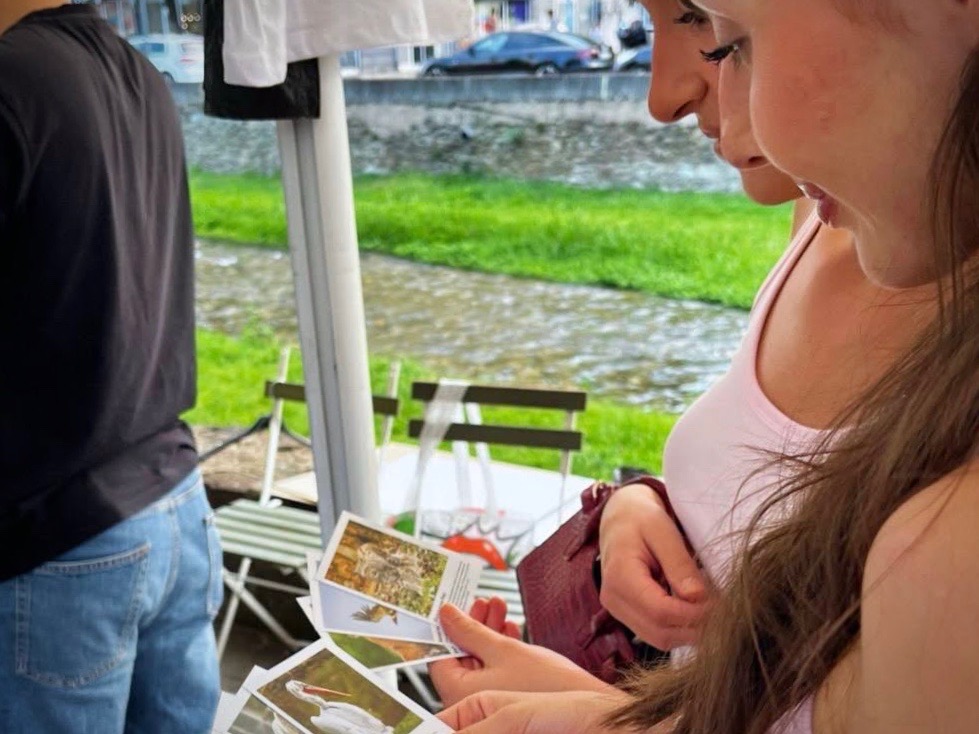
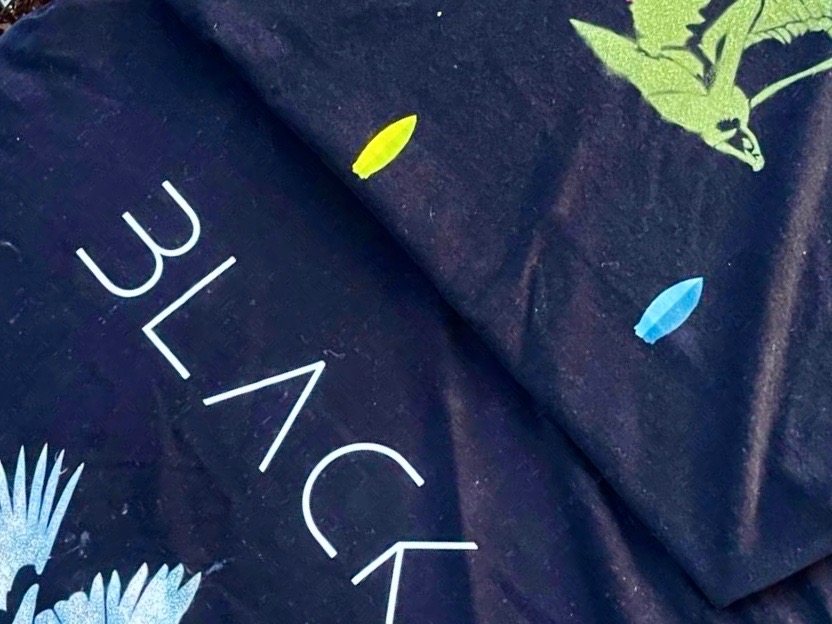
Using textile paints and specially designed stencils, participants created their own designs inspired by some of the most endangered animal species in North Macedonia and across the Balkans — the Balkan lynx, griffon vulture, Dalmatian pelican, Eurasian otter, brown bear and Balkan chamois.

Each print was more than just a piece of art. It was a reminder that creativity can be a powerful way not only to talk about sustainability and nature conservation, but also to put these values into practice.

And the need for ideas like these is growing. Globally, around 92 million tonnes of textile waste end up in landfills every year. Much of the clothing we throw away can be given a second life — as something new, with a new purpose or a new story.

Wear Your Art showed that sustainability does not have to be a serious topic of conversation. It can be creative, fun and personal — something that starts with an individual choice and carries a personal touch.

Why Protecting Bees Matters for Our Future: Learning About Sustainable Beekeeping

A day filled with new knowledge, hands-on experience and inspiration for how each of us can contribute to protecting bees and biodiversity.

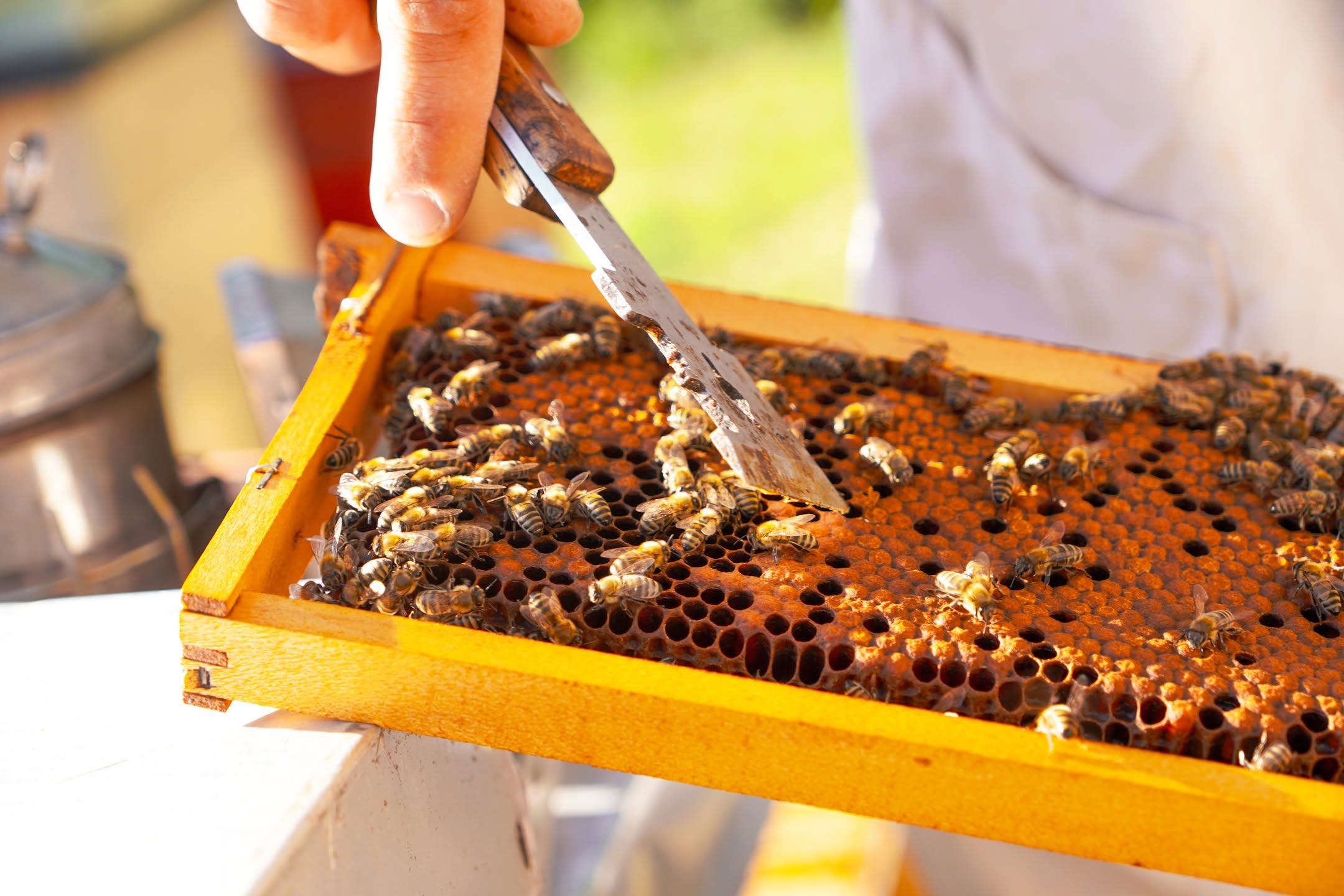
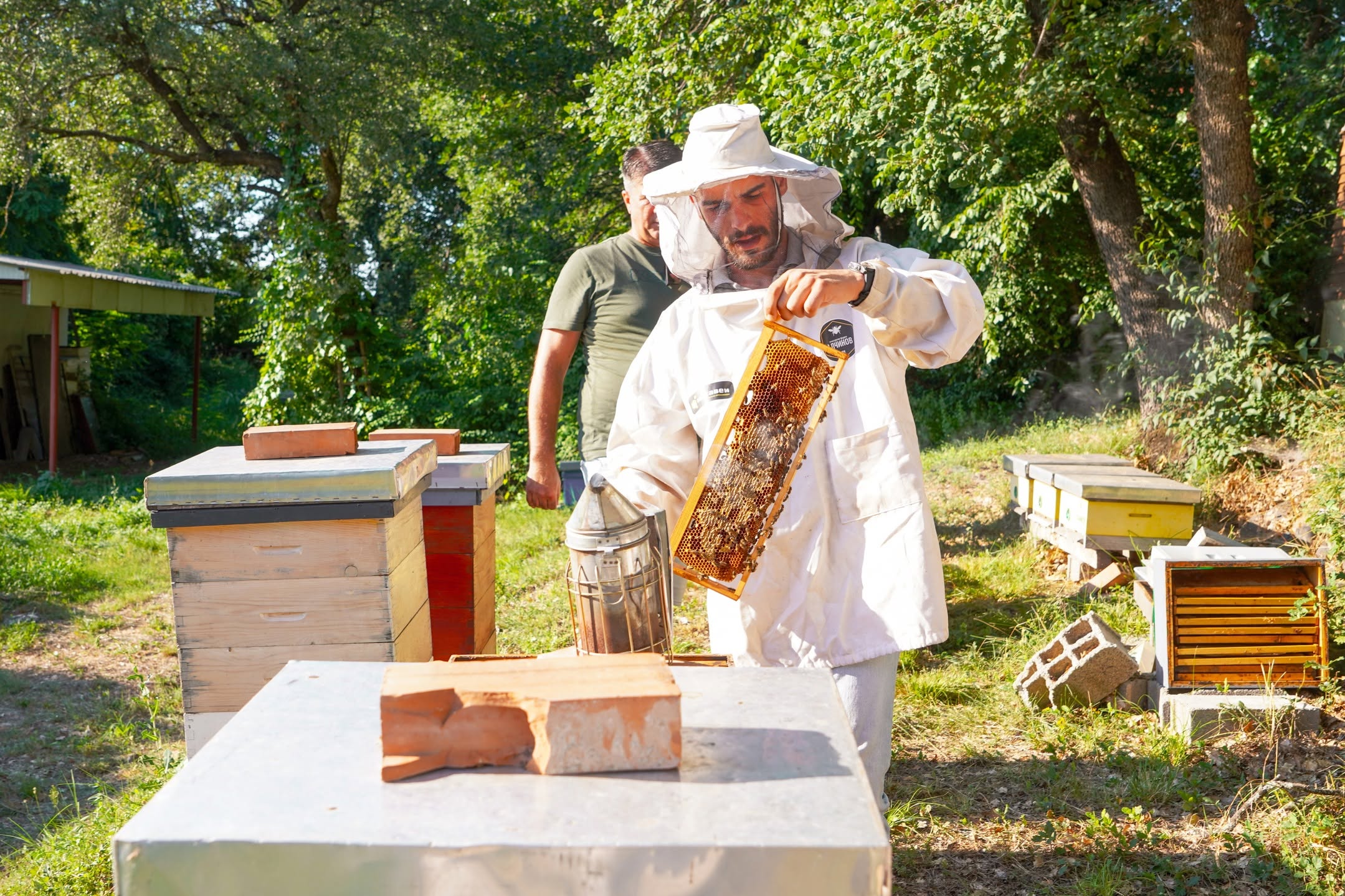
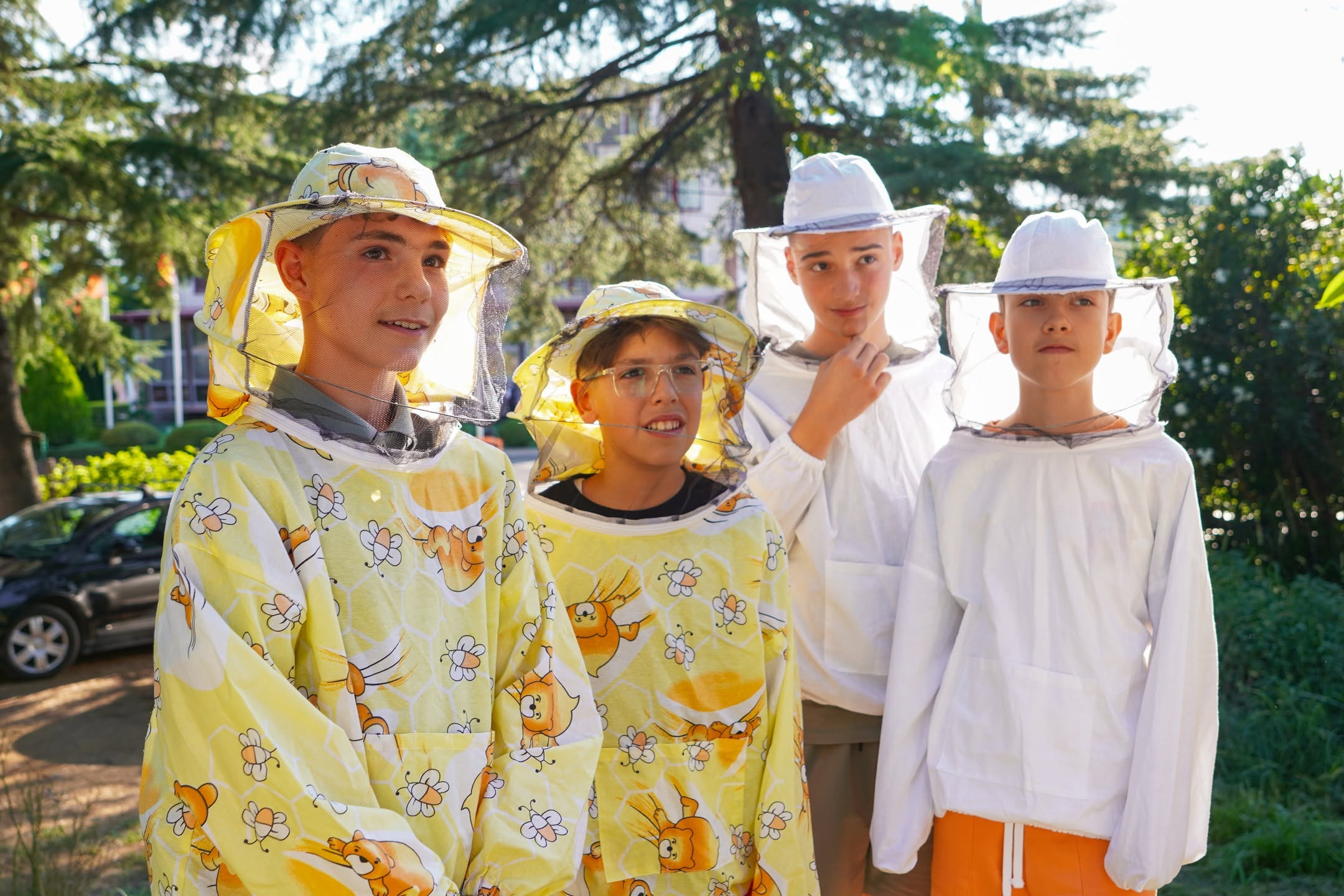
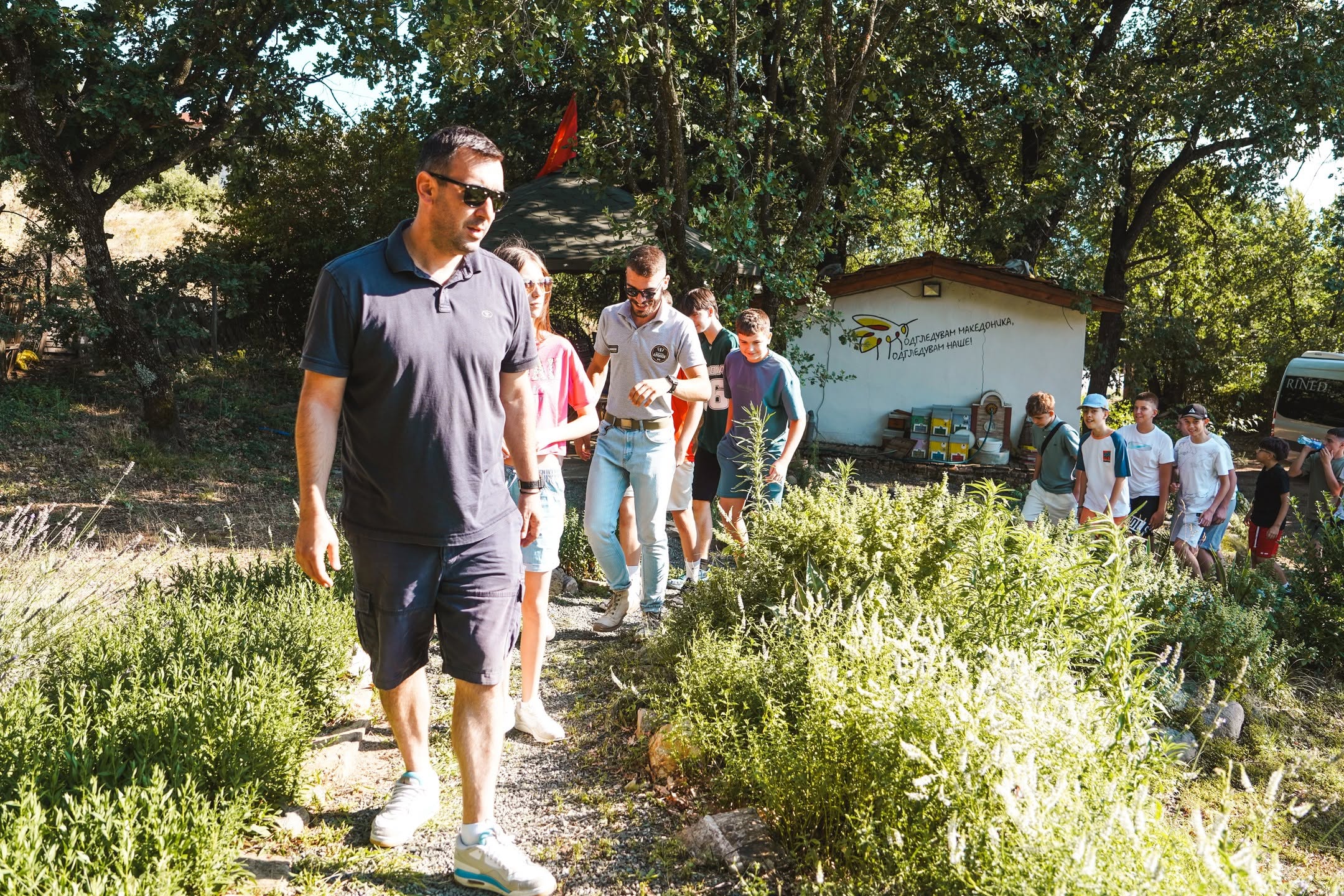
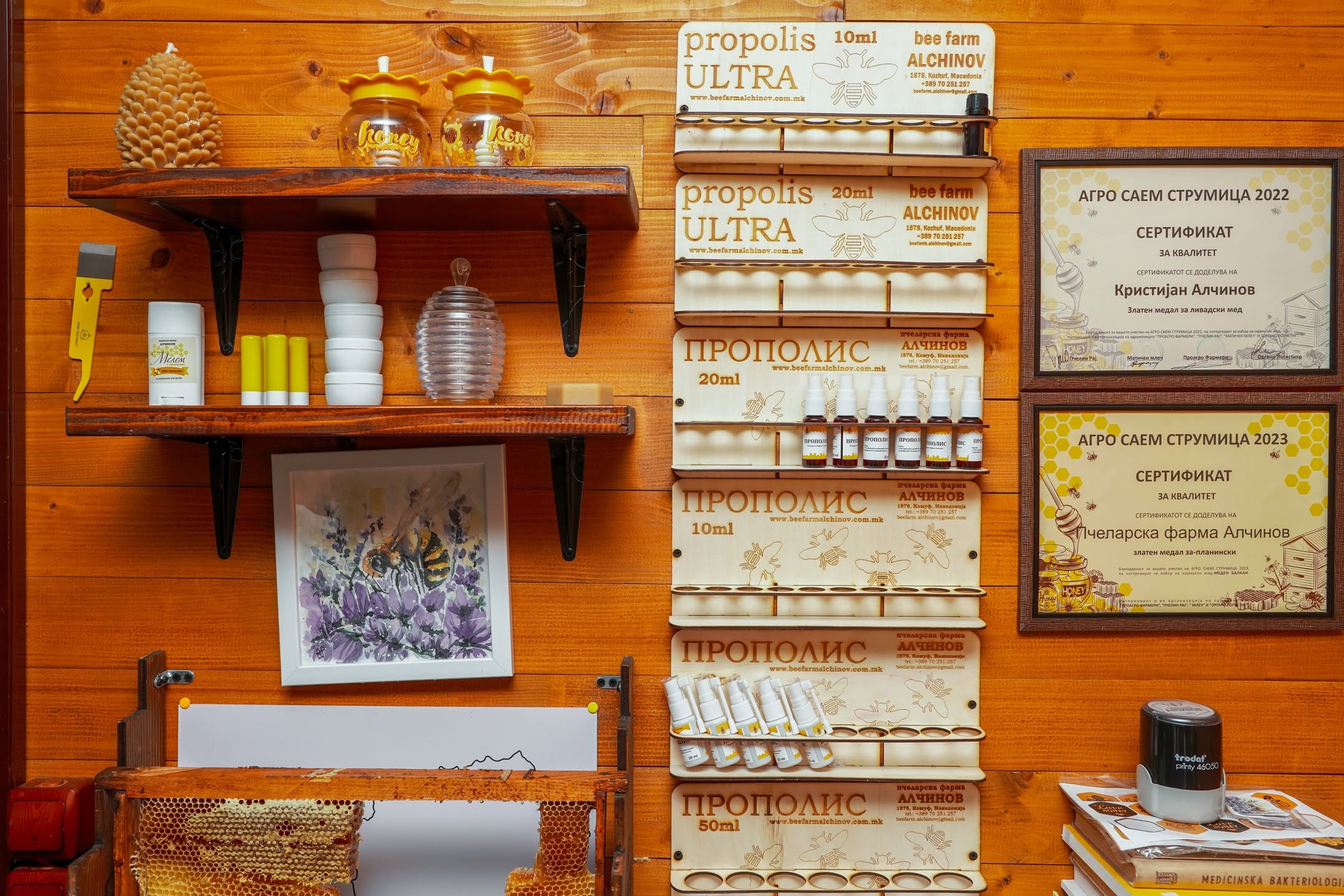
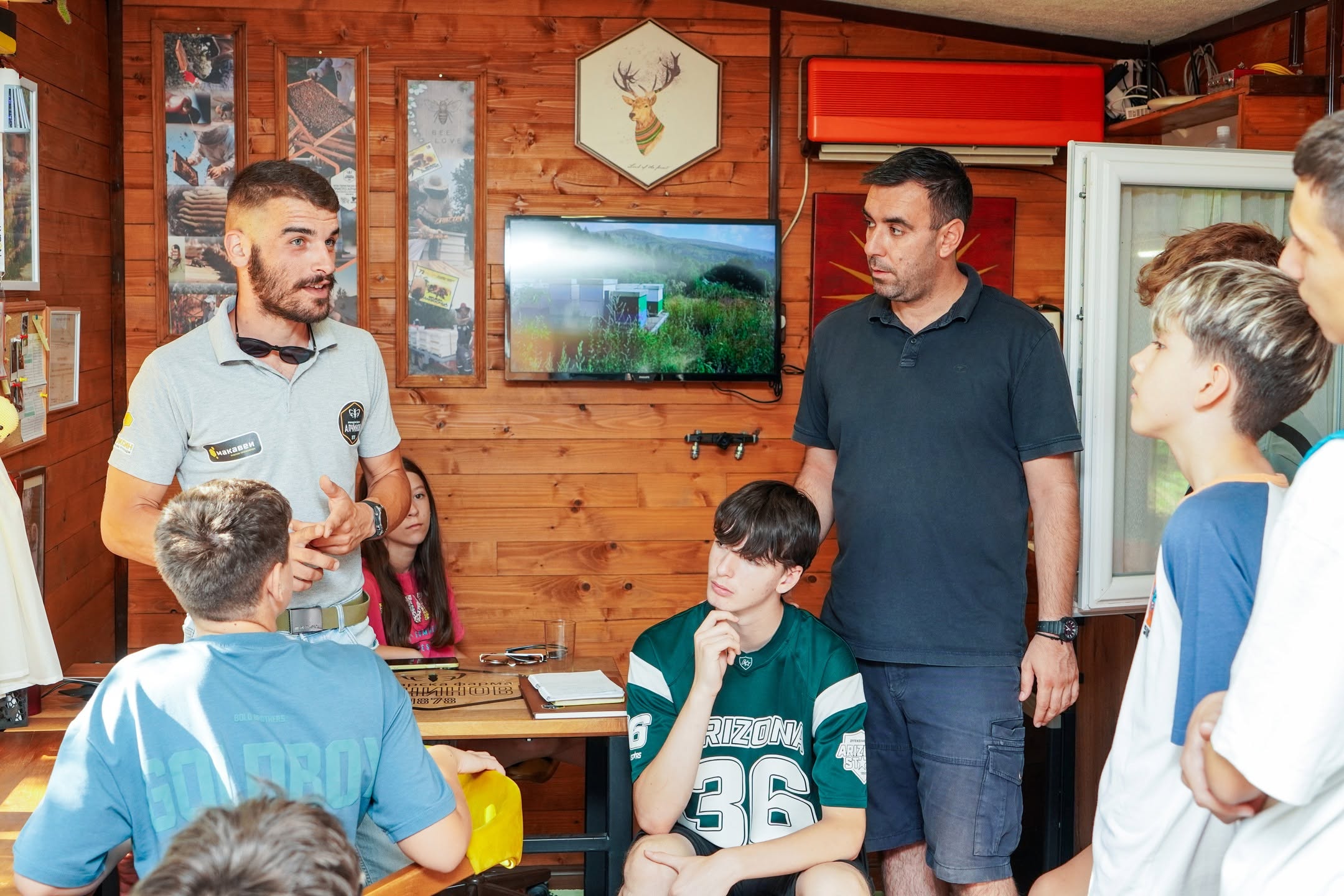
As part of a workshop organised by Europe House Strumica, we visited the Alchinov beekeeping farm and apitherapy centre in the Gevgelija region, where we explored the tradition of beekeeping and learned about the vital role bees play in nature and sustainability.

We got a close-up look at bee colonies, learned how beekeepers care for their hives, and discovered why bees are essential to protecting biodiversity.

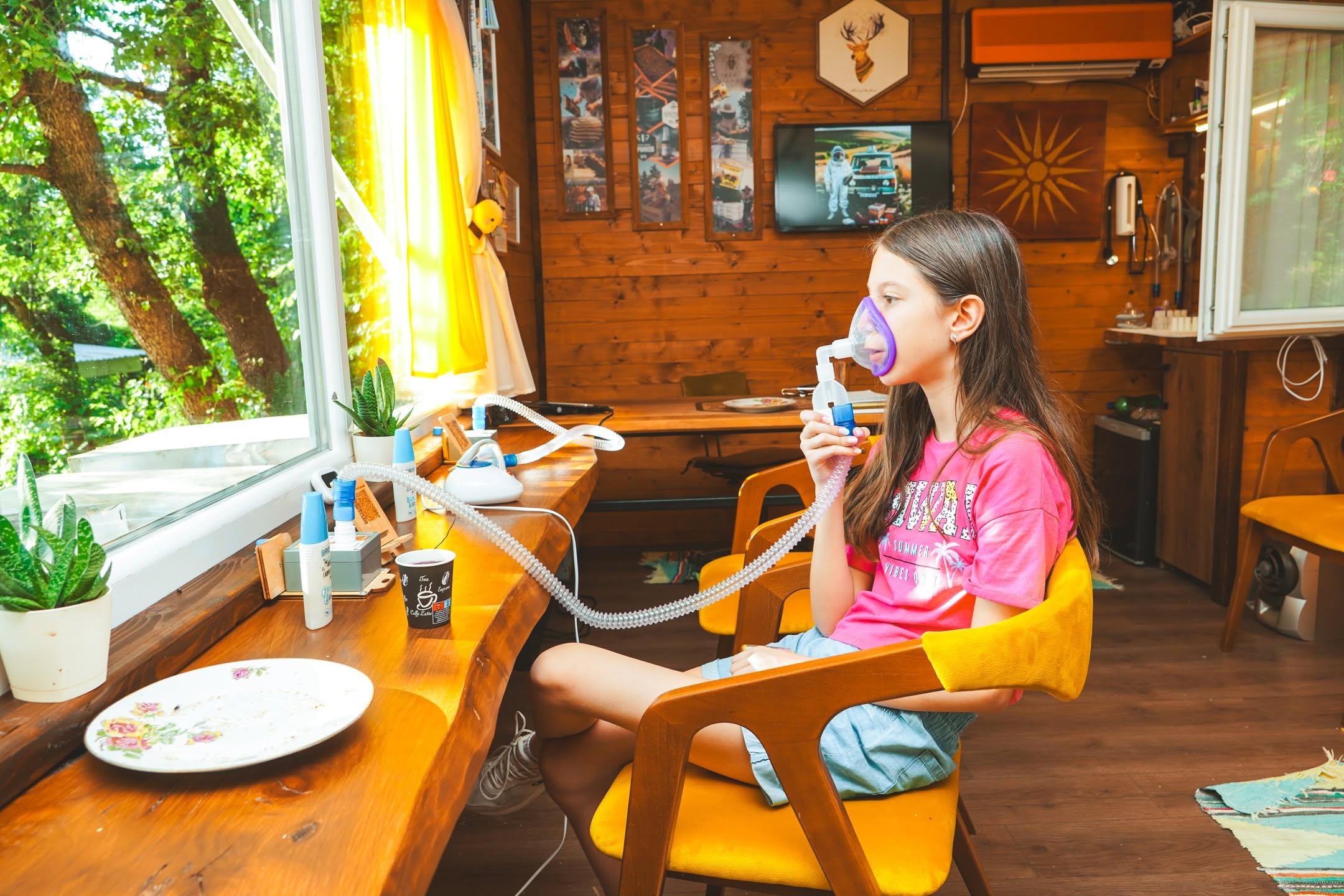
We also visited the apitherapy room, where we experienced the world of bees up close, breathed in natural air from the hives and learned about a variety of bee products.

Most importantly, we learned that caring for bees means caring for nature — and for our sustainable future.

Bees are among nature’s most important guardians of ecological balance. They pollinate a large share of flowering plants, helping to preserve biodiversity and support the food that reaches our tables every day.

Yet bees are facing growing threats. Climate change, the loss of natural habitats and the excessive use of pesticides pose serious risks to their survival.

That’s why supporting the people who care for bees every day and promote sustainable beekeeping is also a way of protecting the balance of our ecosystems — and the future we all depend on.

Workshop: Basics of photography in Europe House Strumica

“Day 1️⃣ of Basics of photography 📸 together with the professional photographer Stole Angelov in Europe House Strumica ended successfully. Attendees got acquainted with how the equipment is used, the different lenses, which means the composition of the photograph, depth, contrast, as well as the color theories and the basic rules used in photography.


Subscribe To our newsletter!