Irena Hristov, Author at Europe House - Page 2 of 2

When Fashion Tells a Story: The Tradition and Identity of the Polog Region

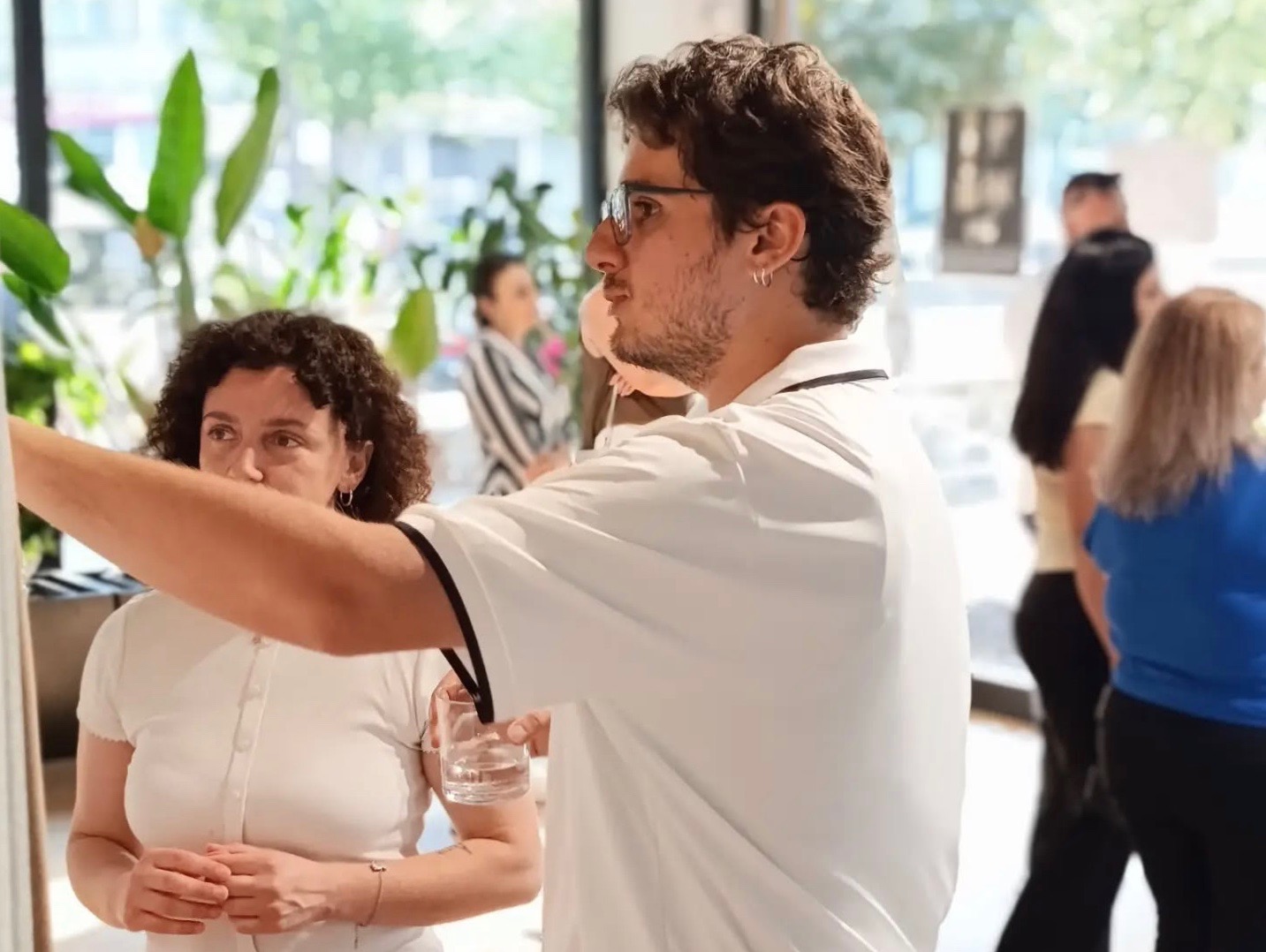
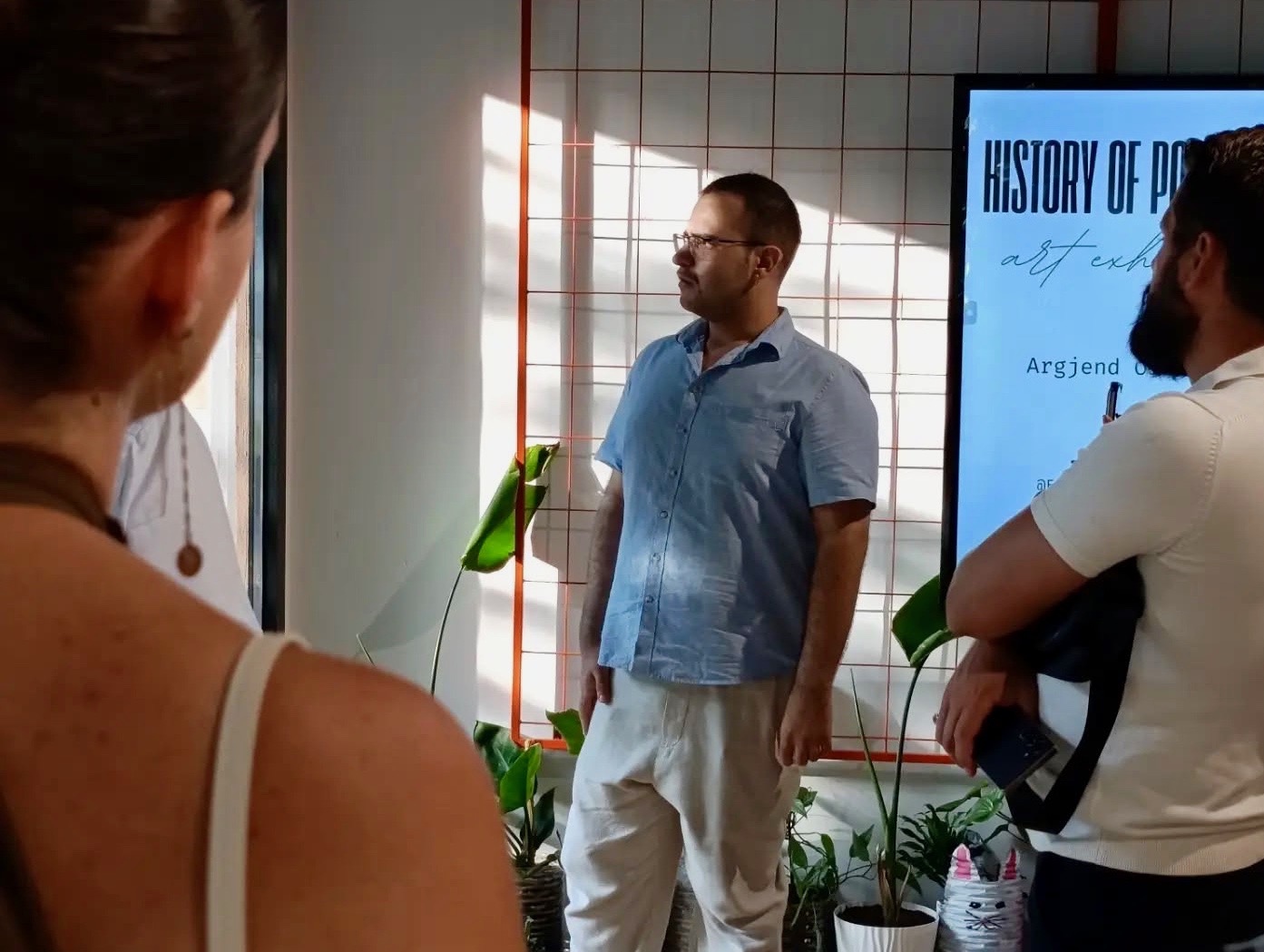
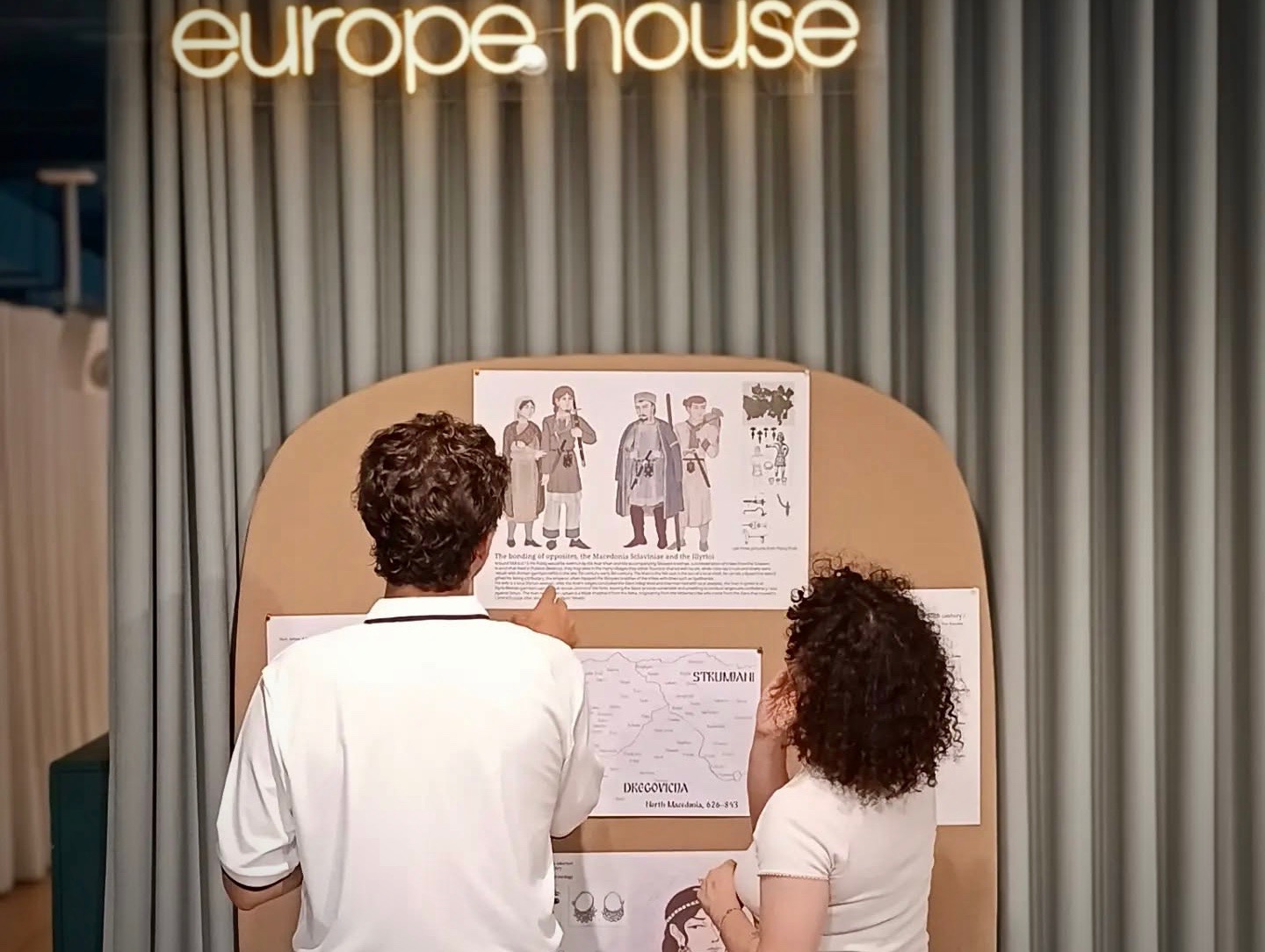
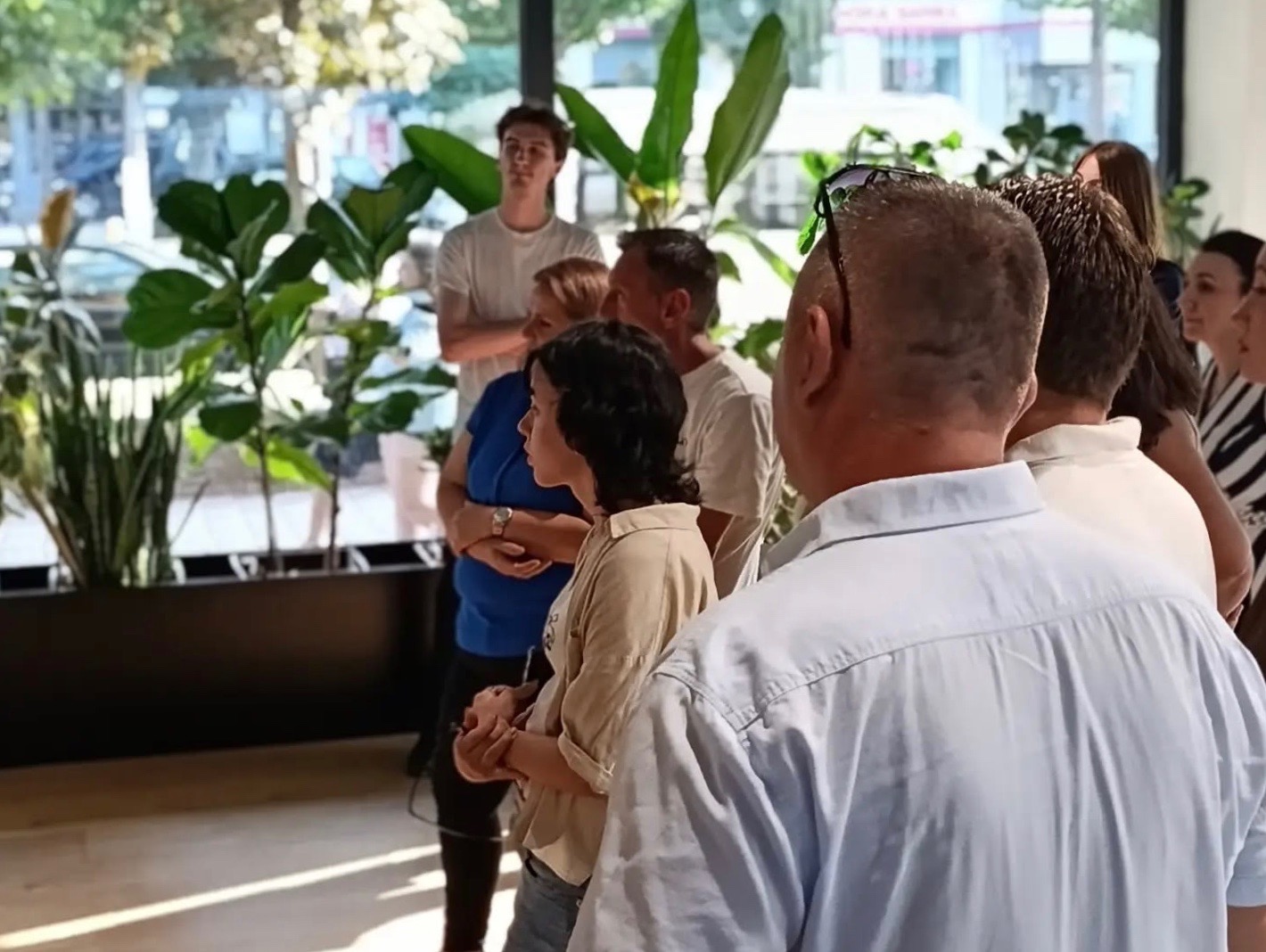
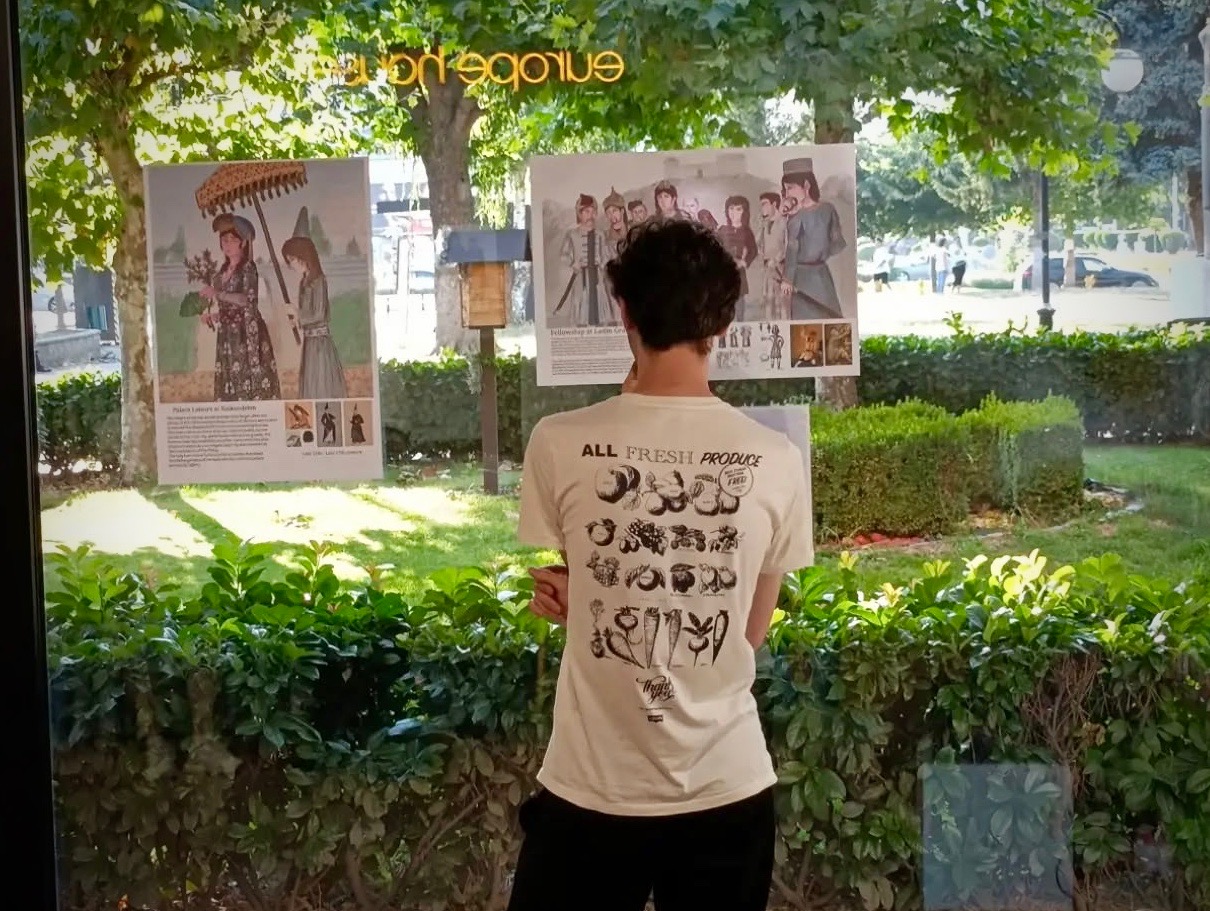
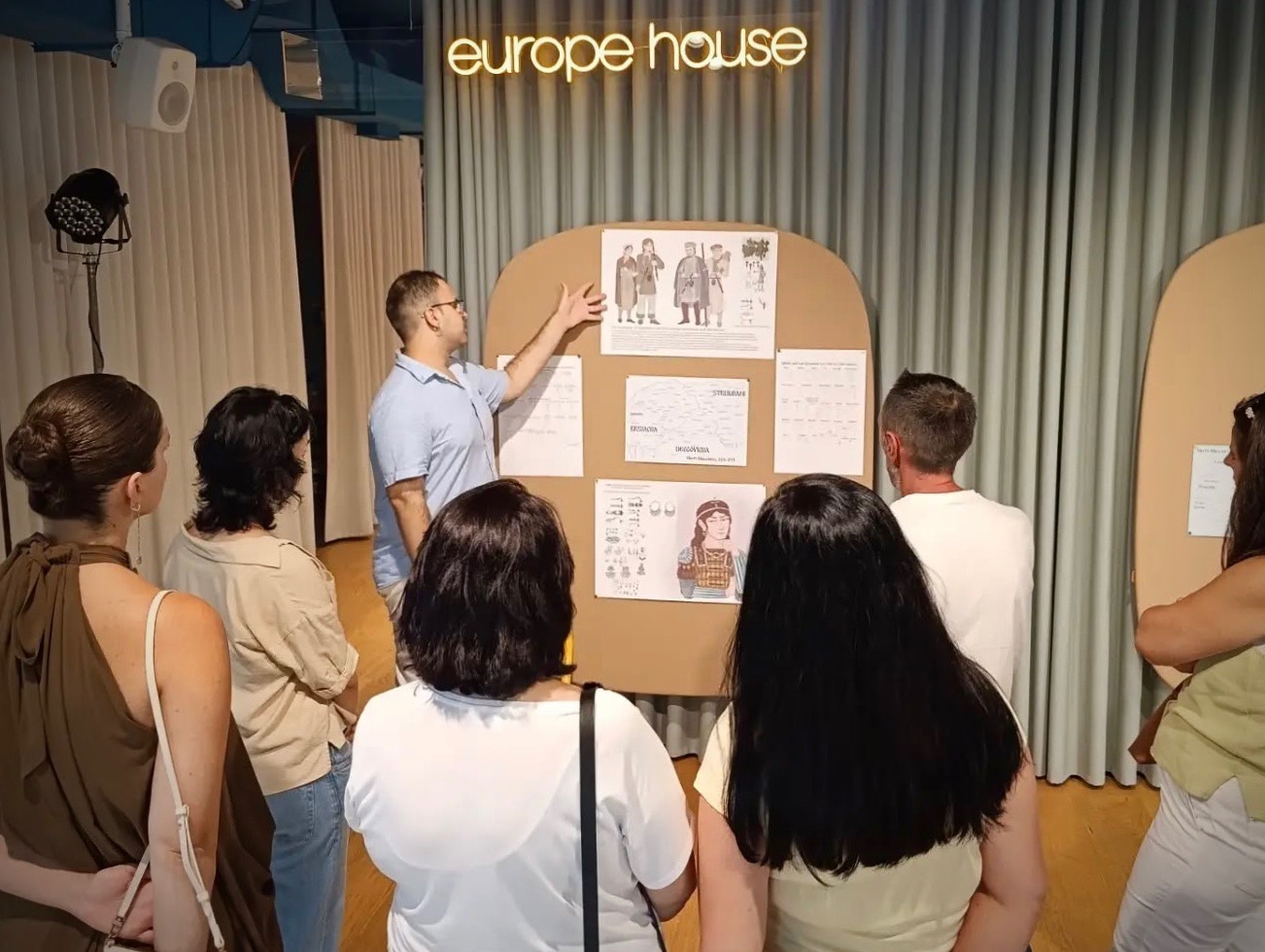
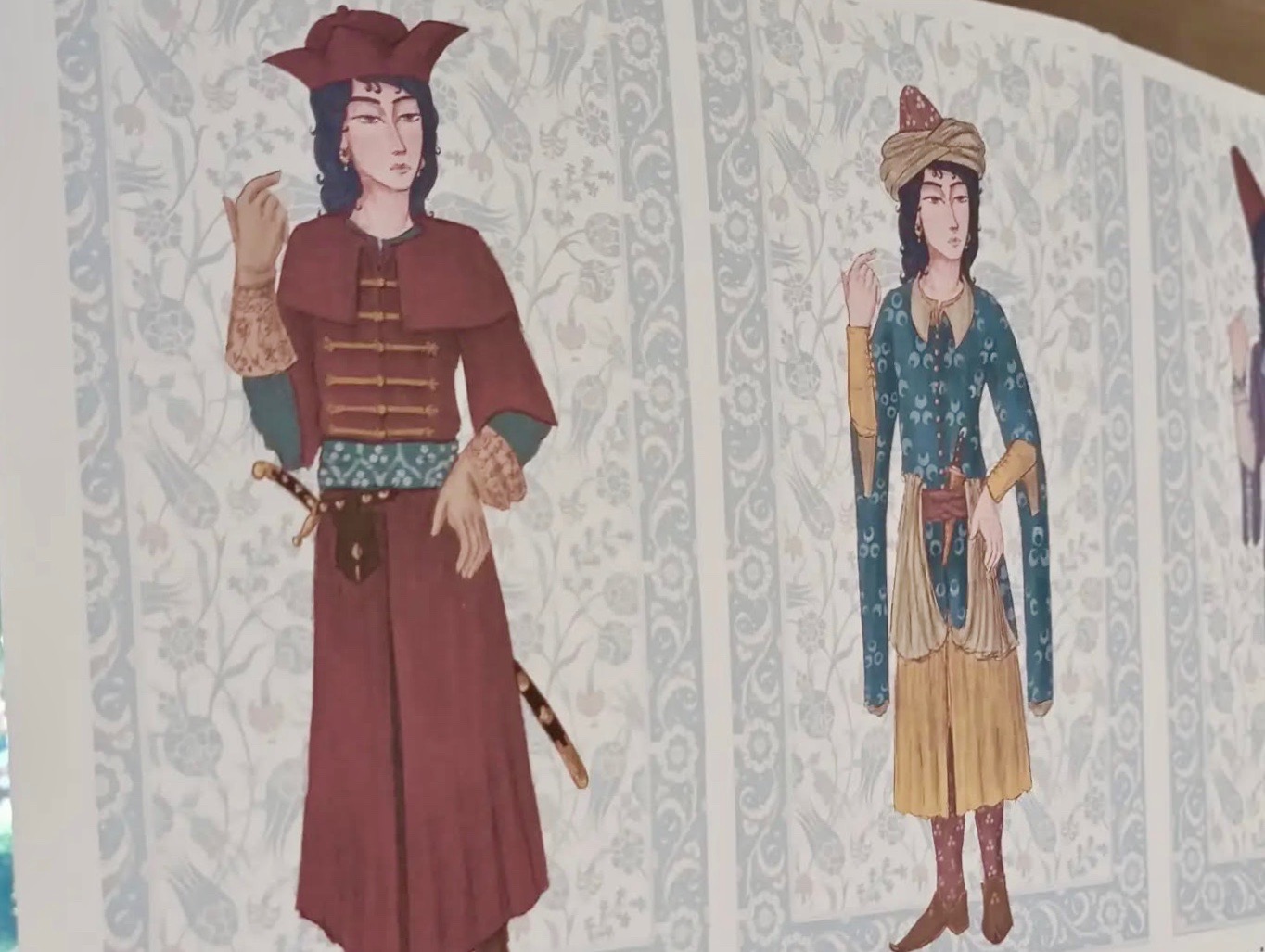
What can fashion tell us about the history, traditions and identity of a region? We explored these questions through the exhibition “The History of Polog Fashion”, presented at Europe House Tetovo.

Through authentic stories and fashion elements from different historical periods, the exhibition traces the evolution of fashion in the Polog Region and shows how clothing and traditional elements become part of a community’s cultural identity and heritage.

The exhibition is the result of the dedicated work of Argjend Osmani, whose initiative contributes to researching, preserving and promoting the cultural heritage of the Polog Region. His work shows how young people can play an important role in uncovering local stories and bringing them closer to new generations.

“The History of Polog Fashion” reminded us that every traditional element carries its own story – about the time, the people and the place it comes from.
Why Protecting Bees Matters for Our Future: Learning About Sustainable Beekeeping

A day filled with new knowledge, hands-on experience and inspiration for how each of us can contribute to protecting bees and biodiversity.

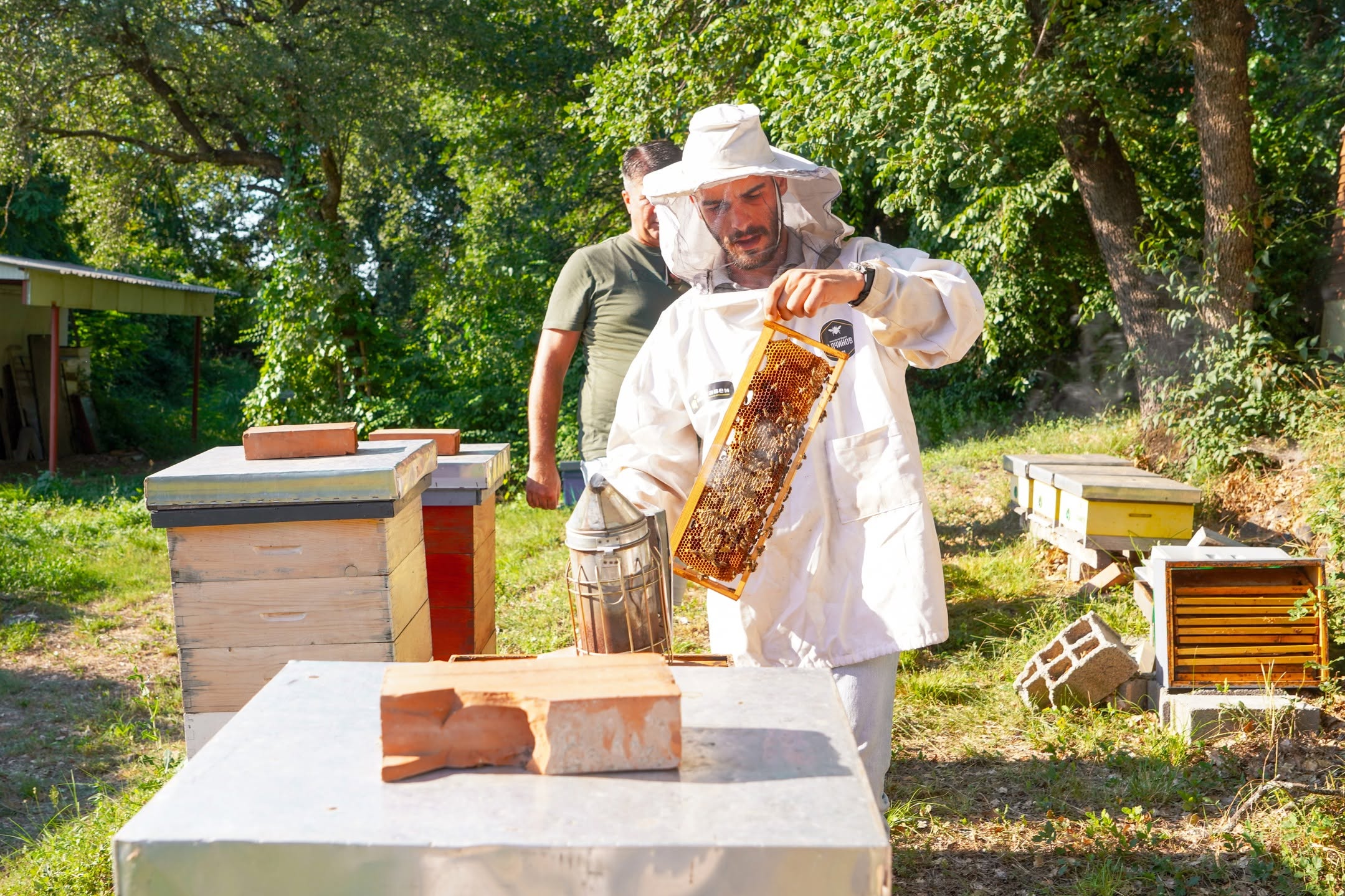
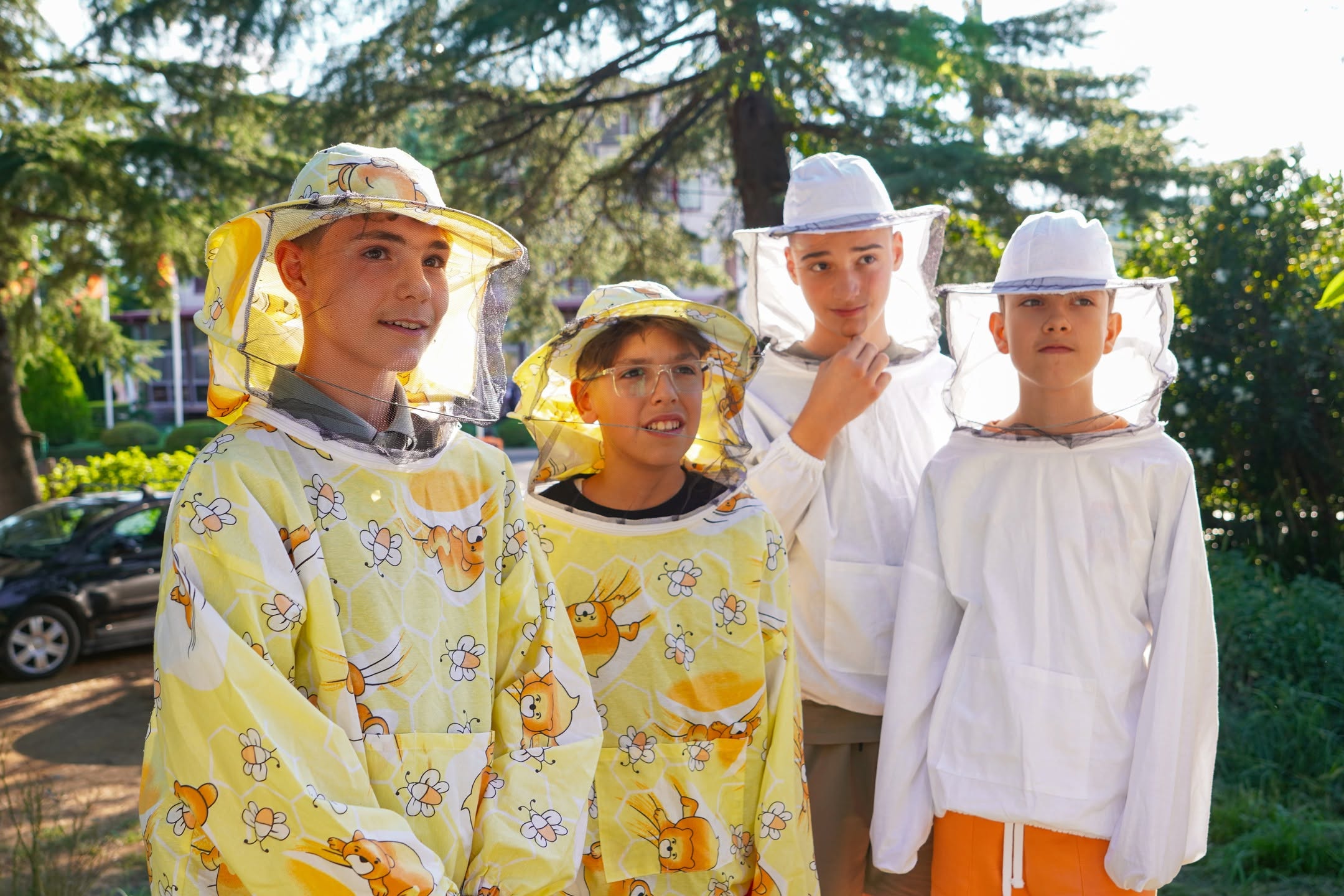
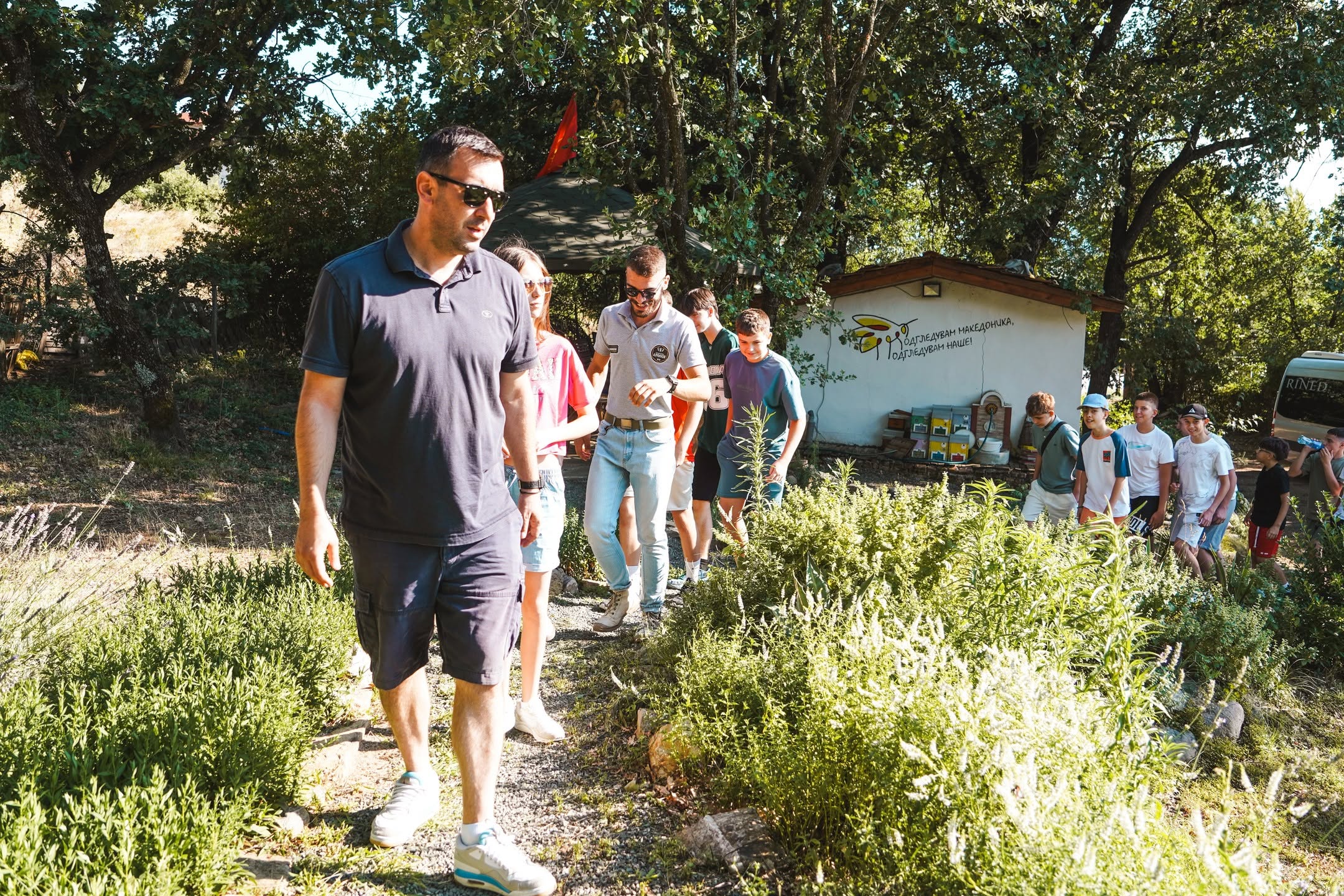
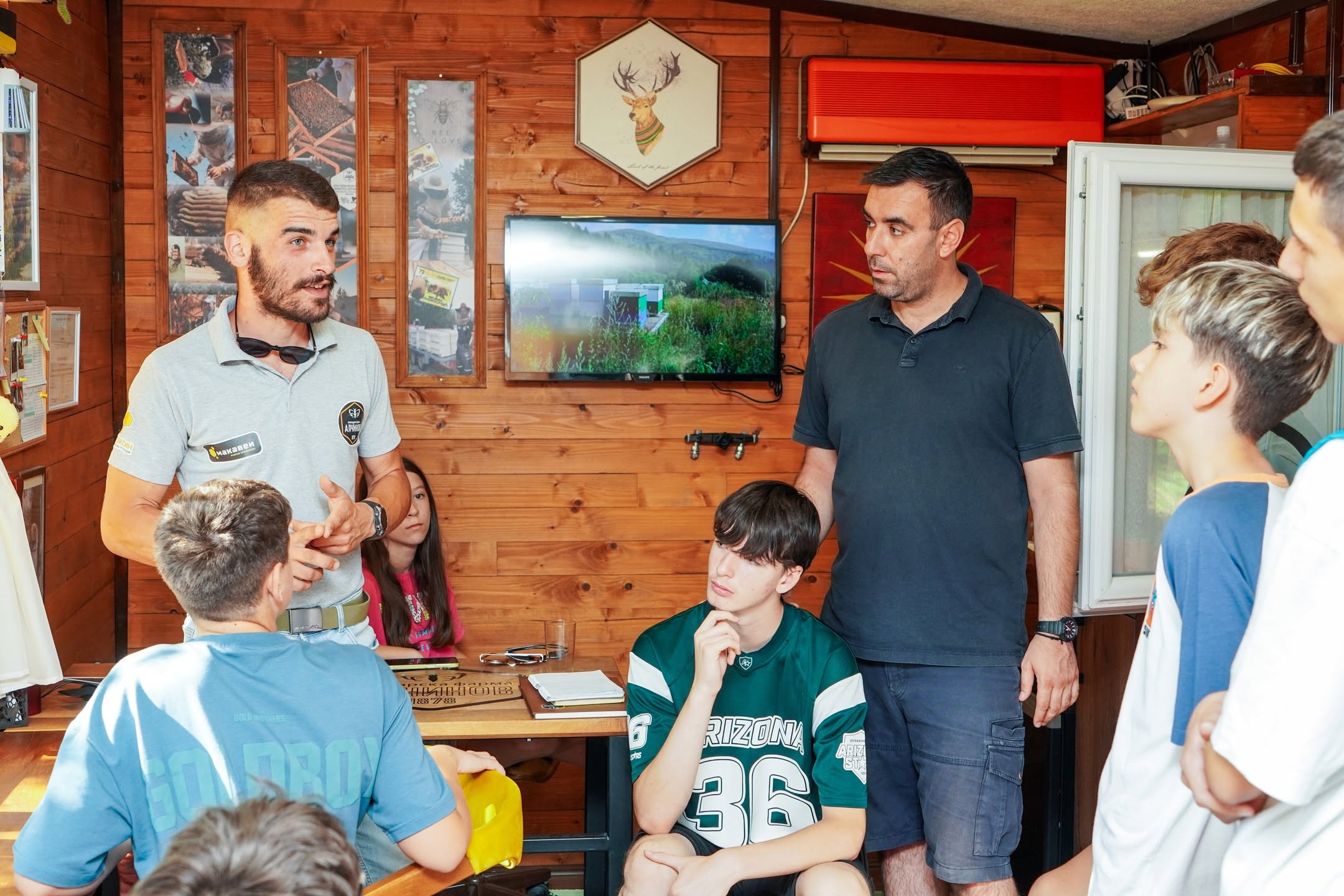
As part of a workshop organised by Europe House Strumica, we visited the Alchinov beekeeping farm and apitherapy centre in the Gevgelija region, where we explored the tradition of beekeeping and learned about the vital role bees play in nature and sustainability.

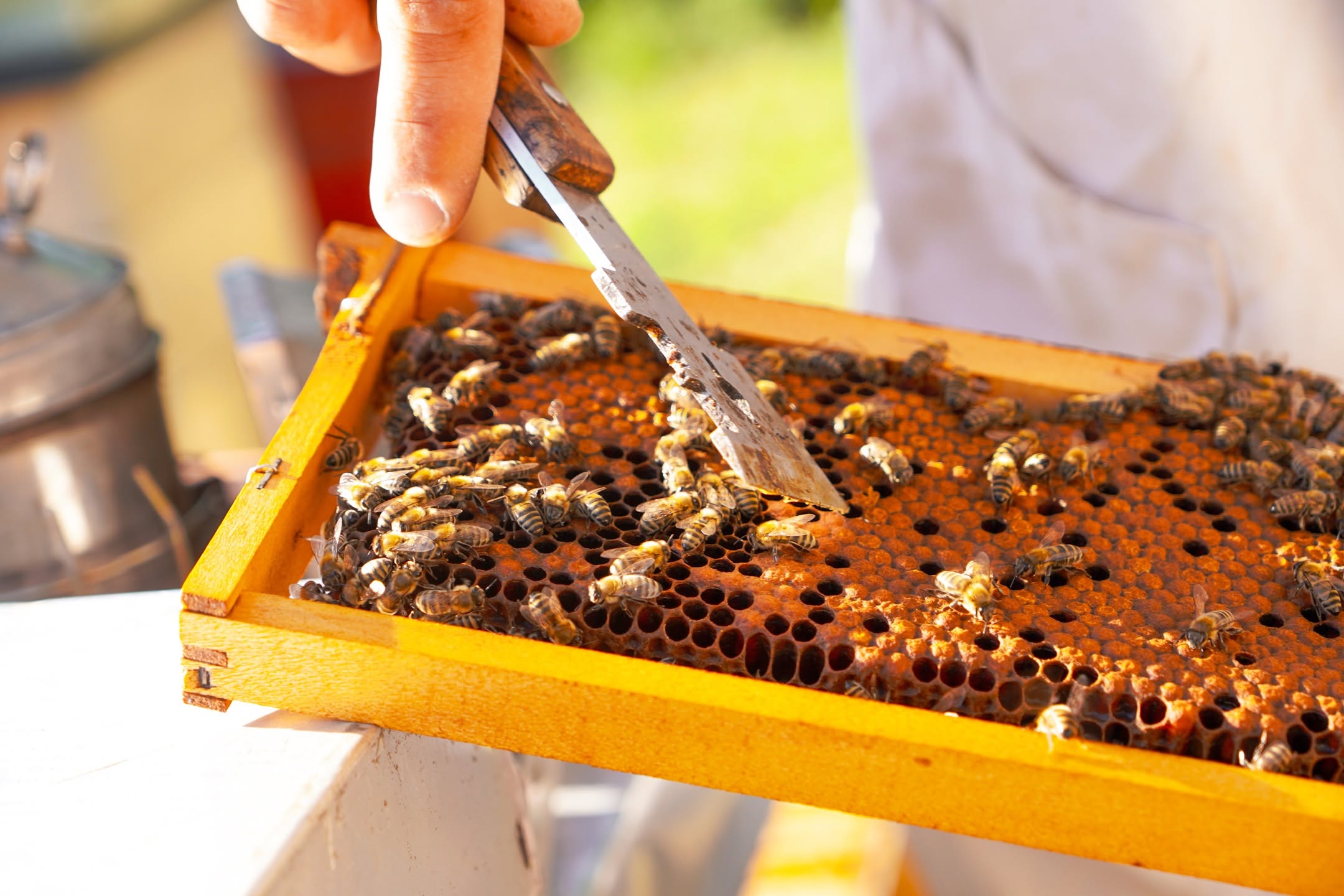
We got a close-up look at bee colonies, learned how beekeepers care for their hives, and discovered why bees are essential to protecting biodiversity.

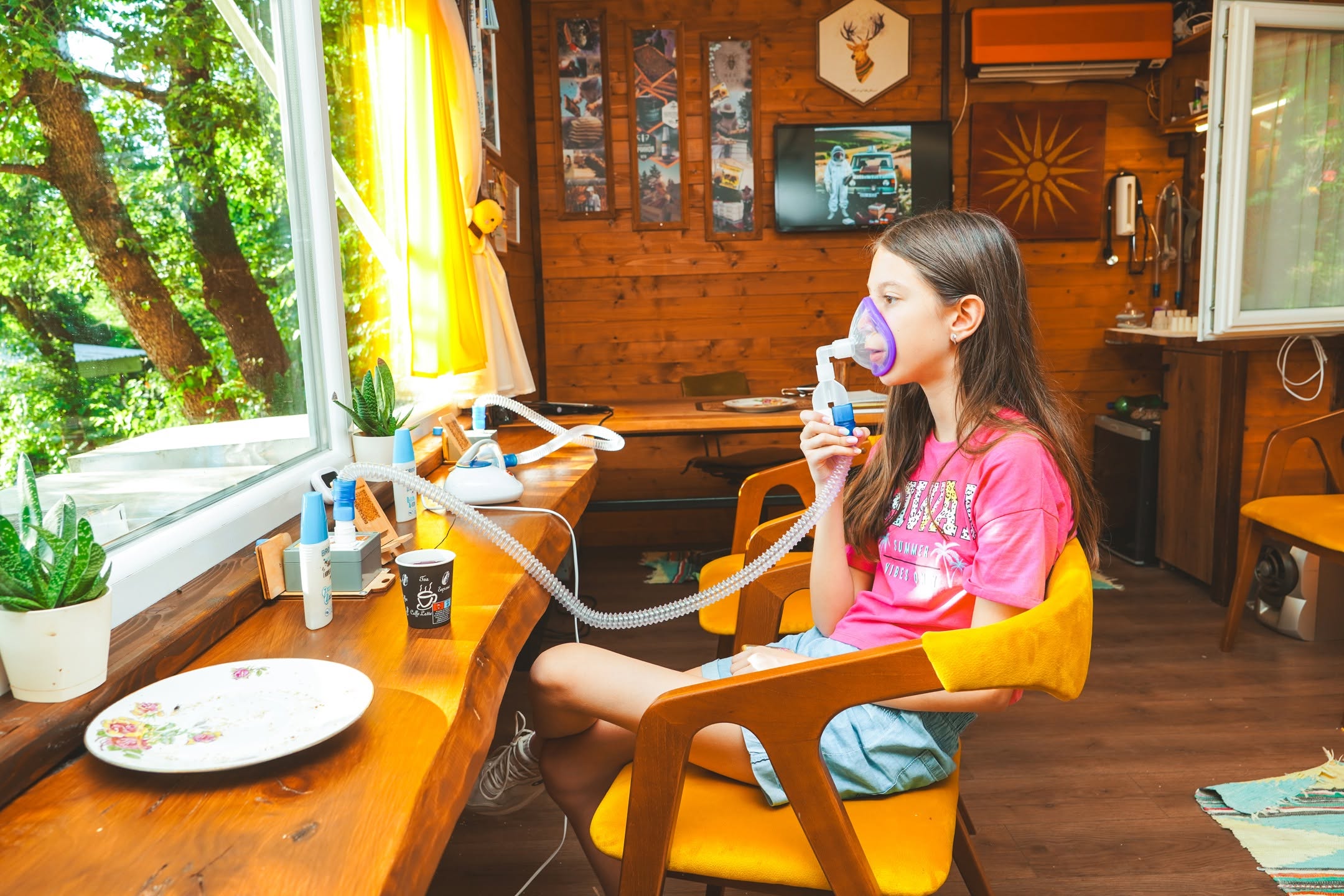
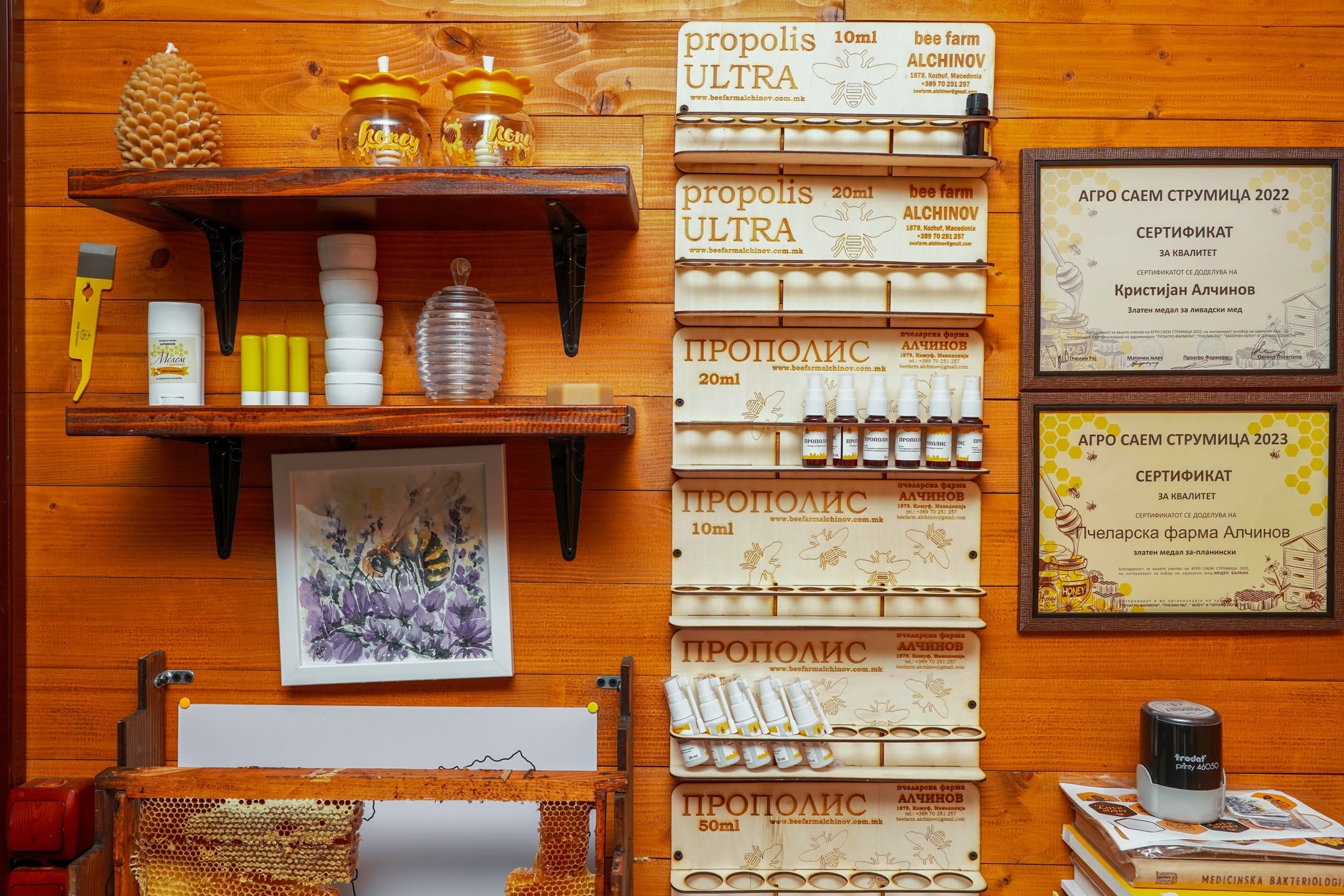
We also visited the apitherapy room, where we experienced the world of bees up close, breathed in natural air from the hives and learned about a variety of bee products.

Most importantly, we learned that caring for bees means caring for nature — and for our sustainable future.

Bees are among nature’s most important guardians of ecological balance. They pollinate a large share of flowering plants, helping to preserve biodiversity and support the food that reaches our tables every day.

Yet bees are facing growing threats. Climate change, the loss of natural habitats and the excessive use of pesticides pose serious risks to their survival.

That’s why supporting the people who care for bees every day and promote sustainable beekeeping is also a way of protecting the balance of our ecosystems — and the future we all depend on.

Subscribe To our newsletter!