Irena Hristov, Author at Europe House - Page 4 of 4

“Paint and Connect” – One Composition, Different Artistic Interpretations

What happens when the same composition is seen through different eyes? – Different stories emerge, with different colors, perspectives and forms of artistic expression.

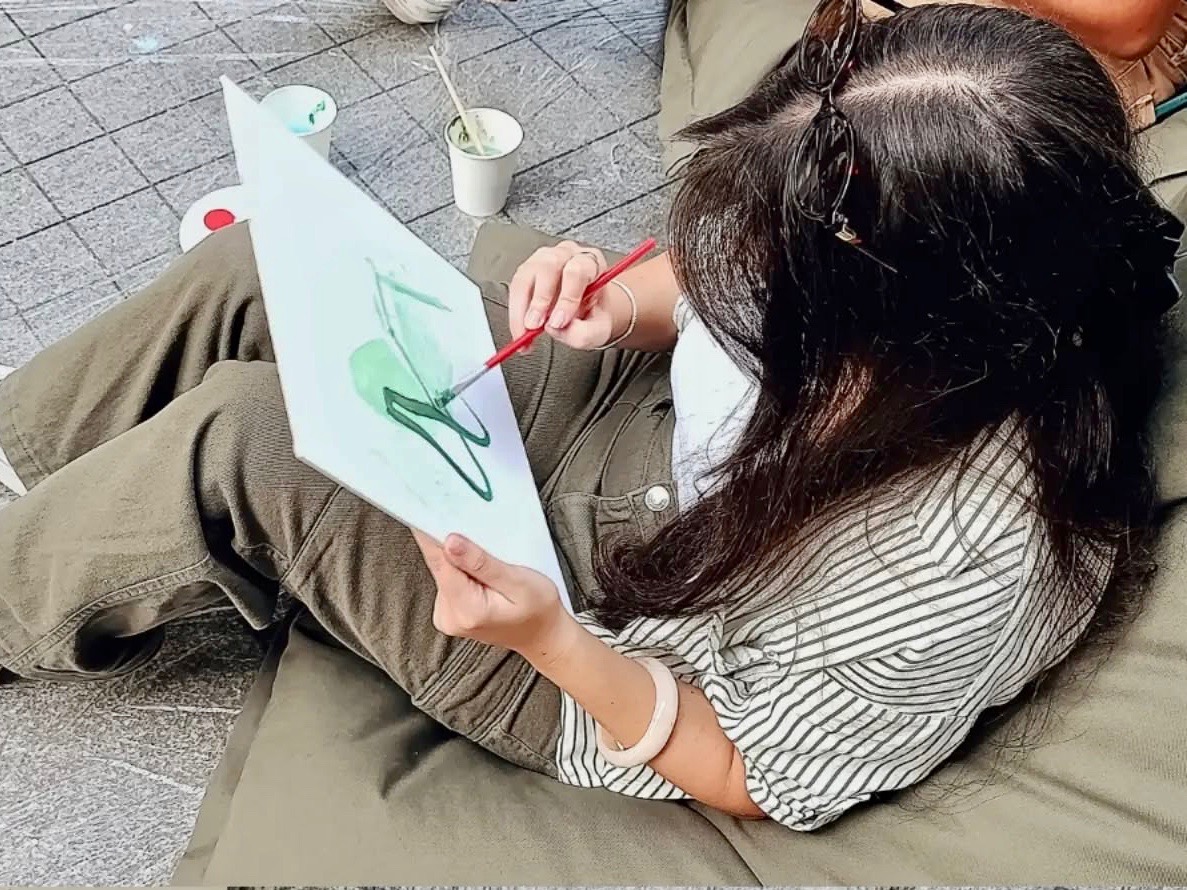
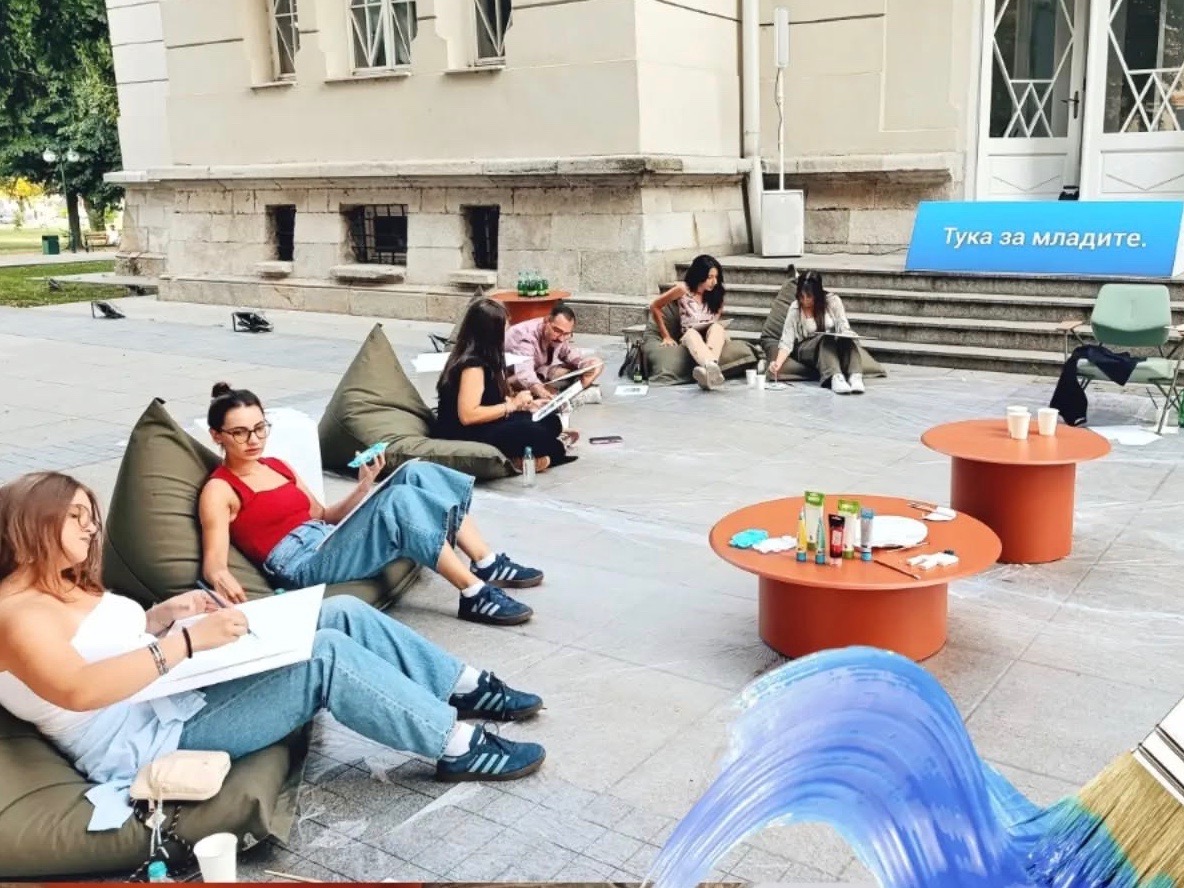
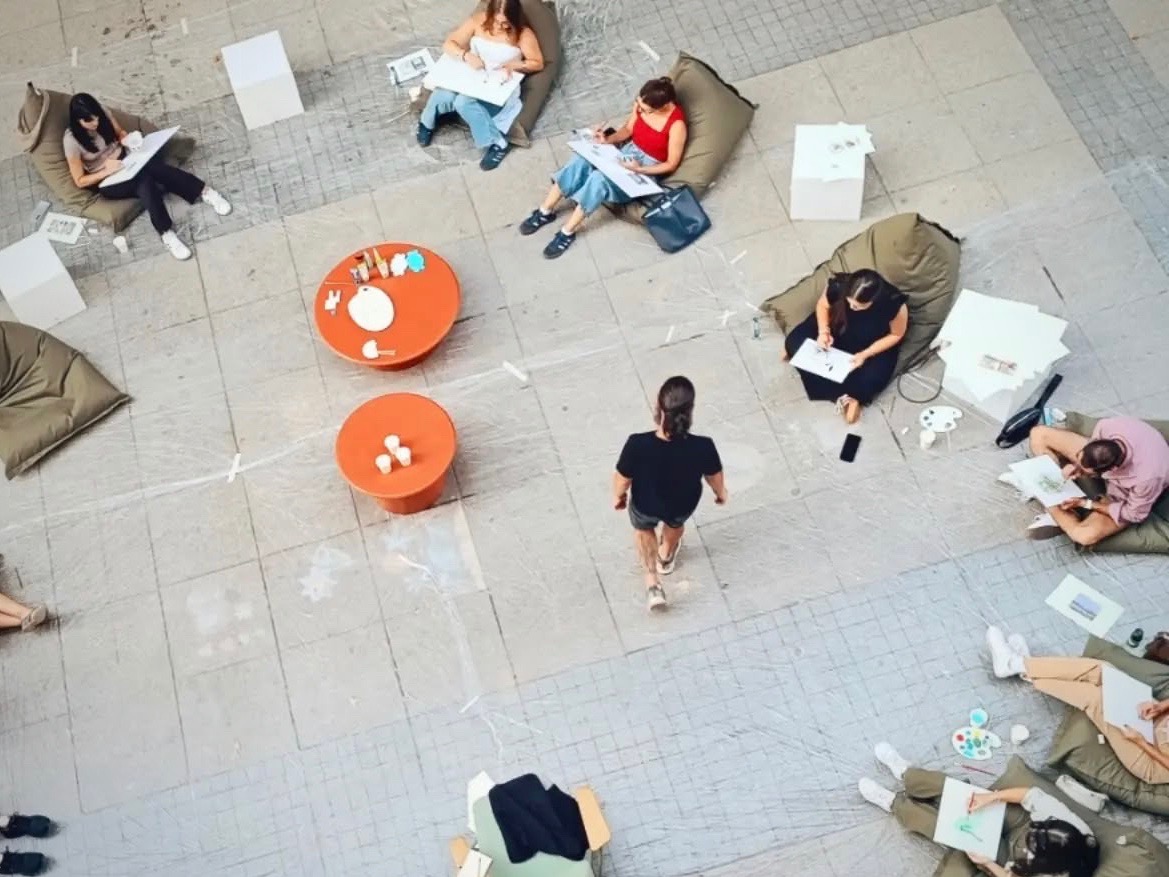
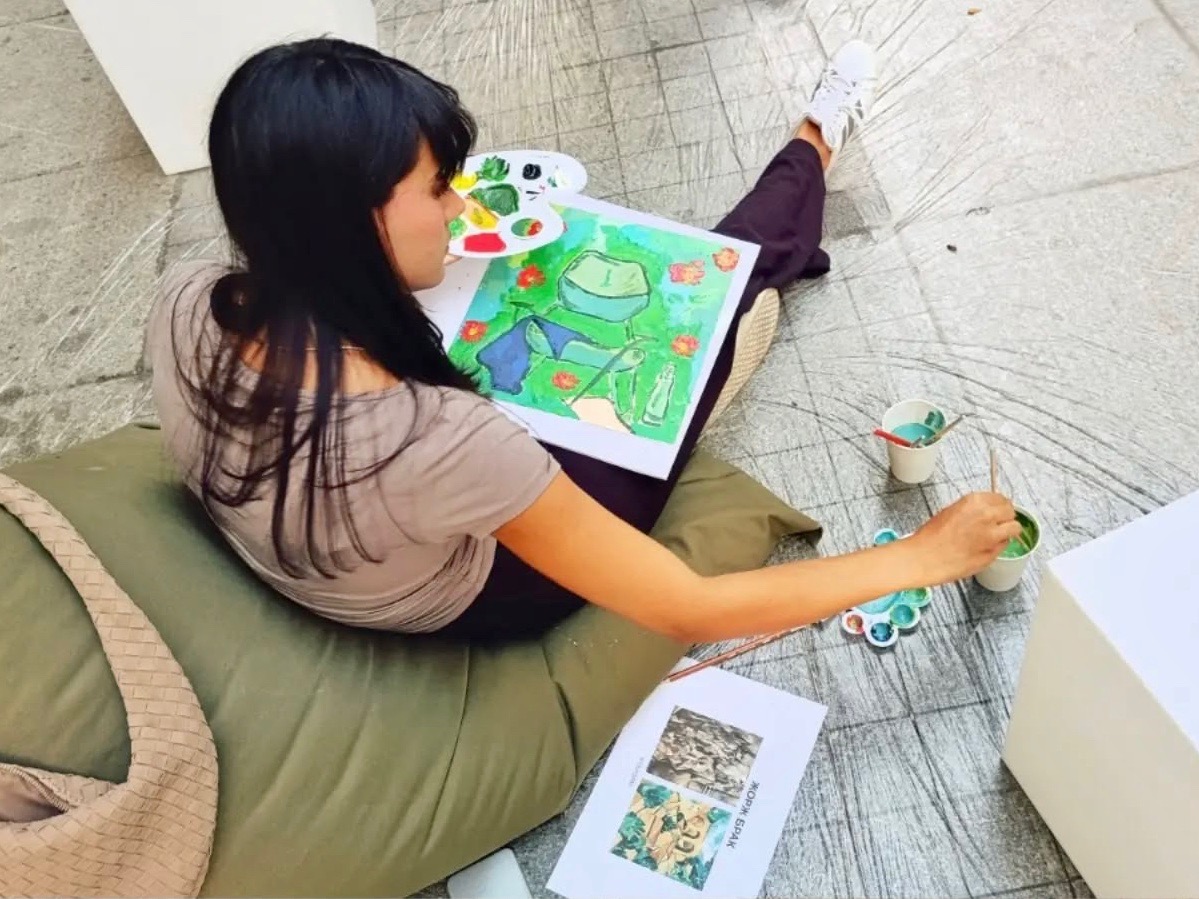
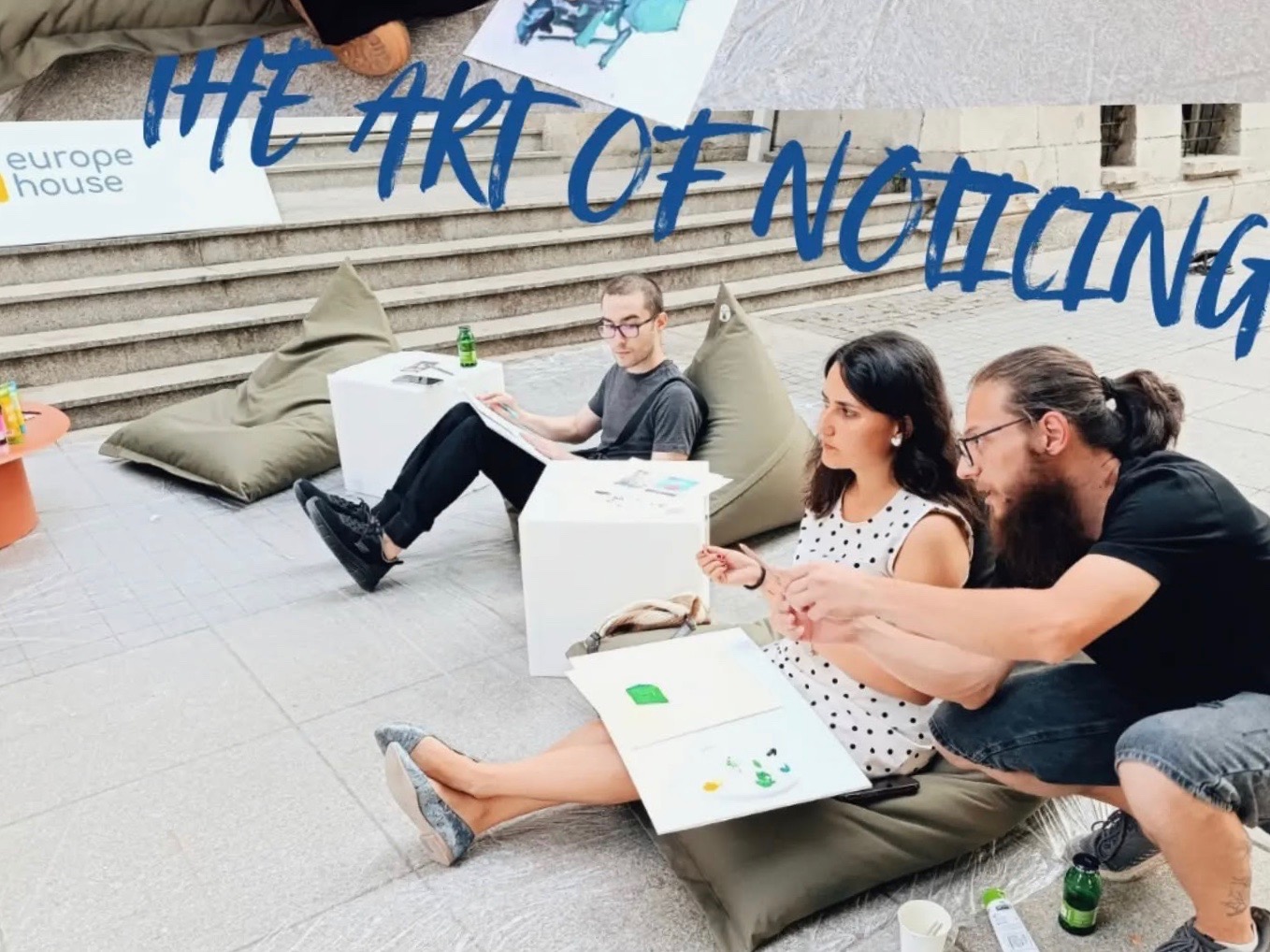
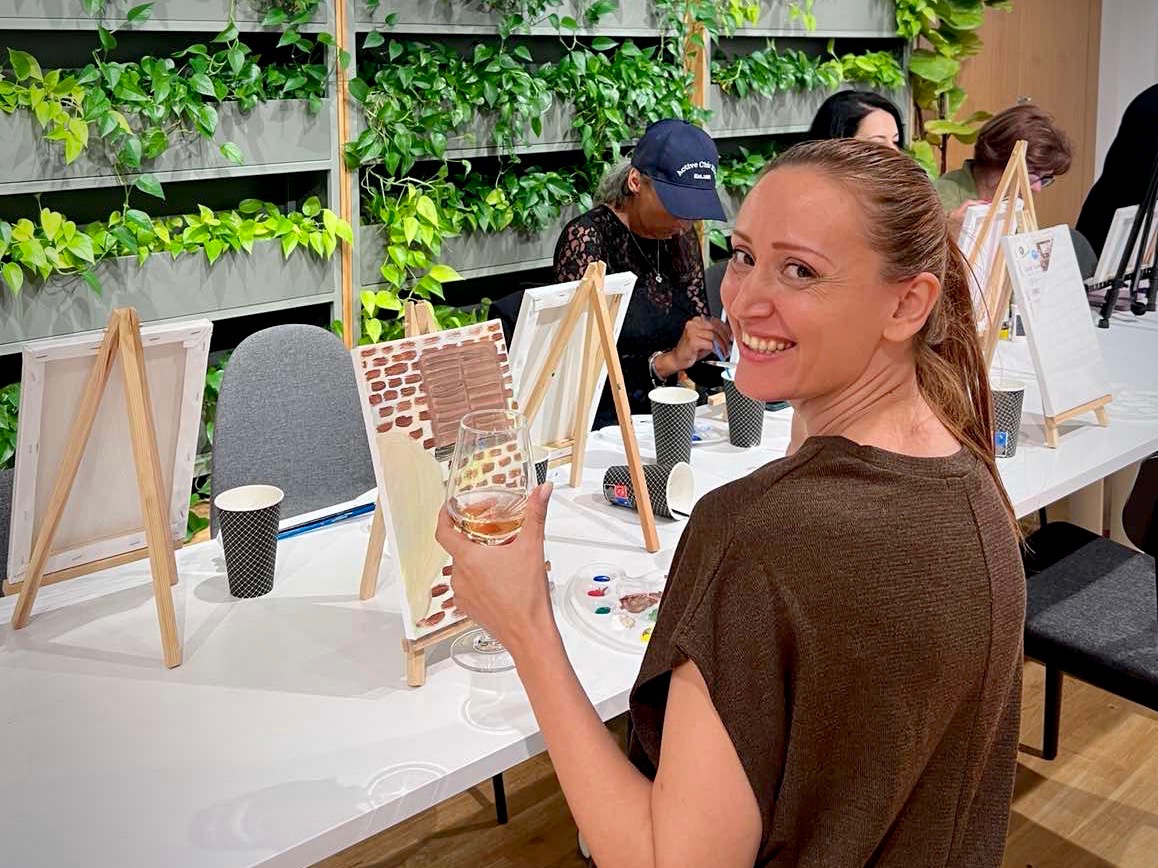
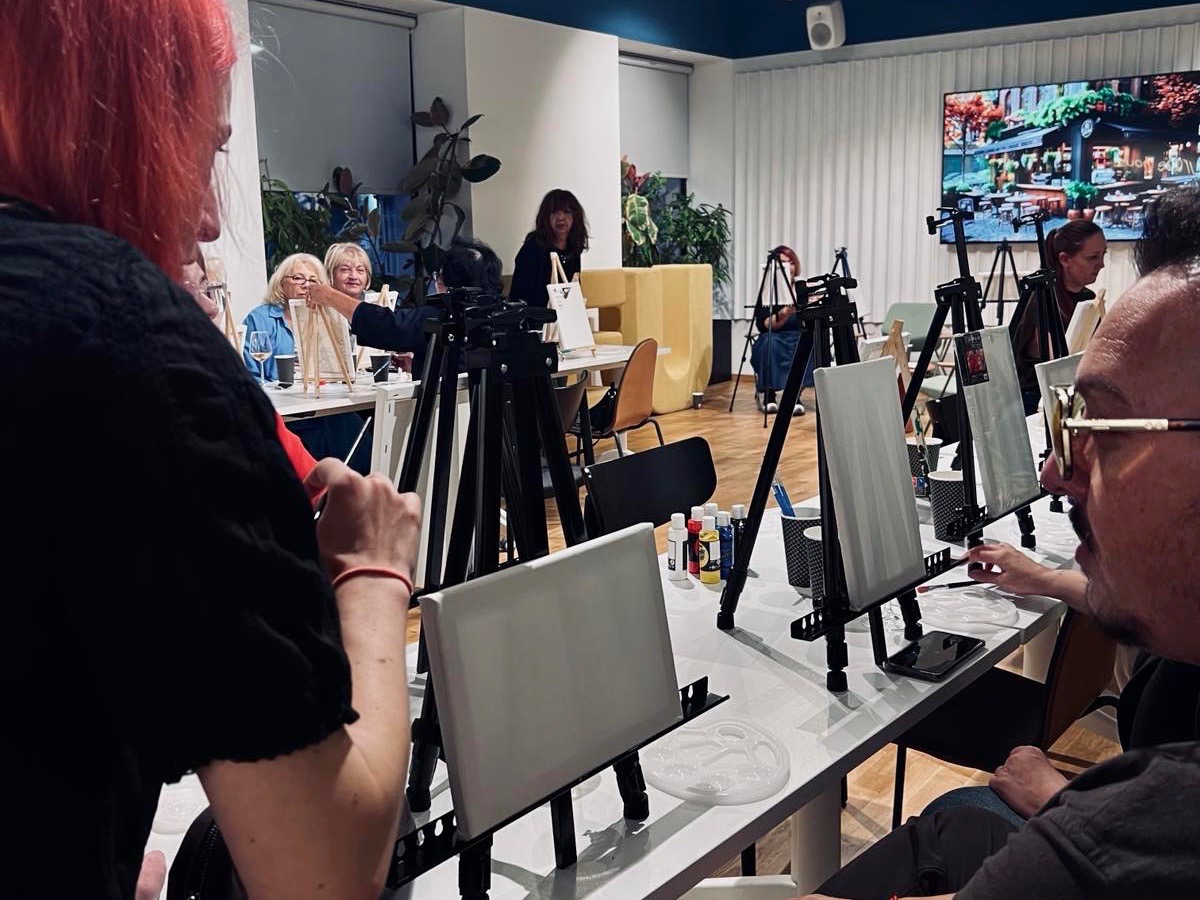
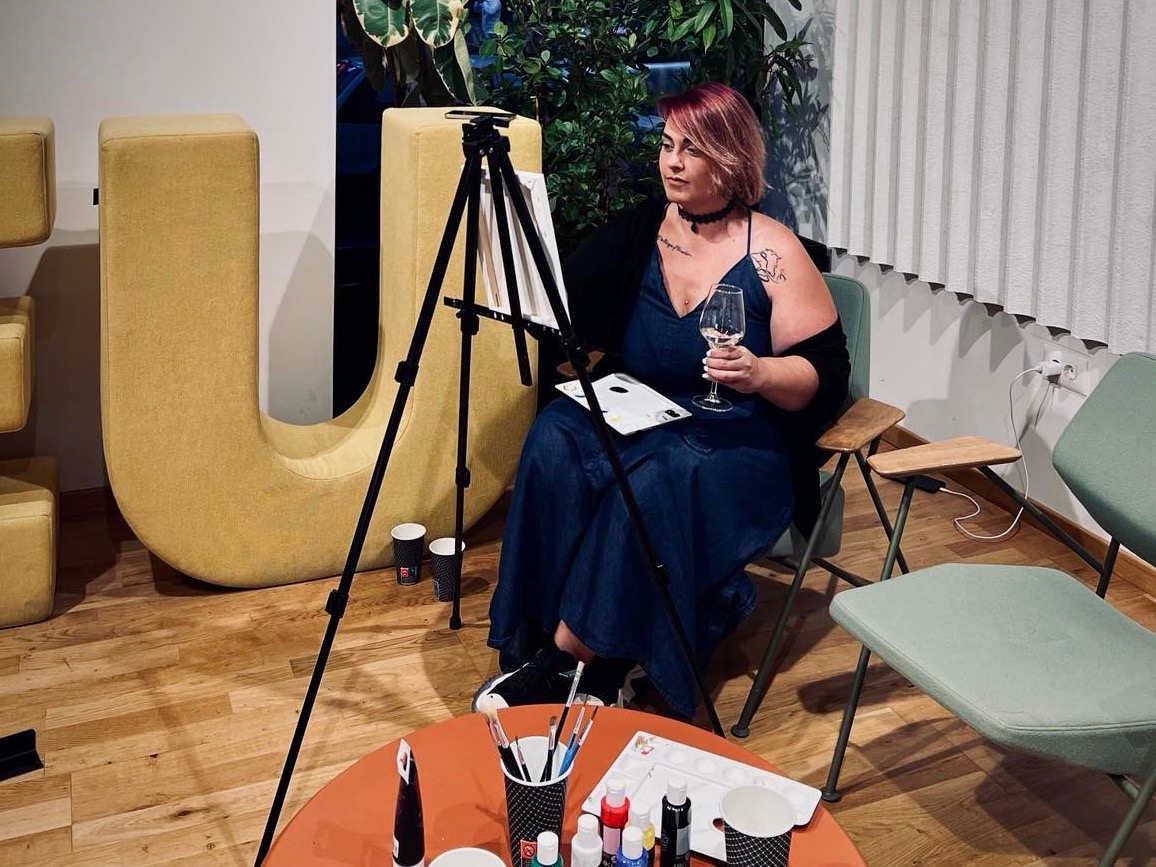
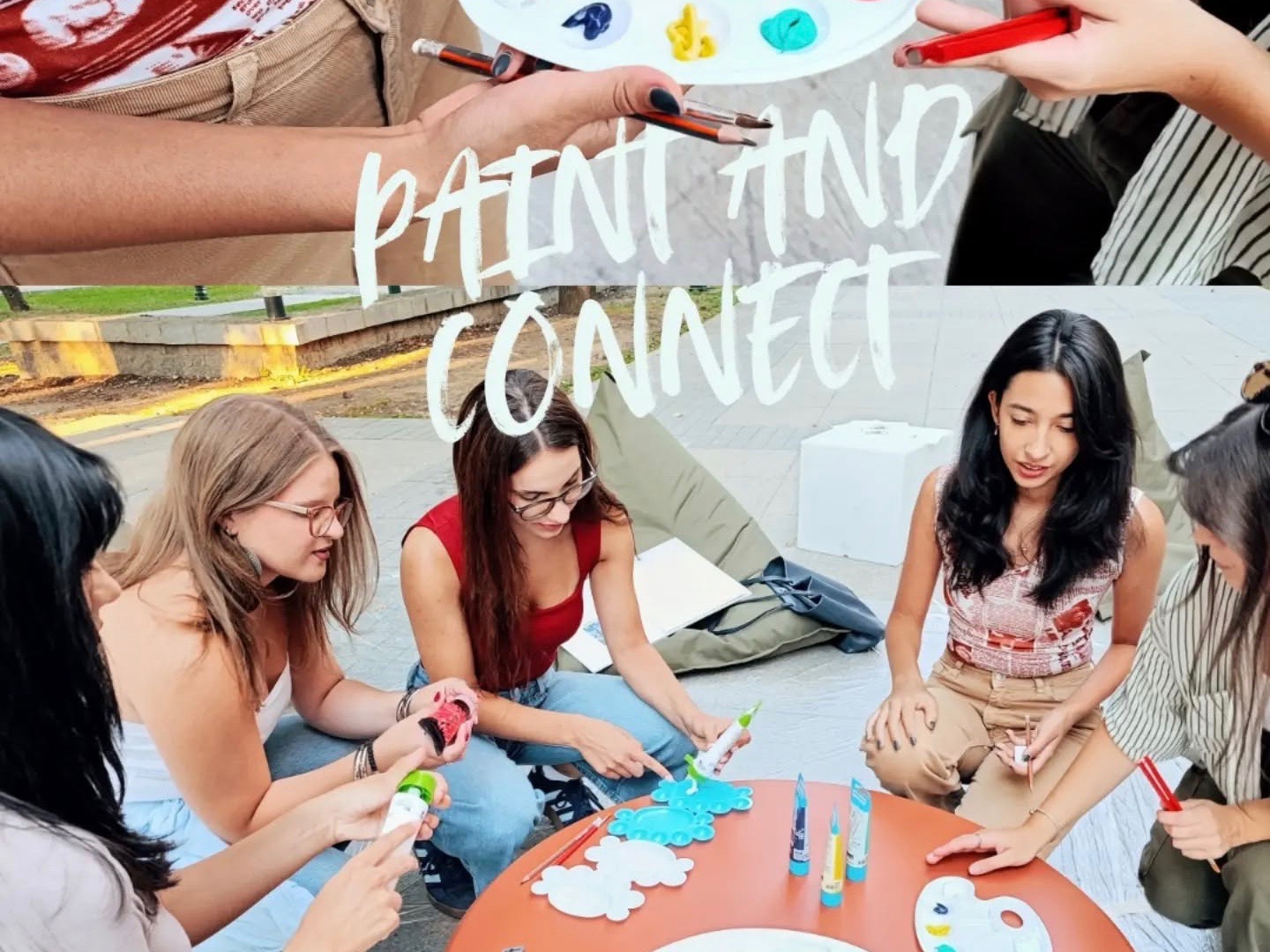
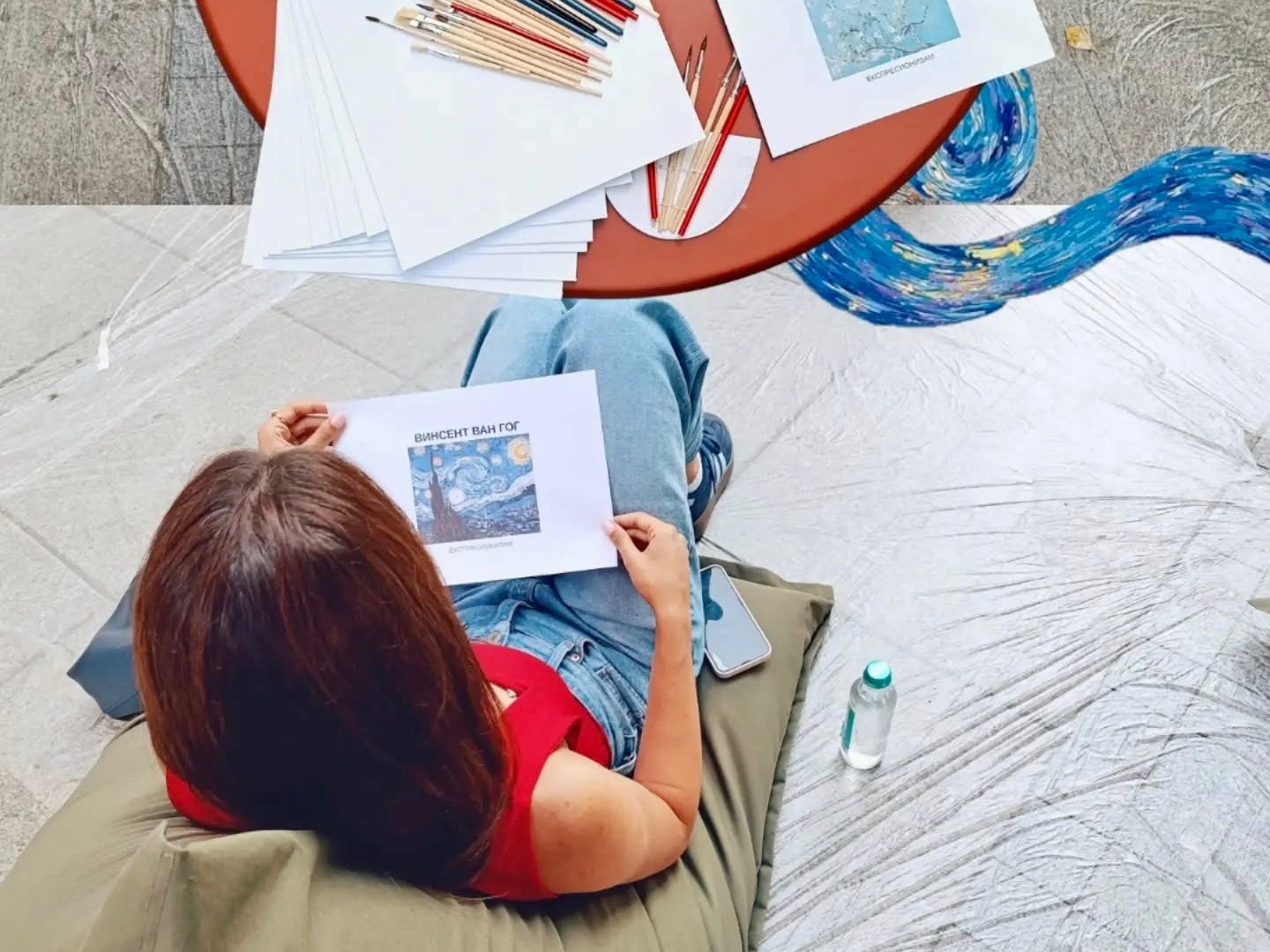
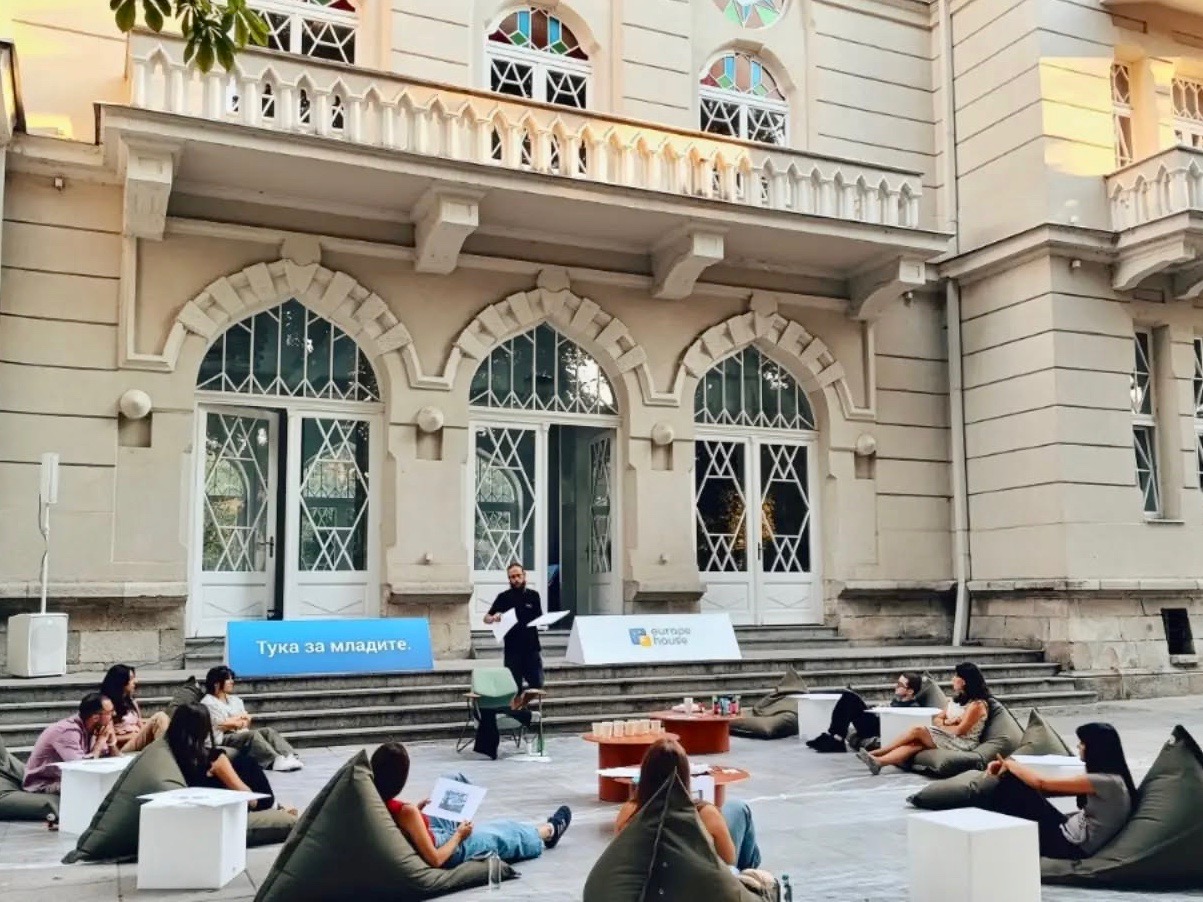
Amid colors, shapes and conversations, Europe House Bitola created a space for connection, self-expression and discovering one’s own creative perspective through the “Paint and Connect” workshop.

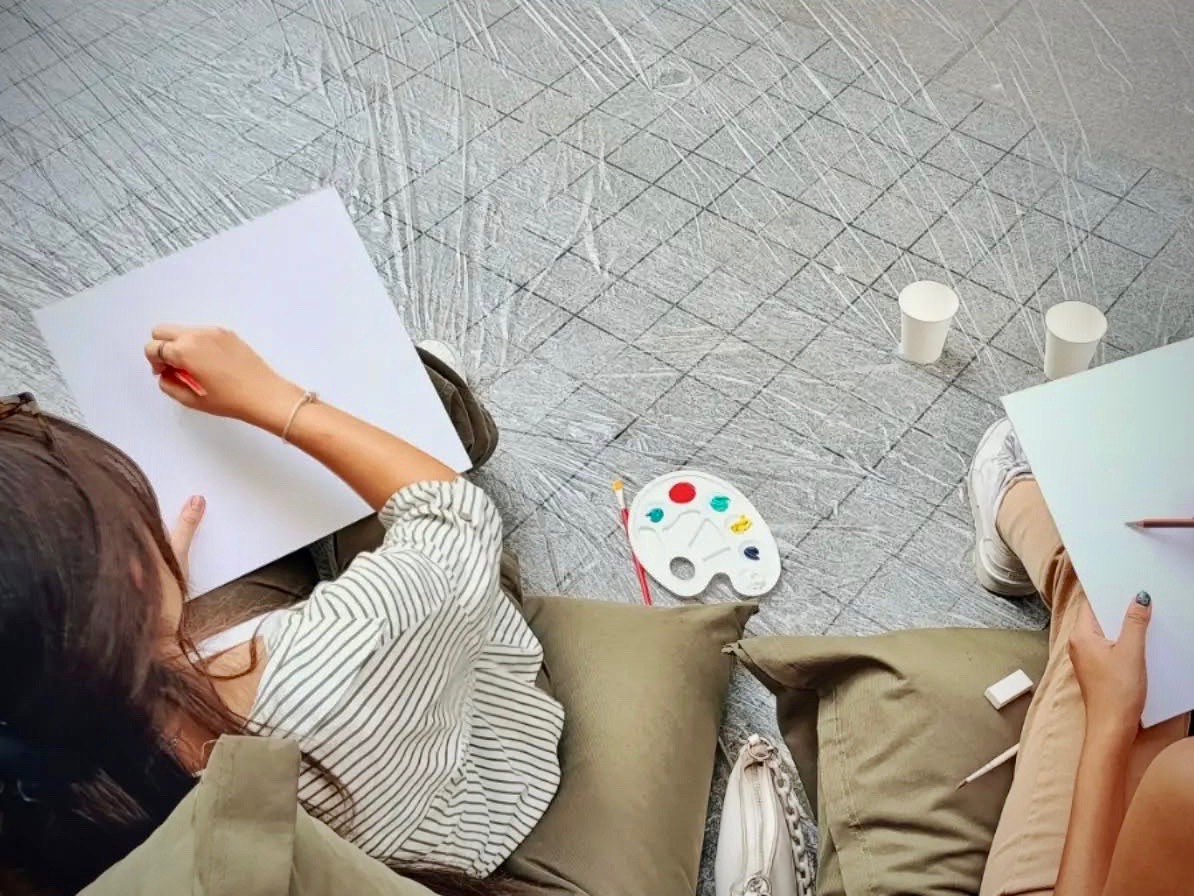
Participants had the opportunity to explore different ways of visual expression, experiment with styles and techniques and, above all, enjoy a relaxed and welcoming atmosphere.

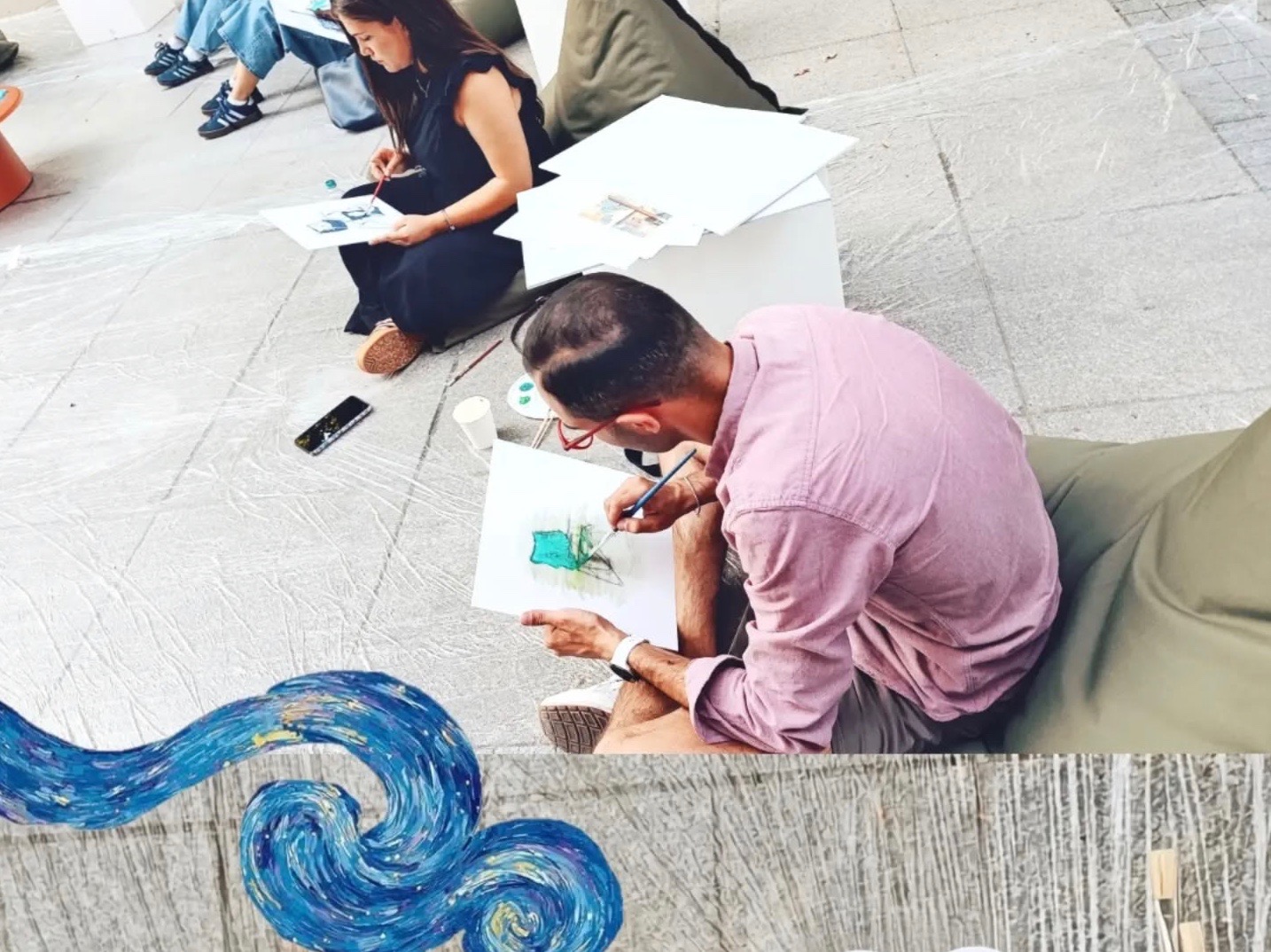
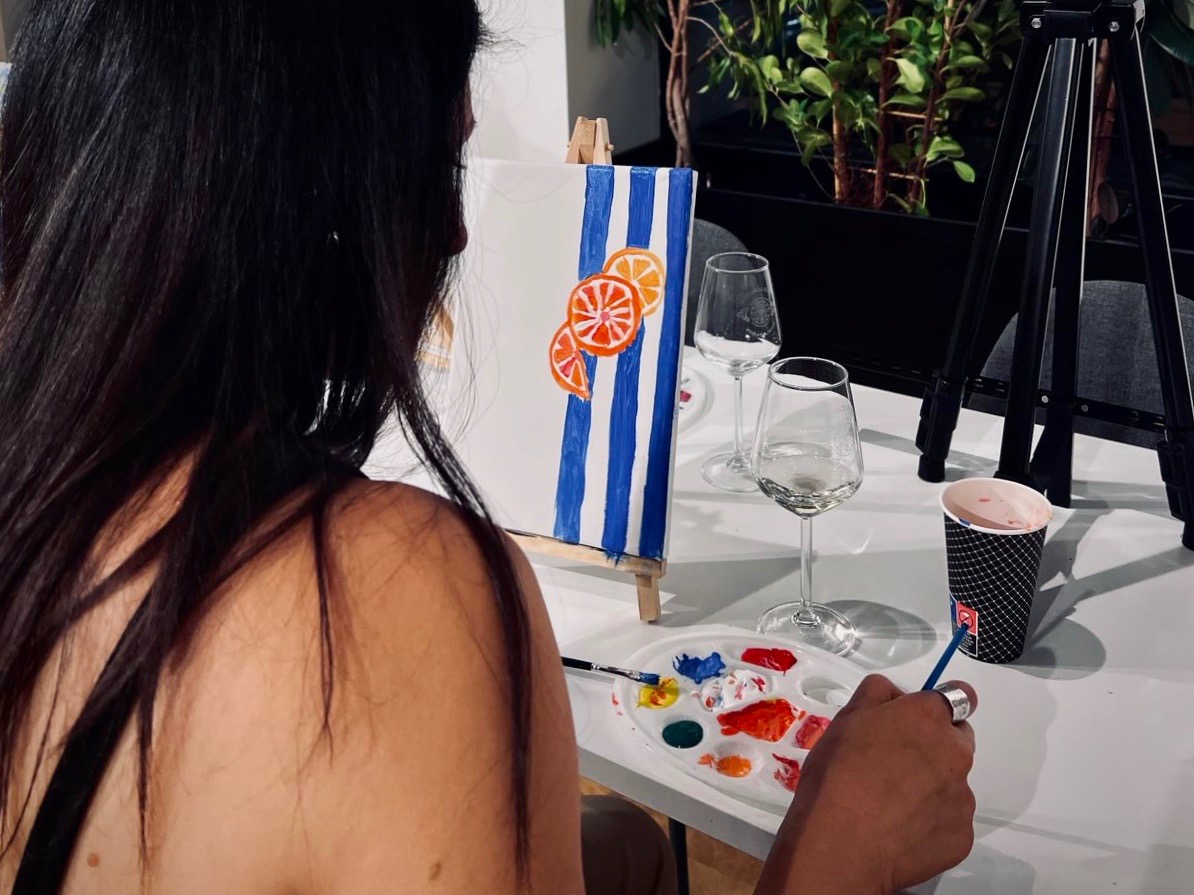
The workshop centred around one shared composition set up in the space, which each participant translated onto the canvas in their own way. Inspired by Cubism, Expressionism, Pop Art, Surrealism and Abstract Art, participants created different interpretations of the same scene – each with its own style, perspective and personal touch.

Different styles and perspectives – one shared composition.

And perhaps that was the most beautiful message of the workshop: sometimes, we do not need to change the picture in front of us. We simply need to look at it from a different angle.
From Peaks to Paws – Turning Old Climbing Ropes into New Dog Leashes

Sometimes, something old and worn-out can be turned into something useful, beautiful and ready for a new story.

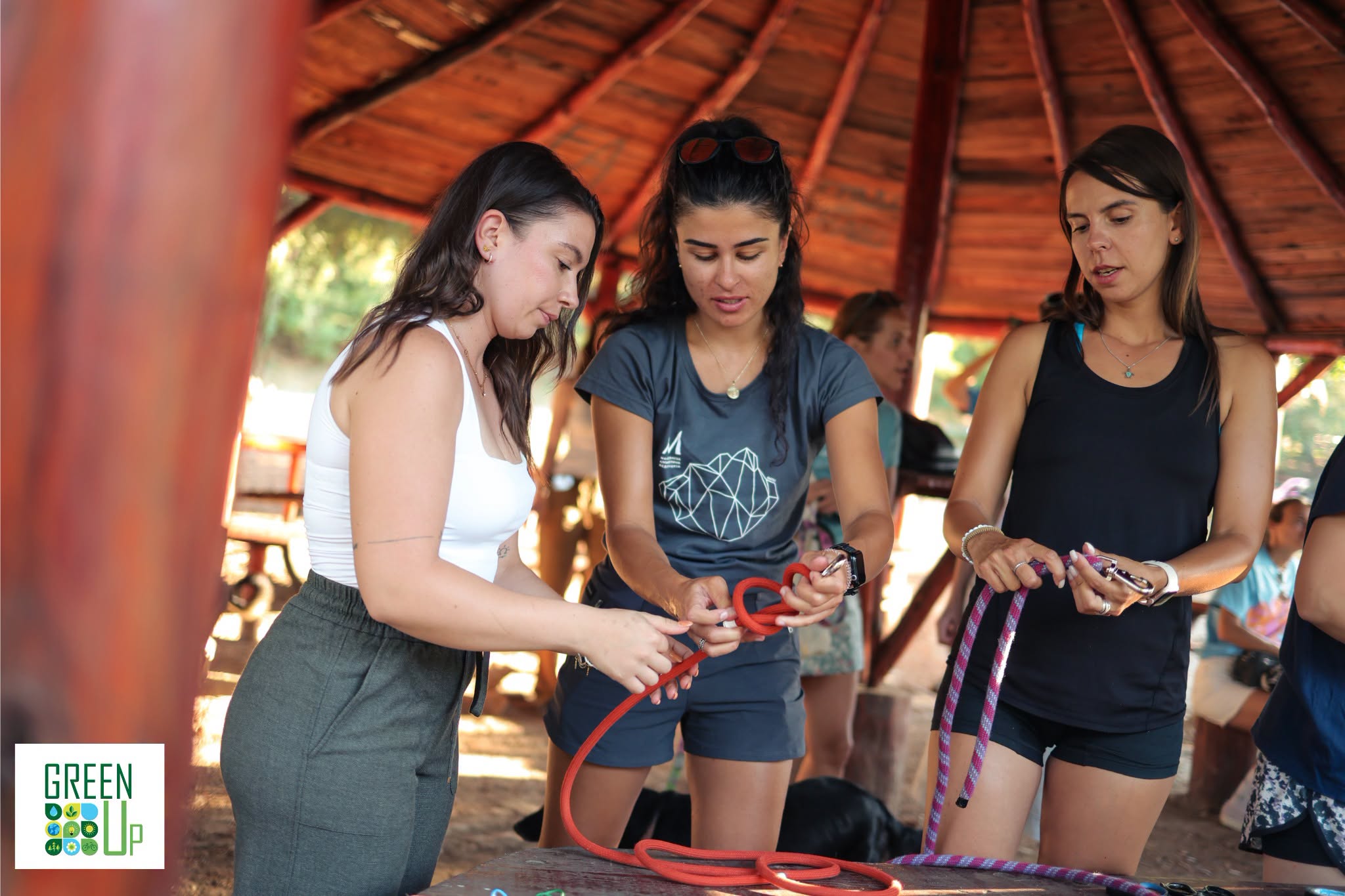
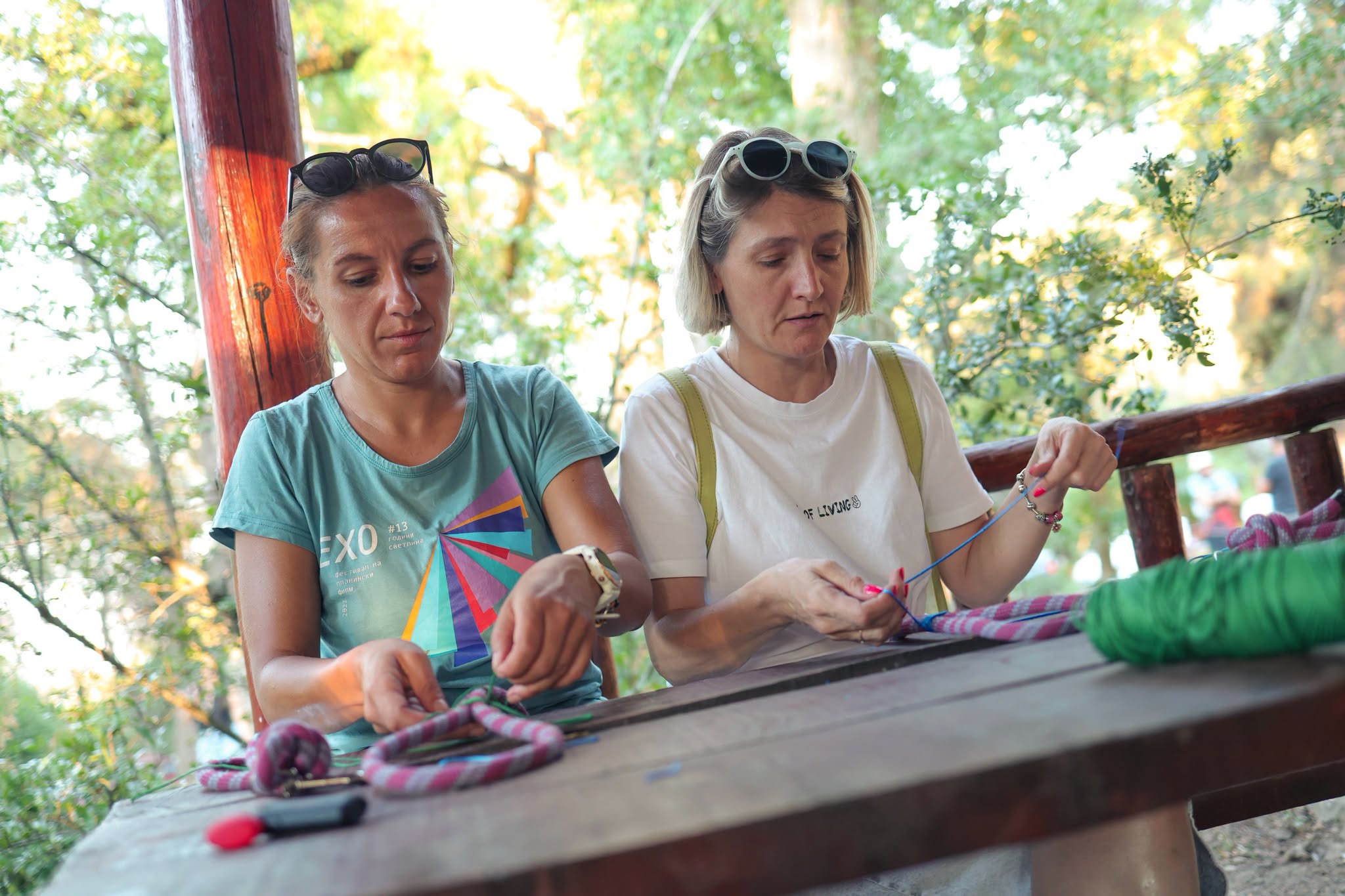
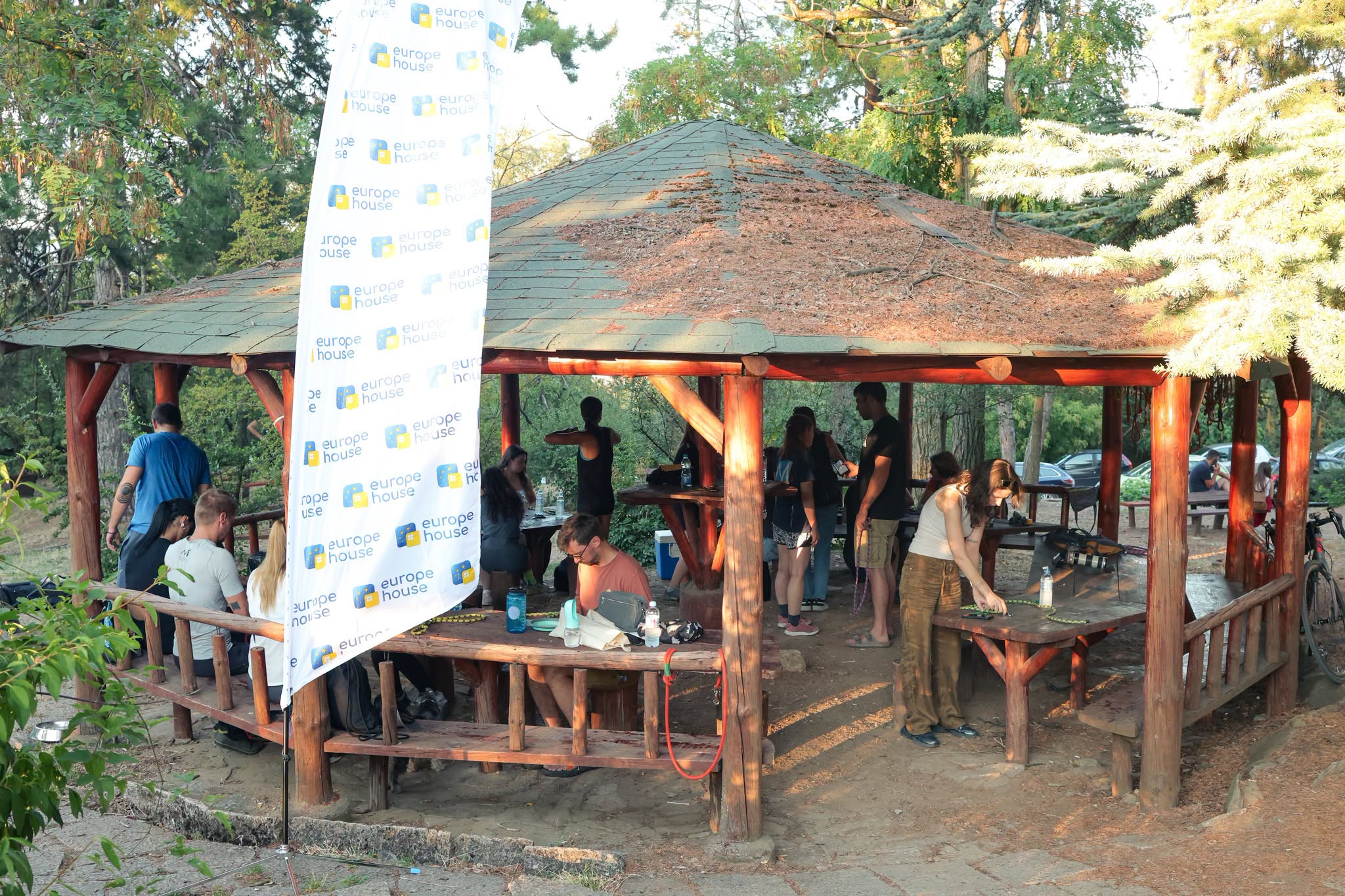
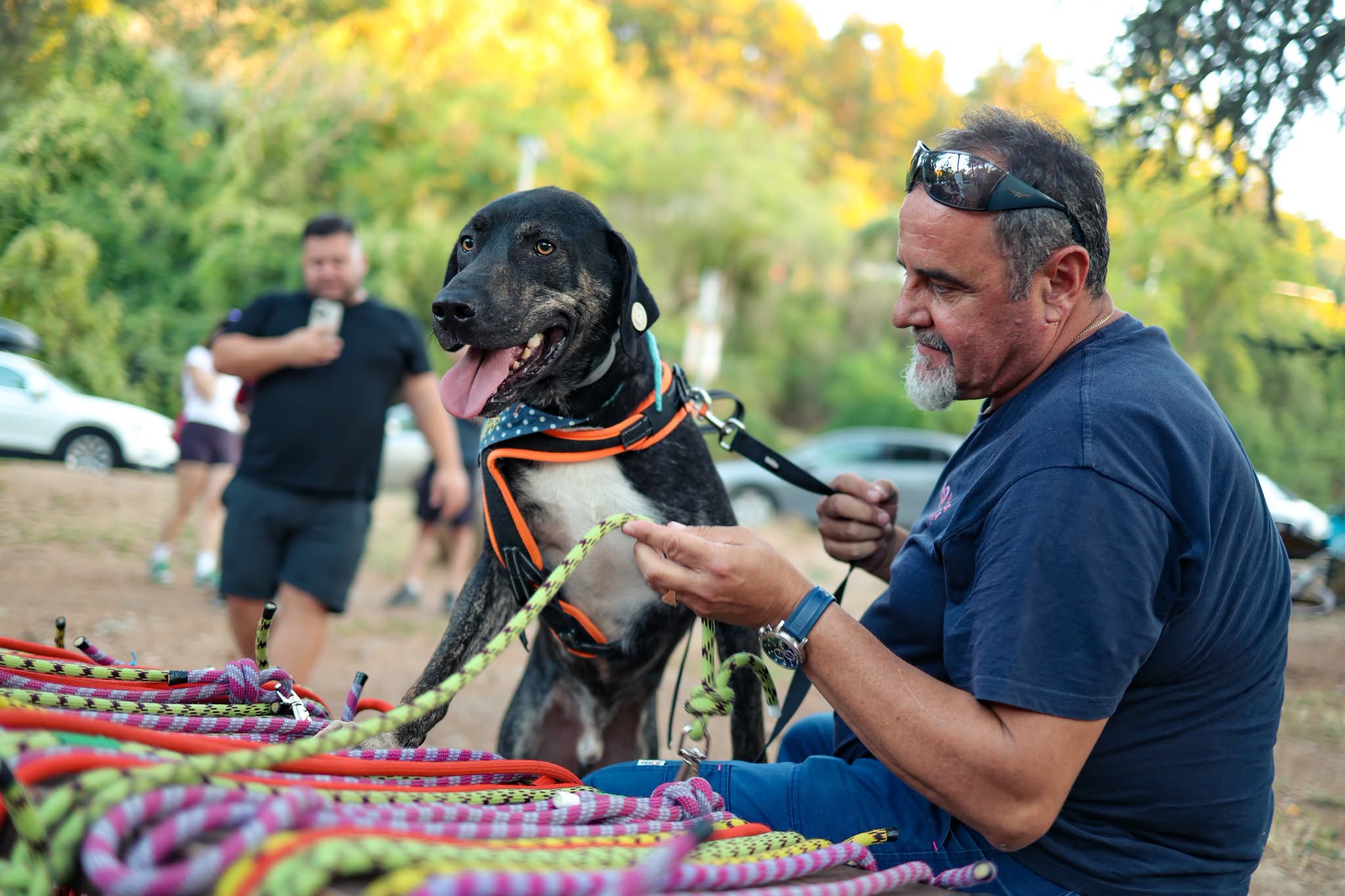
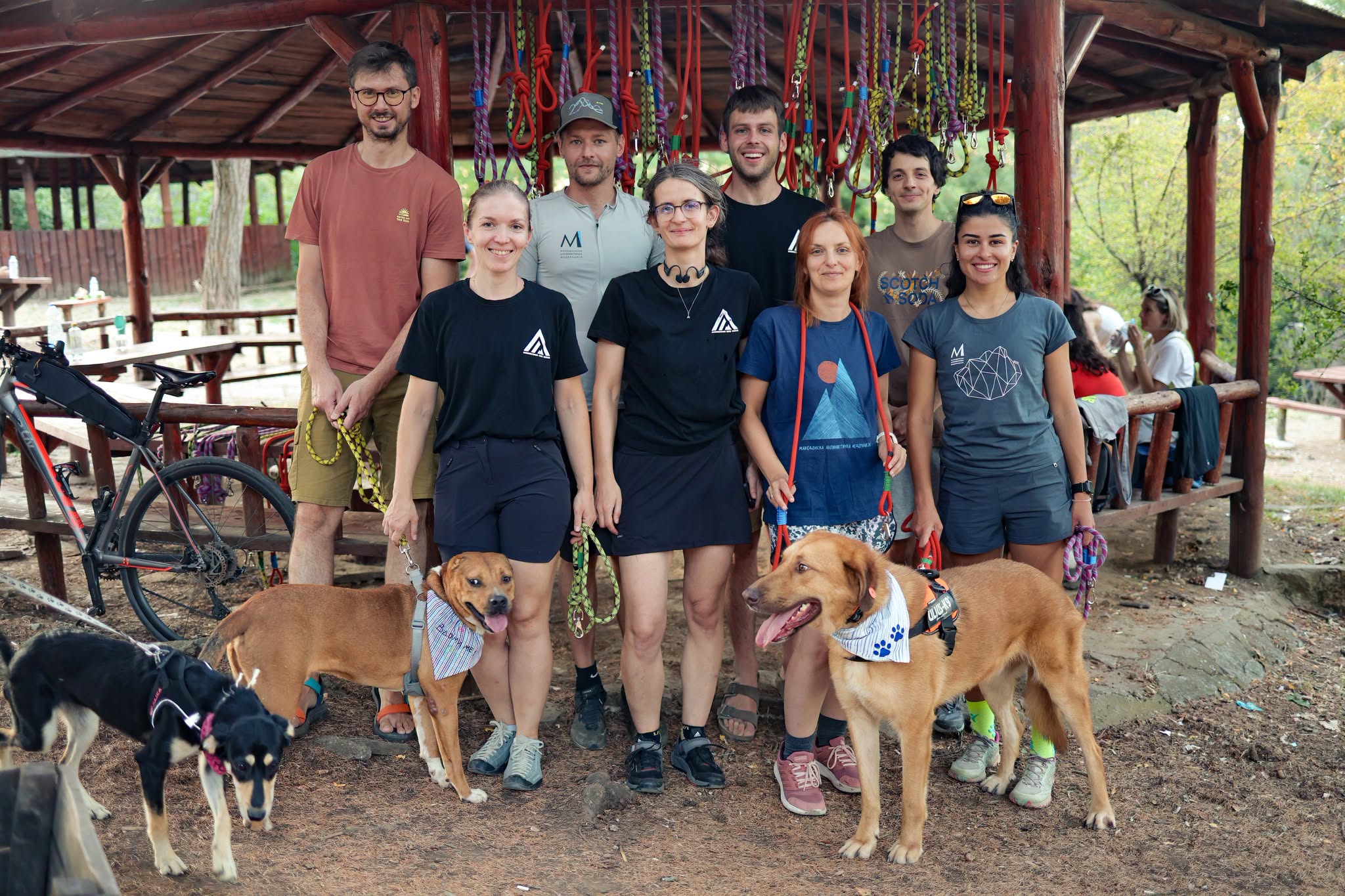
That is exactly what we achieved at the creative upcycling workshop “From Peaks to Paws”, organized by Europe House Skopje at Middle Vodno, in collaboration with the Skopje Mountaineering Club and Laika Public Enterprise – Skopje.
Every climbing rope has a limited lifespan. Once it is no longer safe to use for climbing, it usually becomes waste. But its story does not have to end there.
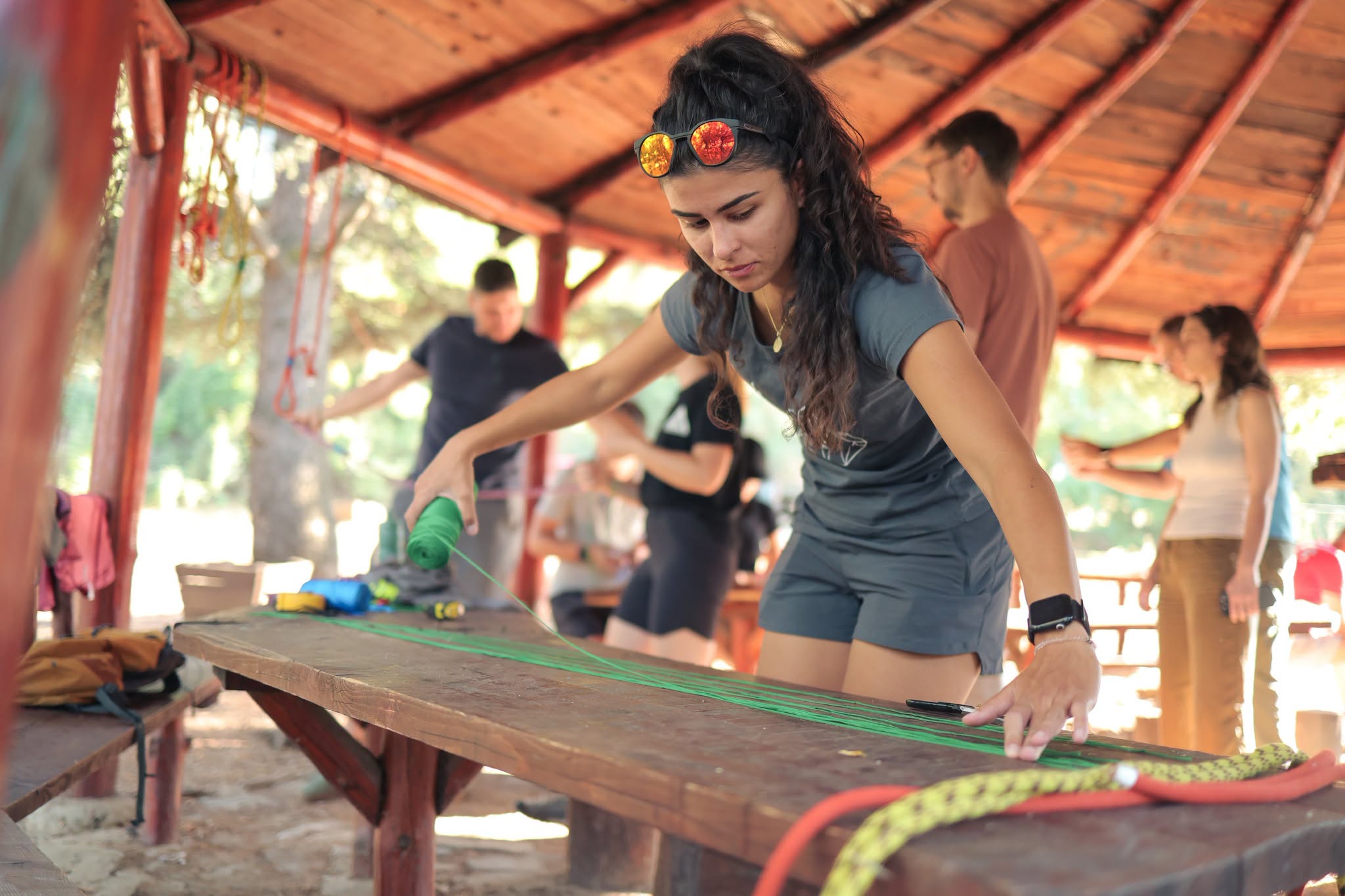
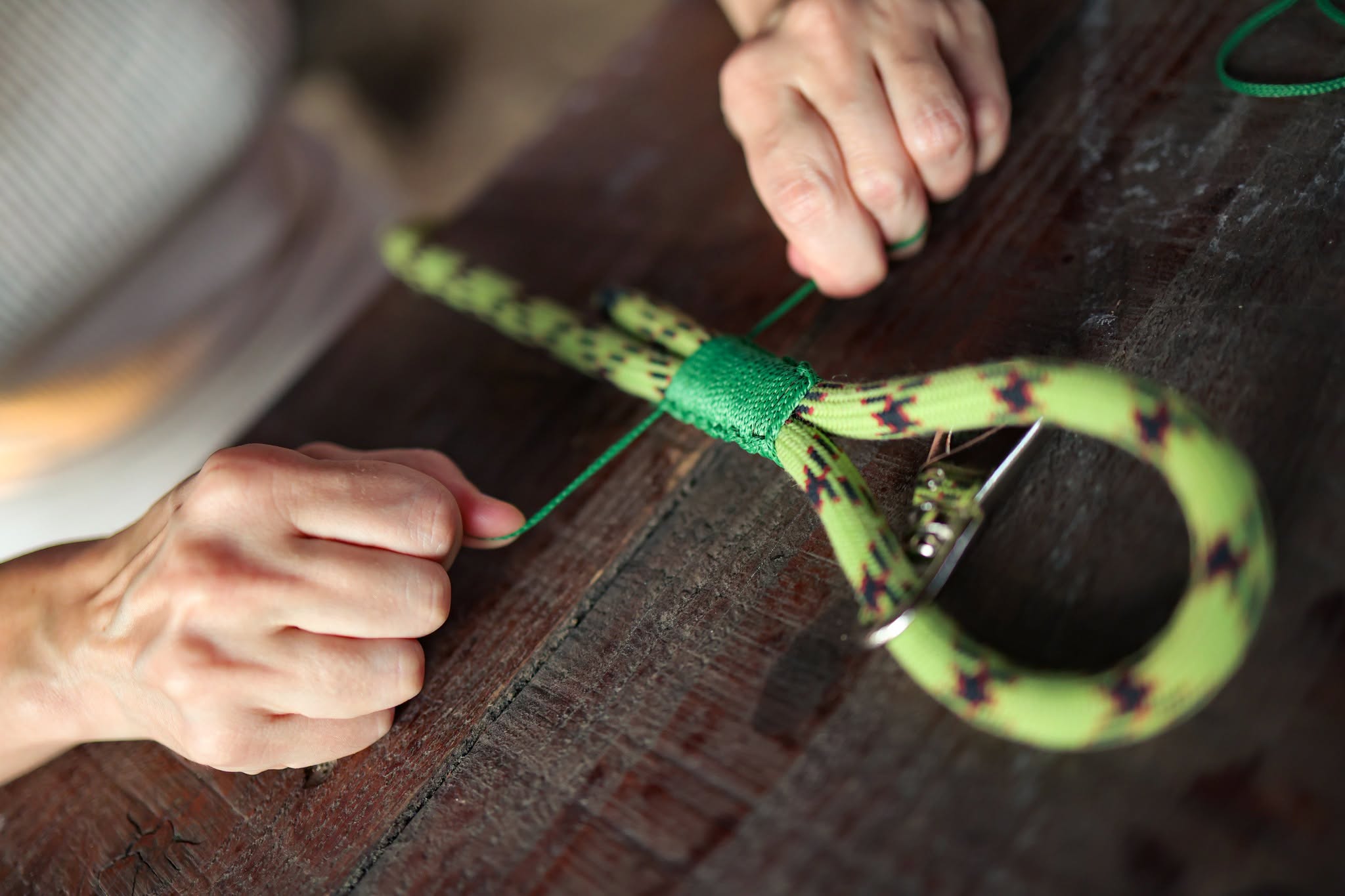
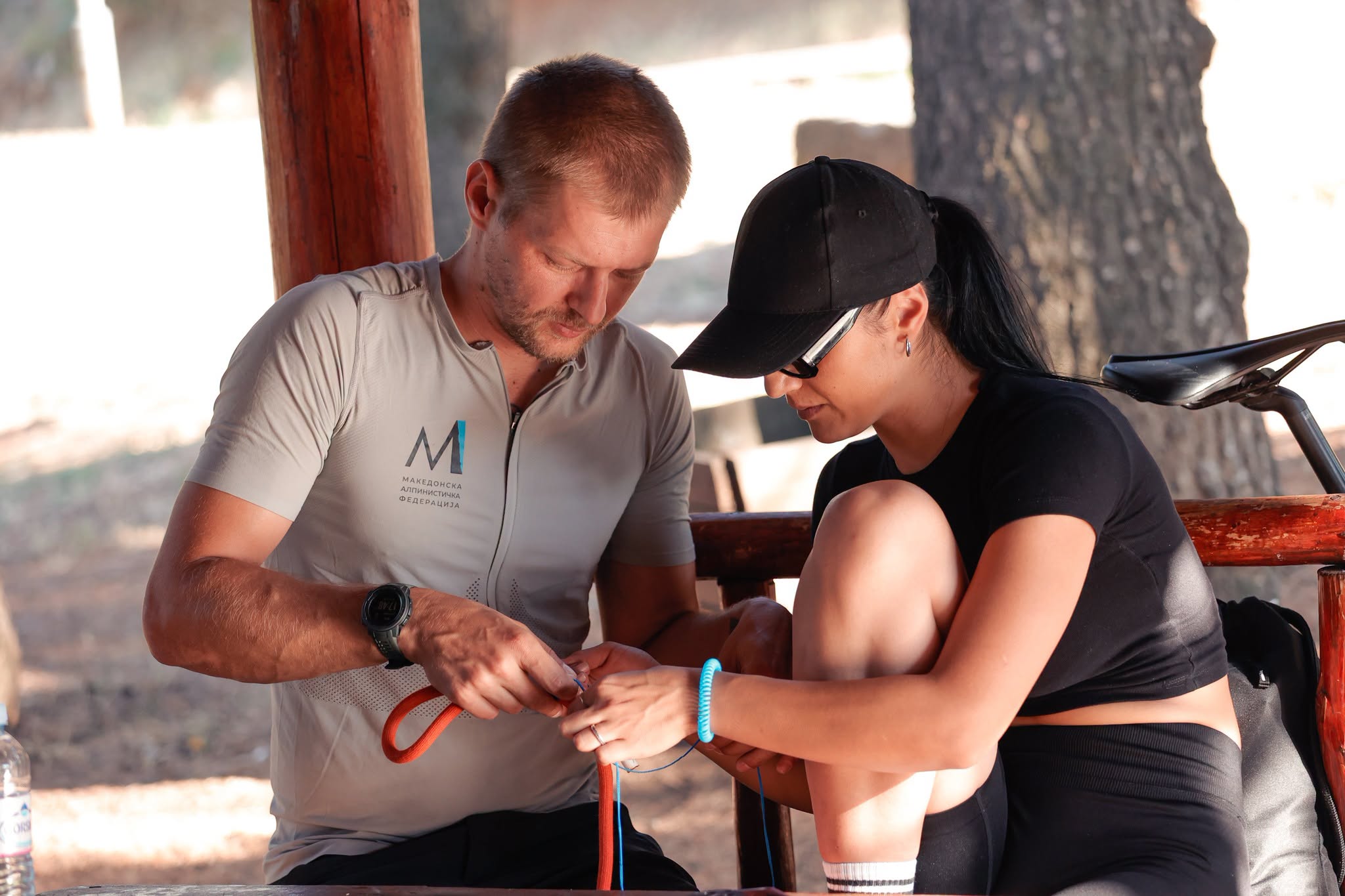
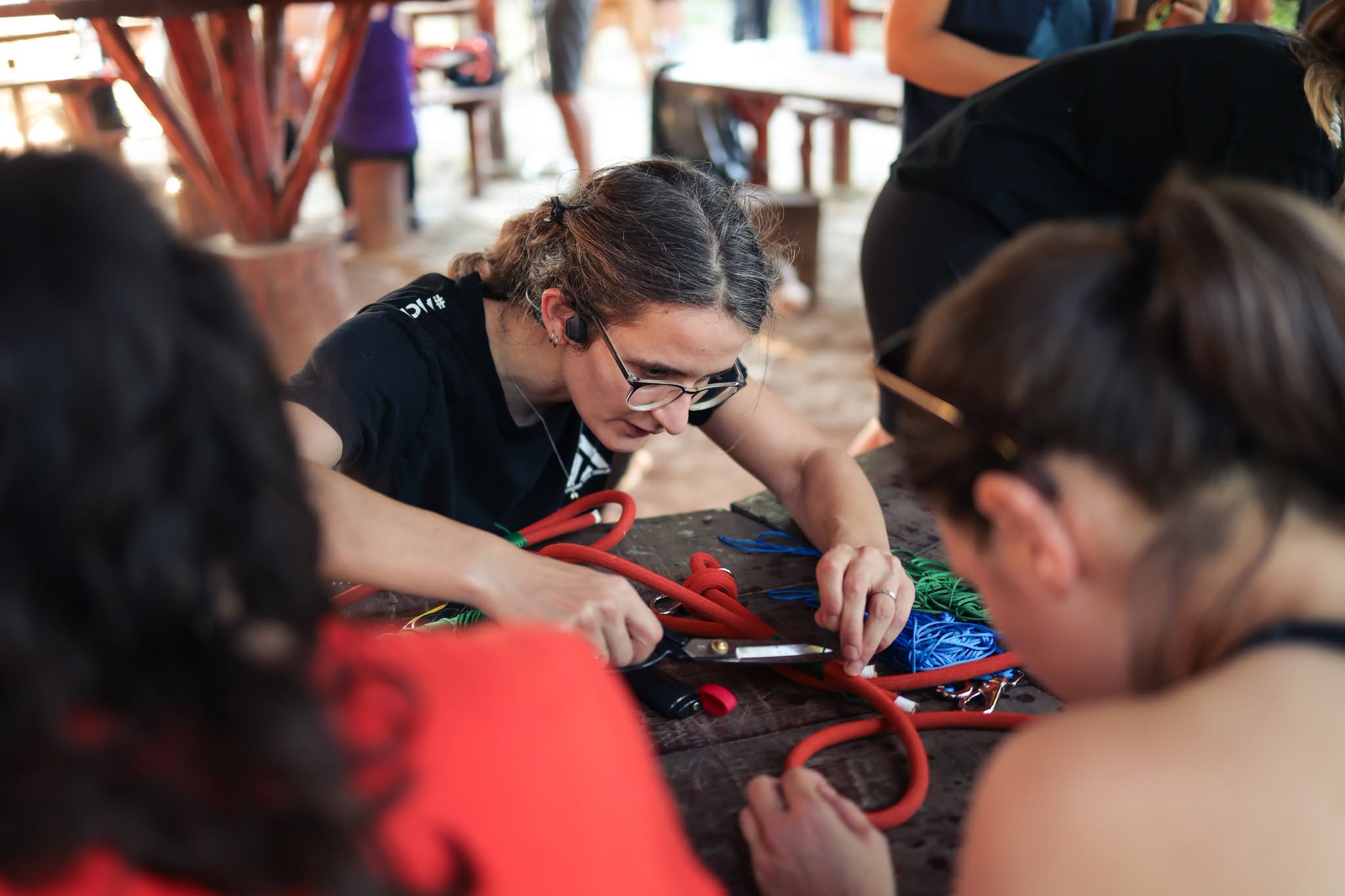
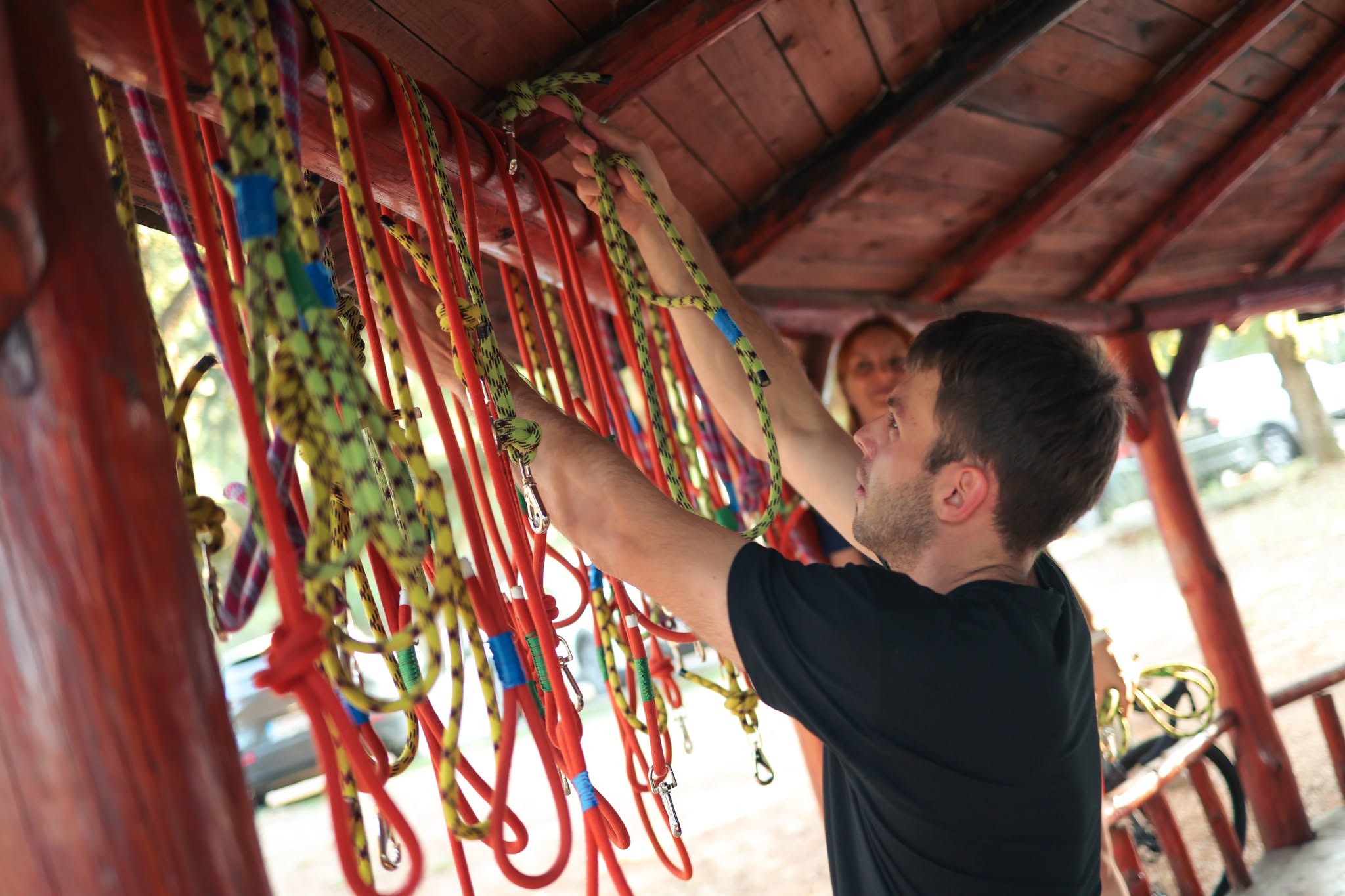
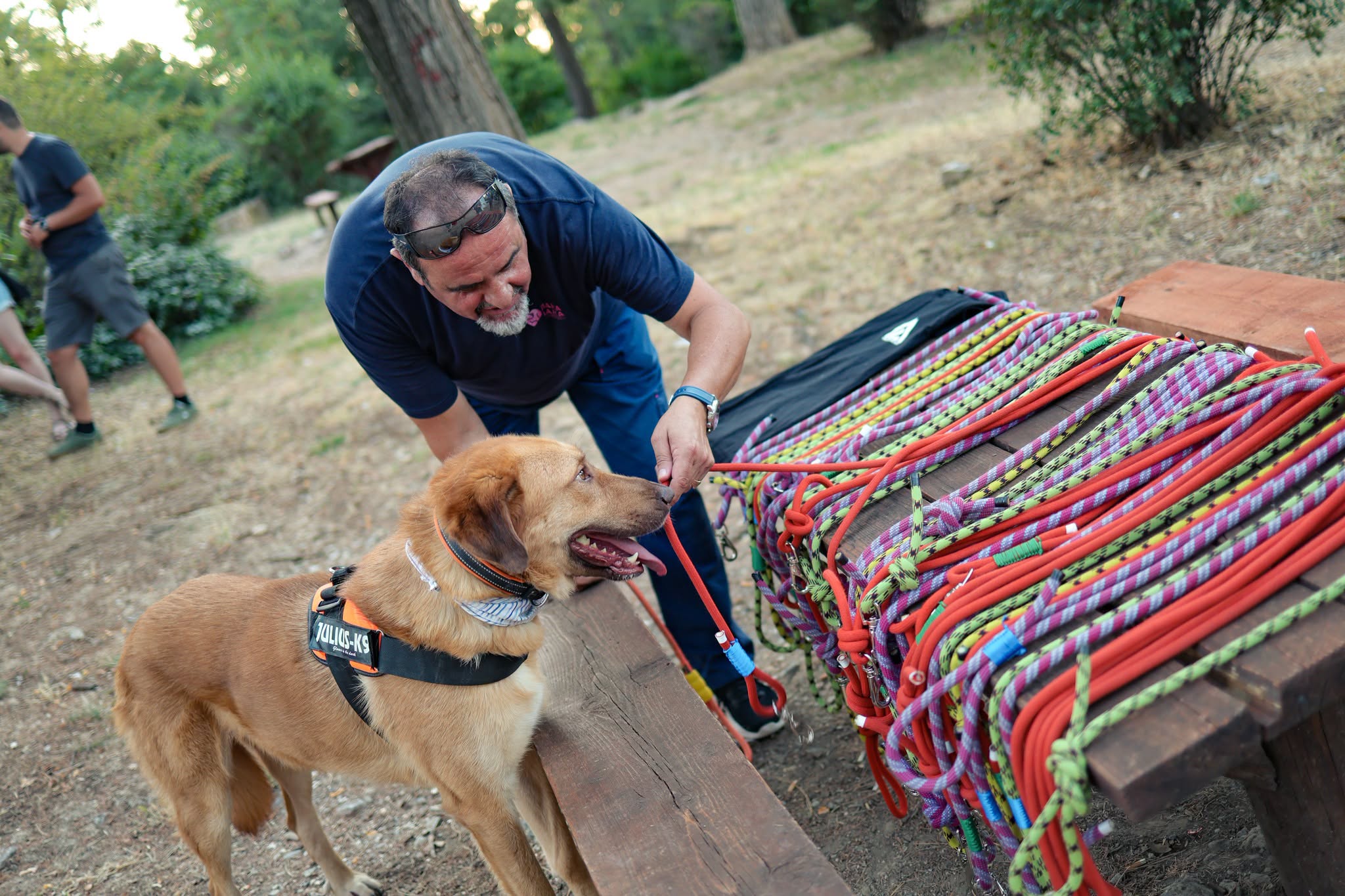
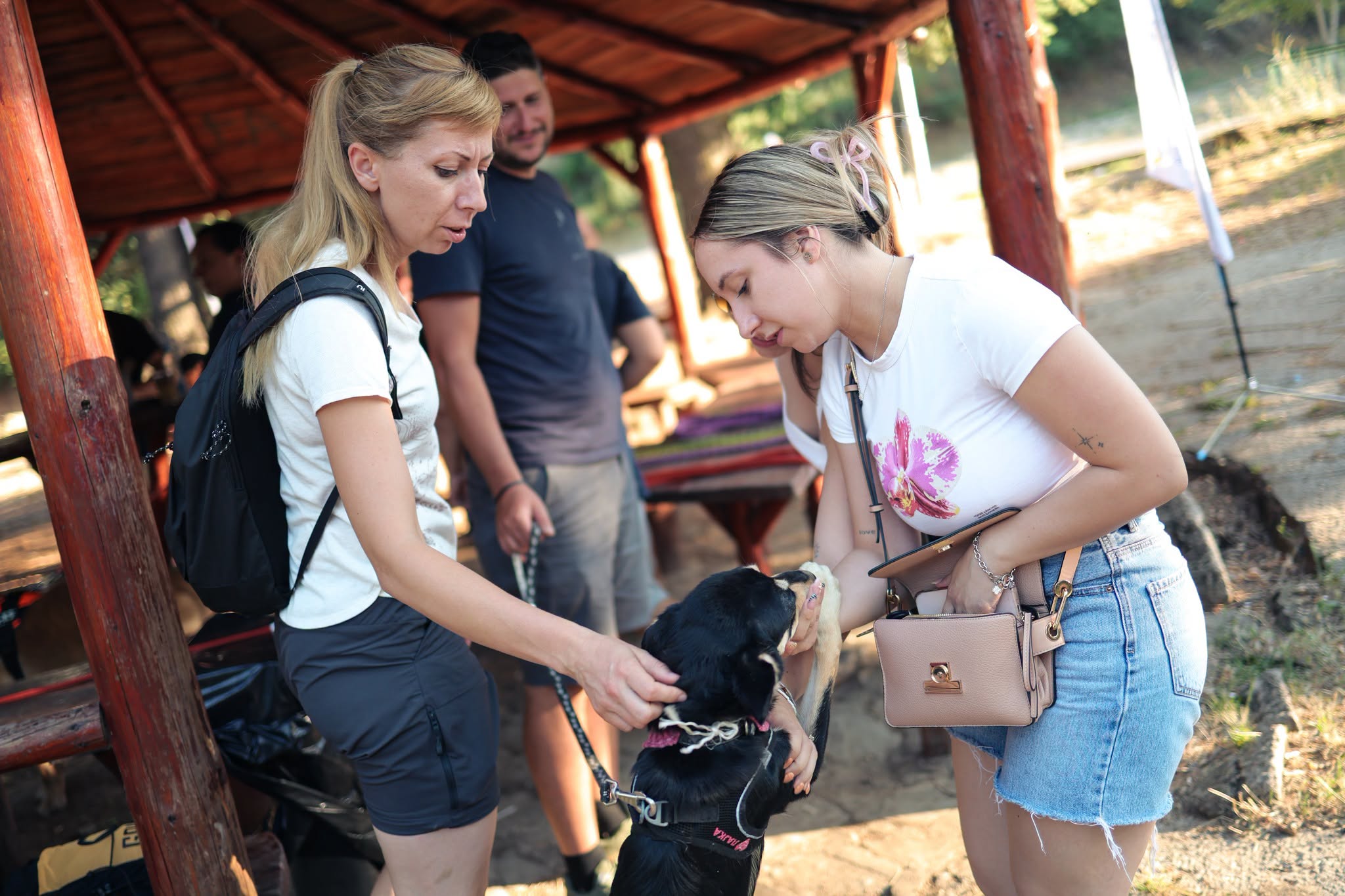
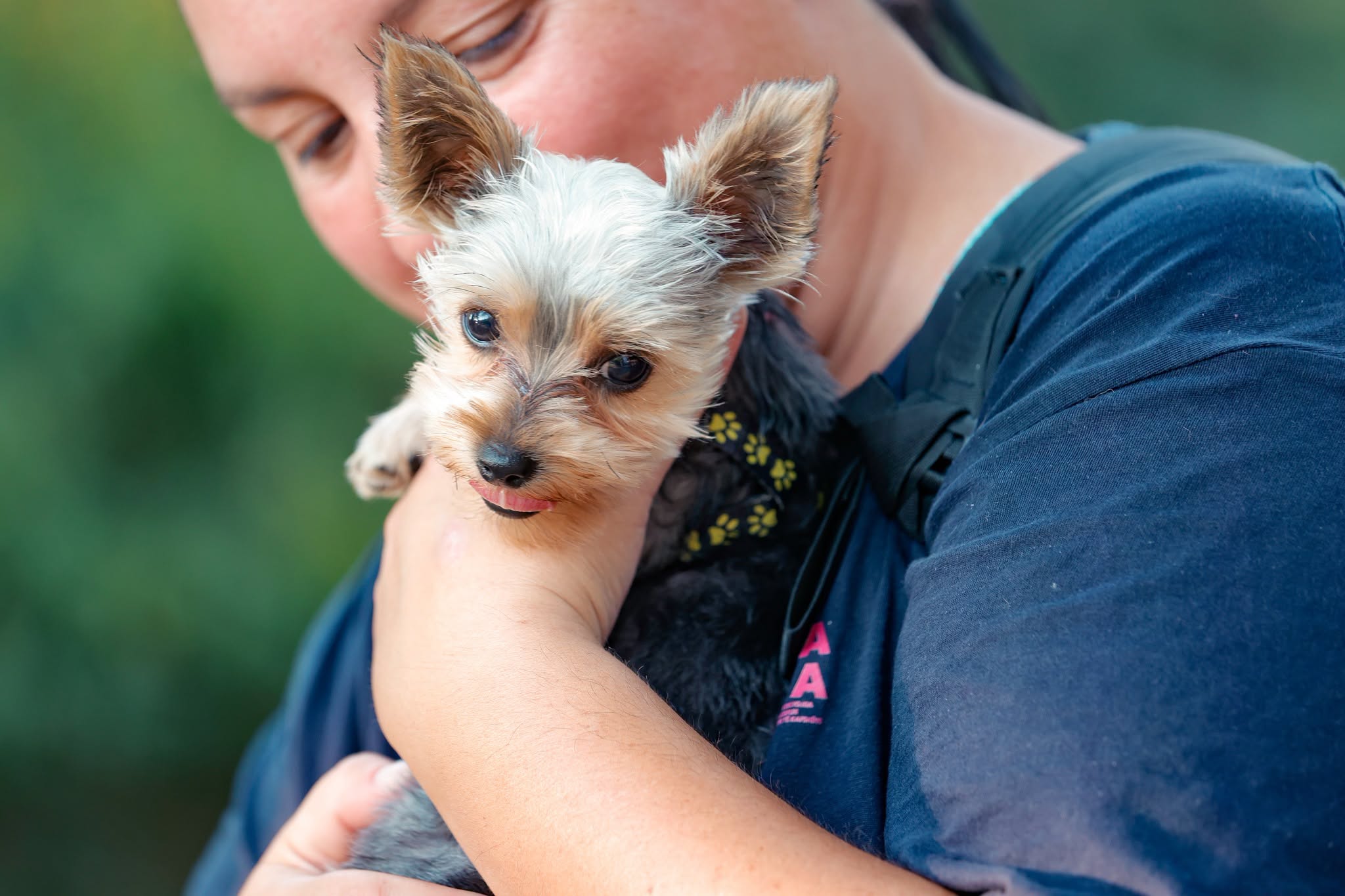
At the workshop, ropes that had completed their mission on the rocks were given a new purpose – as strong and colorful leashes for dogs cared for at Laika.

Through creative work and hands-on skills, participants showed that the circular economy does not have to remain just an idea or a concept. It can start with something we already have, a little creativity and the willingness to give new value to something that would otherwise end up as waste.

And the best part of the story came at the end – participants made a total of 53 leashes, and the dogs from Laika had the chance to choose their own new leash.

With every leash made, we helped reduce waste, turned old material into something useful, and contributed to better care for animals in need.

Thank you to everyone who cut, braided, learned, donated and shared their time and knowledge.

Because the circular economy can start with small changes. In this case – with a few old ropes and an idea to give them a new life and a new purpose.

Canvas Conversations: A Summer Evening of Art, Wine and Creativity in Veles

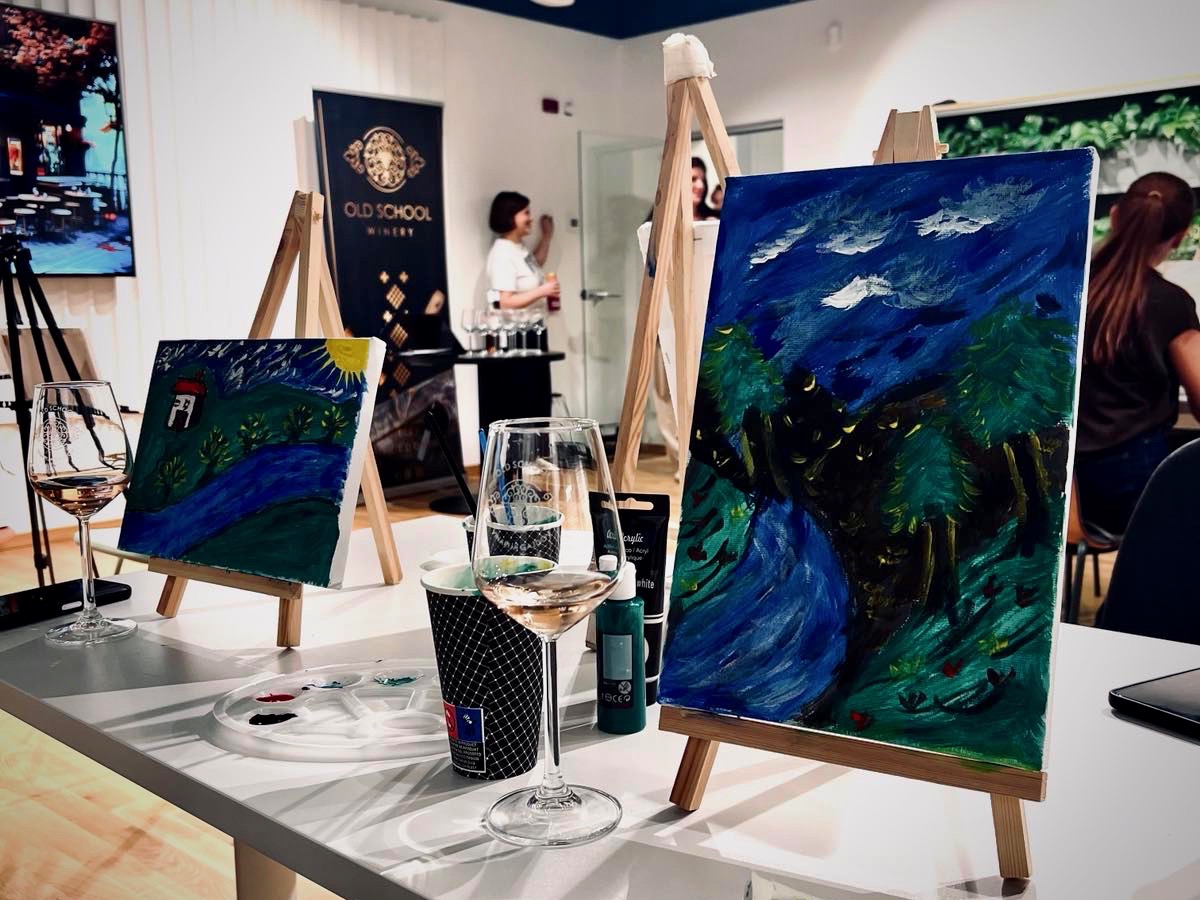
For the second time, Europe House Veles brought together canvas, colours, local wine and good company for a different kind of summer evening, filled with creativity, conversations and new experiences.

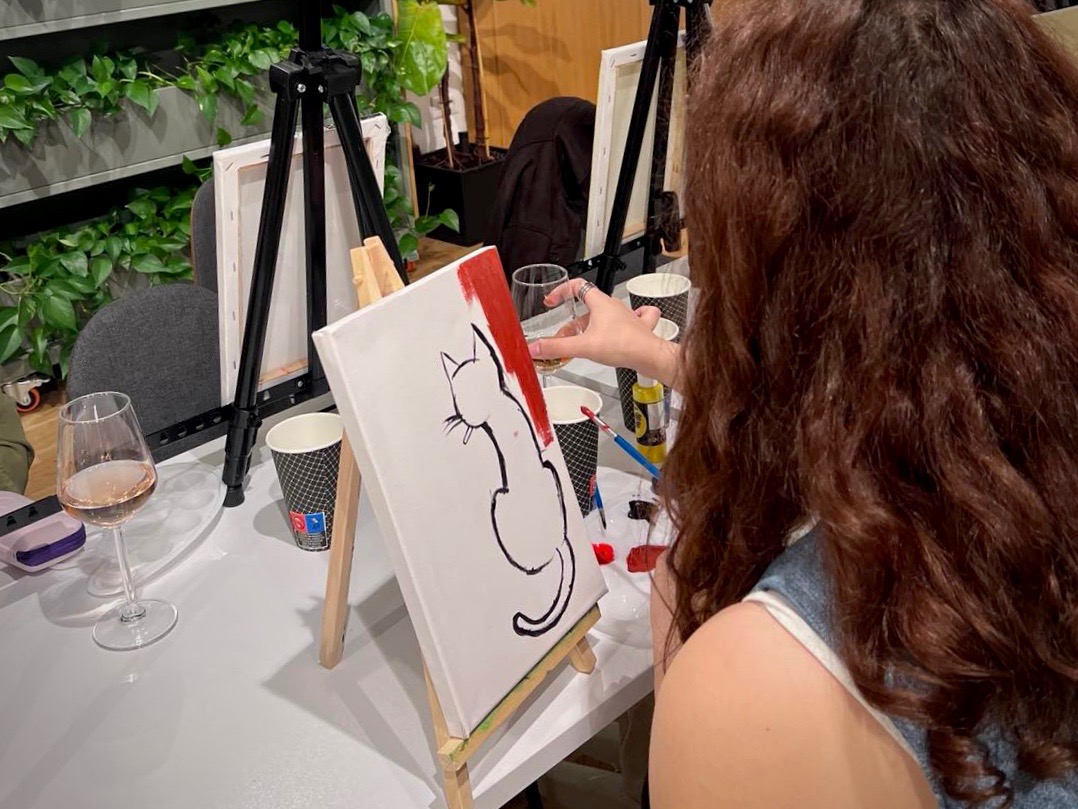
At Canvas Conversations Vol. 2, everyone had the space to create, experiment and find their own artistic expression, whether they were picking up a paintbrush for the first time or already had painting experience. Artist Elena Dimova guided the participants through the painting process, helping them turn their ideas into artworks of their own.

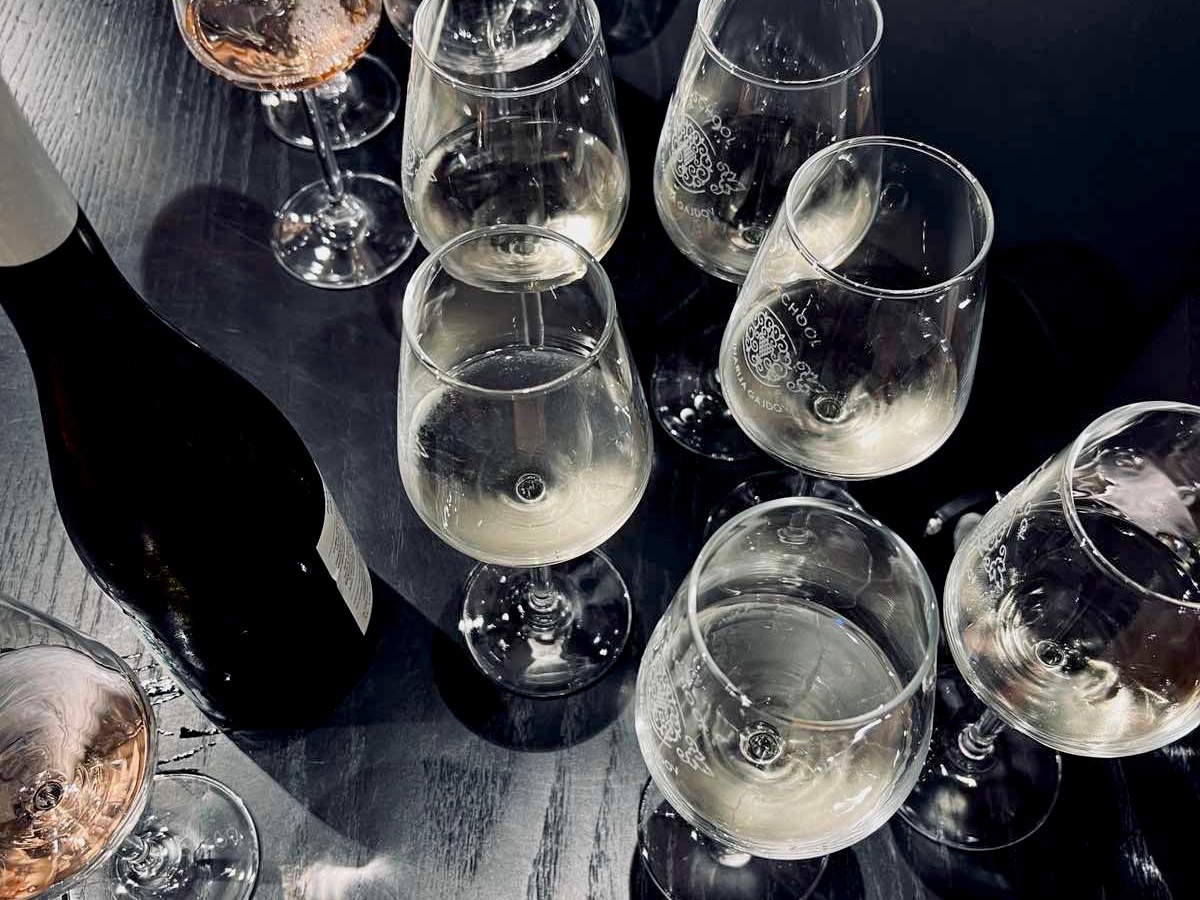
The evening was also enriched by Old School Winery, a small family-run winery from Veles, which presented its two new wines and shared the story behind their creation – another way for local stories to become part of our shared experiences.

But Canvas Conversations wasn’t just about painting or wine tasting. It was an evening for making connections, sharing ideas and creating something together. For those moments when we slow down, try out something new and give ourselves the freedom to express our creative potential.

Because creativity is not reserved only for artists. It is for anyone willing to try, create and enjoy the process.

This evening reminded us that sometimes the most beautiful stories begin with a blank canvas, a glass of wine and good company.


When Fashion Tells a Story: The Tradition and Identity of the Polog Region

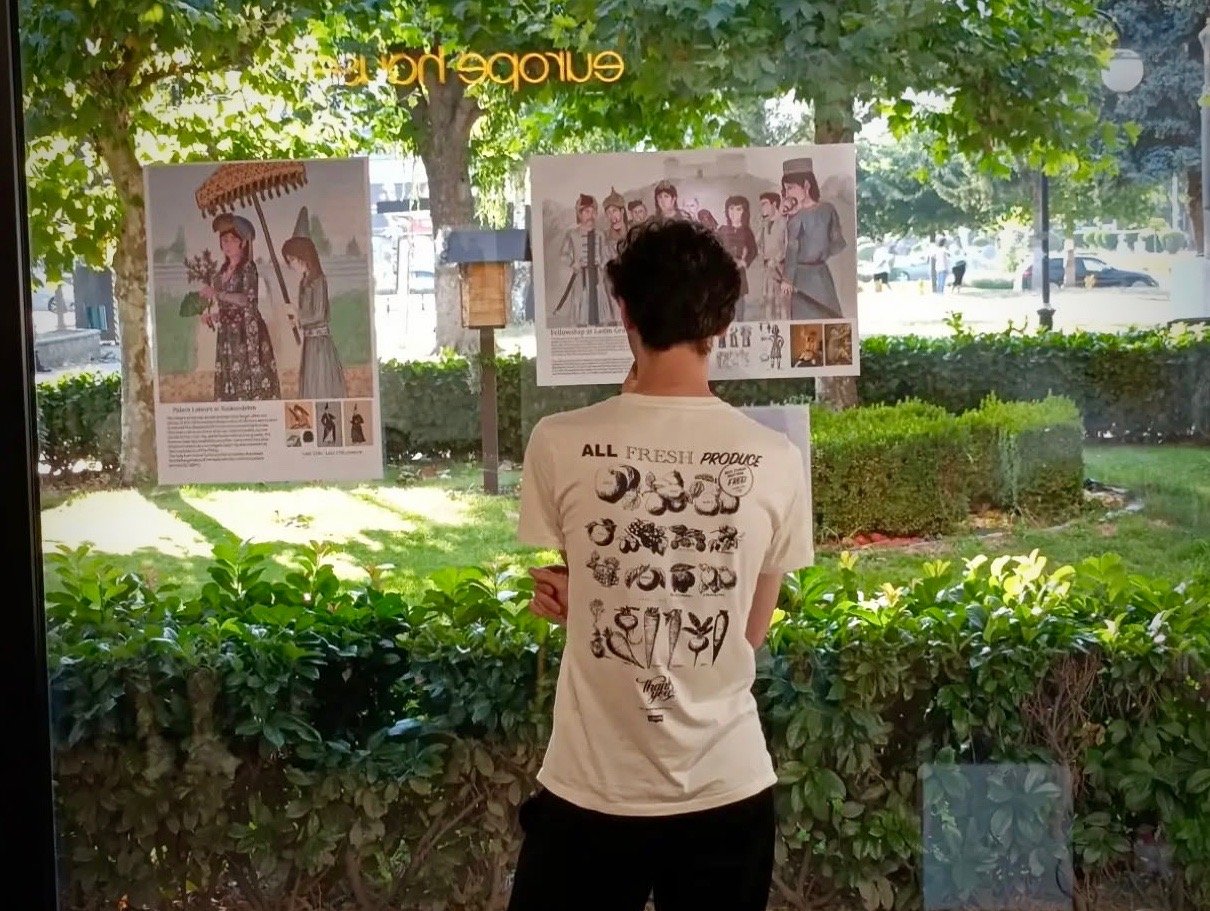
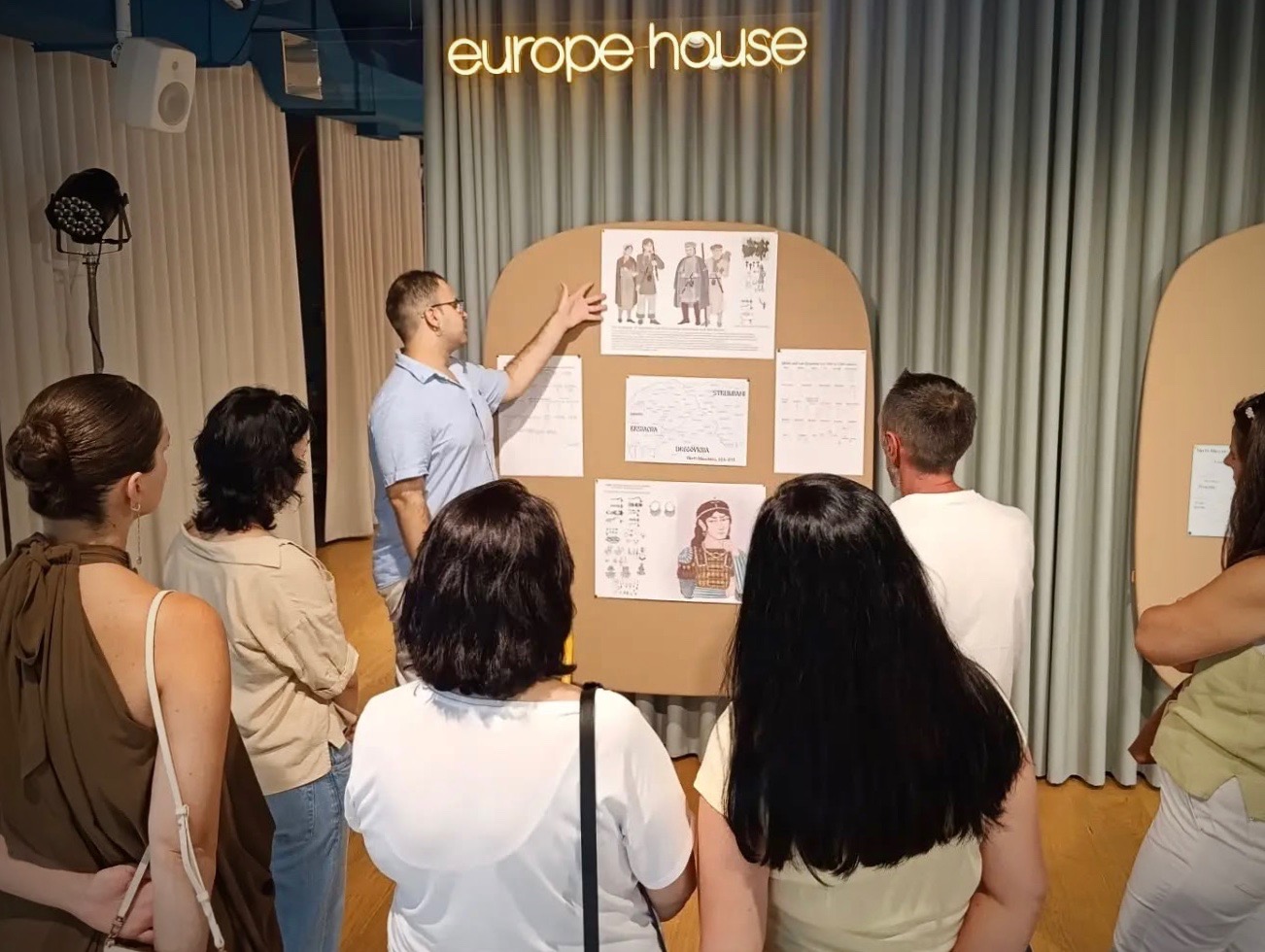
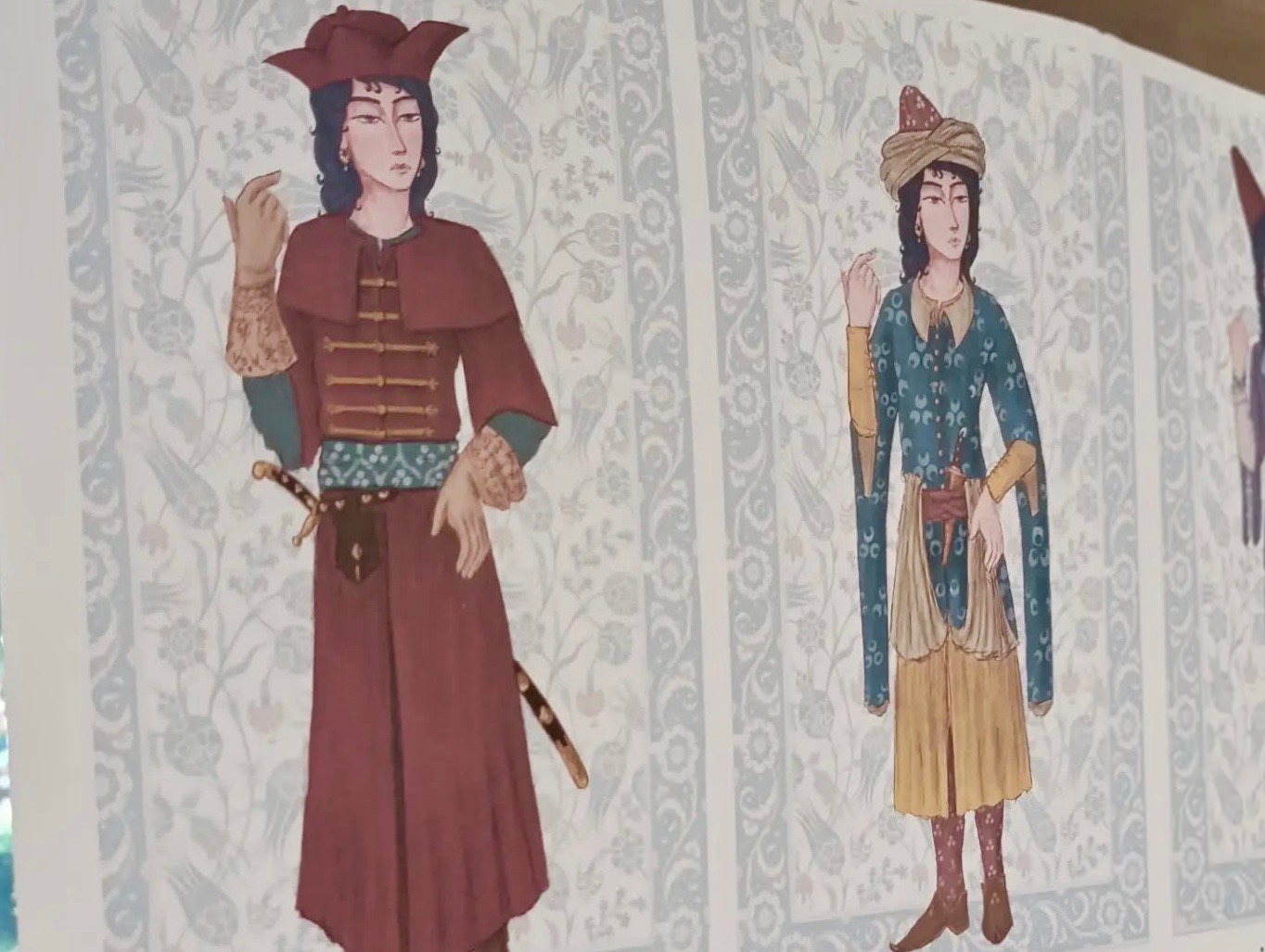
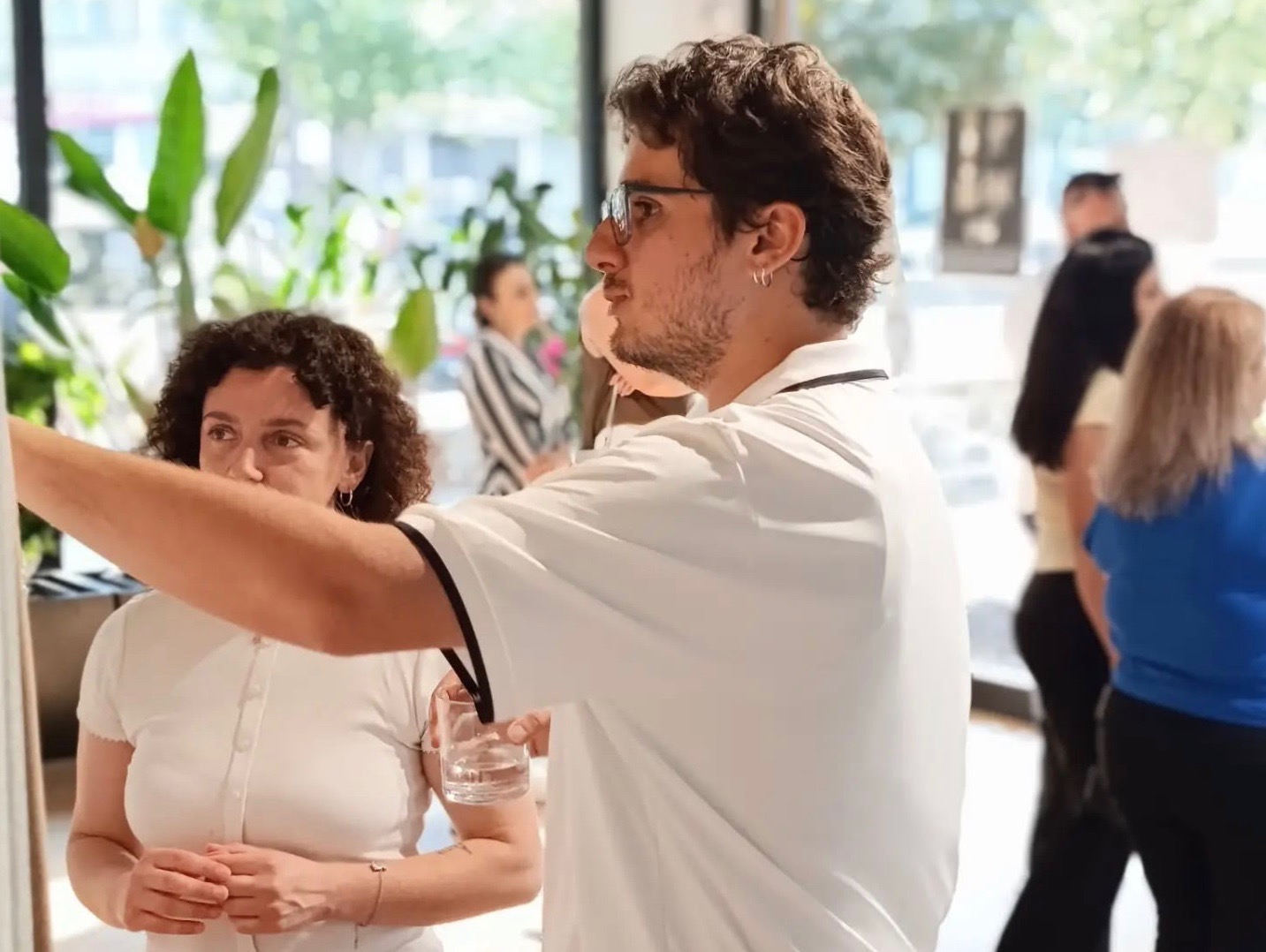
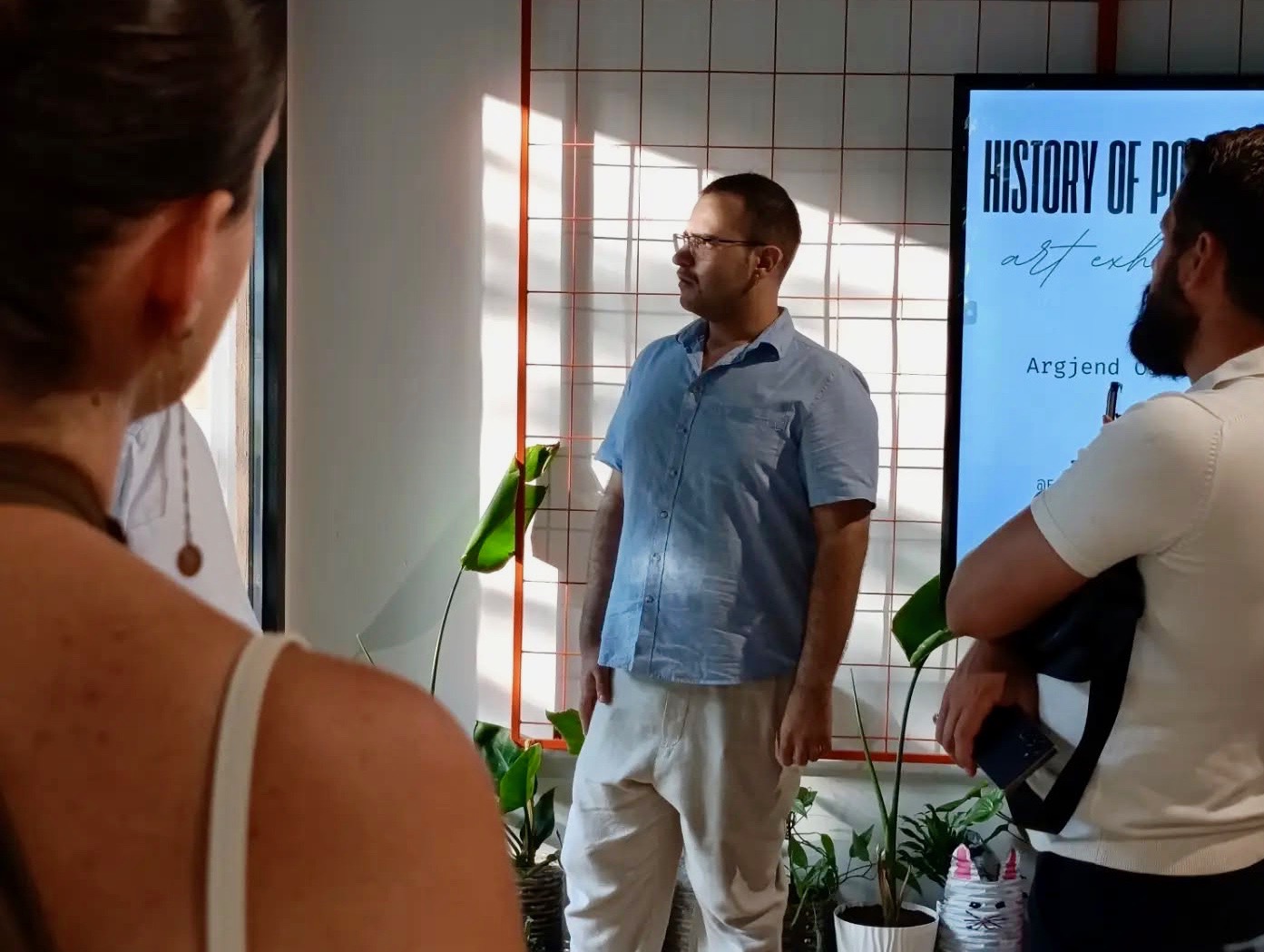
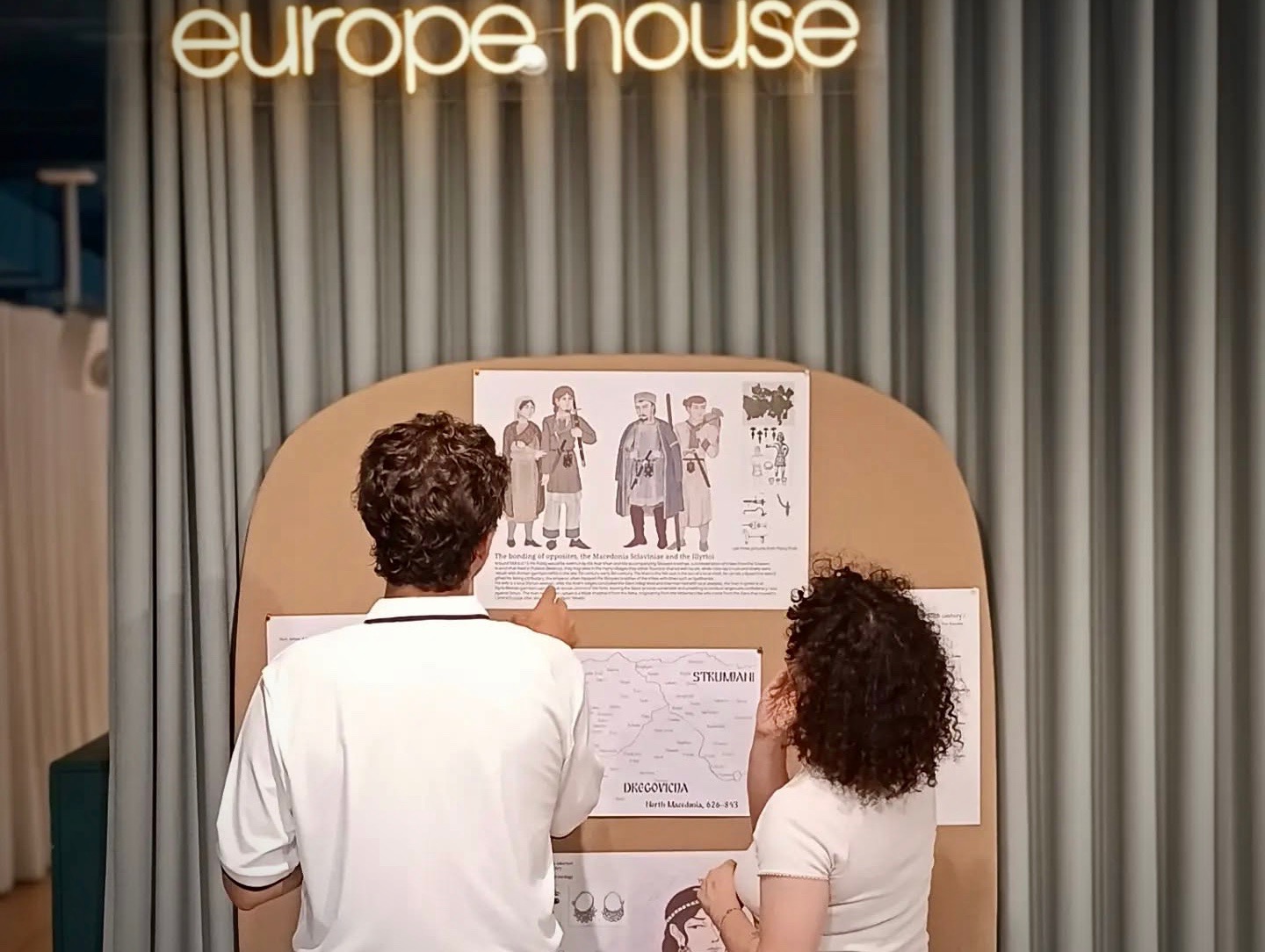
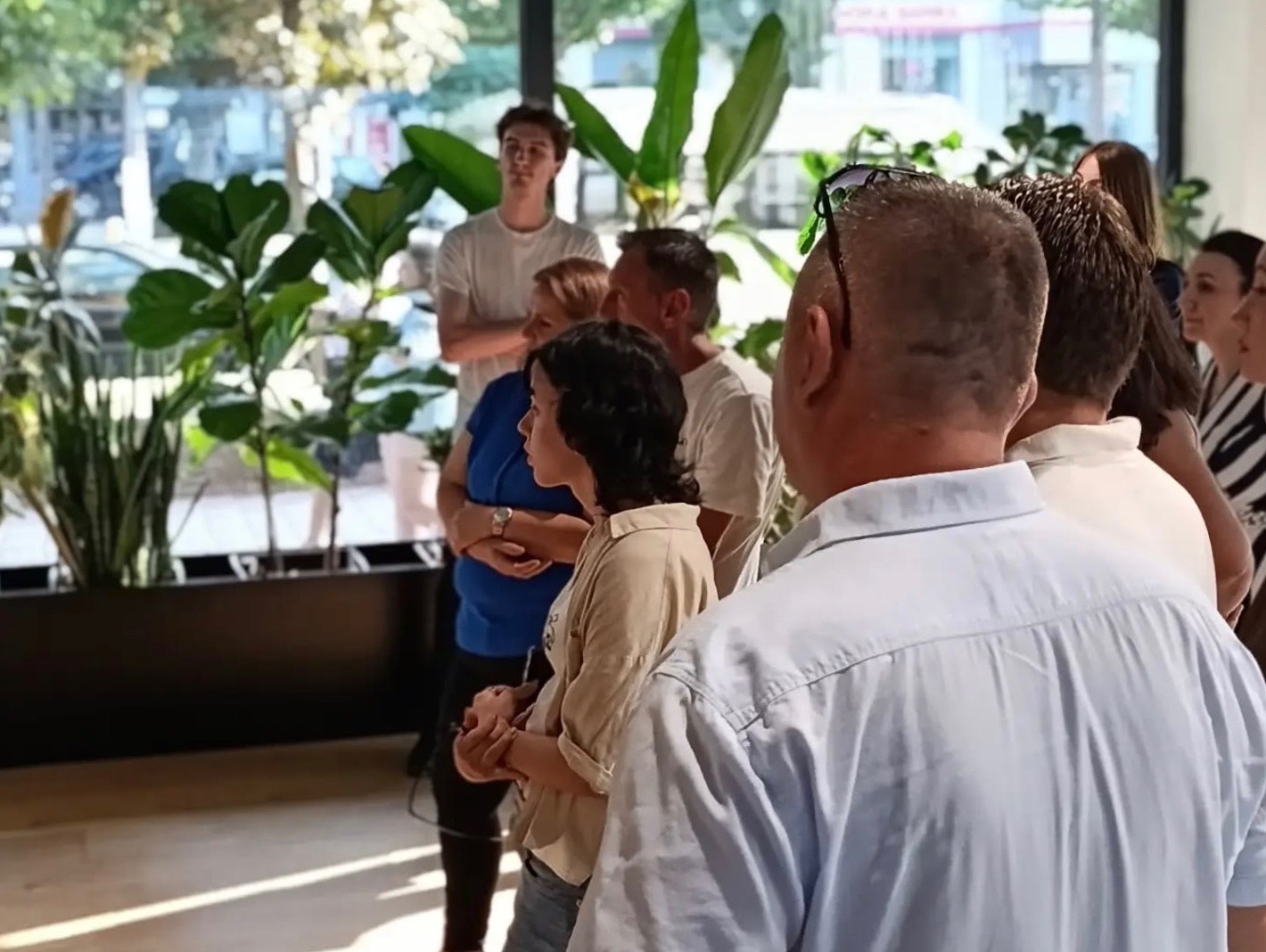
What can fashion tell us about the history, traditions and identity of a region? We explored these questions through the exhibition “The History of Polog Fashion”, presented at Europe House Tetovo.

Through authentic stories and fashion elements from different historical periods, the exhibition traces the evolution of fashion in the Polog Region and shows how clothing and traditional elements become part of a community’s cultural identity and heritage.

The exhibition is the result of the dedicated work of Argjend Osmani, whose initiative contributes to researching, preserving and promoting the cultural heritage of the Polog Region. His work shows how young people can play an important role in uncovering local stories and bringing them closer to new generations.

“The History of Polog Fashion” reminded us that every traditional element carries its own story – about the time, the people and the place it comes from.

Why Protecting Bees Matters for Our Future: Learning About Sustainable Beekeeping

A day filled with new knowledge, hands-on experience and inspiration for how each of us can contribute to protecting bees and biodiversity.

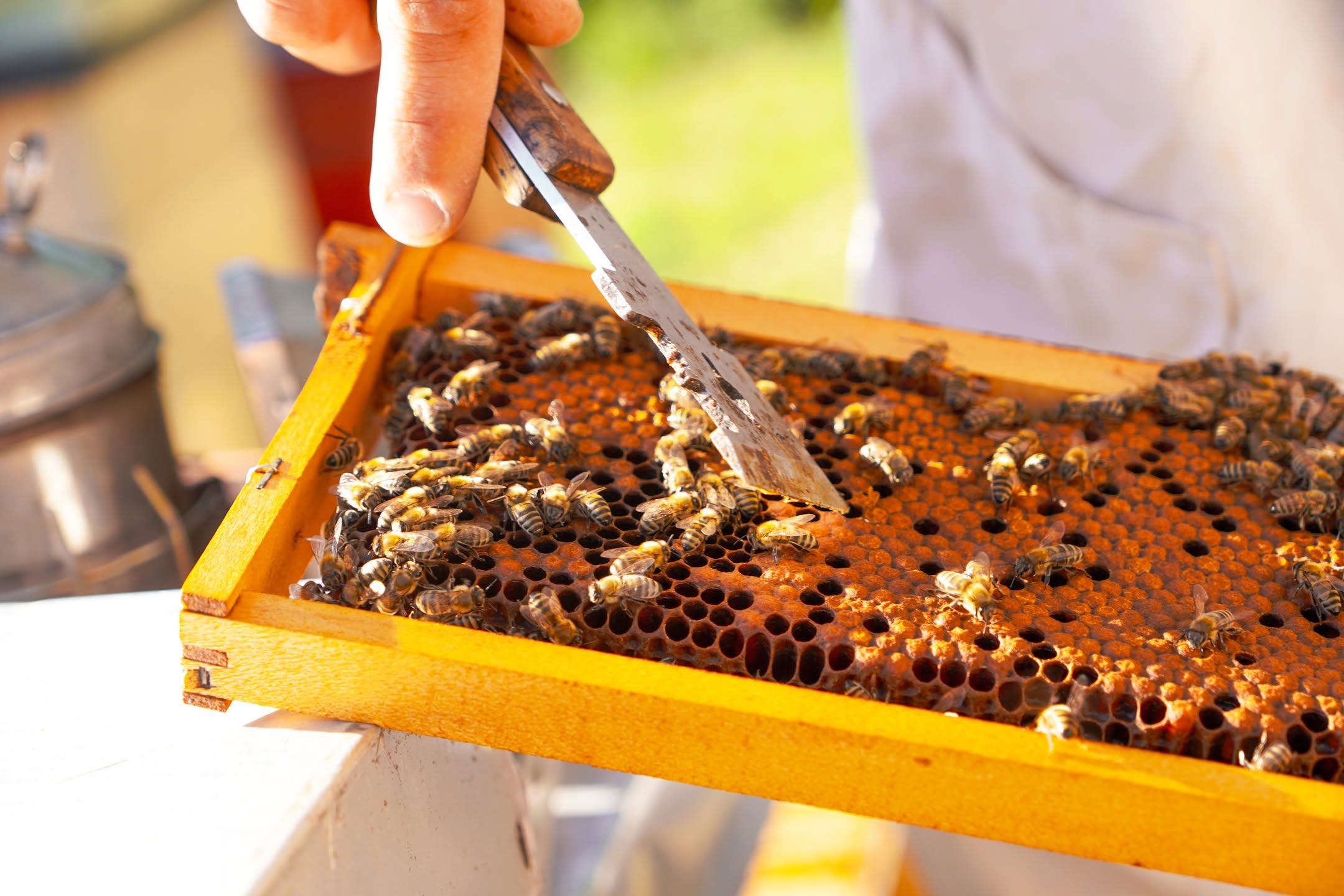
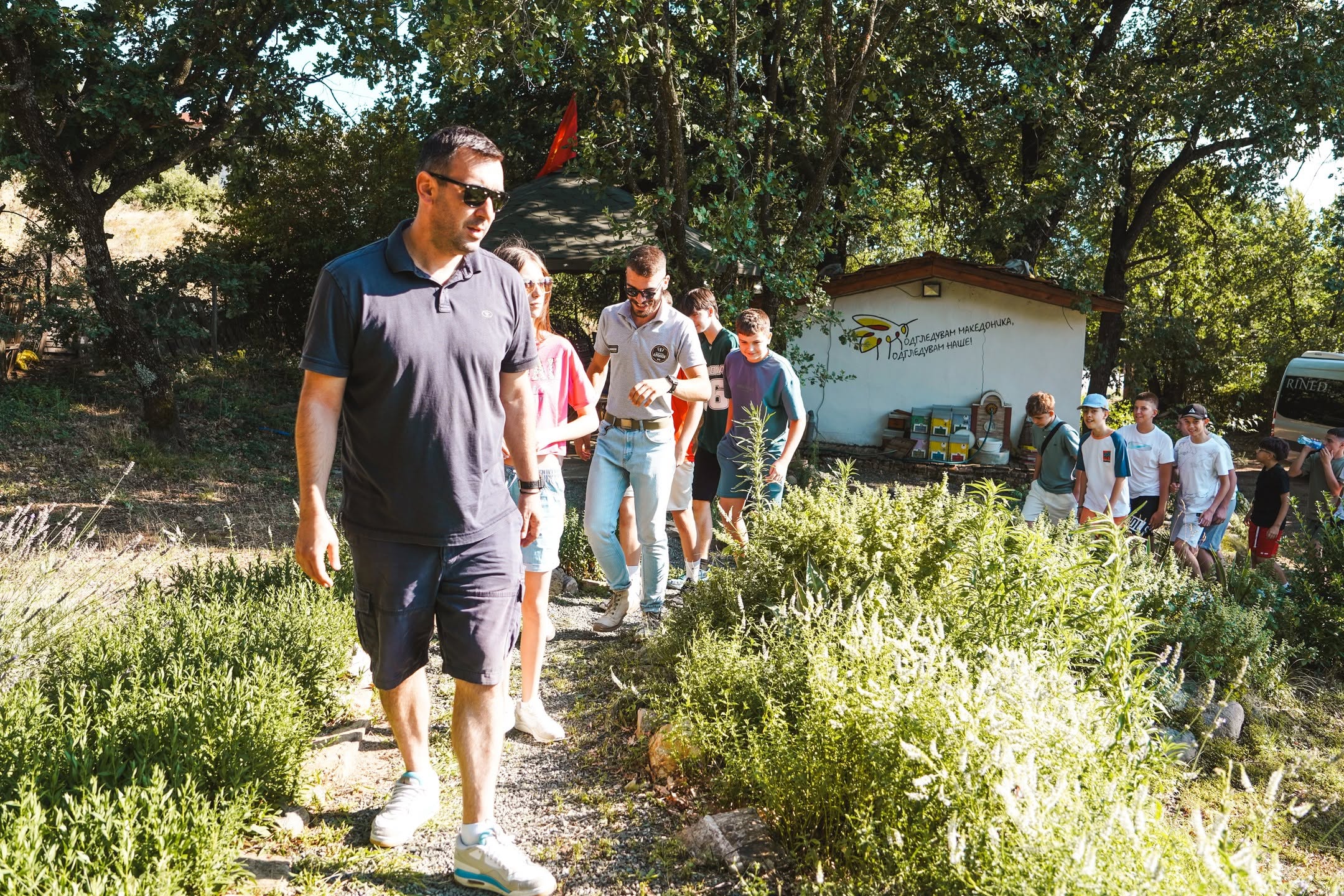
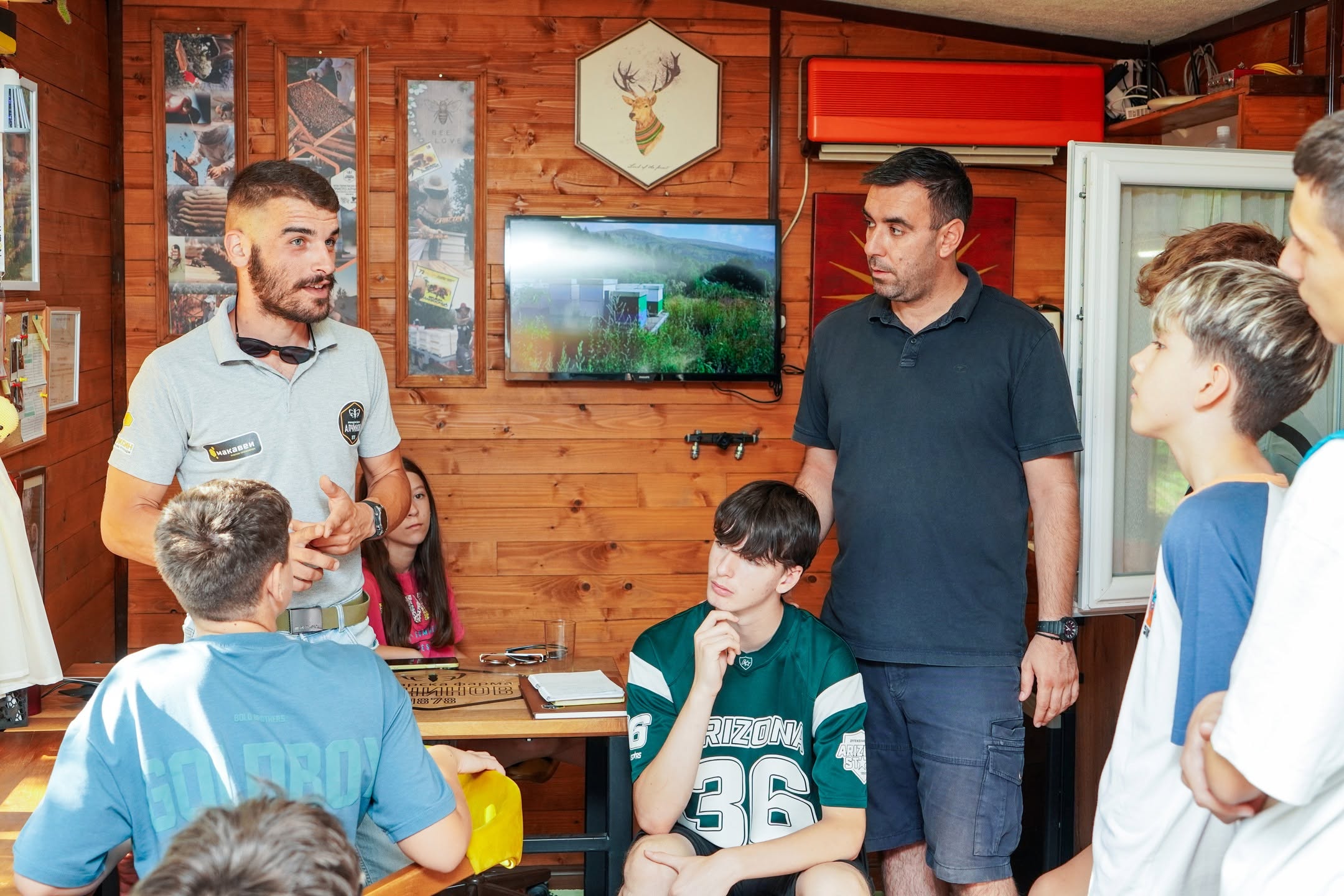
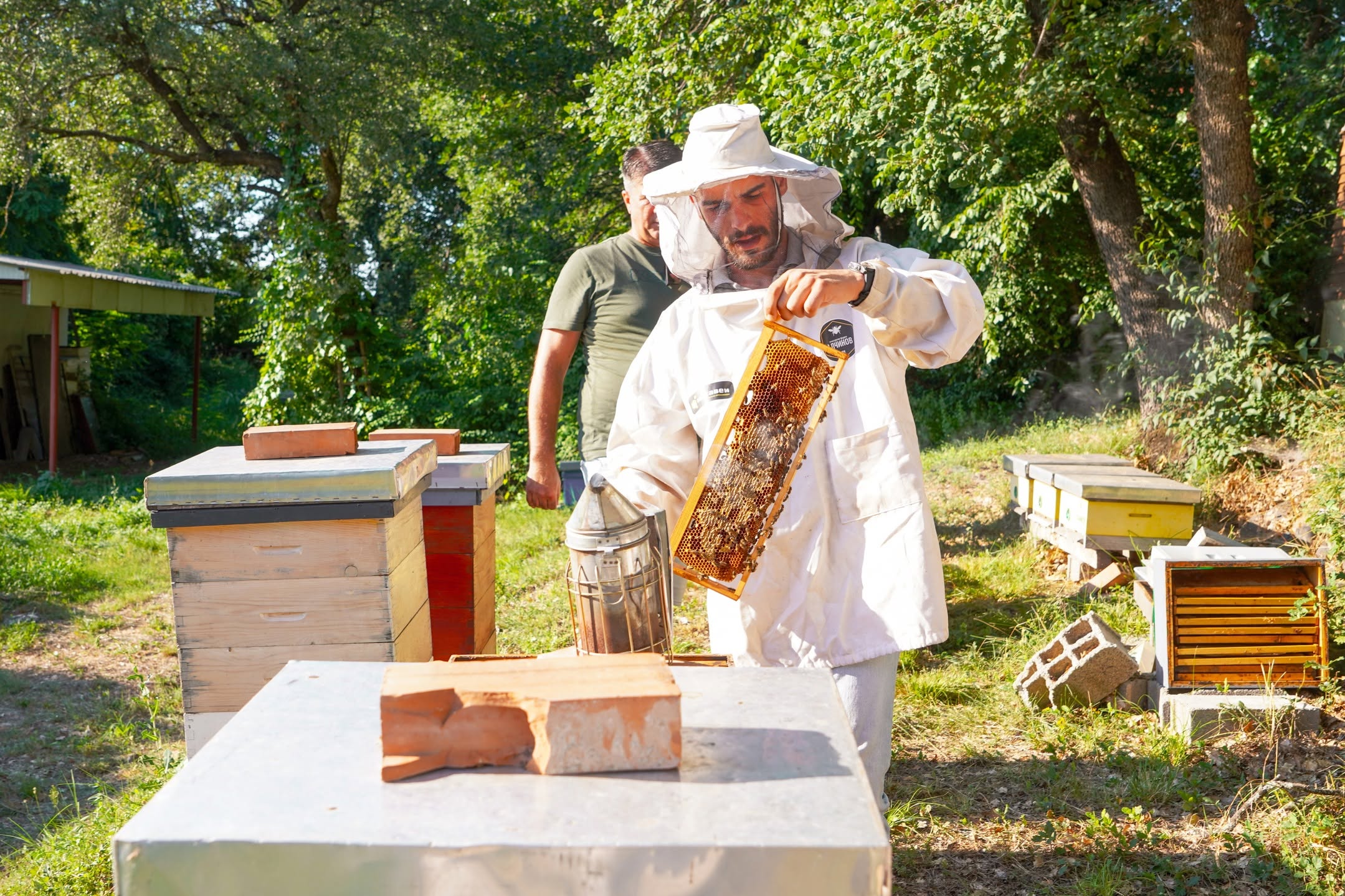
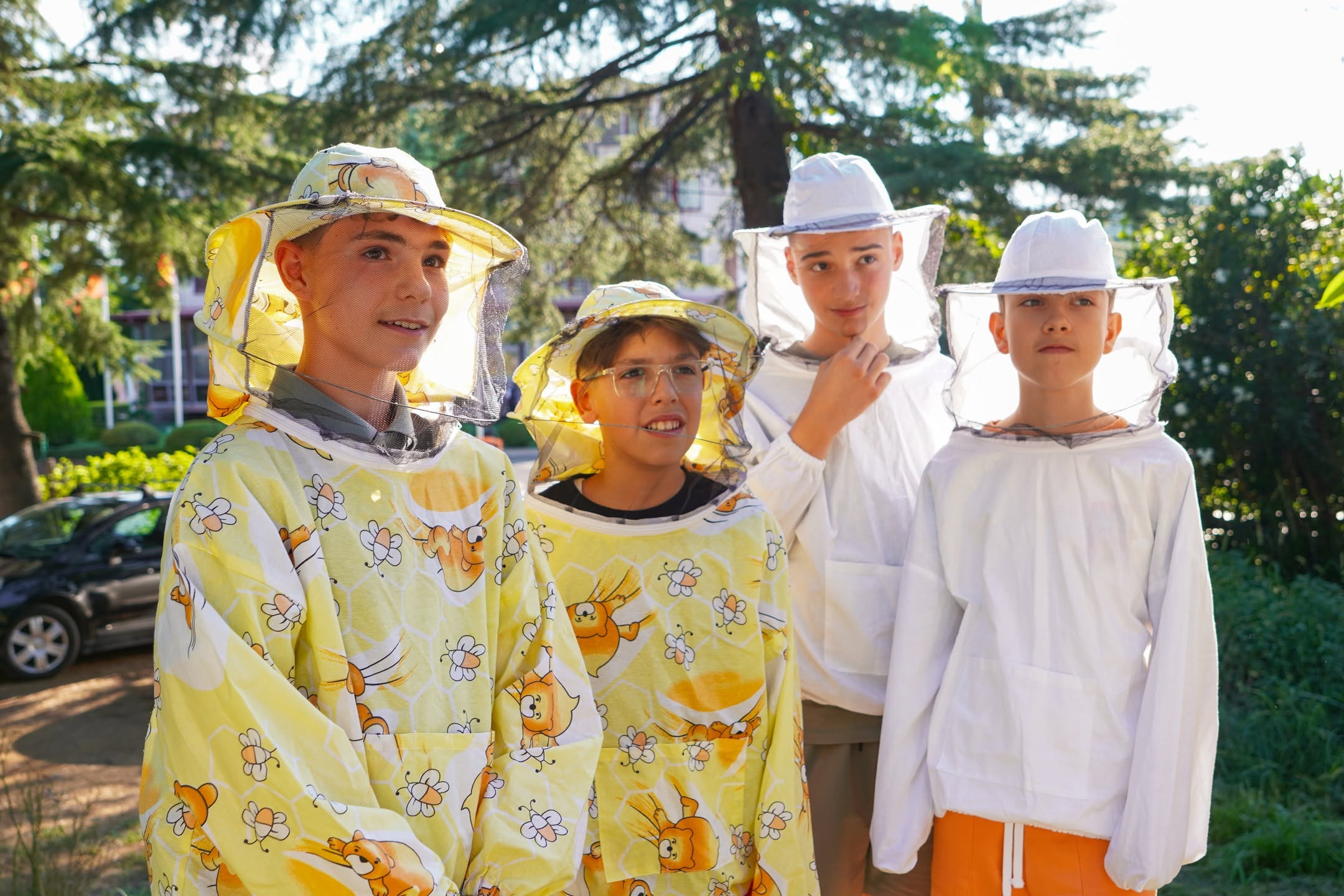
As part of a workshop organised by Europe House Strumica, we visited the Alchinov beekeeping farm and apitherapy centre in the Gevgelija region, where we explored the tradition of beekeeping and learned about the vital role bees play in nature and sustainability.

We got a close-up look at bee colonies, learned how beekeepers care for their hives, and discovered why bees are essential to protecting biodiversity.

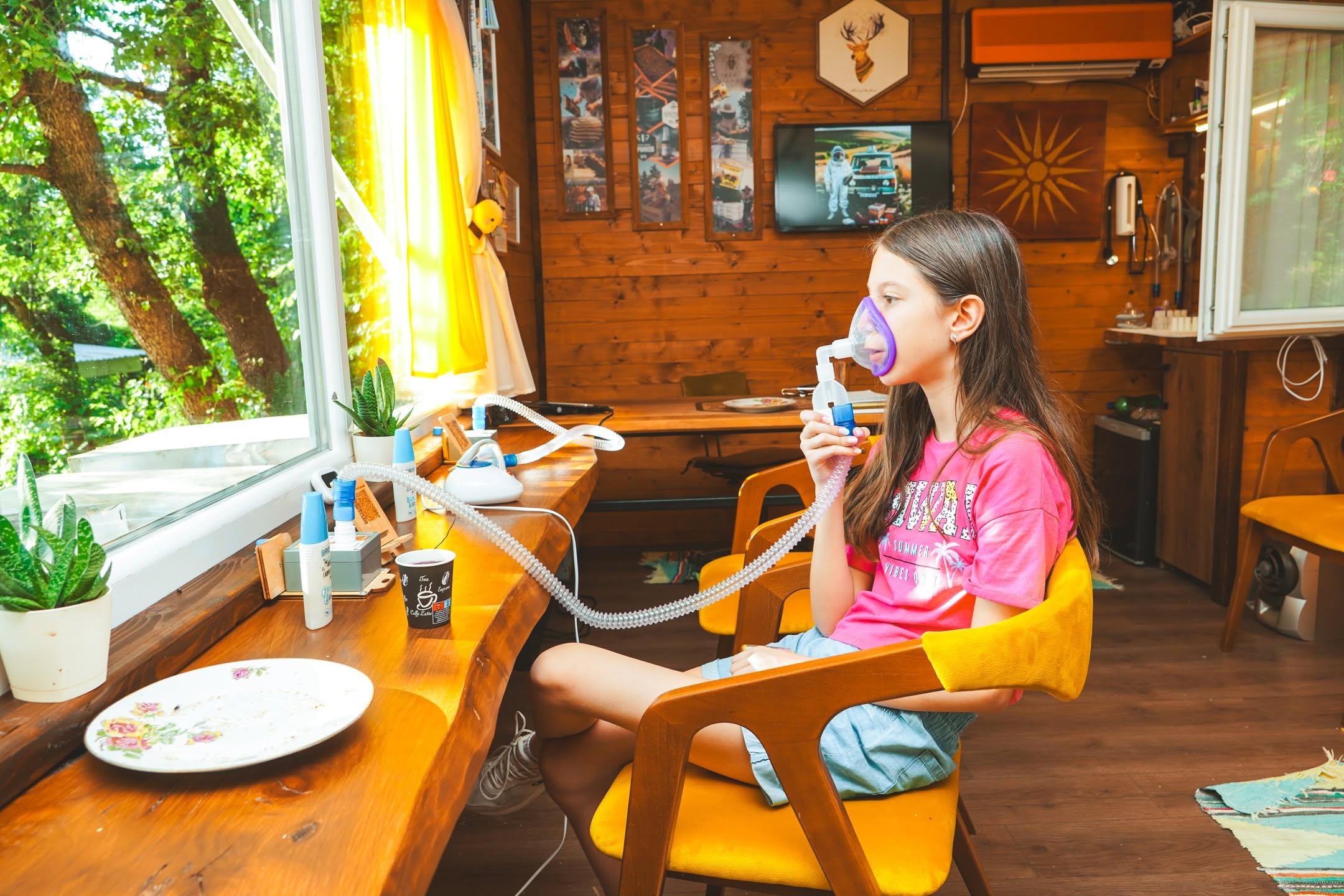
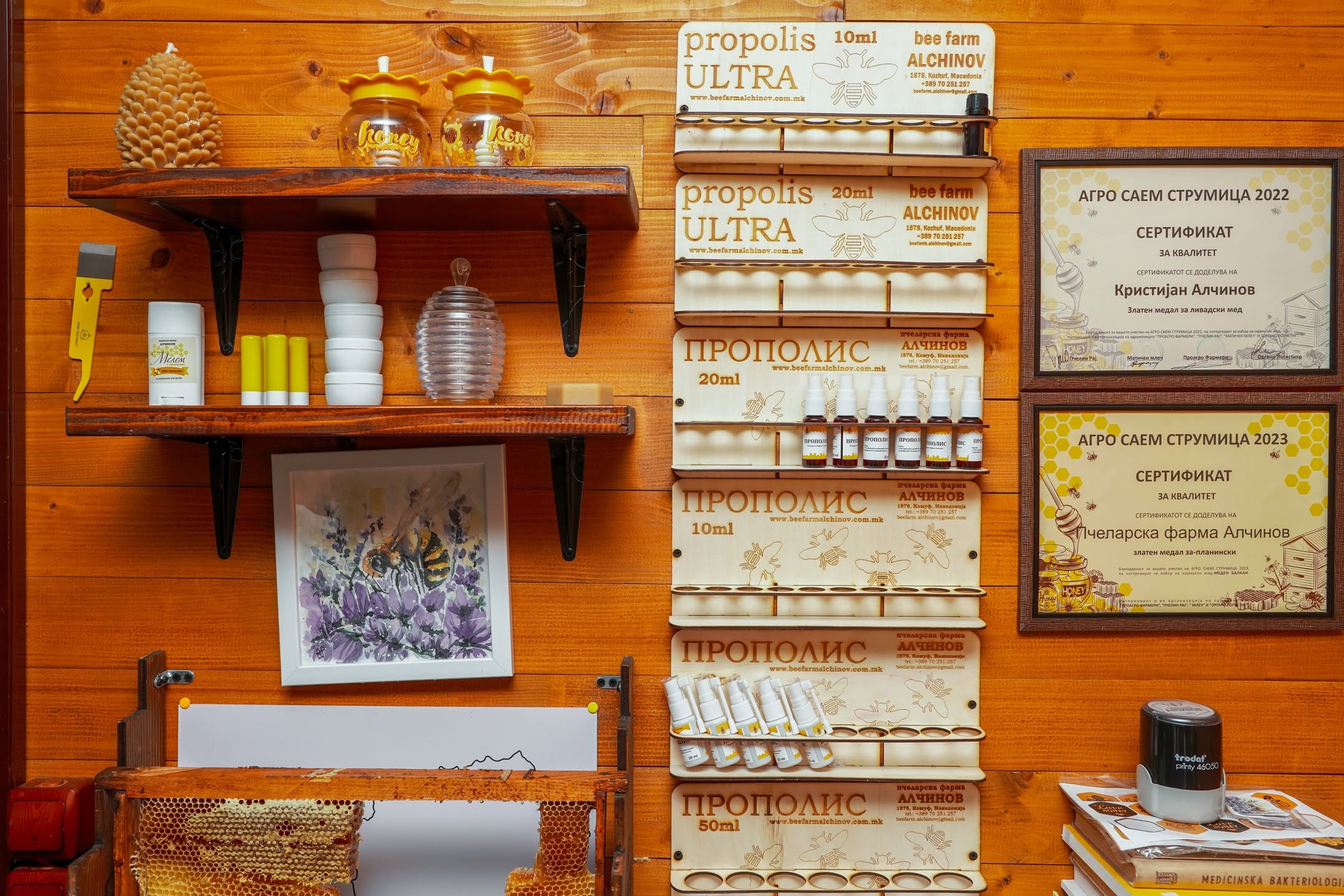
We also visited the apitherapy room, where we experienced the world of bees up close, breathed in natural air from the hives and learned about a variety of bee products.

Most importantly, we learned that caring for bees means caring for nature — and for our sustainable future.

Bees are among nature’s most important guardians of ecological balance. They pollinate a large share of flowering plants, helping to preserve biodiversity and support the food that reaches our tables every day.

Yet bees are facing growing threats. Climate change, the loss of natural habitats and the excessive use of pesticides pose serious risks to their survival.

That’s why supporting the people who care for bees every day and promote sustainable beekeeping is also a way of protecting the balance of our ecosystems — and the future we all depend on.

Subscribe To our newsletter!