News from Europe House Tetovo Archives - Europe House

From Idea to Sustainable Business – 700 Accelerator Hub Opens Up New Opportunities for Local Startups

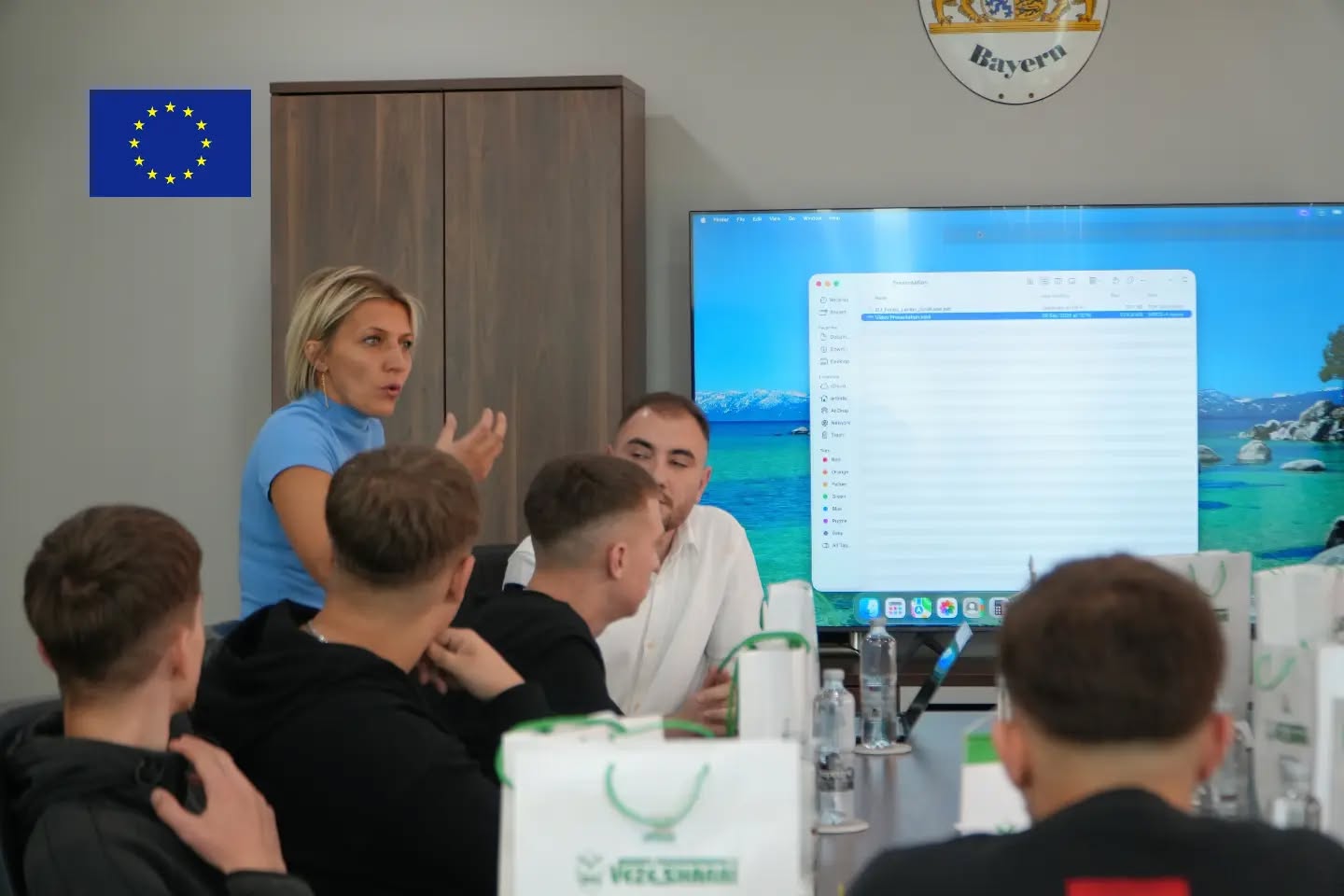
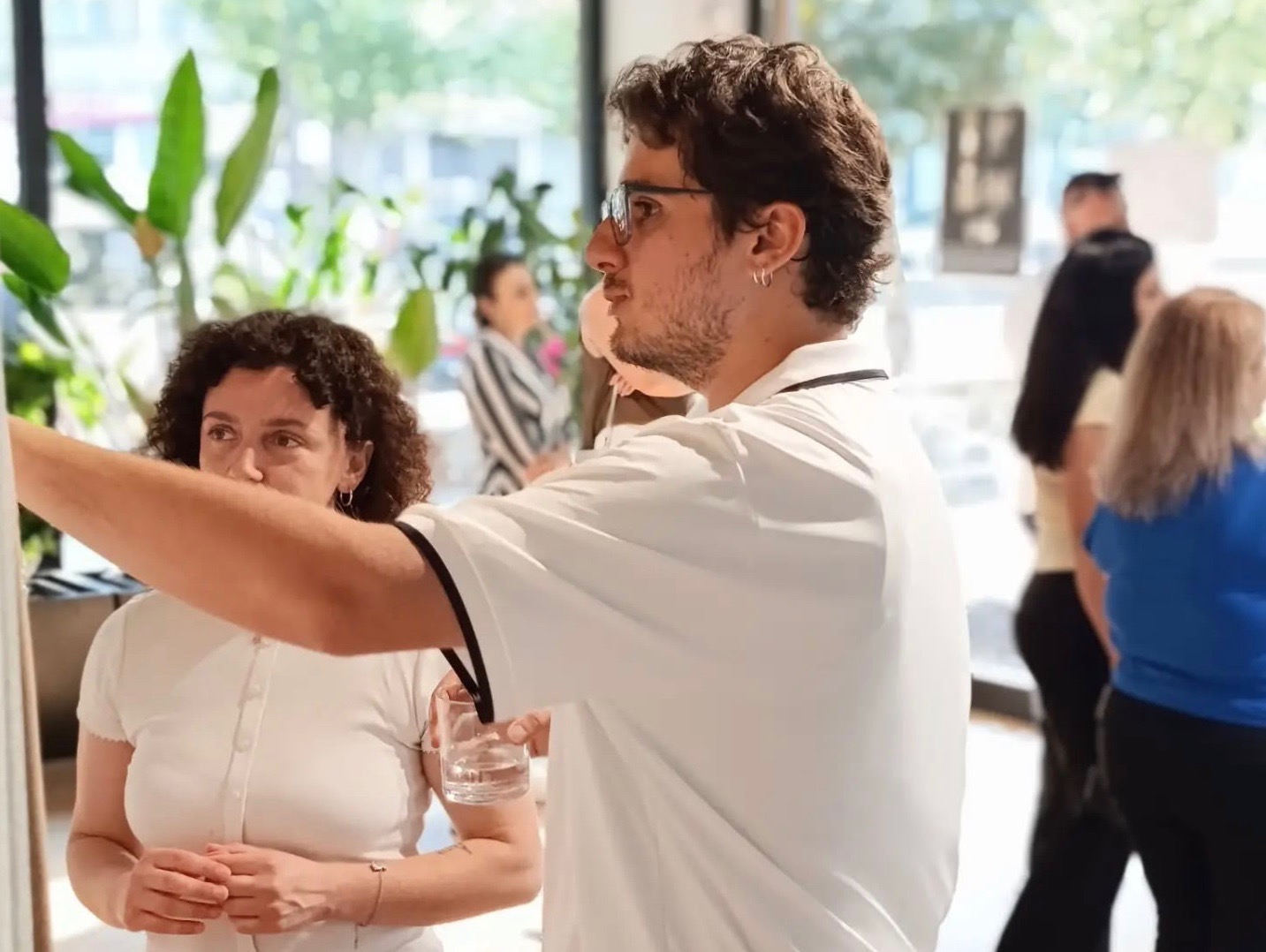
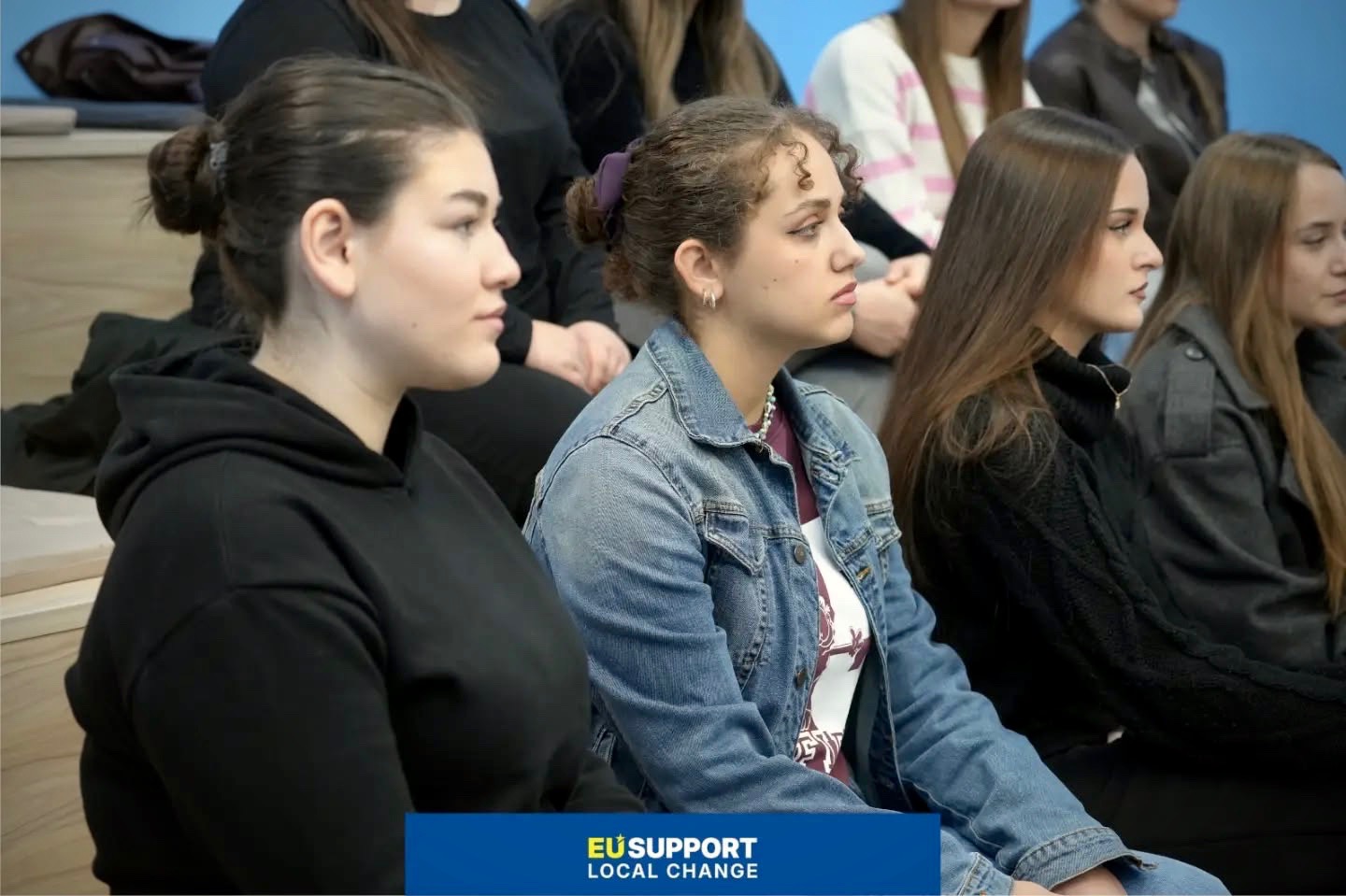
How can we create opportunities for young entrepreneurs and help turn good ideas into sustainable businesses? As part of the EU Support – Local Change series, Europe House Tetovo brought a group of secondary school students to 700 Accelerator Hub at South East European University (SEEU) in Tetovo, giving them an opportunity to explore the world of startups.

Launched in December 2024 at SEEU TechPark, 700 Accelerator Hub was established with support from the European Union through the “EU for Economic Growth – EU4EG” project, co-funded by the EU and the Government of Germany. It provides a space for startups, entrepreneurship and innovation in the Polog region, connecting local talent with expertise, mentoring and business networks.

The Hub focuses on supporting young people and women in entrepreneurship, as well as early-stage startups, particularly those developing technological, digital and green solutions. Its programme offers 12 weeks of training, mentoring and networking opportunities, while startups may also be eligible for co-investment.
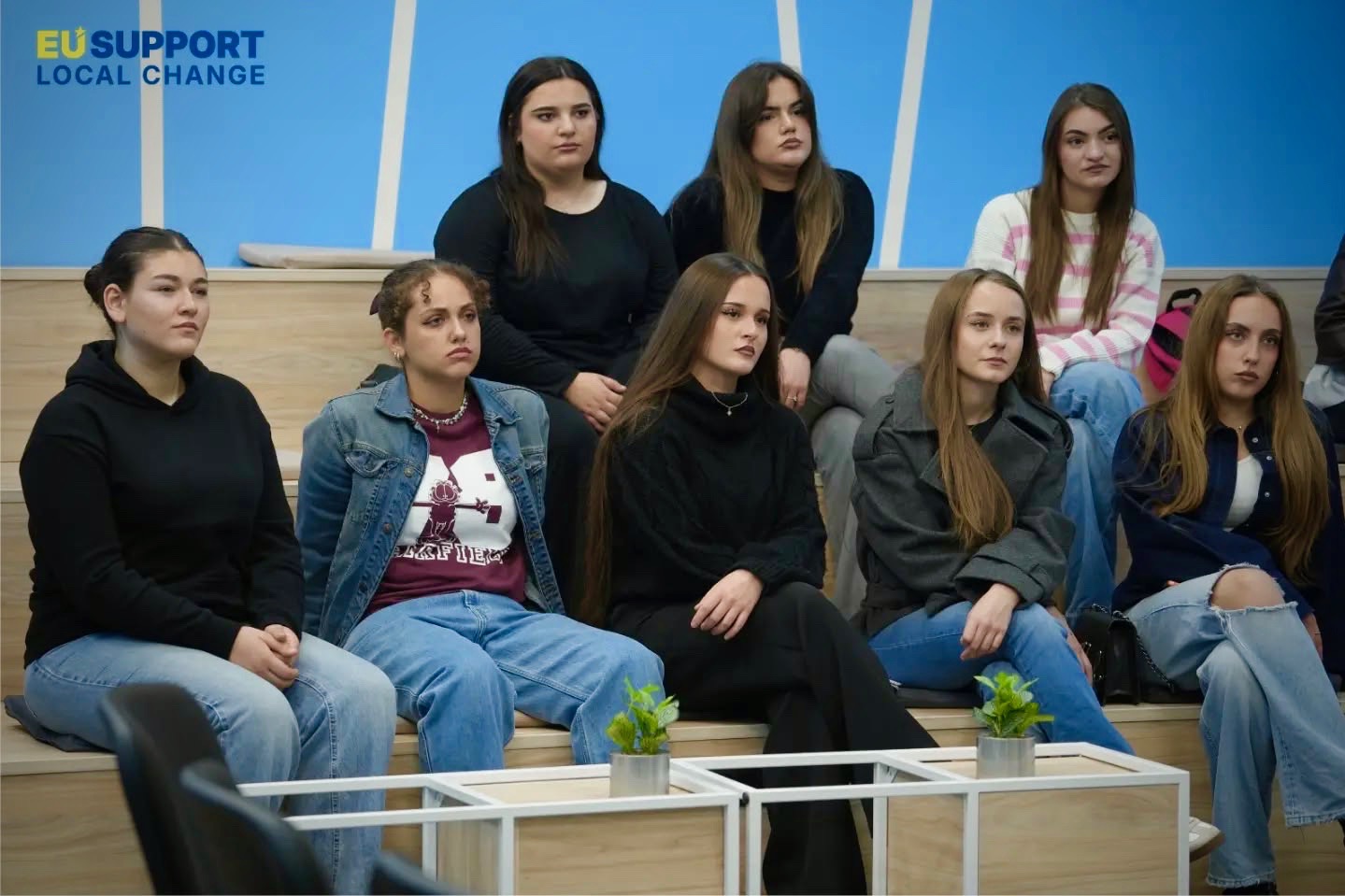
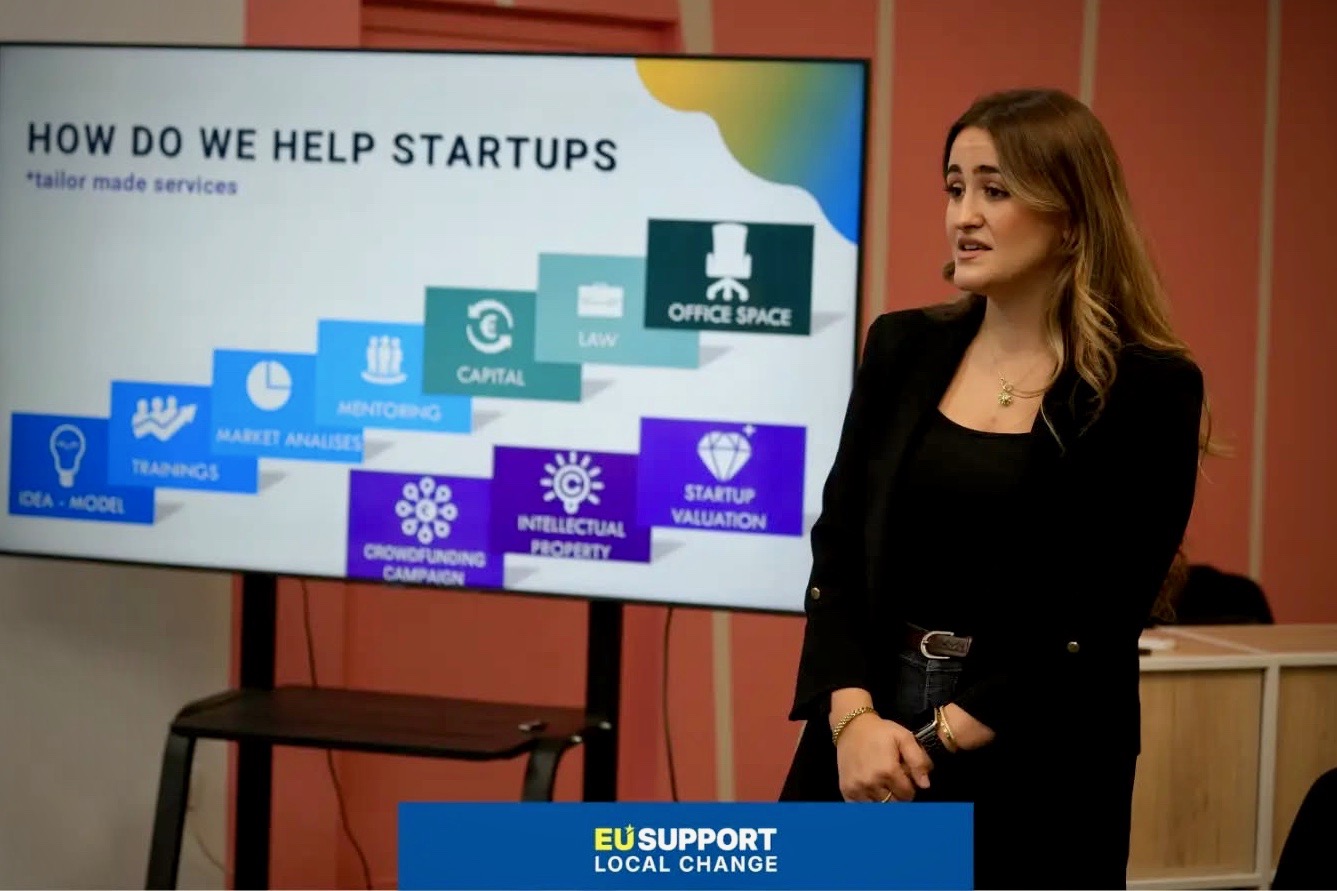
More than just a workspace, 700 Accelerator Hub provides an environment where ideas are shared and developed, collaboration is encouraged, and innovative solutions receive the support they need to grow into sustainable businesses.

Through the EU Support – Local Change series, Europe House Tetovo is exploring successful local initiatives with young people from the region, highlighting the tangible results of European support for sustainable economic growth.
Exploring Study Opportunities in the EU: From Scholarships to Student Exchanges

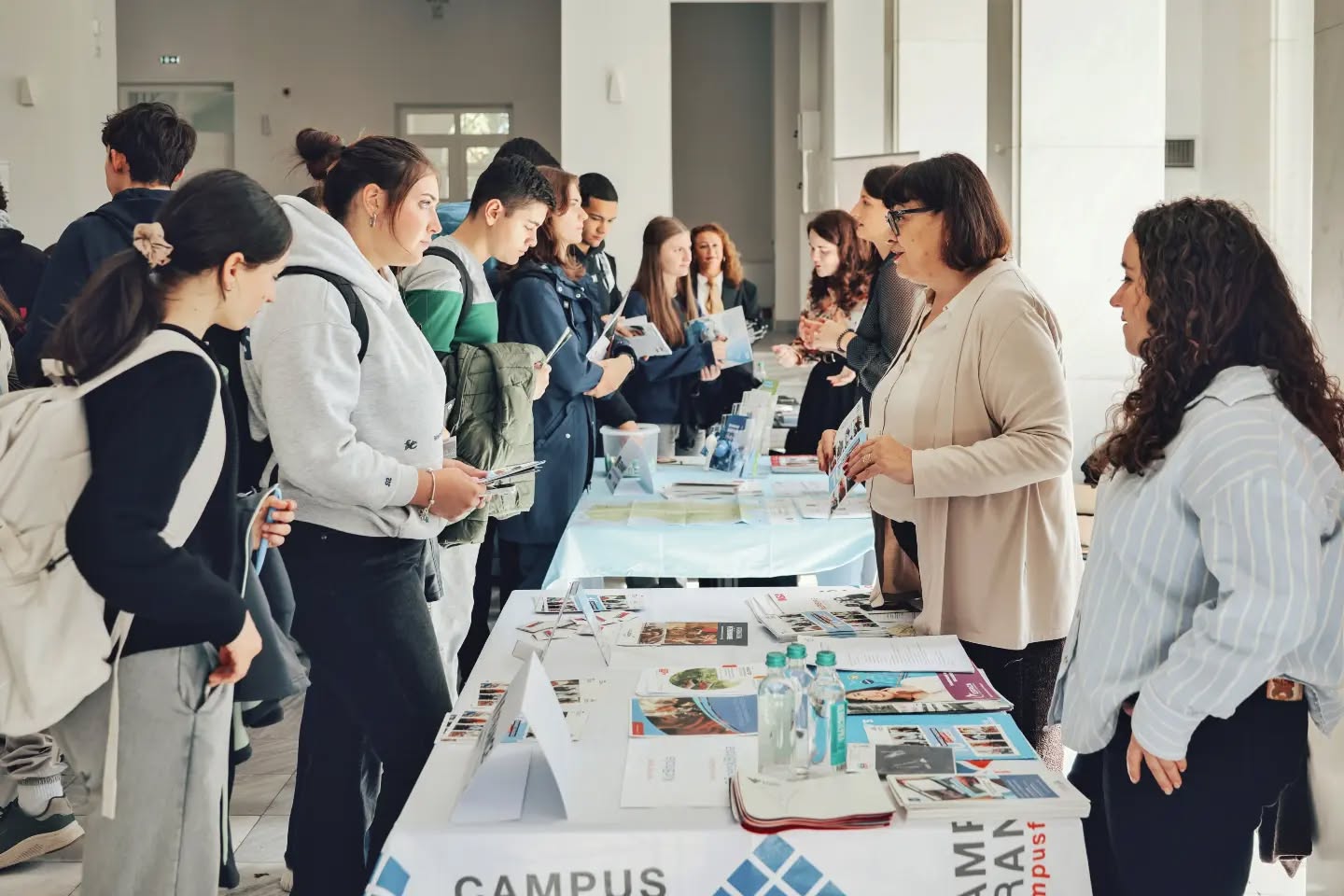
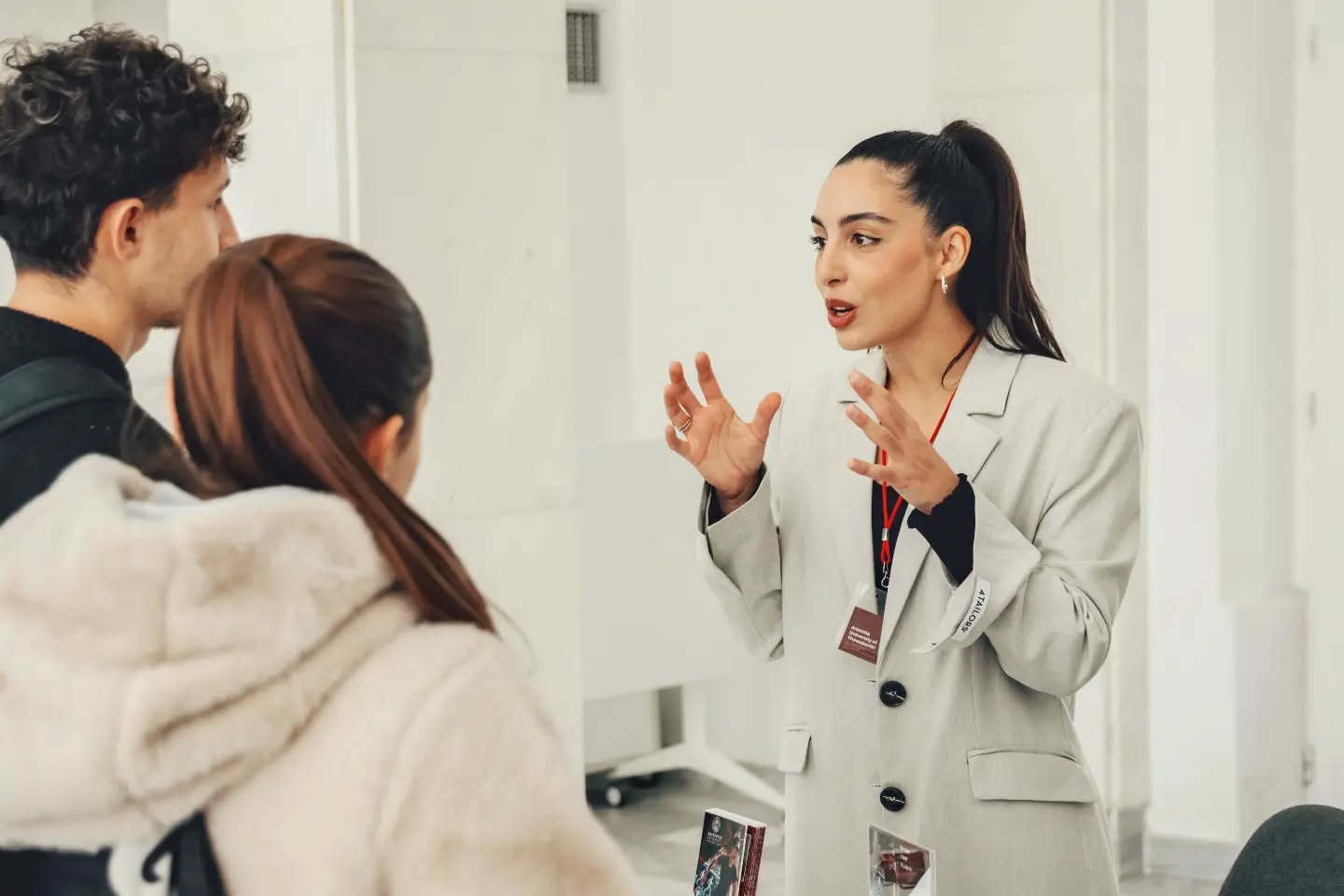
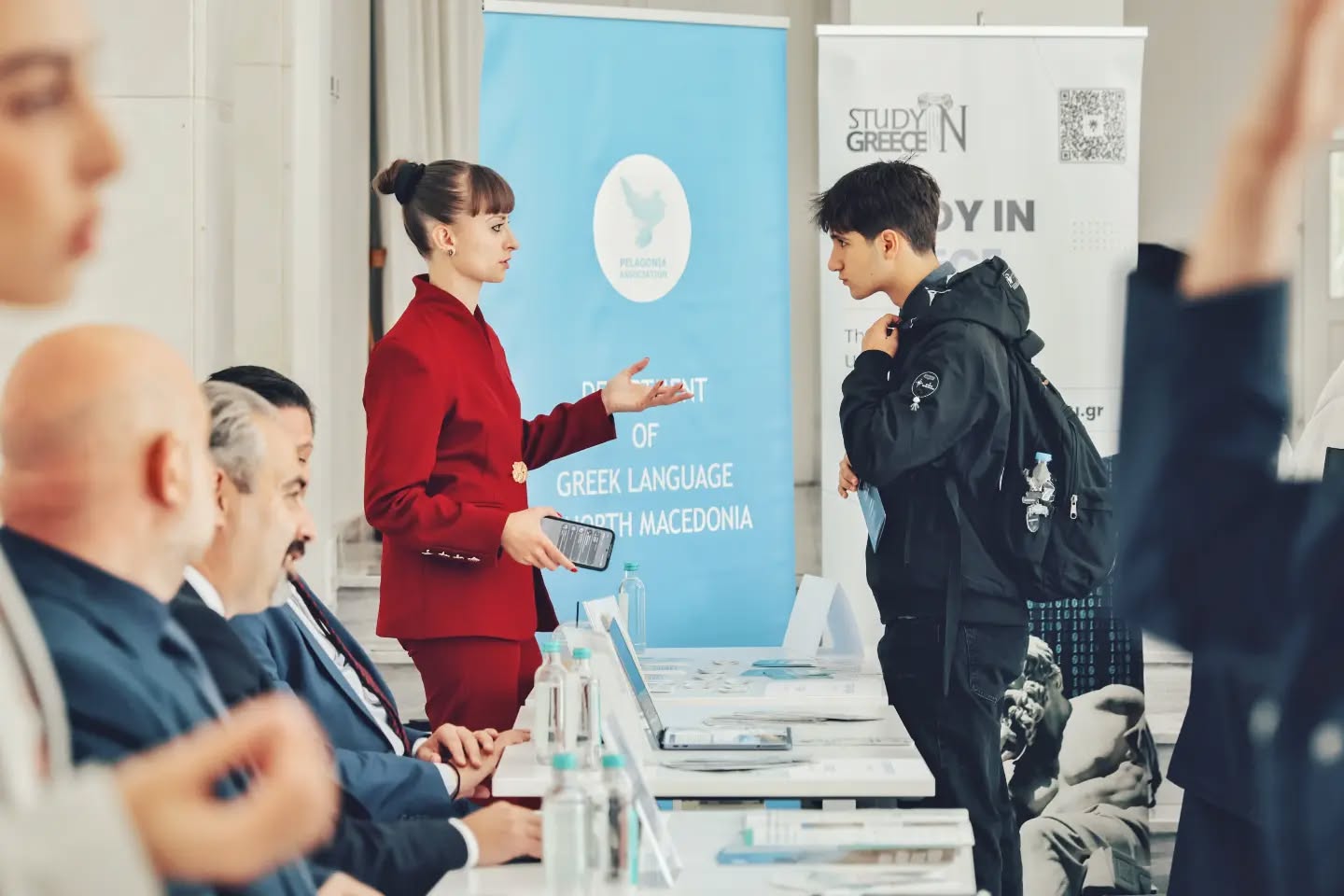
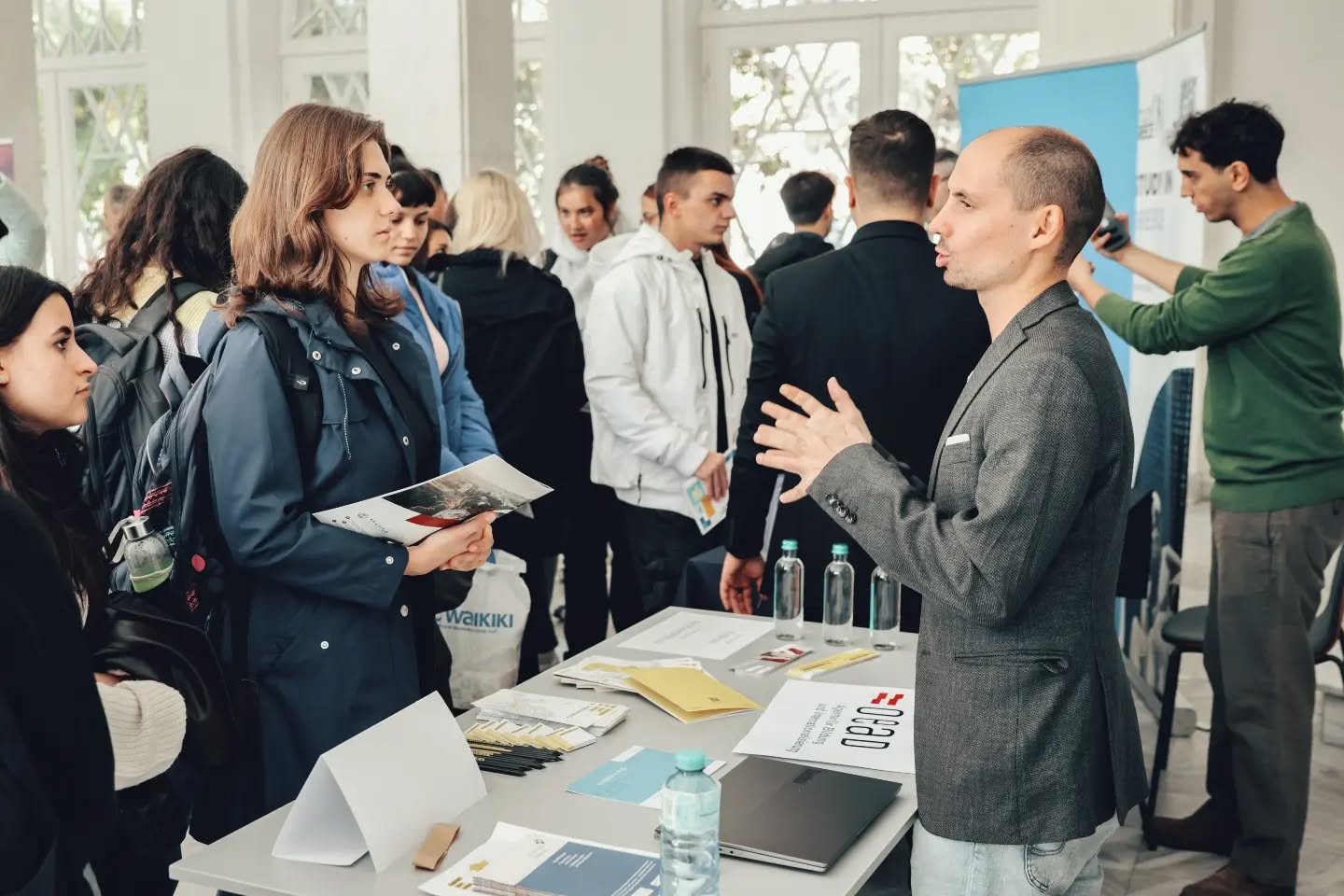
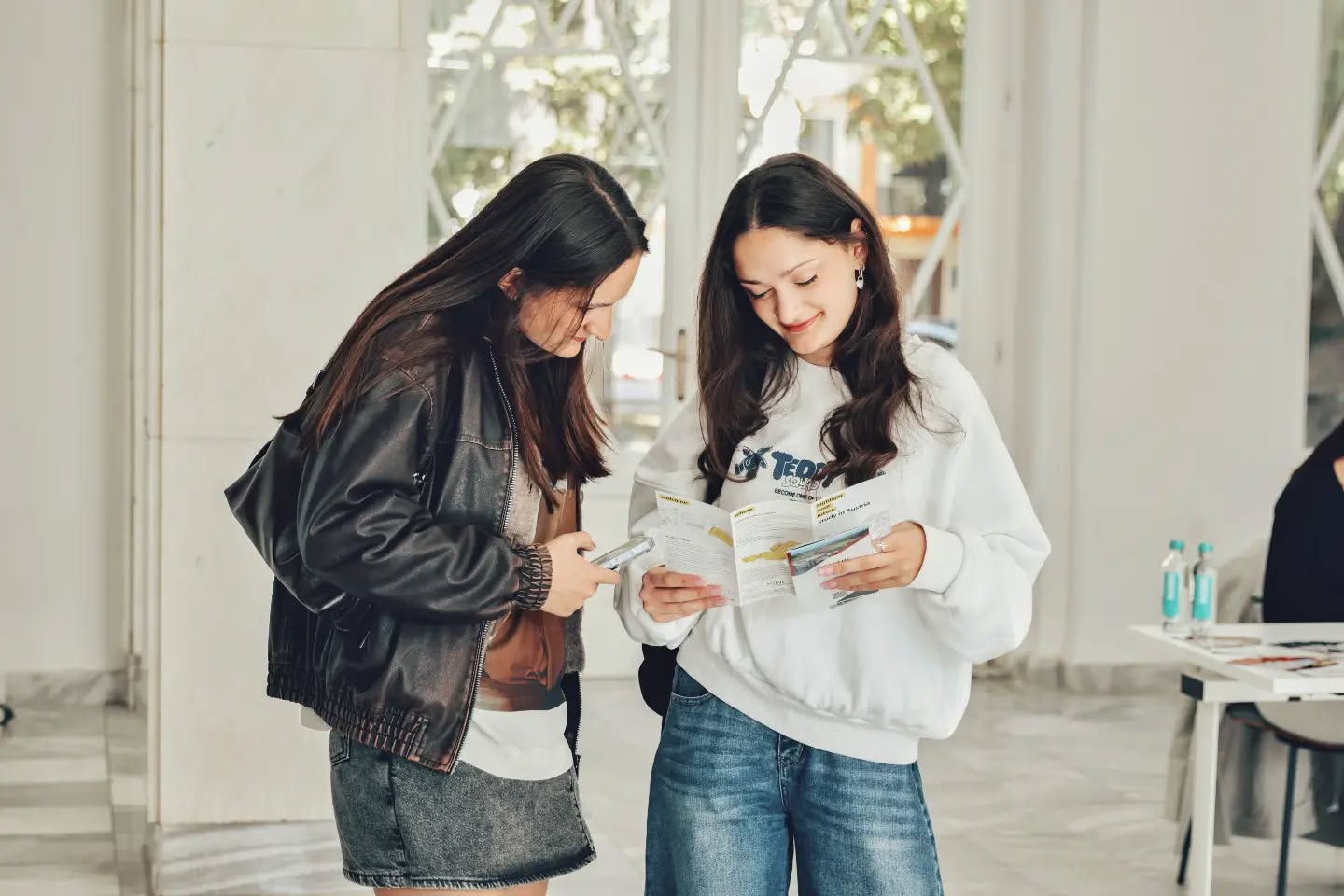
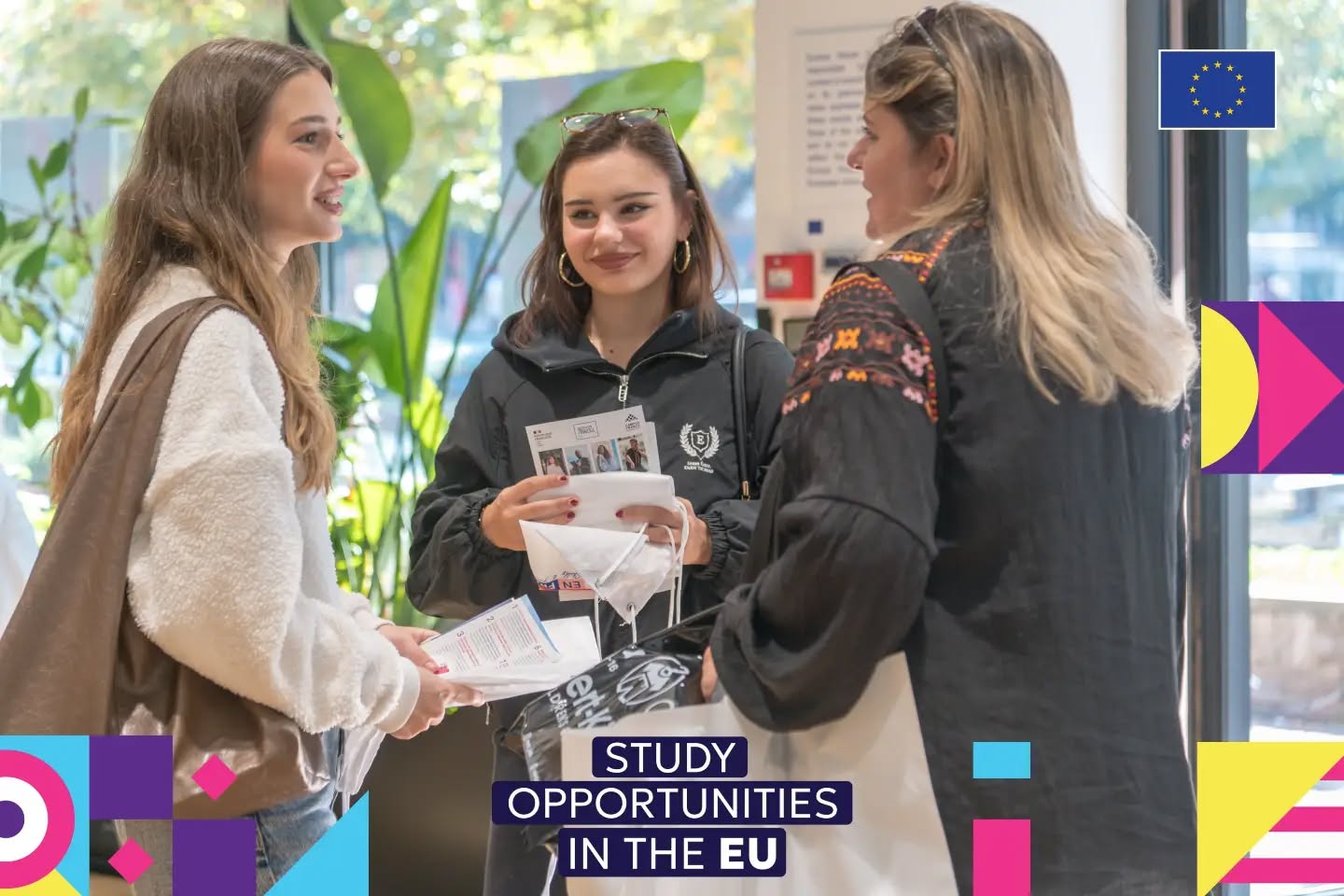
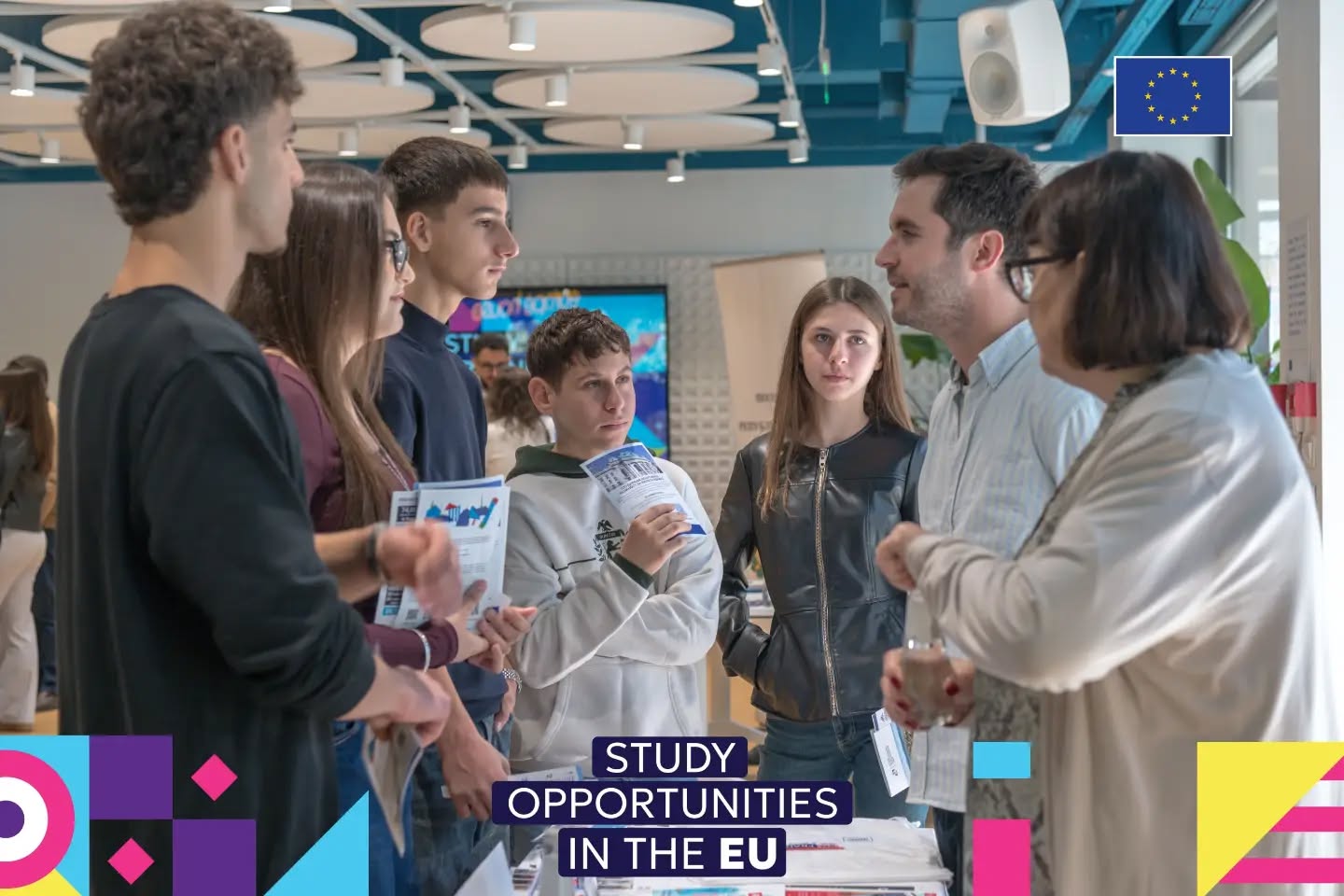
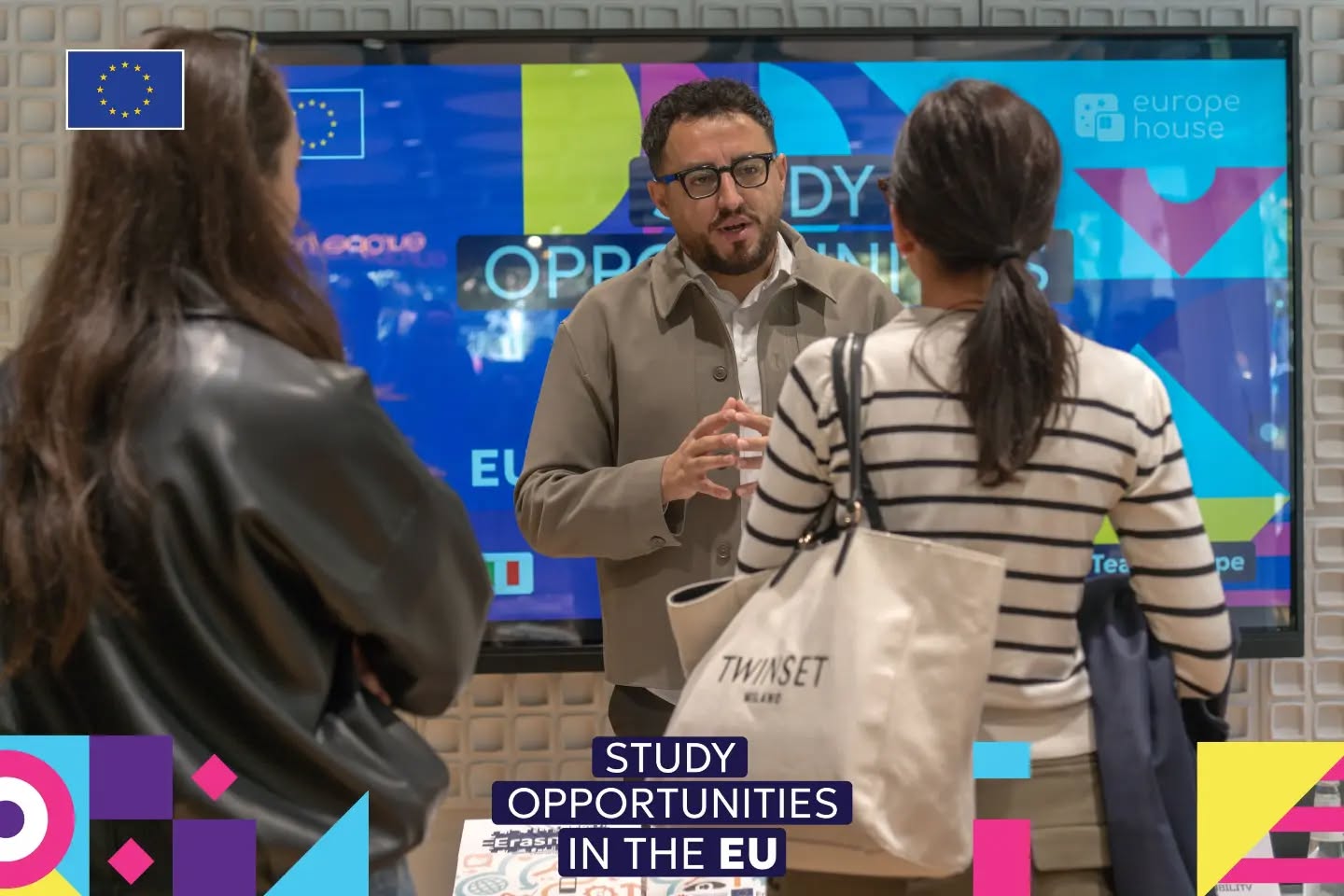
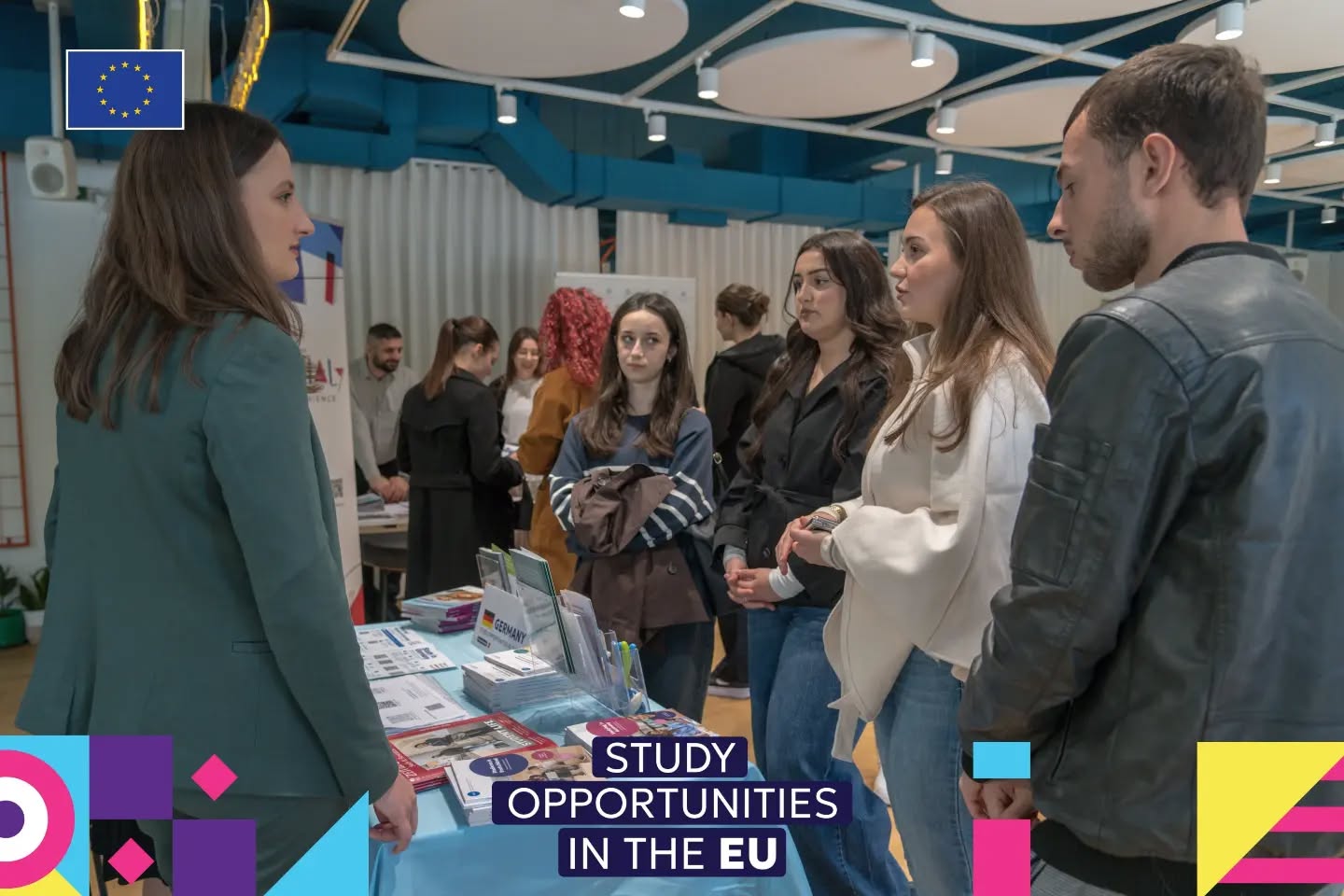
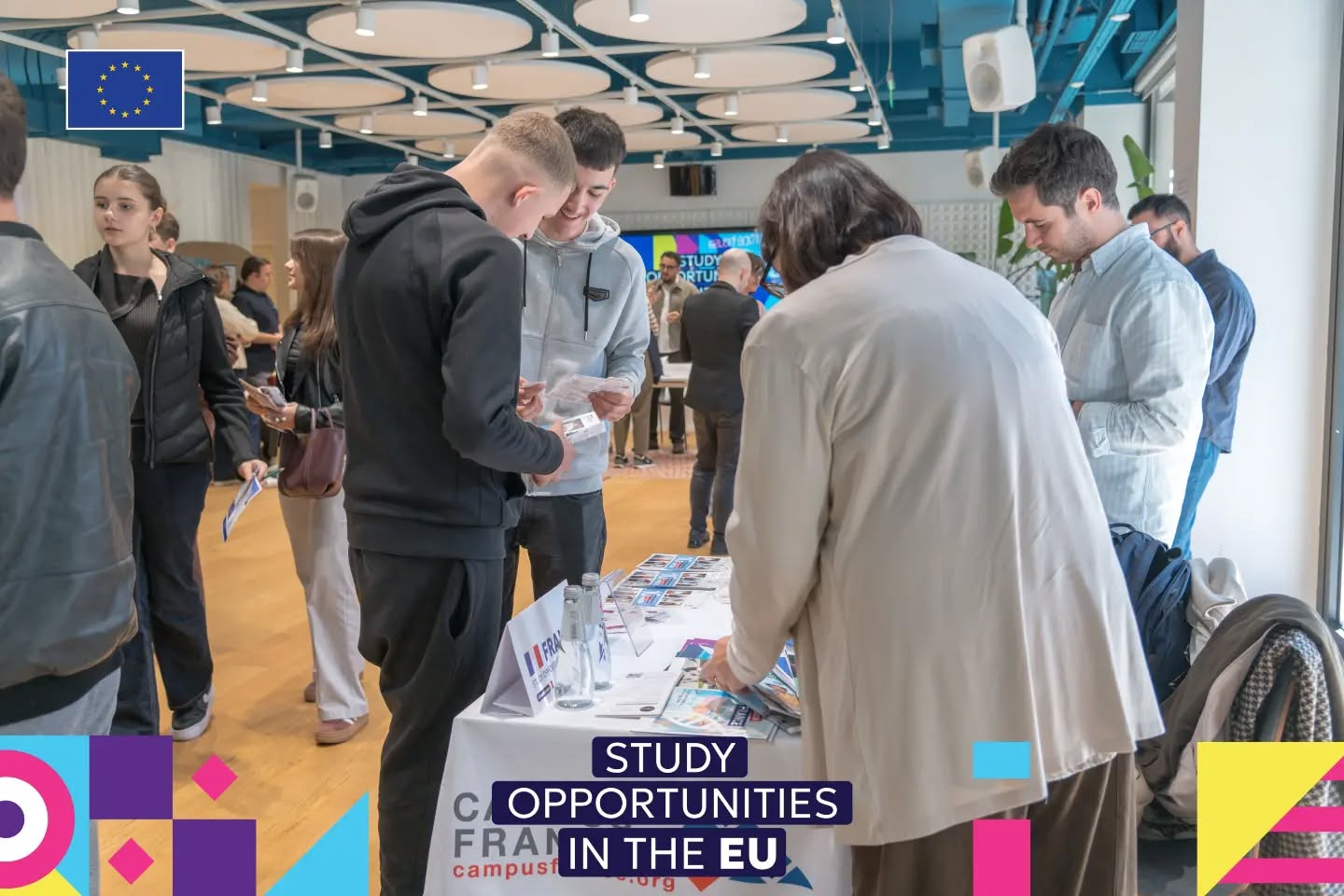
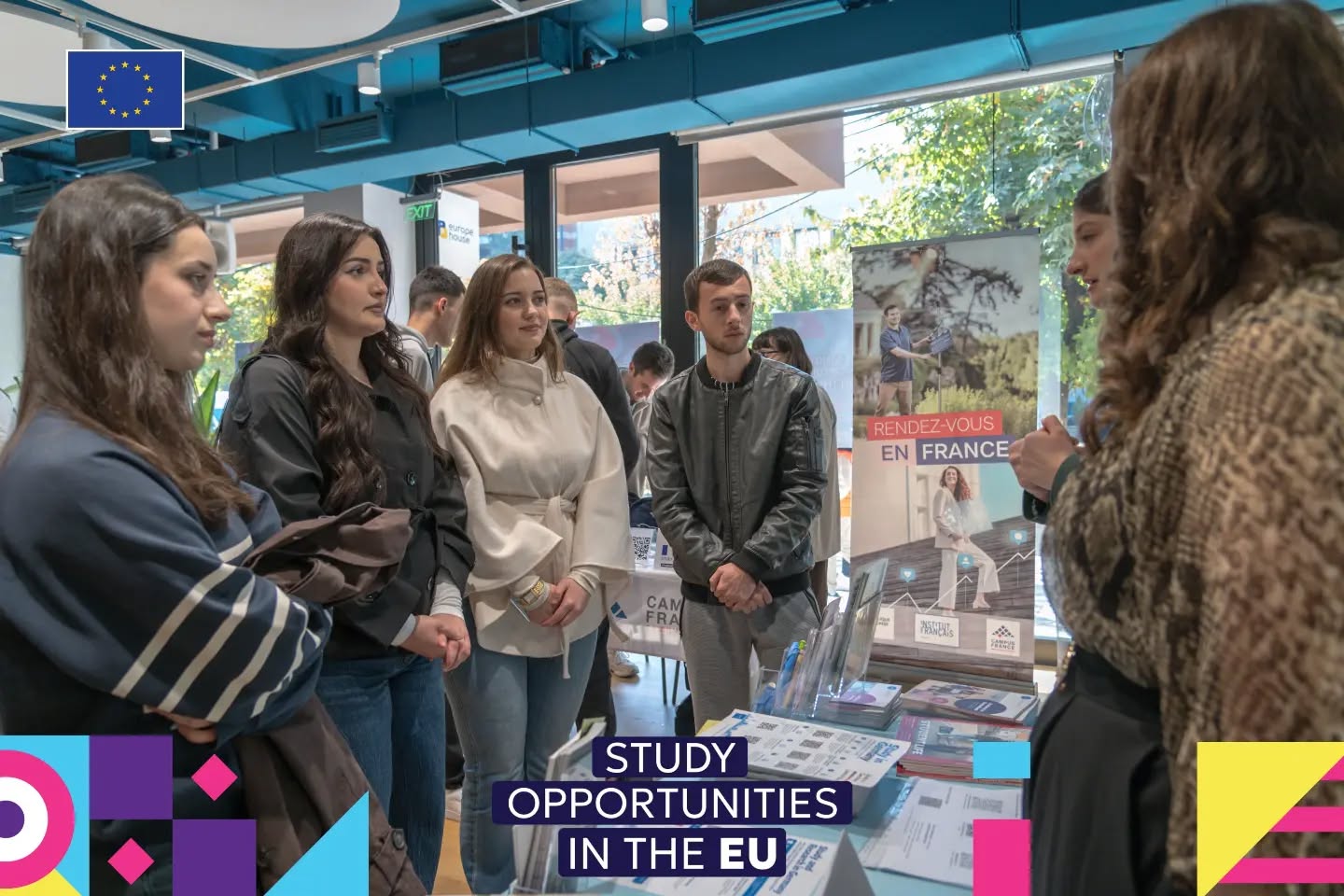
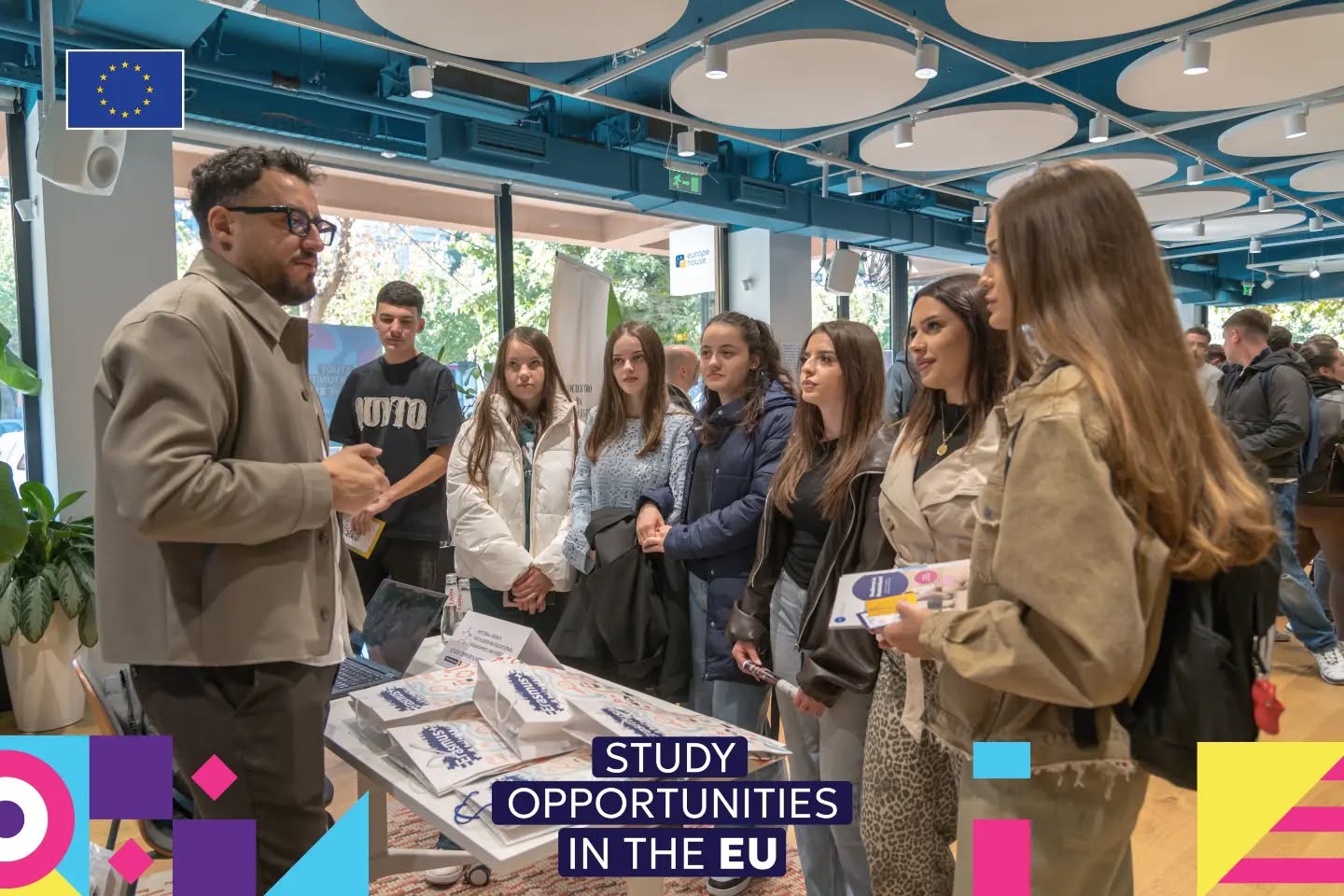
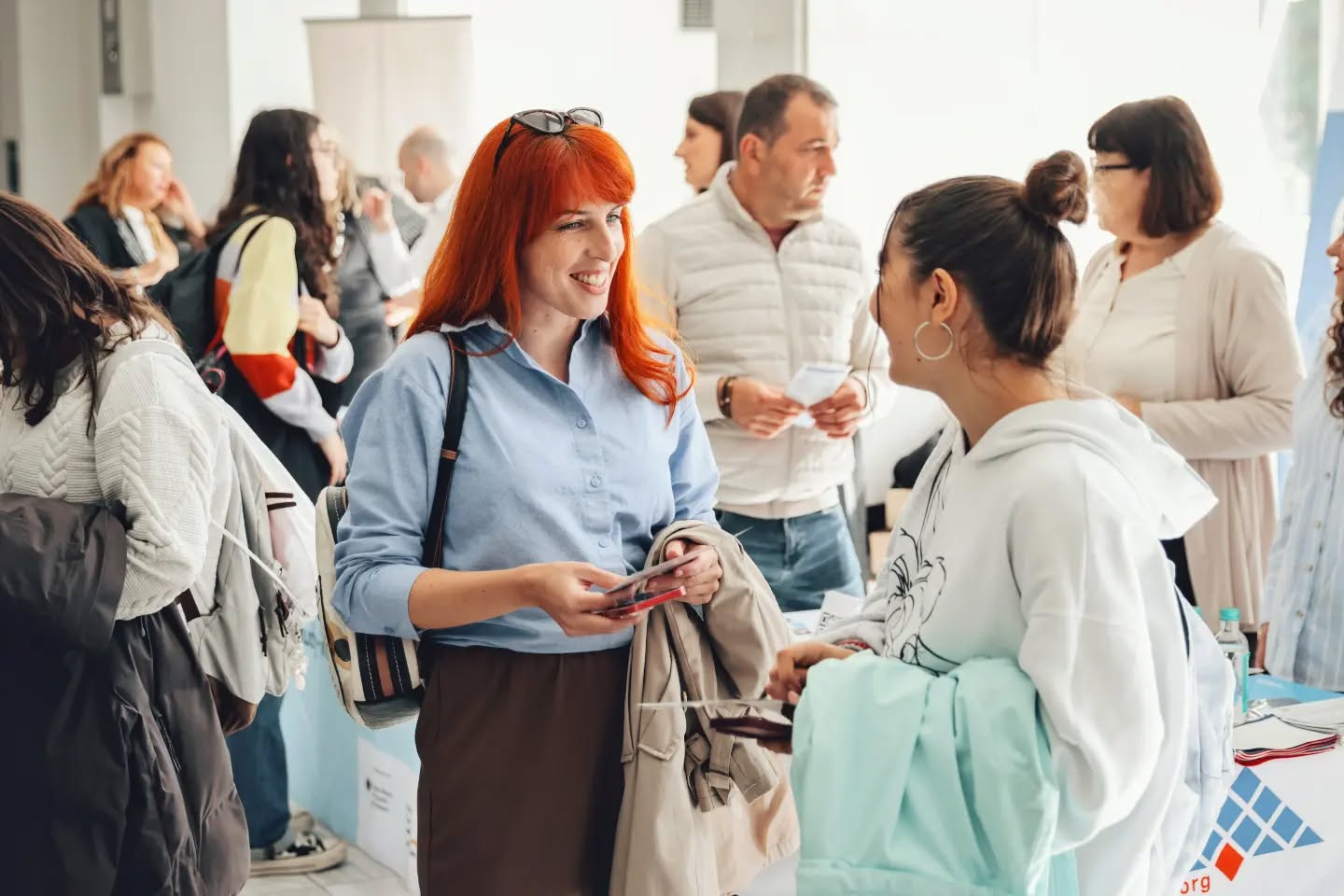
As part of Erasmus Days 2026, young people explored ways to pursue their education in Europe at the Study Opportunities in the EU Fairs, organised at Europe House Bitola and Europe House Tetovo. The day-long events connected prospective students with representatives of embassies and educational institutions, offering practical guidance on scholarships, exchange programmes and academic mobility schemes.

Europe House Bitola: Your Journey to Studying in the EU Starts Here

The fair in Europe House Bitola brought together representatives of the embassies of France, Austria, Germany, Greece and Bulgaria, Erasmus+ representatives and local academic institutions. Alongside information on study programmes and funding opportunities, students heard first-hand accounts from peers who had already experienced studying abroad.

The conversations helped participants explore different academic pathways and understand the steps towards studying in Europe. Beyond their studies, such experiences can offer opportunities to discover new cultures, build friendships and gain skills that last a lifetime.

Europe House Tetovo: Taking the Next Step to European Academic Experience

At Europe House Tetovo, the fair brought European study opportunities closer to young people in the Polog region. Representatives of the embassies of Bulgaria, France, Germany, Italy and Sweden, together with the National Agency for European Educational Programmes and Mobility, presented the wide range of options available to prospective students from North Macedonia.

The event encouraged participants to ask questions, explore scholarship and exchange opportunities, and consider how studying abroad could shape their academic and personal futures.

From Academic Ambitions to Concrete Plans

The fairs encouraged young people to look beyond familiar borders, ask questions and consider how studying in another European country could shape their future. Through initiatives like these, the Europe House network helps make international study opportunities more accessible, empowering young people to take informed steps towards their academic goals, and turn their ambitions into plans.

Sometimes, the journey towards a European university begins with a single conversation that opens up a whole new world of possibilities.


From Organic Waste to Renewable Energy: An EU-Supported Local Success Story

What if organic waste could be turned into a valuable resource, helping protect the environment and support more sustainable local development?

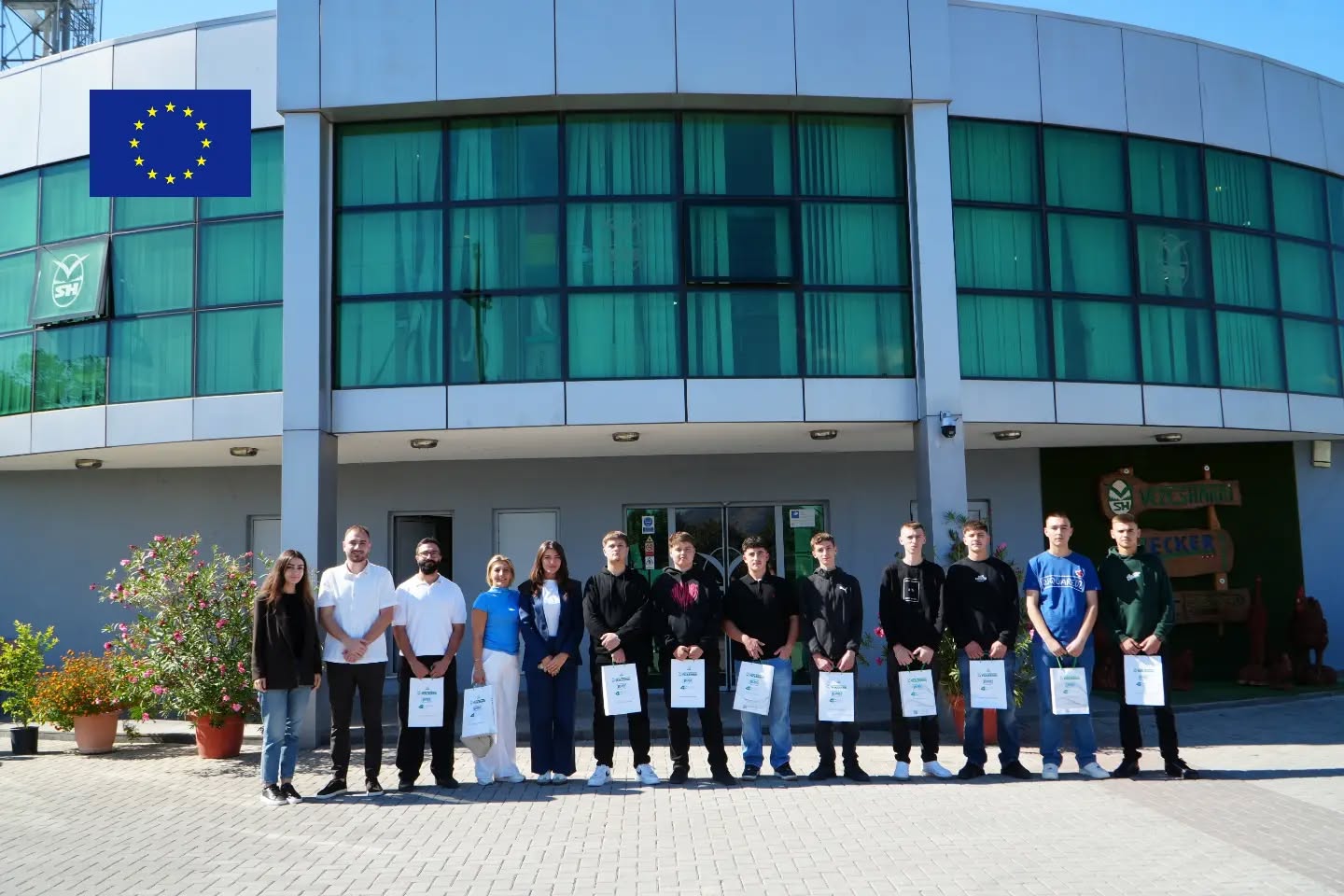
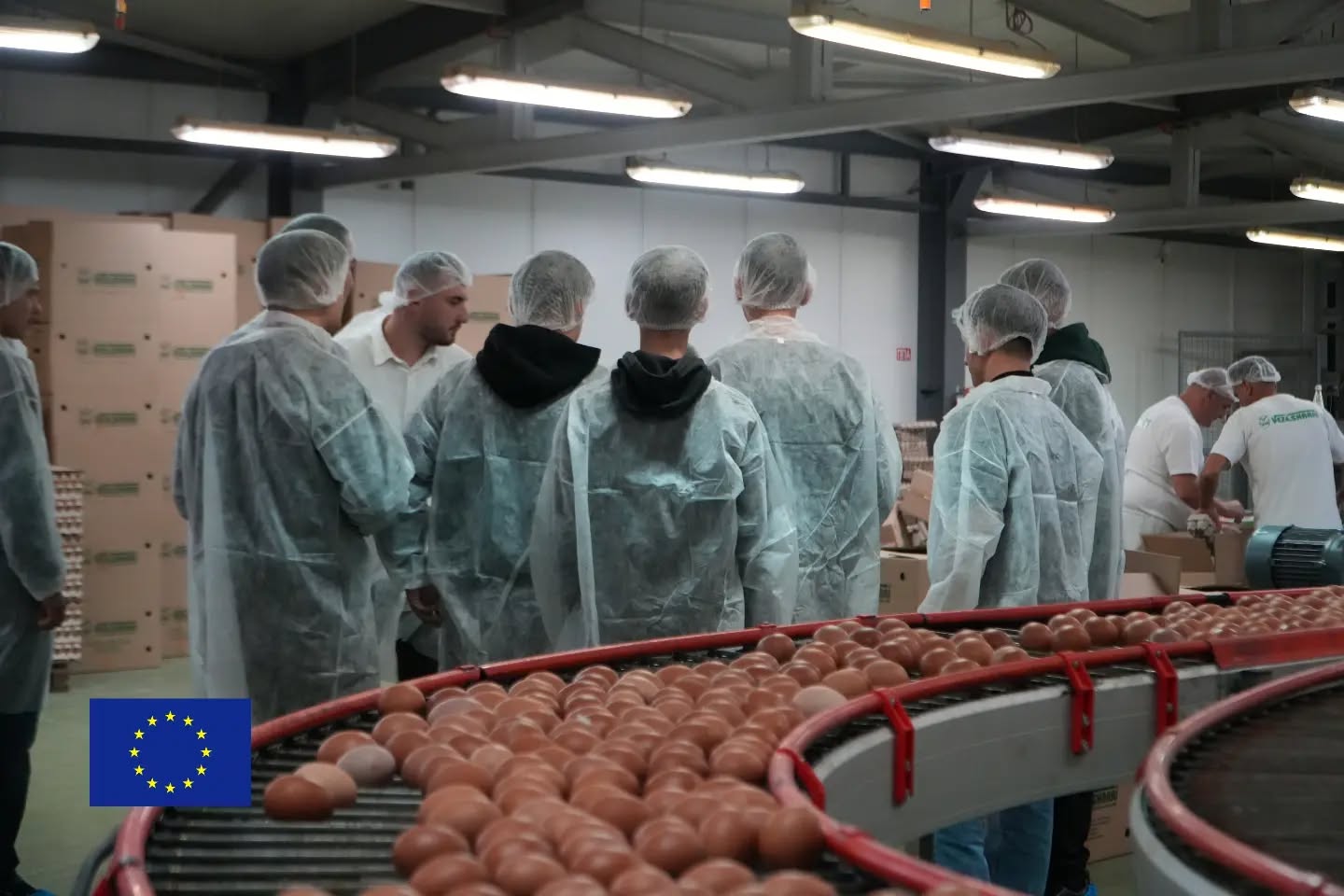
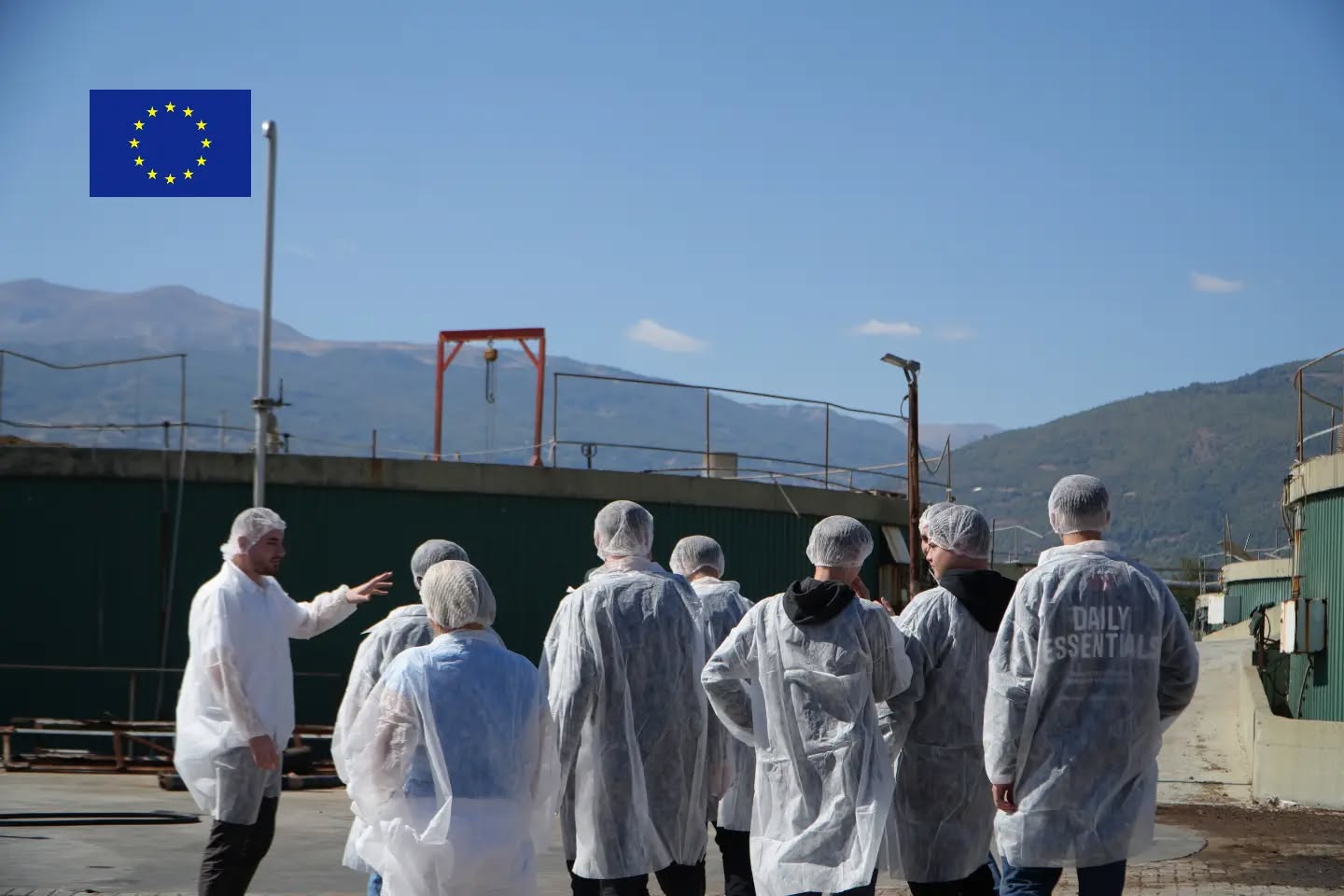
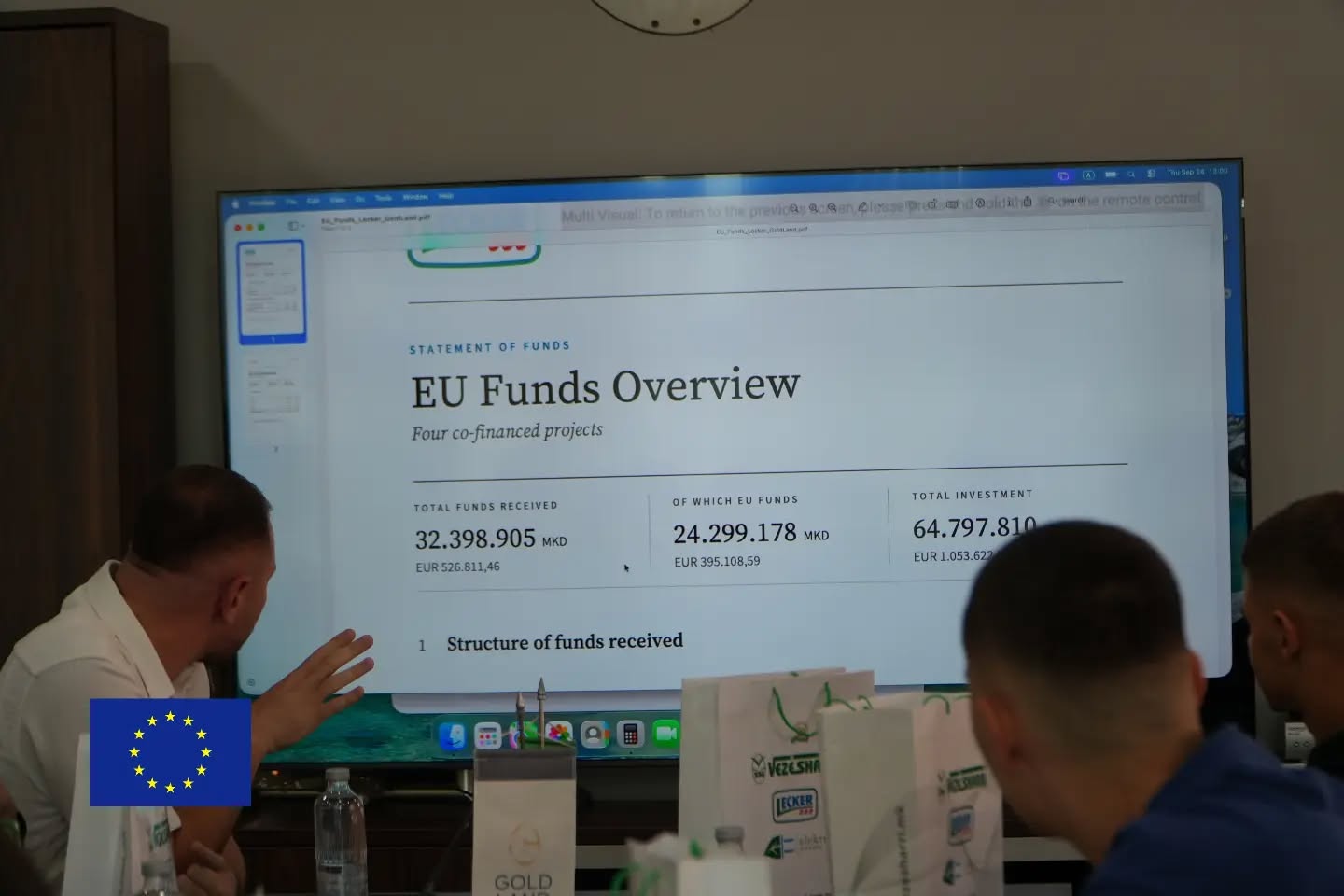
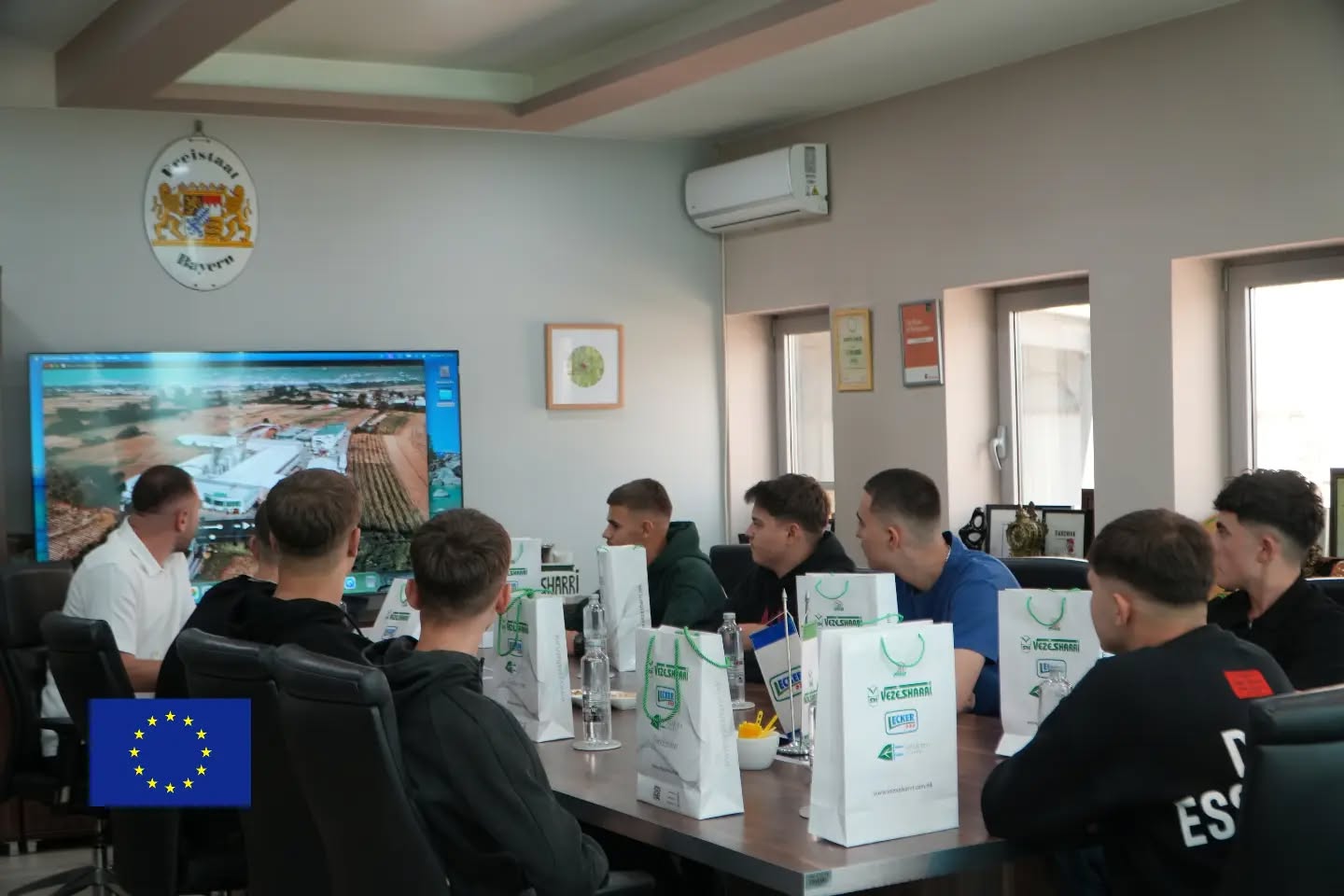
As part of “EU Projects in Action: Exploring Local Success Stories” (EU Support – Local Change), a series of visits organised by Europe House Tetovo, a group of business economics and food technology students visited Vezë Sharri, a factory in Trebosh, in the Polog region, to see sustainable practices in action.

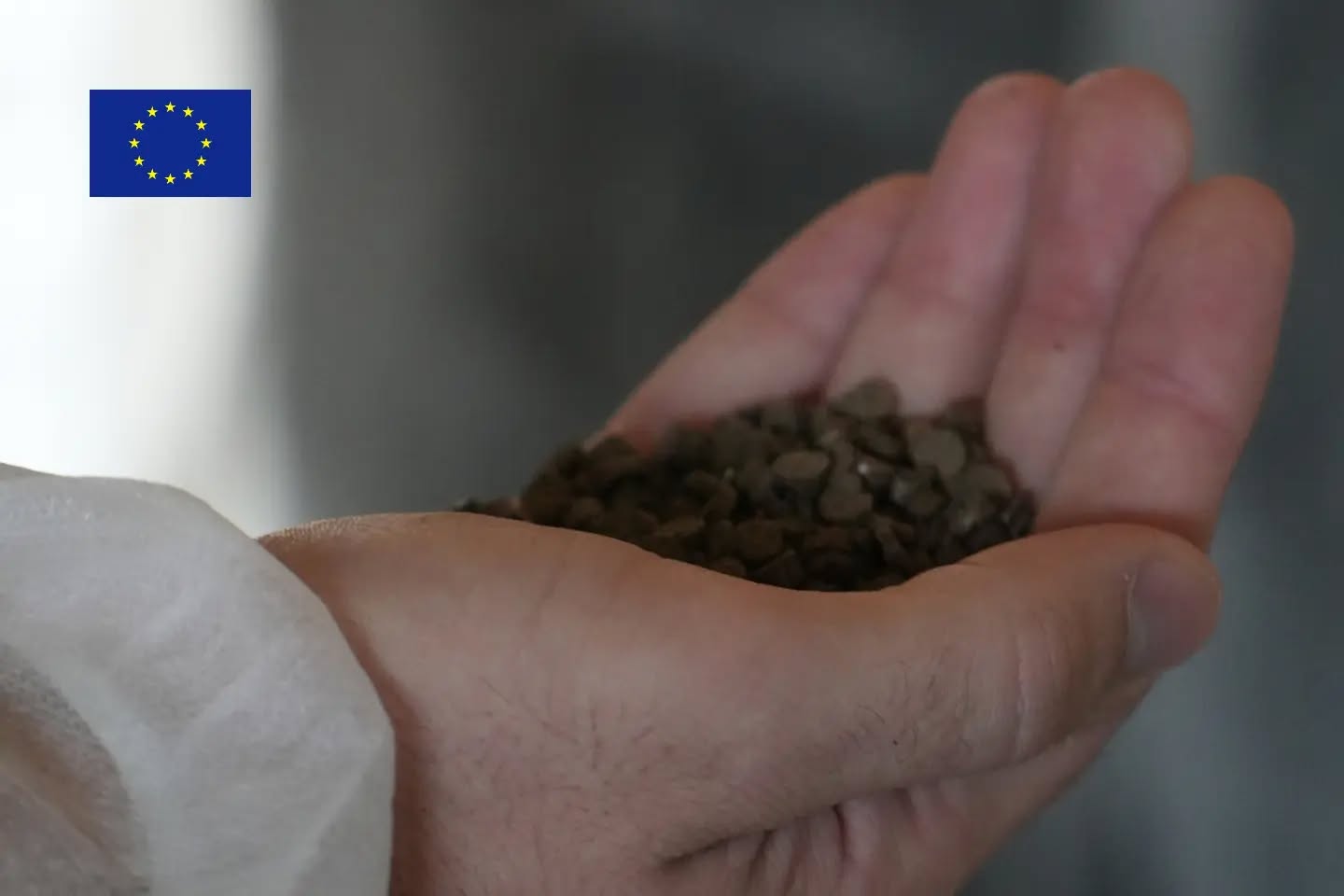
The students learned about the process of collecting, processing and packaging fresh eggs. They also discovered how Elektro Sharri uses chicken by-products and organic waste to generate renewable energy at its biogas power plant. The first of its kind in the country, the plant produces both electricity and heat, with an annual electricity generation capacity of 8 GWh.
The process also generates material used to produce organic fertilizer, demonstrating how waste can be put to further use rather than discarded. This approach makes more efficient use of resources while reducing the environmental impact of production.
Practical examples like this show how innovation and investment in sustainable technologies can promote responsible resource management and advance the circular economy. Such business practices also deliver tangible benefits to local communities and create opportunities for greener, more sustainable development.

Through the “Exploring Local Success Stories” series, Europe House Tetovo aims to give students the opportunity to discover local projects and initiatives across the Polog region and see how their academic knowledge translates into practice. Each visit highlights how innovative and sustainable approaches, including those supported by the European Union, can contribute to positive change in local communities.

Healing Hike – A Step Closer to Nature and the Heritage of Šar Mountain

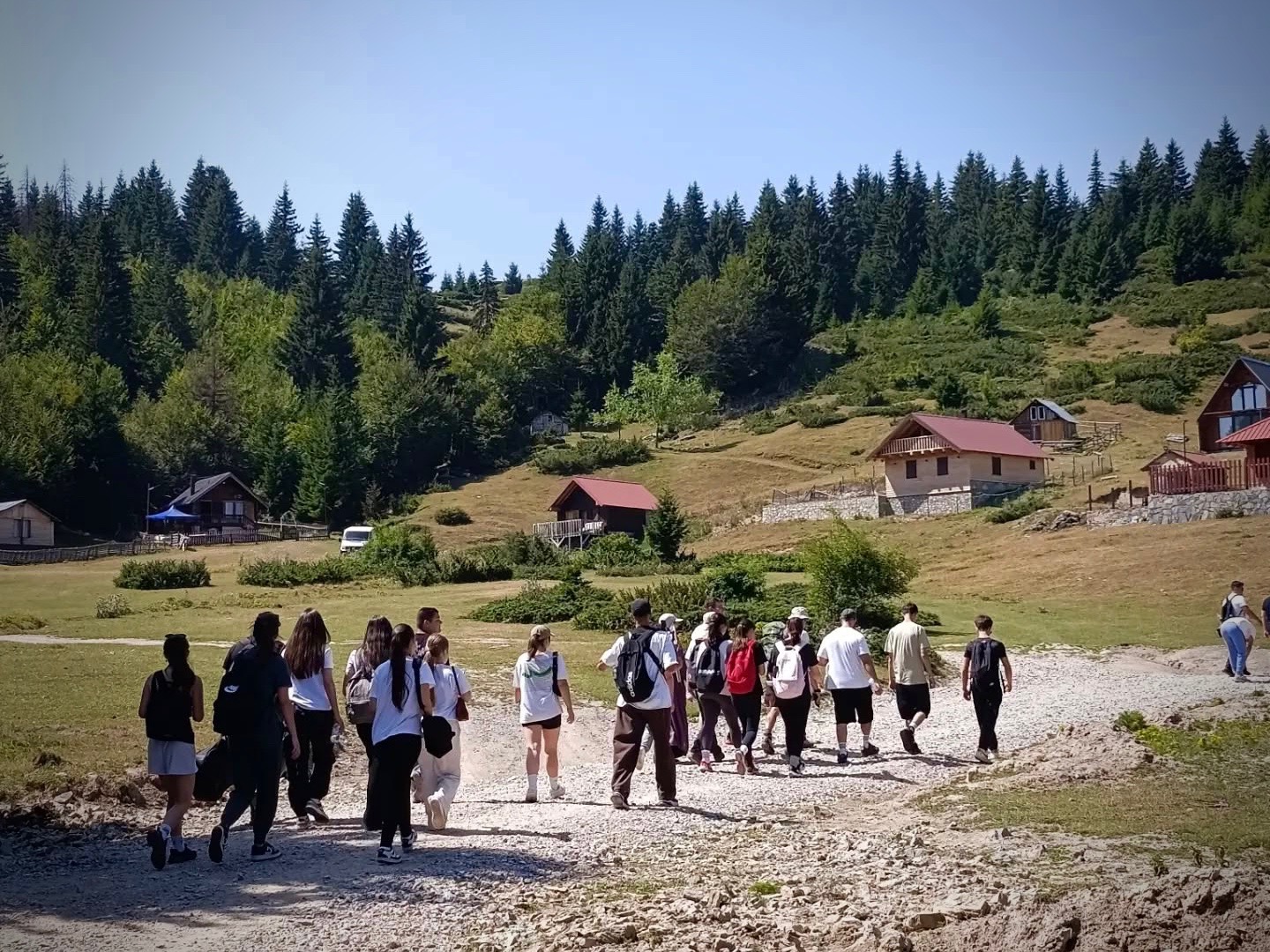
A day on Šar Mountain that was about much more than just hiking.

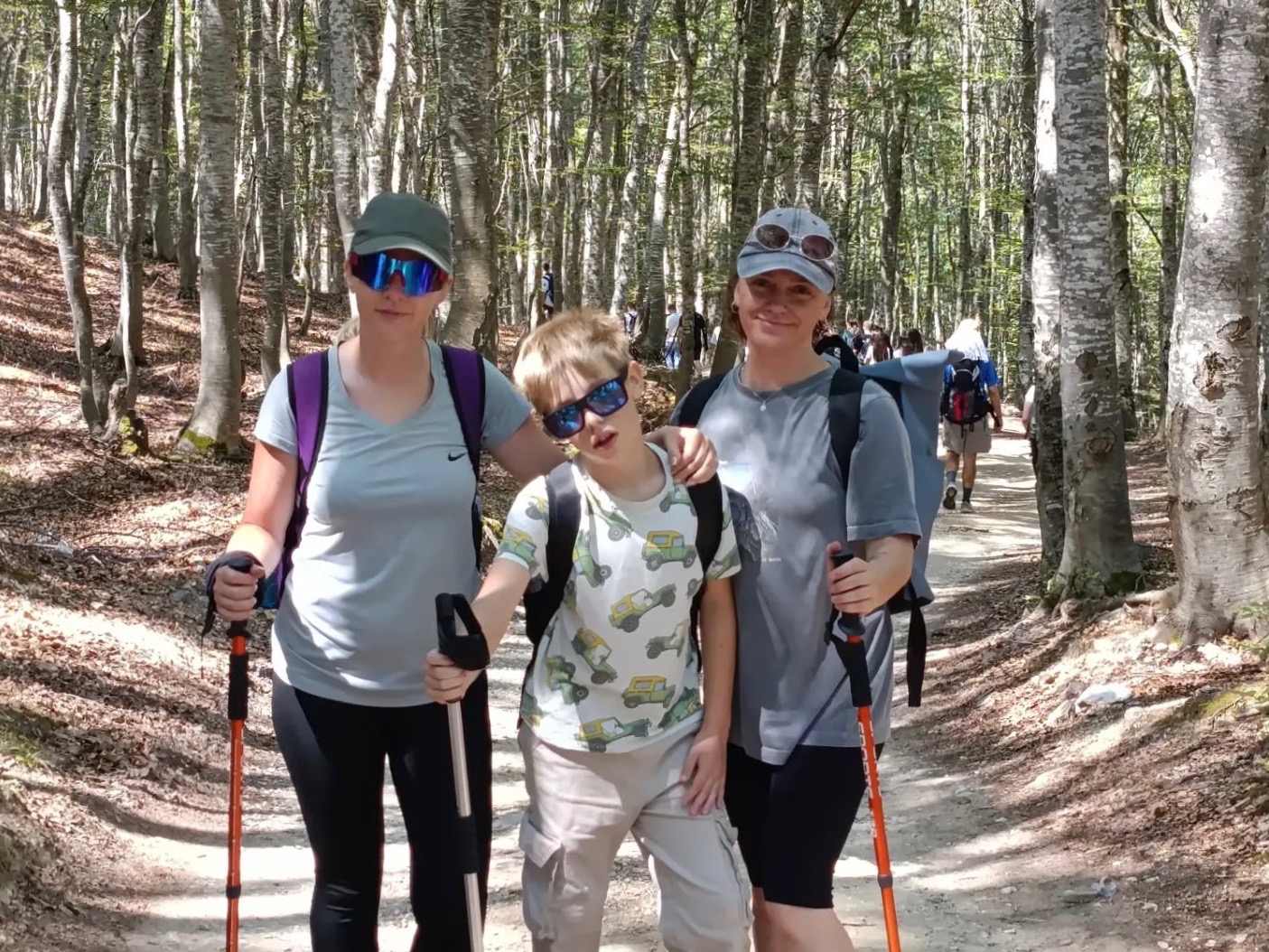
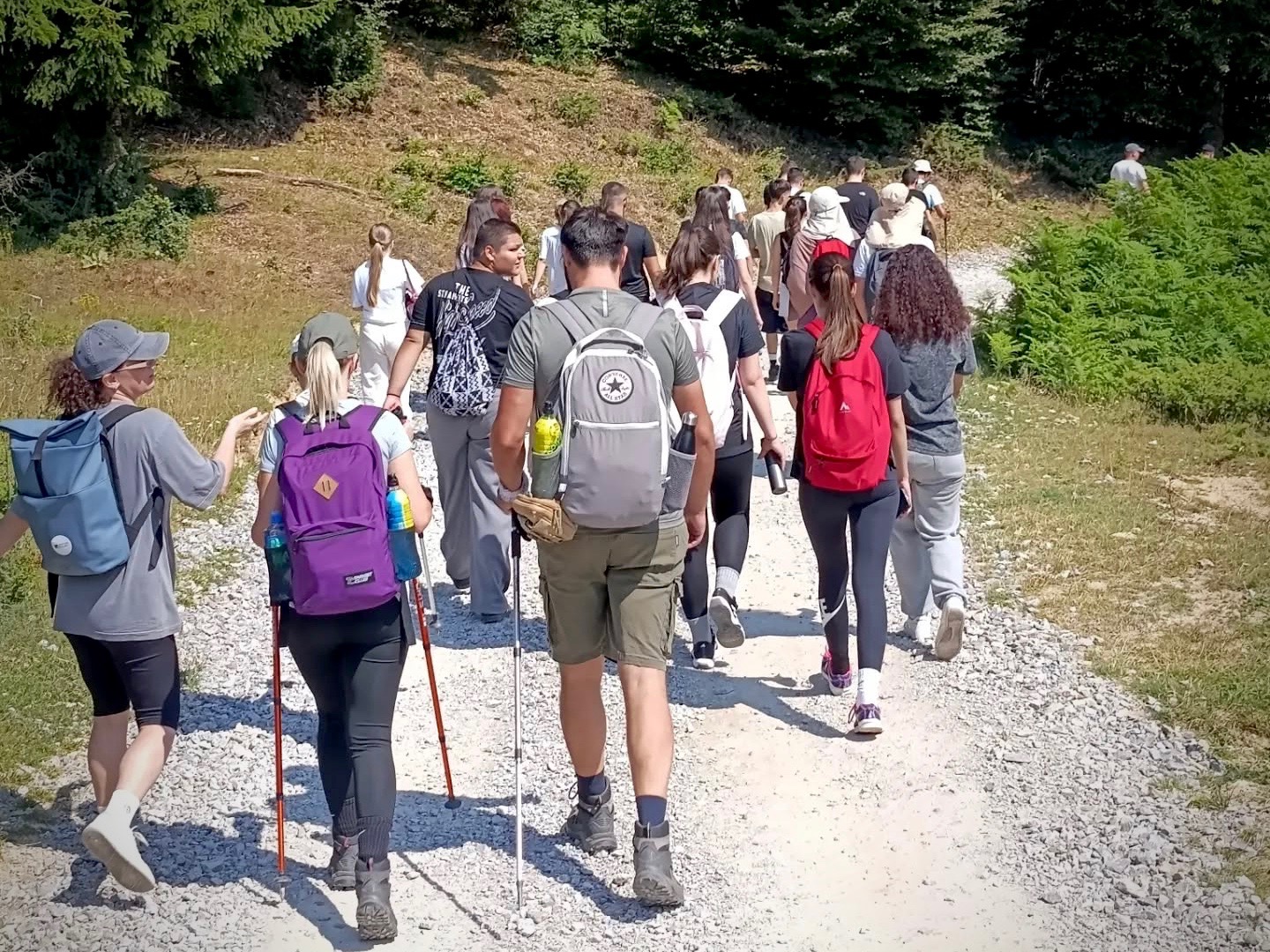
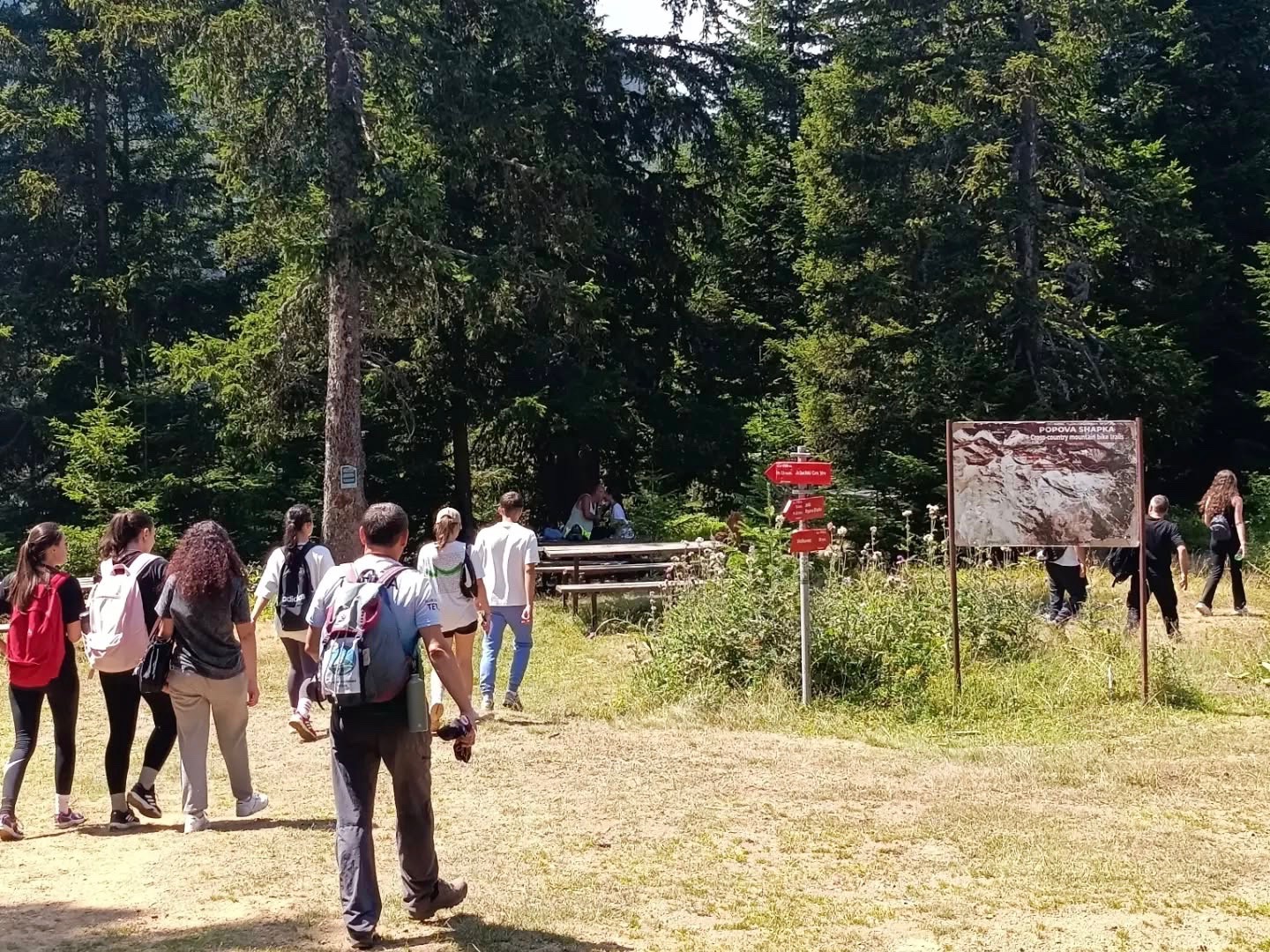
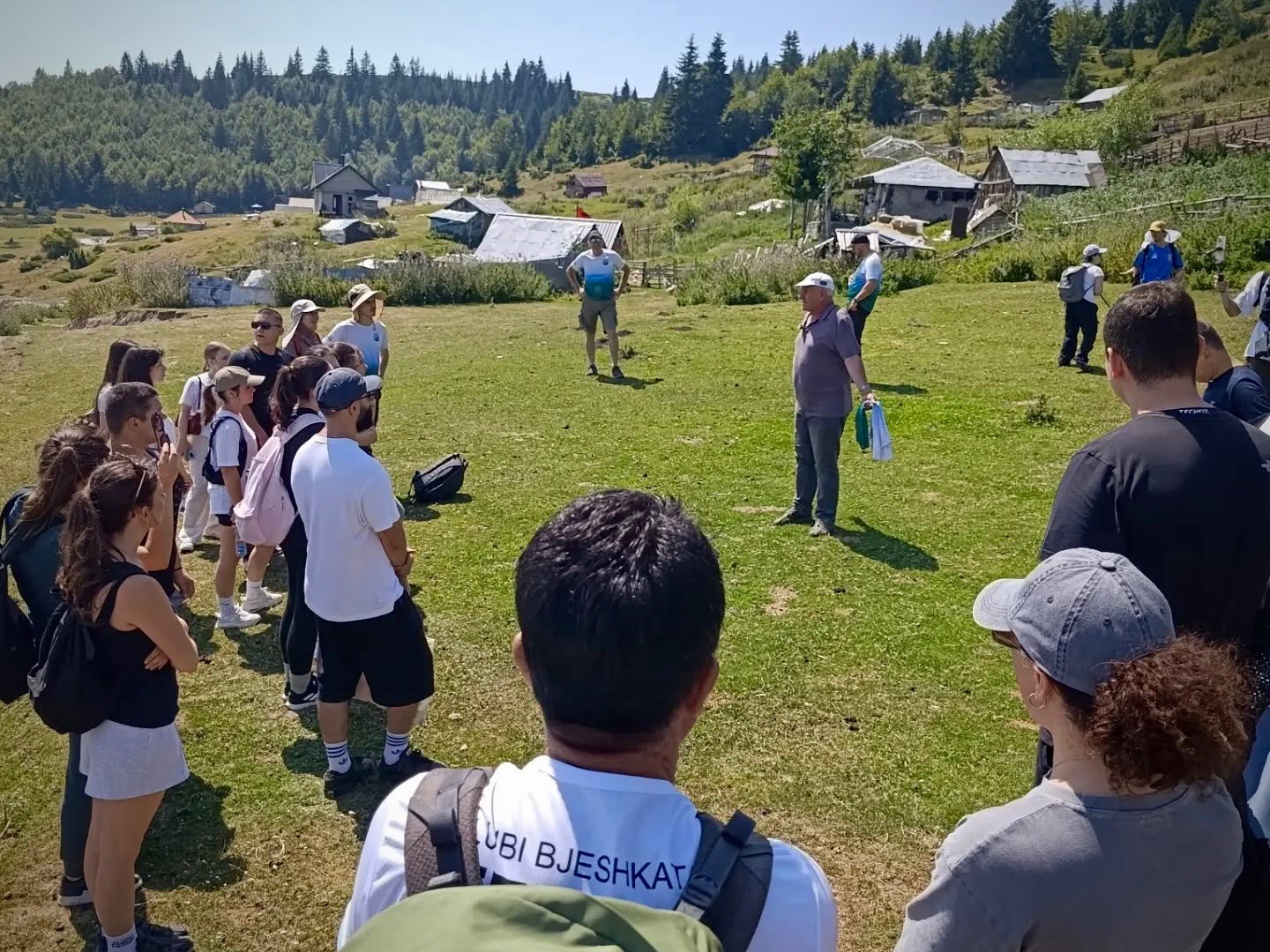
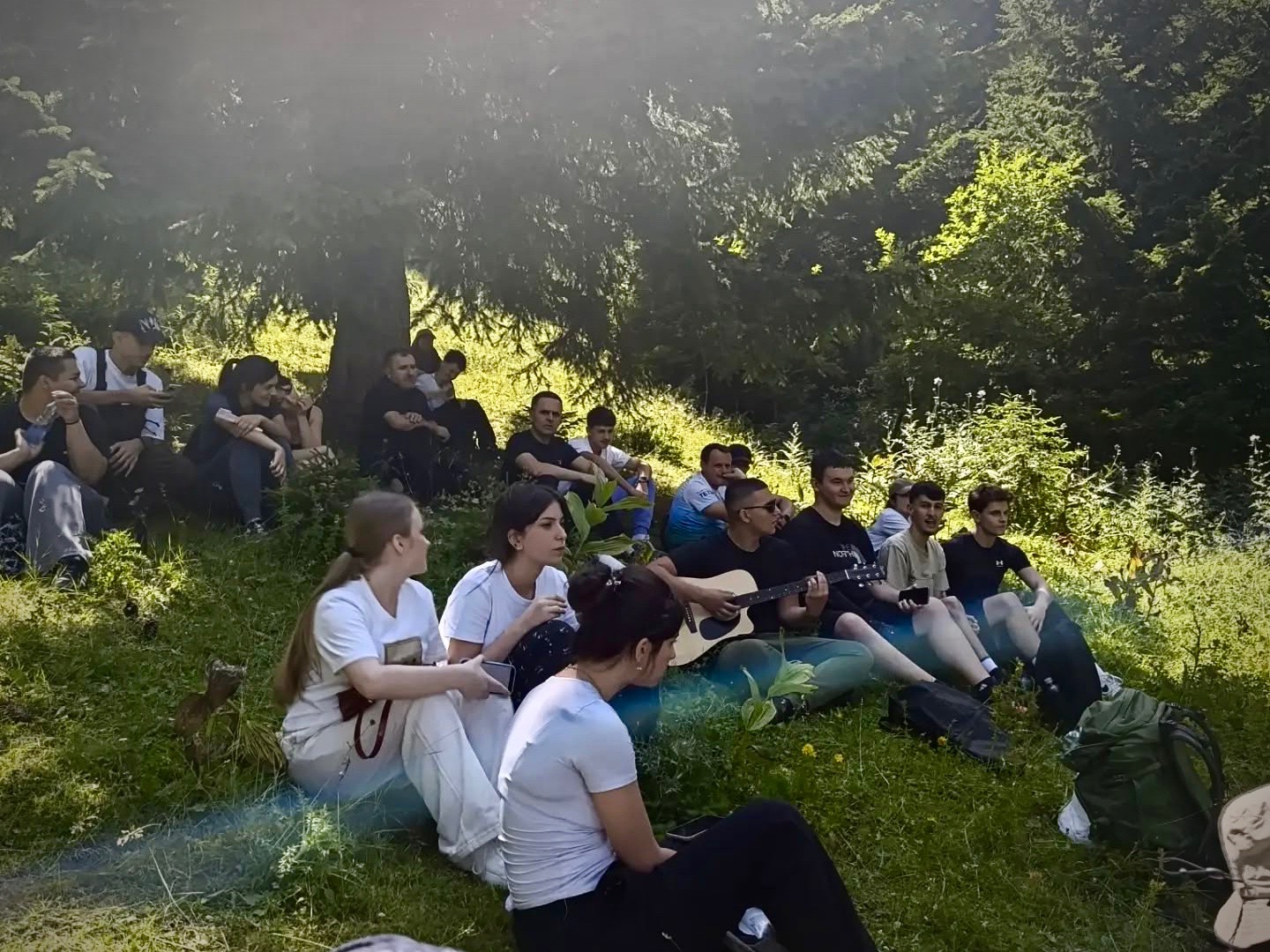
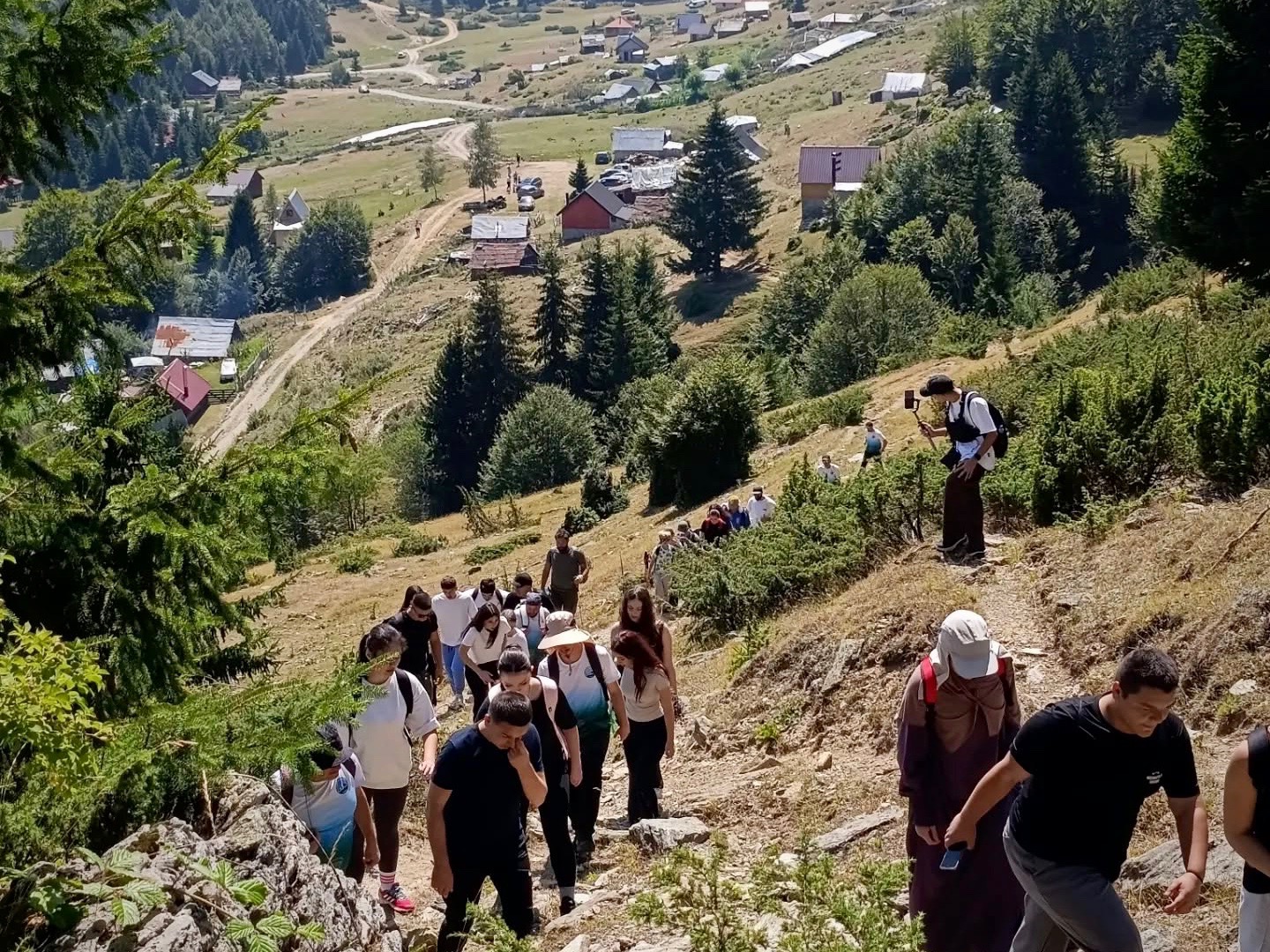
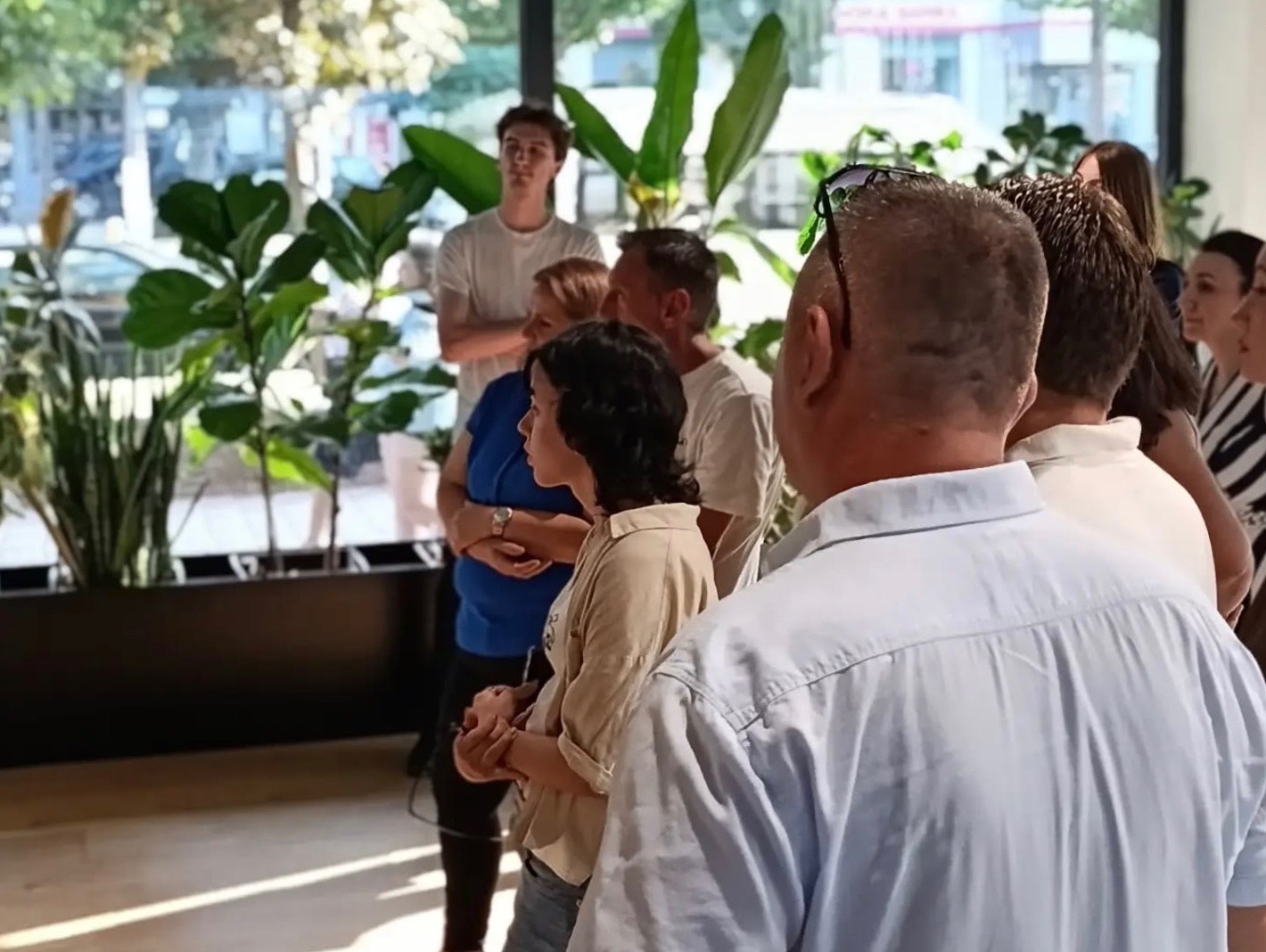
From Sidolski Kamen, through the traditional summer sheepfolds in Šipkovica, and all the way to Guri i Llopëve, Healing Hike gave us an opportunity to step away from the city rush, slow down, and reconnect with nature, the local community and the rich heritage of Šar Mountain.

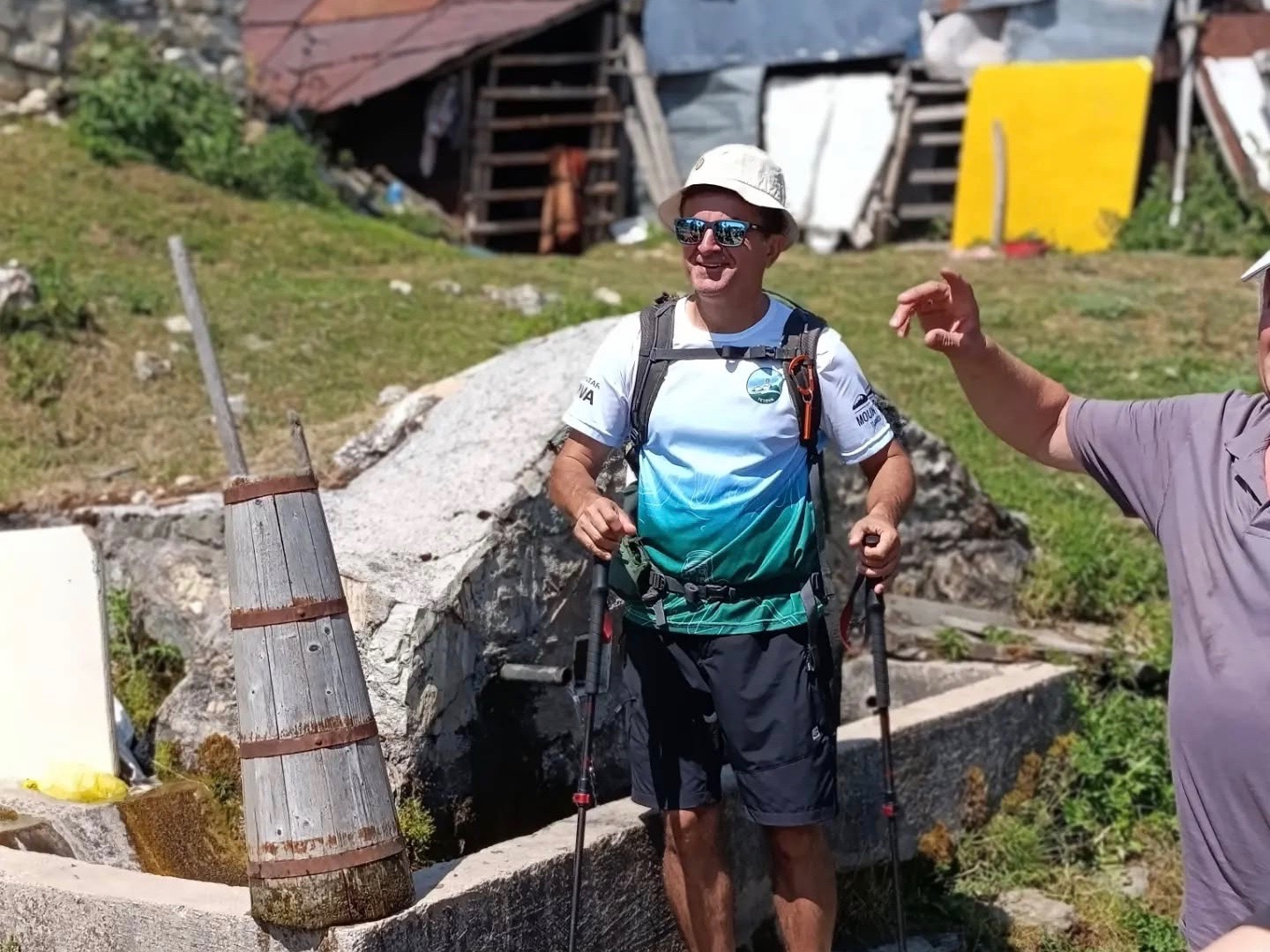
Our hike began at Sidolski Kamen, with the trail continuing towards the summer sheepfolds in Šipkovica. There, local guide and professor Nedžbedin Haliti shared stories and insights into the history, traditions and significance of the sheepfolds, as well as the botanical garden.

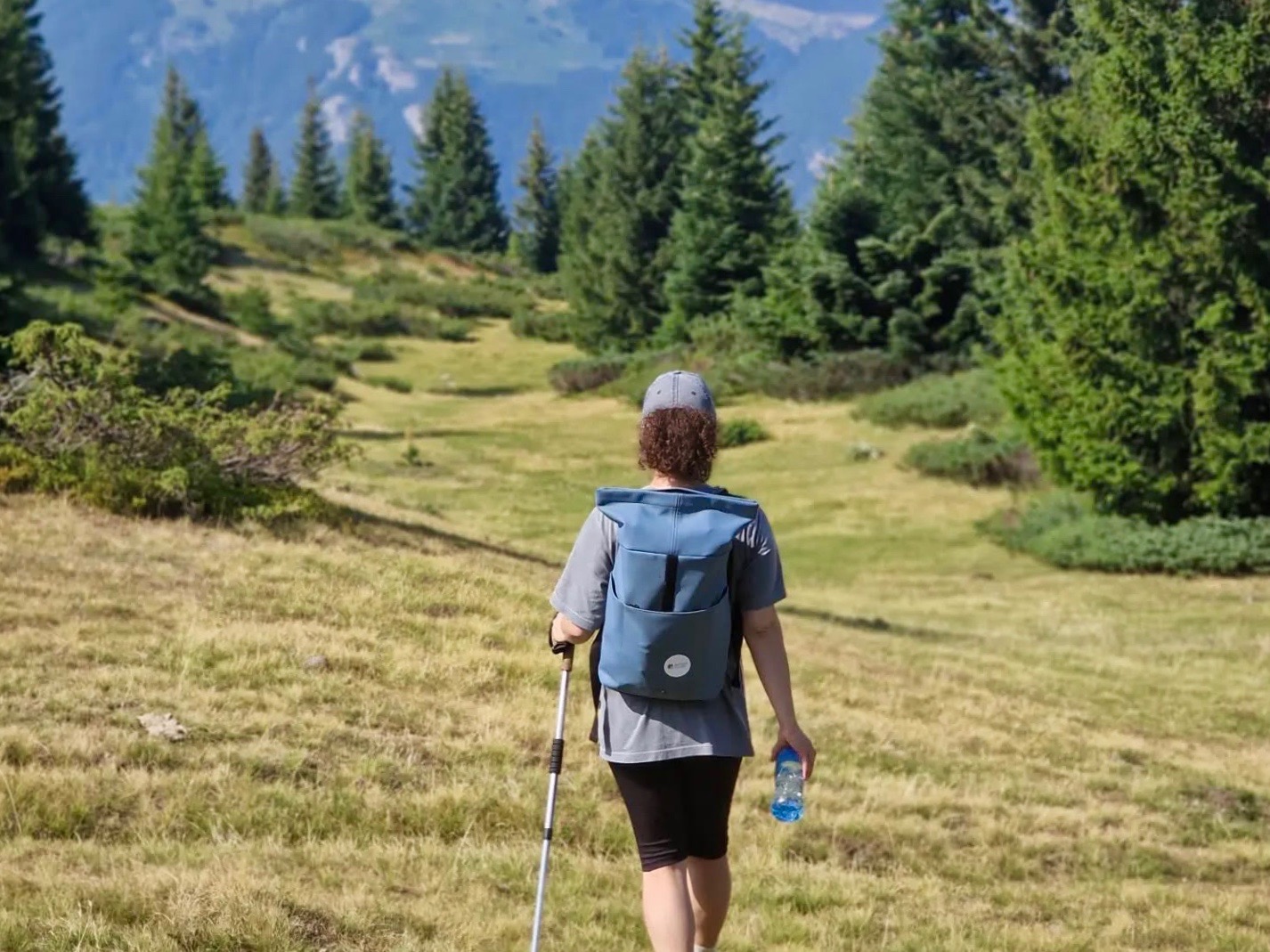
The trail then continued towards Kamenot na Kravite, with every step opening up a new view of the mountain and its landscape.

But Healing Hike was about more than following a trail. It was about connection – with nature, with local stories and with the people around us. About those moments when we stop, look around and experience a place through all its layers – natural, cultural and human.

It is through experiences like these that we build and nurture the values that connect us: togetherness, care for nature and respect for cultural heritage.

Because sometimes, to reconnect with ourselves, all we need is to take a few steps closer to nature.

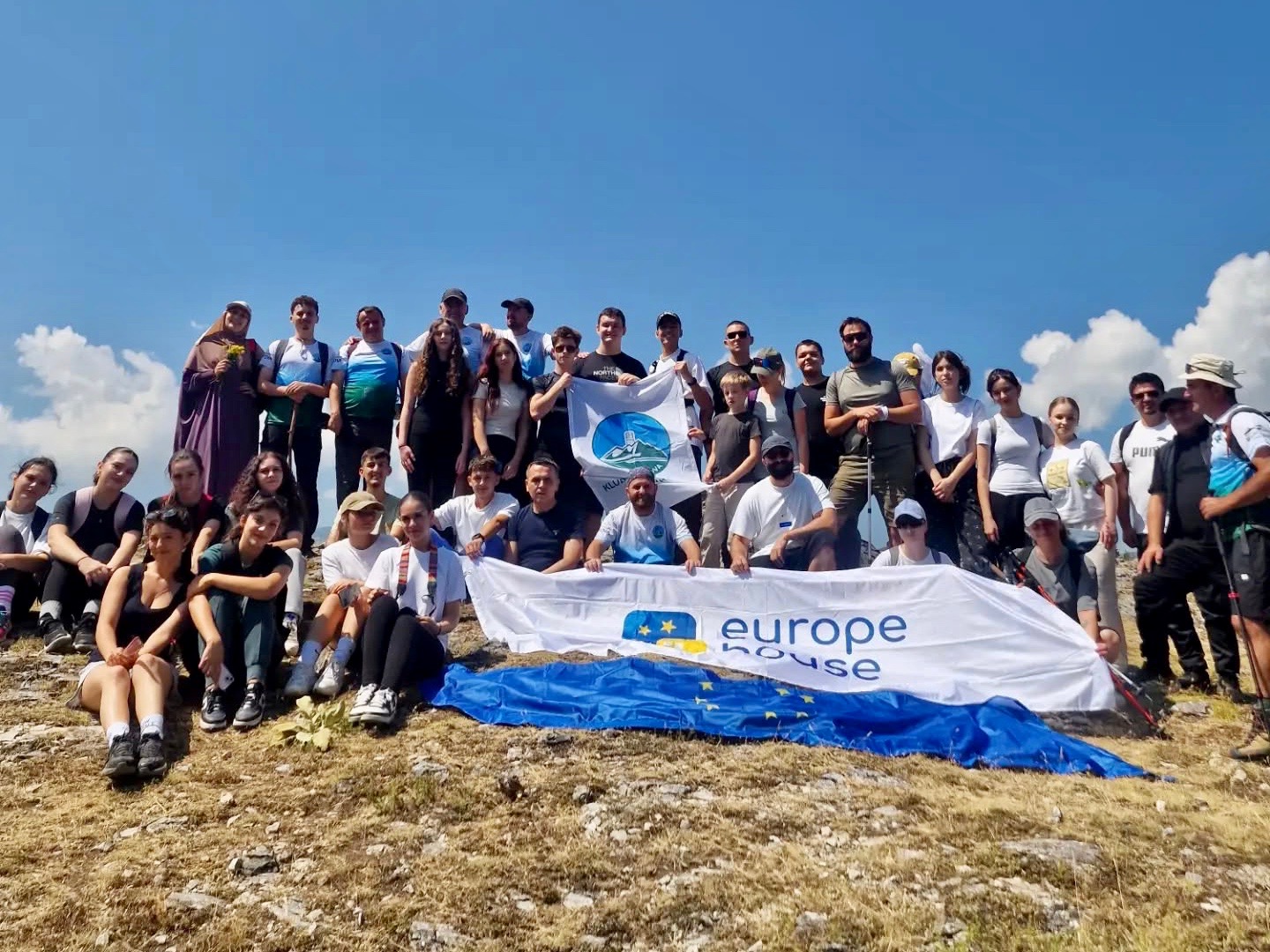
Healing Hike was organized by Europe House Tetovo, UNSHMT and the Tetovo Mountaineering Club, with the support of the Municipality of Tetovo.

When Fashion Tells a Story: The Tradition and Identity of the Polog Region

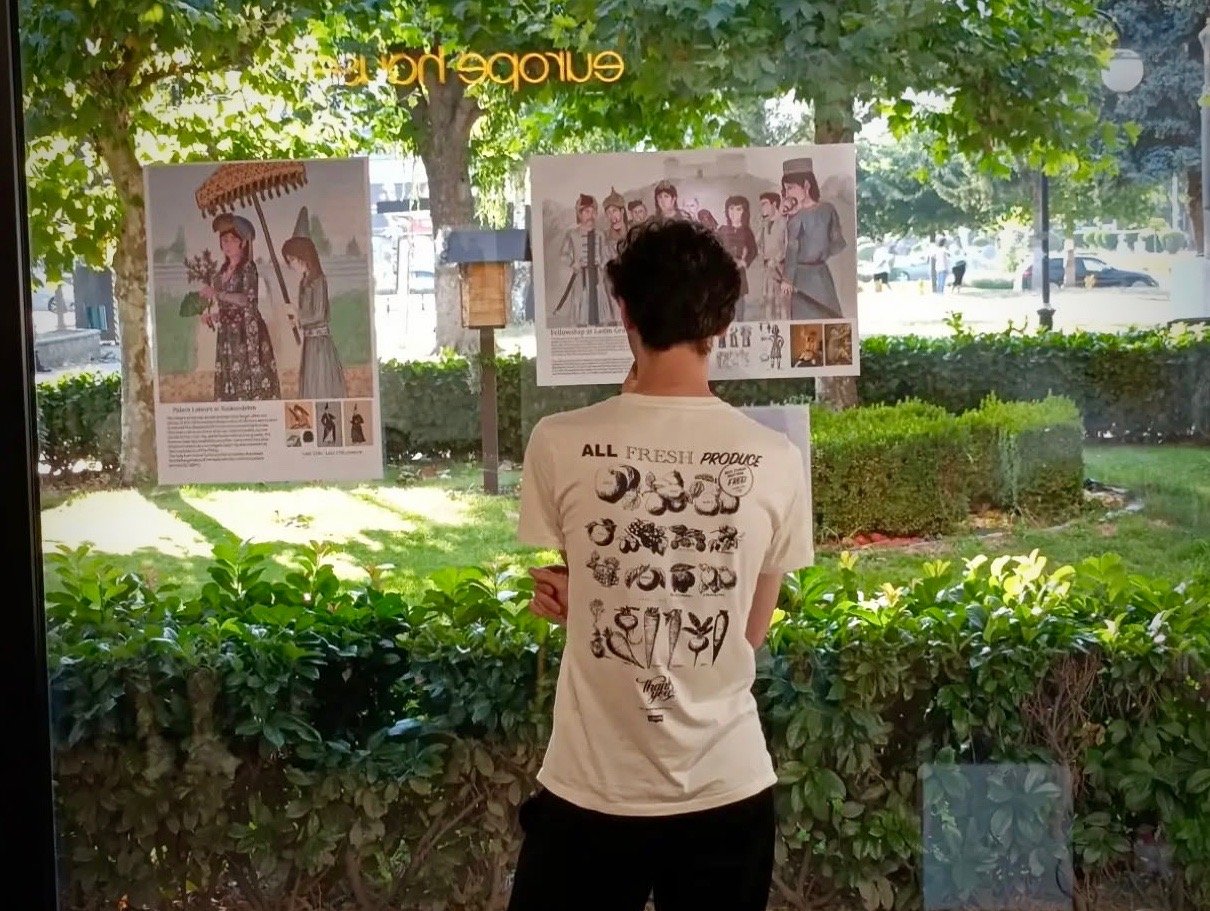
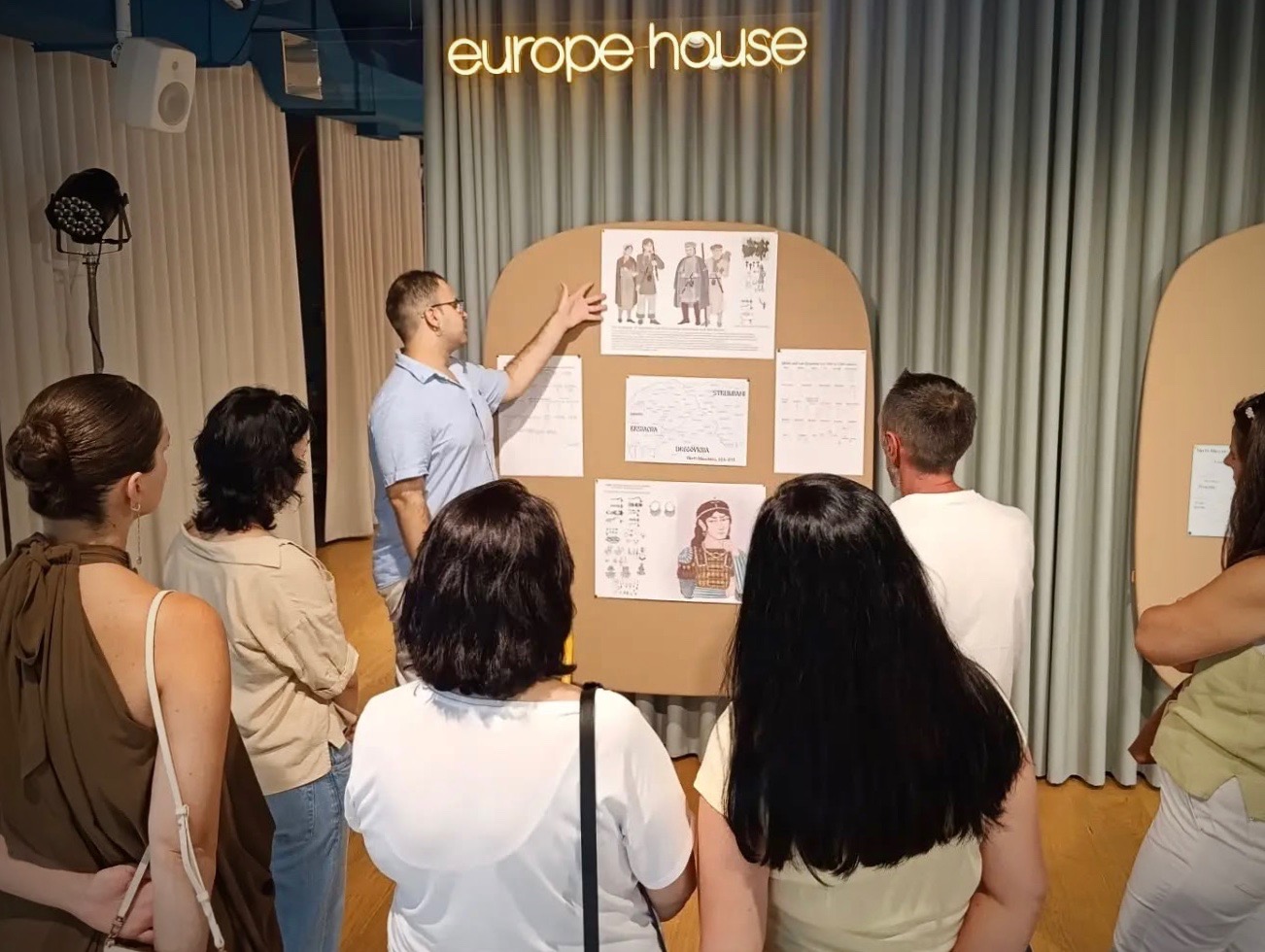
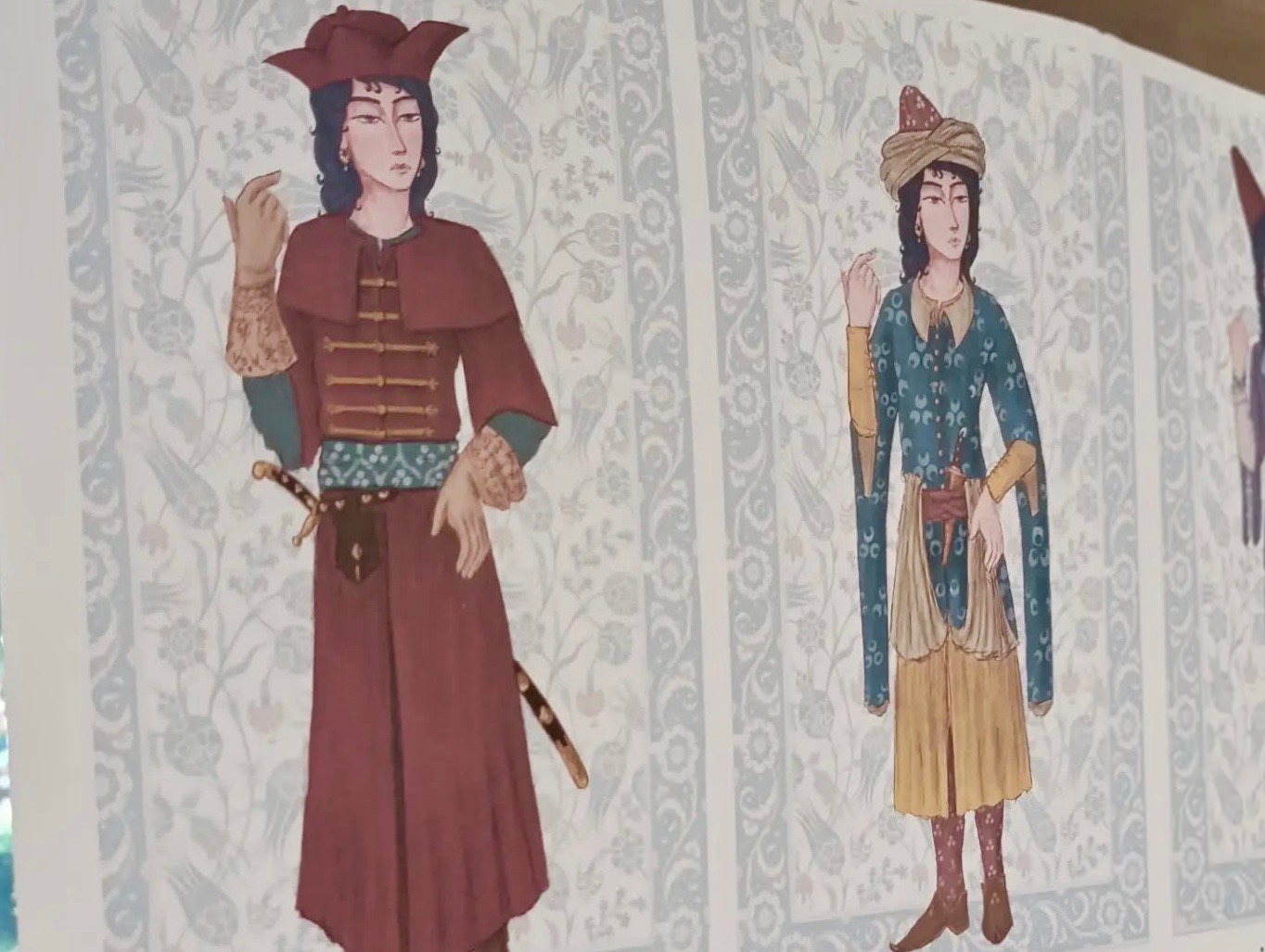
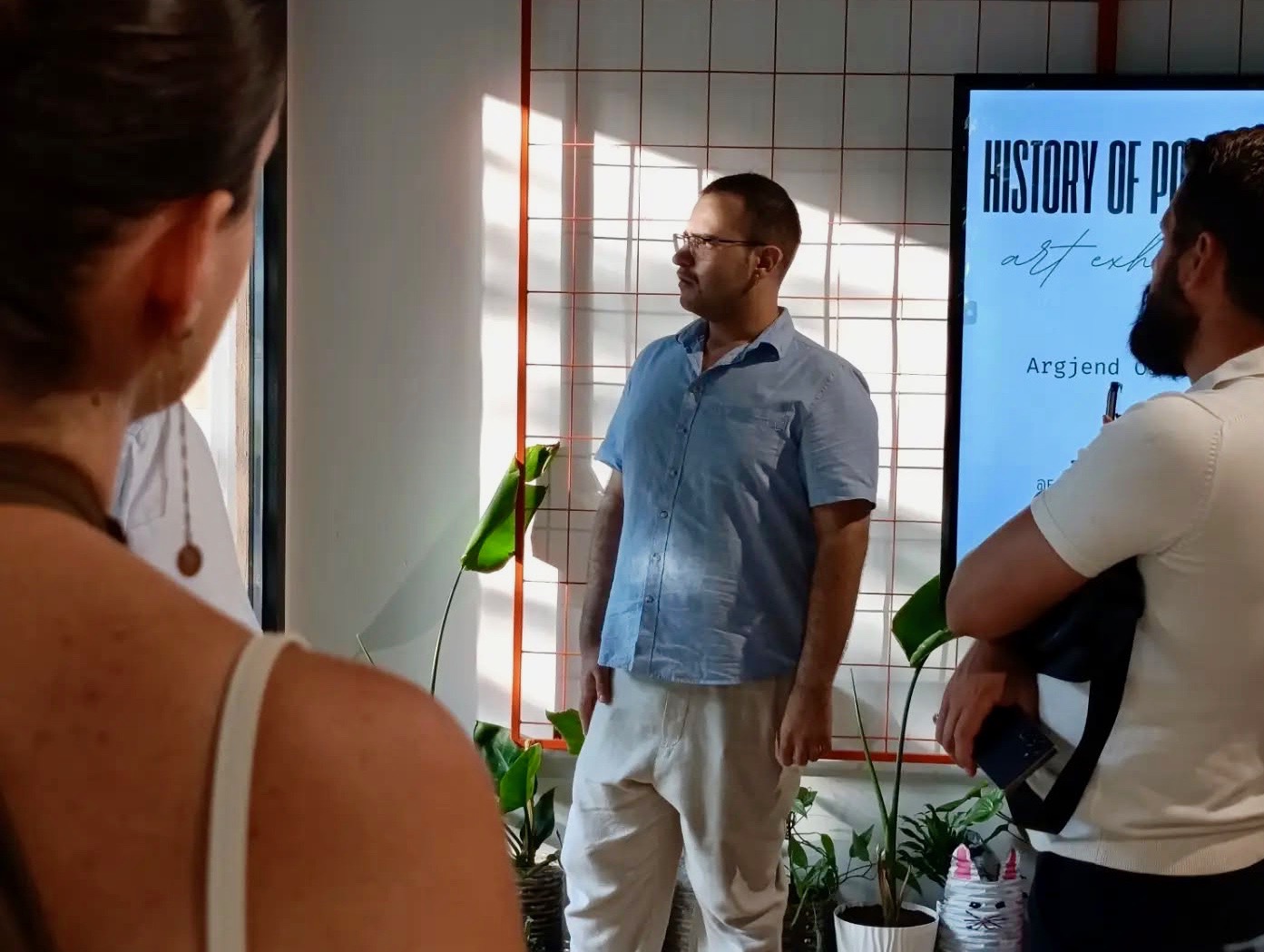
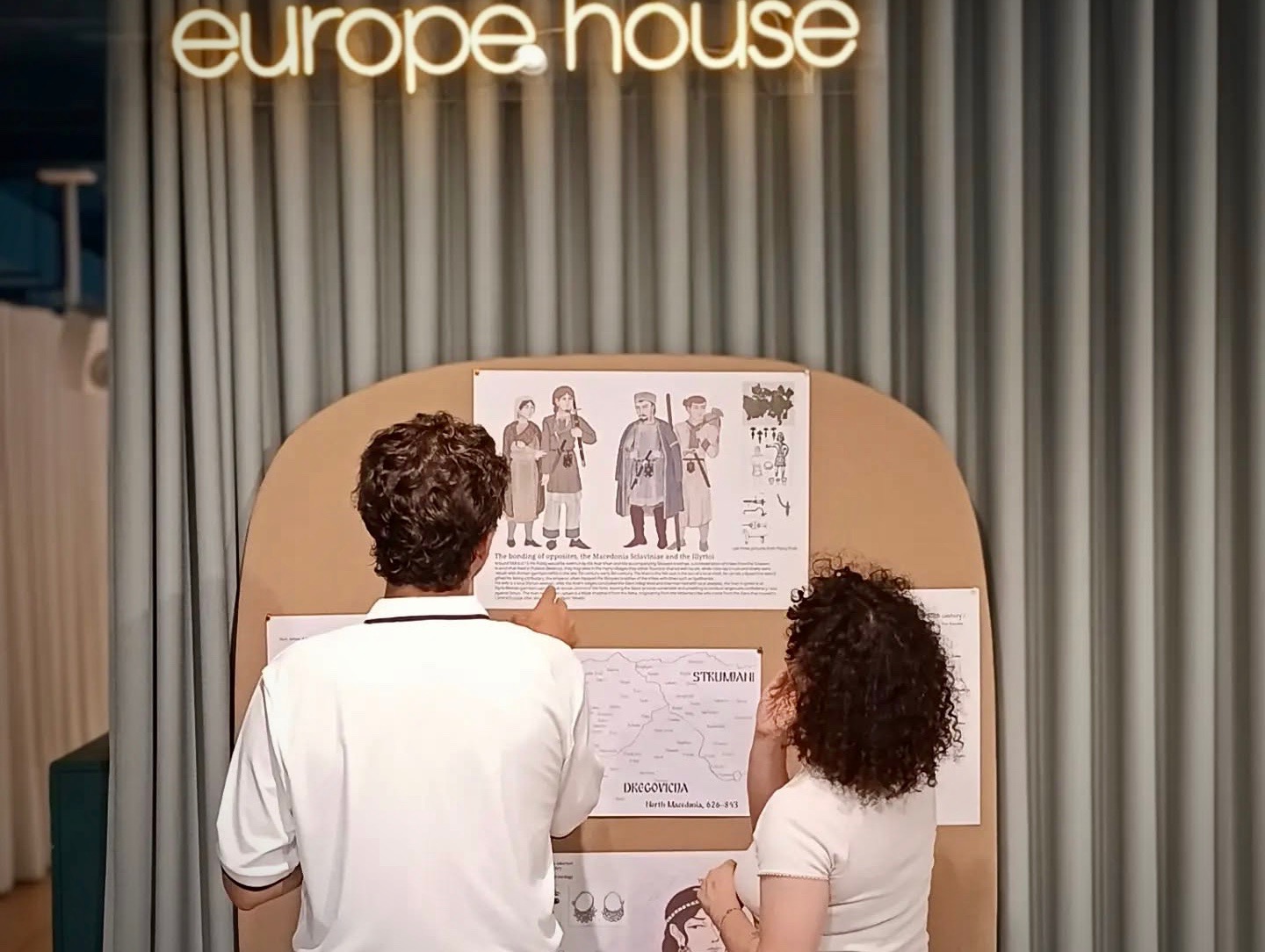
What can fashion tell us about the history, traditions and identity of a region? We explored these questions through the exhibition “The History of Polog Fashion”, presented at Europe House Tetovo.

Through authentic stories and fashion elements from different historical periods, the exhibition traces the evolution of fashion in the Polog Region and shows how clothing and traditional elements become part of a community’s cultural identity and heritage.

The exhibition is the result of the dedicated work of Argjend Osmani, whose initiative contributes to researching, preserving and promoting the cultural heritage of the Polog Region. His work shows how young people can play an important role in uncovering local stories and bringing them closer to new generations.

“The History of Polog Fashion” reminded us that every traditional element carries its own story – about the time, the people and the place it comes from.

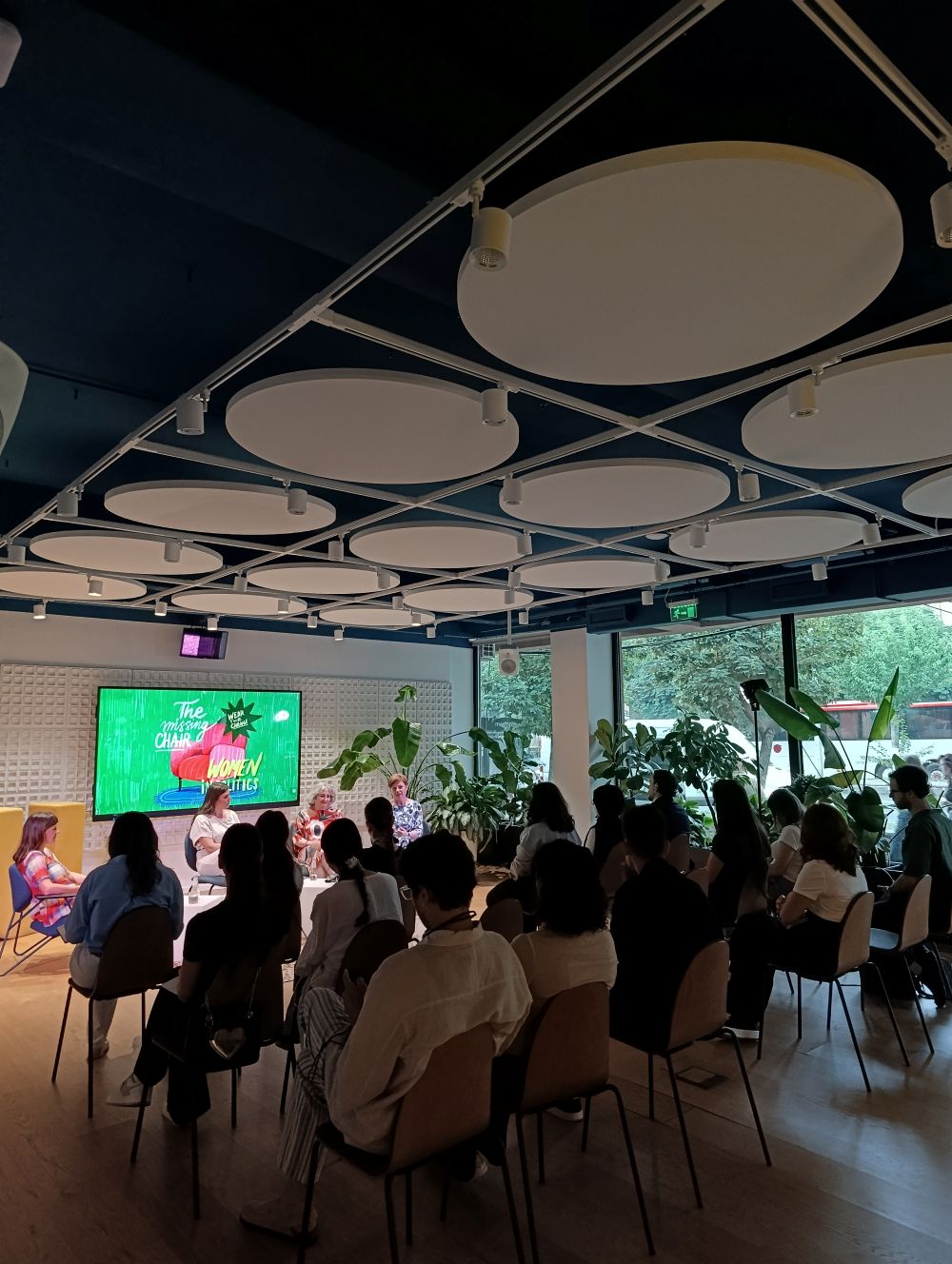
“THE EMPTY CHAIR” IN TETOVO SPARKS A DISCUSSION ON WOMEN IN POLITICS

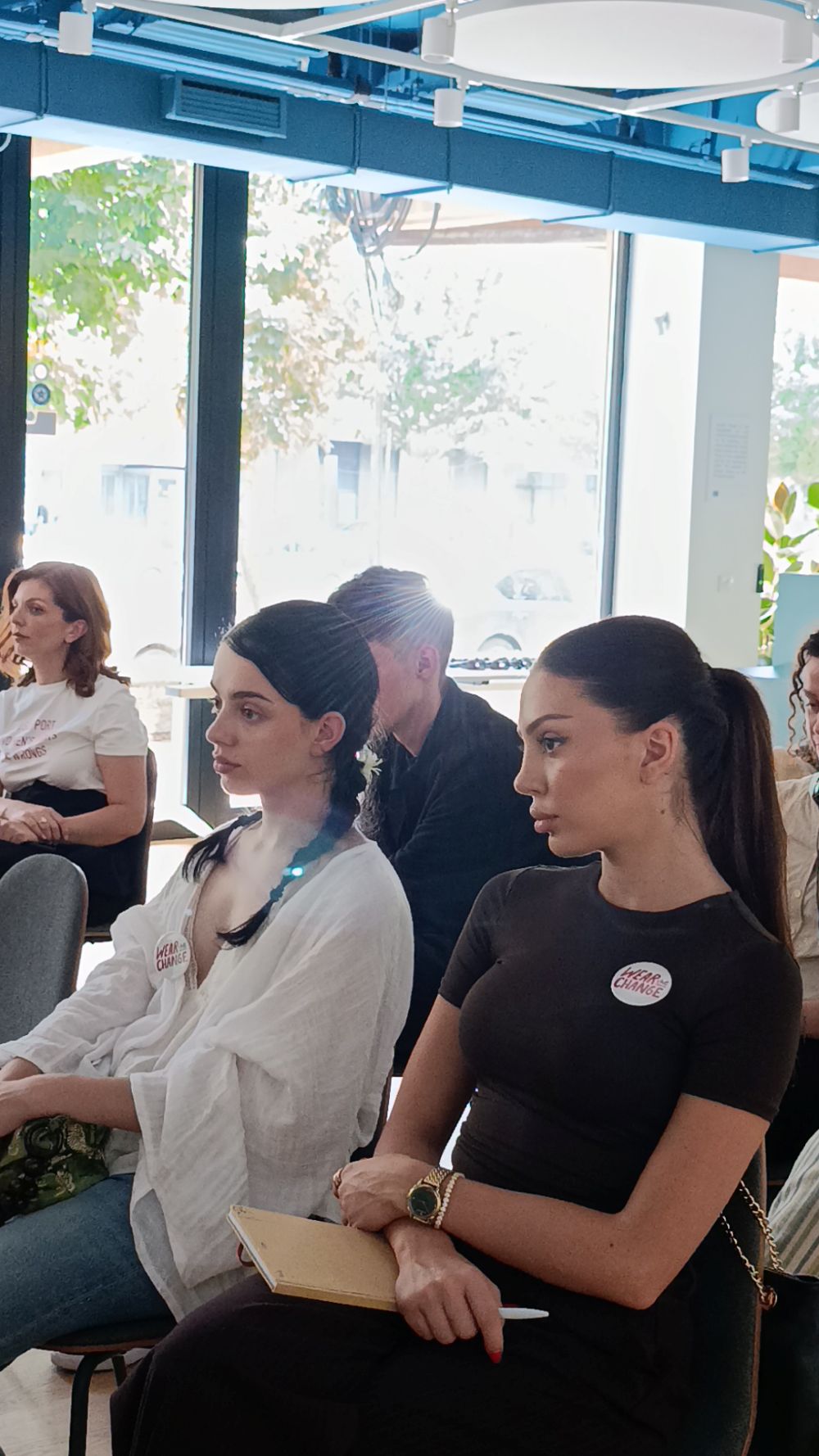
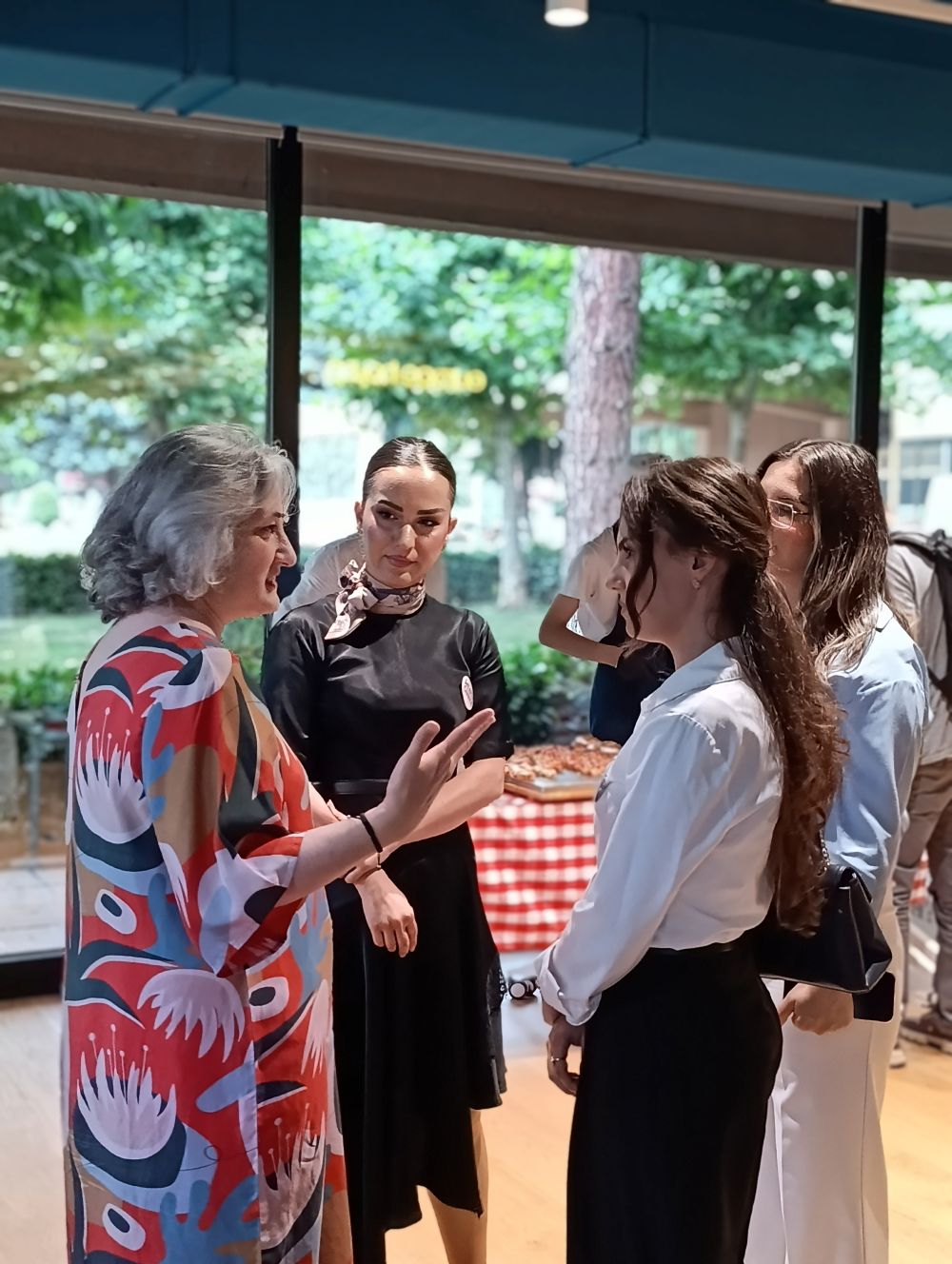
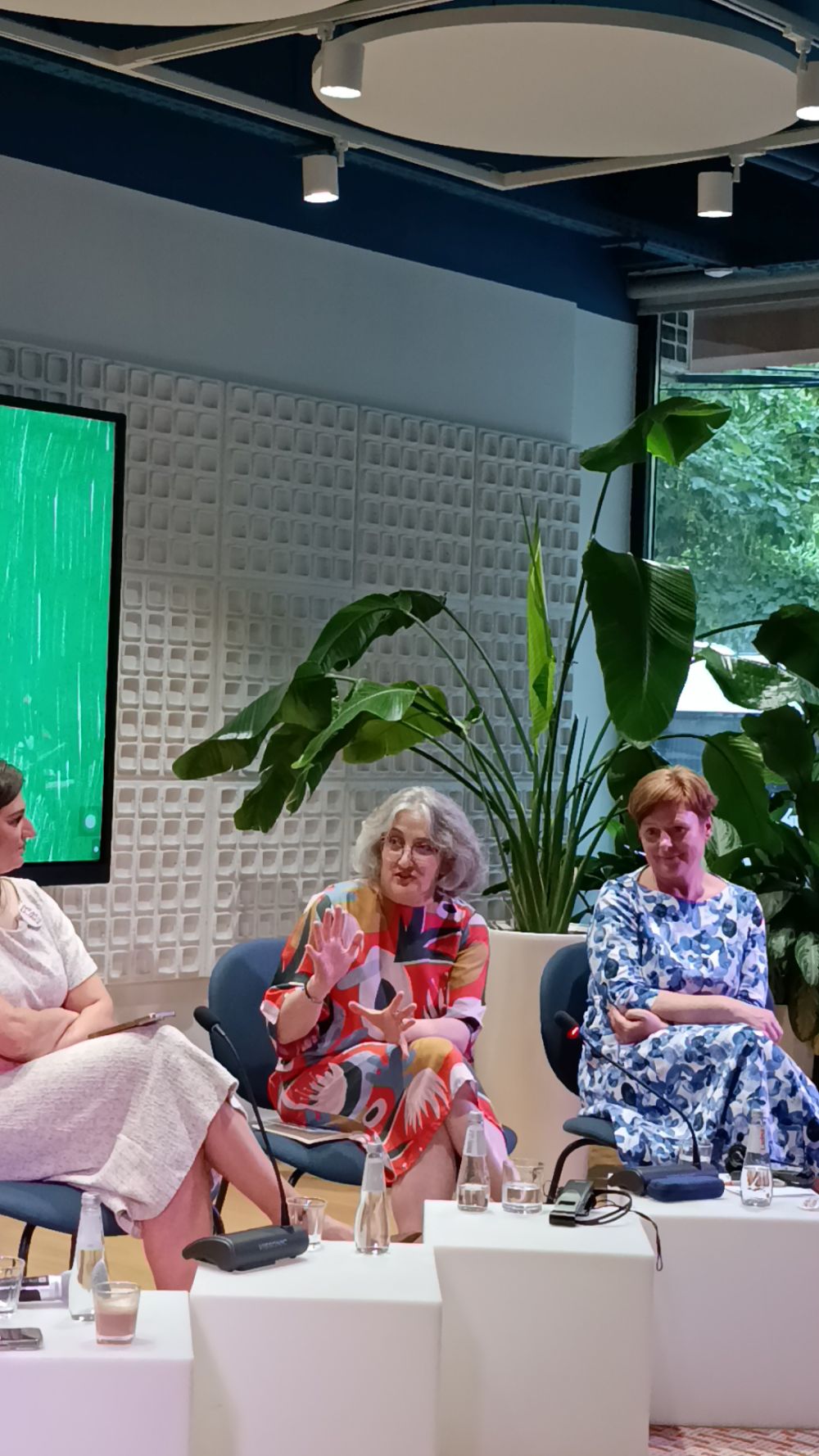
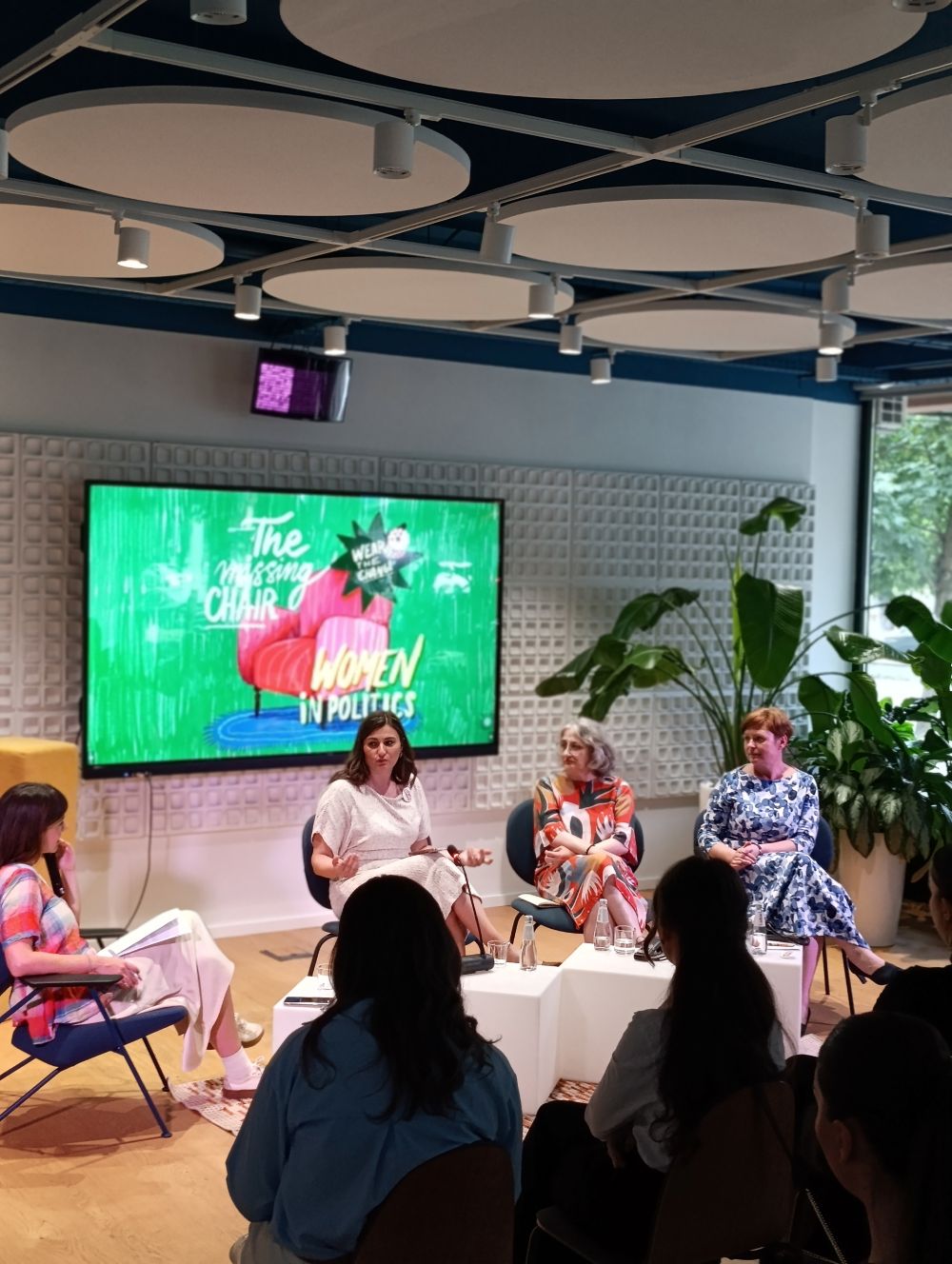
As part of the national “Wear the Change” caravan, initiated by the Delegation of the European Union, the embassies of the European Union Member States (Team Europe), and the Europe House Network, the panel discussion “The Empty Chair: Women in Politics” was held yesterday at Europe House Tetovo.

The event opened a discussion on the underrepresentation of women in political decision-making positions and the gap between legal provisions and their implementation in practice. Although electoral legislation requires that at least 40 percent of candidates on electoral lists are women, the current Government includes only three female ministers, while just four of the country’s 81 municipalities are led by women mayors.

The discussion was moderated by Andrea Ugrinoska, Executive Director of Tiiiit! Inc., and featured Member of Parliament Monika Zajkova, H.E. Özlem Canel, Ambassador of the Netherlands, and H.E. Petra Drexler, Ambassador of Germany. The panelists shared their personal and professional experiences, as well as European practices that promote greater participation of women in political life.


The discussion highlighted that quotas alone are not sufficient if women do not have genuine access to leadership positions and decision-making processes. The panelists also emphasized the importance of support from families, mentors and allies, while encouraging women to have confidence in their ability to lead.

The event attracted significant interest from the local community, with students, young people and activists actively participating in the discussion. The key message was that the “empty chair” is not the result of a lack of capable women, but rather of systemic and societal barriers that continue to limit women’s equal access to political power.

The “Wear the Change” caravan continues across several cities in North Macedonia, creating spaces for public dialogue on gender equality, civic participation and equal representation in decision-making processes.

Subscribe To our newsletter!